





— Blogs —
—Products—
 Consumer hotline +8618073152920
 WhatsApp:+8615367865107
Address:Room 102, District D, Houhu Industrial Park, Yuelu District, Changsha City, Hunan Province, China
Product knowledge
Time:2025-12-15 14:32:12 Popularity:810
Noise is a complex signal whose judgment involves not only physical standards but also strong subjectivity and physiological impact.
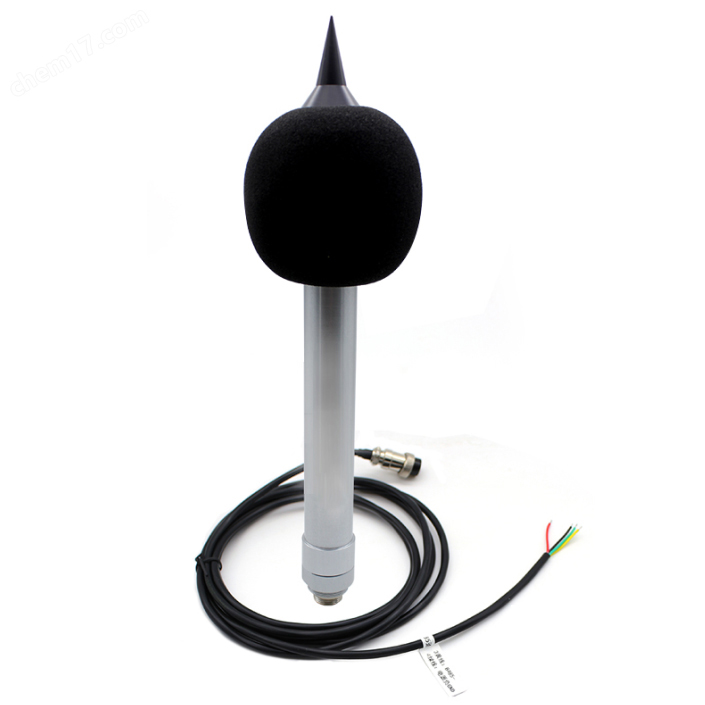
Physiological View (Noise Pollution): Any unwanted sound that interferes with people's rest, study, work, or hearing desired sounds is collectively called noise. When such unwanted sound adversely affects people and the surrounding environment, it forms noise pollution.
Physical View: Noise refers to all irregular signals. In acoustics, it specifically refers to irregular vibration of sound waves; in broader physics, it also includes electromagnetic noise, thermal noise, and other non-acoustic signals.
Due to strong subjectivity of noise, to achieve objective and standardized management of environmental noise evaluation, labor protection, and industrial hygiene, precision instruments with specific characteristics must be used for measurement, converting sound waves into quantifiable physical data.
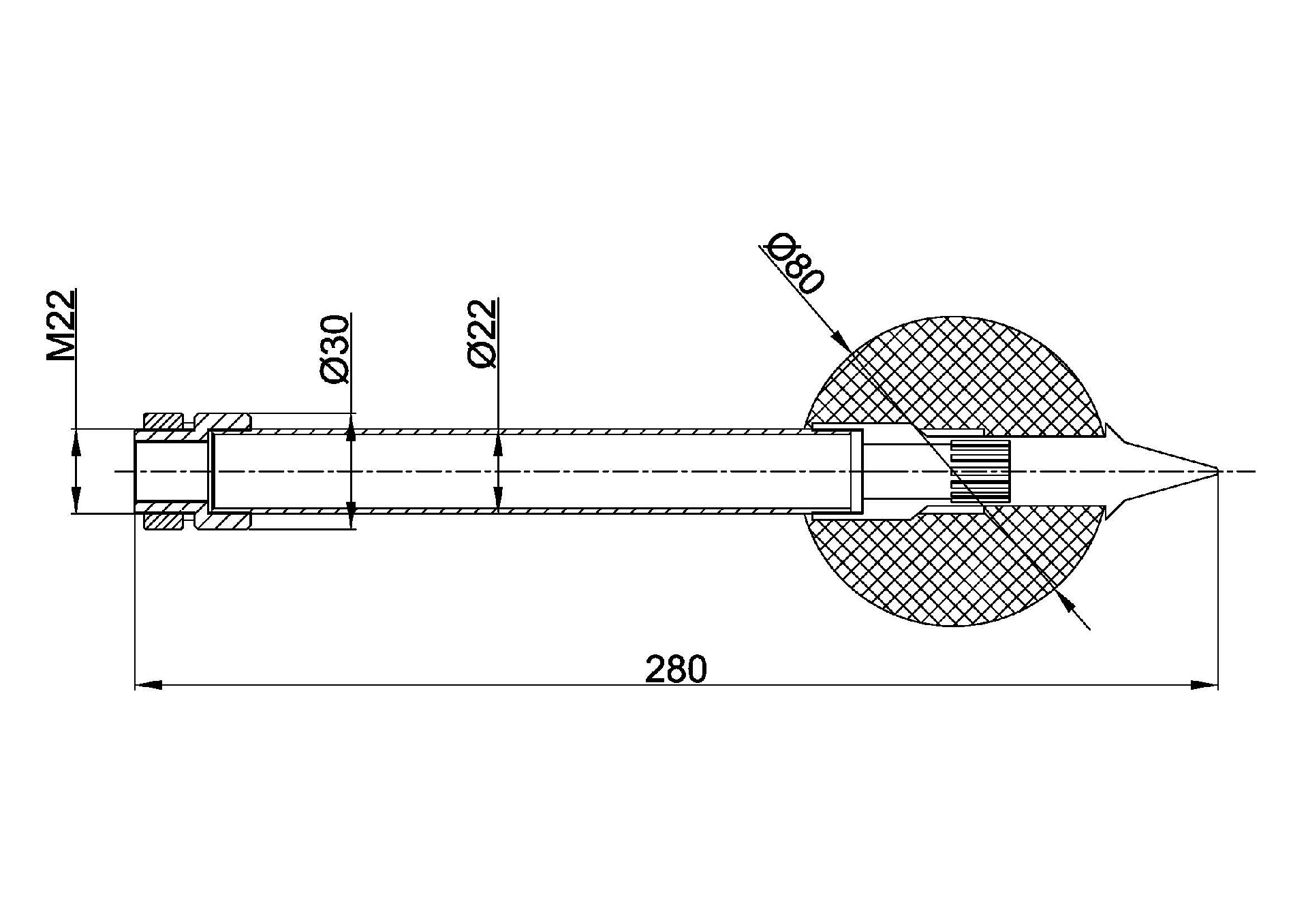
The instrument for measuring noise level is called a noise meter or sound level meter. NiuBoL NBL-W-NS noise sensor is based on classic acoustic measurement principle combined with modern digital technology, achieving high-precision and high-stability sound measurement.
A typical sound level meter consists of multiple precision components working together to convert sound wave signals into readable sound intensity levels:
Microphone (Capacitor Microphone): The instrument's “ear”, converting air sound wave pressure vibration into weak electrical signals. NBL-W-NS uses professional 0.5-inch capacitor microphone.
Preamplifier: Responsible for impedance transformation, ensuring microphone output signal well matches subsequent circuits (e.g., attenuator).
Attenuator & Amplifier: Preliminary gain adjustment and amplitude amplification of signal.
Frequency Weighting Network: Critical link. Human ear sensitivity to different frequencies varies, so electrical signal needs frequency weighting (e.g., A-weighting, C-weighting).
RMS Detector: Used to measure signal effective value, i.e., sound energy intensity.
Indicator Meter: Displays final measured sound intensity level.
NiuBoL NBL-W-NS is a digital, modular multi-functional sound level meter. By using digital signal processing chip and digital detection technology to replace complex and environment-sensitive analog circuits in traditional sound level meters, it has the following advantages:
High reliability and good stability: Digital processing reduces component aging and temperature drift impact on accuracy.
Wide frequency band, no need to switch range: Achieves 30–130 dB wide measurement range without manual switching, more convenient use.
High standard compliance: Frequency weighting complies with IEC 61672 Type 2 standard, ensuring measurement results have international recognized professionalism.
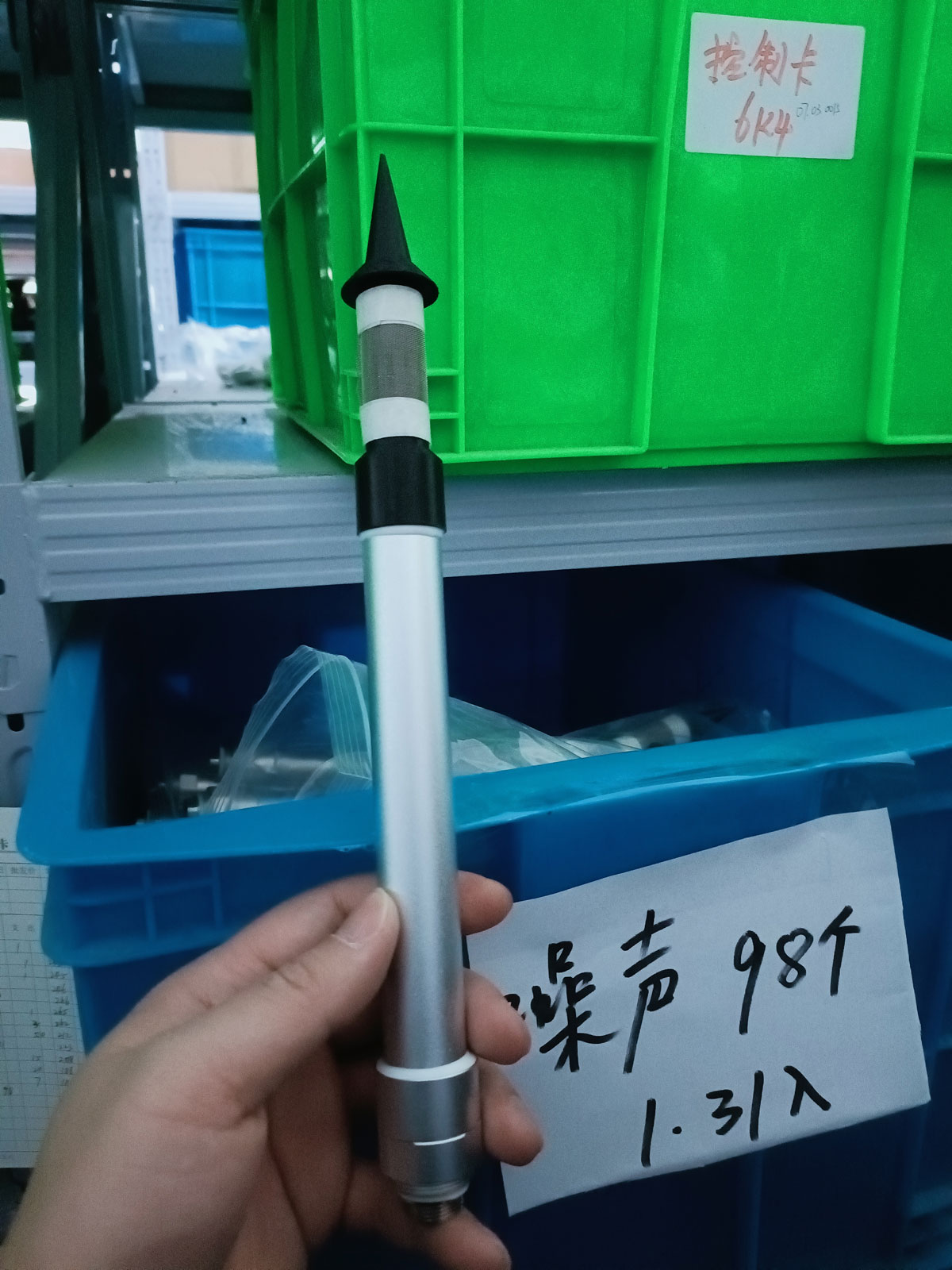
Measured noise level, i.e., sound intensity level, unit decibel (dB), is basic evaluation quantity of noise. Professional noise sensors must precisely capture and process sound frequency and time characteristics.
Frequency Range & Weighting:
Frequency range: NBL-W-NS measurement frequency range 31.5 Hz to 8 kHz, covering main frequency range of human ear perceived noise.
Frequency weighting: Instrument processes sound signal through frequency weighting network to simulate human ear response characteristics. Complies with IEC 61672 Type 2 standard, indicating measurement accuracy reaches professional level.
Time Response:
Fast response (Fast): NBL-W-NS time response T=200 ms. Time response simulates human ear reaction speed to sound intensity changes. Fast response usually used for measuring rapidly changing noise, e.g., peak when vehicles pass.
Measurement range: 30–130 dB (wide range, no switching needed).
Accuracy: High precision, calibrated under 94 dB (31.5 Hz–8 kHz) conditions.
Communication method: Industrial standard 485 output, easy integration with industrial automation systems and environmental monitoring platforms.
Microphone: 0.5-inch capacitor microphone.
Calibration: Can be calibrated using B&K (Bruel & Kjaer) multi-function sound calibrator, ensuring data traceability and reliability.
Power consumption: Low power consumption design (DC 12V: ≈20 mW).
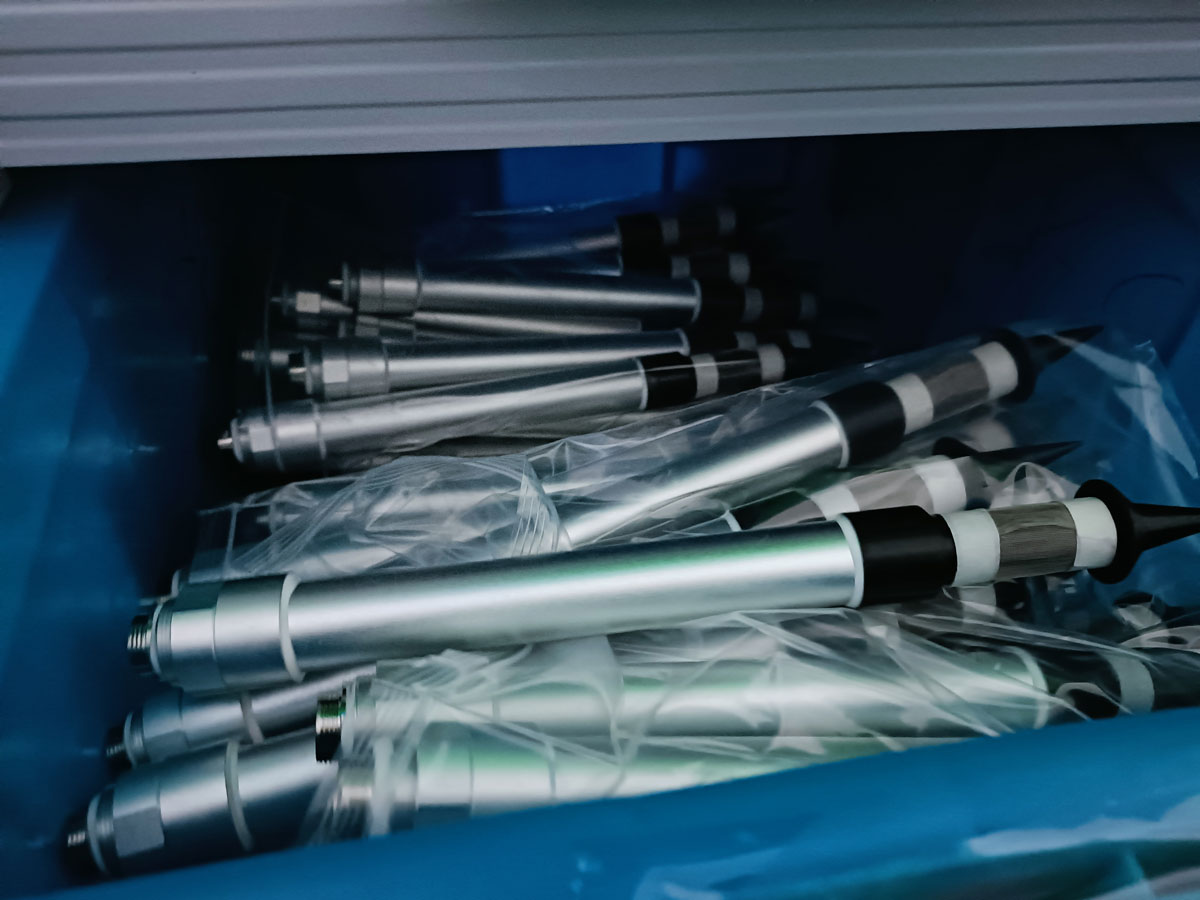
NiuBoL noise sensor, with its stability and high precision, is widely used in professional fields requiring strict noise level control.
Industrial Noise Measurement: Precise measurement and evaluation of industrial noise generated by various machines, vehicles, ships, appliances, etc., during operation for product design improvement or compliance with industry emission standards.
Environmental Noise Measurement: Environmental noise monitoring in cities, traffic arteries, residential areas, tourist areas, etc., assessing noise pollution level, providing data support for environmental protection departments to formulate noise reduction measures.
Labor Protection & Industrial Hygiene: Measures workplace noise intensity to ensure compliance with occupational safety standards, protecting employee hearing health, preventing occupational noise-induced deafness.
Scientific Research & Education: Used in acoustic laboratories and physics experimental teaching for sound characteristics and noise law research.
NBL-W-NS uses durable ABS plastic housing and wide temperature operating range (-15–50°C), enabling adaptation to complex industrial and outdoor environments. Its RS485 output and low power consumption design make it easy to integrate into unattended Internet of Things (IoT) monitoring systems; simply connect power and collector via wiring for remote, real-time data acquisition.
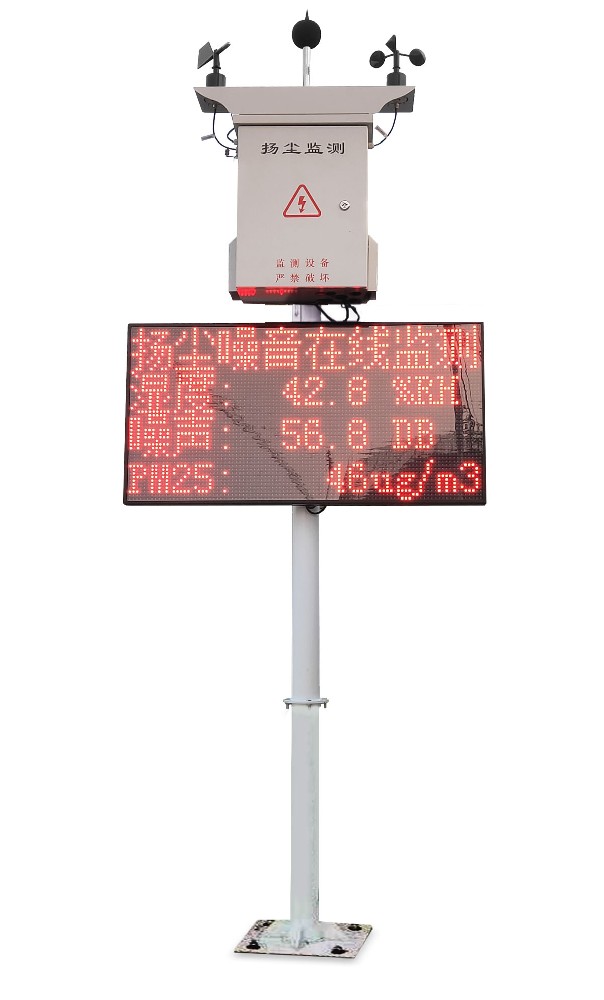
NiuBoL NBL-W-NS noise sensor, as a digital sound level meter complying with IEC international standards, with its 30–130 dB wide range, high precision, and RS485 stable output, provides reliable noise measurement solutions for industrial, environmental, and occupational health fields. By converting sound waves into precise, quantifiable decibel values, it helps people better understand, evaluate, and control this “invisible killer”.
Proper operation and maintenance of this precision equipment will ensure long-term stable use, continuously contributing value to noise pollution prevention and human hearing protection.
Prev:Core Value, Working Principle, and Efficient Application of Solar Radiation Sensors
Next:Precise Rain Measurement:Rainfall Sensor Principle, Application, Installation
Related recommendations
Sensors & Weather Stations Catalog
 Agriculture Sensors and Weather Stations Catalog-NiuBoL.pdf
Weather Stations Catalog-NiuBoL.pdf
Agriculture Sensors Catalog-NiuBoL.pdf
Water Quality Sensor Catalog-NiuBoL.pdf
Related products
 Combined air temperature and relative humidity sensor
 TDR Soil Moisture & Temperature Sensor for irrigation| RS485 |4-20mA| NBL-S-THR
 Soil pH sensor RS485 soil Testing instrument soil ph meter for agriculture |NBL-S-PH
 Wind Speed sensor Output Modbus/RS485/Analog/0-5V/4-20mA
 Tipping bucket rain gauge for weather monitoring auto rainfall sensor RS485/Outdoor/stainless steel
 Pyranometer Solar Radiation Sensor 4-20mA/RS485

Screenshot, WhatsApp to identify the QR code
WhatsApp number:+8615367865107
(Click on WhatsApp to copy and add friends)

