

— Blogs —
—Products—
 Consumer hotline +8618073152920
WhatsApp:+8615367865107
Address:Room 102, District D, Houhu Industrial Park, Yuelu District, Changsha City, Hunan Province, China
Product knowledge
Time:2025-03-18 10:32:20 Popularity:1690
Quick Answer: A forest fire hazard meteorological monitoring station records the weather used to assess drying conditions and potential fire behavior. Air temperature, relative humidity, wind and precipitation are core inputs for many fire-weather methods. The station does not directly detect an ignition unless separate detection equipment is installed, and no fixed monitoring radius can represent every forest, slope and valley.
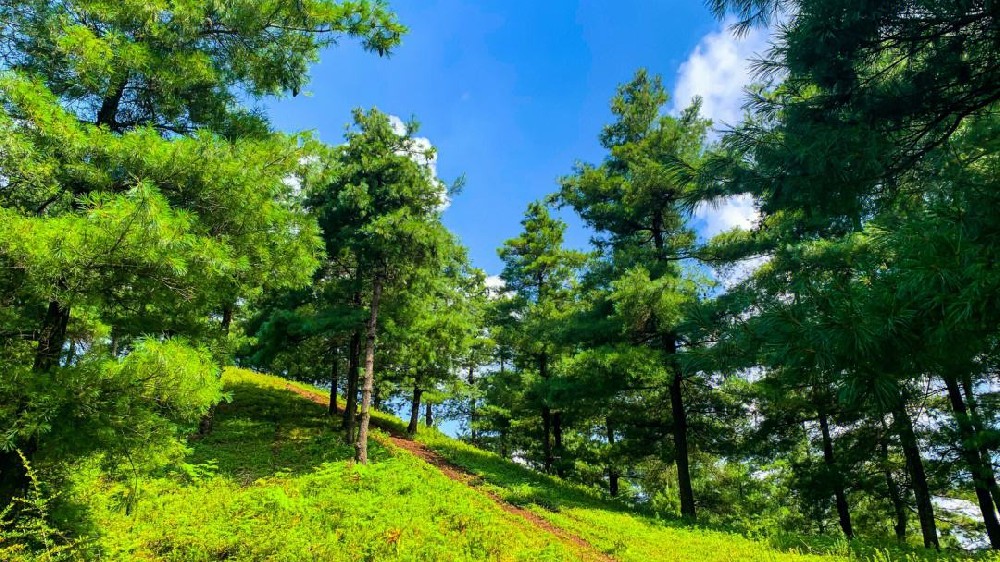
The first design question is not where a pole can be installed most easily. It is whether the observation is intended to represent exposed regional weather, a specific valley, a plantation edge or the sheltered environment beneath the canopy. Each has a legitimate use, but their readings are not interchangeable. A humidity sensor under dense foliage should not be treated as an exposed reference station without considering that difference.
Terrain, elevation, aspect and vegetation change both airflow and moisture conditions. A ridge may capture stronger winds than a valley floor, while a clearing beside irrigated land may experience a local humidity influence. These differences explain why a universal five-kilometer coverage radius is not an appropriate basis for designing a fire-weather network.
Map the management area against terrain and fuel types, then identify the decisions the measurements must support: seasonal readiness, patrol allocation, interpretation of a dry period or weather context during an incident. Compare candidate sites by their representativeness, not simply by mobile signal strength or distance from an existing access road.

Fire weather describes atmospheric conditions that influence fuel drying and fire behavior. An operational fire-weather index combines observations through a defined method; it is not the same thing as a probability that an ignition will occur at a particular coordinate. Ignition sources, fuel arrangement and local conditions remain relevant even when weather measurements are complete.
A smoke camera, thermal detector or satellite observation addresses a different task: recognizing evidence of an active event. Those systems have their own field of view, detection limitations and alarm-verification procedures. Adding one to a weather station does not turn its stated optical range into the weather station's geographical coverage.
The Canadian Wildland Fire Information System provides an example of keeping fire-weather information and reported fire activity as distinct information layers. A project should make the same distinction on its dashboard. An elevated weather index is not a confirmed fire, and a missing station record must not be shown as low hazard.
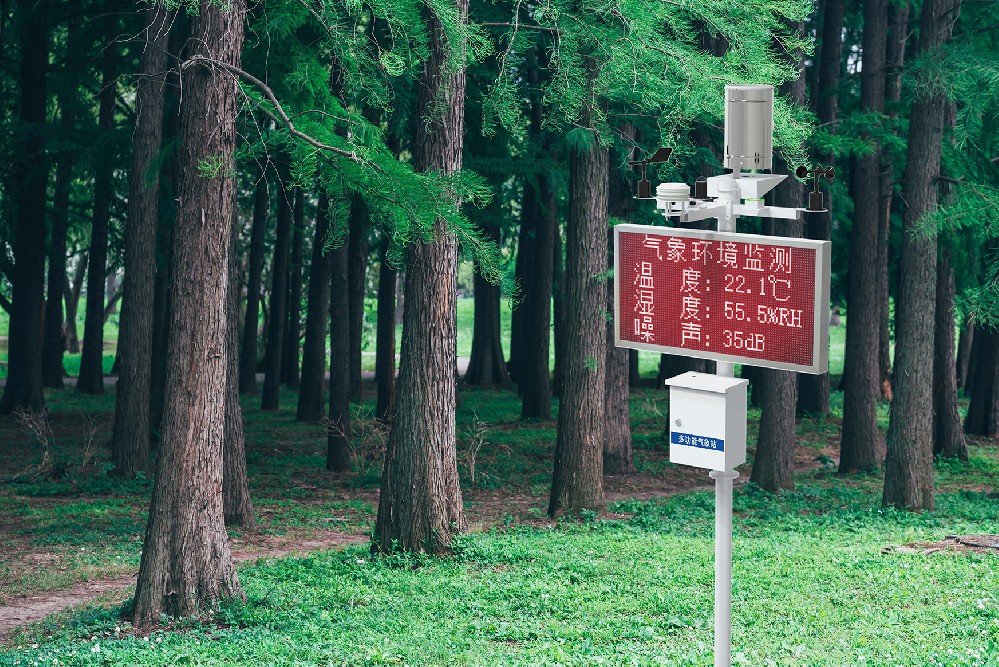
Begin with the input definition of the fire-weather method adopted by the responsible authority. Establish observation times, averaging periods, wind reference height, precipitation accumulation period and treatment of missing records before choosing a logger. Methods that carry moisture conditions forward also need an appropriate initialization and observation history; they cannot be recreated reliably from one current temperature and humidity reading.
Additional measurements can be valuable without being mandatory inputs to every index. Solar radiation helps characterize exposure. Fuel-moisture measurements describe particular fuels at their installed location. Soil moisture describes soil conditions, not the moisture of every litter layer or standing fuel. Barometric pressure can support atmospheric observations but should not be presented as a universal direct indicator of imminent fire.
Similarly, rain at one point does not establish that an entire management area has received the same wetting. Keep the station location visible on rainfall maps and inspect surrounding observations when interpreting localized showers. Do not erase accumulated dry-period context solely because a single sensor reports a brief event.
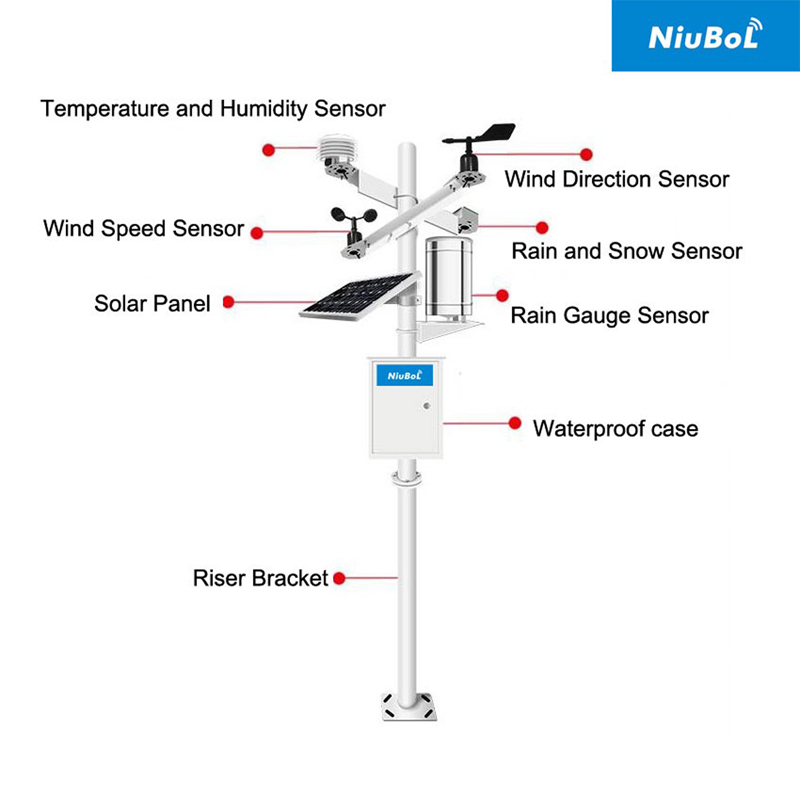
A modular station allows wind instruments, a shielded air sensor and a rain collector to be positioned according to their individual exposure requirements. The following configuration uses NiuBoL NBL-W-SS, NBL-W-DS, NBL-W-LBTH and NBL-W-RS sensors. These are component specifications, not a blanket certification that the complete station complies with a particular national fire-weather network standard.
| Component | Measurement and accuracy | Installation or acquisition requirement |
|---|---|---|
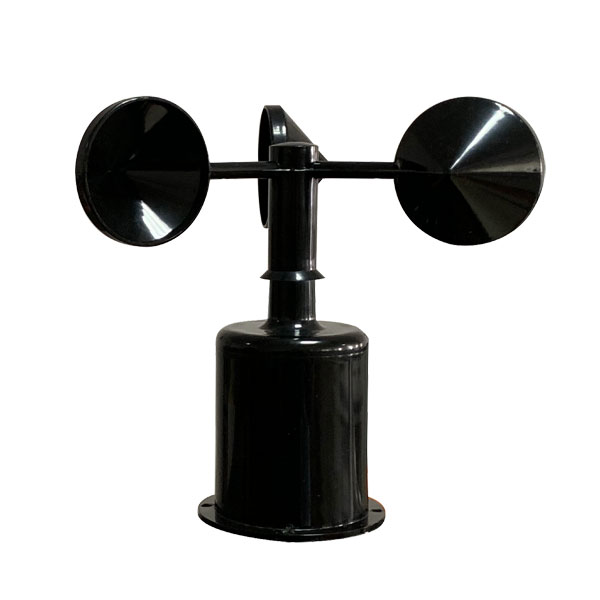
| NBL-W-SS wind speed | Selected 0-45 or 0-70 m/s range; +/- (0.3 + 0.03V) m/s, where V is wind speed in m/s; 0.1 m/s resolution | IP65; select the required pulse, analog or RS485 version. Keep the cup assembly clear of structural wakes. |
| NBL-W-DS wind direction | 0-360 degrees; +/-3 degrees | IP65; select the required output and document orientation. A conventional vane reports the direction from which wind arrives. |
| NBL-W-LBTH air temperature | -40 to +80 degrees C; +/-0.5 degrees C; 0.1 degree C resolution | Use suitable radiation shielding and ventilated exposure rather than a sealed cabinet. |
| NBL-W-LBTH relative humidity | 0-100% RH; +/-5% RH; 0.1% RH resolution | Protect from direct wetting and inspect contamination after dusty or smoky conditions. |
| NBL-W-LBTH pressure | 10-1200 hPa; +/-1.5 hPa; 0.1 hPa resolution | Store station pressure with its units and elevation context. |
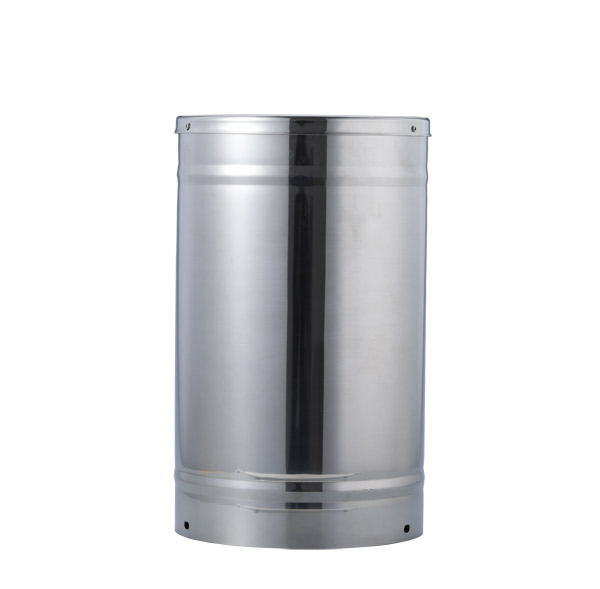
| NBL-W-RS rain gauge, 0.2 mm version | 0-4 mm/min; +/-4% in an indoor static test at 2 mm/min | Level the collector; count tips without losing short pulses. Operating temperature 0-50 degrees C for this unheated configuration. |
| Supply selection | LBTH: 12-24 VDC; SS, DS and powered rain-gauge versions: selected 5 V or 12-24 VDC configuration | Order a consistent electrical configuration; a passive pulse output and a powered transmitter are not identical loads. |
| Power consumption | SS: 50 mW; DS: 150 mW for the stated component configurations | Confirm the other sensors and logger loads; modem transmission and any heating require a separate energy budget. |
| Communication | Selected RS485 versions for connection to a compatible Modbus RTU data logger | Obtain the exact point map, serial settings and rain-count behavior for the ordered versions. |
| Cable assembly | SS and DS: standard 2.5 m; stated rain-gauge configuration: standard 5 m | Length does not identify jacket material. Specify UV resistance, rodent exposure and protected joints. |
All components do not share one operating limit. In a freezing climate, the rain collector may be the limiting instrument even when the air sensor and wind instruments support lower temperatures. Specify the treatment of frozen precipitation rather than assigning a -40 degrees C capability to the whole station.
The weather measurements can be displayed beside a camera or detector, but the acquisition design should keep their states separate. Weather data may be valid while the camera is offline, or a camera may detect smoke while one meteorological channel is unavailable. A single green communications icon cannot describe both conditions.
For any optical or thermal option, define the monitored sectors, obstructions, night conditions and how an operator confirms an alarm. A photograph of detection equipment does not establish its detection distance, minimum detectable fire size or suitability for every forest. Those requirements need the selected device's own specification and site assessment.
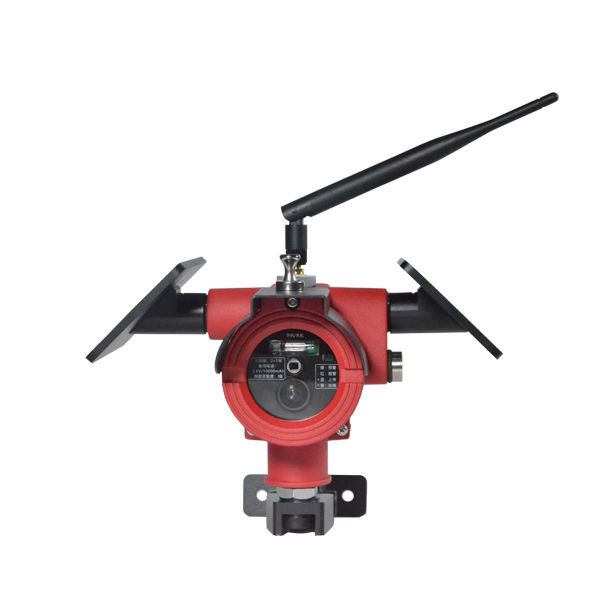
A field sensor connects to the data logger through its ordered electrical interface. The logger records and aggregates observations; a gateway carries them to the receiving platform; the selected fire-weather application evaluates them. RS485 Modbus RTU covers the local serial link, not the complete remote connection or the fire-weather calculation.
Set rainfall accumulation periods deliberately. A cumulative counter can reset after a power interruption or at a configured boundary; a controller that interprets either event as negative rain will corrupt subsequent totals. Test a known input, a reporting-period rollover and a power cycle before accepting rainfall histories.
Maintain valid zero rainfall separately from an unavailable rainfall channel. Preserve wind averaging intervals and identify whether a value is a mean or gust. A platform can receive perfectly formed messages while using the wrong units or time period in its hazard calculation, so commissioning must follow the information through to the final displayed result.
A solar panel should be assessed at the actual clearing and in the season with the least usable sunlight. Canopy growth and low sun angles can shade a panel that performed adequately during installation. Size storage from the measured load, required autonomy, battery temperature and usable capacity; a stated battery ampere-hour value alone does not establish runtime.
Test the remote link at the installed antenna height and through the intended receiving service. Signal bars on a handheld device are not an acceptance test for the station. For hard-to-reach sites, local logging, visible battery state and an identifiable last-valid observation can make a communication fault easier to distinguish from a sensor failure.
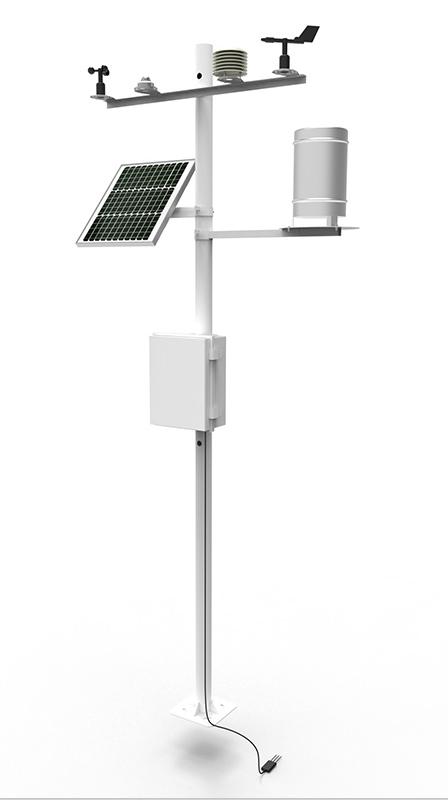
Record the original sensor heights, surrounding vegetation and unobstructed directions at commissioning. Repeat photographs from the same viewpoints during maintenance. Growth, storm damage, new structures or a relocated panel can change exposure without any electrical fault. An unexplained step in wind speed after maintenance may be a mounting change rather than a real shift in local weather.
Inspect the rain inlet for leaves, insects and deposits. Check cup rotation, vane movement, radiation-shield cleanliness, pole stability and cable condition. Use traceable comparisons suited to the measurement being checked. A visual inspection is useful but cannot substitute for a measurement check when a channel is suspected of drifting.
Before putting a fire-weather calculation into routine use, test a complete sequence of observations through the adopted method, including missing data and recovery. Name who reviews incomplete records and who authorizes operational responses. The station supplies observations; it does not replace the responsible authority's fire-management procedures.
For configuration and quotation, provide NiuBoL with the adopted observation method, terrain map, required channels, climate extremes, receiving platform and maintenance access. Identify whether the work is a regional reference network, a canopy microclimate study or supplementary monitoring near a vulnerable asset. That choice determines a defensible instrument arrangement and avoids purchasing unrelated channels.
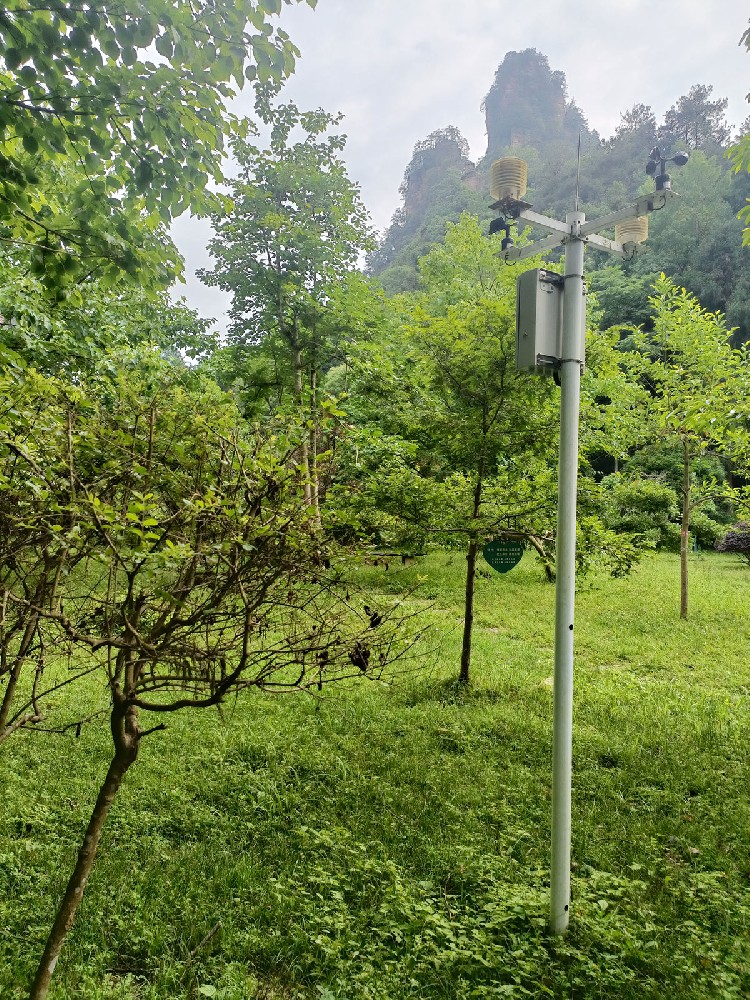
No universal radius is appropriate. Terrain, exposure, elevation, vegetation and localized rainfall determine representativeness. Decide station locations around the management decisions and the variation within the forest.
Not by itself. Meteorological sensors describe conditions that influence hazard. Detecting active smoke, heat or flame requires separate equipment and an alarm-verification procedure.
Follow the intended observation method. Exposed reference weather and under-canopy microclimate serve different purposes. Specify each channel's exposure and height; avoid treating an entire pole as having one universally correct position.
Only when the receiving application implements the selected method and has all required observations, time conventions and initialization information. A logger with temperature and humidity inputs is not automatically a validated index processor.
The stated unheated NBL-W-RS configuration operates at 0-50 degrees C. Frozen precipitation requires a separately specified measurement arrangement. Do not count an ice-blocked collector as a valid dry-weather observation.
The display should identify data age and unavailable channels. Where local storage is provided, restored uploads should retain the original timestamps. A stale measurement must not continue to represent current fire weather.
Selected RS485 Modbus RTU versions can connect through a compatible logger or gateway. Check channel scaling, wind statistics, precipitation periods and software import format as well as the serial connection.
State the sensor list, site climate, pole arrangement, remote connection, power autonomy and receiving application. List separate detection equipment explicitly so its cost and acceptance requirements are not confused with those of the weather station.
A forest fire hazard meteorological monitoring station is most useful when the site represents a defined environment and its records match the adopted fire-weather method. NiuBoL modular sensors can supply the observations, while appropriate exposure, continuous records and separate detection functions make those observations usable for forest management.
Prev:Campus Weather Station Network Access: Separate Teaching from Configuration
Next:Agricultural Weather Station Data Validation: Check Decisions Against Field Records
Related recommendations
Sensors & Weather Stations Catalog
 Agriculture Sensors and Weather Stations Catalog-NiuBoL.pdf
Weather Stations Catalog-NiuBoL.pdf
Agriculture Sensors Catalog-NiuBoL.pdf
Water Quality Sensor Catalog-NiuBoL.pdf
Related products
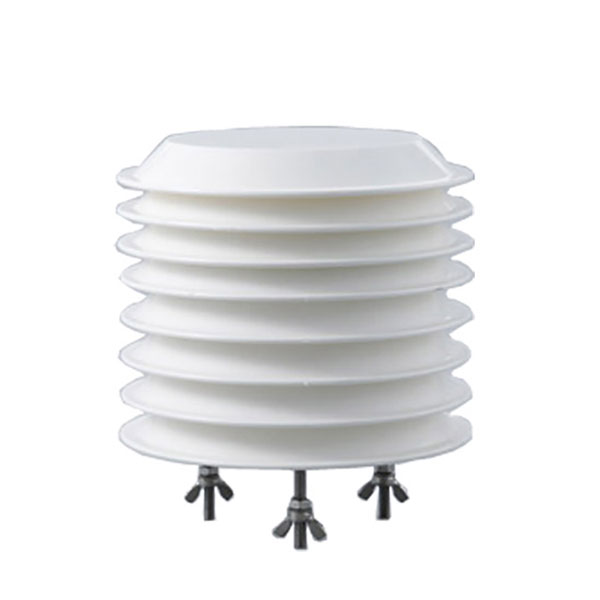 Combined air temperature and relative humidity sensor
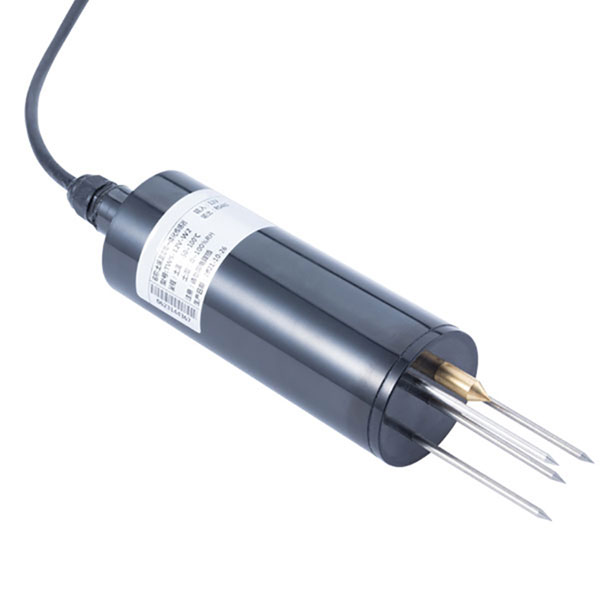 TDR Soil Moisture & Temperature Sensor for irrigation| RS485 |4-20mA| NBL-S-THR
 Soil pH sensor RS485 soil Testing instrument soil ph meter for agriculture |NBL-S-PH
 Wind Speed sensor Output Modbus/RS485/Analog/0-5V/4-20mA
 Tipping bucket rain gauge for weather monitoring auto rainfall sensor RS485/Outdoor/stainless steel
 Pyranometer Solar Radiation Sensor 4-20mA/RS485


Screenshot, WhatsApp to identify the QR code
WhatsApp number:+8615367865107
(Click on WhatsApp to copy and add friends)