





— Blogs —
—Products—
 Consumer hotline +8618073152920
 WhatsApp:+8615367865107
Address:Room 102, District D, Houhu Industrial Park, Yuelu District, Changsha City, Hunan Province, China
Product knowledge
Time:2026-05-23 14:09:37 Popularity:332
In the fields of industrial water treatment and municipal water supply and drainage, the role of multi-parameter water quality analyzers is undergoing a fundamental transformation. Traditional "monitoring type" instruments only serve compliance data recording, with their response lagging behind process changes. Modern process control type multi-parameter analyzers, as the "sensory nerves" for optimizing water treatment processes, have been given a higher mission: with extremely short response times and stringent long-term stability, they reliably reflect water quality trends, providing real-time feedback for aeration volume adjustment, dosing pump frequency conversion, and sludge return flow control.
This leap has directly driven the water treatment industry from "experience-driven" to "data-driven," providing a core data foundation for energy saving and consumption reduction (reducing electricity and chemical costs). Against this backdrop, industrial sensor brands like NiuBoL are promoting this process from concept to engineering implementation through technological routes featuring low power consumption (<0.5W), high protection (IP68), and all-digital bus (RS-485/Modbus-RTU).
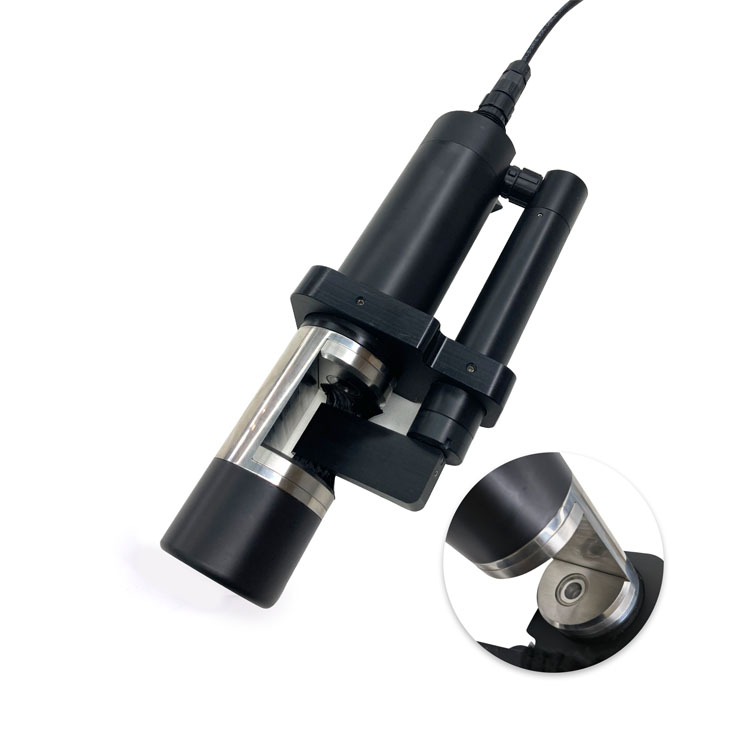
Trend A: Controller Intelligence & HMI Upgrade
Future online water quality analyzer controllers will no longer be simple display and transmission units but intelligent hubs with powerful edge computing capabilities. They will be fully network-capable, supporting direct data push to the cloud via 4G/5G, Wi-Fi, and industrial Ethernet, enabling data sharing and collaborative processing among multiple instruments.
Interaction Method Innovation: Traditional physical buttons are being replaced by high-sensitivity touchscreens. More cutting-edge, gesture control and voice commands will be introduced into industrial scenarios. Operators with hands covered in reagents or oil can complete calibration, standardization, and data recording via voice commands, greatly improving on-site maintenance efficiency.
Trend B: Sensor Miniaturization & Digital Direct Transmission
Core Direction: Sensors are rapidly evolving towards miniaturization, low cost, and low power consumption. Future digital sensors will have built-in signal conditioning and amplification circuits, directly outputting standardized digital signals (e.g., RS-485, Modbus-RTU), allowing them to be read by PLCs or general RTUs without relying on brand-specific control instruments.
Technical Value: This trend makes water quality monitoring nodes as "ubiquitous as smartphones." More water quality parameters (e.g., microplastics, specific heavy metal ions, biotoxicity) will achieve in-situ online monitoring, greatly reducing the wiring complexity and single-point failure risk of multi-parameter parallel systems.
Trend C: Software-Defined Instruments & Water Quality Fingerprint Algorithms
Software Becomes Core: The value of instruments will shift from hardware performance to software algorithms. In addition to basic control and data analysis software, water quality fingerprint recognition algorithms for specific industrial scenarios will become reality. For example, through full-band analysis of UV-Vis spectra, the system can identify pollutant types in water in real-time (e.g., benzene series leakage or papermaking black liquor mixing), rather than just providing total COD.
Trend D: Self-Learning, Self-Adaptation & Lifetime Prediction
Proactive Maintenance: Future multi-parameter analyzers will have self-learning capabilities. They can automatically adjust internal PID parameters or calibration frequency based on environmental temperature, pH changes, and historical data. When sensor performance degrades (e.g., DO probe membrane aging), the instrument will issue an alert and proactively remind to purchase spare parts.
TCO Closed-Loop Management: Equipment will have a built-in spare parts management system, recording the service life of membrane heads, electrolytes, and light source bulbs, and issuing predictive maintenance commands 30 days before end-of-life, fundamentally changing the passive situation of "repair only when broken."
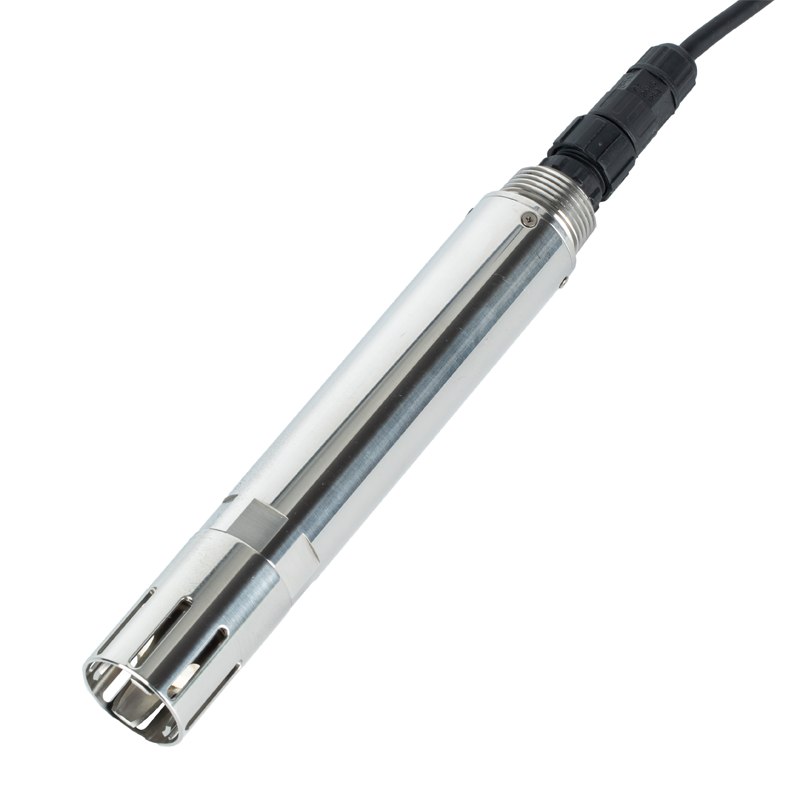
The development of IoT technology has broken the "data silo" state where monitoring data was previously scattered across different departments and individuals.
Data Aggregation & Baseline Establishment: Data from hundreds or thousands of multi-parameter water quality analyzers at industrial discharge outlets, river sections, and secondary water supply pump rooms is rapidly aggregated to the cloud via 5G. Using big data technology, the system can establish dynamic water quality baselines for specific watersheds and identify seasonal fluctuation patterns.
Early Warning & Decision Models: Based on machine learning algorithms, engineers can build mathematical models for "water quality prediction" and "pollution source tracing." For example, when upstream COD and ammonia nitrogen show correlated sharp increases, the system warns downstream water plants 2 hours in advance to adjust process parameters. This not only guides government in watershed comprehensive management but also ensures water intake safety for industrial enterprises.
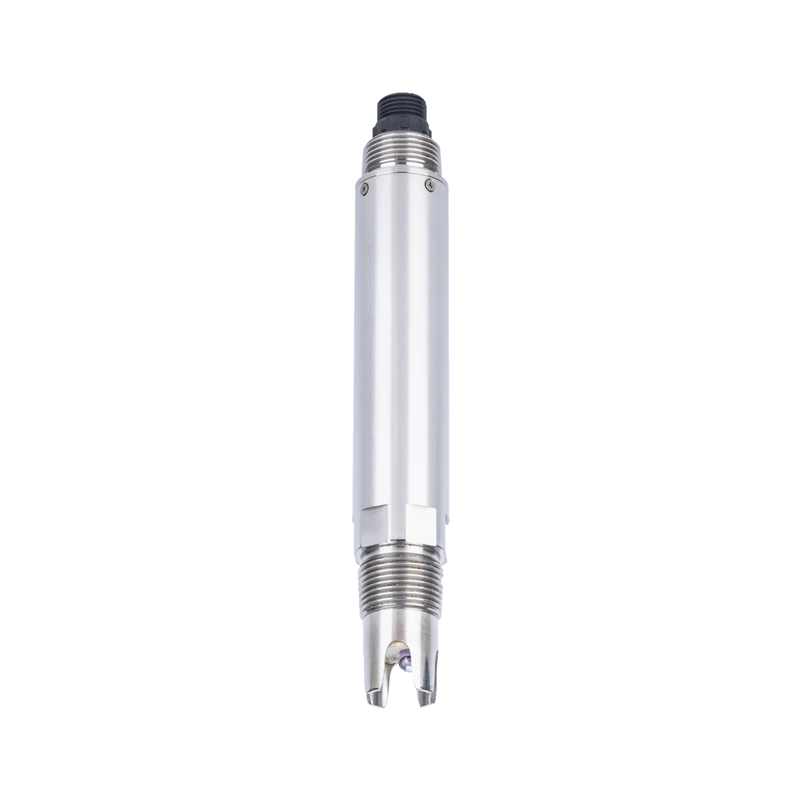
In industrial wastewater treatment and reuse processes, multi-parameter water quality analyzers mainly focus on the following core load indicators. Understanding their chemical essence is a prerequisite for correct selection and maintenance.
1. Chemical Oxygen Demand (COD)
Definition: Under certain strict conditions, the amount of oxidizing agent consumed when reducing substances in a water sample (mainly organic matter, also including nitrite, ferrous salts, sulfides, etc.) are oxidized and decomposed by a strong oxidant, in mg/L.
Engineering Significance: COD is a comprehensive indicator for assessing the degree of organic pollution in water bodies. In industrial wastewater, high COD means longer aeration time or higher biochemical sludge concentration, directly related to blower electricity consumption.
2. Ammonia Nitrogen
Existing Forms: Ammonia nitrogen refers to nitrogen existing in water in the form of free ammonia (NH₃) and ammonium ions (NH₄⁺). Its physicochemical properties determine its significant toxicity to aquatic organisms.
Ecological Impact: When ammonia nitrogen exceeds standards in water, it consumes dissolved oxygen (eutrophication), leading to fish death. Therefore, in monitoring of food processing, medical wastewater, and livestock and poultry farming wastewater, ammonia nitrogen is a mandatory environmental "red line indicator."
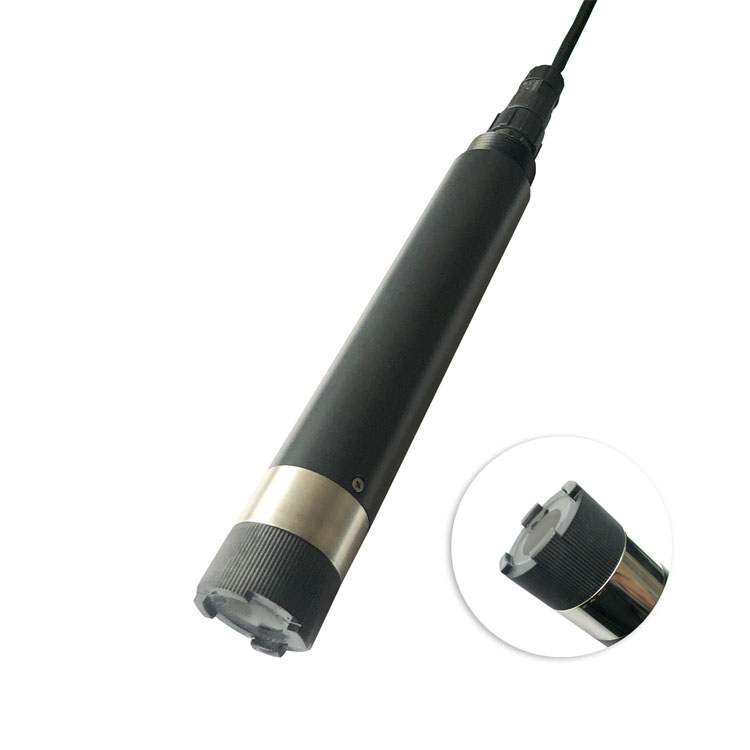
In modern smart water plants and industrial park centralized monitoring projects, the traditional 4-20mA point-to-point wiring method is being replaced by fieldbus architecture.
NiuBoL Digital Sensor Integration Solution:
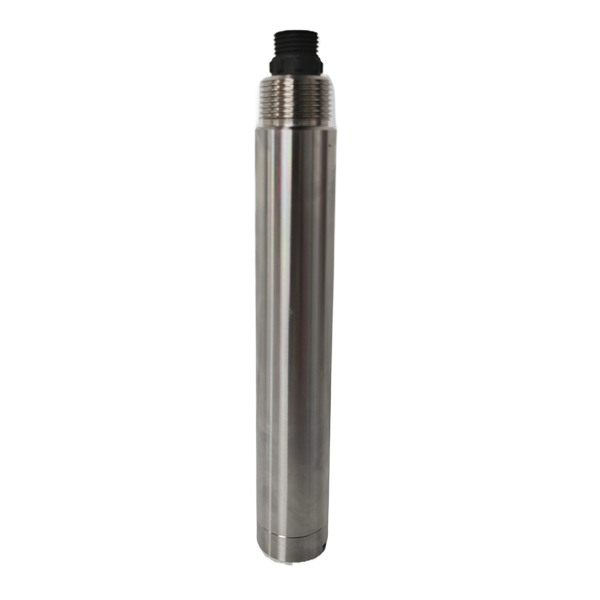
- Hardware Layer: Uses NiuBoL full series digital water quality sensors (pH, dissolved oxygen, conductivity, turbidity, COD). Each sensor has a built-in microprocessor, outputting standard RS-485 signals, with unified Modbus-RTU protocol.
- Topology Layer: All sensors are connected in parallel via twisted pair to an industrial PLC or edge computing gateway. Compared to the 4-20mA solution, a large number of isolators and analog input modules are eliminated.
- Low Power Advantage: NiuBoL single probe power consumption can be controlled at around 0.2W - 0.5W, supporting 12-24V DC wide voltage power supply, making it very suitable for solar power supply in field environments without mains electricity (e.g., river grid monitoring).
This bus-based architecture allows a single controller to theoretically access 32 or even 128 digital probes, greatly simplifying the wiring topology for multi-point monitoring in large wastewater treatment plants.
Technology Trends
Q1: What is the transformative significance of direct digital sensor transmission (without traditional controllers) for smart water grid monitoring?
A: The traditional "probe → controller → PLC" path is long and costly. Digital sensors (e.g., NiuBoL RS-485 output) can directly connect to low-cost IoT gateways or even 5G DTUs. This makes it possible to deploy thousands of "micro water quality nodes" in pipe networks, truly realizing grid-based water quality traceability throughout the entire water supply process.
Practical Operation & Maintenance
Q2: Why are the requirements for "ammonia-free" cleaning water so stringent when using multi-parameter analyzers to measure ammonia nitrogen?
A: Ammonia nitrogen measurement typically uses the Nessler's reagent colorimetric method, which is extremely sensitive. Trace amounts of ammonium ions (<0.01 mg/L) in ordinary tap water or aged deionized water will raise the blank value, causing severe distortion in measurement results of low-concentration samples (e.g., surface water, 0.1-0.5 mg/L).
Q3: Why must a reagent tube leak on site be cleaned immediately and not allowed to run dry?
A: Acid-containing or heavy metal reagents commonly found in wastewater are highly corrosive, capable of corroding PCB copper foil and causing short circuits within 30 minutes. When the instrument runs dry, the peristaltic pump rollers rubbing at high speed on a dry pump tube generate high temperatures, wearing through the pump tube and damaging the roller bracket within minutes.
Q4: What is the specific requirement for multi-parameter instrument response time in industrial process control?
A: For chemical analyzers (COD, ammonia nitrogen), T90 (time to reach 90% of final value) is typically required to be less than 10 minutes. For electrochemical sensors (pH, DO), it is required to be less than 30 seconds. Excessive lag causes PID control loop oscillation, preventing closed-loop automatic chemical dosing.
Procurement & Commercial
Q5: Do NiuBoL digital water quality sensors support the standard Modbus protocol for direct integration with third-party big data cloud computing platforms?
A: Yes. All NiuBoL water quality sensors strictly adhere to the Modbus-RTU standard protocol (RS-485 interface). We provide complete register maps, supporting integration with Alibaba Cloud, Tencent Cloud, ThingsBoard, and various SCADA systems without intermediate conversion.
Q6: In large-scale government or industrial water tender projects, how to select equipment based on "low power consumption, maintenance-free" indicators?
A: It is recommended to specify in tender documents: ① Sensor supports 12V DC power supply with power consumption less than 0.5W; ② Optical sensors have automatic cleaning brushes; ③ Electrochemical sensors support reagent-free measurement (e.g., constant voltage residual chlorine instead of DPD colorimetry). These three indicators directly determine the TCO under long-term operation.
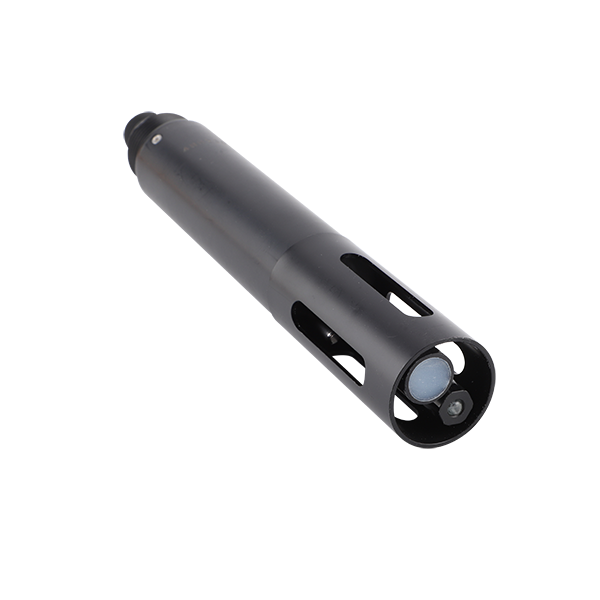
Multi-parameter water quality analyzers are standing at a historic turning point from "isolated monitoring" to "cloud-connected, process-synergistic." Whether it's achieving precise aeration energy saving in industrial wastewater treatment or realizing full-process water quality traceability in municipal water supply networks, choosing equipment with digital genes and open communication protocols is key to ensuring technology remains advanced and operational costs controllable for the next decade.
NiuBoL is committed to providing water quality sensing hardware that meets next-generation standards.
 NBL-WQ-CL Water Quality Sensor Online Residual Chlorine Sensor.pdf
NBL-WQ-DO Online Fluorescence Dissolved Oxygen Sensor.pdf
NBL-WQ-NHN Ammonia Nitrogen Water Quality Sensor.pdf
NBL-WQ-COD Online Water Quality COD Sensor.pdf
NBL-WQ-PH Online pH Water Quality Sensor.pdf
NBL-WQ-EC water quality conductivity sensor.pdf
Related recommendations
Sensors & Weather Stations Catalog
Agriculture Sensors and Weather Stations Catalog-NiuBoL.pdf
Weather Stations Catalog-NiuBoL.pdf
Agriculture Sensors Catalog-NiuBoL.pdf
Water Quality Sensor Catalog-NiuBoL.pdf
Related products
 Combined air temperature and relative humidity sensor
 TDR Soil Moisture & Temperature Sensor for irrigation| RS485 |4-20mA| NBL-S-THR
 Soil pH sensor RS485 soil Testing instrument soil ph meter for agriculture |NBL-S-PH
 Wind Speed sensor Output Modbus/RS485/Analog/0-5V/4-20mA
 Tipping bucket rain gauge for weather monitoring auto rainfall sensor RS485/Outdoor/stainless steel
 Pyranometer Solar Radiation Sensor 4-20mA/RS485

Screenshot, WhatsApp to identify the QR code
WhatsApp number:+8615367865107
(Click on WhatsApp to copy and add friends)

