





— Blogs —
—Products—
 Consumer hotline +8618073152920
 WhatsApp:+8615367865107
Address:Room 102, District D, Houhu Industrial Park, Yuelu District, Changsha City, Hunan Province, China
Product knowledge
Time:2026-05-23 14:13:48 Popularity:404
In drinking water treatment, food and beverage filling, swimming pool water circulation, and industrial cooling water systems, residual chlorine (mainly in the form of HClO) is the last process defense line for maintaining continuous sterilization capability and inhibiting bacterial regrowth in pipelines and equipment. Low residual chlorine levels lead to secondary microbial contamination, while high levels cause disinfection byproduct risks and equipment corrosion. Therefore, achieving continuous and accurate online residual chlorine monitoring is a core link in water treatment plant process control, food factory QA systems, and automatic dosing in circulating water systems.
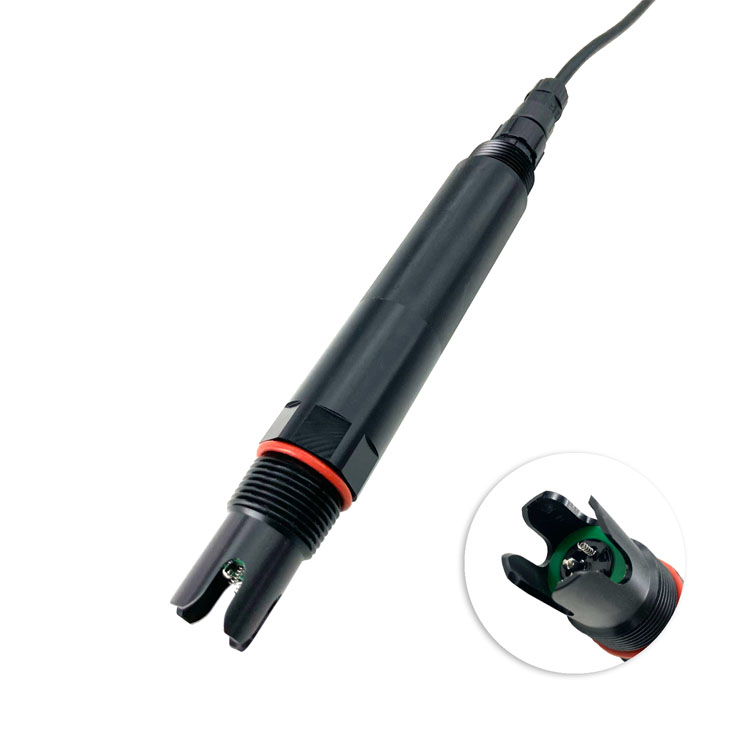
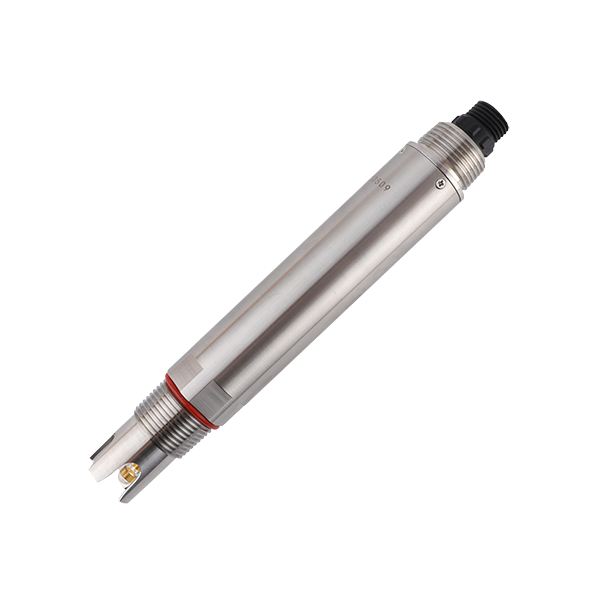
The NiuBoL NBL-WQ-CL constant voltage residual chlorine sensor is developed for these high-reliability requirements. It uses membrane-free constant voltage electrode technology, provides RS-485 digital output, and offers stable data support for closed-loop control systems.
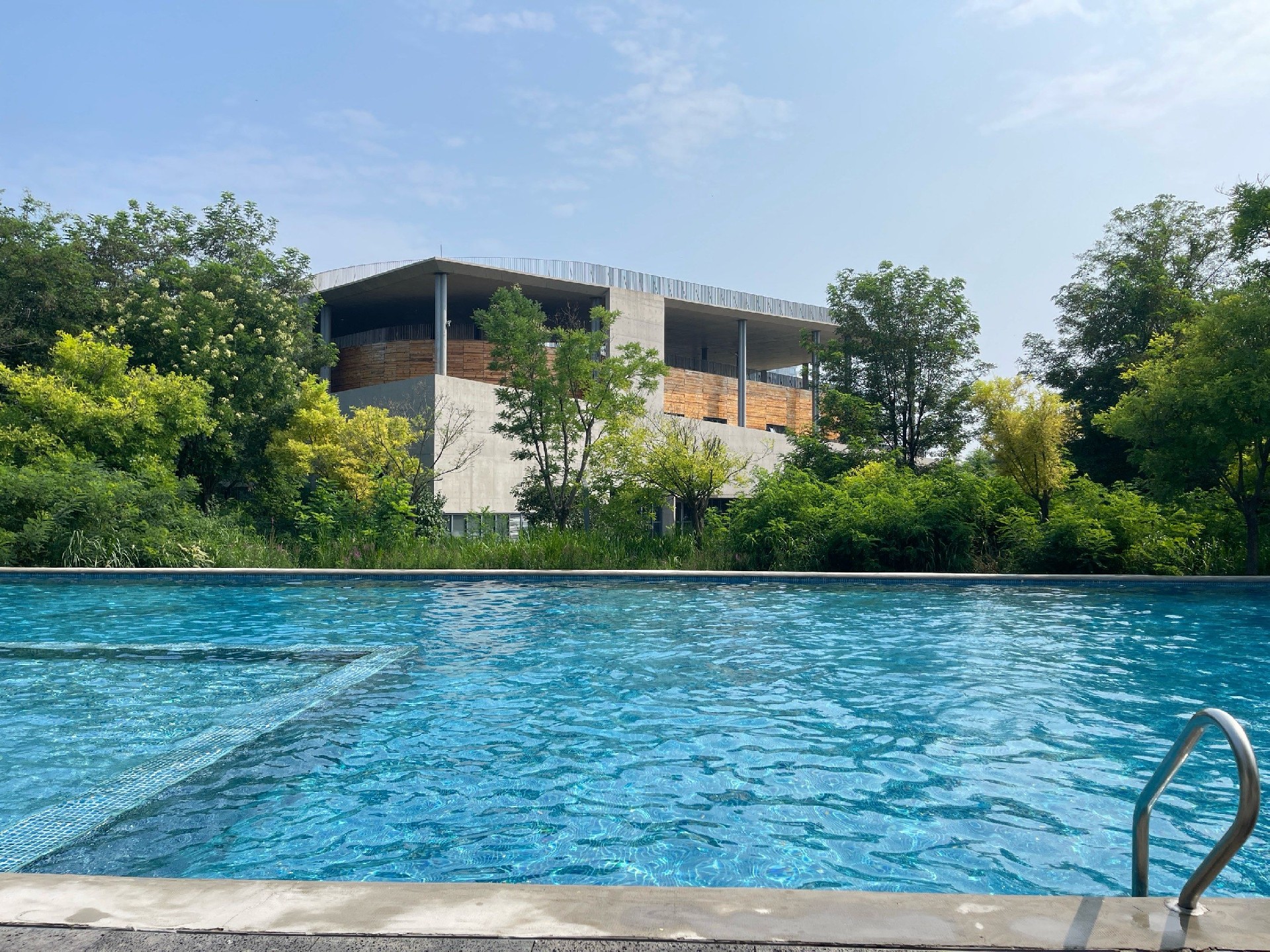
The core of electrode method residual chlorine measurement is based on electrochemical redox reactions. Under working conditions, the polarized electrode surface continuously consumes contacted HClO molecules. If the sensor is directly immersed in stagnant water, HClO on the electrode surface is quickly depleted, forming a significant concentration polarization layer. This causes the local concentration at the electrode surface to be much lower than the bulk water sample concentration, the measured current signal drops sharply, and readings become severely low and highly volatile.
The engineering value of the flow cell lies in forcing the establishment of stable convection-diffusion conditions. By strictly controlling the water sample flow rate to 30-60 L/h, fresh water samples are continuously renewed at the sensor surface, forming a stable concentration gradient equilibrium and eliminating flow velocity fluctuations interference with the current signal. Additionally, constant flow effectively carries away reaction byproducts, preventing electrode surface passivation, ensuring long-term stability and repeatability of measurement results.
During installation, the sensor must be closely integrated with the matching flow cell, with the measuring end placed near the inlet area, avoiding direct alignment with the outlet to prevent turbulent interference.
Traditional amperometric methods face significant technical bottlenecks in practical applications. The inherent resistance and oxidation-reduction potential (ORP) of the water sample generate strong background noise interference. Especially when residual chlorine concentration approaches 0 mg/L, the linear relationship between current signal and concentration seriously deteriorates, zero drift becomes pronounced, requiring frequent manual calibration and heavy maintenance burdens.
The NiuBoL NBL-WQ-CL uses the constant voltage measurement principle, applying a constant potential between the polarized electrode and reference electrode, with continuous dynamic potential control via a secondary instrument. This mechanism effectively suppresses interference from water sample inherent resistance and ORP on the measurement circuit, creating a highly linear relationship between the electrode-generated current signal and HClO concentration, while also offering excellent zero-point stability. Even in complex water quality backgrounds, it maintains reliable measurement accuracy, significantly reducing on-site calibration frequency.
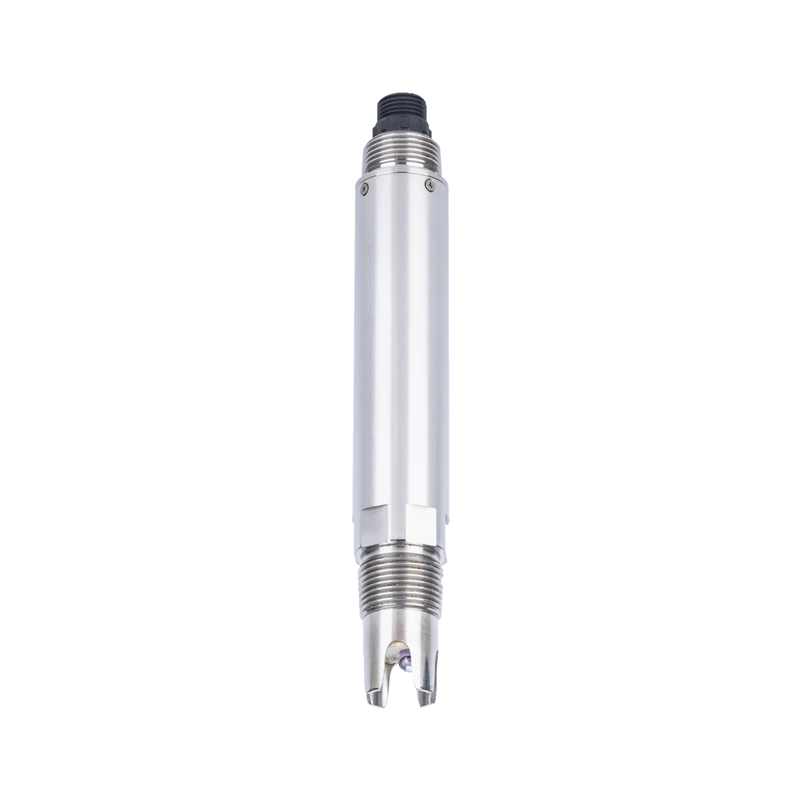
| Parameter | Specification |
|---|---|
| Model | NBL-WQ-CL |
| Housing Material | ABS/PC Alloy |
| Measuring Principle | Constant Voltage (Membrane-free) |
| Range / Resolution | 0~2.000 mg/L (HClO), 0.001 mg/L 0~20.00 mg/L (HClO), 0.01 mg/L |
| Accuracy | 0~2.000 mg/L: ±5% of reading 0~20.00 mg/L: ±0.05 of reading |
| Response Time (T90) | <90s |
| Lower Detection Limit | 0.05 mg/L |
| Calibration Mode | Two-point Calibration |
| Temperature Compensation | Automatic (Pt1000) |
| Output | RS-485 (Modbus-RTU), 4-20mA (optional) |
| Power Supply | 12~24V DC |
| Power Consumption | 0.2W @12V |
| Protection Rating | IP68 |
| Operating Conditions | 5~50℃, ≤0.2MPa, pH 4~9 |
| Installation | Flow cell, 3/4 NPT |
| Connector | M16-5 pin waterproof male |
The sensor features a membrane-free design, avoiding common membrane contamination and replacement issues of traditional membrane electrodes, making it particularly suitable for long-term continuous operation.
Scenario A: Drinking Water Distribution Network and Endpoint Grid Monitoring in High-Rise Pump Rooms
Use the 0-2.000 mg/L range. Install in a flow cell via 3/4 NPT interface, with sensor measuring end facing the inlet area. RS-485 Modbus-RTU signal connects to PLC or SCADA system. When residual chlorine falls below the set lower limit (typically 0.05-0.2 mg/L), automatically triggers a chlorination pump or alarm, achieving precise control at network endpoints.
Scenario B: Safety Closed-Loop Monitoring of Filling Water and Process Water in Food & Beverage Plants
Install a flow cell monitoring point on the process water pipeline before filling. Use Modbus protocol to upload real-time HClO data to the quality management system. The system can automatically adjust dosing based on residual chlorine trends, ensuring filling water residual chlorine remains within the process safety range while generating traceable electronic records.
Scenario C: High-Intensity Industrial Cooling Circulating Water Systems with Biocide Dosing Pump Integration
Use the 0-20.00 mg/L range sensor on the cooling tower return line. Maintain a constant flow rate of 30-60 L/h through the flow cell. The Modbus signal directly drives a variable frequency metering pump for PID closed-loop dosing control, effectively inhibiting bacterial and algal growth, reducing excessive biocide use, and extending equipment service life.
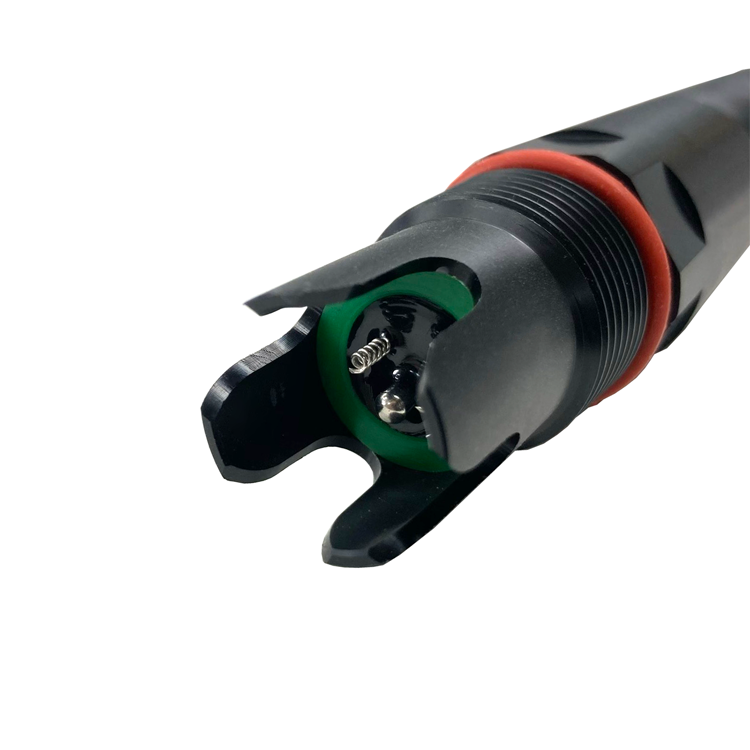
Electrode Activation Process: For new electrodes or those stored long-term, soak in tap water for 24 hours before use for surface activation, allowing the electrode to reach a stable response state.
Zero and Slope Calibration:
- Zero Calibration: Perform after the reading stabilizes in chlorine-free water.
- Slope Calibration: Flow a 1-2 mg/L HClO standard solution through the flow cell, perform after the reading stabilizes. It is recommended to prepare standard solutions referencing national standard residual chlorine measurement methods. Sensors are factory-calibrated; calibration should only be performed by professionals when data deviation is confirmed.
Electrical and Waterproof Protection: The M16-5 pin waterproof connector and all connection points require secondary waterproof sealing. Cables should be corrosion-resistant models to avoid signal attenuation or leakage from long-term exposure.
Q1: Compared to membrane electrodes, what maintenance steps are saved with the membrane-free constant voltage method in terms of ongoing operational costs?
A: No need for regular replacement of sensitive membranes, refilling electrolyte, or cleaning membrane contamination. Maintenance mainly focuses on periodic activation and calibration, greatly reducing spare parts consumption and manual intervention frequency.
Q2: Why is it recommended to place the sensor measuring end near the flow cell inlet rather than directly facing the outlet?
A: The inlet area has more stable flow conditions, avoiding turbulence and bubble interference from the outlet, ensuring a uniform concentration field at the electrode surface and reducing measurement fluctuations.
Q3: What is the underlying chemical impact of pH fluctuations within the 4-9 range on sensor measurement of HClO saturation?
A: pH affects the equilibrium distribution between HOCl and OCl⁻. At low pH, HOCl proportion is higher, with stronger oxidizing ability. The sensor is compensated for this pH range, ensuring measurement accuracy under common drinking water and circulating water conditions.
Q4: If the on-site flow rate is below 30 L/h or above 60 L/h, what specific positive or negative deviations would occur in measurements?
A: Below 30 L/h, concentration polarization tends to occur, causing low readings; above 60 L/h, excessive flushing or turbulence may introduce bubbles, causing reading fluctuations. Strictly controlling within the recommended range keeps deviation within ±5%.
Q5: What is the physicochemical mechanism behind the 24-hour static electrode activation step?
A: The activation process forms a stable electrical double layer on the electrode surface, restores ion balance in the reference system, eliminates passivation layers formed during storage, and improves initial response linearity and zero-point stability.
Q6: How to avoid leakage and signal attenuation when cables are exposed to humid pump room environments long-term?
A: Use waterproof connectors with silicone potting or heat shrink tubing secondary protection. Regularly check terminal dryness and use moisture-proof agents if necessary.
Q7: Does the NiuBoL NBL-WQ-CL support both standard 4-20mA analog output and RS-485 digital output selection?
A: Yes. Users can choose single or dual output configurations based on existing control systems for seamless compatibility.
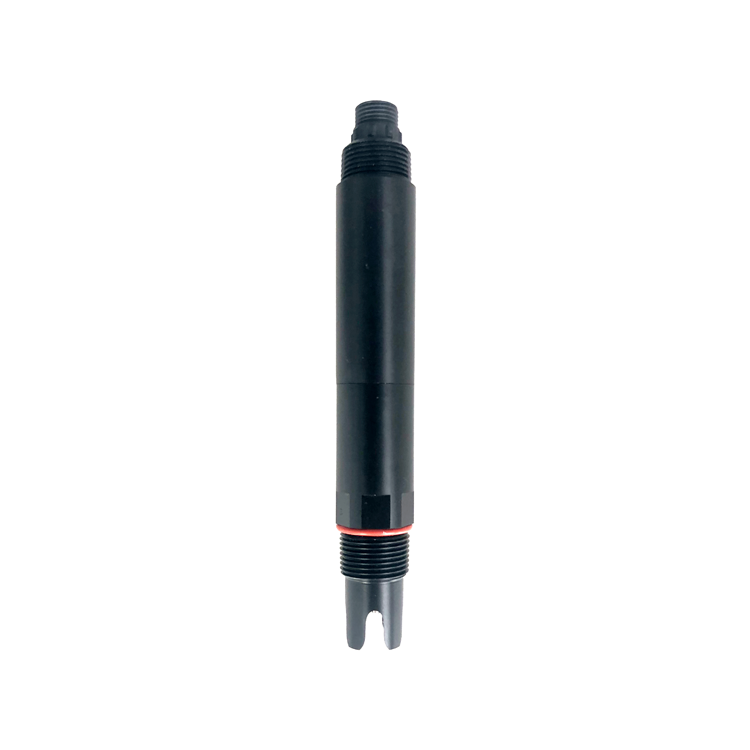
The constant voltage method combined with constant flow rate measurement is an industrial necessity for achieving precise residual chlorine control. With its membrane-free design, low power consumption, and high stability, the NiuBoL NBL-WQ-CL provides a reliable sensing layer solution for drinking water safety and circulating water treatment.
To obtain the complete Modbus register map, flow cell installation drawings, or bulk purchase quotes for the NiuBoL NBL-WQ-CL residual chlorine sensor, please contact NiuBoL application engineers. We will provide customized technical support within 24 hours.
 NBL-WQ-CL Water Quality Sensor Online Residual Chlorine Sensor.pdf
NBL-WQ-CL-4A Industrial-grade Online Residual Chlorine Sensor.pdf
NBL-WQ-CL-4S Series Online Water quality Residual Chlorine Sensor.pdf
Related recommendations
Sensors & Weather Stations Catalog
Agriculture Sensors and Weather Stations Catalog-NiuBoL.pdf
Weather Stations Catalog-NiuBoL.pdf
Agriculture Sensors Catalog-NiuBoL.pdf
Water Quality Sensor Catalog-NiuBoL.pdf
Related products
 Combined air temperature and relative humidity sensor
 TDR Soil Moisture & Temperature Sensor for irrigation| RS485 |4-20mA| NBL-S-THR
 Soil pH sensor RS485 soil Testing instrument soil ph meter for agriculture |NBL-S-PH
 Wind Speed sensor Output Modbus/RS485/Analog/0-5V/4-20mA
 Tipping bucket rain gauge for weather monitoring auto rainfall sensor RS485/Outdoor/stainless steel
 Pyranometer Solar Radiation Sensor 4-20mA/RS485

Screenshot, WhatsApp to identify the QR code
WhatsApp number:+8615367865107
(Click on WhatsApp to copy and add friends)

