





— Blogs —
—Products—
 Consumer hotline +8618073152920
 WhatsApp:+8615367865107
Address:Room 102, District D, Houhu Industrial Park, Yuelu District, Changsha City, Hunan Province, China
Product knowledge
Time:2026-05-23 13:53:10 Popularity:311
In high-density recirculating aquaculture systems (RAS) and urban industrial wastewater treatment, dissolved oxygen (DO) is a core parameter determining biological metabolism efficiency and system stability.
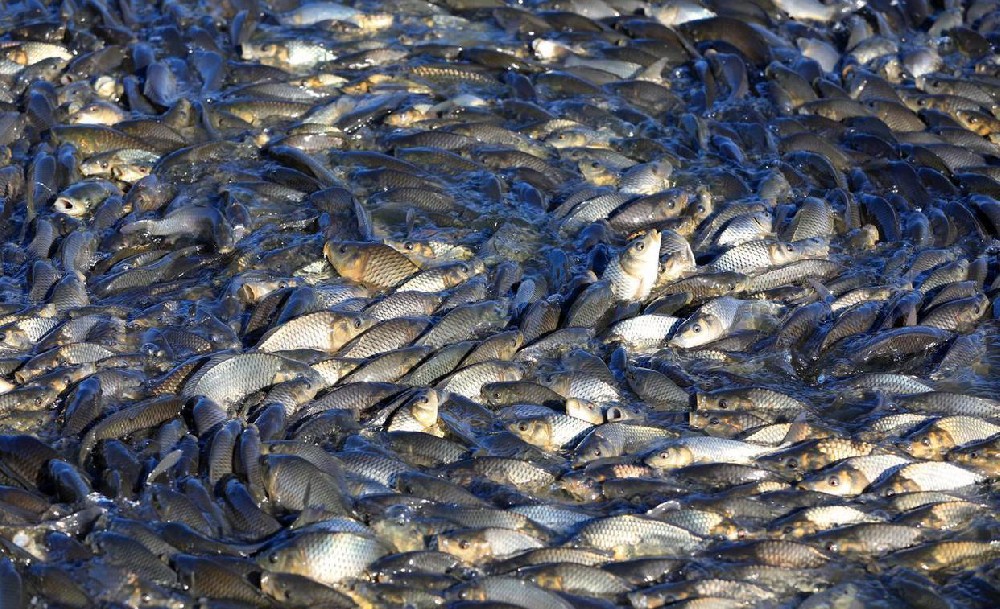
DO is jointly affected by temperature, atmospheric pressure, and water quality indicators: Rising water temperature reduces oxygen solubility while accelerating oxygen consumption by fish, shrimp, and microorganisms; low atmospheric pressure reduces partial oxygen pressure, leading to oxygen escape; degradation of pollutants like ammonia nitrogen and COD depends on aerobic bacteria, further consuming oxygen. When DO drops below 4mg/L, aerobic nitrification stagnates, anaerobic bacteria proliferate, producing toxins like hydrogen sulfide, causing fish/shrimp suffocation or sludge deterioration. Therefore, stable DO control is key to breaking the cycle of water quality deterioration.
Additional Note: In high-density RAS systems, for every 1mg/L drop in dissolved oxygen, fish/shrimp feeding rates may decrease by 15%-25%, significantly worsening feed conversion ratios. In wastewater treatment plants, DO control precision directly affects total nitrogen removal rates and energy consumption indicators, making it an important variable for energy saving and carbon reduction.
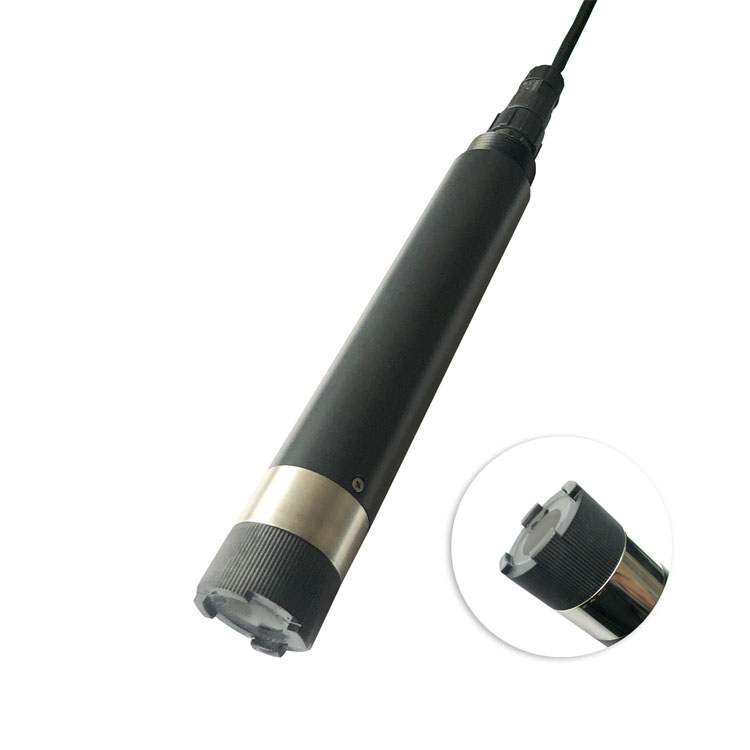
Traditional manual aeration based on experience has obvious lag, often discovering problems only when fish/shrimp surface for air or sludge turns black. Although early membrane (polarographic) DO meters were widely used, they have serious engineering flaws:
Require frequent cleaning, electrolyte and permeable membrane replacement (typically every 2-4 weeks);
Polarization drift requiring frequent calibration;
Dependence on flow velocity (>0.3m/s), giving low readings in stagnant water;
Susceptible to interference and failure from chemicals like sulfides.
These problems lead to high maintenance costs and poor data reliability, often resulting in "sensor failure without timely detection," ultimately causing aquaculture losses or effluent standard exceedances.
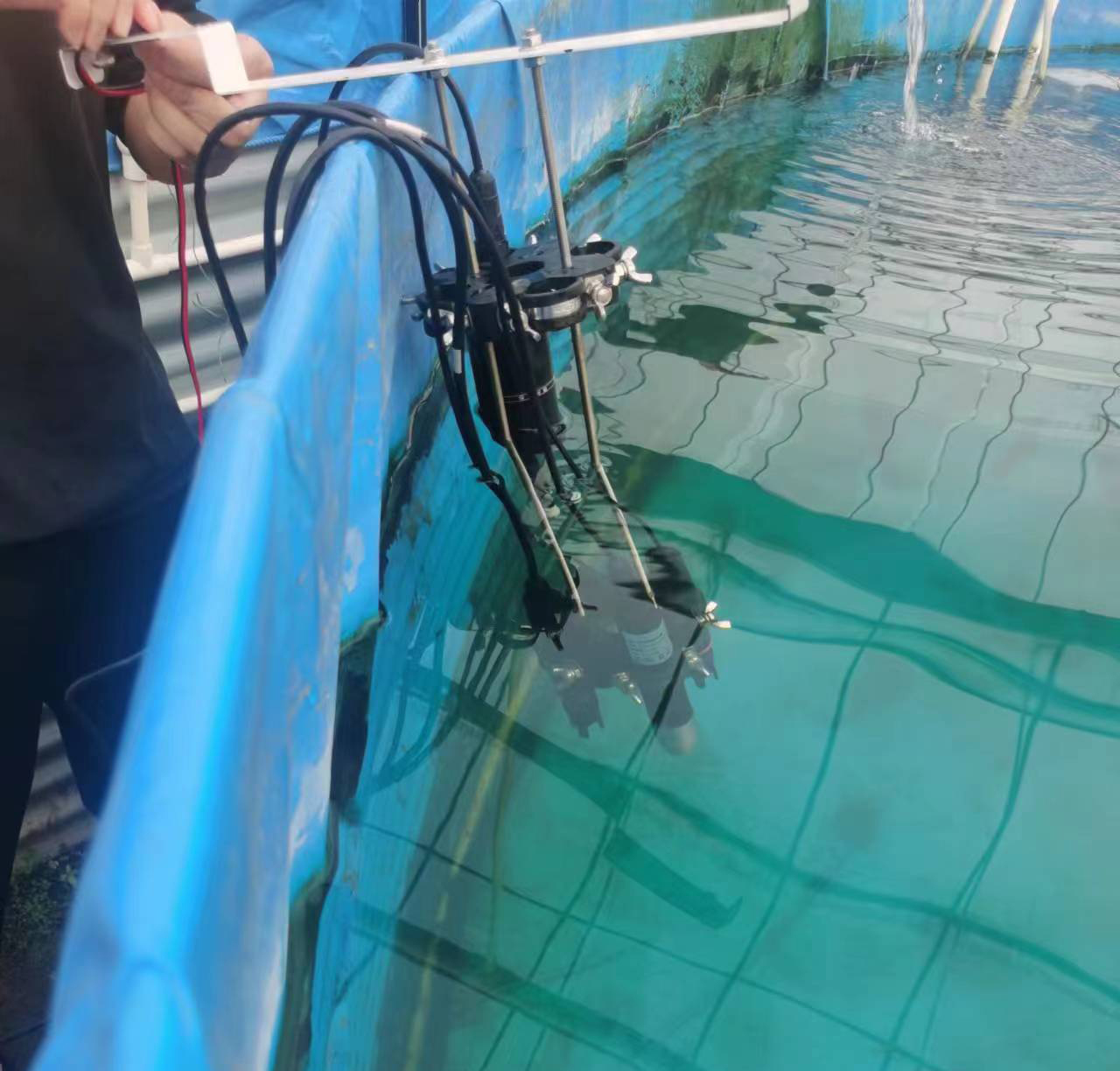
The NiuBoL NBL-WQ-DO uses the physical fluorescence quenching method, completely solving membrane method defects.
The sensor's LED emits modulated blue light to excite the fluorescent cap, producing red light. When oxygen molecules come into contact, fluorescence intensity weakens and lifetime shortens (quenching effect). The system calculates oxygen concentration by precisely detecting the phase difference (Δφ) between excitation and emission light, combined with temperature and salinity compensation algorithms.
This method consumes no oxygen, requires no electrolyte, has no flow velocity dependence, offers strong resistance to chemical interference like sulfides, has stable zero point, and minimal maintenance. Compared to membrane methods, its long-term drift rate is reduced by over 80%, significantly improving data reliability.
| Parameter | Specification |
|---|---|
| Model | NBL-WQ-DO |
| Measuring Principle | Physical Fluorescence Quenching (Phase Difference Detection) |
| Range | 0~20.00 mg/L (0~200% Saturation) |
| Resolution | 0.01 mg/L, 0.1℃ |
| Accuracy | ±2%, ±0.3℃ |
| Response Time (T90) | <30s |
| Housing Material | POM + ABS/PC + 316L |
| Output | RS-485 (Modbus-RTU) |
| Power Consumption | 0.2W @12V DC |
| Protection Rating | IP68 |
| Installation | Submersible, 3/4 NPT |
| Fluorescent Cap Lifetime | ≥1 year |
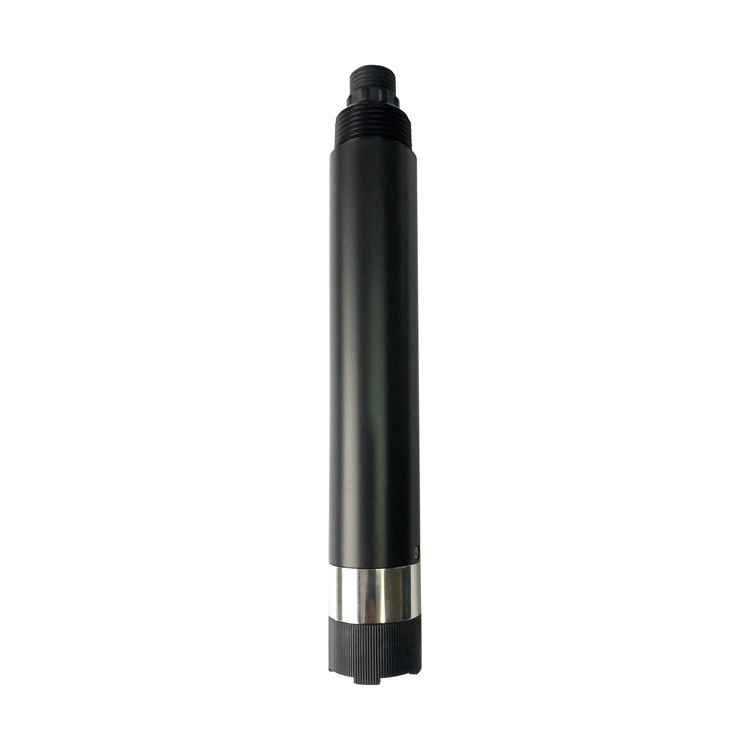
Scenario A: High-Density Recirculating Aquaculture System (RAS)
Submerge NBL-WQ-DO sensors at key positions in aquaculture tanks, connect to PLC via RS-485. The PLC polls DO values every 5 seconds. When DO falls below 6.5mg/L, it automatically increases variable frequency aeration equipment power; when above 8.5mg/L, reduces power, achieving precise energy-saving control, saving 20%-30% electricity, while reducing fish/shrimp stress and improving survival rates.
Scenario B: Aeration Tank of Municipal Wastewater Treatment Plant
Install the sensor in the center of the aerobic zone; the POM+316L housing resists sludge scouring. The SCADA system adjusts Roots blower frequency based on real-time DO feedback, maintaining DO stable at 2.0mg/L, reducing over-aeration and sludge abnormalities, optimizing total nitrogen removal efficiency.
Scenario C: Surface Water Automatic Monitoring Station
Installed on buoys or submersible brackets, ultra-low power consumption adapts to solar power. Achieves accurate measurement even in stagnant water, significantly reduces field maintenance frequency, suitable for long-term stable operation of river chief systems and ecological monitoring projects.
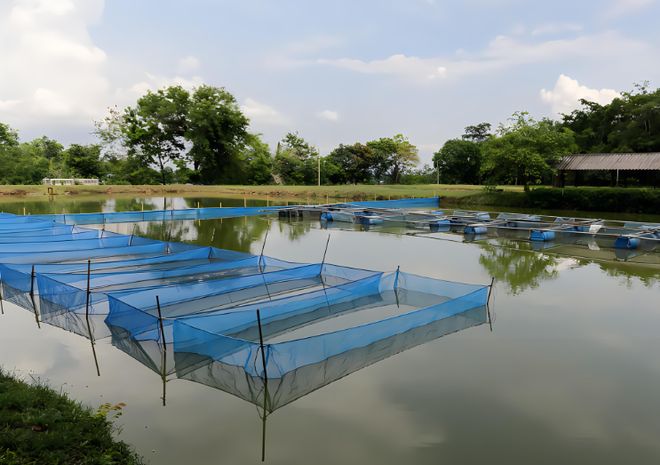
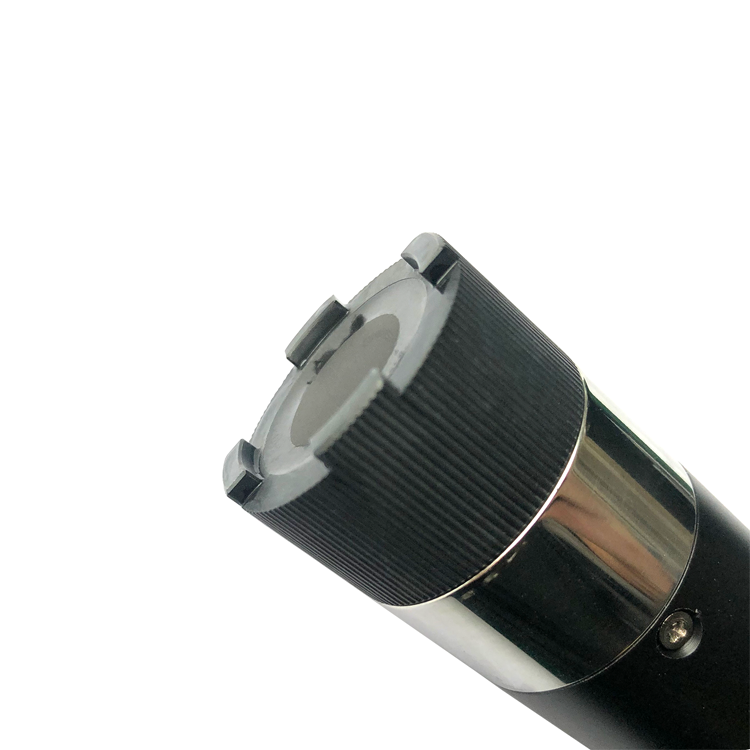
NBL-WQ-DO supports automatic temperature compensation. In fluctuating salinity environments, compensation values can be written via Modbus registers. Fluorescent cap replacement is simple: just unscrew the light shield, replace with a new cap, and perform air saturation calibration. The entire process can be completed on-site within 15 minutes.
In solar-powered systems, using timed power supply + fast response design can keep node daily power consumption extremely low, greatly extending system endurance and reducing overall project investment.
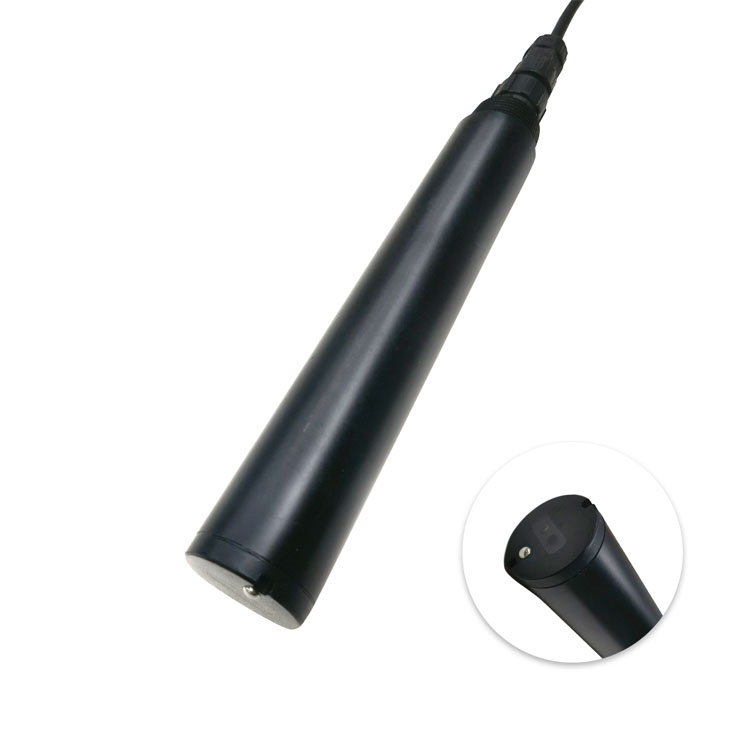
Q1: Why can the fluorescence method achieve accurate measurement even in stagnant water?
The fluorescence method does not consume oxygen and has no concentration polarization phenomenon, truly reflecting the overall oxygen concentration.
Q2: Can sulfides damage the fluorescent cap?
No. The fluorescent material is embedded in a hydrophobic polymer matrix, offering strong resistance to interference from sulfides, ammonia nitrogen, etc.
Q3: How to perform salinity compensation?
Write the salinity coefficient via Modbus; the sensor internally uses the International Seawater Equation of State for automatic correction.
Q4: What pressure limitations does the 3/4 NPT installation have?
Pressure resistance ≤0.2MPa (approximately 20m water depth), suitable for most aquaculture and wastewater treatment scenarios.
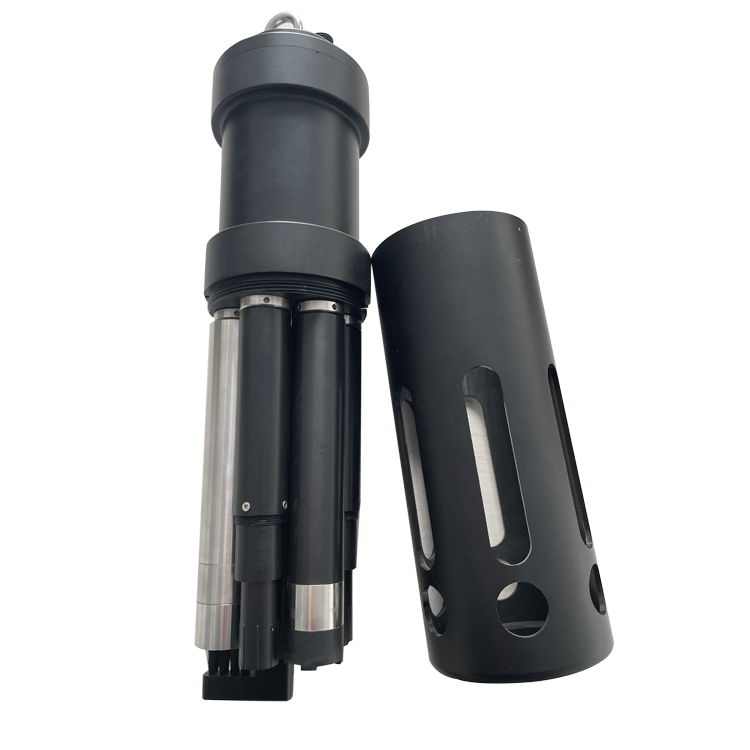
Q5: Do you provide a Modbus register manual?
Yes, complete protocol documentation and sample code are provided, supporting rapid integration.
Q6: How much can the long-term comprehensive maintenance cost of the fluorescence DO meter be reduced compared to traditional membrane methods?
A: In actual projects, the NiuBoL fluorescence sensor can reduce annual maintenance costs by 60%-75%. Savings come mainly from eliminating frequent electrolyte and permeable membrane replacement (membrane method requires maintenance every 1-2 months), significantly reducing field calibration frequency (fluorescence method typically requires calibration every 3-6 months), and simple fluorescent cap replacement (completed on-site in 15 minutes), greatly reducing labor and spare parts expenses.
Q7: In high-turbidity or high-algae water environments, is the fluorescent cap susceptible to contamination affecting measurement accuracy?
A: The fluorescent cap uses a hydrophobic highly cross-linked polymer matrix, offering strong resistance to algae and suspended solids attachment. Even with slight surface attachment, as long as oxygen molecules can diffuse normally, high accuracy can be maintained. It is recommended to use an automatic cleaning brush or gently wipe with a soft brush + clean water periodically, further extending cap lifespan to 12-18 months.
Q8: When networking multiple NBL-WQ-DO sensors on an RS-485 bus, how to ensure communication stability?
A: A daisy-chain (bus) topology is recommended, with no more than 32 devices per bus; 120Ω terminating resistors must be installed at both ends of the bus; use shielded twisted pair with single-ended grounding; for communication distances exceeding 300 meters, consider adding RS-485 repeaters or reducing baud rate to 9600bps. NiuBoL sensors feature a built-in hardware watchdog and CRC check, effectively reducing packet loss rates in field deployments.
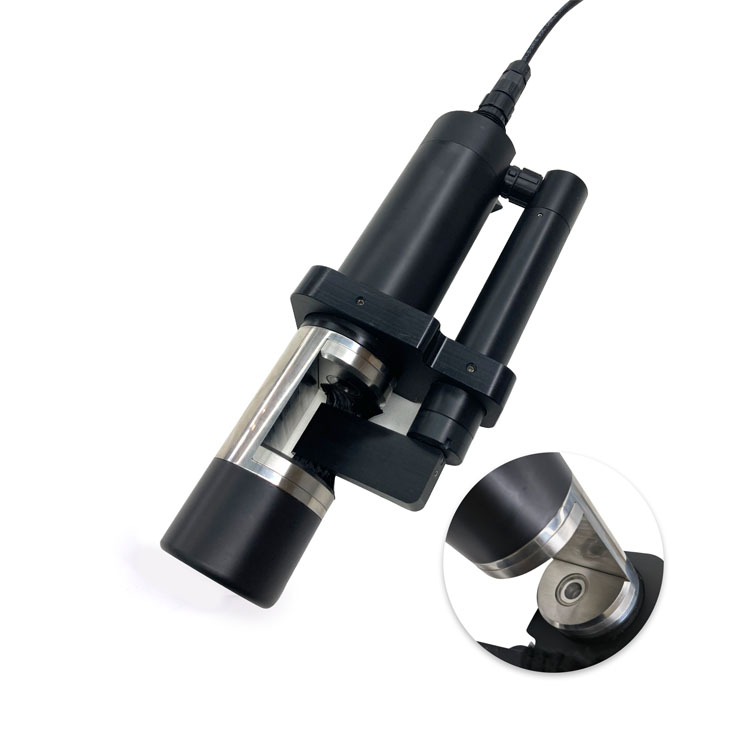
Precise dissolved oxygen control is the core of modern aquaculture and wastewater treatment. The NiuBoL NBL-WQ-DO fluorescence sensor, with its low maintenance, high stability, and anti-interference advantages, has become the preferred solution for system integrators. It not only reduces operational costs but also provides a solid data foundation for intelligent closed-loop control. For the Modbus protocol manual, project technical white paper, or bulk quotes, please contact NiuBoL application engineers. We will provide customized support within 24 hours.
 NBL-WQ-CL Water Quality Sensor Online Residual Chlorine Sensor.pdf
NBL-WQ-DO Online Fluorescence Dissolved Oxygen Sensor.pdf
NBL-WQ-NHN Ammonia Nitrogen Water Quality Sensor.pdf
NBL-WQ-COD Online Water Quality COD Sensor.pdf
NBL-WQ-PH Online pH Water Quality Sensor.pdf
NBL-WQ-EC water quality conductivity sensor.pdf
Related recommendations
Sensors & Weather Stations Catalog
Agriculture Sensors and Weather Stations Catalog-NiuBoL.pdf
Weather Stations Catalog-NiuBoL.pdf
Agriculture Sensors Catalog-NiuBoL.pdf
Water Quality Sensor Catalog-NiuBoL.pdf
Related products
 Combined air temperature and relative humidity sensor
 TDR Soil Moisture & Temperature Sensor for irrigation| RS485 |4-20mA| NBL-S-THR
 Soil pH sensor RS485 soil Testing instrument soil ph meter for agriculture |NBL-S-PH
 Wind Speed sensor Output Modbus/RS485/Analog/0-5V/4-20mA
 Tipping bucket rain gauge for weather monitoring auto rainfall sensor RS485/Outdoor/stainless steel
 Pyranometer Solar Radiation Sensor 4-20mA/RS485

Screenshot, WhatsApp to identify the QR code
WhatsApp number:+8615367865107
(Click on WhatsApp to copy and add friends)

