





— Blogs —
—Products—
 Consumer hotline +8618073152920
 WhatsApp:+8615367865107
Address:Room 102, District D, Houhu Industrial Park, Yuelu District, Changsha City, Hunan Province, China
Product knowledge
Time:2026-05-23 13:41:55 Popularity:313
In secondary water supply systems of high-rise buildings, water tank retention, pipeline aging, or negative pressure suction can easily lead to microbial growth and sudden turbidity changes. Traditional "monthly manual sampling" suffers from data lag, failing to capture the critical window of water quality contamination, posing a threat to the drinking water safety of millions of urban residents.
With the implementation of the new version of "Hygienic Specification for Secondary Water Supply Facilities" GB 17051-2025, water authorities explicitly encourage the installation of online water quality monitoring systems to achieve a shift from "post-event detection" to "real-time early warning." Against this backdrop, the NiuBoL Secondary Water Supply Multi-parameter Online Water Quality Monitoring Box (integrated wall-mounted/cabinet system) integrates industrial-grade sensors with IoT technology, providing a digital supervision solution featuring reagent-free maintenance, high-precision anti-interference, and standard communication connectivity for smart pump rooms.
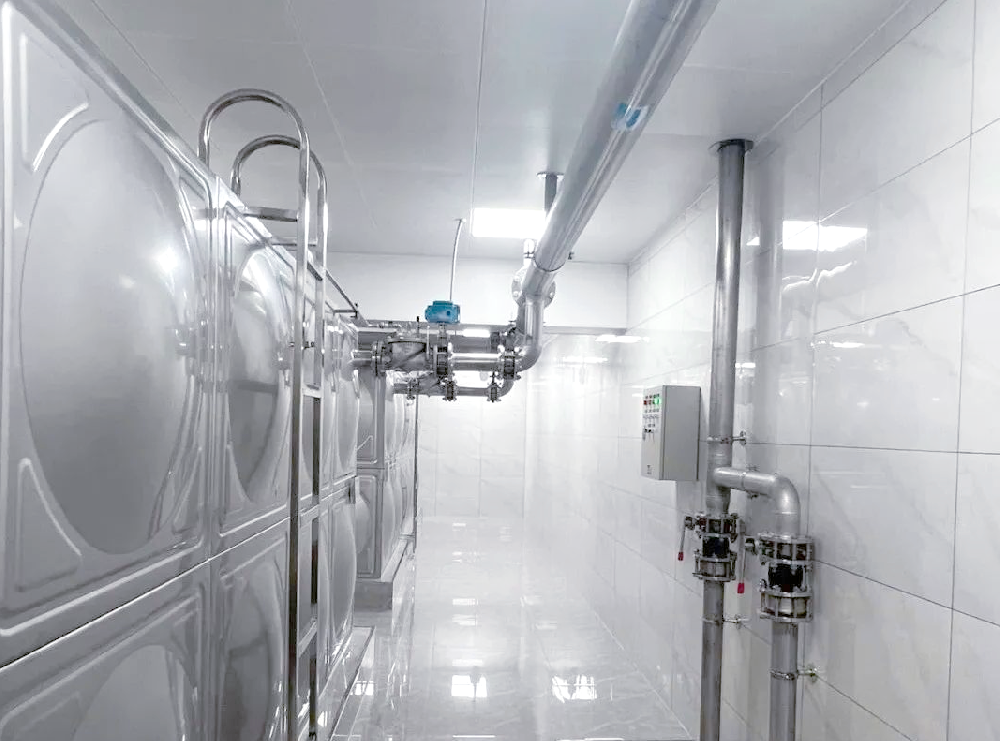
It is crucial to distinguish: secondary water supply (drinking water) monitoring is completely different from wastewater or aquaculture monitoring. For drinking water, the NiuBoL system focuses on the following five core indicators with direct engineering significance, fully complying with "Standards for Drinking Water Quality" GB 5749-2022 and new national standards.
1.1. Residual Chlorine — The "Lifeline" of Microbial Safety
Engineering Significance: If residual chlorine decays too quickly in secondary water supply tanks, bacteria can easily proliferate. National standards require residual chlorine at the network endpoint (user side) not less than 0.05mg/L.
Monitoring Logic: NiuBoL uses a constant voltage method sensor to monitor free chlorine concentration in real time. If values consistently fall below the threshold, it indicates the tank requires rechlorination or circulation.
1.2. Turbidity — "Real-Time Feedback" of Clarity
Engineering Significance: Assesses suspended particles in water. A sudden rise in turbidity often indicates incomplete tank cleaning or disturbance of sediment in pipes.
Stringent Standard: Drinking water turbidity is typically required to be below 1 NTU. High turbidity interferes with subsequent disinfection effectiveness and adsorbs heavy metals.
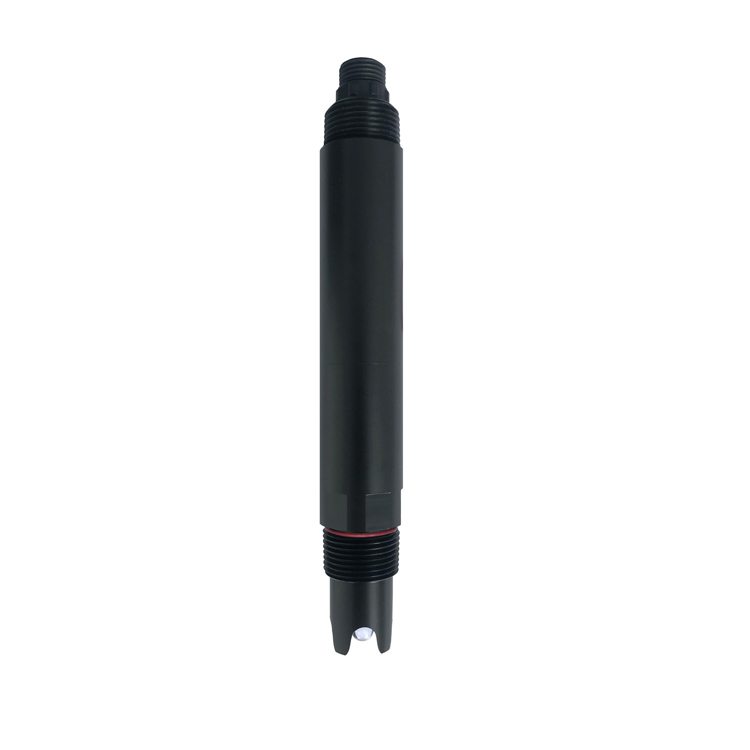
1.3. pH — "Indicator" of Pipe Corrosion
Engineering Significance: Standard range is 6.5 – 8.5. Low pH corrodes galvanized steel pipes, leading to "red water"; high pH reduces the germicidal activity of residual chlorine.
Engineering Value: Online pH monitoring can warn of pipe aging/corrosion risks and guide chemical dosing systems for pH adjustment.
1.4. Conductivity/TDS — "Sentinel" of Water Purity
Engineering Significance: Assesses total dissolved solids. In case of pipe damage or sewage backflow in secondary water supply, TDS values change abruptly.
Engineering Value: Monitoring TDS baseline changes is the most direct physical indicator of external contamination intrusion.
1.5. Water Temperature — "Catalyst" of Biological Activity
Engineering Significance: High summer temperatures (>25°C) greatly accelerate bacterial reproduction and residual chlorine evaporation.
Engineering Value: Provides algorithmic compensation combined with residual chlorine data and triggers alerts during extreme heat, indicating enhanced disinfection needs.
Comparison Note: Unlike industrial wastewater equipment monitoring COD, total phosphorus, and total nitrogen, the above five parameters form a closed loop for secondary water supply quality safety assessment.
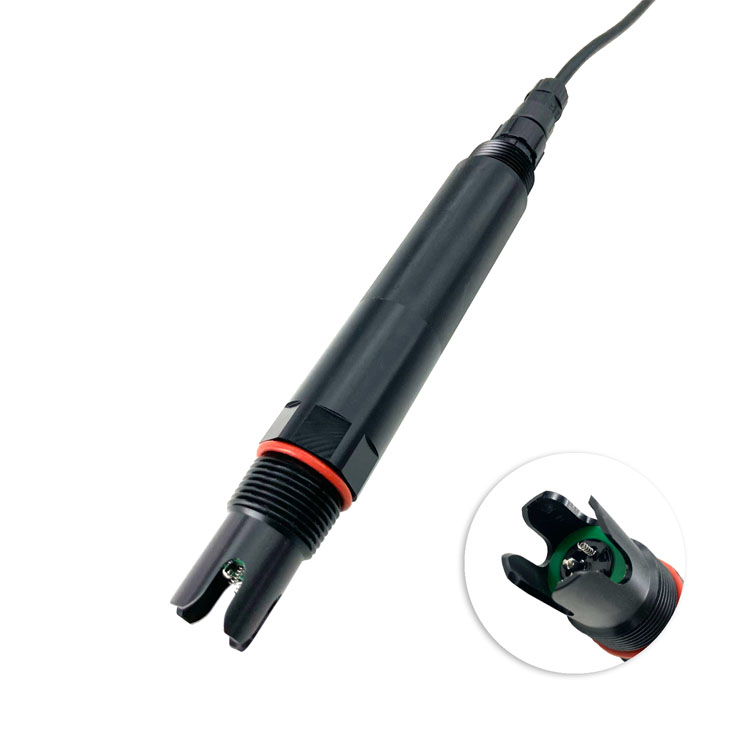
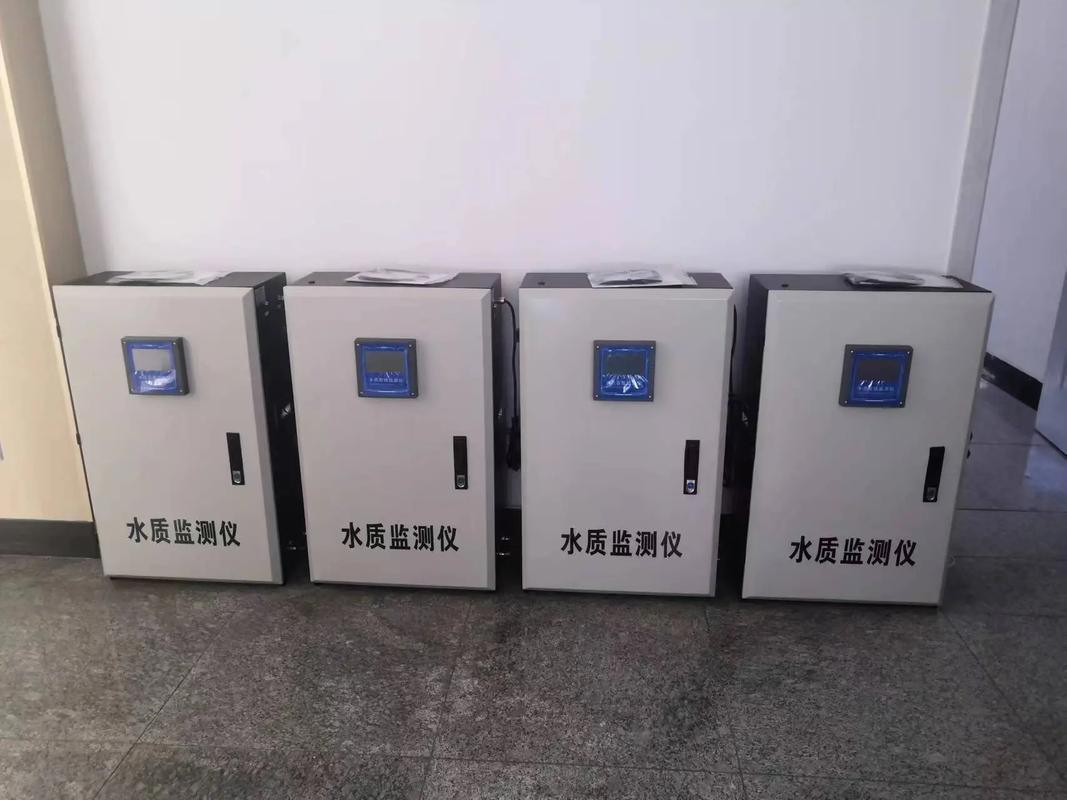
To solve the pain points of messy on-site installation and sensor interference in pump rooms, NiuBoL provides a pre-integrated industrial-grade monitoring box.
2.1. Structural Design & Water Path Integration
Integrated Enclosure: Wall-mounted/cabinet enclosure with IP54 protection rating, integrating water pipes, sensor flow cells, and data acquisition modules.
Debubbling & Flow Stabilization Design: Built-in debubbling flow channel. Secondary water supply pipes have high pressure and many bubbles; ordinary sensors in such environments experience data drift due to bubble interference. NiuBoL's flow channel design significantly reduces bubble interference on turbidity (90° scattering method) and residual chlorine electrodes, ensuring stable low turbidity (0-1NTU range) readings.
Constant Pressure & Flow Control: The system integrates pressure reducing valves and flow control valves, solving the industry pain point of residual chlorine sensors' sensitivity to flow velocity, ensuring stable flow velocity of water samples passing over the electrode.
2..2. Core Sensor Technology
Residual Chlorine/pH/Temperature Combined Electrode: Uses constant voltage three-electrode system (working, counter, reference). Compared to traditional membrane colorimetric methods, NiuBoL's solution requires no filling solution, no membrane, no reagent consumption, only periodic calibration, greatly reducing maintenance workload (TCO).
Turbidity Module: Warm white LED light source conforming to USEPA 180.1 standard, resolution up to 0.001NTU, with self-cleaning function, enabling stable long-term operation in low turbidity environments.
2.3. Data Acquisition & Communication
Industrial RTU: Integrates a data acquisition module that aggregates all sensor data.
Communication Protocol: Supports RS485 bus, Modbus-RTU standard industrial protocol.
Remote Transmission: Supports 4G, 5G, and direct Ethernet connection, seamlessly connecting to "Secondary Water Supply Remote Smart Management Platform."
| Parameter | Measurement Range | Accuracy / Resolution | Sensor Principle | Output Protocol |
|---|---|---|---|---|
| Residual Chlorine | 0.00 – 5.00 mg/L | ±0.02 mg/L or ±5% | Constant Voltage (Membrane-free, Reagent-free) | RS485, Modbus-RTU |
| Turbidity | 0.000 – 20.00 NTU | 0.001 NTU / ±2% | 90° Scattering, USEPA 180.1 | RS485, Modbus-RTU |
| pH | 0.00 – 14.00 | ±0.05 pH | Glass Electrode (with Temp Compensation) | RS485, Modbus-RTU |
| Conductivity/TDS | 0 – 2000 µS/cm | ±1% FS | Graphite Four-Electrode | RS485, Modbus-RTU |
| Water Temperature | 0 – 50 ℃ | ±0.1 ℃ | Pt1000 Platinum Resistance | RS485, Modbus-RTU |
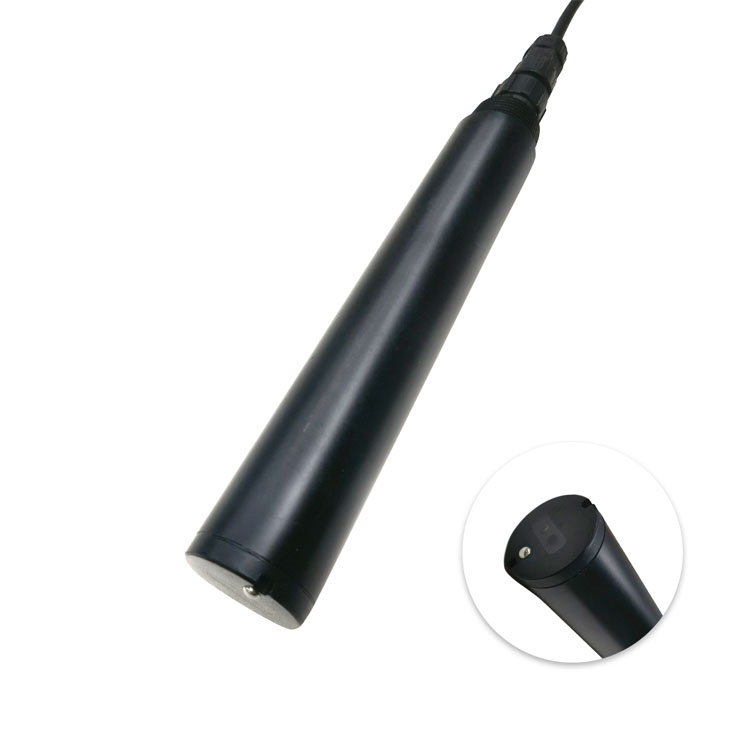
When integrating the NiuBoL system into an existing secondary water supply pump room, the following engineering details determine the effectiveness of monitoring data:
3.1. Flow Velocity & Pressure Control Issues
Risk: Municipal pipe network pressure fluctuates greatly. Directly connecting sensors to high-pressure lines may rupture the residual chlorine electrode's permeable membrane (if using membrane method) or cause falsely high turbidity readings due to bubbles.
NiuBoL Solution: Pre-installed pressure reducing valve and steady-flow cup-type flow cell. Water samples are first depressurized, then flow upward into the flow cell, ensuring bubbles are naturally expelled and electrodes remain immersed in constantly flowing water at stable velocity.
3.2. Data Integration & Platform Compatibility
Risk: Many water quality instruments use proprietary protocols, leaving contractors passive when developing SCADA or connecting to environmental protection bureau platforms.
NiuBoL Solution: Adheres strictly to open Modbus-RTU protocol. We provide a detailed Modbus register map. Whether using Siemens PLC, domestic SCADA software, or general IoT gateways, data reading and parsing can be completed within 10 minutes.
3.3. Anti-clogging & Cleaning for Long-Term Maintenance
Risk: Even in drinking water environments, microbial films attach to pH glass bulbs and turbidity lenses, causing measurement drift.
NiuBoL Solution: NiuBoL monitoring boxes offer an optional automatic cleaning module (electromagnetic brush or ultrasonic), combined with the manufacturer's low-flow bypass design, extending manual cleaning cycles by more than 3x.
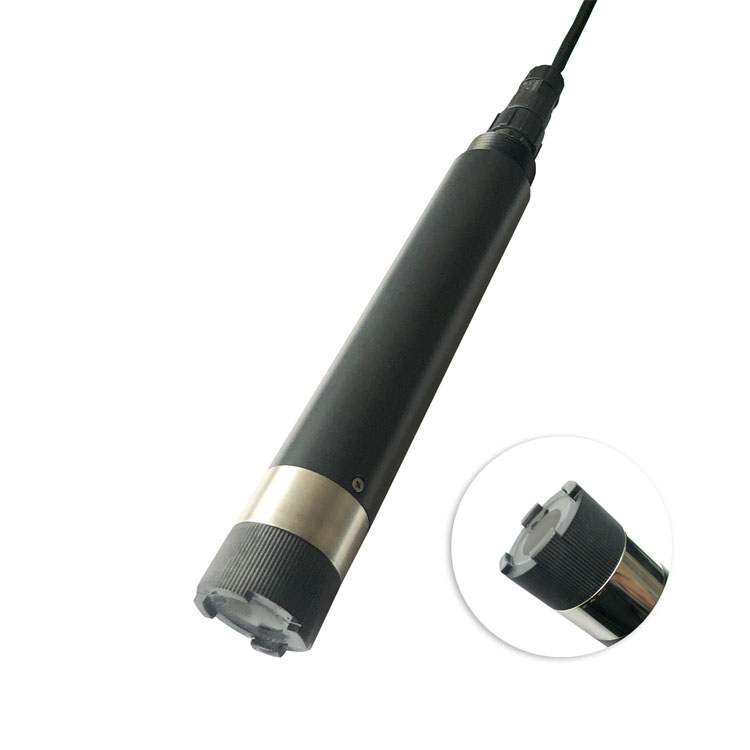
Q1: What are the maintenance advantages and disadvantages of the constant voltage residual chlorine sensor compared to the DPD reagent method?
A: Advantage: reagent-free and real-time. The constant voltage method requires no expensive DPD chromogenic agents or pump tubes, has no waste liquid disposal issues, and is suitable for 24/7 continuous monitoring. Disadvantage: calibration. Although reagent-free, periodic zero and slope calibration using the FAS titration method or standard solution is still required.
Q2: How do bubbles in the influent interfere with turbidity readings? How does NiuBoL solve this?
A: Bubbles cause reflection and refraction optically, artificially elevating turbidity. NiuBoL uses a specially designed debubbling flow cell. By changing the water flow direction (top-in-top-out or bottom-in-top-out) and adding a buffer chamber, bubbles are forced to escape from the top, ensuring homogeneous water samples in the turbidity detection zone.
Q3: How to correct the response drift of pH sensors in low-conductivity drinking water?
A: Secondary water supply is a low ionic strength environment, where ordinary pH probes respond slowly. NiuBoL uses a high-impedance preamplifier circuit and built-in PT1000 temperature compensation algorithm, optimizing signal gain at the software level for low-conductivity environments to ensure stable readings.
Q4: How can different pressure zones in high-rise buildings connect to the water quality monitoring box?
A: For zone-divided supply (low, medium, high zones), each zone has different water quality risks. NiuBoL offers multi-channel version monitoring boxes. If budget is limited, priority should be given to monitoring the most unfavorable point (highest floor) and the main outlet pipe of the water tank, as these locations have the worst water quality and best reflect system vulnerabilities.
Q5: Does the NiuBoL multi-parameter monitoring box support integration with third-party smart water/environmental protection bureau platforms?
A: Yes. NiuBoL devices are not locked to a closed platform. We provide standard Modbus-RTU (RS485) interfaces and can assist with API interfaces or MQTT protocol conversion. As long as the third-party platform supports standard industrial protocols, rapid integration is possible.
Q6: Do you provide a complete Modbus register map and secondary development SDK?
A: Yes. Purchase of NiuBoL products includes complete technical documentation, including register address tables and communication protocol examples.
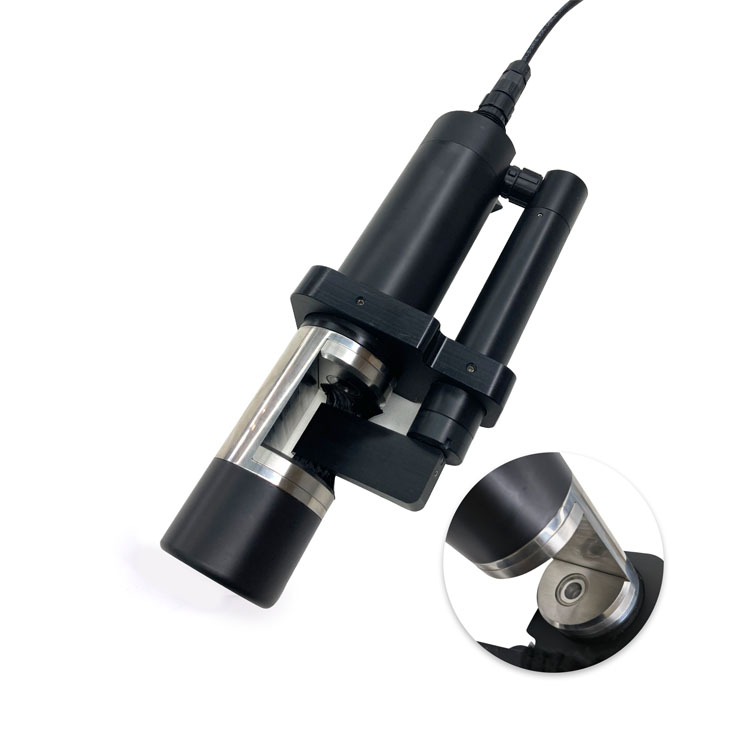
Choosing the NiuBoL Secondary Water Supply Multi-parameter Online Monitoring Box means selecting a pump room monitoring system with industrial-grade stability and open connectivity capabilities.
We provide not only hardware but also full-process technical support from pipeline installation drawing design to communication protocol integration, aiming to significantly reduce upfront project integration difficulty and drastically cut on-site maintenance costs (TCO) later caused by sensor clogging or reagent depletion.
Act Now to Build a Safe Drinking Water Defense Line:
To request professional materials or bulk project quotations, contact NiuBoL application engineers immediately.
Our technical team will provide 1-on-1 professional selection support within 24 hours.
 NBL-WQ-CL Water Quality Sensor Online Residual Chlorine Sensor.pdf
NBL-WQ-DO Online Fluorescence Dissolved Oxygen Sensor.pdf
NBL-WQ-NHN Ammonia Nitrogen Water Quality Sensor.pdf
NBL-WQ-COD Online Water Quality COD Sensor.pdf
NBL-WQ-PH Online pH Water Quality Sensor.pdf
NBL-WQ-EC water quality conductivity sensor.pdf
Related recommendations
Sensors & Weather Stations Catalog
Agriculture Sensors and Weather Stations Catalog-NiuBoL.pdf
Weather Stations Catalog-NiuBoL.pdf
Agriculture Sensors Catalog-NiuBoL.pdf
Water Quality Sensor Catalog-NiuBoL.pdf
Related products
 Combined air temperature and relative humidity sensor
 TDR Soil Moisture & Temperature Sensor for irrigation| RS485 |4-20mA| NBL-S-THR
 Soil pH sensor RS485 soil Testing instrument soil ph meter for agriculture |NBL-S-PH
 Wind Speed sensor Output Modbus/RS485/Analog/0-5V/4-20mA
 Tipping bucket rain gauge for weather monitoring auto rainfall sensor RS485/Outdoor/stainless steel
 Pyranometer Solar Radiation Sensor 4-20mA/RS485

Screenshot, WhatsApp to identify the QR code
WhatsApp number:+8615367865107
(Click on WhatsApp to copy and add friends)

