





— Blogs —
—Products—
 Consumer hotline +8618073152920
 WhatsApp:+8615367865107
Address:Room 102, District D, Houhu Industrial Park, Yuelu District, Changsha City, Hunan Province, China
Product knowledge
Time:2026-05-23 11:56:24 Popularity:502
The core of aquaculture is "managing water" rather than simply "raising fish." Water quality in aquaculture ponds can fluctuate dramatically within hours. Changes such as sudden drops in dissolved oxygen at dawn, accumulation of ammonia nitrogen, and nitrite peaks are nearly impossible to detect with the naked eye. Once out of control, they directly lead to fish and shrimp gasping, pond turnover, and significant economic losses.
Dissolved oxygen (DO), pH, ammonia nitrogen (NH₃-N), and nitrite (NO₂⁻) are the four core indicators determining aquaculture success or failure. This article systematically analyzes the industry standards, toxicological hazards, and limitations of traditional control methods for these four indicators. It focuses on how NiuBoL industrial-grade multi-parameter water quality sensors achieve precise prevention and control through 24/7 online monitoring, providing a reliable technical path for large farms and smart aquaculture projects.
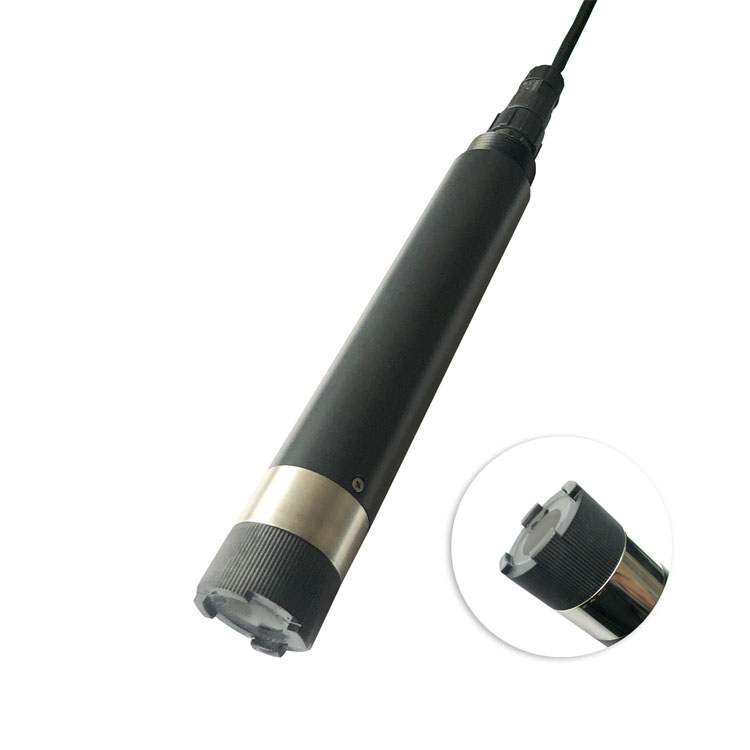
Definition & Industry Standard: Dissolved oxygen refers to the concentration of molecular oxygen in water. Suitable DO for fish is ≥5mg/L, for shrimp ≥3mg/L. Below the critical value, aquatic life enters a stressed state.
Hazard Mechanism: About 70% of DO in water comes from algal photosynthesis, with atmospheric dissolution contributing only a small portion. Oxygen consumption pathways include: fish/shrimp respiration (20-25%), sediment oxygen demand (25-35%), and bacterial/organic matter decomposition (45-50%). With long-term lack of dredging or sediment degradation, sediment demand can rise above 50%. When DO drops below 2mg/L, fish/shrimp surface for air; below 0.5-1mg/L, massive suffocation death occurs.
Traditional Manual Management: Relies on visual observation of gasping, timed aeration, periodic water exchange, and application of sediment conditioners. However, these measures have obvious lag and cannot address the sudden risk of nighttime DO minimums (typically 3-5 AM).
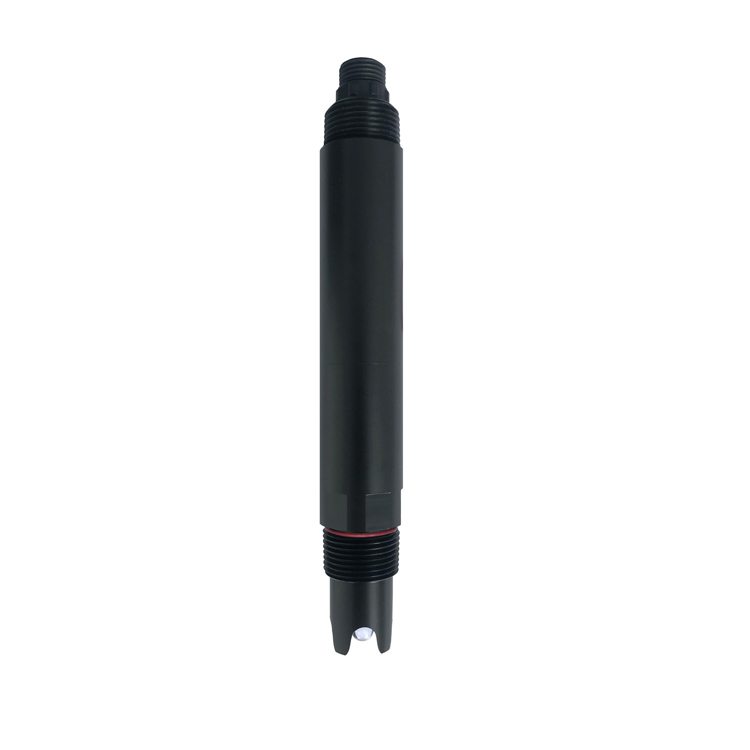
Definition & Industry Standard: pH reflects the hydrogen ion concentration in water. The suitable range for freshwater aquaculture ponds is 7.5-8.5, natural freshwater is typically 6.5-8.5, and seawater is generally 8.0-8.5.
Hazard Mechanism: Diurnal pH fluctuations are mainly caused by photosynthesis (consumes CO₂, raising pH) and respiration (produces CO₂, lowering pH). High alkalinity (pH>9.5) directly corrodes the gill tissue of fish and shrimp, destroying the mucus protective layer and causing respiratory distress. Low pH affects juvenile survival rates. Simultaneously, pH changes alter the existing forms of toxic substances like ammonia nitrogen and hydrogen sulfide, amplifying their toxicity. Excessive pond sediment continuously releases acidic substances, exacerbating pH decline.
Traditional Manual Management: Manual adjustment by applying quicklime or acid regulators, but it is difficult to precisely control diurnal fluctuations, and frequent chemical use easily disrupts the algal balance.
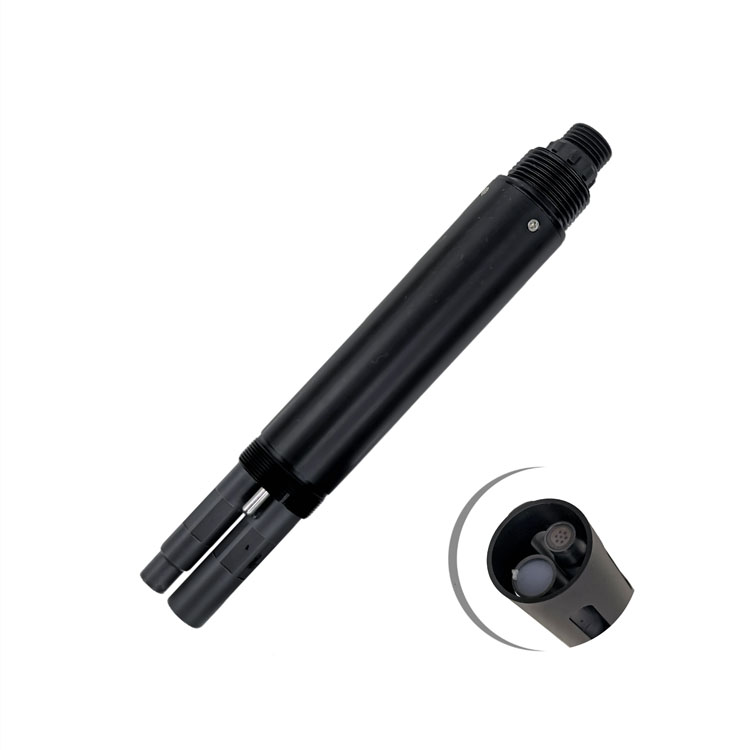
Definition & Industry Standard: Ammonia nitrogen is the sum of free ammonia (NH₃) and ammonium ions (NH₄⁺). Ammonia nitrogen in aquaculture water should be strictly controlled below 0.2mg/L.
Hazard Mechanism: Ammonia nitrogen mainly comes from the decomposition of uneaten feed, feces, and biological remains. Free ammonia (NH₃) is far more toxic than ammonium ions. High concentrations lead to increased mucus on the body surface of fish and shrimp, bleeding, loss of appetite, growth inhibition, and in severe cases, poisoning death. At the same time, excessively high ammonia nitrogen accelerates water eutrophication, forming a vicious cycle.
Traditional Manual Management: Reasonable control of stocking density, regular dredging, use of oxidizing sediment conditioners, addition of fresh water to cultivate beneficial bacteria and algae, and operation of aerators to promote transformation. However, these methods have slow response times and struggle to capture real-time dynamic peaks of ammonia nitrogen.
Definition & Industry Standard: Nitrite is an intermediate product of the nitrogen cycle. In aquaculture water, it should be controlled below 0.05mg/L.
Hazard Mechanism: Nitrite oxidizes ferrous hemoglobin in the blood of fish and shrimp to methemoglobin, which loses oxygen-carrying capacity, leading to "functional suffocation." Long-term exposure causes chronic poisoning, manifested as reduced feed intake, gill tissue lesions, and difficulty breathing. When dissolved oxygen is insufficient, the conversion of nitrite to nitrate is hindered, further exacerbating accumulation.
Traditional Manual Management: Maintaining sufficient DO, regular water exchange, and using nitrite degraders. However, manual testing frequency is low, making it difficult to intervene promptly at the early stage of exceeding standards.
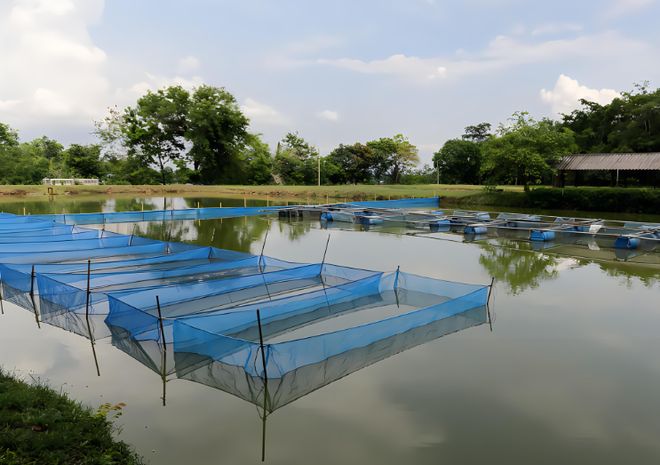
Water quality changes have significant diurnal lag: DO is lowest at night, while ammonia nitrogen and nitrite accumulate rapidly during periods of high temperature and heavy feeding. Farmers test at most 2-3 times per day, failing to cover critical time periods. Chemical test kits suffer from human reading errors, reagent failure, and cannot provide remote alarms or historical trend analysis. As a result, most pond turnover incidents find managers still in a "reactive" state.
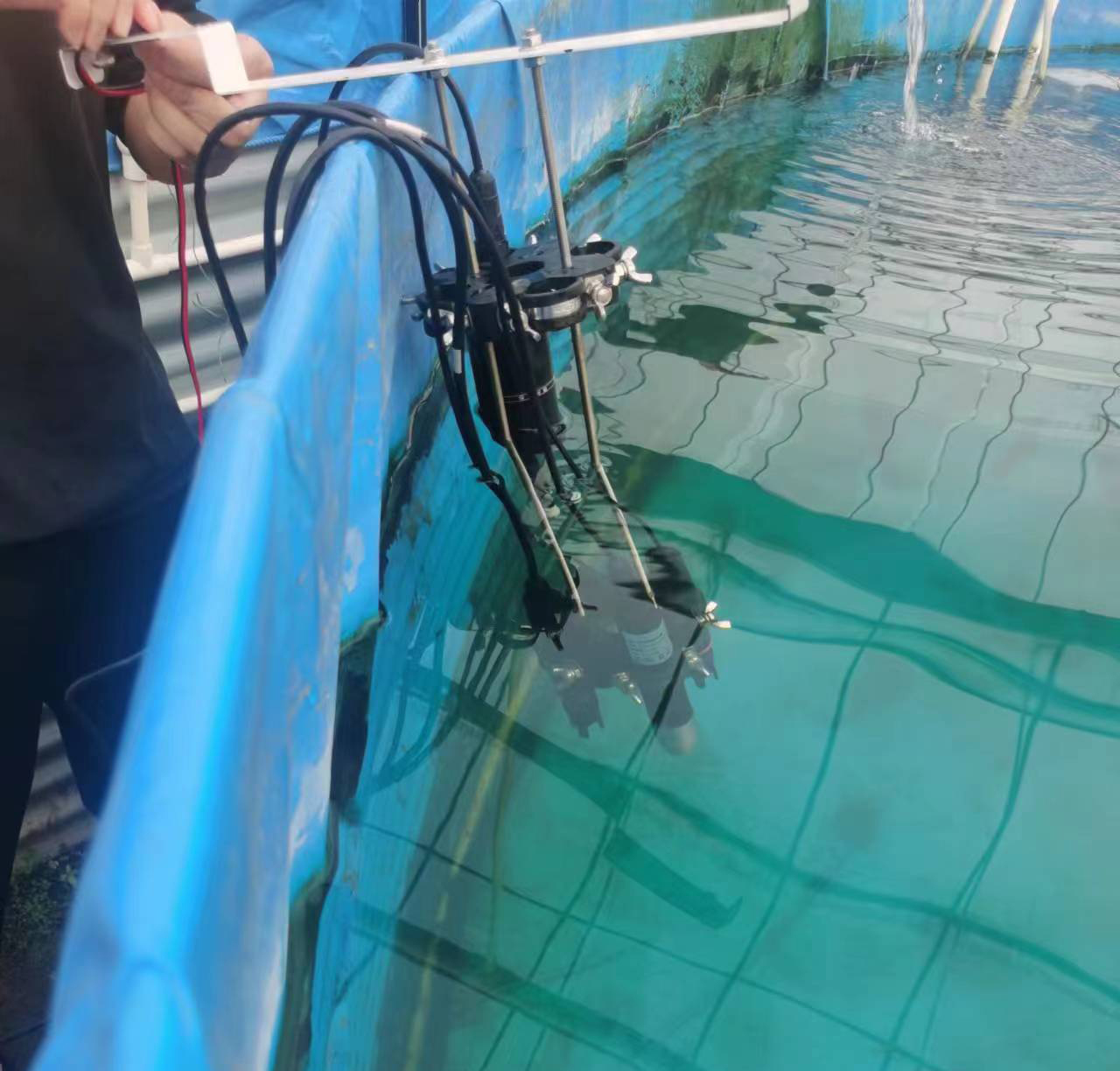
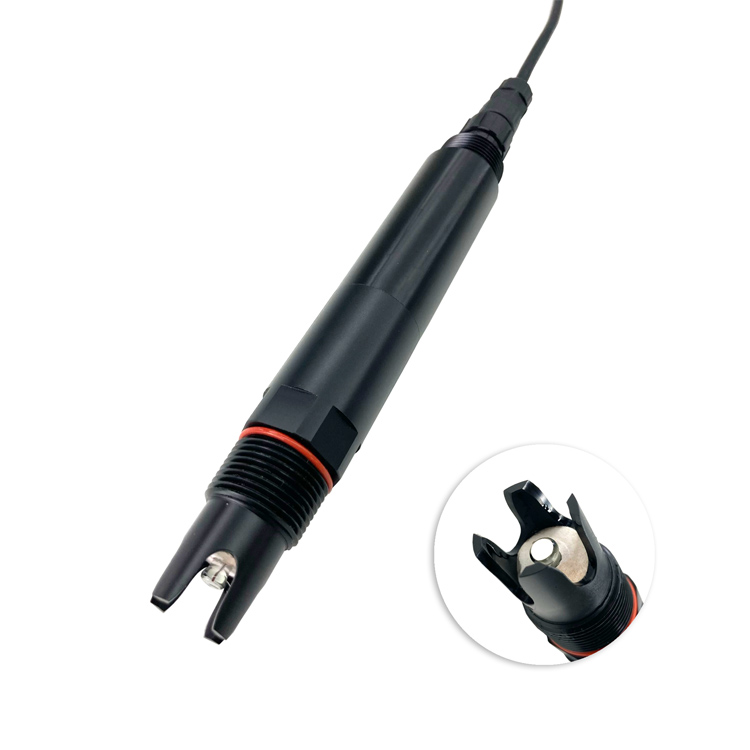
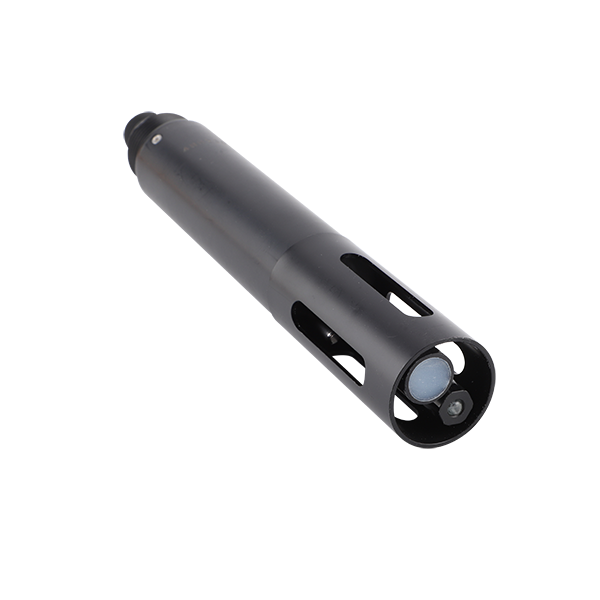
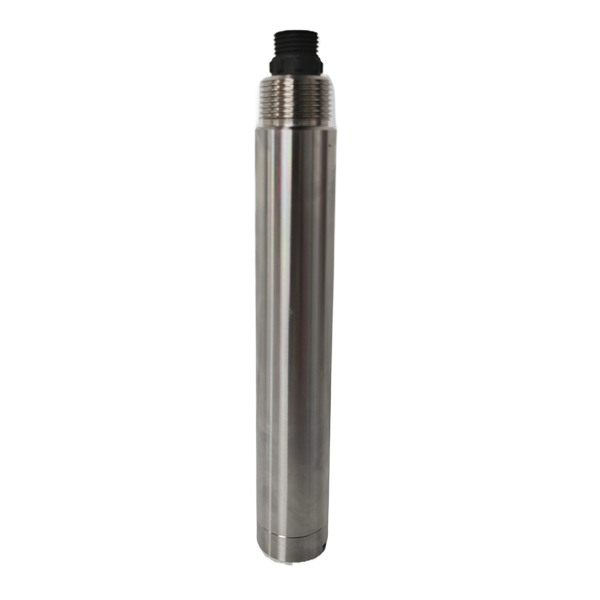
NiuBoL offers an industrial-grade multi-parameter water quality sensor for high-density aquaculture environments. It can simultaneously monitor multiple indicators including DO, pH, ammonia nitrogen, nitrite, conductivity, and water temperature, achieving minute-level data acquisition, Modbus-RTU protocol remote transmission, and cloud platform automatic alerts.
Core Advantages:
High Accuracy: Uses fluorescence DO method (no oxygen consumption), industrial-grade pH glass electrode, and ion-selective electrode technology, with measurement accuracy meeting laboratory-grade requirements.
Maintenance-Free & Anti-fouling: Built-in self-cleaning brush and anti-fouling coating effectively resist algae and microbial attachment, significantly extending maintenance cycles.
Industrial-Grade Reliability: RS485/Modbus-RTU standard output, directly accessible to PLC, SCADA, or third-party IoT platforms.
Low Power Design: Supports solar power supply, suitable for long-term deployment in remote ponds.
| Parameter | Range | Accuracy | Resolution | Output Interface |
|---|---|---|---|---|
| Dissolved Oxygen (DO) | 0-20mg/L | ±0.1mg/L | 0.01mg/L | RS485/Modbus-RTU |
| pH | 0-14 | ±0.05 | 0.01 | RS485/Modbus-RTU |
| Ammonia (NH3-N) | 0-10mg/L | ±0.05mg/L | 0.01mg/L | RS485/Modbus-RTU |
| Nitrite | 0-2mg/L | ±0.02mg/L | 0.001mg/L | RS485/Modbus-RTU |
| Water Temp. | 0-50℃ | ±0.2℃ | 0.1℃ | RS485/Modbus-RTU |
In high-density aquaculture environments, biofouling is a primary cause of sensor failure. NiuBoL sensors feature a special anti-fouling coating combined with an automatic cleaning brush design. The brush can be activated automatically according to a set schedule or when DO anomalies are detected, effectively reducing manual maintenance frequency by over 60%.
RS485 Bus Wiring Precautions:
Use a daisy-chain (bus) topology, avoid star wiring;
120Ω terminating resistors must be installed at both ends of the bus;
Strict common grounding treatment, recommend using shielded cable with single-ended grounding;
For distances exceeding 500 meters, consider adding repeaters or reducing baud rate.
These measures significantly reduce communication packet loss during multi-node field deployment.
Q1: What are the maintenance advantages of the fluorescence DO sensor compared to traditional membrane methods?
The fluorescence method does not require frequent replacement of membrane caps and electrolyte, has no oxygen consumption, and offers strong anti-interference capability. The NiuBoL fluorescence DO sensor, combined with a self-cleaning brush, extends maintenance cycles to 3-6 months, whereas traditional membrane methods typically require maintenance every 1-2 weeks.
Q2: How often does the pH sensor in aquaculture ponds need calibration?
In high-density aquaculture environments, it is recommended to calibrate 1-2 times per month using standard buffer solutions (pH 4.01, 6.86, 9.18) for two-point calibration. NiuBoL sensors have low drift rates, and remote diagnostics can provide early warning of calibration needs.
Q3: How can I use the Modbus signal from NiuBoL sensors to control aerator start/stop?
Read the DO register address via Modbus-RTU. When DO falls below a set threshold (e.g., 4mg/L), a PLC or controller automatically starts the aerator, achieving closed-loop control, saving electricity costs while avoiding hypoxia risk.
Q4: Will the sensor cable deteriorate after long-term immersion in corrosive aquaculture water?
NiuBoL uses industrial-grade PU or fluororubber sheathed cables with strong acid and alkali corrosion resistance. Under normal use, cable life can exceed 3 years. It is recommended to regularly check the sealing of connectors.
Q5: How can I obtain NiuBoL's secondary development protocol manual for bulk purchase projects?
All bulk project customers can receive the complete Modbus register address table, communication protocol manual, and sample code for free, supporting rapid integration with mainstream smart agriculture platforms.
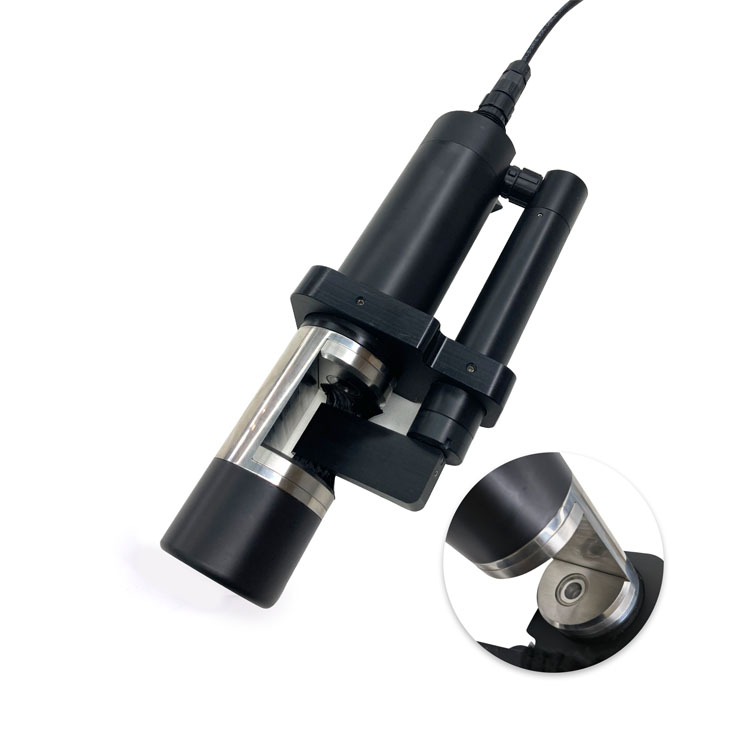
Accurate, real-time water quality data monitoring is the only reliable way to avoid aquaculture risks, improve feed conversion rates, and increase survival rates. With high accuracy, strong anti-interference, and low maintenance characteristics, NiuBoL industrial-grade water quality sensors provide a mature 24/7 online monitoring solution for large aquaculture farms and smart agriculture projects.
To obtain the NiuBoL water quality monitoring system topology diagram, Modbus register manual, field case studies, or bulk project quotes, please contact our sales engineers. We will provide customized technical solutions within 24 hours to help steadily improve aquaculture efficiency.
 NBL-WQ-CL Water Quality Sensor Online Residual Chlorine Sensor.pdf
NBL-WQ-DO Online Fluorescence Dissolved Oxygen Sensor.pdf
NBL-WQ-NHN Ammonia Nitrogen Water Quality Sensor.pdf
NBL-WQ-COD Online Water Quality COD Sensor.pdf
NBL-WQ-PH Online pH Water Quality Sensor.pdf
NBL-WQ-EC water quality conductivity sensor.pdf
Related recommendations
Sensors & Weather Stations Catalog
Agriculture Sensors and Weather Stations Catalog-NiuBoL.pdf
Weather Stations Catalog-NiuBoL.pdf
Agriculture Sensors Catalog-NiuBoL.pdf
Water Quality Sensor Catalog-NiuBoL.pdf
Related products
 Combined air temperature and relative humidity sensor
 TDR Soil Moisture & Temperature Sensor for irrigation| RS485 |4-20mA| NBL-S-THR
 Soil pH sensor RS485 soil Testing instrument soil ph meter for agriculture |NBL-S-PH
 Wind Speed sensor Output Modbus/RS485/Analog/0-5V/4-20mA
 Tipping bucket rain gauge for weather monitoring auto rainfall sensor RS485/Outdoor/stainless steel
 Pyranometer Solar Radiation Sensor 4-20mA/RS485

Screenshot, WhatsApp to identify the QR code
WhatsApp number:+8615367865107
(Click on WhatsApp to copy and add friends)

