





— Blogs —
—Products—
 Consumer hotline +8618073152920
 WhatsApp:+8615367865107
Address:Room 102, District D, Houhu Industrial Park, Yuelu District, Changsha City, Hunan Province, China
Product knowledge
Time:2026-05-23 11:51:18 Popularity:391
In river section water quality supervision, traditional manual sampling has significant limitations: low sampling frequency (typically 1-2 times per day), insufficient spatial coverage, and difficulty capturing spatiotemporal dynamics of sudden pollution events. This leads to delayed pollution source tracing and weak support for compliance assessment.
The NiuBoL River Water Quality Online Monitoring System, centered on multi-parameter online sensors, continuously collects key indicators such as pH, turbidity, dissolved oxygen (DO), electrical conductivity (EC), water temperature, ammonia nitrogen (NH₃-N), and COD. It enables real-time data acquisition, wireless transmission, and automated backend analysis. When measured values exceed set thresholds, the system can instantly issue early warnings, providing precise pollution source localization and response basis for management authorities. This system has become a key technical support for building an "all-weather, three-dimensional" surface water monitoring network.
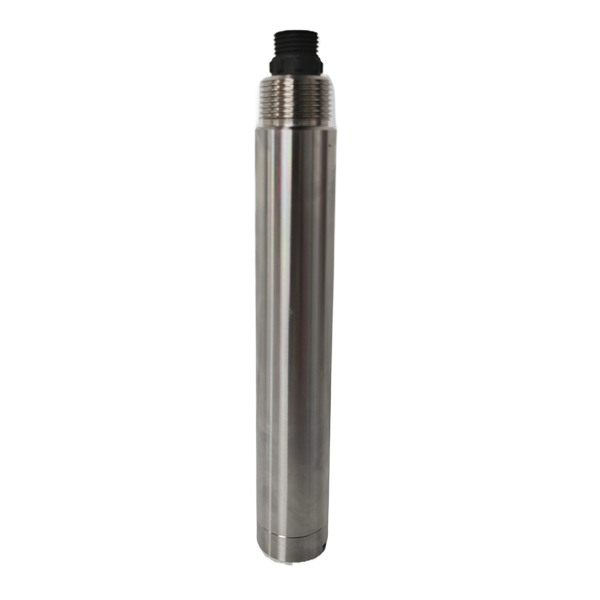
Data generated by river water quality online monitoring systems are not isolated raw values; through summarization and multi-dimensional analysis, they form a four-dimensional benefit system supporting engineering decisions and policy implementation.
(1) High-Frequency Multi-Point Monitoring & Early Warning
By deploying multiple monitoring points and conducting high-frequency (minute-level to hour-level) synchronous monitoring upstream and downstream, the system captures abrupt changes in water quality parameters. For instance, when COD or ammonia nitrogen concentrations rise abnormally at an upstream section, the system can issue warnings 1-3 hours before the pollution plume reaches downstream, providing technical support for environmental law enforcement. This capability significantly improves pollution incident response efficiency.
(2) Spatiotemporal Dynamic Response of Water Quality
The large volume and high temporal resolution of online data enable the construction of dynamic distribution maps of water quality parameters across time series and spatial grids. This provides traceable, quantifiable scientific basis for comprehensive water environment assessment, avoiding biases from "instantaneous values" of manual sampling.
(3) Eco-Compensation Mechanism Accounting
The accuracy and continuity of section water quality data are crucial for eco-compensation calculation. Online monitoring data serve as raw records, providing fair and reasonable quantitative basis for cross-regional and cross-basin compensation. Long-term historical data comparison objectively reflects the actual contribution of responsible entities to water quality improvement.
(4) Synchronous Flow & Quality Monitoring with Preliminary Pollutant Load Calculation
The system simultaneously monitors flow rate and water quality concentration, achieving "synchronous quantity and quality." Based on this, pollutant flux (load) can be preliminarily and automatically calculated using the formula:
Pollutant Load (kg/d) = Concentration (mg/L) × Flow rate (m³/s) × 86.4
This function provides automated support for total pollution control and discharge permit verification, reducing manual calculation errors.
(1) NiuBoL Small Buoy System
Designed for open waters such as urban rivers and lakes. Features low center of gravity, PE shell with EVA filling material, and embedded screw fixing structure. Diameter only 80cm, weight approximately 40KG. No heavy lifting equipment required; manual deployment by 2-3 people is feasible.
Power supply: solar panel + battery combination supporting long-term off-grid operation. Communication: 4G/5G network enabling remote data transmission to cloud platforms or local servers, accessible via PC and mobile APP.
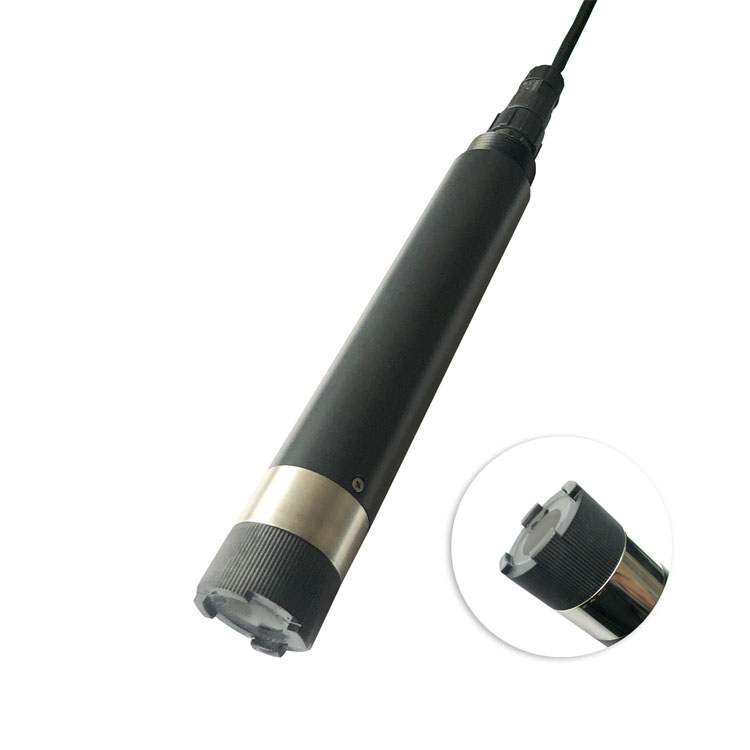
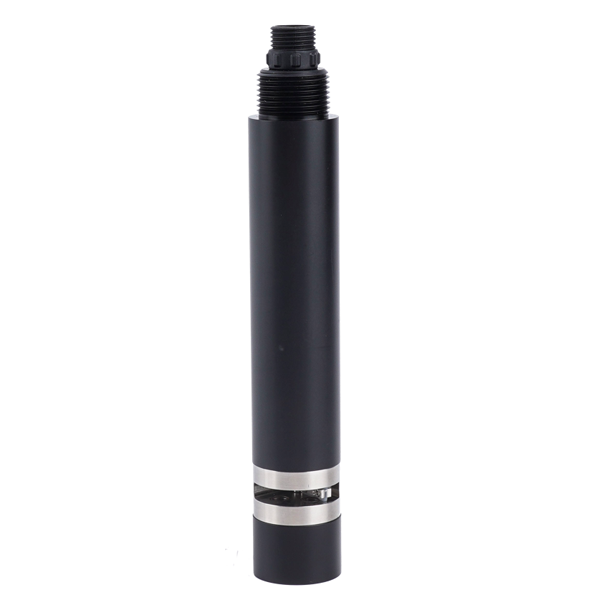
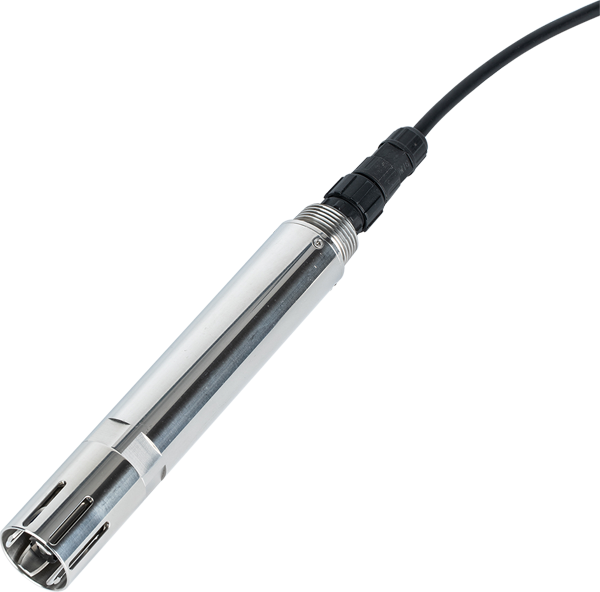
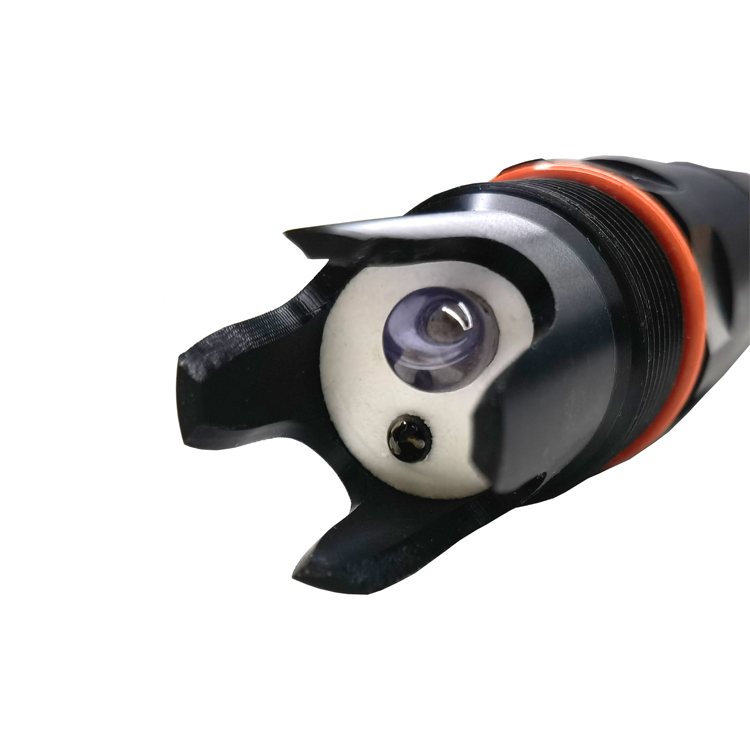
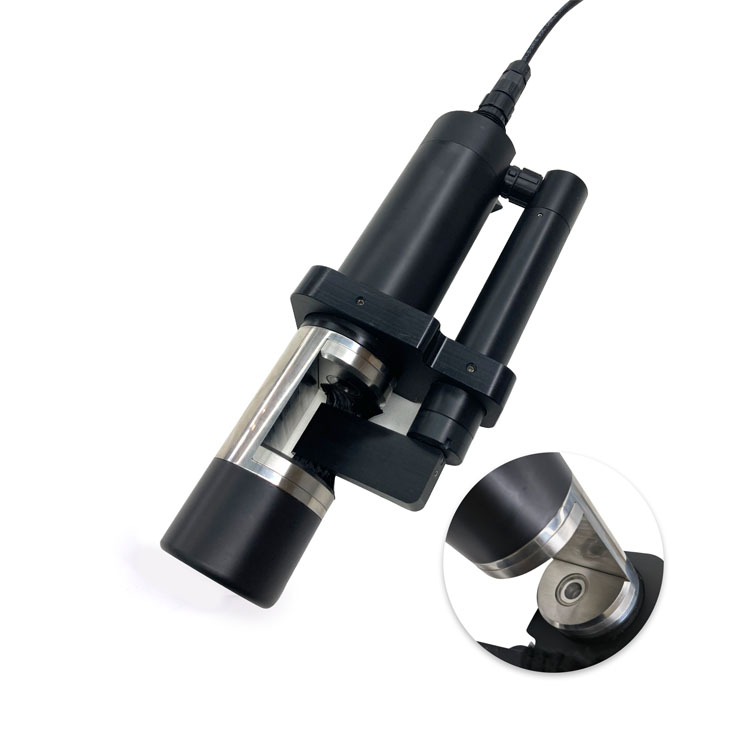
Sensors: Equipped with NiuBoL low-power intelligent multi-parameter water quality sensors (supporting 7 parameters: pH, turbidity, DO, EC, temperature, ammonia nitrogen), with optional UV254 COD sensor. Key feature: built-in self-cleaning brush, using timed or triggered mechanical brushing to effectively remove biofilm and sediment, significantly reducing manual maintenance frequency — ideal for long-term unattended scenarios.
(2) NiuBoL Pumped Water Quality Micro Monitoring System
Highly integrated design including automatic sampling water path unit, measuring tank unit, electronic control display unit, and data acquisition & IoT unit. Supports automatic sampling, automatic measurement, local data storage, and remote cloud platform upload.
Suitable for complex environments where sensors cannot be directly deployed, such as riverbanks, underground sewage pipe networks, and industrial discharge outlets. Pump-sampling method flexibly handles different water depths and distances, ensuring freshness of measured water samples.
(3) NiuBoL Pole-Mounted Micro Water Quality Monitoring Station
Sensors are directly deployed into rivers or lakes. The station includes wireless transmission module (supporting 4G, 5G, GPRS) for remote data transmission via Internet. Management centers can access real-time data and remotely manage device status using laptops, mobile phones, etc., from any networked environment.
When system detects equipment anomalies (e.g., sensor drift, communication interruption), alerts are quickly pushed, facilitating on-site inspections and significantly improving maintenance response speed.
| Parameter Dimension | NiuBoL Small Buoy System | NiuBoL Pumped Micro Detection System | NiuBoL Pole-Mounted Micro Station |
|---|---|---|---|
| Water Sampling Method | Direct Immersion | Pump Aspiration | Direct Immersion |
| Power Supply | Solar + Battery | Mains/Solar (optional) | Mains/Solar (optional) |
| Communication Interface | 4G/5G, Modbus-RTU/TCP | 4G/5G/RS485, Modbus Protocol | 4G/5G/GPRS, Modbus-RTU |
| Protection Rating | IP68 (buoy body) | IP65 (control cabinet) | IP65 (station body) |
| Core Parameters | 7 params + UV254 COD + Ammonia, Self-cleaning Brush | Multi-parameter (COD, Ammonia, heavy metals optional) | 7 params + COD + Ammonia |
| Optimal Application | Urban rivers, lakes, open water | Underground pipe networks, complex shorelines | Fixed sections, shoreline pole installation |
| Deployment Difficulty | Manual deployment, low | Moderate (pipe installation required) | Moderate (pole foundation required) |
| Maintenance Features | Self-cleaning brush reduces frequency | Water path cleaning focus | Periodic sensor cleaning |
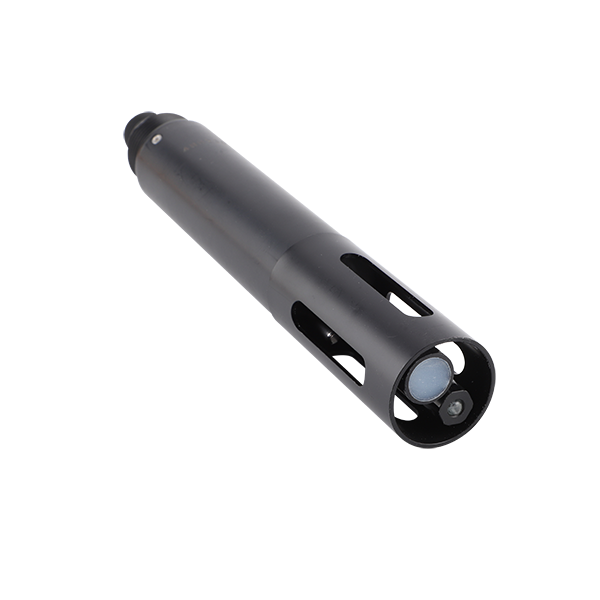
Systematic maintenance is key to ensuring data validity of COD, ammonia nitrogen, and other online water quality analyzers. Influencing factors include the water sampling/distribution system, instrument condition, reagent quality, and field environment.
(1) Regular Calibration
Single-point or two-point calibration must be performed after each instrument adjustment, restart, or reagent replacement to maintain factory performance levels. Use standard solutions and record pre/post calibration deviations strictly according to procedures. For NiuBoL systems, field calibration is recommended every 1-3 months, combined with remote diagnostics to detect drift trends early.
(2) Multi-point Linearity Check
Perform a standard curve multi-point linearity check (typically 5-7 concentration points) every six months to verify the linear correlation coefficient (R² ≥ 0.995) across the instrument's full range. This check effectively identifies issues like electrode aging or light source attenuation, ensuring data precision and comparability.
(3) Harsh Environment Response & Cleaning Maintenance
Biofouling and sediment deposits in river environments significantly reduce sensor sensitivity, leading to increased measurement deviation. Traditional sensors require frequent manual cleaning. NiuBoL multi-parameter water quality sensors feature a built-in automatic cleaning brush that performs timed or threshold-triggered mechanical brushing, effectively removing surface contaminants, fundamentally extending maintenance cycles, reducing manual intervention by over 50%, while ensuring data representativeness and integrity.
Proper maintenance ensures monitoring data meets the "Five Characteristics": accuracy, precision, representativeness, integrity, and comparability, providing reliable support for water pollution prevention.
Q1: How to prevent COD/ammonia analyzers from freezing in low-temperature field environments?
Use heating tape or insulated enclosures. NiuBoL systems support temperature-linked control, activating automatic heating when ambient temperature drops below 5°C, combined with water sample circulation to reduce freezing risk.
Q2: Does the fluorescence dissolved oxygen sensor suffer interference from high turbidity water?
Fluorescence DO sensors have strong anti-turbidity interference, but slight deviation may occur when turbidity >100NTU. NiuBoL systems can monitor turbidity simultaneously and apply compensation algorithms, or use the version with a self-cleaning brush.
Q3: How to troubleshoot data packet loss in multi-node RS485 buses?
Check bus topology (recommend daisy chain, avoid star), termination resistor matching (120Ω), grounding, and baud rate settings. Use Modbus diagnostic tools to read abnormal registers. NiuBoL provides complete register address mapping manuals.
Q4: For urban river monitoring, should I choose a small buoy or a pole-mounted station?
For navigable channels or scenic waters, prioritize NiuBoL small buoy (high mobility, no fixed foundation required). For fixed sections with shoreline access, pole-mounted stations are more stable and facilitate power supply.
Q5: What are the distance limitations for the pumped system?
Typical horizontal distance: 50-80 meters (depending on pump power and pipe diameter). Vertical suction head generally ≤8 meters. Pipeline design should consider local water level variations.
Q6: How to calculate power consumption quota for water quality instruments in solar-powered systems?
Sum peak power × duty cycle for each sensor (e.g., multi-parameter sensor continuously runs approx. 2-5W), plus communication module and controller power consumption, and reserve 1.5-2 times margin. NiuBoL buoy systems feature optimized low-power design, and with efficient solar panels, can meet demand during consecutive cloudy/rainy days.
Q7: Does NiuBoL provide Modbus register manuals for integration with third-party environmental platforms?
Yes, we provide complete Modbus-RTU/TCP protocol manuals, register address tables, and sample code, supporting seamless integration with IoT platforms or SCADA systems.
Q8: What is NiuBoL's delivery lead time and sample testing policy for project tenders?
Standard product lead time: 15-25 working days. Sample testing is supported (free trial for some models). Customized delivery schedules and technical support can be negotiated for large projects.
Sensors and automated monitoring technology form the cornerstone of building a comprehensive, all-weather, three-dimensional environmental monitoring network. In the field of river water quality management, NiuBoL provides three technically reliable hardware platforms and refined maintenance solutions, helping users achieve a full-chain upgrade from data acquisition to decision-making closed loop.
To request the complete NiuBoL river water quality monitoring system topology diagram, Modbus secondary development protocol manuals for each sensor, project technical white paper, or bulk purchase quotations, please contact our application engineers. We will provide customized 1-on-1 technical solutions within 24 hours to support efficient project implementation.
 NBL-WQ-CL Water Quality Sensor Online Residual Chlorine Sensor.pdf
NBL-WQ-DO Online Fluorescence Dissolved Oxygen Sensor.pdf
NBL-WQ-NHN Ammonia Nitrogen Water Quality Sensor.pdf
NBL-WQ-COD Online Water Quality COD Sensor.pdf
NBL-WQ-PH Online pH Water Quality Sensor.pdf
NBL-WQ-EC water quality conductivity sensor.pdf
Related recommendations
Sensors & Weather Stations Catalog
Agriculture Sensors and Weather Stations Catalog-NiuBoL.pdf
Weather Stations Catalog-NiuBoL.pdf
Agriculture Sensors Catalog-NiuBoL.pdf
Water Quality Sensor Catalog-NiuBoL.pdf
Related products
 Combined air temperature and relative humidity sensor
 TDR Soil Moisture & Temperature Sensor for irrigation| RS485 |4-20mA| NBL-S-THR
 Soil pH sensor RS485 soil Testing instrument soil ph meter for agriculture |NBL-S-PH
 Wind Speed sensor Output Modbus/RS485/Analog/0-5V/4-20mA
 Tipping bucket rain gauge for weather monitoring auto rainfall sensor RS485/Outdoor/stainless steel
 Pyranometer Solar Radiation Sensor 4-20mA/RS485

Screenshot, WhatsApp to identify the QR code
WhatsApp number:+8615367865107
(Click on WhatsApp to copy and add friends)

