





— Blogs —
—Products—
 Consumer hotline +8618073152920
 WhatsApp:+8615367865107
Address:Room 102, District D, Houhu Industrial Park, Yuelu District, Changsha City, Hunan Province, China
Product knowledge
Time:2026-03-03 13:41:29 Popularity:611
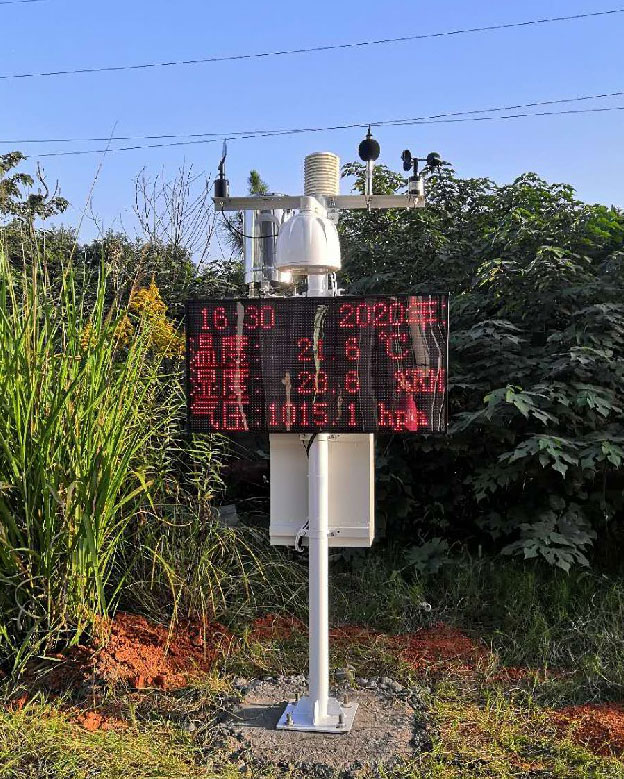
Industrial weather and environmental monitoring often combines wind, rainfall, temperature, particles and noise in one project. Those channels do not necessarily belong at one measurement point. Define whether each observation describes the wider site, a perimeter receptor or a local operating area before choosing a shared mast. A convenient mounting position can otherwise produce readings that answer the wrong question.
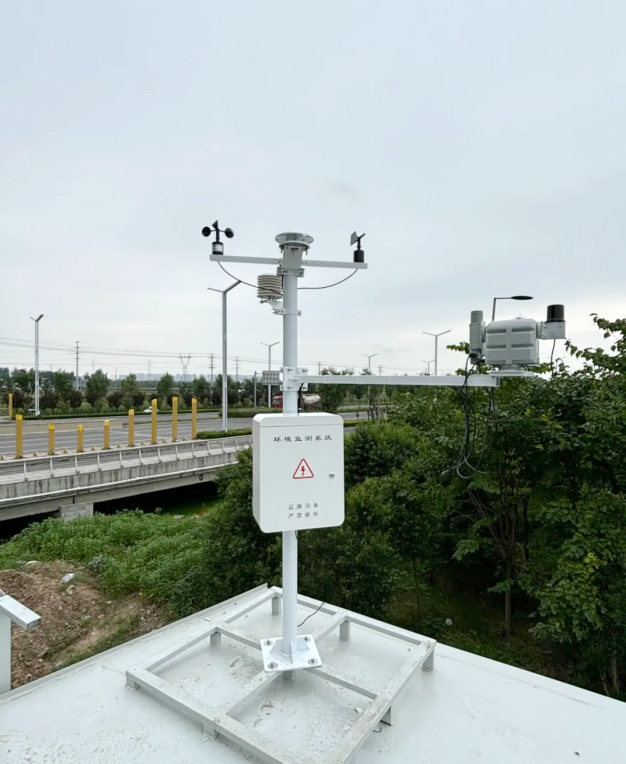
A plant may need weather context for outdoor operations, particle trends near a haul road and noise observations near a neighbouring property. These are distinct purposes. A sensor close to a vehicle route may detect local activity well while failing to represent background conditions elsewhere on the site.
Record the intended observation area, nearby sources and the reason for the location on a site plan. Include buildings, exhaust outlets, dust-generating operations, water sprays and changes in ground level. This makes later comparisons interpretable when a production line moves or a temporary stockpile appears beside a station.
| Project need | Useful location | Boundary to keep explicit |
|---|---|---|
| Weather context | Exposure suitable for the chosen meteorological variables | Not automatically representative of sheltered work areas |
| Local particle trend | Defined receptor or activity area with suitable airflow | Not an emission mass rate or proof of source identity |
| Environmental noise trend | Specified observation point with documented surrounding surfaces | Not automatically a worker's personal exposure record |
| Process or hazard detection | Point selected for the actual process or hazard | Requires suitable dedicated instruments and design |
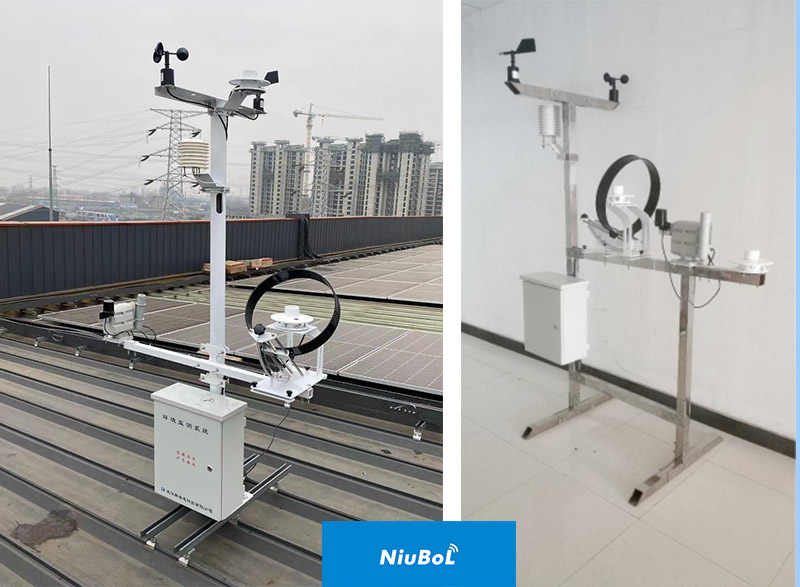
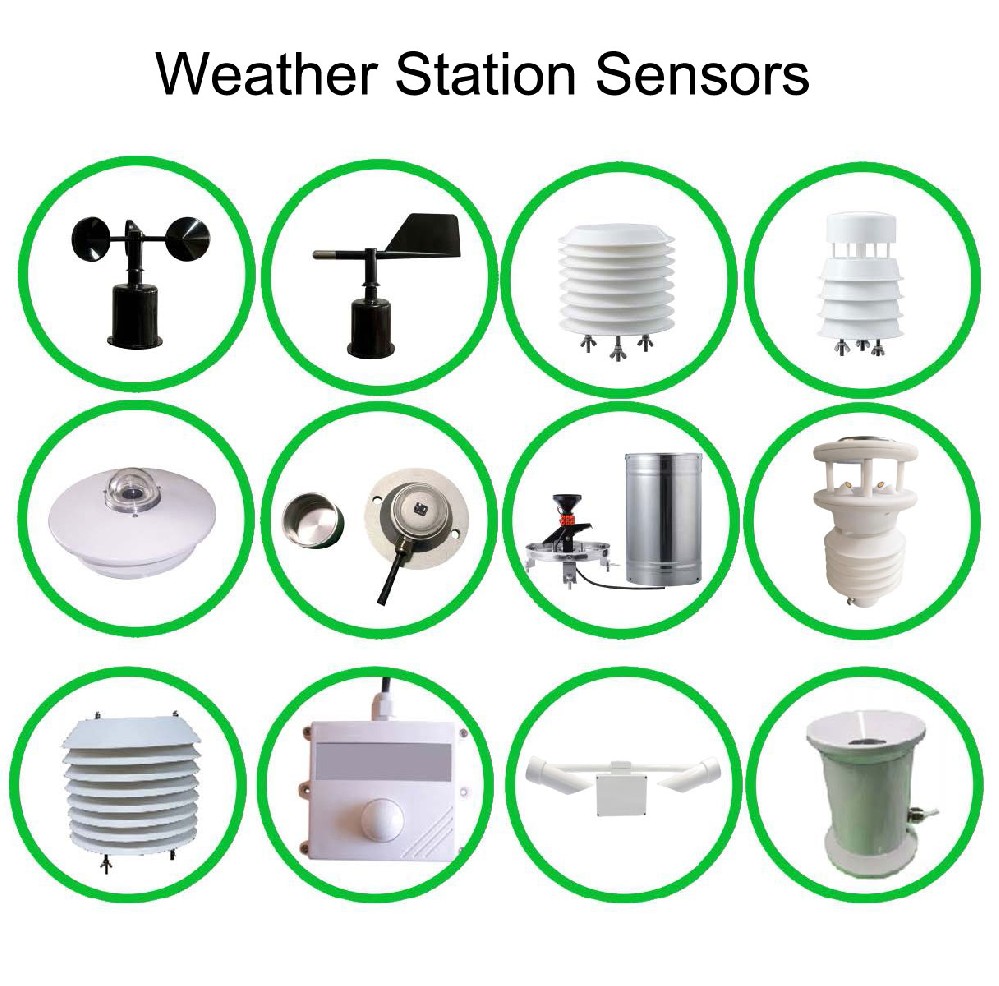
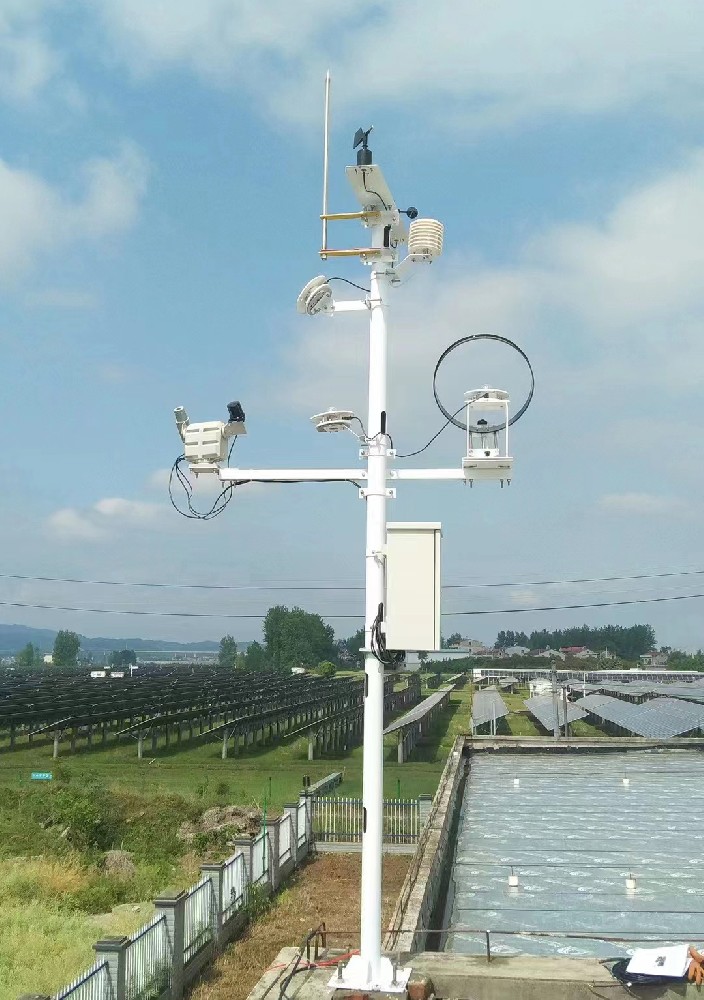
Wind measurement needs airflow representative of its stated purpose. A PM inlet needs a clear sampling path at its selected receptor. A microphone responds to nearby sound sources and reflections. A radiation sensor needs an unobstructed view appropriate to the measured plane. Putting all four on a roof does not establish a shared area of validity.
Consider separating the weather reference from a road-side PM point or a perimeter noise point when the observation purposes differ. Keep them connected through station and location identifiers rather than forcing physical co-location. The EPA air-sensor siting guide explains why sources, obstructions and local placement affect representativeness.
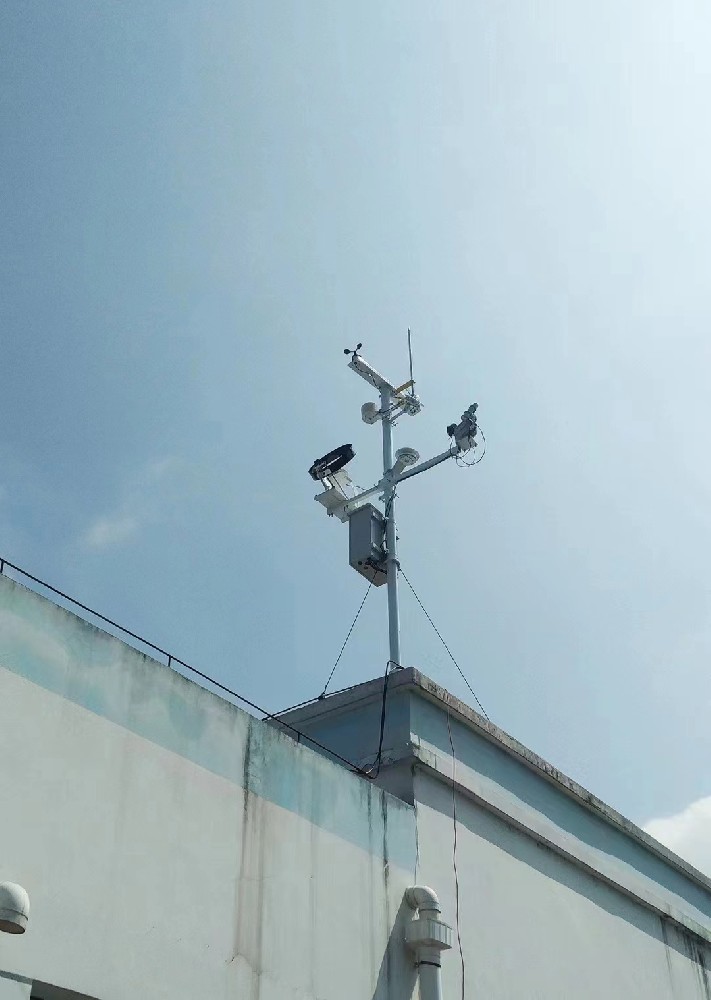
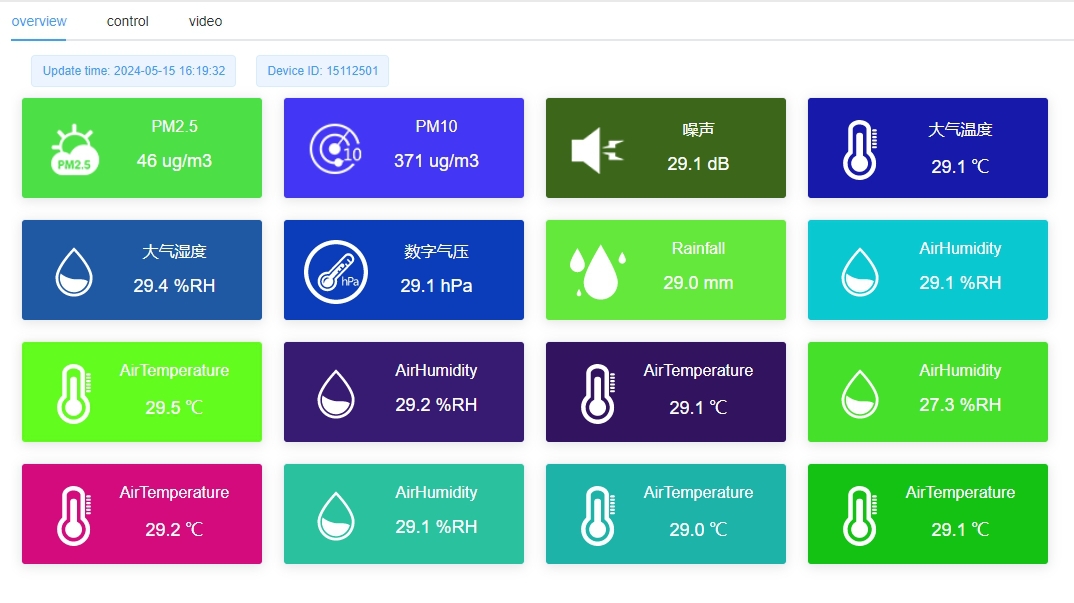
A NiuBoL particulate matter sensor can provide ambient PM observations through RS485. Its mass-concentration output is not a direct measurement of dust chemistry, combustible-dust risk or material leaving a stack. Those tasks require instruments and sampling arrangements selected specifically for the application.
Likewise, the NBL-W-NS noise sensor provides sound-level observations. Before specifying a particular acoustic report, identify the required frequency weighting, time response, averaging indicator and calibration evidence. A range expressed in decibels alone does not establish every acoustic function a tender may request.
| Component | Technical parameters | Operating limit to resolve |
|---|---|---|
| NiuBoL PM sensor configuration | PM2.5: 0-1000 micrograms/m3; PM10: 0-2000 micrograms/m3 | Range differs by size fraction; check the required error specification and test conditions |
| PM electrical and environmental parameters | 12-24 VDC; RS485 Modbus RTU; up to 350 mW; -20 to 60 C; non-condensing humidity | Keep the inlet ventilated and within the selected configuration's environment |
| NBL-W-NS acoustic parameters | 30-130 dB; 31.5 Hz-8 kHz; stated time response 200 ms | Confirm the actual report indicators rather than deriving them from a single output value |
| NBL-W-NS installation parameters | 12 VDC; RS485 Modbus RTU or 4-20 mA; -15 to 50 C; humidity below 80%RH; ABS housing; IP65 | Ingress protection does not remove the humidity limit |
| NBL-W-SS / NBL-W-DS | Separate wind speed and direction sensors; IP65 | Specify exposure, direction reference and output version separately |
The PM product's error statement includes specified temperature and humidity conditions; request the applicable test information if a project needs a numerical acceptance envelope. Do not reinterpret it as a blanket accuracy guarantee for every aerosol or outdoor condition. Sensor performance, station siting and the intended reporting method need to be evaluated together.
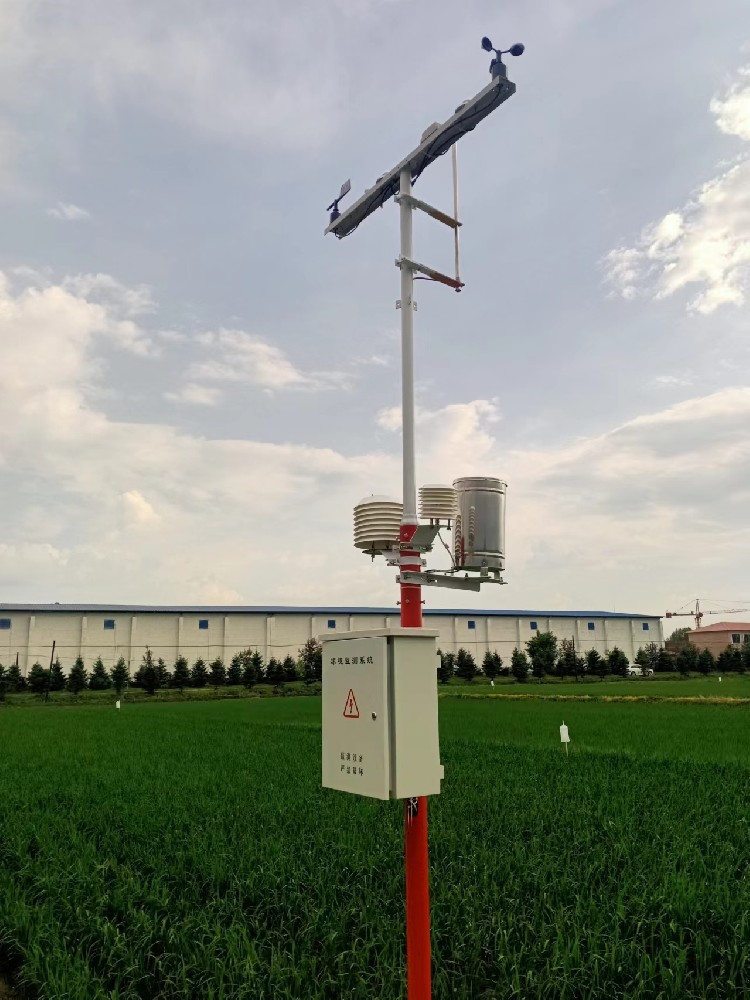
A station advertised for outdoor use can still include a component with a narrower operating range than the others. Compare the minimum and maximum temperatures, humidity restrictions, supply limits and ingress requirements of every installed device. The logger or microphone may constrain the system even when the wind sensor remains within its own limits.
Do not seal an air inlet inside a waterproof cabinet to protect it from rain. Equally, do not assume that an enclosure rating proves resistance to salt, solvents, washdown chemicals or a hazardous atmosphere. Where such exposure exists, obtain a suitable configuration assessment before installation; a general environmental station is not a substitute for a qualified protection design.
Keep dust-suppression spray away from measurement inlets unless spray influence is part of the study. A monitor immediately inside the spray cloud can respond to a different mixture from the intended ambient receptor. Record mist, rain, unusual humidity and inlet condition when reviewing an apparent particle event.
Use a data logger or RTU to acquire the selected channels and a gateway to forward them when needed. Confirm sensor supply, signal type, serial settings and register definitions for each ordered device. RS485 is an electrical interface; only compatible digital versions with the appropriate protocol can share the intended acquisition arrangement.
A practical record should identify the instrument, measurement location, quantity, unit, observation interval and channel status. A PM maintenance fault should not invalidate an otherwise usable wind record, nor should healthy wind communication conceal a failed PM inlet. Keep weather observations available as context when reviewing an environmental event.
For electrically noisy sites, plan signal routes, shielding, isolation and surge protection with the plant's electrical designer. Test communications while relevant plant equipment operates. Do not promise a universal cable distance or device count without checking loading, topology, voltage drop and polling requirements in the actual installation.
A perimeter particle increase during a particular wind sector can justify investigation, but it does not uniquely identify a plant source. Nearby traffic, off-site activity, changing background conditions and local airflow may also contribute. Compare the event with operating records and other observation points before assigning cause.
For noise, retain the relevant operating state: an intermittent fan, reversing vehicle or construction activity may matter more than an undifferentiated shift label. If the project needs source-specific analysis or formal reporting, select the necessary acoustic measurement functions rather than promising them from a generic trend channel.
Define what an alarm should do. A trend notification for operator review is different from automatically activating dust suppression or stopping machinery. Any control action needs its own authorised logic, permissives and fault behaviour. A single unreviewed environmental reading should not silently become a safety interlock.
It can describe conditions at its observation points, not every location in a complex site. Assess source distribution, buildings and the decisions required. A weather reference plus selected environmental points may be more useful than one heavily equipped mast in a convenient but unrepresentative position.
Its size-fraction mass-concentration readings do not determine chemical composition or source identity. Use operating records and appropriate investigation methods where material identification matters. Do not specify an ambient PM channel as a direct hazardous-substance analyser.
No. The NBL-W-NS has a separate humidity limit below 80%RH. Check that limit against the site and proposed installation. The enclosure rating describes ingress protection, not unlimited suitability for condensation, water spray or a continuously damp microphone environment.
Confirm the ordered output, supply and protocol against the PLC's actual interfaces. A 4-20 mA channel requires a suitable analog input; RS485 Modbus RTU requires compatible serial hardware and mapping. A gateway may be needed where the receiving system uses another transport.
Trial the intended installation with representative operating activity, humidity and communications conditions. Check inlet exposure, required acoustic indicators and accessible servicing. Agree the comparison method and tolerances before using the trial as acceptance evidence for a larger rollout.
Provide a location plan, channel purpose, concentration and acoustic requirements, environmental limits and receiving system details. Request separate costs for instruments, mounting, power, communications, software and any comparison testing. NiuBoL can assess the sensor configuration without implying unrequested process or safety certification.
Industrial weather and environmental monitoring is useful when every channel has a defined purpose and location. Keep ambient observation separate from process measurement, personal exposure and safety functions. Choose components within their actual operating limits and connect their records with plant activity so the resulting data can support a defensible investigation.
Prev:Agricultural Meteorological Station: Check ET0 Inputs Before Irrigation Use
Next:Campus Meteorological Station Procurement: Compare Hardware and Software Scope
Related recommendations
Sensors & Weather Stations Catalog
 Agriculture Sensors and Weather Stations Catalog-NiuBoL.pdf
Weather Stations Catalog-NiuBoL.pdf
Agriculture Sensors Catalog-NiuBoL.pdf
Water Quality Sensor Catalog-NiuBoL.pdf
Related products
 Combined air temperature and relative humidity sensor
 TDR Soil Moisture & Temperature Sensor for irrigation| RS485 |4-20mA| NBL-S-THR
 Soil pH sensor RS485 soil Testing instrument soil ph meter for agriculture |NBL-S-PH
 Wind Speed sensor Output Modbus/RS485/Analog/0-5V/4-20mA
 Tipping bucket rain gauge for weather monitoring auto rainfall sensor RS485/Outdoor/stainless steel
 Pyranometer Solar Radiation Sensor 4-20mA/RS485

Screenshot, WhatsApp to identify the QR code
WhatsApp number:+8615367865107
(Click on WhatsApp to copy and add friends)

