





— Blogs —
—Products—
 Consumer hotline +8618073152920
 WhatsApp:+8615367865107
Address:Room 102, District D, Houhu Industrial Park, Yuelu District, Changsha City, Hunan Province, China
Product knowledge
Time:2026-05-18 08:45:36 Popularity:338
In modern industrial wastewater treatment, municipal sewage network monitoring, environmental surface water assessment, and high-density aquaculture projects, ammonia nitrogen (NH3-N) is always a core indicator for measuring water pollution levels and biochemical degradation efficiency. Ammonia nitrogen exists dynamically in water as free ammonia (NH3) and ammonium ions (NH4+). Among them, free ammonia has strong toxicity to aquatic organisms such as fish.
For engineering contractors, system integrators (SI), and IoT solution providers, although traditional laboratory Nessler reagent colorimetric method or salicylic acid spectrophotometric method have high accuracy, they are extremely difficult to meet the requirements of modern industrial automation control for real-time performance, continuity, and low maintenance costs due to complex flow paths, high reagent consumption, and short maintenance cycles.
In biochemical treatment units (such as aeration tanks), ammonia nitrogen concentration directly reflects whether the dissolved oxygen (DO) in the reactor is sufficient and the operating status of the nitrification system. System integrators need an online detection front-end that can directly output standard digital signals, has a high protection level, and can operate stably for a long time when immersed in harsh water bodies to achieve closed-loop control with PLC, DCS, or data acquisition units (RTU).
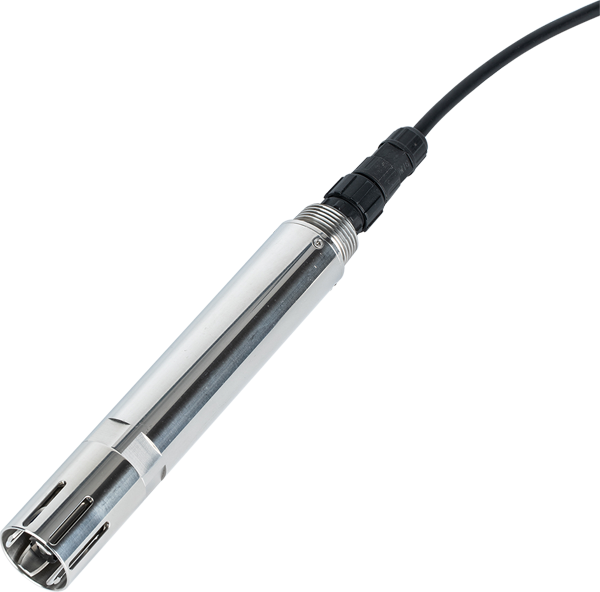
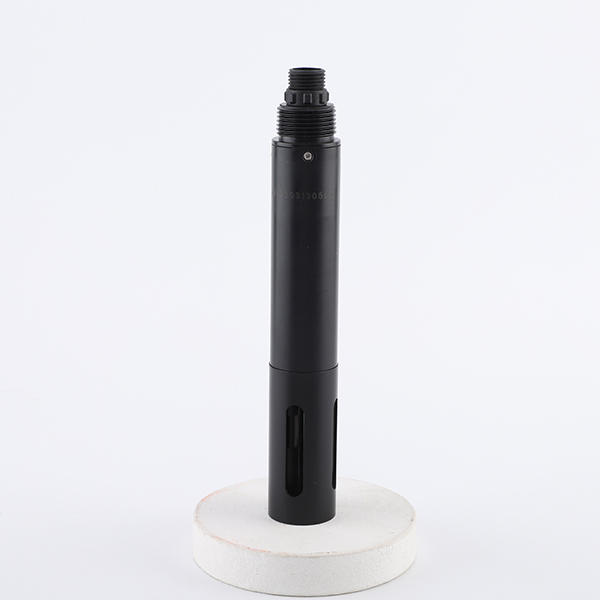
In the overall IoT water quality monitoring system architecture, the NiuBoL integrated online ammonium nitrogen sensor serves as the core unit of the perception layer (Data Acquisition Layer) and directly contacts the measured medium. Its physical and logical positioning is as follows:
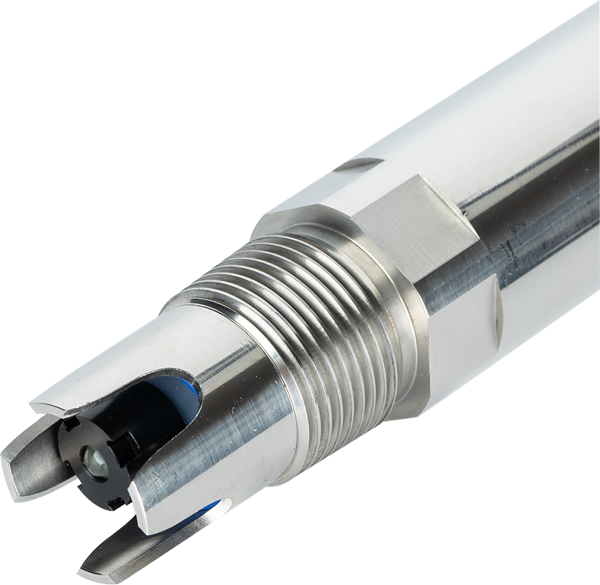
Physical Layer Positioning: The sensor is installed on-site via 3/4 NPT pipe thread in submerged or pipeline flow-through mode, eliminating complex water sampling pump sets and pretreatment filtration systems, reducing civil engineering and pipeline construction costs in the early project stage.
Control Layer Docking: The analog signal collected by the sensor is internally processed by temperature compensation algorithm (Pt1000) and digital calibration, then converted into standard digital signals, directly connected to on-site PLC (such as Siemens S7-1200/1500, Inovance, etc.), DCS control systems, or IoT gateways.
Execution Layer Linkage: The controller automatically adjusts the aeration machine frequency converter (controlling DO delivery) or dosing pump dosage according to the real-time ammonia nitrogen data fed back by the sensor, thereby achieving precise closed-loop control of the process flow.
To ensure excellent anti-interference capability and scalability in complex industrial electromagnetic environments, the NiuBoL online ammonia nitrogen sensor adopts standard industrial communication configuration:
Physical Interface: Adopts RS-485 bus architecture, supports multi-node parallel connection (daisy-chain topology). A single bus can support up to 32 sensor nodes without repeaters, greatly saving I/O module costs during system integration.
Communication Protocol: Adopts standard Modbus RTU protocol. The data format is transparent, and the register address definition complies with industrial standards. It can seamlessly connect with general touch screens (HMI), paperless recorders, and mainstream SCADA software (such as KingView, WinCC, etc.) without writing complex protocol parsing drivers.
Optional Output: Supports traditional 4-20 mA analog current loop output, compatible with upgrading and retrofitting of old industrial control systems.
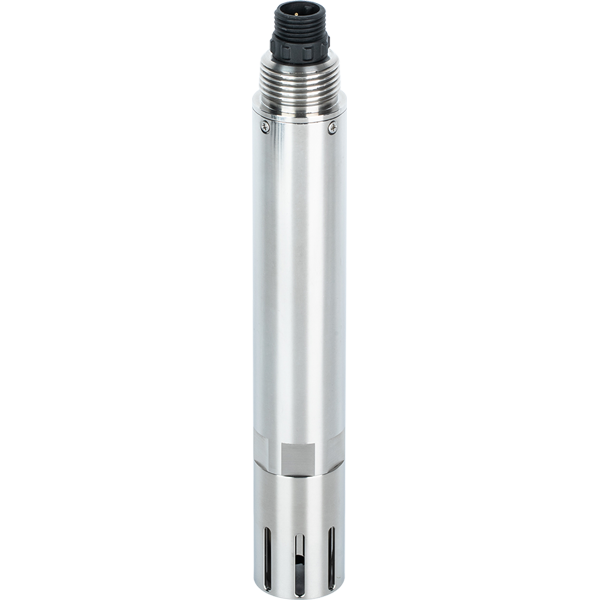
| Parameter Item | Technical Specifications & Indicators |
|---|---|
| Product Model | NBL-WQ-NHN |
| Brand | NiuBoL |
| Housing Material | ABS, PVC, POM |
| Measurement Principle | Ion Selective Electrode Method (ISE) |
| Range | 0~10.00 mg/L;0~100.00 mg/L;0~1000.0 mg/L (optional) |
| Resolution | 0.01 mg/L (10/100 mg/L range), 0.1 mg/L (1000 mg/L range) |
| Measurement Accuracy | 0~10.00 mg/L: ±10% of reading or ±1 mg/L (whichever is greater); Other ranges: ±10% of reading |
| Temperature Compensation | Automatic temperature compensation, built-in Pt1000 sensor (±0.5℃ accuracy, 0.1℃ resolution) |
| Response Time (T90) | < 60 seconds |
| Detection Limit | 0.09 mg/L (10/100 mg/L range), 0.9 mg/L (1000 mg/L range) |
| Calibration Method | Two-point calibration |
| Output Signal | RS-485 (Modbus RTU) / 4-20 mA (optional) |
| Power Supply | 12~24V DC |
| Power Consumption | 0.2W @ 12V |
| Operating Conditions | Temperature: 0~40℃;Pressure: < 0.1 MPa;pH Range: 4~10 |
| Protection Rating | IP68 (supports long-term underwater immersion) |
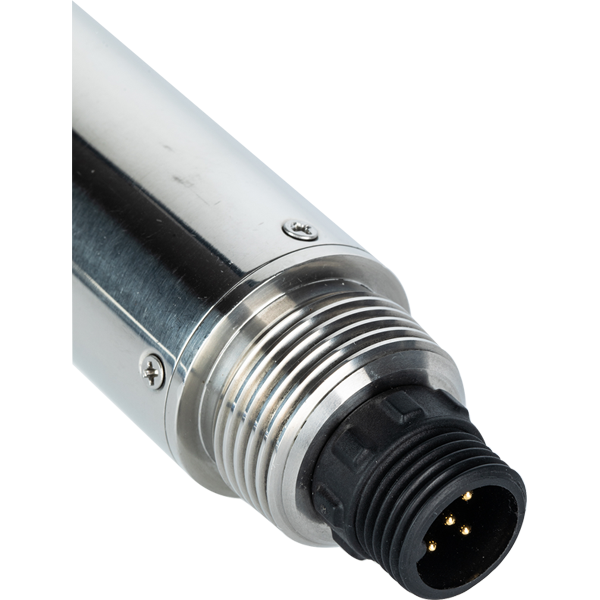
| Physical Interface / Installation | 3/4 NPT pipe thread, standard 5-meter cable (customizable), M16-5 core waterproof connector male |
1. Aquaculture Water Quality Monitoring and Early Warning System
In modern high-density recirculating aquaculture systems (RAS) or cage culture, protein in feed is decomposed by microorganisms to produce a large amount of non-ionic ammonia. By deploying NiuBoL online ammonia nitrogen sensors distributed in breeding ponds, integrators can build a 24-hour all-weather monitoring network. When ammonia nitrogen concentration approaches the warning value, the system automatically links to start aerators or control water exchange valves to avoid large-scale fish and shrimp deaths caused by acute ammonia nitrogen poisoning.
2. Aeration Tank Process Control in Wastewater Treatment Plants
In municipal and industrial wastewater treatment processes such as A2O and SBR, the nitrification reaction in the aeration tank requires a large amount of dissolved oxygen (DO). Installing the online ammonia nitrogen sensor directly at the end of the nitrification section allows the control system to dynamically adjust the aeration volume of the blower according to real-time ammonia nitrogen concentration. While ensuring effluent ammonia nitrogen compliance, excessive aeration is avoided, which can reduce operating energy consumption by more than 15% for wastewater treatment plants.
3. Automatic Monitoring Stations for Environmental Surface Water and Groundwater
Environmental monitoring network automatic stations (micro water stations) are usually deployed at unattended river sections. The NiuBoL sensor using the ion selective electrode method does not consume chemical reagents, produces no secondary pollution, and has extremely low power consumption of only 0.2W, making it very suitable for integration with solar power supply systems and 4G/5G modules to achieve long-term stable collection of remote environmental data.
When selecting sensors for specific projects, system integrators are advised to conduct technical evaluation from the following four dimensions:
1. Accuracy and Range Matching
Low concentration projects (surface water, Class II-III water quality, aquaculture water): Recommend 0~10.00 mg/L or 0~100.00 mg/L range. Resolution can reach 0.01 mg/L, capable of capturing small water quality degradation trends.
High concentration projects (highly polluted industrial wastewater, sewage plant inlet): Recommend 0~1000.0 mg/L range to prevent electrode surface overload saturation.
2. Communication Method Selection
New digital IoT projects: Prioritize RS-485 (Modbus RTU) output for easy sharing of a single bus with multi-parameter water quality probes (such as simultaneous integration of pH, DO, temperature, ammonia nitrogen), simplifying data collector port configuration.
Traditional industrial control upgrades: If the existing DCS or PLC only reserves analog A/O modules, select the 4-20 mA analog current loop option.
3. Installation Environment and Supporting Selection
Submerged installation: Suitable for open pools and breeding ponds. Use the sensor’s own 3/4 NPT thread to connect an extension rod and immerse the probe 30–50 cm below the water surface.
Pipeline/flow-through installation: Suitable for pressurized pipelines or industrial pipe networks requiring bypass sampling. Ensure pipeline pressure < 0.1 MPa; install a pressure reducing valve if pressure is too high.
4. Power Supply Design
Industrial sites: Sensor supports 12~24V DC wide voltage power supply, which can directly use the 24V DC switching power supply in the PLC control cabinet.
Field wireless monitoring stations: Low power consumption (0.2W) design allows the system to use 12V solar battery power systems, ensuring ultra-long endurance even on cloudy and rainy days.
Interfering Ion Control: Ion selective electrode method (ISE) is easily interfered by ions with similar charge and radius in water, especially potassium ions (K+). When designing integration, the composition of the measured water body needs to be evaluated.
pH Balance Dependence: Ammonia nitrogen equilibrium in water highly depends on pH value and temperature. It is recommended to read pH sensor values synchronously for data verification in control algorithms.
Slow Permeation Reference Design: Ensure the electrode protection cap is removed and the electrode is soaked in clean water for more than 2 hours for activation during installation.
Q1: What are the core technical advantages of the ion selective electrode method (ISE) compared to the traditional Nessler reagent chemical method?
A: The Nessler reagent method is intermittent photometric measurement that consumes chemical reagents, produces mercury- and iodine-containing waste liquid, and easily clogs pipelines with high maintenance costs. The NiuBoL ion selective electrode method achieves reagent-free, continuous online measurement with response time less than 60 seconds, no secondary pollution, and simple equipment structure, greatly reducing the later operation and maintenance labor costs for system integrators.
Q2: How does the Pt1000 automatic temperature compensation in the sensor work?
A: Ion activity is greatly affected by temperature changes. The sensor integrates a high-precision Pt1000 temperature sensor. Its digital chip can perform real-time temperature coefficient correction on the collected ammonium ion potential signal according to the built-in Nernst Equation, ensuring the output mg/L concentration value remains accurate and consistent under 0~40℃ environmental changes.
Q3: Why does the electrode need “activation” after long-term non-use? How to operate?
A: The PVC sensitive membrane of the ion selective electrode cannot form a stable double electric layer potential in a dry state. If the electrode has not been used for more than two weeks, before putting it back into operation, the protection cap must be removed and the sensitive end soaked in clean water for 2 hours to reactivate and restore the ion exchange characteristics of the sensitive membrane.
Q4: How to choose the range for industrial wastewater versus ordinary surface water?
A: For clean water bodies such as surface water monitoring and high-density aquaculture, recommend 0~10.00 mg/L range; for sewage plant effluent and light industrial wastewater, recommend 0~100.00 mg/L; for high-concentration and highly polluted industrial wastewater inlets such as chemical fertilizers, leather, and oil refining, 0~1000.0 mg/L range must be selected.
Q5: The sensor housing is composed of ABS, PVC, and POM materials. How is its corrosion resistance?
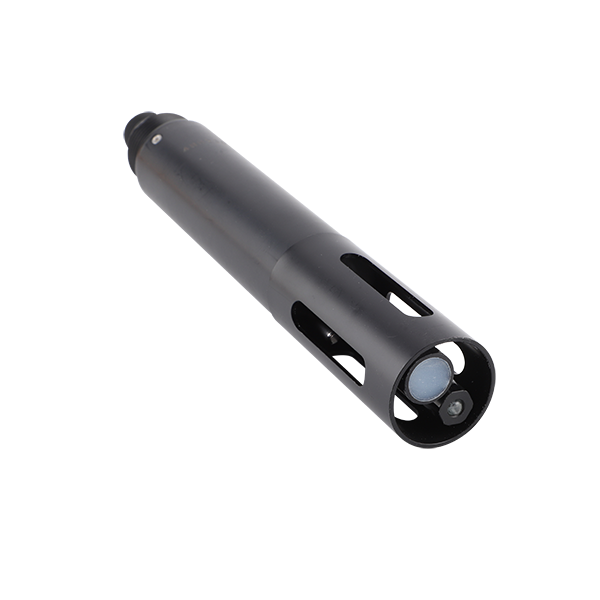
A: This material combination is specially designed for high-strength industrial environments. POM provides excellent mechanical strength and wear resistance, while ABS and PVC offer good acid and alkali corrosion resistance. This enables the sensor to be immersed long-term in industrial wastewater with pH 4~10 and high-salinity seawater (aquaculture environment) without shell degradation.
Q6: What if the on-site equipment only supports 4-20mA analog signals?
A: The sensor’s default standard output is RS-485 (Modbus RTU). When placing an order, clearly inform the sales engineer of the need for the 4-20 mA module option. We will provide a customized model with built-in digital-to-analog conversion output.
Q7: What is the standard cable length of the sensor? Will exceeding the distance affect digital signal transmission?
A: The factory standard cable length is 5 meters. Since the device uses RS-485 digital bus communication, it has extremely strong anti-interference ability with a theoretical transmission distance of up to 1200 meters. System integrators can customize longer cables according to on-site wiring needs without worrying about signal attenuation or accuracy distortion.
Q8: How to determine if the electrode has reached the end of its service life? How to handle it during the warranty period?
A: During two-point calibration in standard solution, if the electrode slope is severely low, response time far exceeds 60 seconds, or the measured value maintains large deviation after cleaning and activation, the PVC membrane is worn or the reference is poisoned. NiuBoL provides complete after-sales technical support and will offer professional repair or replacement for non-human, non-abnormal faults during the warranty period.
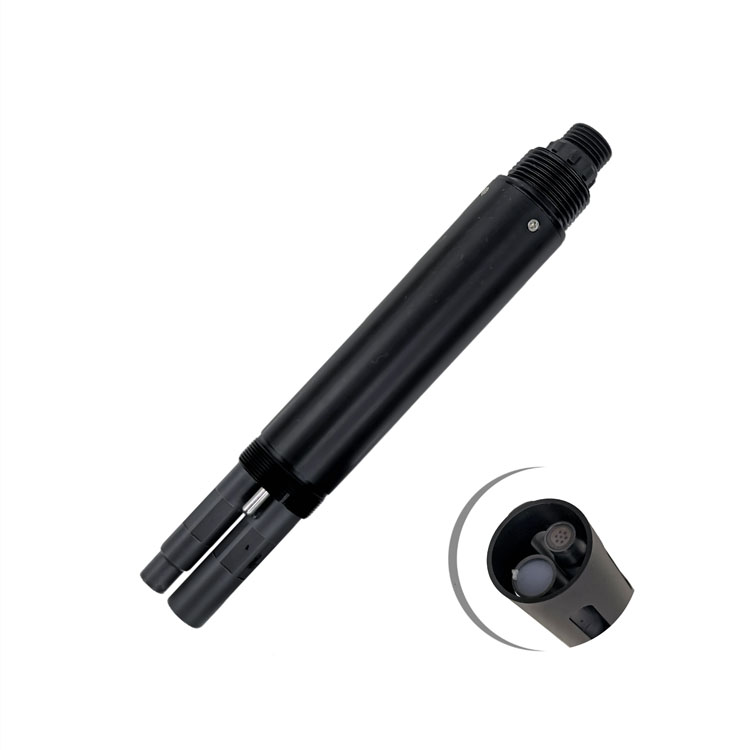
In the context of water quality monitoring technology developing towards digitization and low carbonization, selecting highly compatible and highly stable front-end sensing equipment is the key to ensuring the successful delivery of IoT projects. The NiuBoL online ammonia nitrogen sensor, with its standard Modbus RTU protocol, low-power architecture, patented slow-permeation reference system, and reagent-free electrode measurement technology, effectively solves engineering pain points such as complex analysis solutions and frequent later operation and maintenance. For water quality system integrators pursuing efficiency, stability, and scalability, this sensor is a highly valuable professional selection product for engineering applications.
 NBL-WQ-NHN-4S Online Ammonia Nitrogen Sensor.pdf
Related recommendations
Sensors & Weather Stations Catalog
Agriculture Sensors and Weather Stations Catalog-NiuBoL.pdf
Weather Stations Catalog-NiuBoL.pdf
Agriculture Sensors Catalog-NiuBoL.pdf
Water Quality Sensor Catalog-NiuBoL.pdf
Related products
 Combined air temperature and relative humidity sensor
 TDR Soil Moisture & Temperature Sensor for irrigation| RS485 |4-20mA| NBL-S-THR
 Soil pH sensor RS485 soil Testing instrument soil ph meter for agriculture |NBL-S-PH
 Wind Speed sensor Output Modbus/RS485/Analog/0-5V/4-20mA
 Tipping bucket rain gauge for weather monitoring auto rainfall sensor RS485/Outdoor/stainless steel
 Pyranometer Solar Radiation Sensor 4-20mA/RS485

Screenshot, WhatsApp to identify the QR code
WhatsApp number:+8615367865107
(Click on WhatsApp to copy and add friends)

