





— Blogs —
—Products—
 Consumer hotline +8618073152920
 WhatsApp:+8615367865107
Address:Room 102, District D, Houhu Industrial Park, Yuelu District, Changsha City, Hunan Province, China
Product knowledge
Time:2026-01-13 13:45:29 Popularity:855
In today's increasingly refined management of water resources and natural disaster prevention, precise data collection is at the core of decision-making. Traditional contact-based measurement devices often fall short when facing silt, floating debris, and highly corrosive sewage. As a leading sensor solution provider in the industry, NiuBoL's radar open channel flowmeter completely resolves flow measurement challenges in complex water environments through advanced non-contact technology.
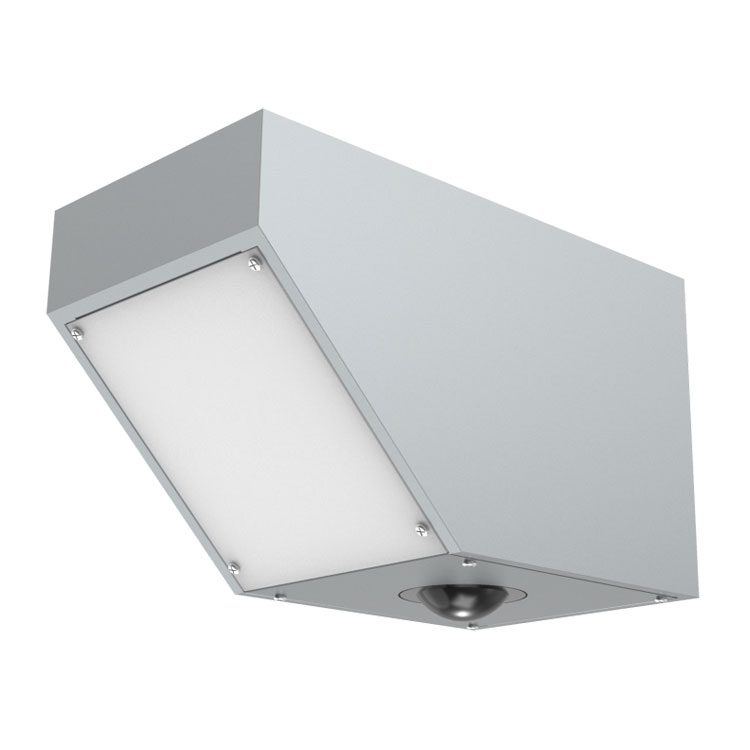
A radar open channel flowmeter is an advanced sensor system that integrates microwave velocity measurement technology with millimeter-wave ranging technology. It does not directly "touch" the water body but acts like an eye overlooking from above, emitting electromagnetic waves and capturing their echo characteristics to calculate flow data in real time.
The NiuBoL radar flowmeter is not a single-function device but a composite sensing unit:
Radar velocity measurement: Utilizes the Doppler effect to precisely capture surface velocity by detecting minute changes in water surface fluctuation frequencies.
Radar water level measurement: Employs the Time of Flight (ToF) principle to measure the vertical distance from the device to the water surface using high-frequency electromagnetic waves.
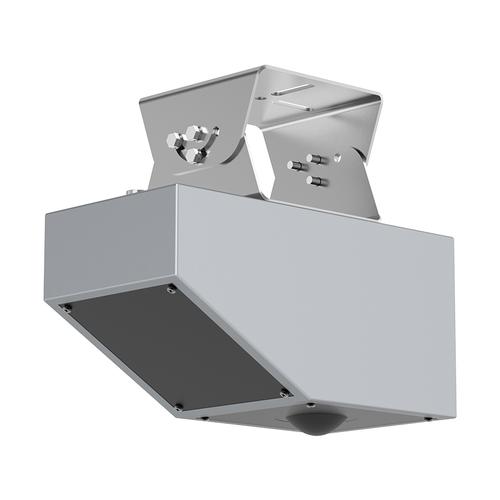
In rivers and irrigation channels, flow velocity fluctuations are greatly influenced by terrain and water volume. The NiuBoL radar flowmeter uses a 24.00 GHz velocity measurement transmission frequency, covering a range of 0.1 ~ 20 m/s.
Advantages: Since it does not contact the water body, the sensor is not corroded by sewage or encapsulated by silt. This means it can still provide reliable velocity data with an error of only ±2% during floods or turbid water conditions.
Water level height is key to calculating cross-sectional area. NiuBoL integrates a high-frequency radar with a transmission frequency of 76 GHz–81 GHz, ensuring strong penetration and anti-interference capabilities.
Performance: Within a ranging range of 0.1 to 65 meters, accuracy reaches ±1 mm. Whether in gentle irrigation channels or deep river valleys, the resolution remains at 1 mm, providing a solid foundation for water volume calculations.
This is the most core "brain" function of the NiuBoL radar open channel flowmeter. The device no longer outputs mere physical signals but directly provides decision-making data through built-in algorithms.
Calculation model: The system collects surface flow velocity of the fluid, converts it to "average cross-sectional flow velocity" through a hydraulic model; at the same time, it combines the water level measured by the water level meter with preset channel cross-section information (such as rectangular, trapezoidal, etc.) to calculate the "flow cross-sectional area."
The correction coefficient can be adjusted based on the complexity of the actual measurement environment using standard values, greatly enhancing the practical value of the data.
| Parameter Item | Technical Specifications & Performance |
|---|---|
| Brand & Model | NiuBoL Series Radar Flowmeter |
| Power Supply Voltage | DC 10-30V (wide voltage design, compatible with solar and mains power) |
| Device Power Consumption | Rated power ≤ 1.3W (low power mode, suitable for field deployment) |
| Flow Velocity Measurement Frequency | 24.00 GHz (microwave Doppler principle) |
| Flow Velocity Measurement Range | 0.1 ~ 20 m/s |
| Flow Velocity Measurement Accuracy | ± 2% |
| Flow Velocity Resolution | 0.01 m/s |
| Water Level Measurement Frequency | 76 GHz ~ 81 GHz (millimeter wave radar principle) |
| Water Level Range | 0.1 ~ 65 m (maximum range when measuring water level only) |
| Water Level Ranging Accuracy | ± 1 mm |
| Water Level Resolution | 1 mm |
| Effective Installation Height | 0 ~ 20 m (recommended installation height 3-4 m) |
| Communication Interface | RS485 (industrial-grade opto-isolated) |
| Communication Protocol | Standard ModBus-RTU (supports secondary development and integration) |
| Communication Distance | Up to 2000 m in standard environments |
| Operating Temperature | -40°C ~ +80°C (resistant to severe cold and extreme heat) |
| Operating Humidity | 0% RH ~ 95% RH (non-condensing) |
| Protection Rating | IP65 (waterproof design, suitable for harsh outdoor environments) |
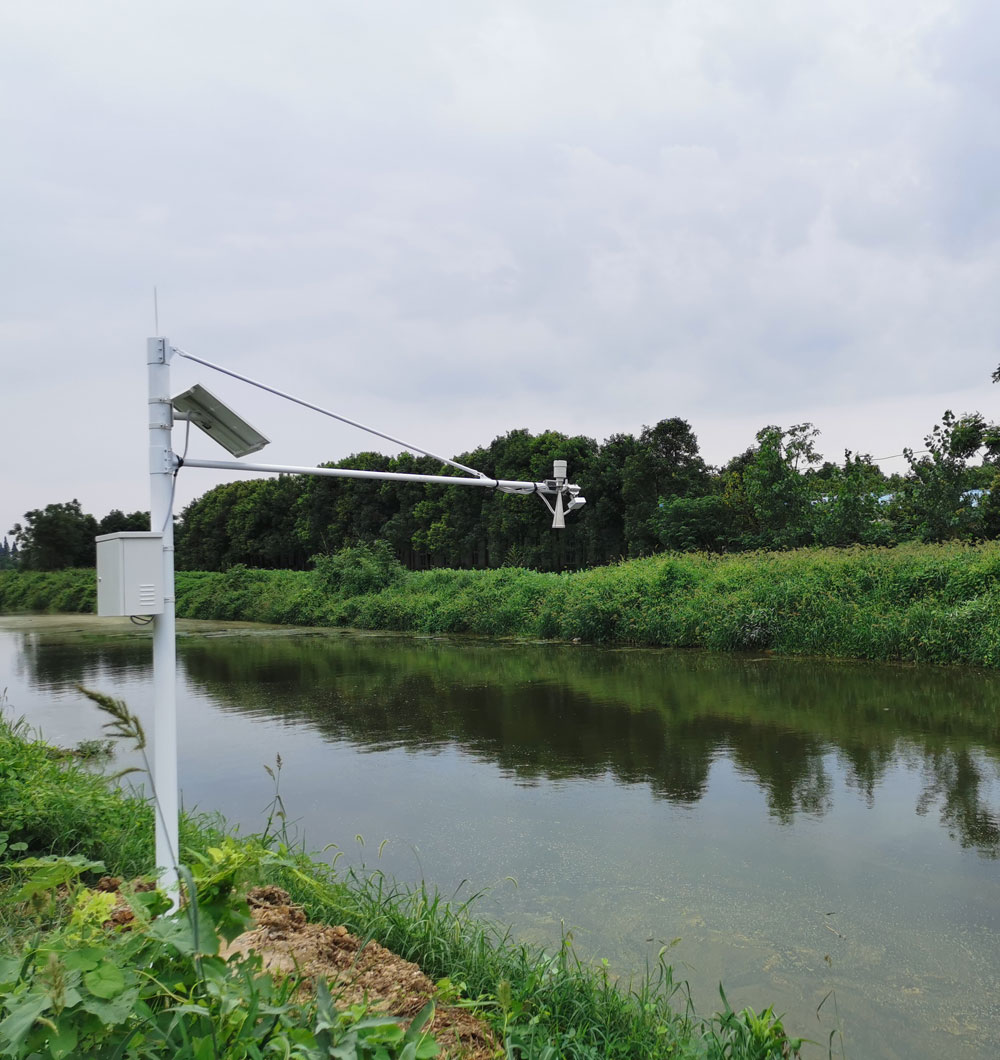
For water conservancy projects, installation and ongoing maintenance costs often exceed equipment purchase costs. The NiuBoL radar flowmeter uses a suspended installation method, with a height range of 0~20 m.
Low maintenance: No mechanical wearing parts, no need for regular probe cleaning from silt.
Wide voltage operation: Supports DC 10-30V wide voltage power supply, perfectly compatible with solar power systems and mains solutions.
To meet IoT requirements, the device features a built-in RS485 communication interface that strictly adheres to the standard ModBus-RTU protocol.
Remote transmission: Maximum communication distance up to 2000 meters, easily connecting to smart water conservancy poles, PLC control systems, or host gateways for real-time cloud upload and remote monitoring of data.
The device was designed with outdoor harsh environments in mind from the beginning. Its operating temperature covers -40℃ to +80℃, and the waterproof design ensures stable operation at ultra-low power consumption of 1.3W even in heavy rain and high humidity (0%RH~95%RH).
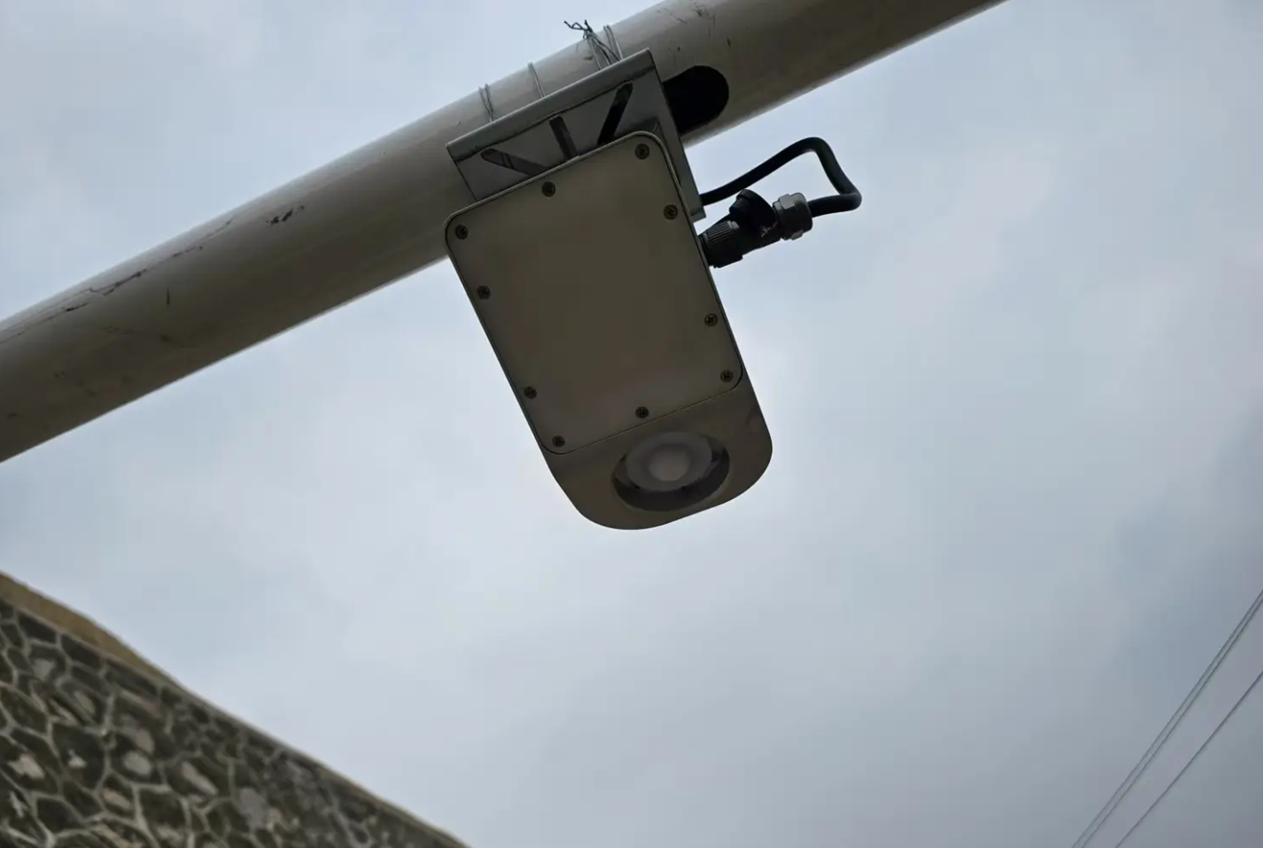
During flood seasons, sudden rises in water level and sharp increases in flow velocity are common. The NiuBoL radar flowmeter provides 24-hour uninterrupted monitoring, pushing abnormal velocity and water level data to the warning platform in real time via ModBus protocol, securing precious "golden time" for personnel evacuation.
In water-saving irrigation projects, accurately metering water usage in each channel is crucial. The radar flowmeter precisely tracks cumulative water volume, helping irrigation district management departments allocate water resources scientifically and achieve digital management of agricultural water use.
The monitoring environments of urban inspection wells and culverts are complex, with highly corrosive sewage. The non-contact nature of NiuBoL makes it an ideal choice for urban drainage pipe network monitoring, providing real-time feedback on drainage loads to prevent urban waterlogging.
To ensure measurement accuracy, NiuBoL recommends meeting the following standards during installation:
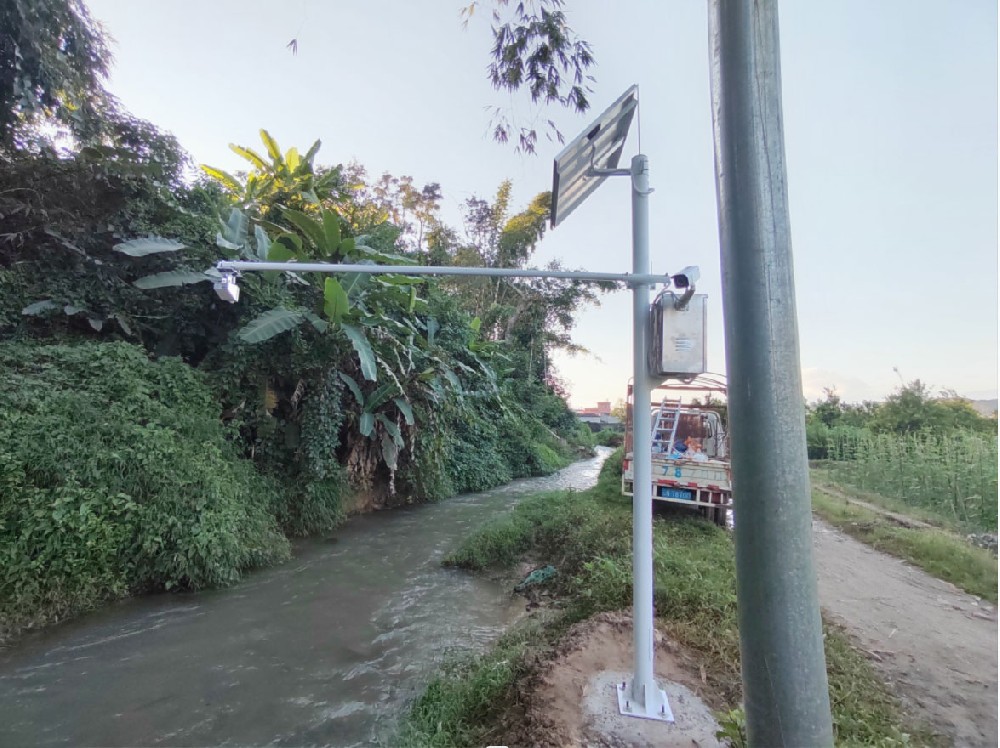
Channel section selection: The measurement section should be as straight and stable as possible, with concentrated flow, avoiding large vortices or turbulent flow.
Hardening treatment: The measurement cross-section should be regular (e.g., hardened concrete channels) to obtain more precise cross-sectional area data.
Unobstructed: Ensure no large floating ice or debris accumulation within the measurement range to prevent misleading radar echoes.
Q1: The radar measures surface velocity—can it represent deep flow velocity?
Answer: This is a common concern among users. The NiuBoL radar flowmeter uses built-in hydraulic models to calculate cross-sectional average velocity by multiplying surface velocity with a specific "correction coefficient." This correction coefficient is derived from extensive fluid mechanics experiments and offers extremely high reliability in conventional channel sections.
Q2: Will heavy rain interfere with the radar waves?
Answer: NiuBoL employs advanced signal processing algorithms to identify and filter out interference signals caused by raindrops on the water surface. Meanwhile, the high-frequency radar (76GHz+) provides excellent penetration, ensuring stability in rainy and foggy weather.
Q3: What is the greatest advantage of non-contact installation?
Answer: Safety and longevity. The device is installed above the water surface, so it will not be washed away by floods, corroded by scale, or disabled by entangled impurities in the water, greatly reducing long-term "hidden costs" of operation.
Q5: Does the NiuBoL radar flowmeter have strict requirements for installation angle? Will tilting affect the data?
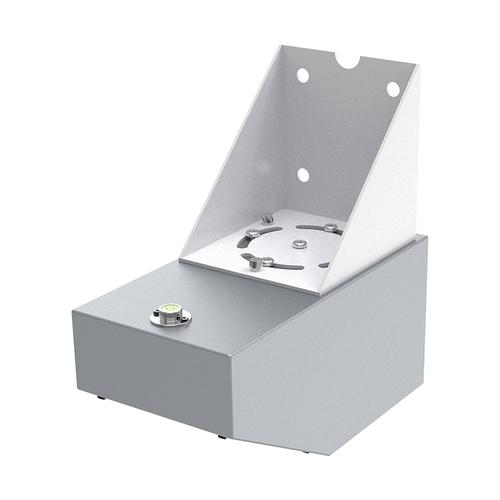
Answer: Yes, there are strict requirements. During installation, try to keep the upper surface of the device housing level, and the velocity meter's beam should face the incoming water direction, maintaining a 0-degree horizontal angle with the flow direction. If the installation angle deviates significantly, it will weaken the radar echo signal and affect the sensitivity of velocity acquisition. NiuBoL devices are designed for easy installation and can be quickly leveled with standard brackets.
Q6: In severe cold northern regions, will river ice cause damage to the NiuBoL radar flowmeter?
Answer: It will not cause damage, but the measurement mode will change. Thanks to the non-contact design, the device is installed above the ice surface and will not be frozen into the ice layer like contact sensors, avoiding physical damage. During ice-covered periods, the radar detects a stationary ice surface, showing flow velocity as 0. Once ice and snow melt and flow resumes, the device automatically resumes real-time monitoring without human intervention—ideal for unattended monitoring stations in high-cold areas like Northeast and Northwest China.

The NiuBoL radar open channel flowmeter is not only a technological innovation in water conservancy monitoring but also an indispensable foundational cornerstone in smart water management construction. Through core functions such as non-contact measurement, multi-dimensional parameter fusion, and long-distance stable communication, it provides scientific data support for flood control, irrigation, environmental protection, and other fields. In the future, as the intelligence level of water resource management continues to deepen, NiuBoL will continue to lead radar flow measurement technology, safeguarding the value of every drop of water.
Are you troubled by insufficient accuracy in open channel flow measurement? Or do you need a complete smart water conservancy monitoring solution? We can provide you with more detailed NiuBoL selection manuals and on-site installation case studies. Would you like us to introduce how to seamlessly integrate this flowmeter with our "water and rainfall monitoring station" system?
Prev:NiuBoL Radar Flowmeter: In-Depth Application in Flood Control and Precise Flow Measurement
Next:NiuBoL Open Channel Radar Flowmeter in Smart Water Conservancy Applications
Related recommendations
Sensors & Weather Stations Catalog
 Agriculture Sensors and Weather Stations Catalog-NiuBoL.pdf
Weather Stations Catalog-NiuBoL.pdf
Agriculture Sensors Catalog-NiuBoL.pdf
Water Quality Sensor Catalog-NiuBoL.pdf
Related products
 Combined air temperature and relative humidity sensor
 TDR Soil Moisture & Temperature Sensor for irrigation| RS485 |4-20mA| NBL-S-THR
 Soil pH sensor RS485 soil Testing instrument soil ph meter for agriculture |NBL-S-PH
 Wind Speed sensor Output Modbus/RS485/Analog/0-5V/4-20mA
 Tipping bucket rain gauge for weather monitoring auto rainfall sensor RS485/Outdoor/stainless steel
 Pyranometer Solar Radiation Sensor 4-20mA/RS485

Screenshot, WhatsApp to identify the QR code
WhatsApp number:+8615367865107
(Click on WhatsApp to copy and add friends)

