





— Blogs —
—Products—
 Consumer hotline +8618073152920
 WhatsApp:+8615367865107
Address:Room 102, District D, Houhu Industrial Park, Yuelu District, Changsha City, Hunan Province, China
Product knowledge
Time:2026-02-01 09:55:45 Popularity:543
In the context of the rapid development of the photovoltaic industry, system integrators face increasingly complex O&M challenges. As power plant scales expand, refined operations have become key to improving project ROI. Traditional inspection modes struggle to meet real-time data demands, while digital transformation requires reliable sensors as the data foundation. NiuBoL photovoltaic dust monitor, as an industrial-grade designed device, directly quantifies power generation losses caused by dust shading on module surfaces through blue light pollutant optical closed-loop measurement technology. This not only provides independent, continuous monitoring data for integrators but also seamlessly integrates into IoT platforms, driving the construction of intelligent O&M systems.
From the perspective of system integrators, photovoltaic power plant O&M is no longer mere equipment maintenance but a data-driven decision-making process. Imagine you, as an integrator, managing a large ground-mounted photovoltaic project involving hundreds of megawatts of arrays. Dust accumulation is one of the primary factors affecting the performance ratio (PR), potentially causing annual power generation losses of up to 5-20%, especially in arid or industrially polluted areas. The NiuBoL dust monitor is installed on the module frame, using a dual-sensor system to calculate the pollutant ratio (SR) in real time and convert it into a power loss indicator. This allows you to integrate the data with SCADA systems, enabling multi-source data correlation analysis to optimize customer power plant operational efficiency.

Photovoltaic power plant dust issues are not isolated phenomena but are closely tied to overall system performance. When designing intelligent O&M solutions, system integrators need to consider how dust, as a variable, affects inverter output, string currents, and irradiance matching. The core advantage of NiuBoL equipment lies in providing high-precision dust loss data independent of other sensors. This data serves as the foundation for calculating true PR, avoiding estimation errors of dust impact in traditional methods.
For example, in a typical desert photovoltaic base project, integrators can deploy multiple NiuBoL monitors to form a distributed monitoring network. Through RS485 interfaces and MODBUS protocol, these devices easily connect to the central control system. When irradiance sensors show sufficient light but actual power output deviates beyond the threshold, dust monitoring data can immediately trigger diagnostic logic: if the SR value exceeds 80%, the system automatically identifies dust as the primary cause. This not only reduces the risk of misjudging string faults but also supports predictive maintenance, extending equipment lifespan.
Furthermore, dust monitoring data empowers advanced analytics. In IoT solutions, integrators can integrate NiuBoL data with meteorological APIs to establish dust loss models. These models account for variables such as wind speed, rainfall intervals, and dust storm indices, enabling dynamic power generation prediction calibration. Studies show that such calibration can improve short-term prediction accuracy by more than 15%, particularly in electricity market trading, helping project contractors optimize bidding strategies.
In addition, for engineering companies, dust monitoring supports full lifecycle asset management. From site assessment to operational optimization, data can quantify dust risks in different areas. For instance, in high-pollution industrial zones, historical SR data can guide the selection and evaluation of anti-dust coatings or self-cleaning technologies, maximizing investment returns. The low power consumption design (average 1W) of NiuBoL equipment also facilitates integration into remote power plant microgrids without additional maintenance burden.
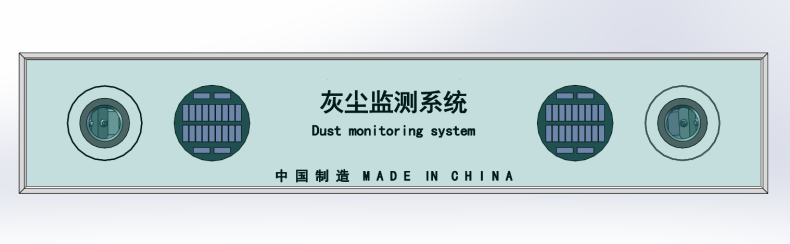
The NiuBoL NBL-W-PSS dust monitor adopts blue light closed-loop measurement technology, ensuring reliable operation under various environmental conditions. Below are the key technical parameters:
Power Supply Voltage: DC 12V, supports AC 220V to DC 12V adapter for easy on-site deployment.
Signal Output: RS485, compatible with industrial standard bus architecture.
Communication Protocol: Standard MODBUS protocol, baud rate 9600 bps, easy integration with PLC or SCADA systems.
Average Power Consumption: 1W, optimized for energy efficiency, suitable for solar-powered remote sites.
Pollution Ratio Measurement Range: 50~100%, dual-sensor design enhances robustness.
Measurement Accuracy:
±1% (90~100% range)
±3% (80~90% range)
±5% (50~80% range)
Temperature Measurement (optional): -50℃~+100℃, accuracy ±0.5℃ @25℃, for environmental compensation.
These specifications ensure stable operation under extreme conditions, such as high-temperature deserts or dusty mountainous areas. Blue light technology continuously monitors the pollutant proportion on the glass surface, real-time calculating sunlight transmittance reduction, thereby directly outputting power generation loss percentage. Unlike traditional optical sensors often affected by ambient light interference, NiuBoL's closed-loop design minimizes errors, providing engineering-grade data reliability.
In practical applications, integrators can leverage these parameters to optimize system architecture. For example, in a 100MW photovoltaic project, deploying 10-20 monitors to cover key array areas, collecting data via MODBUS polling for millisecond-level response. This data can be imported into big data platforms for machine learning-driven anomaly detection, further enhancing O&M automation levels.
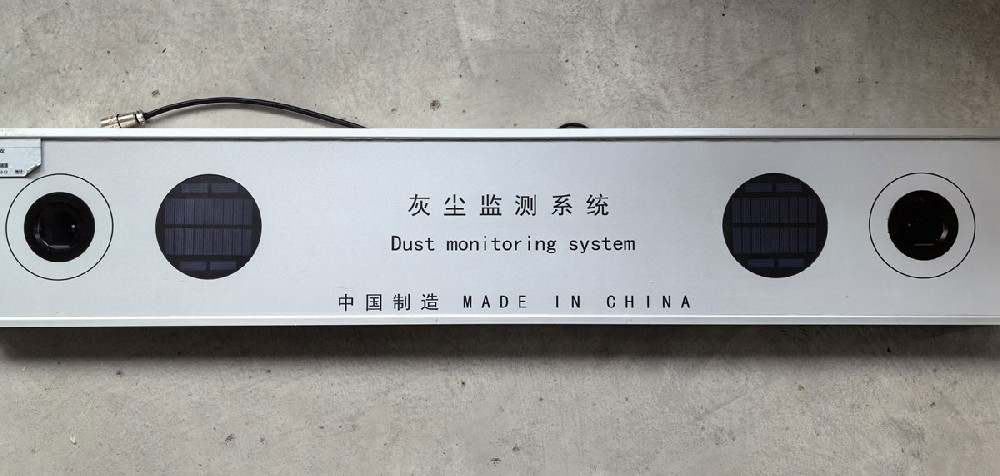
As a system integrator, your primary goal is to deliver end-to-end solutions, helping customers achieve digital transformation of photovoltaic power plants. NiuBoL dust monitor plays a key role in the following scenarios:
First, in new photovoltaic arrays, the device can be embedded in the initial design phase. Installed on the top or side of modules, ensuring the same horizontal plane as the panel to avoid measurement deviations. Through integration with string-level monitors, integrators can build multi-layer diagnostic systems: when dust loss exceeds 5%, automatically trigger cleaning schedules, reducing manual intervention.
Second, for existing power plant retrofits, NiuBoL's ease of installation is a highlight. Simply fix with dedicated clamps, no need to modify array structure. Integrators can extend existing IoT networks via RS485 bus, associating dust data with inverter power and irradiance sensors. In a real case, an engineering company integrated the device in a Middle East project, reducing dust-related fault diagnosis time by 40% and increasing annual power generation by 3%.
Third, in regional management, monitors from multiple power plants can form a network. Large bases managed by project contractors can use this network to monitor regional pollution patterns, supporting centralized resource scheduling. For example, detecting abnormal SR spikes after sandstorms allows priority allocation of cleaning teams to high-risk areas. This not only optimizes O&M budgets but also provides data support for environmental governance, enhancing project sustainability.
Finally, in electricity trading scenarios, precise dust loss data calibrates prediction models. Integrators can develop custom algorithms fusing SR with meteorological data to improve market competitiveness. Overall, these scenarios emphasize NiuBoL equipment as the "data cornerstone," driving the transition from reactive to predictive O&M.
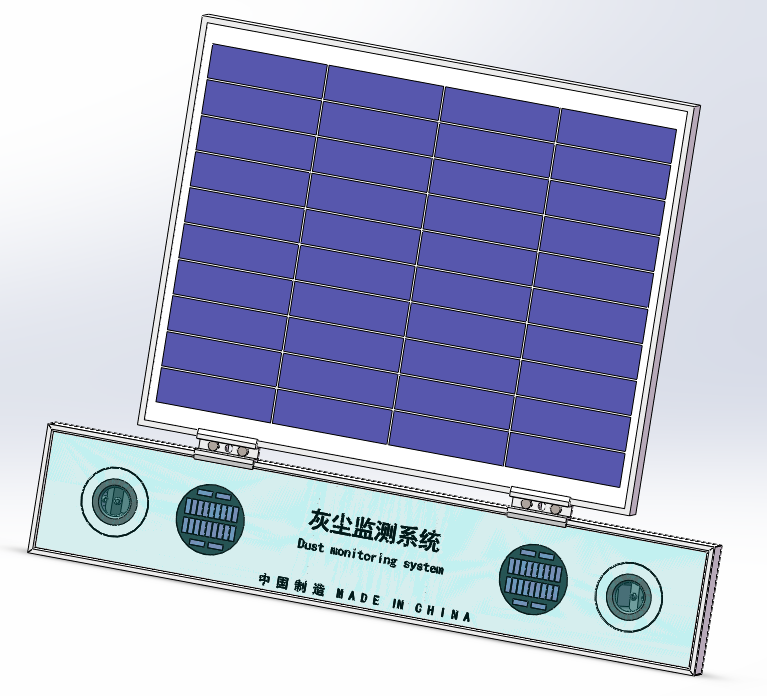
Selection is a critical step for system integrators to ensure project success. NiuBoL NBL-W-PSS is suitable for medium to large photovoltaic power plants. Below is a guide based on engineering practice:
1. Assess Environmental Factors: In high-dust areas (e.g., deserts or industrial zones), prioritize versions with optional temperature compensation to correct thermal effects on measurements. The 50-100% measurement range covers most scenarios, but for extreme pollution, verify precision thresholds.
2. Integration Compatibility: Confirm system support for MODBUS protocol and RS485 interface. If the project uses cloud platforms, ensure device data format compatibility with JSON or OPC UA standards. Low power consumption design suits battery-powered sites; avoid high-power alternatives.
3. Deployment Density: For projects above 100MW, recommend one monitor per 10-20MW array for grid coverage. Consider terrain: tilted rooftop stations require side installation, ground stations prioritize top fixation.
4. Balance Precision and Cost: ±1% high-precision range suits refined O&M projects, while ±5% lower range suffices for basic monitoring. Evaluate ROI: equipment costs are quickly recovered through reduced cleaning frequency, typically within 6-12 months.
Through these guidelines, integrators can customize selection to ensure seamless matching with overall solutions.
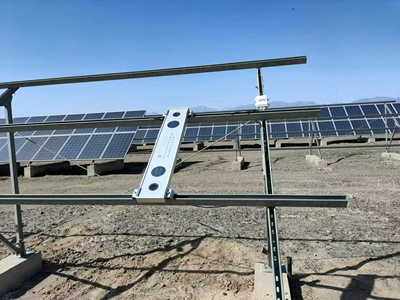
Integrating NiuBoL dust monitor requires attention to engineering details to maximize performance:
1. Installation Location: The device must be on the same plane as the photovoltaic module to avoid shadow interference. Use dedicated clamps for fixation; during calibration, choose clear midday (12:00-14:00), wipe the sensor mirror, then press the button for 10 seconds to complete.
2. Power and Communication: DC 12V power supply; if site is AC 220V, use outdoor converter. RS485 cables must be shielded to prevent electromagnetic interference, baud rate fixed at 9600 bps.
3. Calibration and Maintenance: After initial calibration, no daily maintenance required. During module cleaning, simultaneously clean the sensor probe to maintain accuracy.
4. Data Integration: Define MODBUS register mapping in SCADA for real-time SR value reading. Set threshold alarms: SR >85% triggers notification. During integration testing, simulate dust scenarios to verify response.
5. Troubleshooting: If data is abnormal, check cable connections and power stability. Equipment IP65 protection ensures outdoor durability, but avoid submersion.
Following these notes, integrators can achieve zero-fault deployment and enhance customer satisfaction.
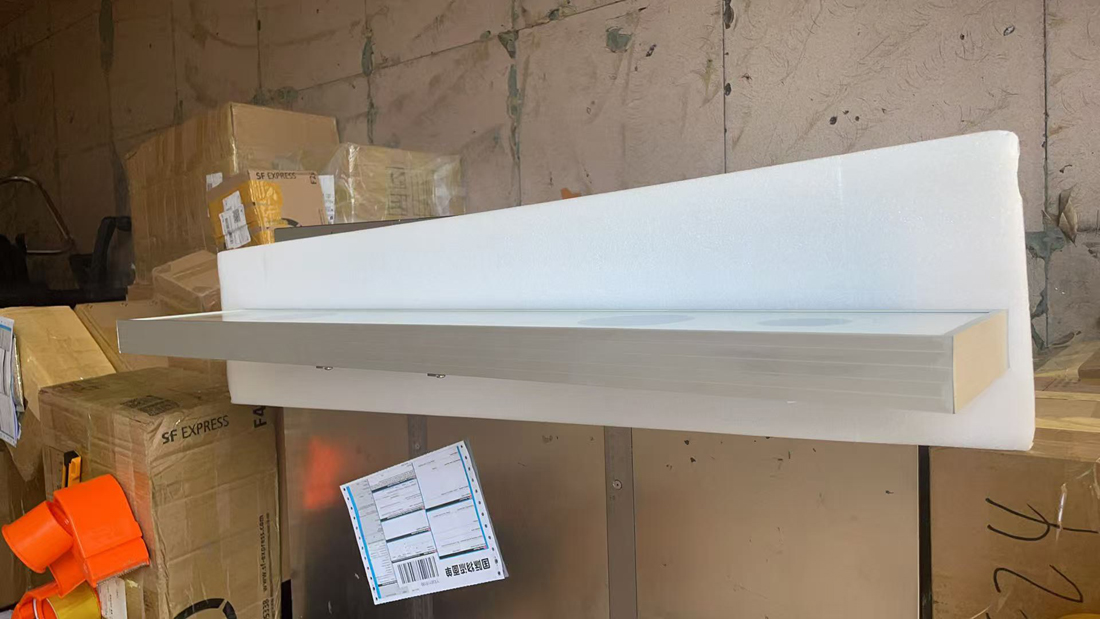
1. How does the photovoltaic dust monitor calculate power generation losses?
Through blue light closed-loop technology measuring pollutant ratio (SR), real-time converted to power reduction percentage, independent of other sensors, providing precise loss quantification.
2. Does NiuBoL equipment support integration with existing SCADA systems?
Yes, via RS485 and MODBUS protocol, seamlessly connects to most industrial control systems, supporting data polling and alarm configuration.
3. What is the measurement accuracy in high-pollution areas?
Accuracy grading: 90-100% ±1%, 80-90% ±3%, 50-80% ±5%, suitable for various environments, ensuring reliable data.
4. How long does the installation process take?
Typical installation takes only 10-15 minutes, using clamps for fixation, no professional tools needed. Calibration completed at clear midday.
5. Does the equipment require regular maintenance?
No dedicated maintenance needed; only synchronize sensor probe cleaning during module cleaning, designed as maintenance-free.
6. How to use the data to optimize cleaning strategies?
Trigger cleaning alarms via SR thresholds, compare with historical data to establish quantitative strategies, reducing unnecessary operations.
7. Does NiuBoL monitor support regional network construction?
Yes, multiple devices can form distributed networks, supporting regional pollution analysis and resource scheduling.
8. How does the equipment perform in low or high temperature environments?
Optional temperature sensor covers -50℃~+100℃, accuracy ±0.5℃, automatically compensates environmental effects.
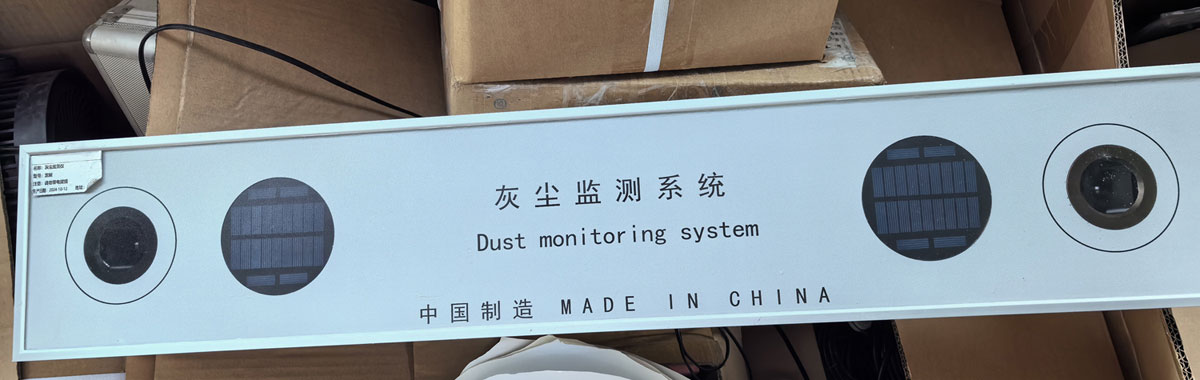
NiuBoL photovoltaic dust monitor, as the core sensor for intelligent O&M, provides precise data-driven decision-making, enhancing overall photovoltaic power plant performance and asset value. From system integration to predictive maintenance, it empowers integrators to deliver efficient solutions. In the wave of digital transformation, deploying such equipment is a strategic choice for achieving sustainable operations.
If you are a system integrator or project contractor seeking reliable photovoltaic monitoring components, welcome to contact the NiuBoL team to discuss customized integration solutions. We provide technical support and project consultation to help optimize your next photovoltaic project.
 NBL-W-PSS Soiling Sensor Photovoltaic Dust Monitoring Instrument Data Sheet.pdf
Related recommendations
Sensors & Weather Stations Catalog
Agriculture Sensors and Weather Stations Catalog-NiuBoL.pdf
Weather Stations Catalog-NiuBoL.pdf
Agriculture Sensors Catalog-NiuBoL.pdf
Water Quality Sensor Catalog-NiuBoL.pdf
Related products
 Combined air temperature and relative humidity sensor
 TDR Soil Moisture & Temperature Sensor for irrigation| RS485 |4-20mA| NBL-S-THR
 Soil pH sensor RS485 soil Testing instrument soil ph meter for agriculture |NBL-S-PH
 Wind Speed sensor Output Modbus/RS485/Analog/0-5V/4-20mA
 Tipping bucket rain gauge for weather monitoring auto rainfall sensor RS485/Outdoor/stainless steel
 Pyranometer Solar Radiation Sensor 4-20mA/RS485

Screenshot, WhatsApp to identify the QR code
WhatsApp number:+8615367865107
(Click on WhatsApp to copy and add friends)

