





— Blogs —
—Products—
 Consumer hotline +8618073152920
 WhatsApp:+8615367865107
Address:Room 102, District D, Houhu Industrial Park, Yuelu District, Changsha City, Hunan Province, China
Product knowledge
Time:2026-01-13 14:02:22 Popularity:891
In the grand landscape of smart water management and natural resource governance, the accuracy and real-time nature of data form the cornerstone of decision-making. As climate change intensifies and extreme weather events become more frequent, traditional contact-based hydrological monitoring equipment often falls short when confronted with flash floods, silt accumulation, and complex water body environments.
With its advanced radar sensing technology, NiuBoL has introduced a radar open channel flowmeter that not only achieves a leap from "in-water operation" to "shore-based monitoring" but also stands out as an intelligent choice for safeguarding river safety and optimizing resource allocation through its core advantages of non-contact measurement, high precision, and low maintenance.
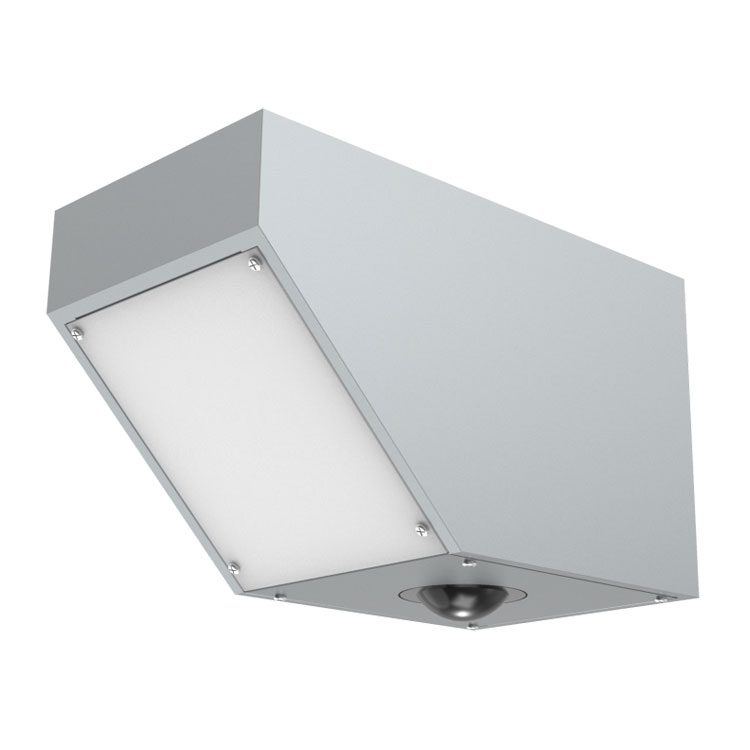
A Radar Flow Meter is an advanced sensor system that integrates microwave velocity measurement technology with millimeter-wave ranging technology. It acquires fluid velocity and water level depth by emitting electromagnetic waves and receiving echoes reflected from the water surface.
The measurement logic of the NiuBoL Radar Flow Meter demonstrates the rigor of modern sensing technology. Its calculation process is not a single-dimensional conversion but a deep coupling of multiple parameters:
Velocity acquisition: Uses 24GHz radar technology to detect frequency shifts in water surface ripples (Doppler effect) and obtain "surface velocity."
Water level acquisition: Employs high-frequency radar ranging at the 80GHz level to precisely capture the vertical displacement from the sensor to the water surface.
Model conversion: The core "brain" converts surface velocity to "cross-sectional average velocity" through mathematical models.
Final flow output: Combines preset channel cross-section information (such as rectangular, trapezoidal, circular) and applies the standard flow formula:
Flow = Average velocity × Flow cross-sectional area × Correction coefficient
Note: The correction coefficient is calibrated based on on-site hydraulic conditions to ensure the data aligns with the actual flow field distribution.
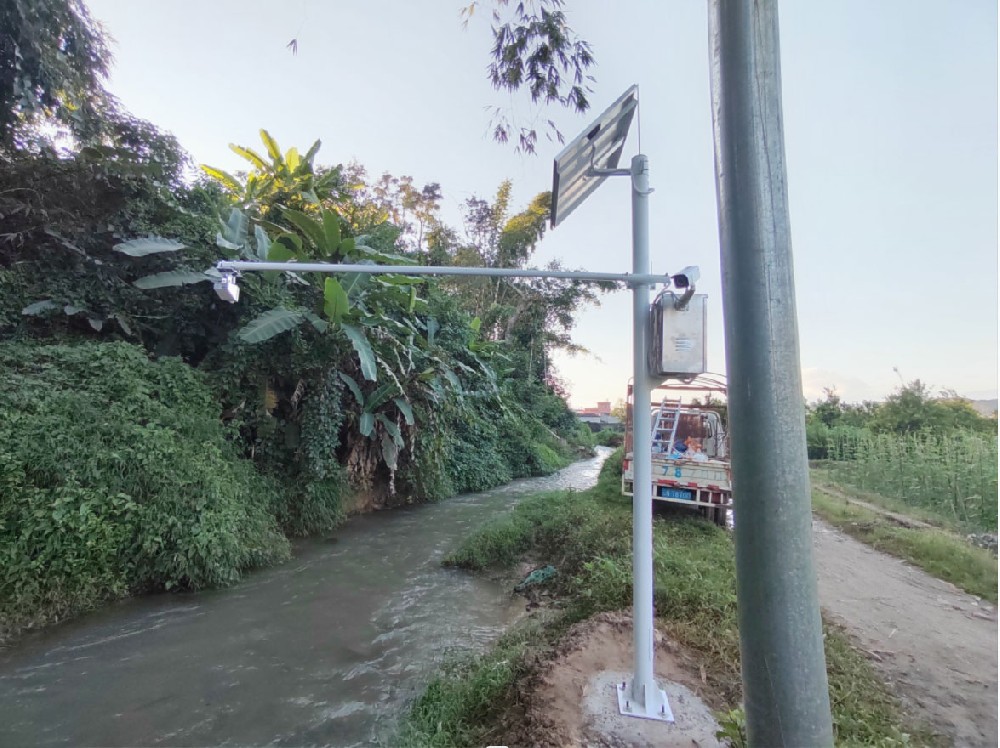
In rivers, culverts, or sewage networks, water often carries large amounts of impurities, silt, and even chemically corrosive substances.
Interference-free: The device is suspended above the water surface without contacting the fluid. This means no mechanical wear, no clogging of probes by silt, and no concern about chemical corrosion.
Low maintenance costs: Compared to ultrasonic devices that require frequent cleaning of sensor surfaces, the NiuBoL flowmeter achieves an almost "install and forget" low-cost operation mode.
The NiuBoL flowmeter pursues extreme sensitivity in its design.
Water level ranging: Measurement range up to 65 meters, with accuracy as high as ±1 mm.
Velocity range: Covers 0.1 to 20 m/s, effortlessly handling everything from gentle irrigation diversion to turbulent flood discharge channels.
To adapt to IoT construction in remote areas, NiuBoL has undergone deep optimization:
RS485/ModBus-RTU: Standard industrial protocol ensures seamless integration with various PLC, SCADA systems, or smart water conservancy cloud platforms. Maximum communication distance up to 2000 meters.
Wide voltage solution: Supports 10-30V DC power supply. This feature makes it perfectly compatible with solar power systems, enabling long-term stable operation in off-grid field environments.
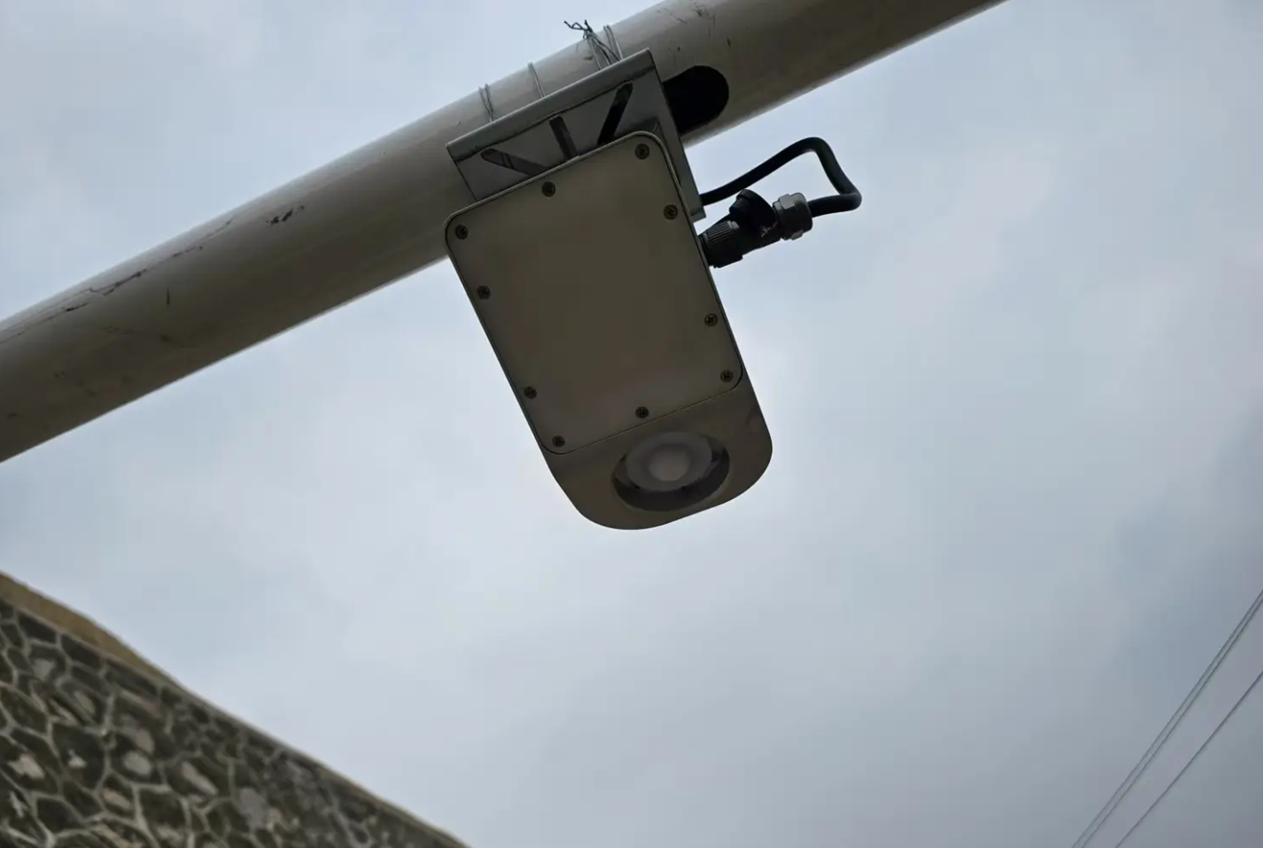
To facilitate selection by hydraulic engineers, here are the standard parameter specifications of the NiuBoL Radar Flow Meter:
| Parameter Item | Technical Specifications & Performance |
|---|---|
| Brand & Model | NiuBoL Series Radar Flow Meter |
| Power Supply Voltage | DC 10-30V (wide voltage design, compatible with solar and mains power) |
| Device Power Consumption | Rated power ≤ 1.3W (low power mode, suitable for field deployment) |
| Flow Velocity Measurement Frequency | 24.00 GHz (microwave Doppler principle) |
| Flow Velocity Measurement Range | 0.1 ~ 20 m/s |
| Flow Velocity Measurement Accuracy | ± 2% |
| Flow Velocity Resolution | 0.01 m/s |
| Water Level Measurement Frequency | 76 GHz ~ 81 GHz (millimeter wave radar principle) |
| Water Level Range | 0.1 ~ 65 m (maximum range when measuring water level only) |
| Water Level Ranging Accuracy | ± 1 mm |
| Water Level Resolution | 1 mm |
| Effective Installation Height | 0 ~ 20 m (recommended installation height 3-4 m) |
| Communication Interface | RS485 (industrial-grade opto-isolated) |
| Communication Protocol | Standard ModBus-RTU (supports secondary development and integration) |
| Communication Distance | Up to 2000 m in standard environments |
| Operating Temperature | -40°C ~ +80°C (resistant to severe cold and extreme heat) |
| Operating Humidity | 0% RH ~ 95% RH (non-condensing) |
| Protection Rating | IP65 (fully sealed waterproof design, suitable for harsh outdoor environments) |
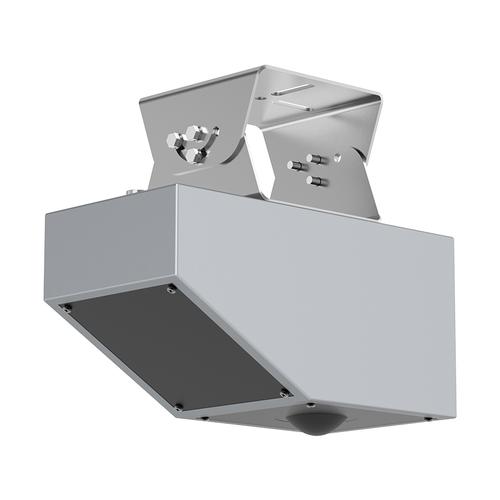
The NiuBoL Radar Flow Meter demonstrates its role as a "water domain guardian" across various complex environments with its excellent adaptability:
In agricultural diversion channels, precise flow monitoring optimizes water rights allocation and prevents water resource waste. Through real-time cumulative water volume tracking, management departments can precisely control valves based on actual irrigation needs, achieving refined agricultural production.
Urban underground drainage networks feature confined spaces, complex gases, and corrosiveness. The compact structure and waterproof design of NiuBoL allow installation above wellheads or culverts, providing real-time feedback on urban waterlogging risks and gaining an advantage for municipal drainage operations.
In large rivers and reservoirs, the Radar Flow Meter serves as the core unit of automatic water and rainfall monitoring stations, capturing real-time water level rise rates and discharge volumes. Once thresholds are exceeded, data is immediately transmitted via 485 communication to the host and uploaded to the cloud, triggering remote alarms.
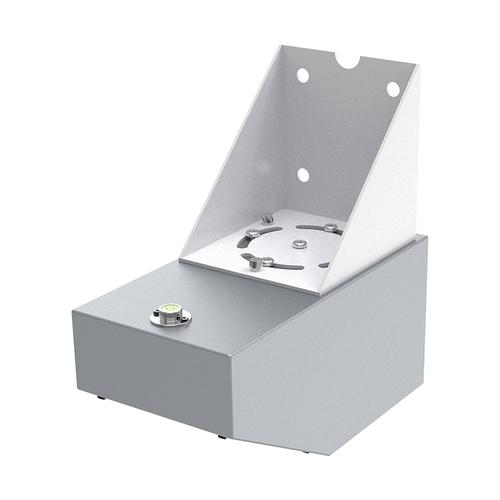
Q1: The radar measures surface velocity—how to ensure deep flow accuracy?
Answer: This is a fluid mechanics conversion process. NiuBoL applies a preset "correction coefficient" to adjust surface velocity. This coefficient is based on flow field characteristic curves for different channel cross-sections and effectively converts surface velocity to cross-sectional average velocity, meeting national hydrological monitoring accuracy requirements.
Q2: Will strong wind or heavy rain affect measurement results?
Answer: Modern radar algorithms feature excellent signal filtering capabilities. For water surface noise caused by rainfall, the NiuBoL's internal digital signal processor (DSP) performs denoising. As long as the water level does not submerge the sensor antenna surface, data remains stable.
Q3: What are the specific requirements for device installation height?
Answer: NiuBoL recommends an installation height between 0.5 meters and 20 meters. Ensure the sensor antenna is vertically aligned with the water surface and free from large obstructions nearby to avoid false reflection signals that could impact accuracy.

Q4: Will measurement data fluctuate dramatically when the water surface has floating weeds or large amounts of debris?
Answer: This is a typical interference scenario in radar flow measurement. The NiuBoL Radar Flow Meter incorporates intelligent echo analysis algorithms. For occasional passing debris, the system uses time-domain averaging filtering and outlier rejection mechanisms to maintain smooth data. However, if the water surface is completely covered by dense floating weeds, the inability to detect Doppler shifts from the fluid surface may affect measurement accuracy. It is recommended to clean the monitoring channel section before installation or select sections with faster flow velocities where debris is less likely to accumulate.
Q5: What methods does the device support for data viewing? Is a matching host required?
Answer: The NiuBoL Radar Flow Meter uses the standard RS485 (ModBus-RTU) protocol, offering high openness. You have multiple options:
Direct integration: Use your own PLC, RTU, or microcontroller to read register data directly via the 485 interface;
Matching host: Pair with NiuBoL water and rainfall monitoring host for local display and 4G remote wireless upload;
Cloud platform: After connecting to the NiuBoL smart cloud platform, achieve real-time monitoring, historical curve querying, and report downloads via mobile App or web portal.
Q6: How to determine the "correction coefficient" in flow calculation? Is it preset at the factory?
Answer: The correction coefficient (also known as velocity ratio coefficient) primarily compensates for the difference between surface velocity and cross-sectional average velocity. Typically:
Standard channel sections: For regular hardened concrete rectangular or trapezoidal channels, the factory provides suggested initial coefficients (usually between 0.85–0.9);
On-site calibration: For complex natural river channels, it is recommended to perform multi-point flow measurement calibration using a portable current meter during early installation to obtain the most accurate coefficient for that section;
Dynamic adjustment: In the NiuBoL system configuration, users can modify this parameter at any time via RS485 commands based on actual comparative test results to ensure long-term monitoring accuracy.
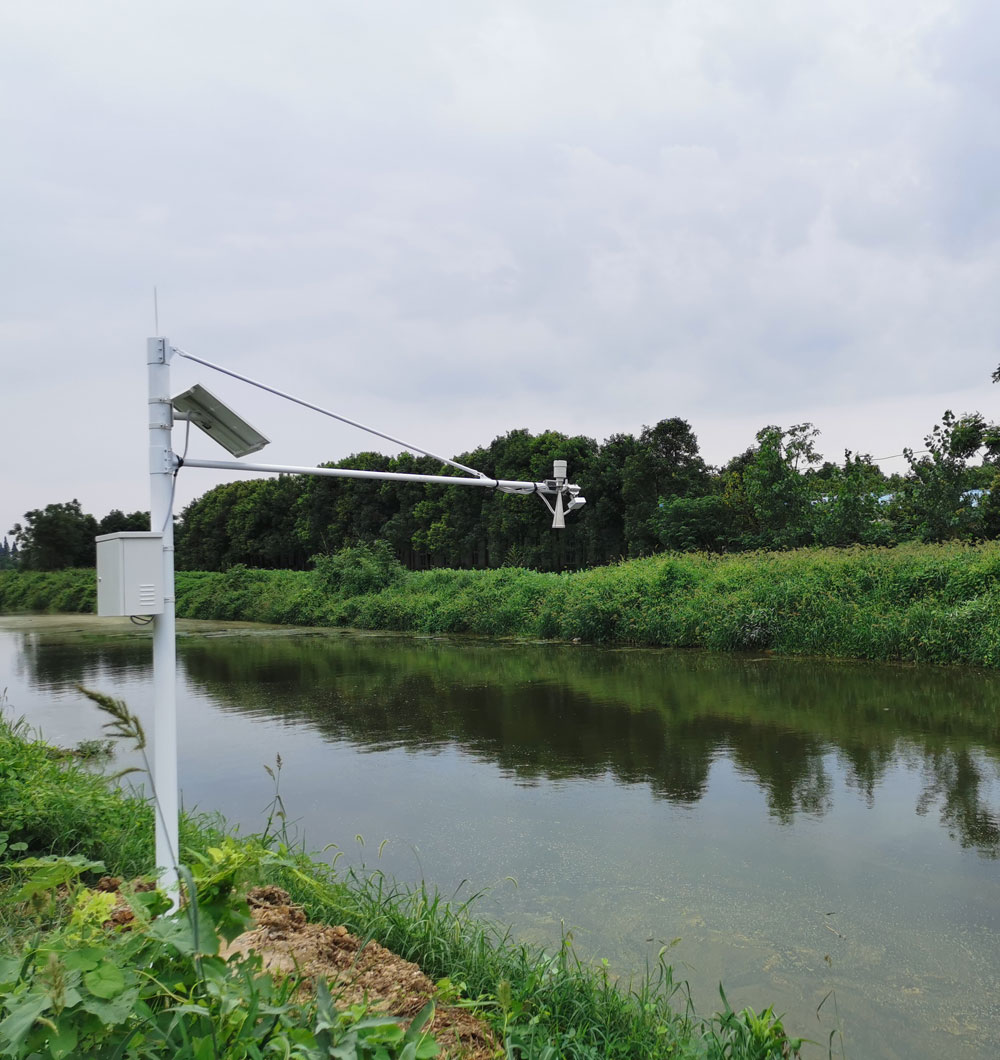
With its non-contact measurement, multi-parameter fusion acquisition, and low-maintenance technical foundation, the NiuBoL Radar Flow Meter successfully overcomes the limitations of traditional flow measurement methods in complex environments. It serves not only as the "wise eyes" of smart water conservancy but also as a solid technical barrier for flood prevention, disaster mitigation, and rational water resource utilization.
In the future, with the deep integration of IoT and artificial intelligence technologies, NiuBoL will continue to focus on the sensing field, delivering more intelligent and cost-effective hydrological monitoring solutions to global users.
Are you looking for a flow calculation solution tailored to a specific channel cross-section? We can provide you with detailed NiuBoL selection recommendations and cross-section correction schemes—whether it's a rectangular concrete channel or a natural cobblestone river. Would you like to learn more about配套 solar power system configurations?
Prev:NiuBoL Open Channel Radar Flowmeter in Smart Water Conservancy Applications
Next:NiuBoL Doppler Flow Velocity Meter: Working Principle, Functional Features, and Installation Guide
Related recommendations
Sensors & Weather Stations Catalog
 Agriculture Sensors and Weather Stations Catalog-NiuBoL.pdf
Weather Stations Catalog-NiuBoL.pdf
Agriculture Sensors Catalog-NiuBoL.pdf
Water Quality Sensor Catalog-NiuBoL.pdf
Related products
 Combined air temperature and relative humidity sensor
 TDR Soil Moisture & Temperature Sensor for irrigation| RS485 |4-20mA| NBL-S-THR
 Soil pH sensor RS485 soil Testing instrument soil ph meter for agriculture |NBL-S-PH
 Wind Speed sensor Output Modbus/RS485/Analog/0-5V/4-20mA
 Tipping bucket rain gauge for weather monitoring auto rainfall sensor RS485/Outdoor/stainless steel
 Pyranometer Solar Radiation Sensor 4-20mA/RS485

Screenshot, WhatsApp to identify the QR code
WhatsApp number:+8615367865107
(Click on WhatsApp to copy and add friends)

