





— Blogs —
—Products—
 Consumer hotline +8618073152920
 WhatsApp:+8615367865107
Address:Room 102, District D, Houhu Industrial Park, Yuelu District, Changsha City, Hunan Province, China
Product knowledge
Time:2025-12-12 15:01:39 Popularity:921
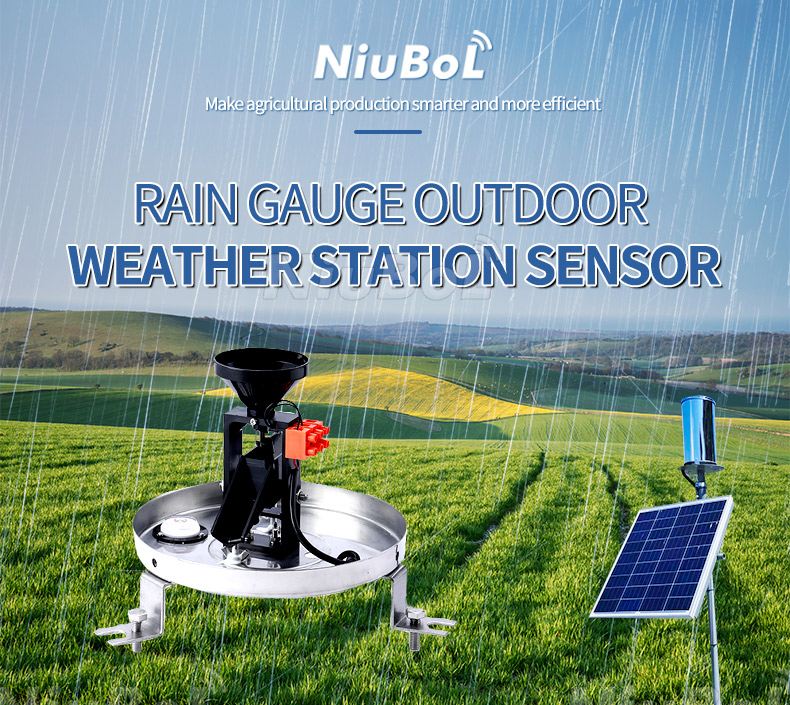
A rainfall sensor is a precision instrument that converts natural precipitation into recognizable and transmittable electrical signals. It is a core component of automatic meteorological stations and hydrological monitoring systems.
The role of rainfall sensors goes far beyond simple measurement — they serve as critical data support in modern society:
Disaster Prevention & Early Warning: Real-time monitoring of rainfall intensity and cumulative precipitation provides timely, accurate input data for flood, flash flood, and urban waterlogging warning systems.
Water Resource Management: Provides scientific basis for reservoir scheduling, watershed management, and groundwater recharge, optimizing water resource allocation and utilization.
Meteorology & Climate Research: Supplies long-term precipitation data for climate model analysis, weather forecast accuracy improvement, and climate change studies.
Precision Agriculture:
Improves irrigation efficiency: Helps farmers accurately understand natural rainfall, avoiding over- or under-irrigation, saving water and energy.
Guides farming activities: Assists in selecting crop varieties suited to local rainfall patterns and determining optimal planting and fertilization times, thereby increasing yield.
Reduces flood risk: Early warning of localized heavy rainfall guides drainage and protective measures.
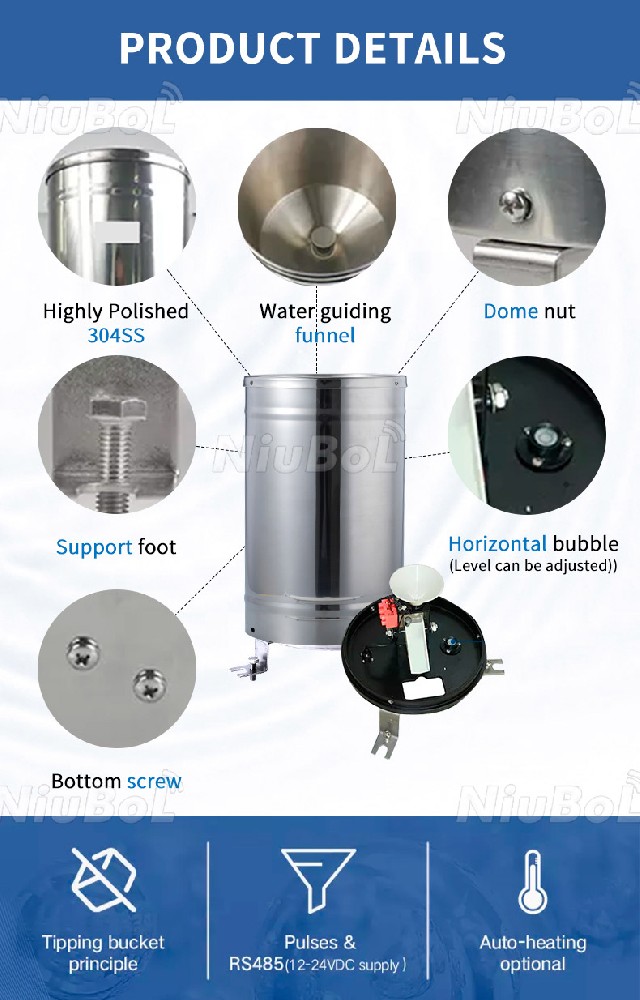
With technological advancement, rainfall sensor types have become increasingly diverse. The current mainstream sensors are mainly divided into two categories: tipping bucket (mechanical) and piezoelectric (electronic/optical).
The tipping bucket rain gauge is a classic sensor based on mechanical volumetric measurement and is currently the most widely used rainfall measurement device.
Structure & Principle:
Collection & Guidance: Rainwater enters the upper cylinder (funnel) through the collection port (e.g., Φ200 ± 0.6 mm diameter).
Metering Core: Water flows into a precisely manufactured tipping bucket divided by a central partition into two equal-volume triangular chambers, forming a mechanical bistable structure.
Pulse Signal: When one chamber fills to the preset volume (corresponding to 0.2 mm or 0.5 mm precipitation), the bucket loses balance due to gravity, tips rapidly, empties the water, and the other chamber begins receiving water.
Signal Output: At the moment of tipping, the magnet on the bucket sidewall passes over the dry reed switch, closing it once and emitting a switch (pulse) signal.
Data Calculation: The data logger records pulse count; total precipitation is accurately calculated by accumulating pulses.
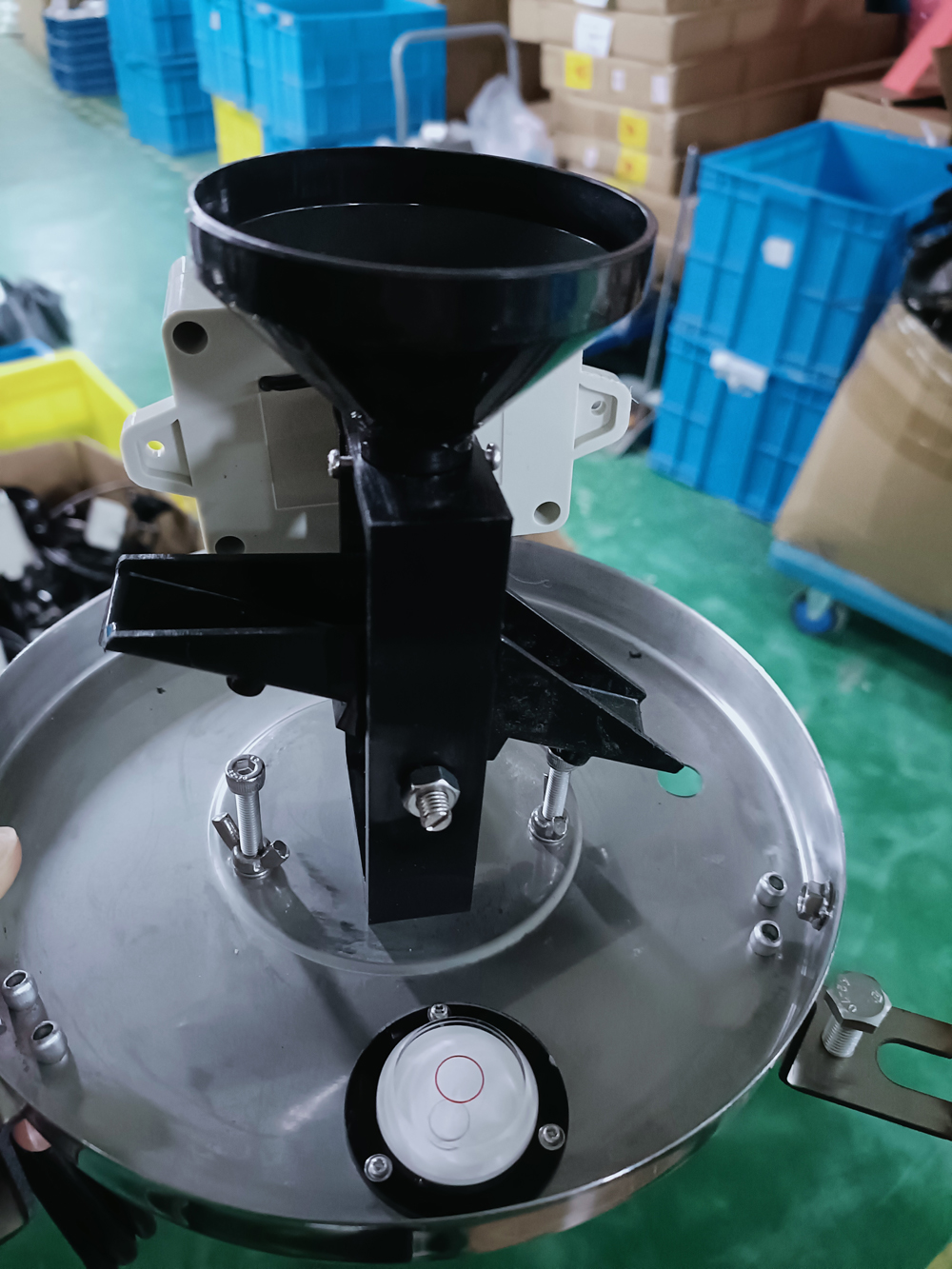
Technical Features of NBL-W-RS Tipping Bucket Rain Gauge:
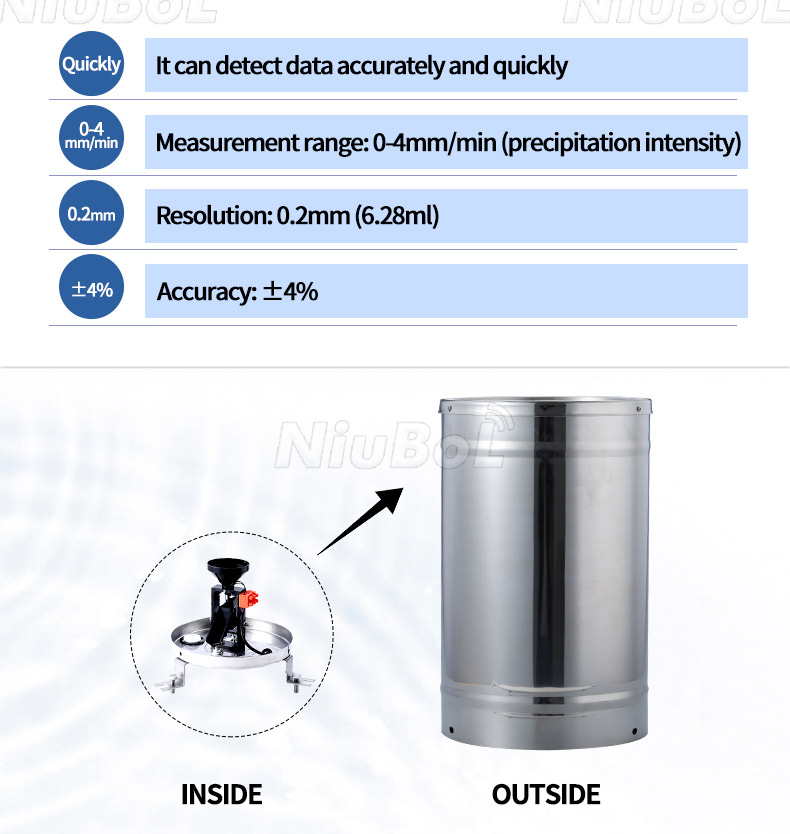
Resolution: 0.2 mm
Accuracy: ±4% (static test)
Advantages: Mature technology, simple structure, stable operation, easy maintenance, moderate price
Disadvantages: Requires strict horizontal installation; slight overflow error possible during heavy rain intensity
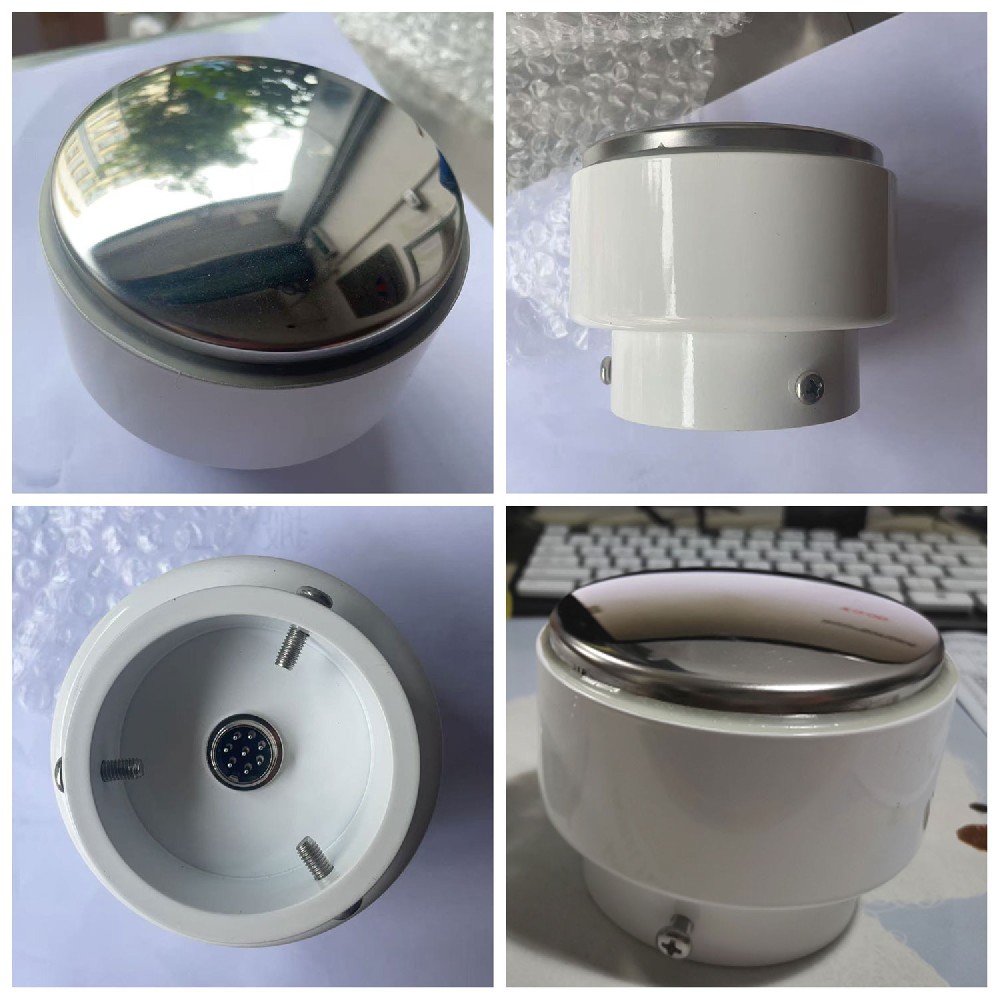
The piezoelectric rain gauge is a new-generation sensor based on electronic kinetic energy measurement, representing the direction of high precision and low maintenance.
Structure & Principle:
Kinetic Sensing: The sensor surface contains built-in piezoelectric ceramic or other high-precision impact sensors.
Raindrop Impact: Raindrops fall at terminal velocity and strike the sensing plate.
Signal Conversion: The kinetic energy of impact is captured by the piezoelectric element and converted into an electrical signal. Using the momentum formula P = m×v, impact force is measured to derive individual raindrop mass and diameter.
Data Calculation: A built-in high-performance processor (e.g., industrial 32-bit) performs real-time recognition, counting, and integration of all raindrop kinetic signals, ultimately yielding rainfall amount, intensity, and raindrop size distribution.
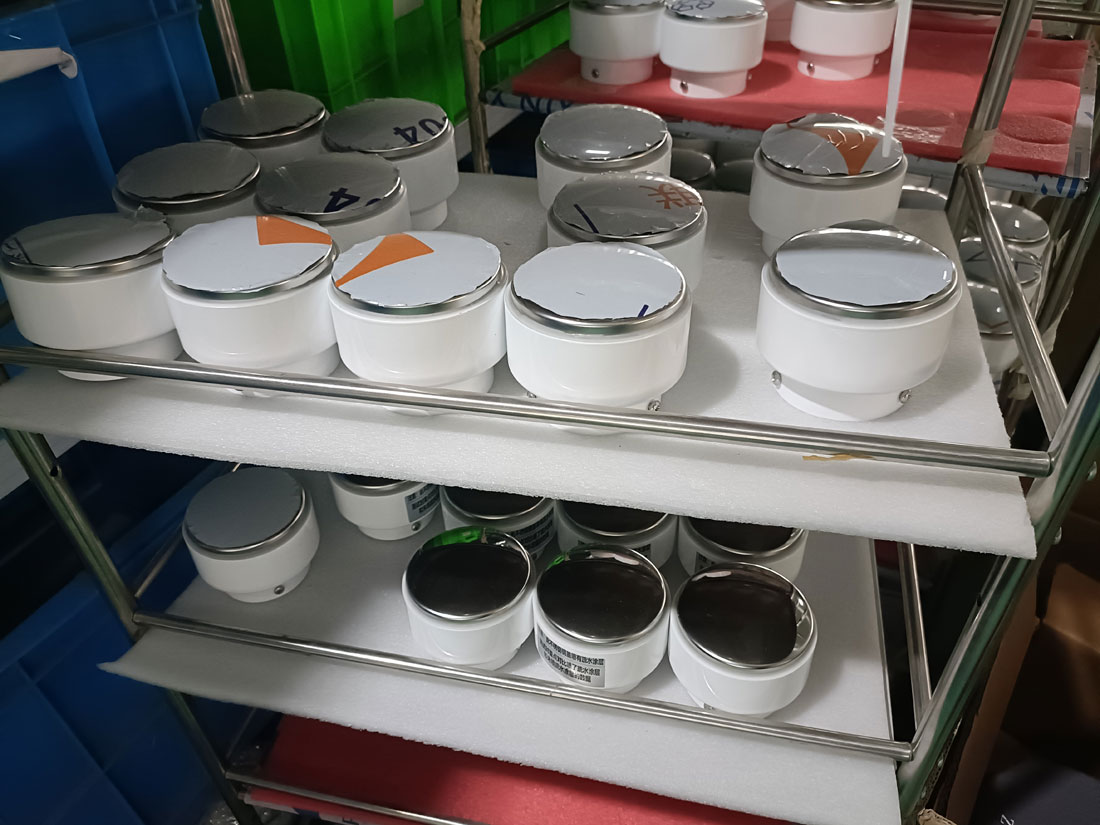
Technical Features of NBL-W-PRS Piezoelectric Rain Gauge:
Resolution: 0.01 mm (higher)
Measurement Range: 0–8 mm/min rainfall intensity
Advantages:
High precision and sensitivity: Can measure individual raindrops
Maintenance-free: Curved design with anti-fouling coating provides self-cleaning
Easy installation: No special horizontal requirement
Durable: No moving parts, longer lifespan
Disadvantages: Generally higher price than tipping bucket type
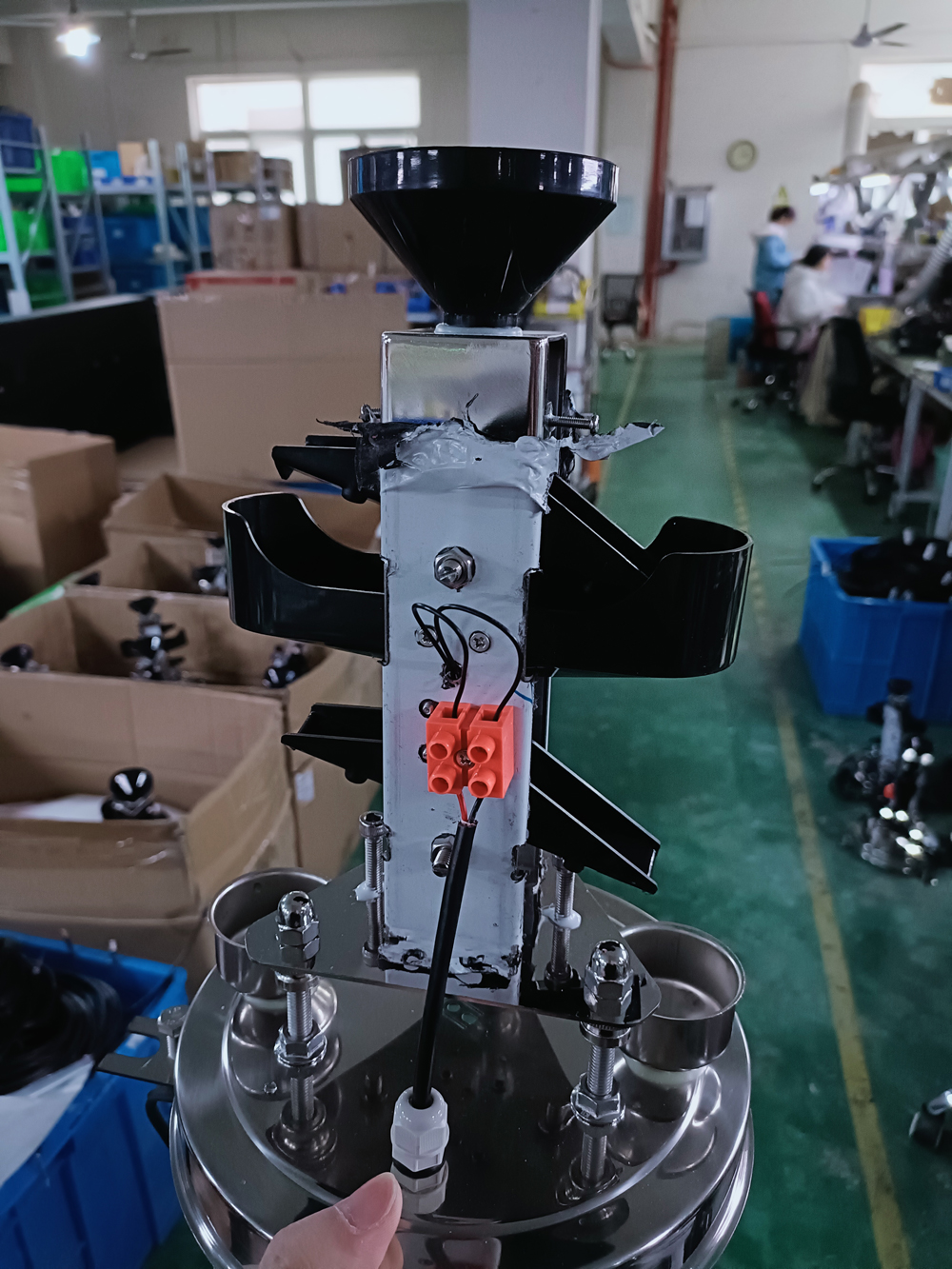
Location Selection: Ensure open area with no tall obstacles blocking the collection port.
Precise Leveling: Use the three leveling screws on the base to adjust until the bubble is centered — any tilt will cause unbalanced tipping and affect accuracy.
Fixing & Assembly: Assemble and secure the sensor, tighten expansion screws.
Initial Check: After installation, cut the nylon tie on the funnel. Inject 60–70 mm of water for comparison to ensure the data logger reading matches the injected amount.
Regular cleaning: At least quarterly, remove dust, leaves, sediment, insects, etc., from collection port, funnel, and filter.
Bucket protection: When cleaning the inner wall, only rinse with clean water or diluted detergent — never wipe with fingers or any object to avoid oil contamination or scratches that damage surface characteristics.
Winter protection: During freezing periods, stop use and store indoors to prevent ice damage to precision components.
| Fault Symptom | Possible Cause | Solution |
|---|---|---|
| No data during rain | 1. Nylon tie on bucket not cut 2. Wiring error or loose | 1. Cut the tie immediately 2. Check terminals for correct, secure connection |
| Significantly low rainfall data | 1. Blocked port or funnel 2. Dirty bucket inner wall affecting balance | 1. Clean debris from port and funnel 2. Rinse bucket inner wall with clean water — never wipe |
| Device stops after some time | Power system fault or communication interruption | Check supply voltage stability and logger/communication module status |
| Data continuously increases | Reed switch or wiring short-circuited | Check for short circuits and whether reed switch is stuck due to moisture/dirt |
| Cannot level after installation | Unstable base or screws not fixed | Re-check base installation, ensure three leveling screws support properly, carefully level per bubble indicator |
1. What is the main difference between tipping bucket and piezoelectric rain gauges?
A: Tipping bucket uses mechanical volumetric metering (pulse counting) and requires leveling, with simple structure. Piezoelectric uses raindrop kinetic energy sensing (electronic calculation), no leveling required, higher resolution but higher cost.
2. Why does the NBL-W-PRS piezoelectric rain gauge not require physical leveling?
A: It calculates rainfall by measuring the kinetic energy of raindrops hitting the plate vertically. Impact force is independent of angle (or corrected by software), so strict horizontal installation is not needed.
3. What do 0.2 mm and 0.01 mm resolution mean?
A: Smaller resolution = higher accuracy. 0.2 mm means one signal per 0.2 mm rainfall; 0.01 mm means the sensor can detect rainfall down to 0.01 mm level.
4. Can a tipping bucket rain gauge measure snowfall?
A: Standard models cannot measure solid snow. Heating device or dedicated weighing rain/snow gauge is required to melt snow into water first.
5. Why must the nylon tie on the funnel be cut during NBL-W-RS installation?
A: The tie fixes the bucket during transport to prevent vibration damage. If not cut, the bucket cannot tip freely, rendering the device inoperable.
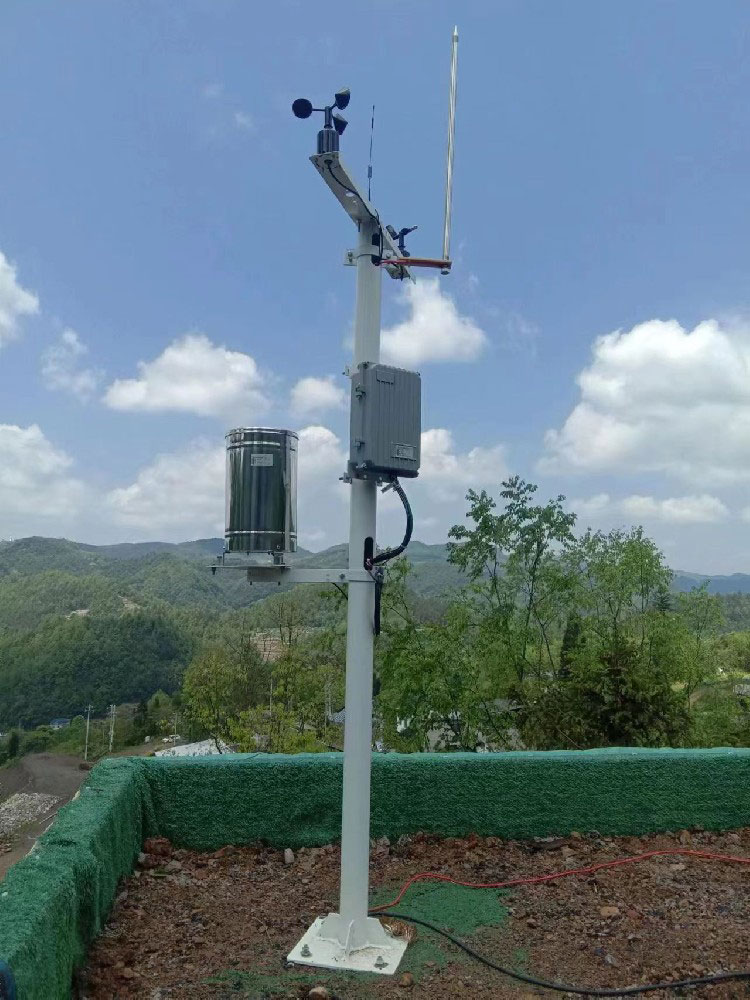
6. How to protect the sensor from lightning in the field?
A: Install surge protectors on power and signal lines, and reliably ground the housing and pole.
7. How is data transmitted to the monitoring center?
A: Via integrated logger and communication unit — typically RS485 locally or GPRS/4G wirelessly to cloud platform or hydrological center.
8. Can the sensor operate in low temperatures?
A: NBL-W-PRS works from -40 to 80°C with excellent cold resistance. Tipping bucket models typically 0–50°C.
9. What does 0–4 mm/min precipitation intensity mean?
A: The accurate measurement range. 4 mm/min is torrential rain level, indicating capability for very intense rainfall.
10. What is the purpose of the curved design in piezoelectric rain gauges?
A: Curved shape and anti-stick coating minimize droplet adhesion and dirt retention, enabling self-cleaning by rainwater and reducing maintenance needs.
11. What certifications does NiuBoL have?
CE, ISO9001, RoHS, and nationally recognized meteorological calibration certificates.
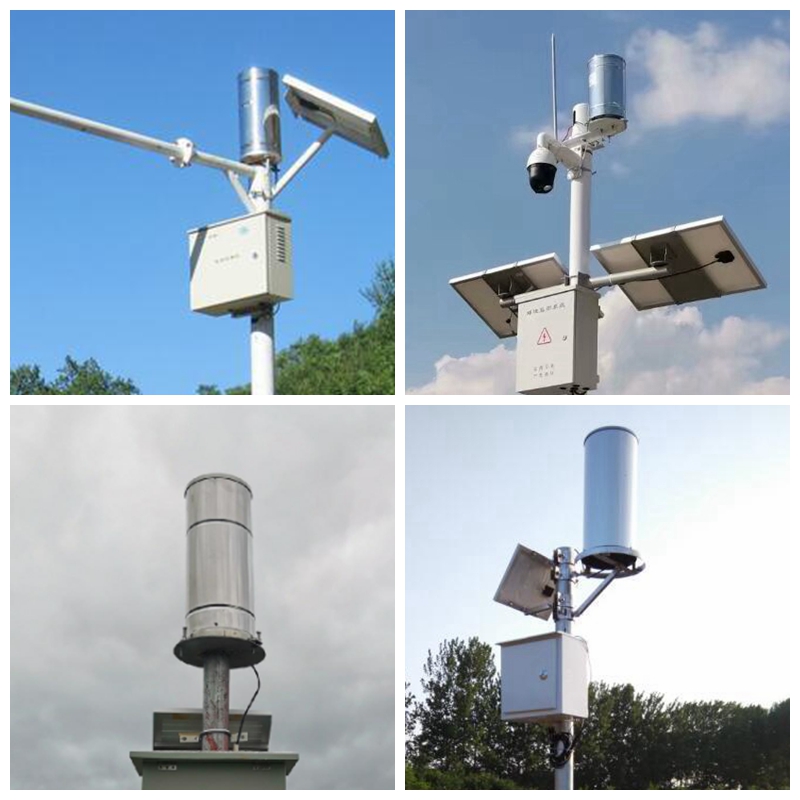
NiuBoL rainfall sensors provide efficient, precise precipitation monitoring solutions for meteorology, hydrology, and agriculture through diverse technical approaches.
NBL-W-RS Tipping Bucket Rain Gauge: With mature stability and excellent cost-performance, ideal for long-term reliable basic monitoring networks.
NBL-W-PRS Piezoelectric Rain Gauge: With maintenance-free, high-resolution, and no-leveling advantages, perfect for harsh environments requiring extreme accuracy or minimal maintenance.
Regardless of type, rainfall sensors digitize and visualize precipitation — a critical element — providing a solid data foundation for humanity to effectively respond to climate change and rationally utilize water resources.
Are you currently more interested in the tipping bucket (NBL-W-RS) or piezoelectric (NBL-W-PRS) rainfall sensor? I can provide a detailed specification comparison table to help you make the best choice.
 NBL-W-ARS-Tipping-bucket-rain-gauge-instruction-manual.pdf
Prev:What is an Automatic Rain Gauge Station? Functions, Role & Price Guide | NiuBoL
Next:What is the Working Principle of a Rain/Snow Sensor? What is Its Role?
Related recommendations
Sensors & Weather Stations Catalog
Agriculture Sensors and Weather Stations Catalog-NiuBoL.pdf
Weather Stations Catalog-NiuBoL.pdf
Agriculture Sensors Catalog-NiuBoL.pdf
Water Quality Sensor Catalog-NiuBoL.pdf
Related products
 Combined air temperature and relative humidity sensor
 TDR Soil Moisture & Temperature Sensor for irrigation| RS485 |4-20mA| NBL-S-THR
 Soil pH sensor RS485 soil Testing instrument soil ph meter for agriculture |NBL-S-PH
 Wind Speed sensor Output Modbus/RS485/Analog/0-5V/4-20mA
 Tipping bucket rain gauge for weather monitoring auto rainfall sensor RS485/Outdoor/stainless steel
 Pyranometer Solar Radiation Sensor 4-20mA/RS485

Screenshot, WhatsApp to identify the QR code
WhatsApp number:+8615367865107
(Click on WhatsApp to copy and add friends)

