





— Blogs —
—Products—
 Consumer hotline +8618073152920
 WhatsApp:+8615367865107
Address:Room 102, District D, Houhu Industrial Park, Yuelu District, Changsha City, Hunan Province, China
Product knowledge
Time:2025-12-12 15:09:32 Popularity:883
A rain/snow sensor is a monitoring device used to qualitatively detect whether rain or snow is currently falling outdoors. It converts rain/snow status into a switch signal output by detecting the conductivity of rainwater or melted snow, serving as a key component for ensuring traffic safety and achieving intelligent environmental control.
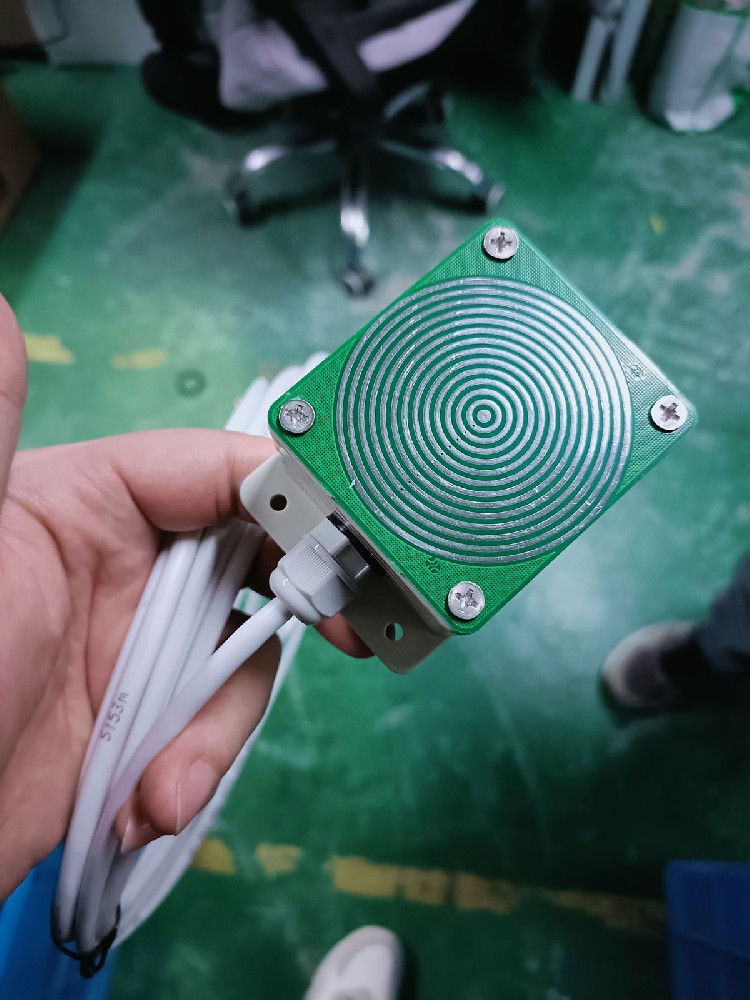
The NiuBoL NBL-W-RSS rain/snow sensor uses advanced detection circuitry and conductivity principles to achieve real-time judgment of rain/snow conditions.
Core Roles of Rain/Snow Sensors:
Traffic Safety Warning: Timely monitoring of rain/snow on critical roads such as highways and railway tracks, alerting drivers or triggering de-icing/snow removal systems.
Environmental Linkage Control: Provides precipitation status to greenhouses, smart windows, and intelligent building systems for automated control.
Data Acquisition: Supplies qualitative rain/snow presence data to weather stations and environmental monitoring systems, supporting meteorological forecasting and disaster warnings.
The NBL-W-RSS model offers the following outstanding features:
Qualitative monitoring: Accurately determines presence/absence of rain or snow
Automatic heating function: Built-in automatic snow/ice melting to ensure data accuracy in low-temperature, high-humidity environments
Lightweight structure: Easy installation in various outdoor environments
High stability: Uses imported intelligent microprocessor for sensitive response and reliable performance
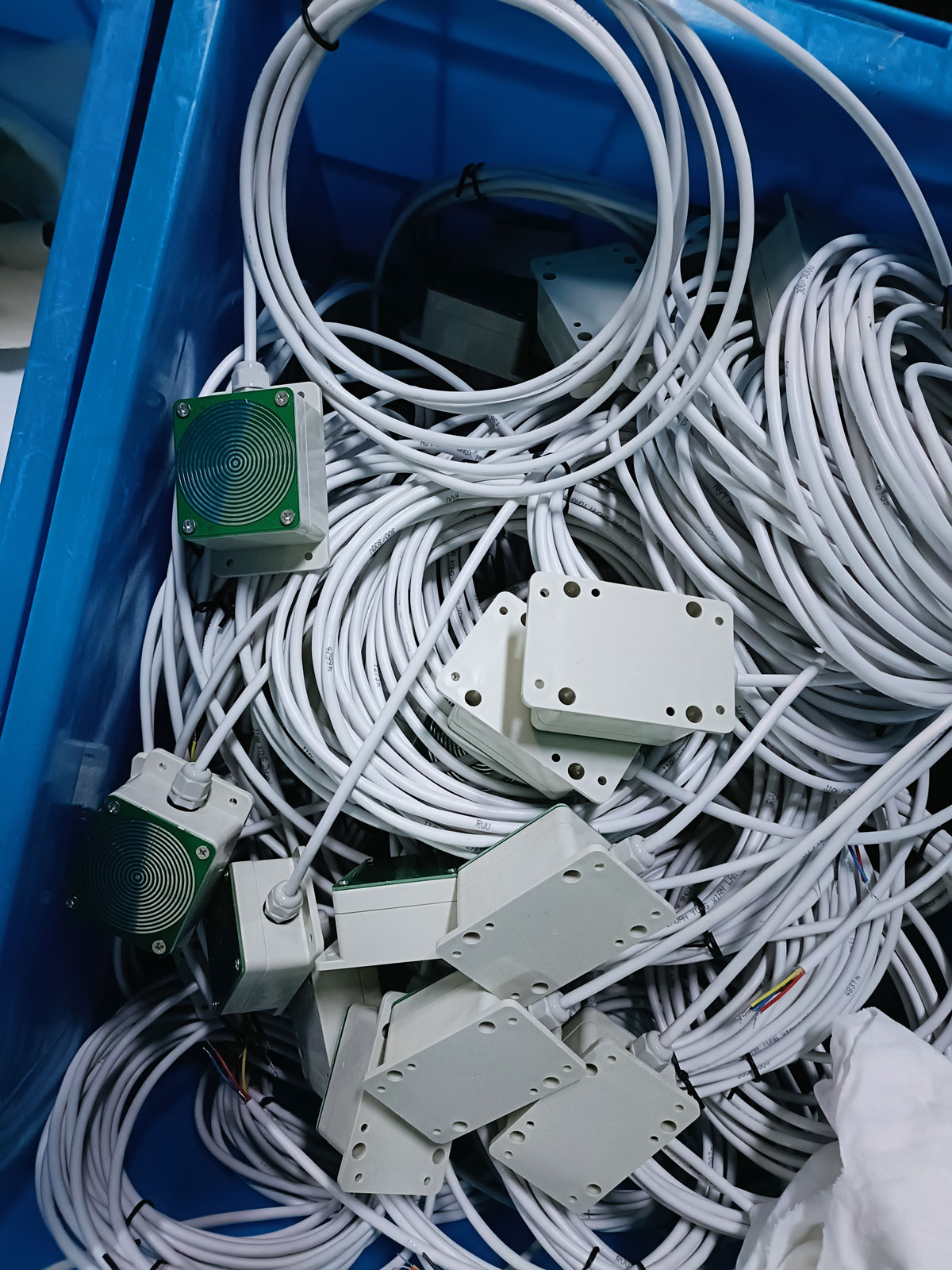
The NBL-W-RSS rain/snow sensor combines two core technologies: conductivity detection and intelligent heating.
Structure: Grid electrodes (ring conductor sensing plate) on top of the sensor
Principle: Normally open circuit between electrodes. When rainwater falls on the plate, its conductivity creates a conductive path (“short circuit”).
Signal Output: Detection circuit triggers a switch signal (NO/NC) upon conductivity change → “rain detected”
Snow Detection: When snow lands on the plate, the built-in heater (temperature-settable) automatically activates, quickly melting snow into conductive water → triggers conductivity detection → outputs snow signal
Anti-Icing & Condensation: In prolonged sub-zero or high-humidity conditions, heating prevents surface icing or condensation, avoiding false triggers from ice/dew
Core Component: Imported intelligent microprocessor controls heating on/off for accuracy and energy efficiency
In winter, rain/snow severely impacts highway and railway safety.
Role: Upon snow detection, NBL-W-RSS instantly uploads data via road/railway weather stations to cloud platforms.
Linkage: Combined with road temperature and snow depth sensors, triggers de-icing agent spraying or road heating, sends warnings to drivers and dispatch centers.
In precision agriculture, rain/snow sensors are crucial for refined environmental control.
Role: Upon heavy rain detection, automatically closes greenhouse rain shields or skylights to protect crops.
Remote Management: Sends alerts to managers upon anomalies for immediate response even remotely.
Smart windows/lighting: Closes windows on rain detection; activates warning signs during snow
Livestock farms/environment monitoring: Detects precipitation on barn roofs to prevent humidity or leaks
| Parameter | Specification | Notes |
|---|---|---|
| Measurement Range | Presence/absence of rain/snow (qualitative) | Outputs switch signal |
| Power Supply | DC 12–24 V | Suitable for various outdoor power environments |
| Output Type | Switch (NO/NC) | Direct relay control or data logger input |
| Load Capacity | 5 A, 250 VAC / 30 VDC | Can directly drive certain loads |
| Operating Temperature | -40 °C to 80 °C | Wide temperature design for extreme environments |
| Power Consumption | 1.5 W | Increases during heating |
1. What does “qualitative measurement” mean for a rain/snow sensor?
A: It only determines “rain/snow present” or “no rain/snow” and outputs a corresponding switch signal. It cannot measure quantitative values like rainfall amount.
2. How does the NBL-W-RSS detect “snow” when snow itself isn’t conductive?
A: Automatic heating melts snow into conductive water, which is then detected via the grid electrode conductivity principle.
3. Is the automatic heating function always on?
A: No. Controlled by an intelligent microprocessor, it activates only when precipitation is detected or temperature drops below the set threshold to save energy.
4. What is the purpose of NO/NC switch output?
A: Ideal for linkage control — e.g., NO connects to a relay that closes windows or starts de-icing when rain/snow is detected.
5. Will fog or dew cause false rain detection?
A: No. High-precision circuitry plus automatic heating in cold/high-humidity conditions prevents icing/dew and eliminates false triggers.
6. Can the NBL-W-RSS work reliably at -40 °C?
A: Yes. Wide operating range (-40 to 80 °C) ensures stable performance in extreme cold regions.
7. Are there special installation location requirements?
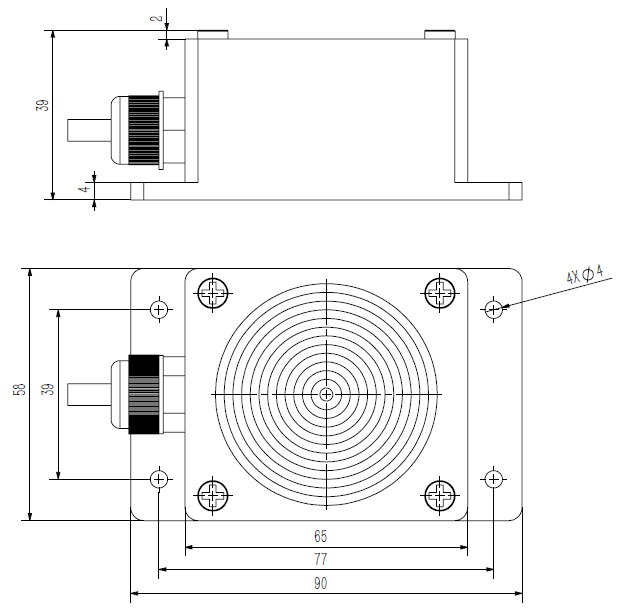
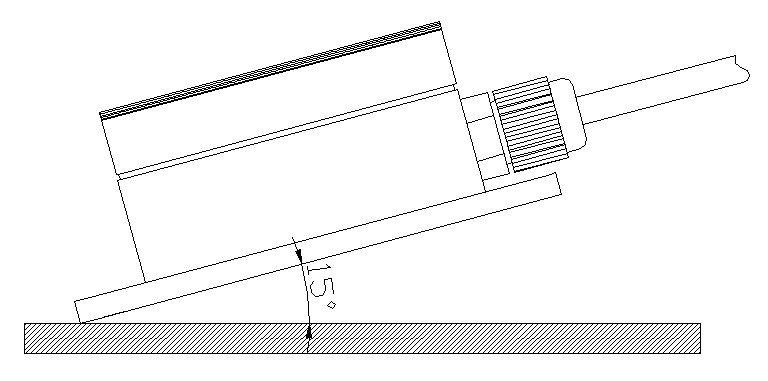
A: Must be installed outdoors with no shelter so rain/snow falls directly on the sensing plate. Convenient wiring and power access required.
8. Will dust coverage affect accuracy?
A: Possibly. Though rainwater can wash the surface, excessive dirt may cause persistent conductivity. Regular cleaning of the sensing plate is recommended.
9. Is 1.5 W continuous power consumption?
A: 1.5 W is basic consumption. Heating activates intermittently or on-demand, increasing power only when needed.
10. How is it used in smart building control?
A: Automatically closes outdoor windows/skylights during rain, activates warning lights/signs during snow, or switches power modes.
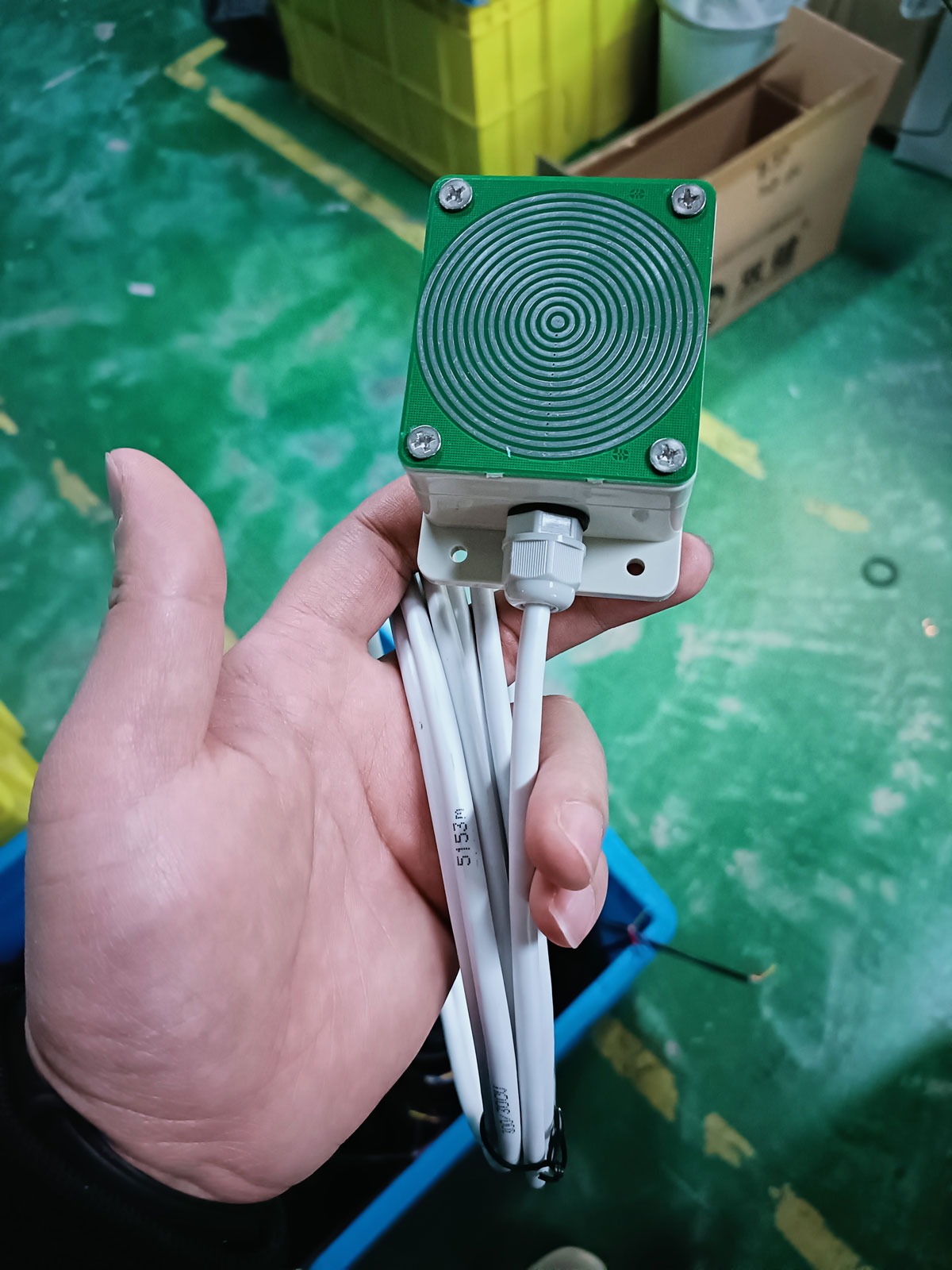
With its conductivity detection and intelligent automatic heating technology, the NiuBoL NBL-W-RSS rain/snow sensor achieves accurate qualitative monitoring of rain/snow presence. Its simple, efficient switch output is widely applied in intelligent transportation, precision agriculture, environmental monitoring, and smart buildings — making it an essential device for automated environmental control and winter traffic safety.
Are you planning to use this rain/snow sensor for highway systems or greenhouse control? I can provide tailored linkage solution recommendations.
Prev:Rainfall Sensor Working Principle, Role & Technical Analysis | NiuBoL
Next:Leaf Wetness Sensor Principle, Function & Usage | NiuBoL NBL-W-LM
Related recommendations
Sensors & Weather Stations Catalog
 Agriculture Sensors and Weather Stations Catalog-NiuBoL.pdf
Weather Stations Catalog-NiuBoL.pdf
Agriculture Sensors Catalog-NiuBoL.pdf
Water Quality Sensor Catalog-NiuBoL.pdf
Related products
 Combined air temperature and relative humidity sensor
 TDR Soil Moisture & Temperature Sensor for irrigation| RS485 |4-20mA| NBL-S-THR
 Soil pH sensor RS485 soil Testing instrument soil ph meter for agriculture |NBL-S-PH
 Wind Speed sensor Output Modbus/RS485/Analog/0-5V/4-20mA
 Tipping bucket rain gauge for weather monitoring auto rainfall sensor RS485/Outdoor/stainless steel
 Pyranometer Solar Radiation Sensor 4-20mA/RS485

Screenshot, WhatsApp to identify the QR code
WhatsApp number:+8615367865107
(Click on WhatsApp to copy and add friends)

