





— Blogs —
—Products—
 Consumer hotline +8618073152920
 WhatsApp:+8615367865107
Address:Room 102, District D, Houhu Industrial Park, Yuelu District, Changsha City, Hunan Province, China
Product knowledge
Time:2026-01-21 10:26:20 Popularity:668
With the in-depth implementation of the “Green Agriculture Promotion” strategy, growers and agricultural enterprises are paying unprecedented attention to eco-friendly pest control technologies. In the process of reducing chemical pesticide use and increasing the added value of agricultural products, physical pest control technology has demonstrated enormous potential and value. As a leading brand in this field, the solar wind-suction insect killer lamp launched by NiuBoL, with its efficient trapping capability and intelligent management system, is becoming standard equipment in modern farms, tea gardens, and orchards.
This article will explore in detail the application techniques, technical parameters, and how to achieve optimal pest control effects through scientific configuration of insect killer lamps in agricultural production.
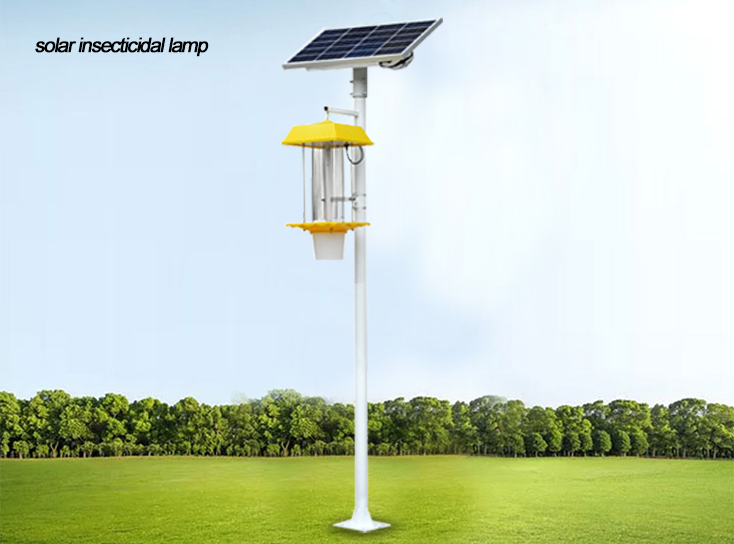
In traditional pest and disease control, excessive reliance on chemical pesticides not only increases production costs but also easily leads to pest resistance. More seriously, pesticide residues directly affect market access and selling prices of agricultural products. NiuBoL insect killer lamps achieve the following core values through “physical pest control”:
Significantly reduce pest population base: By directly killing female adults before they lay eggs, it cuts off the pest reproduction chain at the source, resulting in an exponential decline in subsequent pest occurrence.
Enhance product premium: After applying insect killer lamps, pesticide application frequency is greatly reduced, making agricultural products more likely to meet pollution-free, green, or organic certification standards, and enter high-end supermarkets and export markets.
Ecological protection and balance: Insect killer lamps are not only control tools but also monitoring tools. By analyzing the collected pest species, farmers can more scientifically determine the timing of pesticide application.
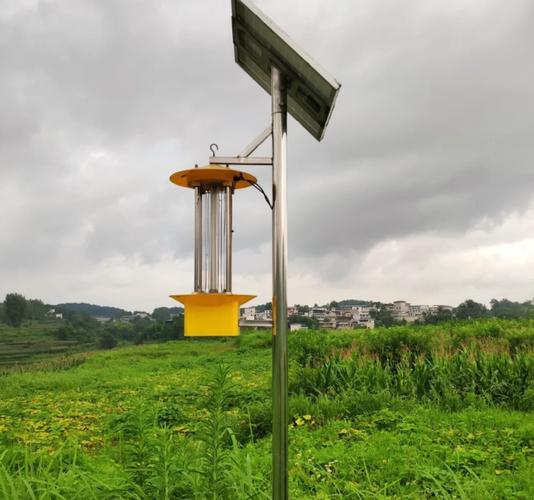
Unlike traditional electric shock insect killer lamps, the NiuBoL solar wind-suction insect killer lamp adopts a gentler and more efficient “suction” design, breaking through the bottleneck of low capture rates for tiny pests in conventional lamps.
1. Working Principle: Light Attraction + Wind Suction
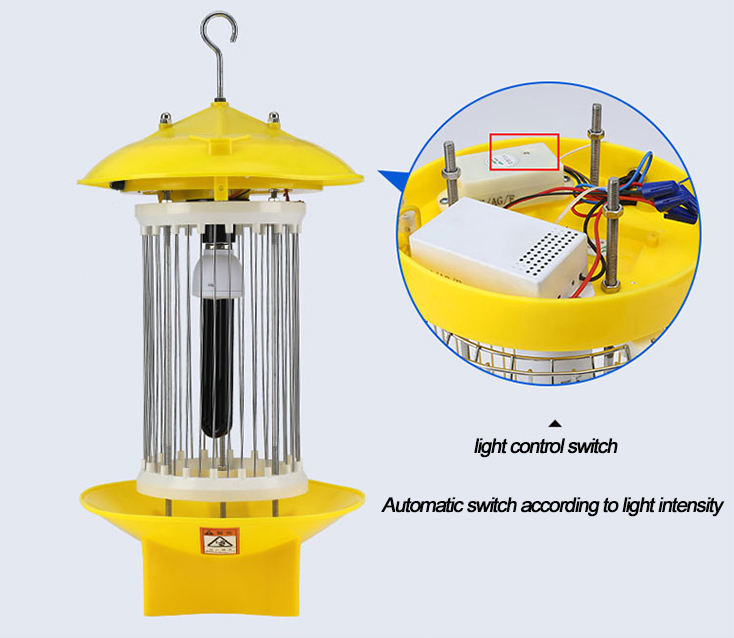
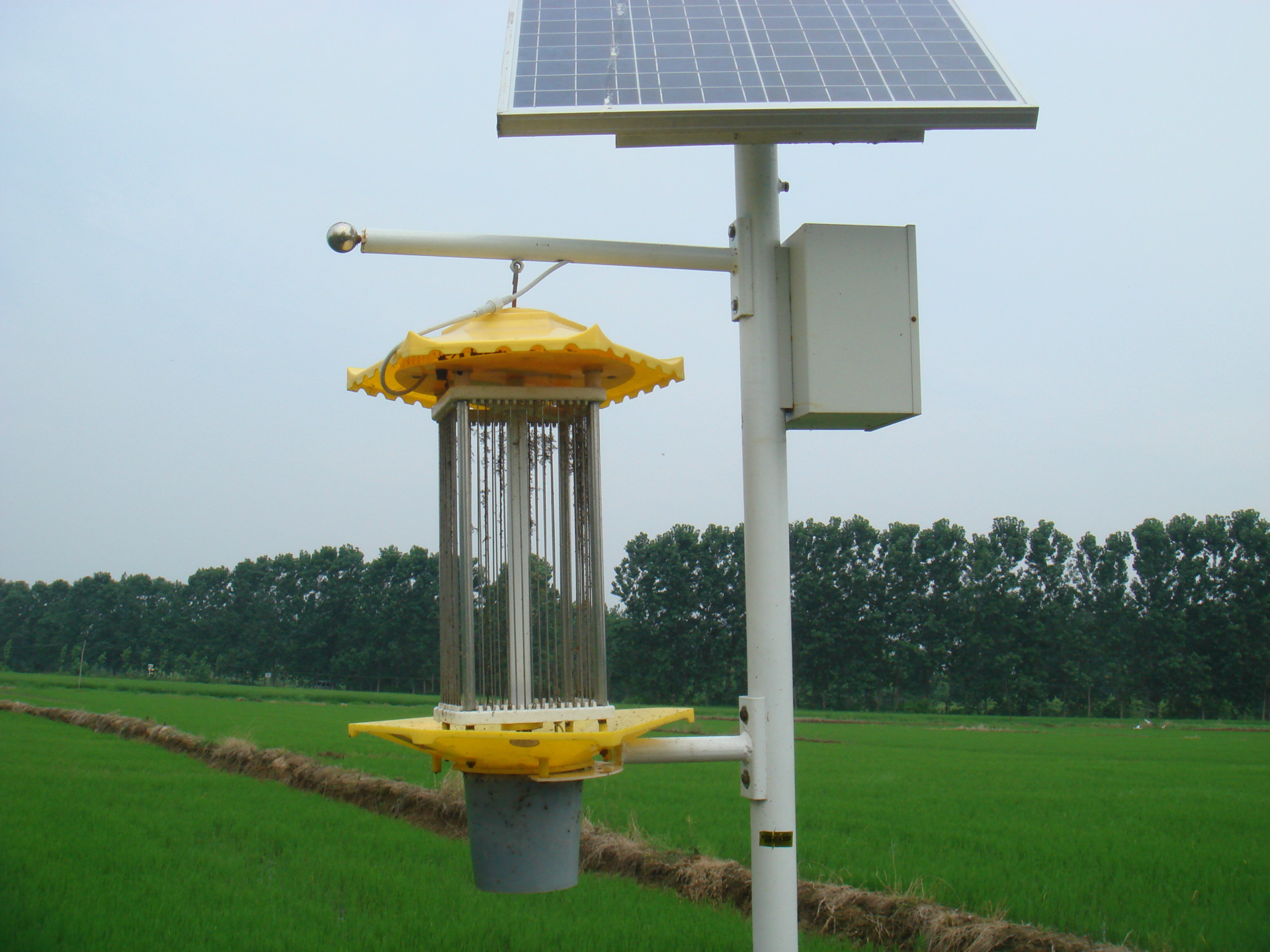
The device utilizes the phototaxis of pests, using specially designed LED insect-attracting tubes to emit specific wavelength light waves to lure pests. When pests approach the light source, the high-performance fan generates negative pressure airflow to instantly suck them into the insect collection bag, where pests are air-dried and dehydrated to death in the collector.
2. Intelligent Control System
Light control function: Automatically starts and stops according to external light intensity (2Lux–200Lux range), lights up at dusk and turns off at dawn.
Time control system: Supports segmented working modes. Experiments show that pest activity peaks from 2:00 to 5:00 AM and 7:00 PM to 12:00 AM. Avoiding beneficial insect active periods achieves “1+1” physical and biological collaborative pest control.
Rain control and temperature control: Automatically sleeps in rainy weather and stops working when ambient temperature is below 5°C, ensuring self-protection of the equipment in harsh climates.
| Parameter Item | Technical Specification |
|---|---|
| Brand and Model | NiuBoL Wind-Suction Series |
| Light Source Type | High-efficiency LED Attracting Light Source |
| Fan Speed | 2200 rpm (service life ≥ 20,000 hours) |
| Whole Machine Power | ≤ 132W/H |
| Protection Grade | IPX5 |
| Lamp Pole Height | ≥ 2.5m (galvanized/stainless steel material) |
| Standby Power | < 1W |
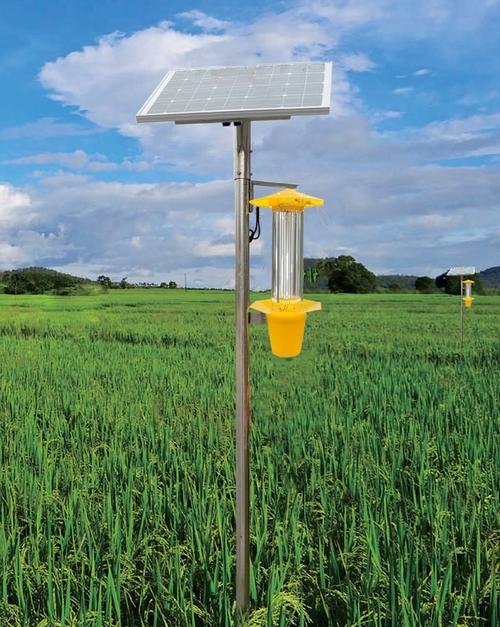
Even with high-performance equipment, improper installation and management will prevent maximum effectiveness. Arvin recommends paying attention to the following three core aspects in practical application:
First, Scientific Selection and Safety
In open field areas, solar insect killer lamps are preferred. NiuBoL’s solar solution requires no wiring, reducing installation difficulty and avoiding the risk of electric leakage in the field. Especially in agricultural sightseeing gardens with elderly and children, wind-suction insect killer lamps are safer compared to high-voltage electric shock types.
Second, Precise Control of Lamp Operating Time
Hanging time: Lamps should be hung about one week before adult pest emergence. If hung only after large numbers of larvae have appeared in the field, the effect will be greatly reduced.
Nighttime segmentation: Not recommended to keep on all night. NiuBoL equipment supports time control, recommended to operate from 20:00–24:00 and 02:00–05:00 the next day. This not only saves energy but also effectively protects beneficial insects such as bees and lacewings, maintaining ecological balance.
Third, Reasonable Placement Density and Height
Improper placement can lead to “dark under the lamp” or overlapping waste.
Placement density: In conventional environments, one NiuBoL insect killer lamp has an effective coverage radius of 30–50 meters. Generally, one lamp per 5–10 mu of land depending on power.
Solar wind-suction insect killer lamp height setting:
Vegetable greenhouses/leafy vegetables: Recommended height 100cm to 120cm.
Low crops (peanuts, cucumbers, etc.): Recommended height around 70cm.
Fruit trees: Hang or support at 2/3 of the tree height for optimal trapping effect.
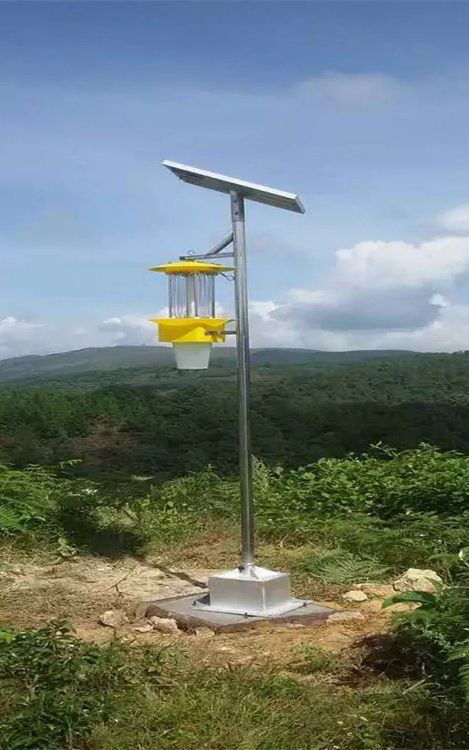
NiuBoL insect killer lamps have an extremely wide application range, covering almost all mainstream cash crops:
Grain crops: Rice, corn, wheat.
Cash crops: Tea, tobacco, cotton, flowers.
Melons, fruits, and vegetables: Tomatoes, soybeans, grapes, cucumbers, strawberries.
Forestry and fruit trees: Litchi, mango, green dates, etc.
Many growers worry about the initial investment in insect killer lamps. Let’s do the math: Taking a 3000 square meter (approximately 4.5 mu) vegetable field as an example:
Pesticide savings: Can reduce spraying 4–6 times per year, saving approximately 400–600 yuan in pesticide and labor costs.
Electricity cost: NiuBoL solar type has zero electricity cost, only minimal management and maintenance fees.
Income increase: Reduced pesticide use improves vegetable quality, with market premium of 10%–20%. Typically, the investment cost of one NiuBoL insect killer lamp can be fully recovered within 1–2 growing seasons.
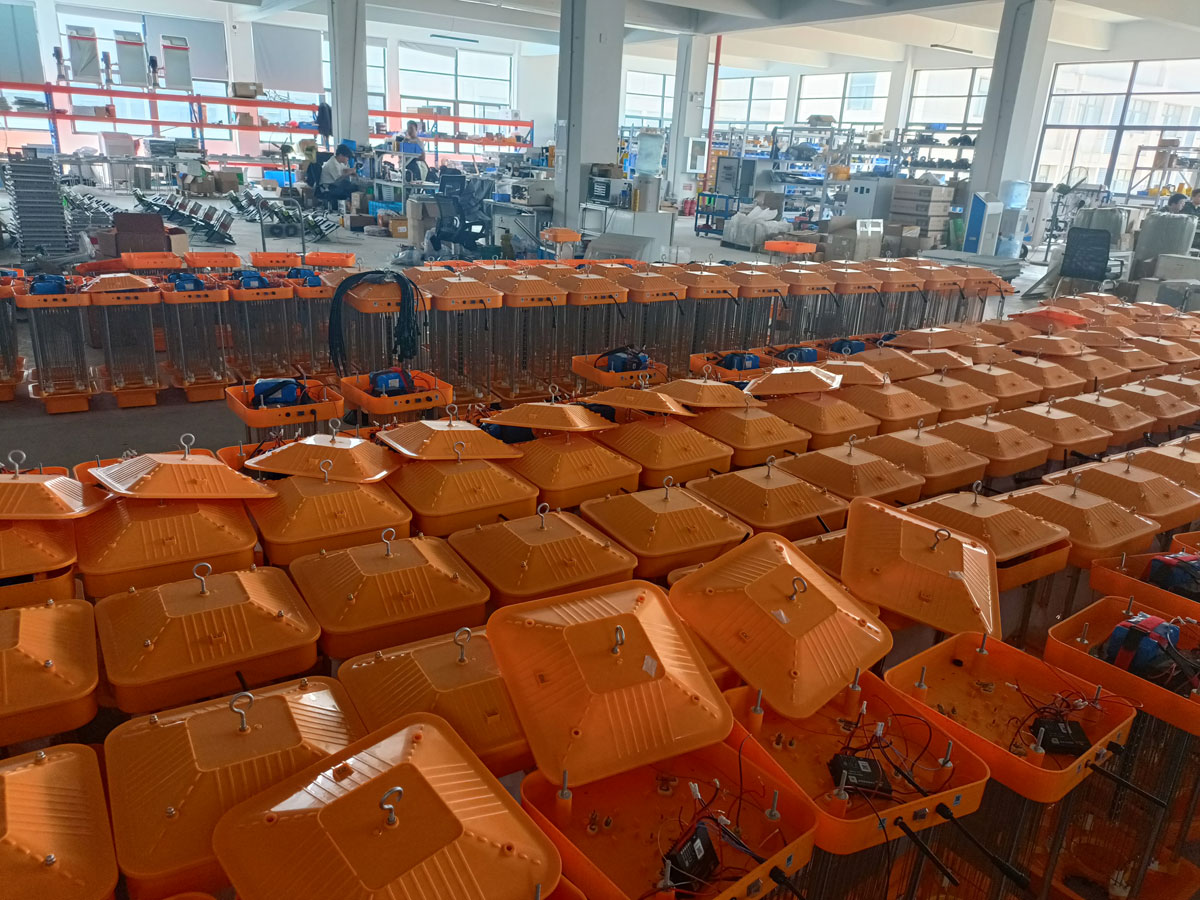
Q1: What is the difference between wind-suction insect killer lamps and traditional electric shock insect killer lamps?
A: Electric shock type kills pests via high-voltage grid, but often fails to trigger for smaller pests and easily causes insect corpse splashing and pollution. NiuBoL wind-suction type uses negative pressure airflow suction, achieving higher kill rates for small pests (such as migratory pests, diamondback moths, etc.), with intact corpses convenient for scientific monitoring.
Q2: How long can the solar panel last on cloudy and rainy days?
A: NiuBoL is equipped with high-performance batteries and optimization algorithms. When fully charged, the equipment can maintain normal operation relying on stored power even after 3–5 consecutive cloudy and rainy days.
Q3: Will the insect killer lamp automatically harm beneficial insects?
A: Complete avoidance is difficult, but NiuBoL minimizes harm through wavelength selection and time control technology (intelligently avoiding beneficial insect active periods). Physical pest control and biodiversity protection achieve balance in our design.
Q4: Does the equipment require frequent cleaning?
A: The insect collection bag of wind-suction insect killer lamps has large capacity. During high pest periods, it is recommended to check and clean the corpses once a week. Cleaning is very convenient—just remove the bottom collector.
Q5: What is the service life of the lamp tube?
A: We use high-specification LED light sources with ignition time less than 5 seconds and designed service life over 5000 hours. Lamp poles are made of galvanized or stainless steel material with extremely strong corrosion resistance.
Q6: In areas with strong wind, will the lamp pole tip over?
A: The lamp pole height of NiuBoL insect killer lamps is designed to meet mechanical standards (≥2.5m). It is recommended to install with deep-buried cement base or add wind-resistant guy wires to ensure structural safety in extreme weather.
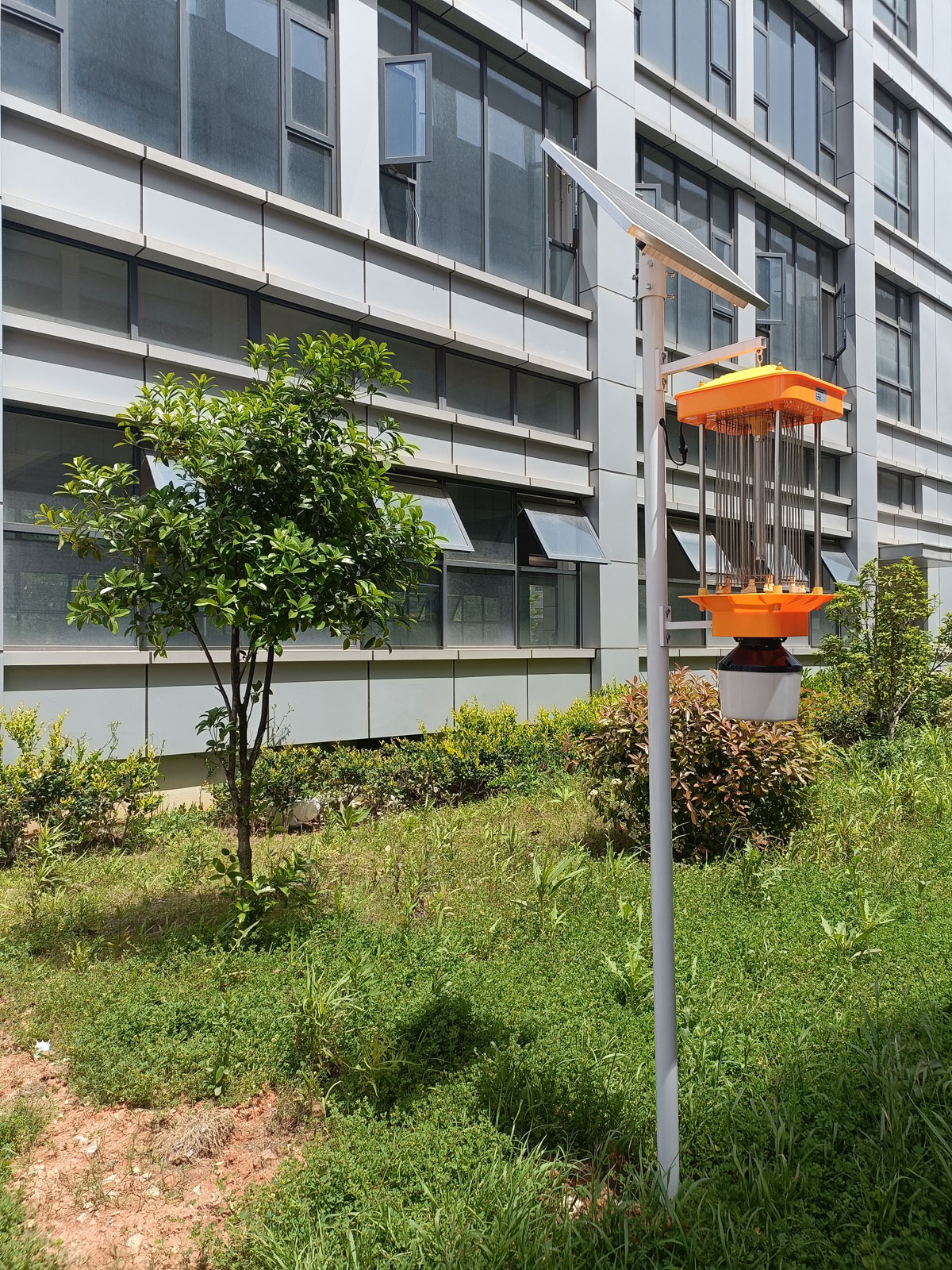
On the path of pursuing high-quality development in modern agriculture, the NiuBoL solar wind-suction insect killer lamp is not only a pest control device but also a complete smart plant protection solution. Through the perfect combination of light control, rain control, and time control, it reduces pesticide residues and protects the ecological environment while genuinely saving labor and pesticide costs for farmers.
Scientific configuration combined with advanced equipment can maximize pest control effects. As NiuBoL has always advocated, green agriculture is not just a slogan but a future that needs to be realized through precise and environmentally friendly physical control tools like the NiuBoL solar wind-suction insect killer lamp.
If you are planning a smart farm plant protection scheme or have questions about insect killer lamp placement density, feel free to contact us at any time. Do you need me to prepare a customized insect killer lamp configuration proposal specifically for your planted crops?
Prev:Radar Level Meter Selection Guide: Precise Matching Strategies for Different Working Conditions
Next:NiuBoL UV Method Online COD Sensor: Working Principle and Applications
Related recommendations
Sensors & Weather Stations Catalog
 Agriculture Sensors and Weather Stations Catalog-NiuBoL.pdf
Weather Stations Catalog-NiuBoL.pdf
Agriculture Sensors Catalog-NiuBoL.pdf
Water Quality Sensor Catalog-NiuBoL.pdf
Related products
 Combined air temperature and relative humidity sensor
 TDR Soil Moisture & Temperature Sensor for irrigation| RS485 |4-20mA| NBL-S-THR
 Soil pH sensor RS485 soil Testing instrument soil ph meter for agriculture |NBL-S-PH
 Wind Speed sensor Output Modbus/RS485/Analog/0-5V/4-20mA
 Tipping bucket rain gauge for weather monitoring auto rainfall sensor RS485/Outdoor/stainless steel
 Pyranometer Solar Radiation Sensor 4-20mA/RS485

Screenshot, WhatsApp to identify the QR code
WhatsApp number:+8615367865107
(Click on WhatsApp to copy and add friends)

