





— Blogs —
—Products—
 Consumer hotline +8618073152920
 WhatsApp:+8615367865107
Address:Room 102, District D, Houhu Industrial Park, Yuelu District, Changsha City, Hunan Province, China
Product knowledge
Time:2026-01-22 09:39:11 Popularity:650
In industrial wastewater treatment, municipal drainage regulation, and surface water environmental monitoring, Chemical Oxygen Demand (COD) remains a key indicator for measuring the degree of organic pollution in water bodies. Traditional COD measurement often relies on complex chemical titration or digestion methods, which are time-consuming and consume large amounts of chemical reagents.
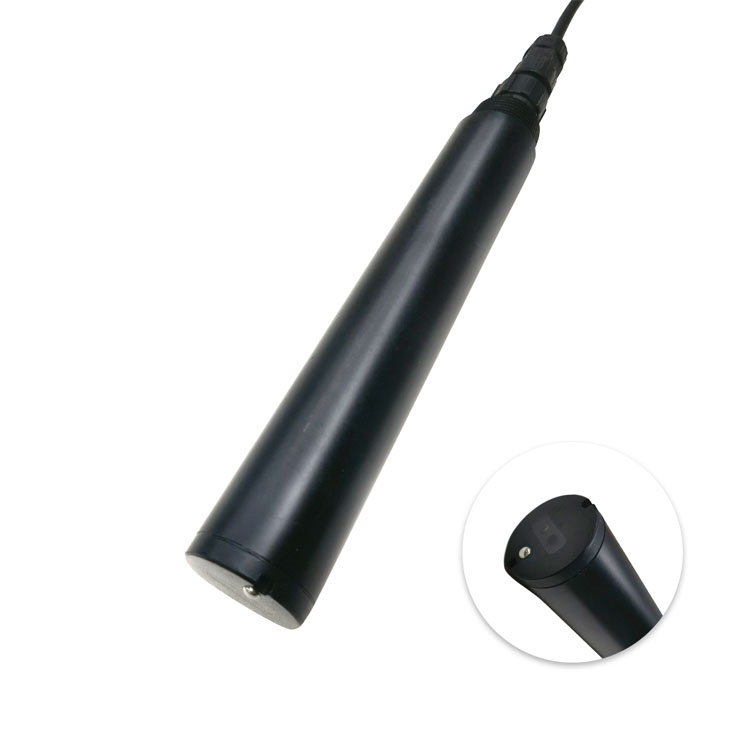
As an innovator in the field of water quality monitoring, the NBL-COD-408 series online COD sensor launched by NiuBoL adopts the advanced dual-wavelength ultraviolet absorption method (UV254), achieving intelligent monitoring without reagents and with real-time response, providing a reliable data foundation for modern smart water affairs.

Many dissolved organic substances in water, especially those containing aromatic rings or double-bond structures, exhibit strong absorption of ultraviolet light at a wavelength of 254 nm. This physical property provides a scientific basis for non-contact, non-destructive water quality monitoring.
The NiuBoL NBL-COD-408-S sensor does not use simple single-beam detection but employs a precise dual-path light source design:
Measurement optical path: Emits 254 nm ultraviolet light to detect the absorption degree of organic pollutants.
Reference optical path: Measures the turbidity of the water body through another reference light source.
In actual rivers or industrial wastewater, water samples often contain suspended particles and turbidity interference. If single-beam measurement is used, turbidity causes light signal scattering, resulting in falsely high COD readings. The NiuBoL sensor uses a specific algorithm to automatically compensate the main optical path with data obtained from the reference optical path. This design can eliminate the influence of particulate suspended matter on measurement results over a wide range, significantly improving measurement stability under complex working conditions.
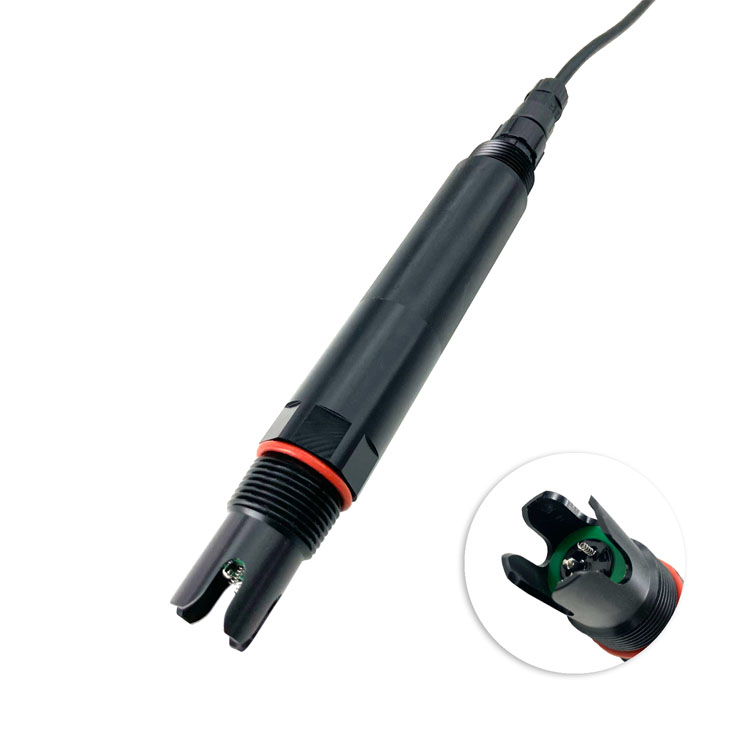
Choosing an excellent online COD sensor requires not only looking at measurement accuracy but also paying attention to its long-term survivability in harsh water quality environments.
1. Green and Environmentally Friendly, Zero Reagent Cost
Traditional potassium dichromate method requires expensive reagents and secondary waste liquid treatment. The NiuBoL UV method sensor measures through physical optical principles without adding any chemical agents, resulting in no secondary pollution and almost zero operating cost.
2. Integrated Self-Cleaning Brush Design
The most troublesome issue in water quality monitoring is biological attachment (such as algae and slime) and pollutant scaling on the sensor surface. The NBL-COD-408 comes with an intelligent cleaning brush that automatically sweeps the optical window according to set frequency, ensuring light path transmittance and greatly extending the cycle of manual on-site maintenance.
3. Multi-Parameter Synchronous Monitoring
The device can not only output accurate COD values but also synchronously measure turbidity (NTU) and temperature (°C) of the water body. This all-in-one integrated solution saves installation space and provides more dimensional data for comprehensive water quality evaluation.
4. Powerful Protocol Adaptation and Low Power Consumption
Supports standard RS-485 (Modbus RTU) protocol, meaning it can easily connect to various telemetry terminals (RTU), PLC, or smart water affairs cloud platforms. Its operating power consumption is as low as 0.4W, very suitable for solar-powered field monitoring stations.
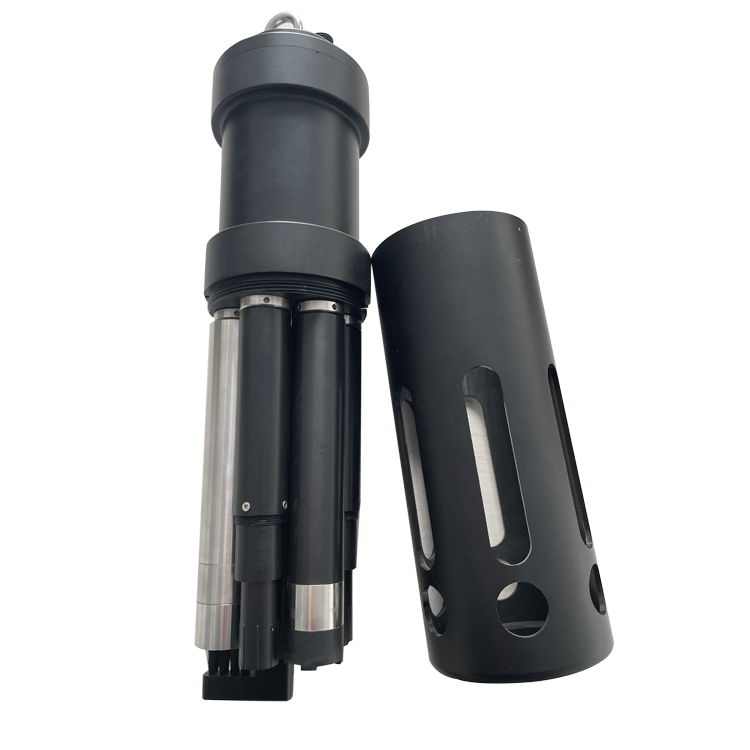
| Core Indicator | Technical Parameter Description |
|---|---|
| Model | NBL-COD-408-S |
| Measurement Principle | Dual-wavelength ultraviolet absorption method (UV254) |
| COD Range | 0~200.0 / 0~500.0 / 0~1500.0 mg/L (optional) |
| Turbidity Range | 0~200.0 / 0~400.0 / 0~1000.0 NTU |
| Measurement Accuracy | ±5% of reading; temperature ±0.3℃ |
| Response Time (T90) | <30s |
| Minimum Detection Limit | 0.2mg/L (low range) |
| Output Method | RS-485 (Modbus RTU) / 4-20mA (optional) |
| Shell Material | 316L stainless steel (corrosion resistant) |
| Installation Method | Submersible installation, 3/4 NPT thread interface |
| Protection Grade | IP68 (supports long-term underwater operation) |
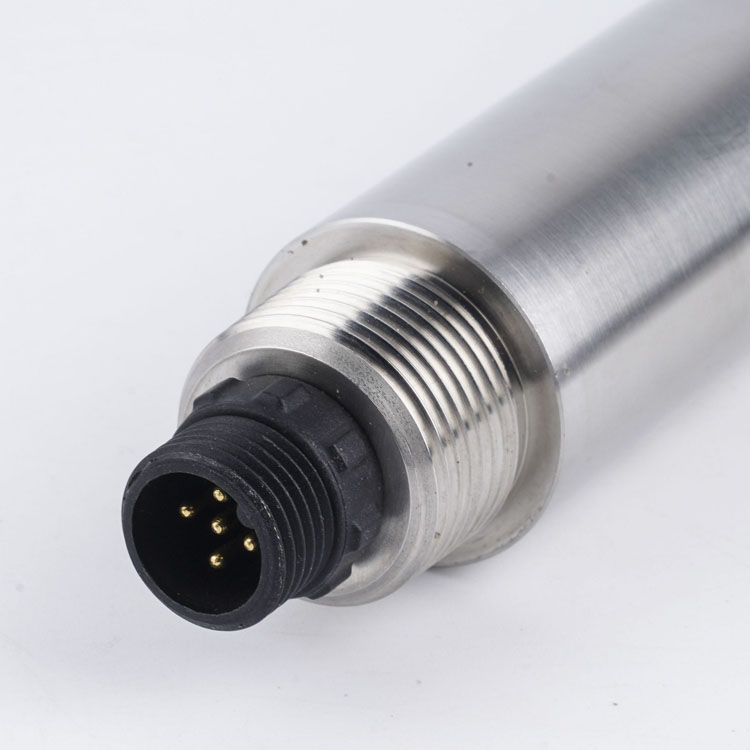
To ensure long-term stable data, it is recommended that users establish a scientific maintenance plan. Although the NiuBoL sensor has a high degree of automation, regular inspections are still essential.
1. Regular Cleaning
Optical window inspection: Although there is a cleaning brush, for strong oily wastewater, it is recommended to manually wipe the optical window monthly with diluted household detergent and soft cloth to prevent oil film accumulation.
Cable inspection: Ensure the cable is in a relaxed state to avoid internal copper core breakage due to long-term tension.
2. Calibration Recommendations
Two-point calibration: It is recommended to perform one calibration every 3-6 months using standard solutions.
Standard selection: Usually use potassium hydrogen phthalate (KHP) solution as COD calibration standard sample.
3. Core Component Maintenance
Dynamic sealing device: After continuous use for 18 months, it is recommended to return to the factory for one deep maintenance and replace the dynamic sealing ring of the self-cleaning brush to maintain IP68 waterproof performance.
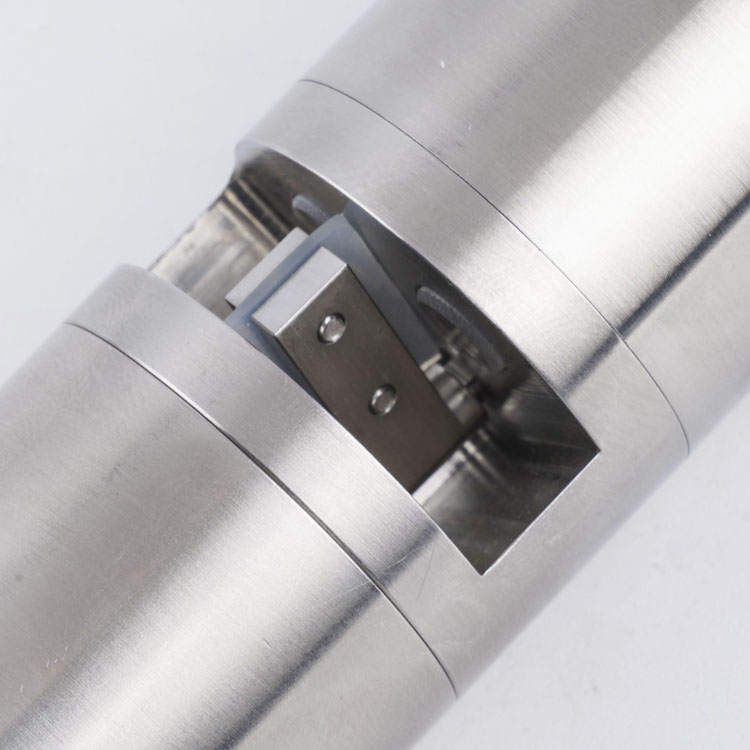
Wastewater treatment plant inlet and outlet: Real-time grasp of inlet organic load to guide aeration adjustment; ensure outlet COD meets discharge standards.
River and lake water quality monitoring: As a monitoring terminal for black and odorous water body treatment, timely detect illegal discharge and leakage events.
Industrial process water monitoring: In chemical, printing and dyeing, pharmaceutical industries, monitor water quality fluctuations in the production process to improve process recovery rate.
Smart irrigation district water quality monitoring: Ensure agricultural irrigation water is not polluted by industrial wastewater.
Q1: Is the result measured by UV method COD sensor consistent with the laboratory potassium dichromate method?
A: UV method converts COD through absorption of specific wavelengths by organic matter. For water bodies with relatively stable composition, the correlation is very high. However, when water quality composition changes dramatically (such as increase in inorganic reducing substances that do not absorb ultraviolet light), there may be deviation. It is recommended to conduct on-site comparison experiments during initial installation and correct the conversion coefficient.
Q2: Can the cleaning frequency of the sensor's built-in cleaning brush be adjusted?
A: Yes. Through Modbus commands, users can customize the cleaning interval according to the degree of water body pollution, which can ensure window cleanliness and extend the service life of the cleaning brush component.
Q3: Will high turbidity affect the measurement accuracy of COD?
A: NiuBoL NBL-COD-408 has a dedicated reference optical path for turbidity compensation. Turbidity interference within the range can be effectively offset, but in extreme high turbidity (exceeding the range), it is recommended to add pre-settling or filtration devices.
Q4: Why does the sensor measurement result sometimes fluctuate?
A: Common causes of fluctuation include: air bubbles in the water sample, cleaning brush working, or cable affected by strong magnetic fields. NiuBoL adopts anti-interference design, but installation should avoid large frequency converters as much as possible.
Q5: Can the sensor be directly immersed in strong acid and strong alkali environments?
A: The sensor shell uses 316L stainless steel with excellent corrosion resistance. However, in strong acid or highly corrosive chemical wastewater, it is recommended to consult the NiuBoL technical team for customized titanium alloy shell or special coating versions.
Q6: Does the measurement process require reagents? Are later maintenance costs high?
A: Completely no reagents required. Later maintenance mainly focuses on regular window wiping and sealing component maintenance every one to two years. Compared with chemical method instruments, the comprehensive holding cost over five years is reduced by more than 70%.
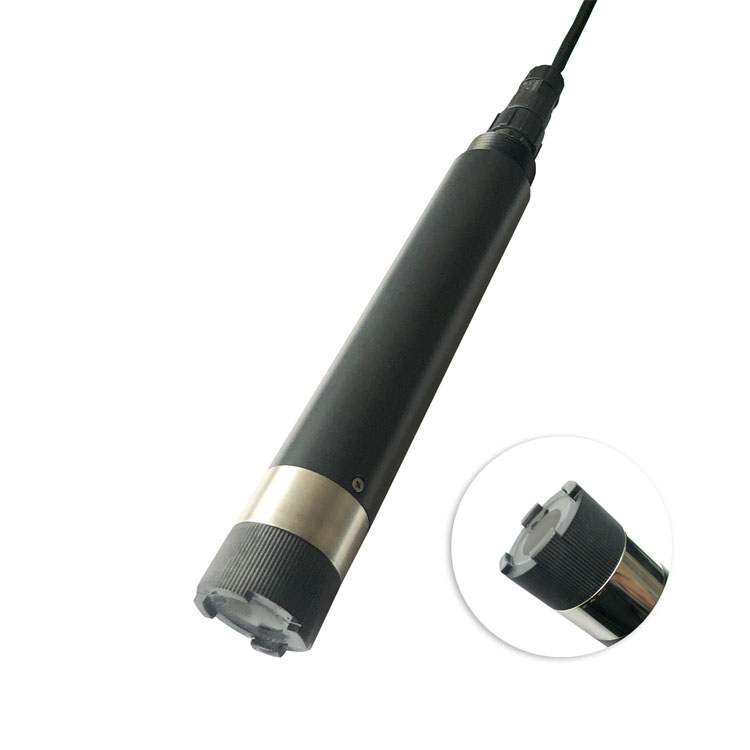
The NiuBoL online COD sensor breaks the deadlock of traditional COD monitoring's "high cost, high maintenance, low frequency" through innovative dual-wavelength ultraviolet technology. The NBL-COD-408 series not only has precise measurement capabilities but also leads the industry in self-cleaning, stability, and ease of use.
In the trend of digital water conservancy and environmental regulation, having a COD sensor that can "stand guard 24/7" and is "reagent-free" is undoubtedly a powerful assistant for water environment managers.
If you are facing pressure for wastewater compliance or need to build an automated river monitoring station, feel free to contact us at any time. Do you need me to provide detailed installation and placement suggestions tailored to your industry (such as chemical plants or domestic sewage plants)?
 NBL-RDO-206 Online Fluorescence Dissolved Oxygen Sensor.pdf
NBL-COD-208 Online COD Water Quality Sensor.pdf
NBL-CL-206 Water Quality Sensor Online Residual Chlorine Sensor.pdf
Related recommendations
Sensors & Weather Stations Catalog
Agriculture Sensors and Weather Stations Catalog-NiuBoL.pdf
Weather Stations Catalog-NiuBoL.pdf
Agriculture Sensors Catalog-NiuBoL.pdf
Water Quality Sensor Catalog-NiuBoL.pdf
Related products
 Combined air temperature and relative humidity sensor
 TDR Soil Moisture & Temperature Sensor for irrigation| RS485 |4-20mA| NBL-S-THR
 Soil pH sensor RS485 soil Testing instrument soil ph meter for agriculture |NBL-S-PH
 Wind Speed sensor Output Modbus/RS485/Analog/0-5V/4-20mA
 Tipping bucket rain gauge for weather monitoring auto rainfall sensor RS485/Outdoor/stainless steel
 Pyranometer Solar Radiation Sensor 4-20mA/RS485

Screenshot, WhatsApp to identify the QR code
WhatsApp number:+8615367865107
(Click on WhatsApp to copy and add friends)

