





— Blogs —
—Products—
 Consumer hotline +8618073152920
 WhatsApp:+8615367865107
Address:Room 102, District D, Houhu Industrial Park, Yuelu District, Changsha City, Hunan Province, China
Product knowledge
Time:2026-05-02 09:18:34 Popularity:294
Water quality monitoring is an important component of the environmental engineering field, aiming to understand the current status of water body quality, identify pollution sources, and track changing trends. Its monitoring objects cover natural water bodies that are unpolluted and polluted, including rivers, lakes, reservoirs, oceans, and groundwater, and extend to various industrial wastewater and domestic sewage.

Monitoring items are mainly divided into two categories:
Comprehensive indicators reflecting the overall water quality status, such as temperature, color, turbidity, pH value, conductivity, suspended solids, dissolved oxygen (DO), chemical oxygen demand (COD), biochemical oxygen demand (BOD), etc.;
Specific toxic and harmful substances, such as phenols, cyanides, heavy metals (arsenic, lead, chromium, cadmium, mercury), and organic pesticides, etc.
In river and ocean monitoring, it is often necessary to combine flow velocity and flow data for comprehensive evaluation to calculate pollutant flux and support total quantity control.
According to application scenarios, water quality monitoring can be divided into the following types:
Frequent monitoring: Long-term, fixed-point monitoring of surface water and groundwater to master dynamic changes in water quality.
Supervisory monitoring: Supervisory monitoring of production processes, living facilities, and sewage outlets to provide data support for sewage management, charging, and compliance assessment.
Emergency monitoring: Rapid response monitoring for sudden pollution accidents to provide basis for accident cause analysis, hazard assessment, and emergency response.
Arbitration monitoring: Used for environmental dispute mediation and law enforcement, providing objective and fair monitoring data.
Mastering the pathways of pollutants entering water bodies and their concentration changes;
Providing technical basis for pollution source control and sewage discharge permit management;
Supporting water environment quality evaluation, water resource demonstration, and scientific research;
Accumulating long-term background data to provide support for environmental capacity research, total quantity control, and target management;
Assisting government departments in formulating water resource protection regulations, standards, and plans.
Through online monitoring technology, real-time data collection, remote transmission, and continuous supervision can be achieved, significantly reducing labor costs and improving monitoring timeliness and accuracy.
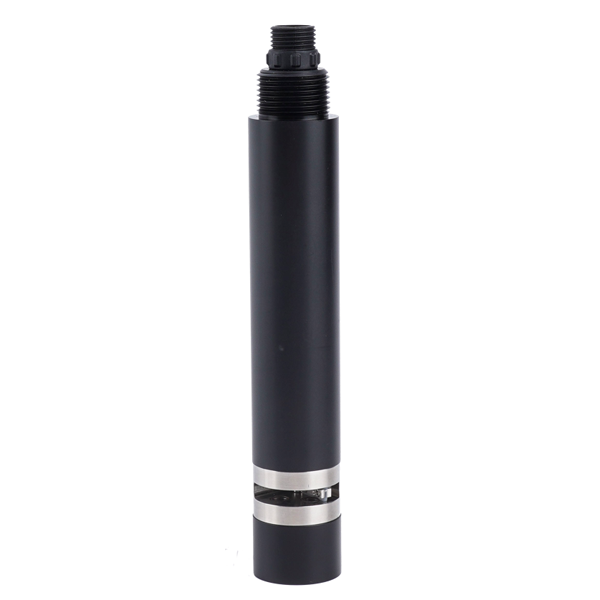
Traditional offline sampling analysis has problems such as time lag and insufficient data representativeness, while water quality online monitoring achieves continuous and automatic determination of parameters by installing fixed or buoy-type equipment at monitoring sections. This technology is particularly suitable for drinking water sources, surface water assessment sections, industrial park sewage outlets, and ecologically sensitive waters.
The NiuBoL water quality sensor series supports multi-parameter integration and can simultaneously monitor key indicators such as pH, dissolved oxygen, turbidity, ammonia nitrogen, total phosphorus, and COD. It adopts the RS-485 Modbus RTU protocol, which is convenient for accessing PLC, DCS, SCADA systems, or IoT cloud platforms. The system has low power consumption and high protection level characteristics, suitable for various engineering scenarios such as submersible, pipeline bypass, or buoy deployment, helping system integrators and project contractors build complete water quality monitoring solutions from the perception layer to the application layer.
In actual projects, the system can be combined with GIS platforms to achieve pollution traceability, early warning model construction, and water environment three-dimensional monitoring networks, effectively supporting river chief system management, smart water affairs, and ecological restoration projects.
The following are general technical specifications of some NiuBoL water quality sensors (taking common models as examples, specific parameters are subject to the product manual):
| Parameter | Specification Details |
|---|---|
| Output Mode | RS-485 (Modbus RTU), optional 4-20mA |
| Protection Level | IP68 |
| Operating Temperature | 0~50℃ (typical range) |
| Power Supply Voltage | 12~24V DC |
| Installation Method | Submersible, 3/4 NPT pipe thread or buoy integration |
| Communication Protocol | Modbus RTU |
| Typical Monitoring Parameters | pH, DO, turbidity, ammonia nitrogen, total phosphorus, conductivity, etc. |
| Features | Automatic temperature compensation, modular design, low maintenance requirements |
These parameters ensure that the sensors maintain stable output in complex water environments and facilitate seamless docking with existing automation control systems.
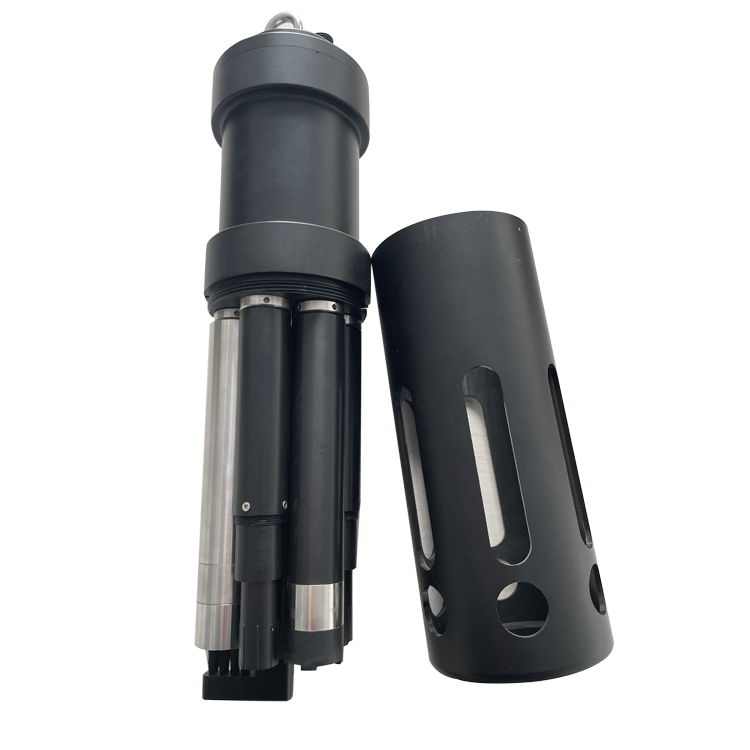
High-quality water quality monitoring cannot be separated from standardized data processing and reliable hardware support.
Data Processing Precautions:
Use mathematical statistics methods to organize raw data, including outlier removal, statistical testing, confidence interval estimation, and regression analysis, etc. Through trend analysis and correlation research, water quality change patterns can be effectively judged to provide reliable support for environmental decision-making.
Hardware Configuration Optimization Suggestions:
Select technically mature equipment that meets project requirements to ensure sensor range, resolution, and accuracy match the monitoring scenario.
Strengthen the construction of on-site operation and maintenance teams to improve professionalism in operation and maintenance.
Regularly calibrate and maintain equipment to avoid drift caused by long-term operation.
In the system design stage, consider redundant configuration and lightning and surge protection measures to improve overall system reliability.
The NiuBoL sensor series focuses on stability and ease of integration in hardware design, which can reduce maintenance difficulty during project implementation.
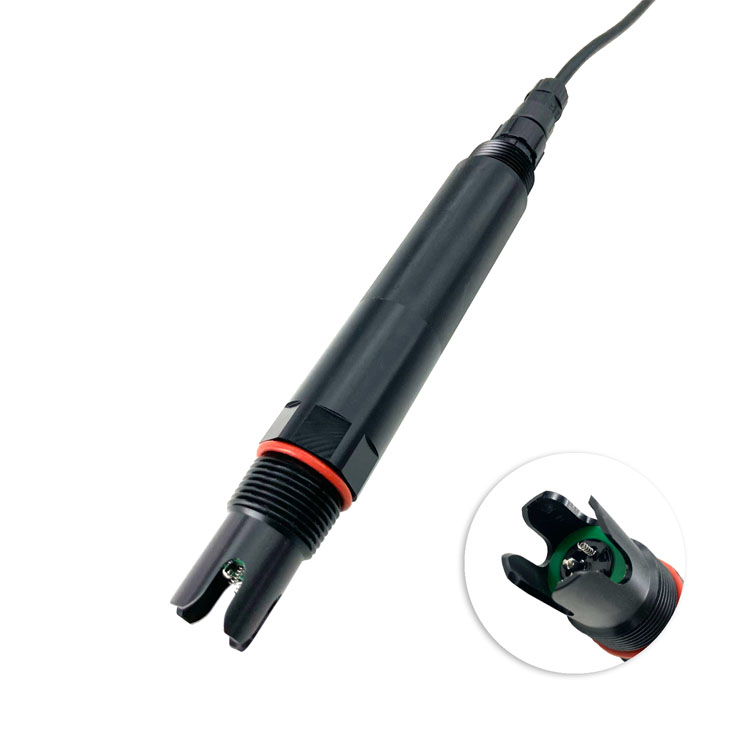
Surface water environment monitoring: Multi-parameter continuous monitoring of river and lake reservoir assessment sections, supporting automatic water quality evaluation.
Pollution source online monitoring: Supervisory monitoring of industrial enterprise sewage outlets, assisting compliance discharge management.
Drinking water source protection: Real-time tracking of water quality changes to ensure water supply safety.
Smart water affairs projects: Integrate buoys or shore-based stations to form regional monitoring networks.
Emergency and scientific research support: Rapid deployment for accident response or long-term environmental capacity research.
When selecting models, system integrators should focus on:
Whether monitoring parameters and ranges cover the project's core indicators;
Whether the communication protocol is compatible with the host system (priority given to standard Modbus RTU);
Requirements of on-site working conditions for protection level and installation method;
Long-term operation maintenance costs and spare parts supply capability.
During integration, it is recommended to use shielded cables, reasonably arrange collection points, and conduct on-site joint debugging to ensure stable data transmission. If necessary, pair with pretreatment units to further improve measurement accuracy under complex water sample conditions.
Q1. What is the main purpose of water quality monitoring?
The main purpose is to master the current status and changing trends of water quality and provide data support for water environment management, pollution control, and scientific decision-making.
Q2. What are the advantages of water quality online monitoring compared to traditional sampling analysis?
Online monitoring can achieve real-time data collection and continuous supervision, reduce human errors, lower labor costs, and meet high-frequency supervision needs.
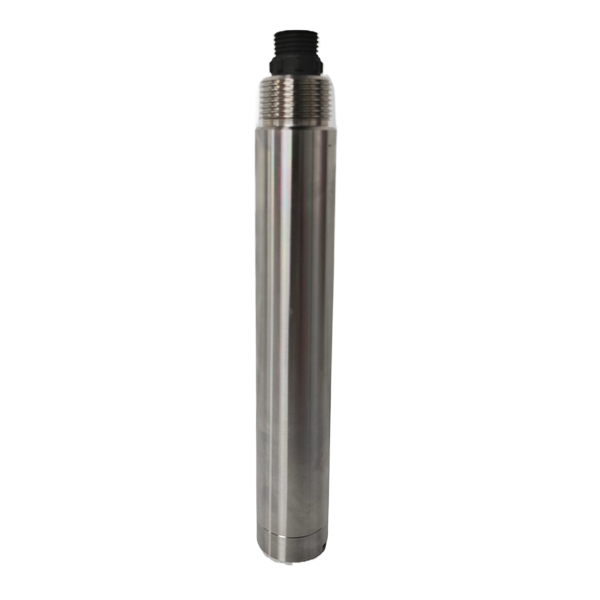
Q3. What communication protocols does NiuBoL water quality sensor support?
Standard RS-485 Modbus RTU protocol, convenient for integration with various industrial control systems and IoT platforms.
Q4. What core parameters usually need attention in surface water monitoring?
Common parameters include comprehensive indicators and characteristic pollutants such as pH, dissolved oxygen, turbidity, ammonia nitrogen, total phosphorus, COD, etc.
Q5. How to choose suitable water quality monitoring equipment?
Comprehensive selection according to monitoring scenarios, parameter requirements, installation environment, and system integration requirements, with priority consideration to protection level and protocol compatibility.
Q6. What methods are commonly used for water quality monitoring data processing?
Mainly adopt mathematical statistics methods, including data organization, statistical testing, interval estimation, and regression analysis, etc.
Q7. What is the difference between emergency monitoring and routine monitoring?
Emergency monitoring focuses on rapid response and accident analysis, while routine monitoring emphasizes long-term trend tracking and background data accumulation.
Q8. What issues need attention during system integration?
Focus on protocol matching, power supply stability, on-site calibration, and data transmission reliability. It is recommended to conduct joint debugging.
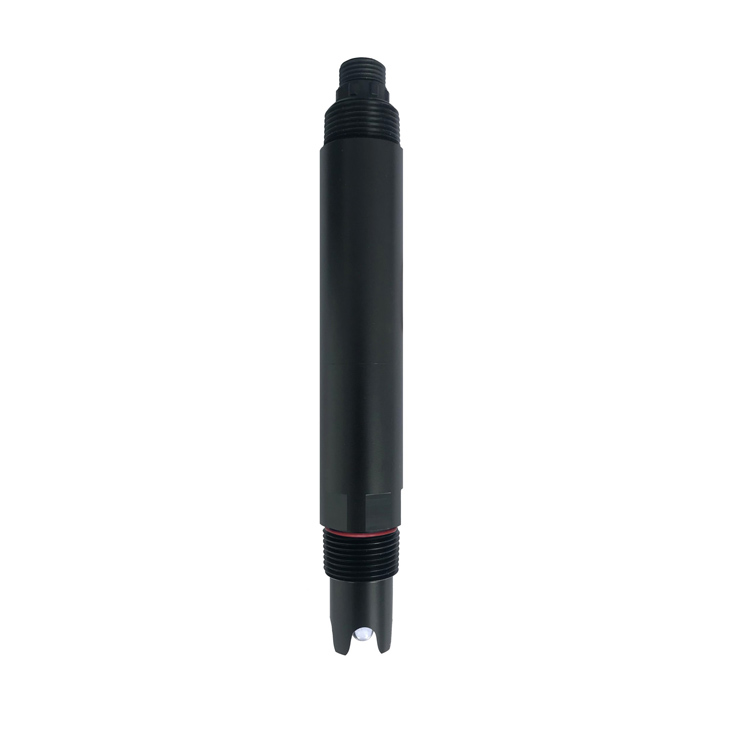
Water quality monitoring is the basic work of water resource protection and water pollution prevention and control. Through systematic monitoring methods, it can effectively support environmental management and ecological restoration. The NiuBoL water quality sensors and online monitoring solutions provide flexible and efficient technical support for system integrators, IoT solution providers, and engineering companies with professional and reliable performance and open integration interfaces.
Relying on real-time and continuous monitoring data, project teams can better achieve precise pollution source control, water environment quality evaluation, and intelligent decision-making. For technical solution docking, product selection guidance, or engineering application cases, please feel free to contact the NiuBoL team to jointly promote the stable implementation of water environment monitoring projects.
 NBL-WQ-CL Water Quality Sensor Online Residual Chlorine Sensor.pdf
NBL-WQ-DO Online Fluorescence Dissolved Oxygen Sensor.pdf
NBL-WQ-NHN Ammonia Nitrogen Water Quality Sensor.pdf
NBL-WQ-COD Online Water Quality COD Sensor.pdf
NBL-WQ-PH Online pH Water Quality Sensor.pdf
Prev:Surface Water Quality Automatic Monitoring Station Electrical Protection System Construction Guide
Related recommendations
Sensors & Weather Stations Catalog
Agriculture Sensors and Weather Stations Catalog-NiuBoL.pdf
Weather Stations Catalog-NiuBoL.pdf
Agriculture Sensors Catalog-NiuBoL.pdf
Water Quality Sensor Catalog-NiuBoL.pdf
Related products
 Combined air temperature and relative humidity sensor
 Soil Moisture Temperature sensor for irrigation|NBL-S-THR
 Soil pH sensor RS485 soil Testing instrument soil ph meter for agriculture |NBL-S-PH
 Wind Speed sensor Output Modbus/RS485/Analog/0-5V/4-20mA
 Tipping bucket rain gauge for weather monitoring auto rainfall sensor RS485/Outdoor/stainless steel
 Pyranometer Solar Radiation Sensor 4-20mA/RS485

Screenshot, WhatsApp to identify the QR code
WhatsApp number:+8615367865107
(Click on WhatsApp to copy and add friends)

