





— Blogs —
—Products—
 Consumer hotline +8618073152920
 WhatsApp:+8615367865107
Address:Room 102, District D, Houhu Industrial Park, Yuelu District, Changsha City, Hunan Province, China
Product knowledge
Time:2026-05-02 09:43:14 Popularity:328
Papermaking processes are divided into mechanical and handmade forms. Regardless of the type, high-concentration organic wastewater is generated during production. Typical papermaking wastewater contains lignin, cellulose, organic acids, pigments, and chemical additives, characterized by high COD concentration, deep color, and high suspended solids. If discharged directly without treatment, it will seriously pollute the receiving water body, causing a sharp drop in dissolved oxygen and ecological damage.
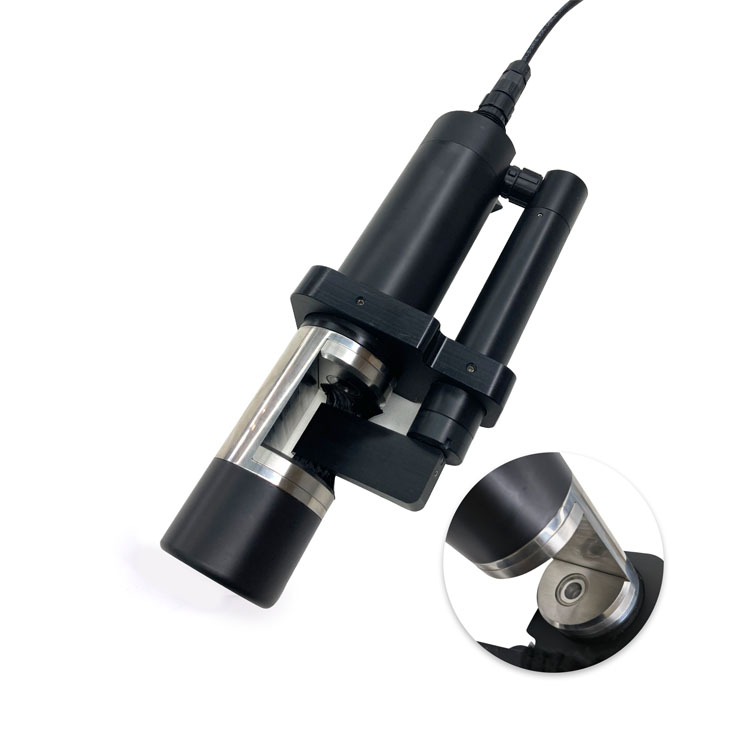
From an engineering perspective, the core task of papermaking plant wastewater monitoring is not single total control at the final discharge outlet, but deploying monitoring stations in layers at key workshop discharge outlets and the final discharge outlet according to the pollution source characteristics of different production sections, achieving dual control of source identification and end-of-pipe compliance.
The setting of papermaking plant wastewater monitoring stations needs to be determined according to the production process. The following are three types of typical monitoring points:
| Monitoring Point | Applicable Conditions | Engineering Purpose |
|---|---|---|
| Elemental Chlorine Bleaching Workshop Discharge Outlet | Papermaking plants using chlorine bleaching processes | Monitor the generation and discharge of adsorbable organic halogens (AOX) |
| Deinking Workshop Discharge Outlet | Papermaking plants with deinking processes and heavy metal discharge | Control heavy metal pollution and prevent poisoning of subsequent biochemical systems |
| Final Discharge Outlet | All types of papermaking plants | Determine whether the comprehensive effluent meets discharge standards |
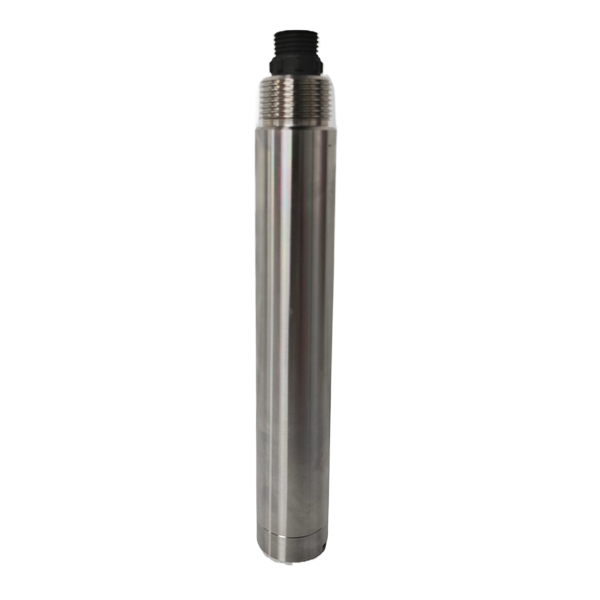
The final discharge outlet is the last checkpoint before all treated wastewater leaves the plant. Monitoring indicators need to cover comprehensive pollution levels. It is recommended to configure the following online monitoring parameters:
| Monitoring Parameter | Unit | Engineering Significance | Recommended NiuBoL Equipment |
|---|---|---|---|
| Flow | m³/h | Calculate total pollution load and provide billing basis | NBL-FM Electromagnetic Flowmeter |
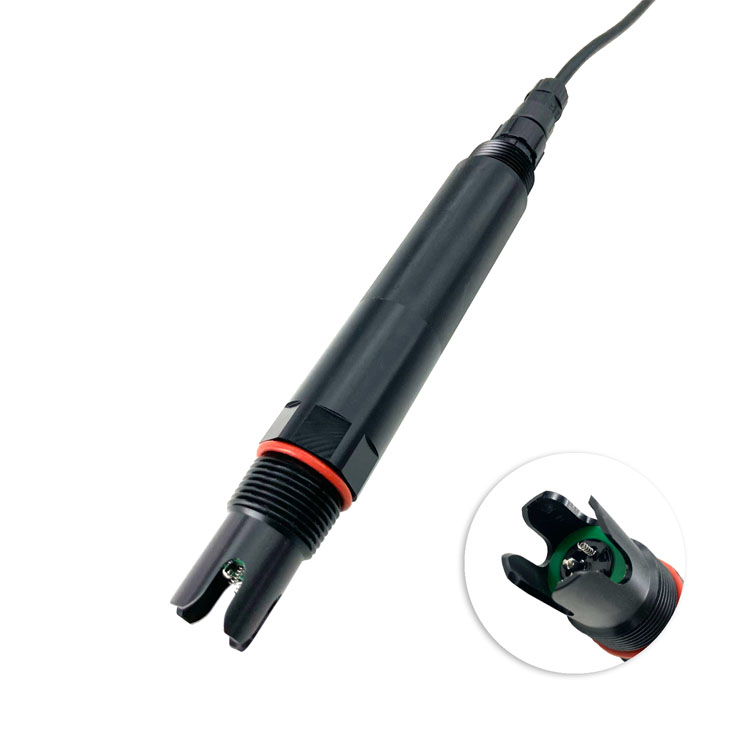
| pH Value | — | Affects subsequent processes and receiving water body ecology | NBL-WQ-pH Online pH Meter |
| Color | times | Reflects decolorization treatment effect, sensory indicator | NBL-Color Chroma Analyzer |
| COD | mg/L | Core organic pollution indicator, determines emission compliance | NB-WQ-CODcr Potassium Dichromate Method Analyzer |
| Ammonia Nitrogen | mg/L | Affects water body eutrophication | NBL-WQ-NH3-N Ion Selective Electrode Method |
| Suspended Solids (SS) | mg/L | Indirectly reflects sedimentation and filtration effects | NBL-SS Infrared Scattering Turbidity/SS Meter |
| Volatile Phenols | mg/L | Toxic organic compounds with strict limits | NBL-Phenol Dedicated Phenol Analyzer |
| Total Dissolved Solids (TDS) | mg/L | Reflects salt accumulation and affects reuse | NB-Conductivity Conductivity/TDS Probe |
Chlorine-containing bleaching processes produce adsorbable organic halogens (AOX), which include persistent organic pollutants such as dioxins and chlorophenols. The focus of monitoring at this point is:
| Monitoring Parameter | Unit | Description |
|---|---|---|
| Flow | m³/h | Calculate total AOX discharge |
| AOX | μg/L or mg/L | Determined by coulometric method or ion chromatography after activated carbon adsorption |
Deinking processes use surfactants, sodium hydroxide and complexing agents, which may introduce heavy metals (such as lead, chromium, cadmium). Monitoring at this point focuses on heavy metal indicators:
| Monitoring Parameter | Method | Description |
|---|---|---|
| Total Lead, Total Chromium, Total Cadmium | Anodic stripping voltammetry or colorimetric method | Pretreatment requires digestion to distinguish dissolved and particulate states |
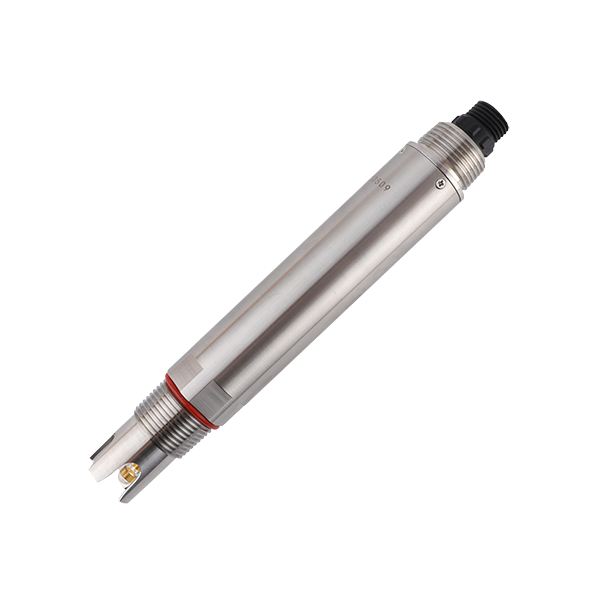
Papermaking plant wastewater monitoring points are scattered and working conditions are complex, requiring high standards for communication integration and protection levels of online monitoring equipment. NiuBoL provides the following engineering features:
| Feature | Technical Specifications |
|---|---|
| Communication Protocol | Modbus RTU (standard), Profibus DP, HART, EtherNet/IP (optional) |
| Data Upload | Supports MQTT protocol, can connect to environmental protection bureau data collectors and third-party platforms |
| Protection Level | IP65 (outdoor cabinet), optional insulation heat tracing and anti-corrosion coating |
| Automatic Cleaning | Ultrasonic + compressed air dual mode, suitable for high suspended solids conditions |
| Remote Operation and Maintenance | 4G/Wi-Fi module, supports remote calibration and fault diagnosis |
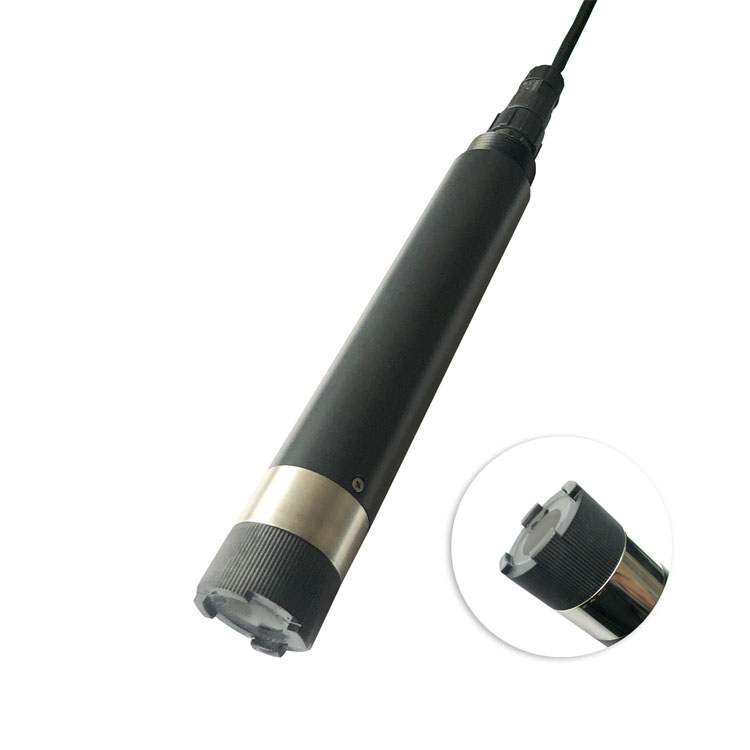
Q1: COD concentration in papermaking wastewater fluctuates greatly (500~5000 mg/L). Can online monitors adapt?
Yes. The NiuBoL NB-CODcr analyzer is equipped with full-range automatic switching function as standard, using the potassium dichromate method and high-temperature digestion at 165℃, with a response cycle of about 40 minutes. It is recommended to install a filtration device before the sampling point to prevent fibrous suspended solids from clogging the pipeline.
Q2: What is the maintenance cycle for AOX online monitoring equipment?
The activated carbon adsorption column of the NB-AOX analyzer is replaced every 30 days, and the combustion furnace catalyst is checked every 6 months. The equipment has a reagent remaining alarm function and can push maintenance reminders through the remote platform.
Q3: Does heavy metal monitoring at the deinking workshop discharge outlet require separate sample pretreatment?
Yes. Heavy metals in deinking wastewater partially exist in complexed states. The NiuBoL system integrates an ultraviolet digestion module, which automatically completes digestion before measurement, converting complexed heavy metals into free ions for detection.
Q4: How to uniformly connect equipment from multiple monitoring points to the central control system?
NiuBoL provides the NB-DTU data acquisition terminal, which supports 8-channel RS485 device convergence and uploads to the central control SCADA via Ethernet or 4G using Modbus TCP protocol. It also provides OPC UA interface, compatible with mainstream configuration software such as WinCC and KingView.
Q5: How to ensure accuracy of color monitoring at the final discharge outlet during decolorizing agent dosing fluctuations?
Using the platinum-cobalt colorimetric method (GB 11903), the NiuBoL NBL-Color has automatic zero-point calibration and bubble elimination functions. For extreme samples with color >500 times, the equipment can automatically dilute before measurement.
Q6: Papermaking wastewater contains large amounts of Ca²⁺ and SO₄²⁻. How is the pH electrode lifespan?
Ca²⁺ easily forms calcium sulfate scaling at the electrode liquid junction. The NiuBoL pH electrode adopts an open liquid junction and pressurized electrolyte system, combined with a weekly automatic acid washing program, with a typical lifespan of 12~18 months in papermaking wastewater.
 NBL-WQ-CL Water Quality Sensor Online Residual Chlorine Sensor.pdf
NBL-WQ-DO Online Fluorescence Dissolved Oxygen Sensor.pdf
NBL-WQ-NHN Ammonia Nitrogen Water Quality Sensor.pdf
NBL-WQ-COD Online Water Quality COD Sensor.pdf
NBL-WQ-PH Online pH Water Quality Sensor.pdf
Related recommendations
Sensors & Weather Stations Catalog
Agriculture Sensors and Weather Stations Catalog-NiuBoL.pdf
Weather Stations Catalog-NiuBoL.pdf
Agriculture Sensors Catalog-NiuBoL.pdf
Water Quality Sensor Catalog-NiuBoL.pdf
Related products
 Combined air temperature and relative humidity sensor
 Soil Moisture Temperature sensor for irrigation|NBL-S-THR
 Soil pH sensor RS485 soil Testing instrument soil ph meter for agriculture |NBL-S-PH
 Wind Speed sensor Output Modbus/RS485/Analog/0-5V/4-20mA
 Tipping bucket rain gauge for weather monitoring auto rainfall sensor RS485/Outdoor/stainless steel
 Pyranometer Solar Radiation Sensor 4-20mA/RS485

Screenshot, WhatsApp to identify the QR code
WhatsApp number:+8615367865107
(Click on WhatsApp to copy and add friends)

