





— Blogs —
—Products—
 Consumer hotline +8618073152920
 WhatsApp:+8615367865107
Address:Room 102, District D, Houhu Industrial Park, Yuelu District, Changsha City, Hunan Province, China
Product knowledge
Time:2025-12-03 11:11:23 Popularity:637
Is a Field Microclimate Observation Station Actually Useful?
Yes — unequivocally. It plays an indispensable role in modern agricultural production.
Crop growth depends on optimal combinations of temperature, humidity, light, and water. Traditional experience-based weather prediction can no longer meet the demands of fine-scale, scientific management. The field microclimate observation station is the key technology that solves this pain point.
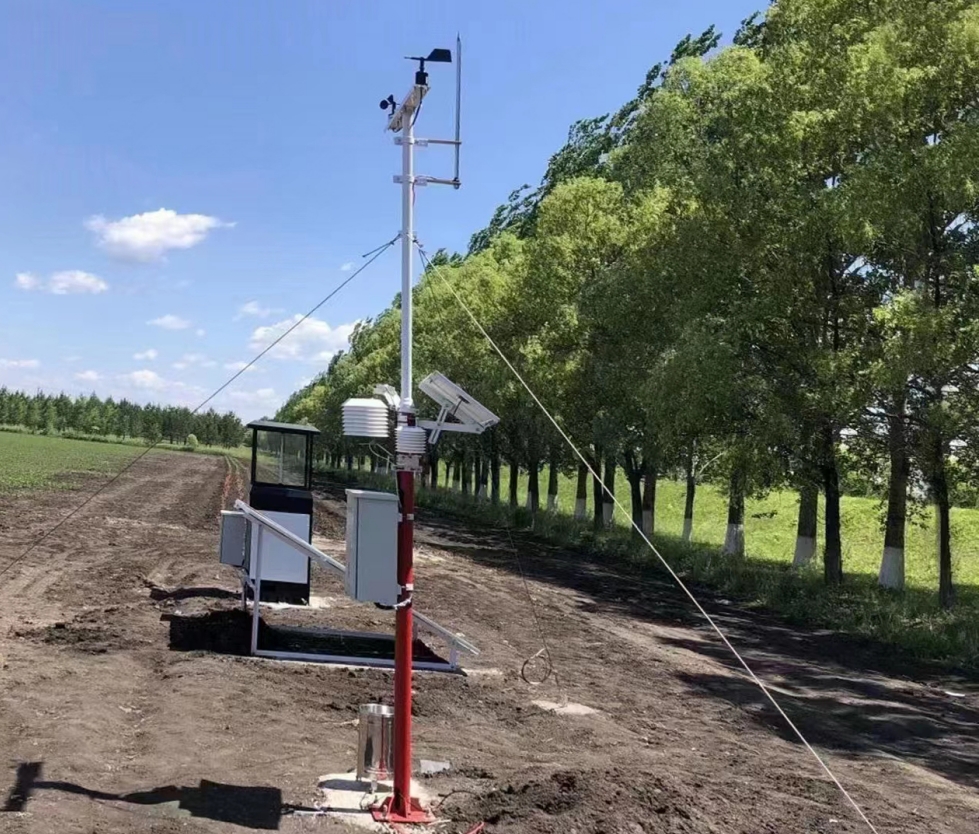
- Supports agricultural planning: Continuous monitoring and recording of temperature, humidity, light, and moisture for better scheduling.
- Optimizes resource allocation: Precise environmental insights enable informed decisions on sowing dates, irrigation volume, and fertilization timing.
- Prevents meteorological disasters: Early warning of drought, heat waves, frost, etc., minimizing catastrophic losses.
- Increases yield and income: Fine-tuned management ensures crops grow under ideal conditions, significantly improving quality and output.
- Promotes sustainable development: Real-time soil moisture tracking drives water-saving practices and higher resource efficiency.
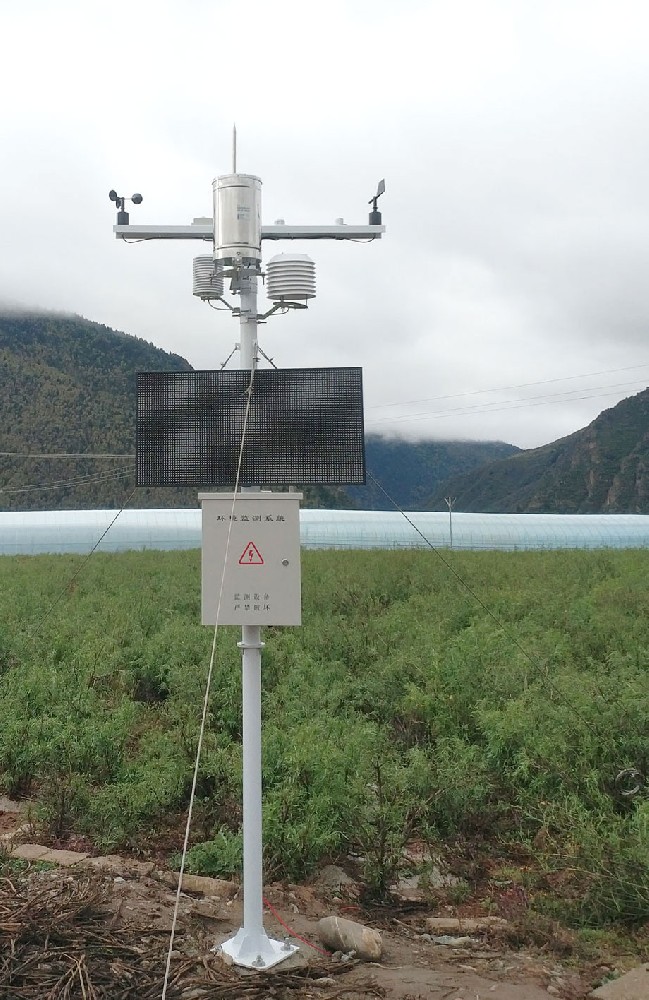
The NiuBoL field microclimate station is a practical application of IoT in agriculture, achieving fully automatic, unattended operation across diverse terrains and environments.
Built on an IoT architecture with integrated, automated, and wireless design:
1. Energy self-sufficiency: Solar panels convert sunlight into electricity stored in batteries, ensuring 24/7 operation day and night.
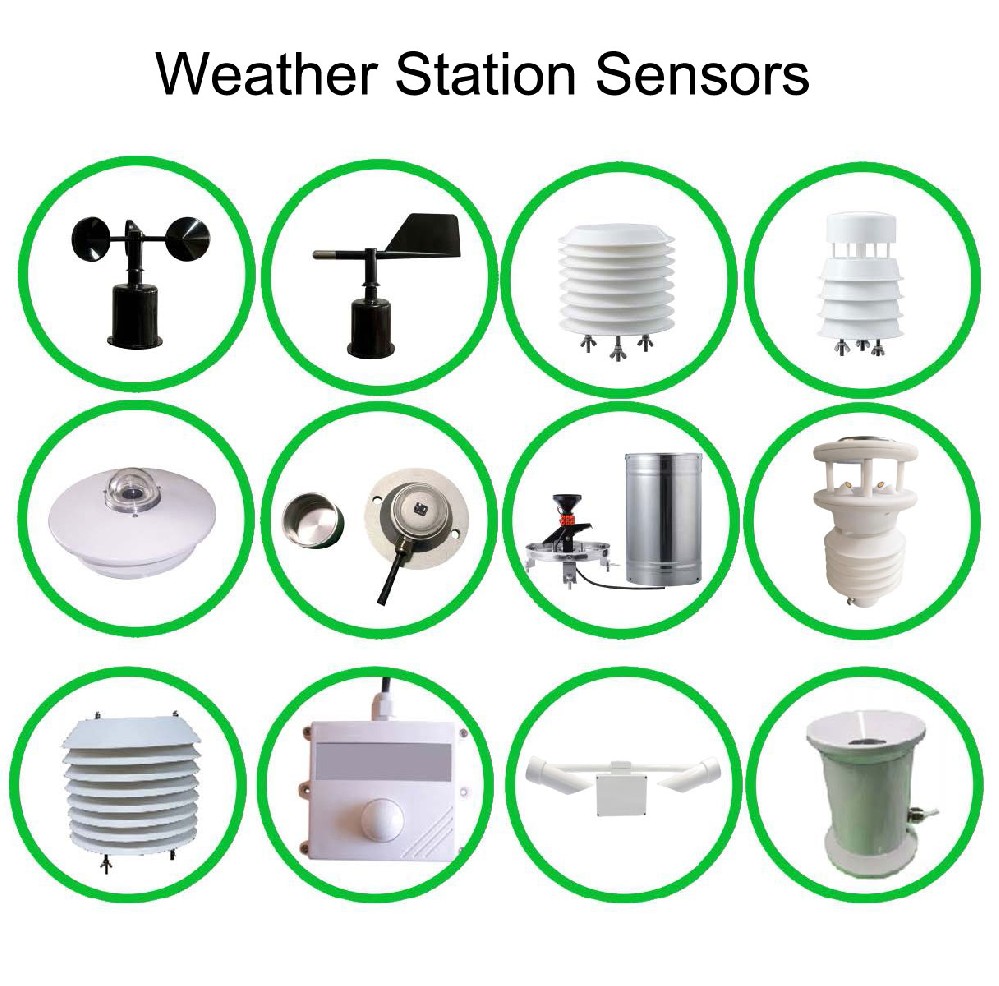
2. Multi-dimensional sensing: High-precision agricultural sensors continuously monitor air temperature, humidity, solar radiation, wind speed/direction, rainfall, air pressure, etc.
3. Wireless transmission: Data logger collects information and sends it via built-in DTU/communication module over 4G/5G networks to the cloud platform.
4. Remote analysis & visualization: Cloud platform processes data; users access it via PC, mobile APP, or on-site large-screen displays.
| Component | Main Function | Key Technology |
| Sensors | Real-time collection of temperature, humidity, wind, rain, light, etc. | High-precision, low-power agrometeorological sensors |
| Data Logger | Collects, stores, and pre-processes sensor data | Supports RS485-HUB for device expansion |
| DTU / Communication Module | Transmits data to cloud via 4G/5G | Built-in wireless module |
| Solar Power System | Converts and stores solar energy for continuous power | Solar panel + battery + charge controller |
| Management Platform / APP | Remote monitoring, analysis, reporting, alerts | Cloud-based system |
In advanced automated scenarios, it can also integrate PLC (industrial control), gateways, and network cameras for video surveillance.
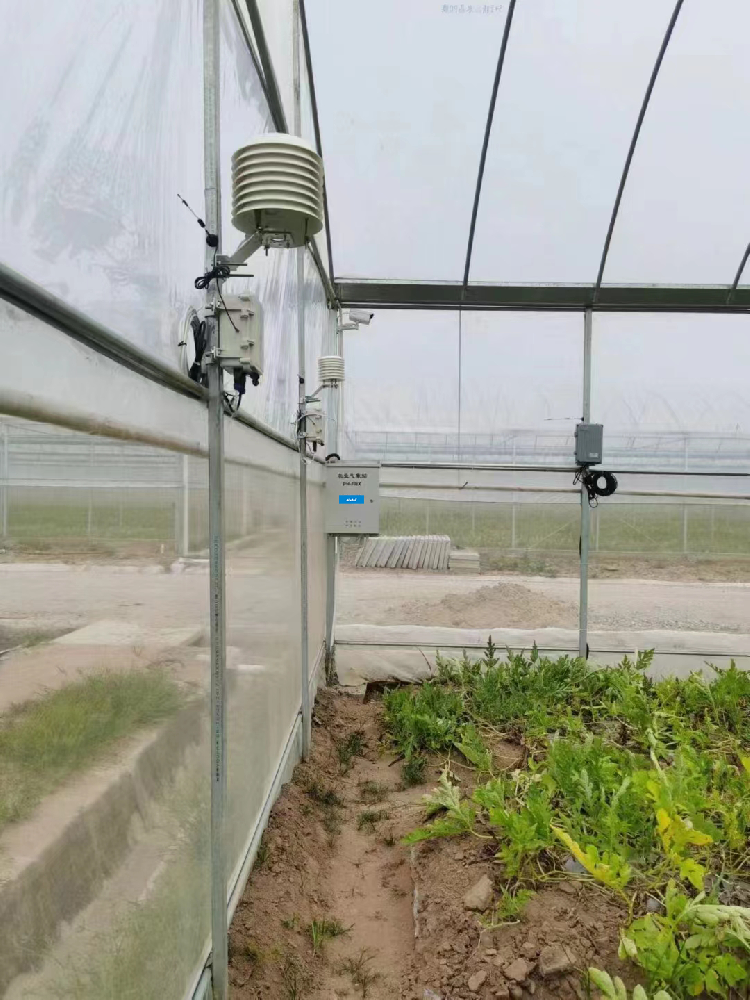
- Atmospheric monitoring: Real-time air temperature, humidity, wind, rainfall, light — for weather forecasting and evapotranspiration assessment.
- Automatic soil moisture monitoring: Multi-depth, multi-layer dynamic soil temperature and moisture tracking for precise irrigation guidance.
- Comprehensive parameters: Air pressure and more, providing complete data for forecasting models.
- Large-scale agricultural bases: Scientific management boosts quality, yield, and revenue.
- Water-saving agriculture: Soil moisture data drives need-based irrigation.
- Farm climate evaluation: Identify best-suited crops and optimize planting structure.
- Pest/disease & disaster prevention: Temperature, humidity, and rainfall data feed prediction models for early warning of pests, drought, or frost.
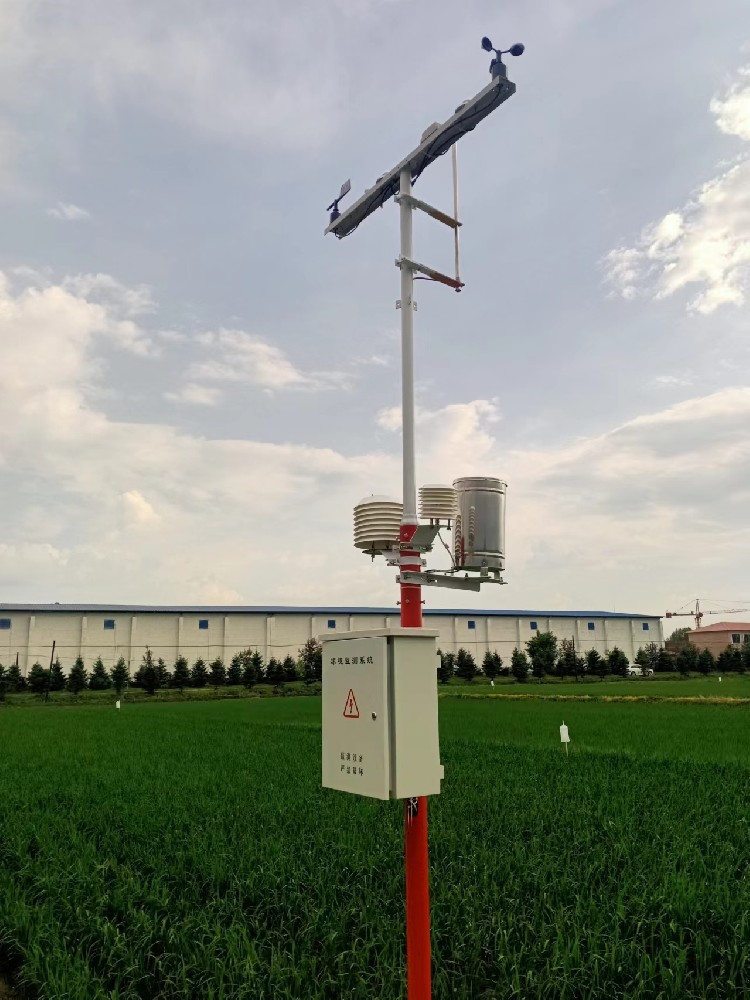
Customize your NiuBoL station based on crop and management needs:
1. Core parameters (e.g., rice → rainfall focus; grapes → temperature/humidity + leaf wetness).
2. Soil monitoring depth (single or multi-layer).
3. Transmission method (4G/5G wireless recommended).
4. Extensions (PLC automation, video surveillance).
| Symptom | Possible Cause | Solution |
| Data transmission lost | Weak 4G/5G signal, DTU failure, power interruption | Check signal & power; verify battery charge |
| Solar system not charging | Panel blocked by leaves/vines | Clean solar panel surface |
| Abnormal soil data | Poor probe-soil contact or displacement from tillage | Re-bury probe to correct depth and compact soil |
| Station stops working | Battery capacity low or end-of-life | Check charge/discharge cycle; replace if needed |
| Missing rainfall data | Rain gauge blocked by mud or debris | Regularly clean collection funnel |
A: Air temperature, humidity, solar radiation, wind speed/direction, rainfall, air pressure; expandable to soil temperature, moisture, and salinity.
A: Solar panels + battery storage guarantee continuous power day and night.
A: No — built-in DTU uses 4G/5G wireless transmission, eliminating cable installation.
A: Real-time access via web platform, mobile APP, or on-site large-screen display.
A: Precise early warnings for drought, heat, or frost allow timely protective measures.
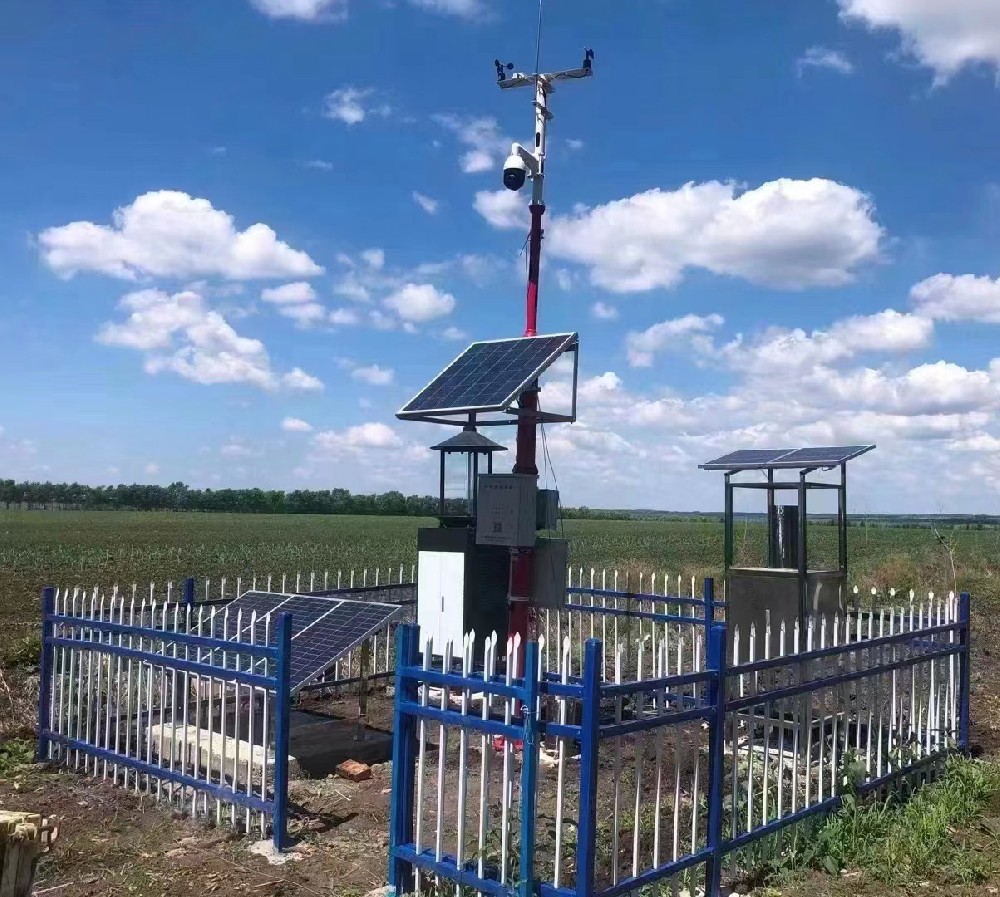
A: Yes — configurable sensors dynamically track temperature and moisture at multiple depths.
A: Real-time soil moisture data enables irrigation only when truly needed.
A: Yes — network cameras provide live video streaming of fields and crop growth.
A: Yes — temperature and humidity inputs feed pest/disease forecasting models.
A: No — fully automatic unattended operation. Maintenance is minimal: periodic cleaning of rain gauge and solar panel, battery checks.
A: CE, ISO9001, RoHS, and nationally recognized meteorological calibration certificates.
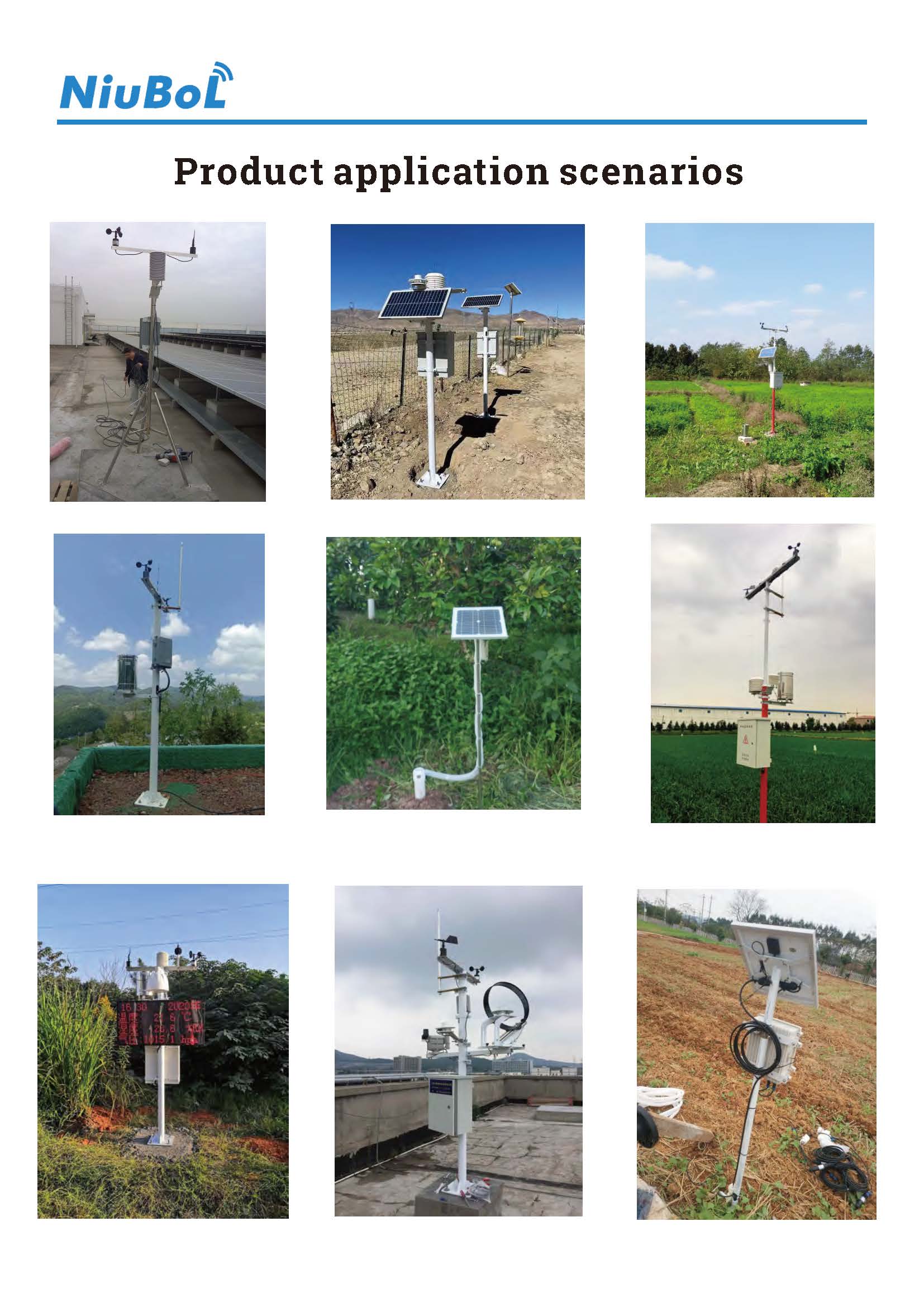
The NiuBoL Field Microclimate Observation Station is a cornerstone of modern IoT agriculture. Through round-the-clock, high-precision monitoring of meteorological and soil conditions, it transforms traditional experience-based farming into data-driven science. It empowers growers with scientific planning, disaster prevention, and resource optimization — dramatically improving efficiency, yield, and profitability while advancing agricultural modernization and sustainability.
Need a customized sensor configuration list tailored to your specific crops (e.g., greenhouse vegetables or high-value orchards)? We’re ready to help!
Prev:Smart Agricultural Meteorological Station Functions
Next:Meteorological Monitoring Station Manufacturer Recommendation
Related recommendations
Sensors & Weather Stations Catalog
 Agriculture Sensors and Weather Stations Catalog-NiuBoL.pdf
Weather Stations Catalog-NiuBoL.pdf
Agriculture Sensors Catalog-NiuBoL.pdf
Water Quality Sensor Catalog-NiuBoL.pdf
Related products
 Combined air temperature and relative humidity sensor
 TDR Soil Moisture & Temperature Sensor for irrigation| RS485 |4-20mA| NBL-S-THR
 Soil pH sensor RS485 soil Testing instrument soil ph meter for agriculture |NBL-S-PH
 Wind Speed sensor Output Modbus/RS485/Analog/0-5V/4-20mA
 Tipping bucket rain gauge for weather monitoring auto rainfall sensor RS485/Outdoor/stainless steel
 Pyranometer Solar Radiation Sensor 4-20mA/RS485

Screenshot, WhatsApp to identify the QR code
WhatsApp number:+8615367865107
(Click on WhatsApp to copy and add friends)

