





— Blogs —
—Products—
 Consumer hotline +8618073152920
 WhatsApp:+8615367865107
Address:Room 102, District D, Houhu Industrial Park, Yuelu District, Changsha City, Hunan Province, China
Product knowledge
Time:2025-12-03 10:59:56 Popularity:805
A smart agricultural meteorological station is an integrated, efficient, and energy-saving meteorological monitoring solution specially designed for agricultural activities. By real-time and precisely monitoring multiple meteorological elements in and around farmland, it provides scientific data support for intelligent and precision agricultural production.
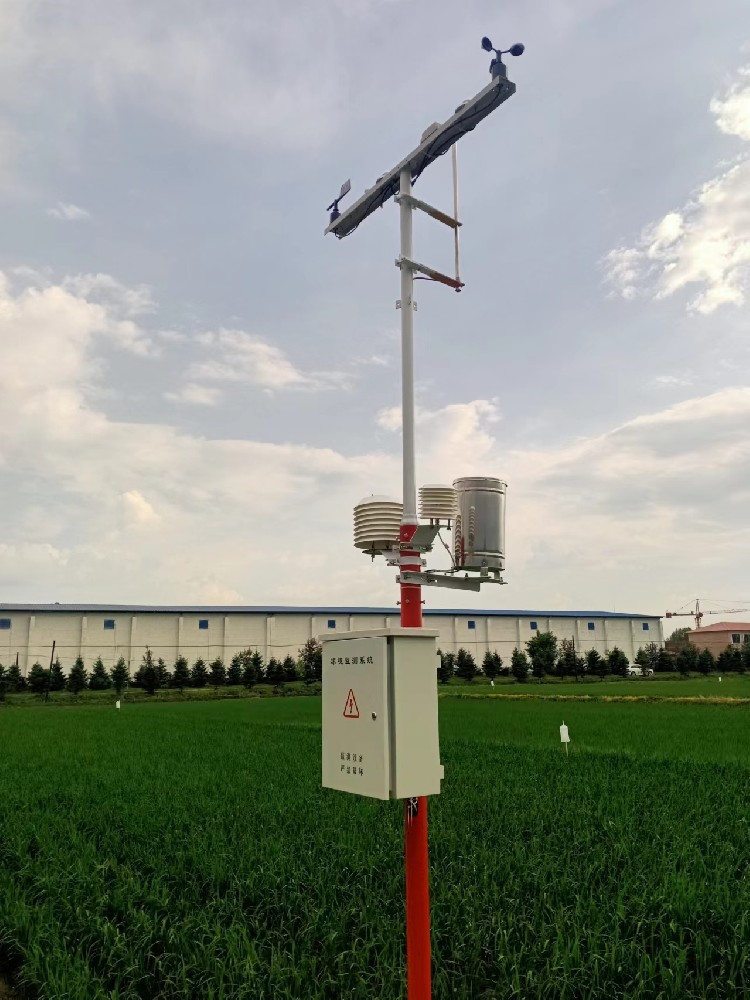
The core principle is the use of automated collection technology to perform integrated, real-time monitoring of atmospheric and soil environments, efficiently converting data into scientific guidance for farming decisions:
1. Multi-dimensional data acquisition – Multiple high-precision sensors continuously monitor air temperature, humidity, wind speed/direction, precipitation, light, soil temperature/moisture, pH, EC, etc.
2. Real-time transmission & management – Data is transmitted via wired or wireless networks (4G, WiFi, etc.) to a central database and the cloud platform.
3. Intelligent analysis & application – The cloud platform processes, stores, statistically analyzes, and graphically displays data (curves, bar charts). Combined with crop growth stages, it automatically generates weather forecasts, alerts, and farming recommendations.
4. Remote control & visualization – Users access real-time and historical data via PC or mobile APP, combined with video surveillance and GIS mapping for remote, intuitive farmland supervision and command.
This refined meteorological service enables farmers to anticipate weather changes, standardize operations, and significantly improve crop yield and quality (especially for high-value crops like tea).
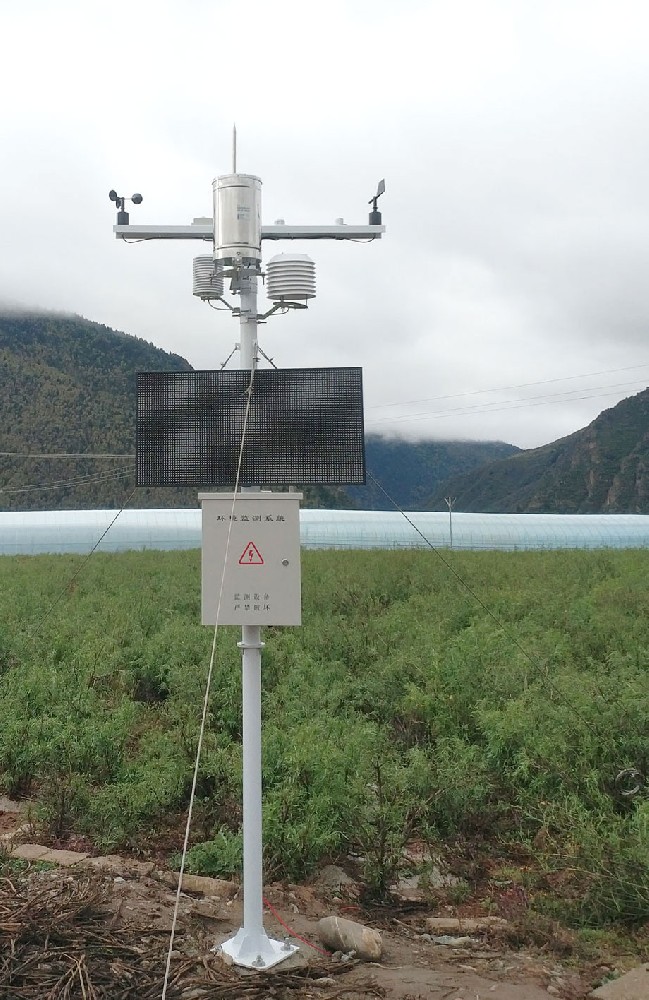
The NiuBoL station is a highly integrated system designed with full consideration of the complexity and special requirements of farmland environments.
| Sensor Category | Monitored Parameters | Agricultural Guidance Significance |
| Atmospheric | Air temperature, humidity | Influences growth, irrigation, pest & disease control |
| Wind | Wind speed, wind direction | Assesses wind damage risk, microclimate regulation, pollination |
| Hydrological | Rainfall amount & intensity | Critical for water management and avoiding soil saturation |
| Light | Solar radiation intensity | Key for photosynthesis, transpiration, and growth |
| Soil | Soil temperature, moisture | Determines sowing, fertilization, irrigation strategies |
| Extended | Leaf wetness, CO₂, pH, EC | Guides disease prevention, nutrient uptake, soil improvement |
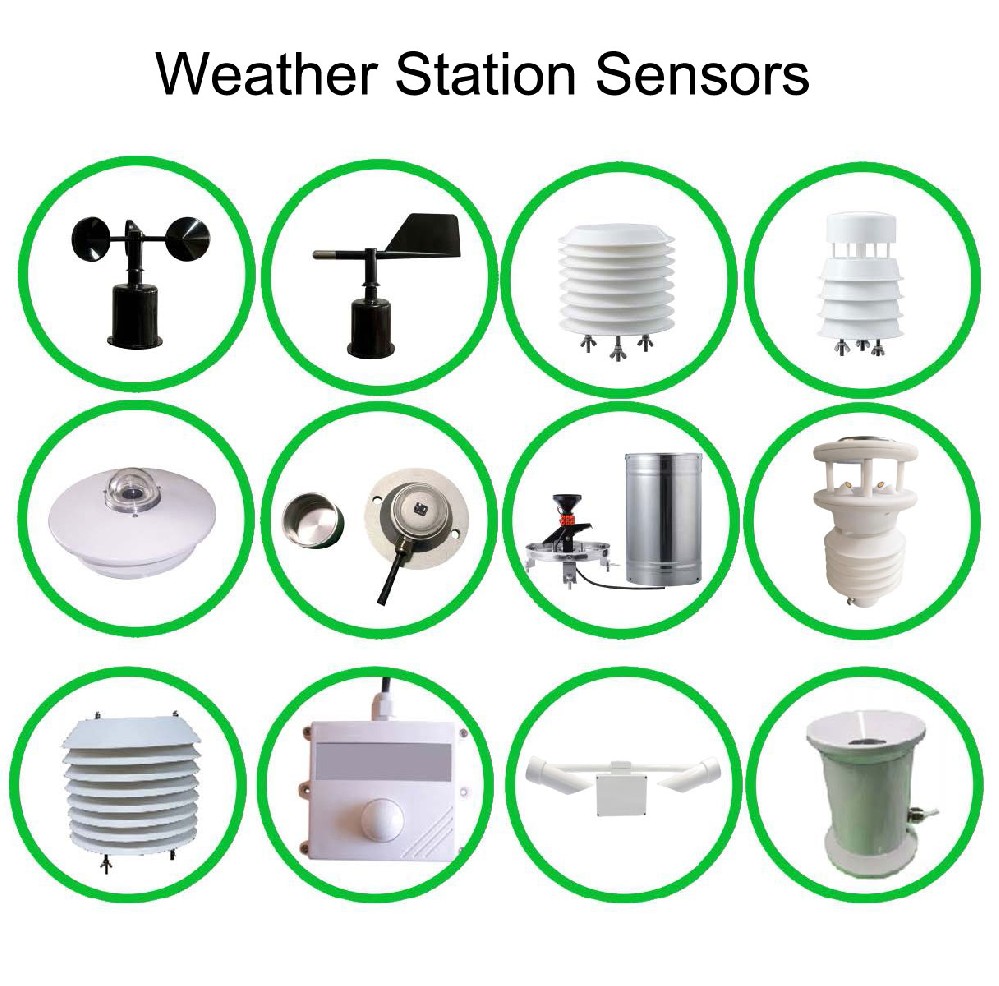
The cloud platform is the “brain” of the system, delivering powerful data management, analysis, and remote monitoring:
1. Real-time monitoring & graphical display – Instant parameter visualization via curves, bar charts, etc.
2. Data management – Full database functions: search, export, print, statistics, and charting.
3. Alerts & early warning – Detects extreme weather, triggers agricultural disaster warnings, and sends SMS notifications to reduce losses.
4. Visualization & positioning – Photos from cameras uploaded directly; meteorological data overlaid on video. GIS mapping integrates location + real-time data for precise site monitoring.
5. Remote command – Anytime access via APP/PC, plus live video for remote supervision, warning, and decision-making.
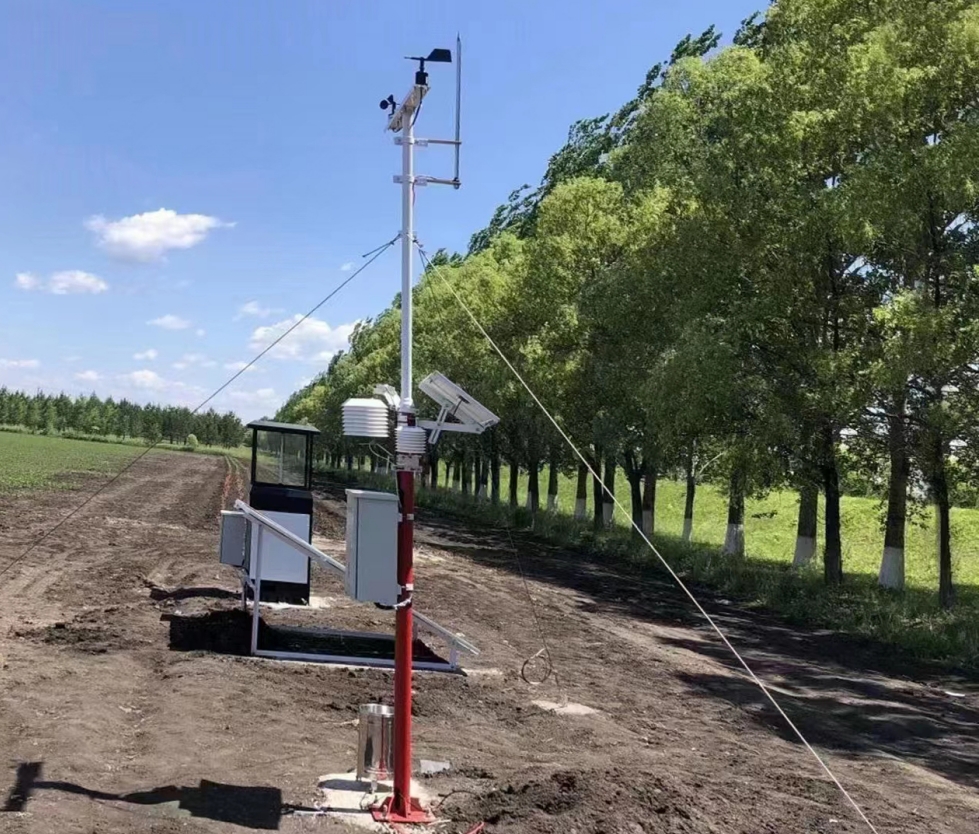
Reliability in Harsh Environments
- Extreme climate adaptation: Operates normally from –40 °C to +80 °C.
- Power stability: Supports mains + solar options, low power consumption for long-term off-grid operation.
- Structural durability: Corrosion-resistant, anti-interference materials for extended service life.
- Field crops (rice, wheat): Focus on rainfall, temperature, wind, soil moisture
- High-value crops (tea, orchards): Prioritize air & leaf humidity, light, soil temperature/moisture
- Greenhouses: Emphasize CO₂, air temperature/humidity, plus video & remote control
Remote fields → Solar + 4G/5G (plug-and-play, off-grid)
Large parks → Mains power + wired/WiFi for higher stability and big-screen displays
For remote command, multi-site management, and disaster alerts → Choose full-featured platform with GIS and SMS alarm support.
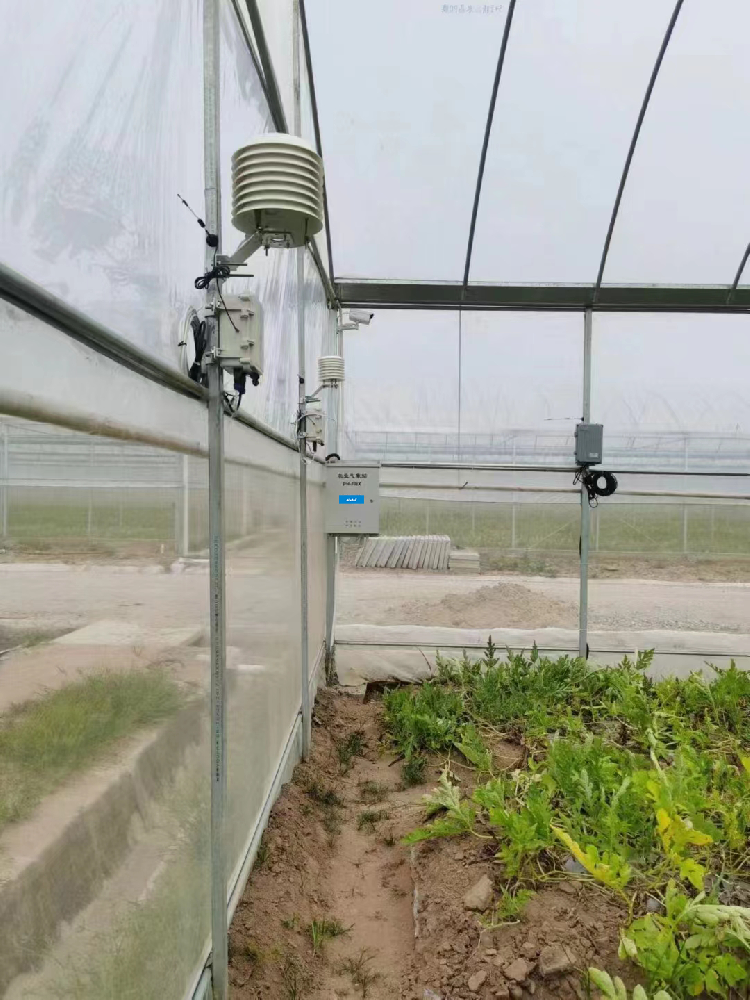
| Symptom | Possible Cause | Solution |
| Abnormal wind speed/direction | Vines, bird nests, or debris blocking sensor | Regularly clear obstacles around sensor; ensure free rotation |
| Constant soil moisture reading | Poor probe-soil contact or probe exposed to air | Fully bury probe and compact surrounding soil |
| Large rainfall deviation | Rain gauge blocked by mud/leaves | Clean collection mouth; check tipping bucket movement |
| Cloud platform data loss | Weak 4G/WiFi signal, overdue SIM, low solar power | Check signal, SIM status, clean solar panel, verify battery charge |
| No data transmission in cold weather | Battery performance drop in low temperature | Use cold-resistant batteries or add insulation |
A: Standard: soil temperature & moisture. Advanced configurations add pH and EC (salinity).
A: The platform integrates official national forecasts with local real-time data to deliver hyper-local (hourly, daily, 10-day) predictions.
A: Ultra-low-power sensors + efficient solar system + intelligent power management.
A: Real-time detection of critical thresholds (frost, prolonged drought) triggers instant SMS/APP alerts for timely countermeasures.
A: High-precision sensors are used, but periodic calibration and testing per manual and industry standards are recommended.
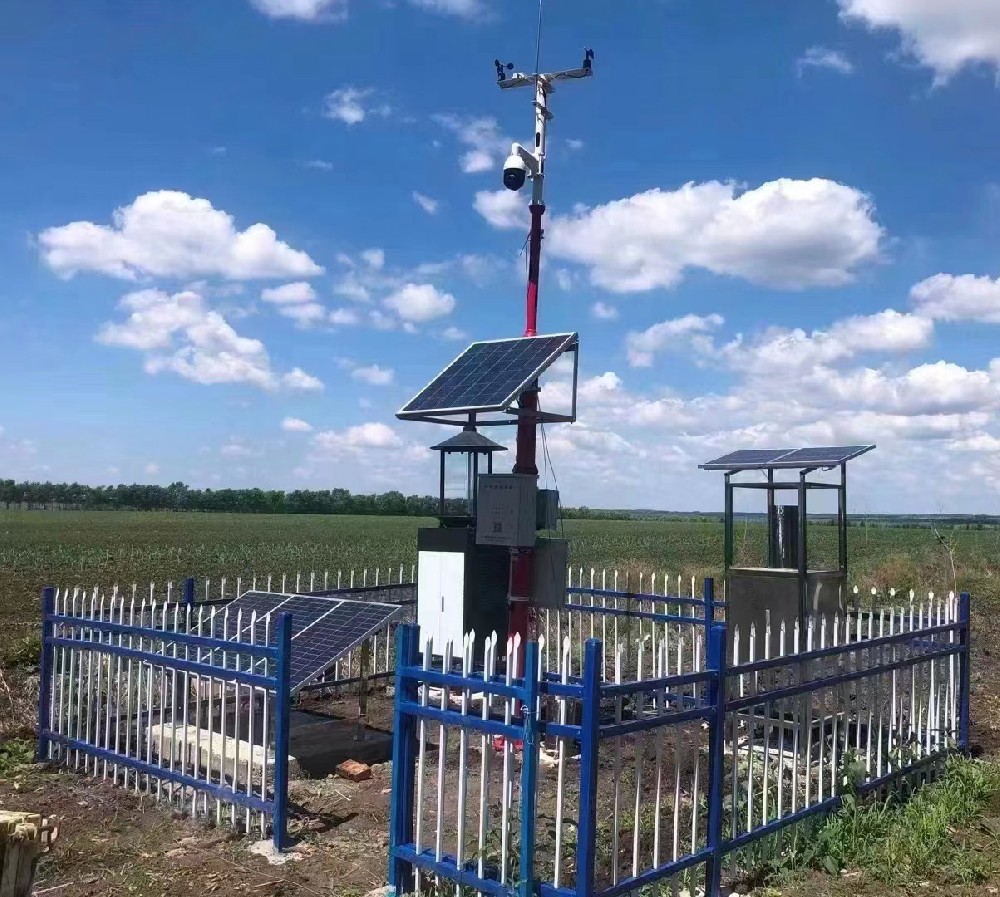
A: Yes. All devices are bound to your account via unique ID for unified multi-site monitoring.
A: Waterproof cameras provide real-time field views with meteorological data directly overlaid on the video feed.
A: Displays real-time status of every monitoring point on a map for precise zoned management and decision-making.
A: Monitors temperature, humidity, and rainfall to pinpoint optimal picking windows, pest risks, and irrigation needs for standardized, scientific management.
A: Designed for extreme climates, fully functional from –40 °C to +80 °C.
A: CE, ISO9001, RoHS, and nationally recognized meteorological calibration certificates.
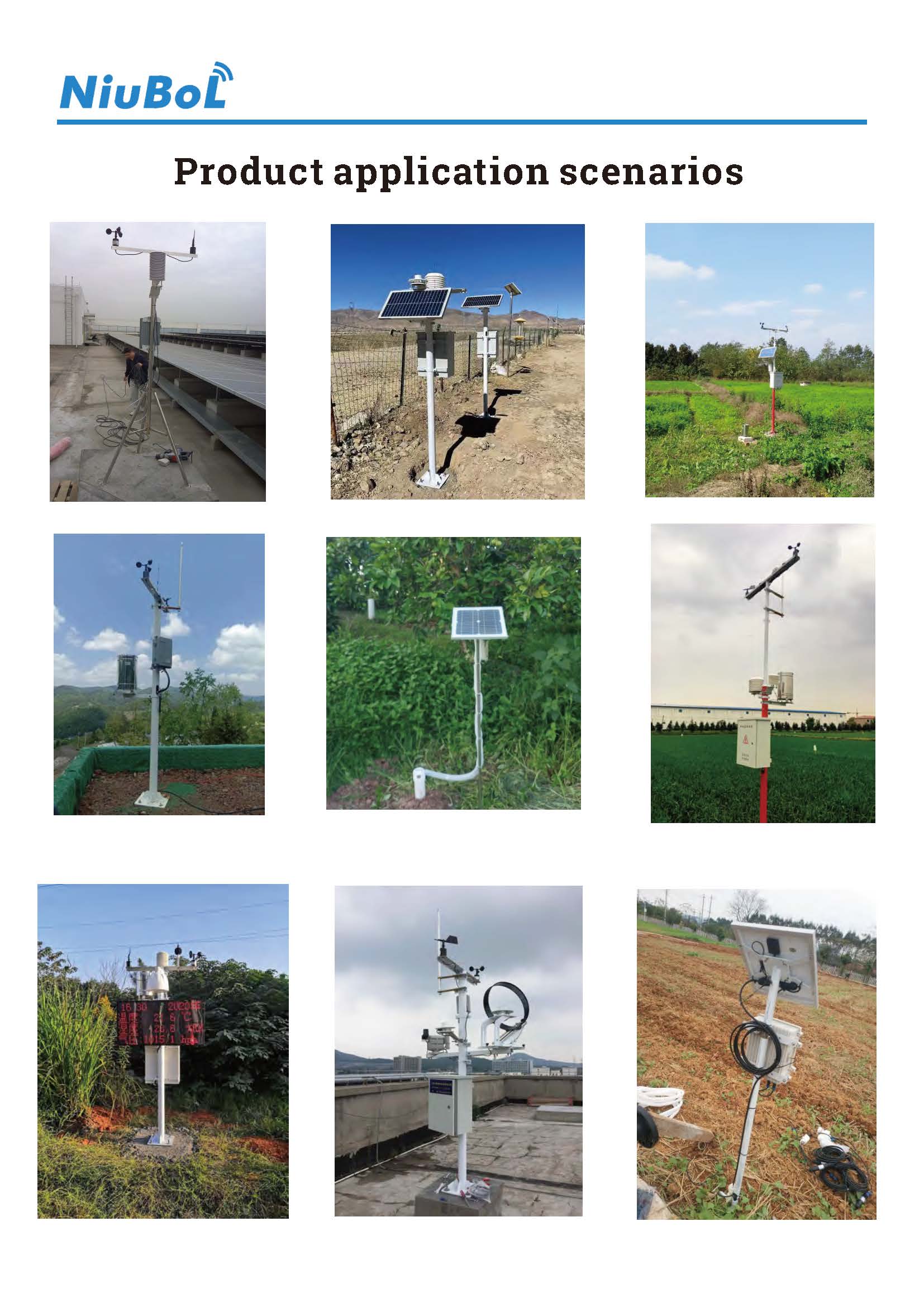
The NiuBoL Smart Agricultural Meteorological Station is far more than a simple data logger — it is a comprehensive smart agriculture solution integrating data acquisition, intelligent transmission, cloud analysis, and remote command. It brings professional meteorological services directly to the field, shifting farmers from experience-based to data-driven management.
Through precise environmental perception, scientific early warning, and efficient management, NiuBoL stations have become a core enabler for ensuring food security, promoting sustainable agriculture, and enhancing both the quality and economic value of agricultural products.
Prev:Agricultural Meteorological Station Empowering Smart Agriculture and Specialty Crops
Next:Value and Technical Analysis of NiuBoL Field Microclimate Observation Station
Related recommendations
Sensors & Weather Stations Catalog
 Agriculture Sensors and Weather Stations Catalog-NiuBoL.pdf
Weather Stations Catalog-NiuBoL.pdf
Agriculture Sensors Catalog-NiuBoL.pdf
Water Quality Sensor Catalog-NiuBoL.pdf
Related products
 Combined air temperature and relative humidity sensor
 TDR Soil Moisture & Temperature Sensor for irrigation| RS485 |4-20mA| NBL-S-THR
 Soil pH sensor RS485 soil Testing instrument soil ph meter for agriculture |NBL-S-PH
 Wind Speed sensor Output Modbus/RS485/Analog/0-5V/4-20mA
 Tipping bucket rain gauge for weather monitoring auto rainfall sensor RS485/Outdoor/stainless steel
 Pyranometer Solar Radiation Sensor 4-20mA/RS485

Screenshot, WhatsApp to identify the QR code
WhatsApp number:+8615367865107
(Click on WhatsApp to copy and add friends)

