





— Blogs —
—Products—
 Consumer hotline +8618073152920
WhatsApp:+8615367865107
Address:Room 102, District D, Houhu Industrial Park, Yuelu District, Changsha City, Hunan Province, China
Product knowledge
Time:2025-12-03 10:46:52 Popularity:733
A leaf wetness upgrade adds a crop-surface observation to an agricultural weather station; it does not replace the existing air-humidity or rainfall measurements. For a NiuBoL NBL-W-LM installation, check power, RS485 settings, logger interpretation and canopy placement before connecting the new channel. Keep the original weather records unchanged during the extension.
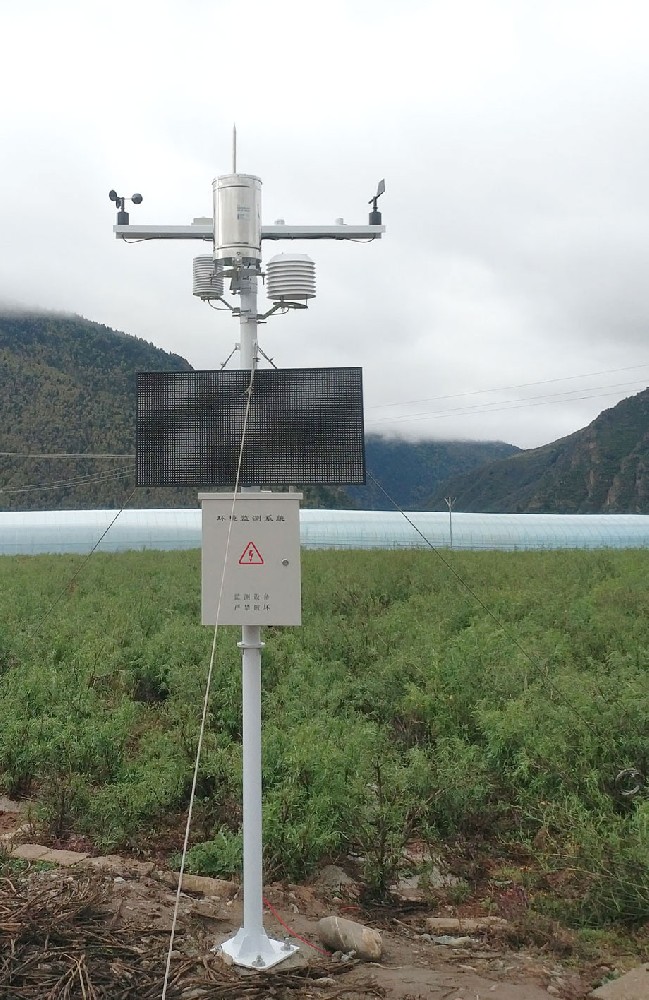
A vineyard, orchard or medicinal-crop project may need to know when a representative leaf-like surface becomes wet and dries. Rainfall can identify a precipitation event, while air RH describes moisture in the air. Neither alone measures the wetness of the crop surface after dew, rain residue or overhead irrigation.
Add the leaf sensor where that distinction matters to the intended observation or crop-specific assessment. Do not describe it as a disease detector or assume that a new surface channel automatically generates a treatment recommendation. The agricultural method using the measurements must also be defined.
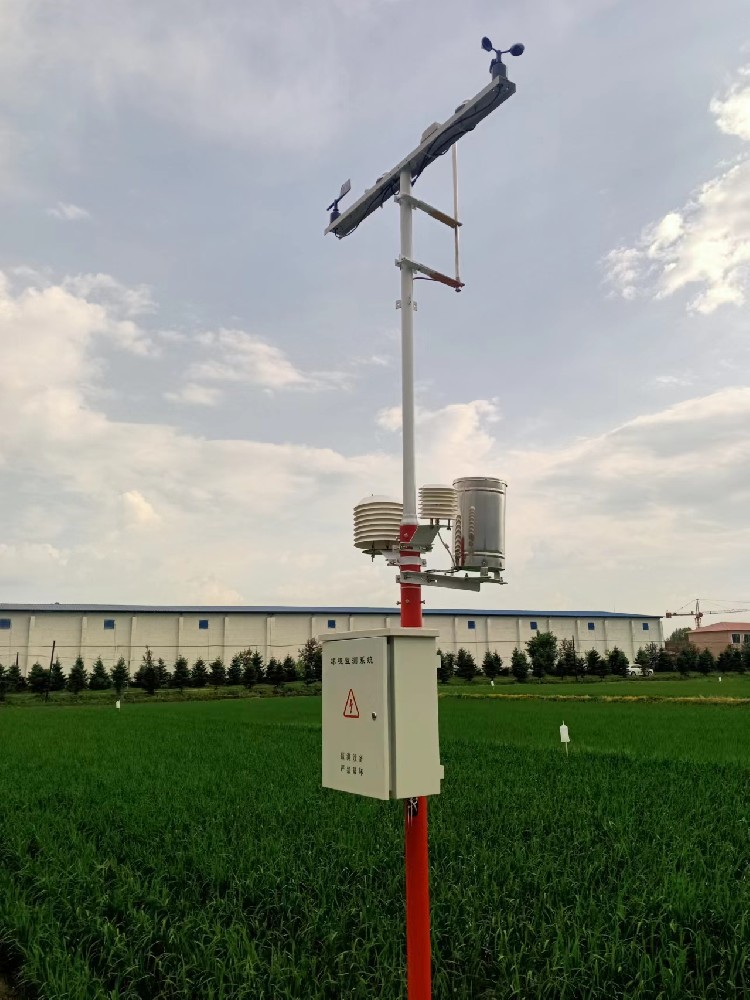
Identify the logger, available input and supply arrangement. The NBL-W-LM uses RS485 communication and DC 12-24 V. Confirm that the receiving configuration supports the selected device and its data interpretation; an unused connector is not by itself evidence of a supported channel.
| NBL-W-LM item | Specification | Upgrade consequence |
|---|---|---|
| Measured quantities | Leaf-surface wetness indicator and temperature | Keep these distinct from ambient RH |
| Supply | DC 12-24 V | Check the voltage and available supply capacity |
| Communication | RS485 Modbus; default 9600 bps | Use a suitable address and matching serial settings |
| Communication interval | 1000 ms or longer | Do not poll faster merely to refresh the screen |
| Power | 72 mW standby; 120 mW peak | Add the load to the station power budget |
| Temperature channel | -40 to 80 deg C; accuracy +/-0.5 deg C | Identify it as sensor-surface temperature |
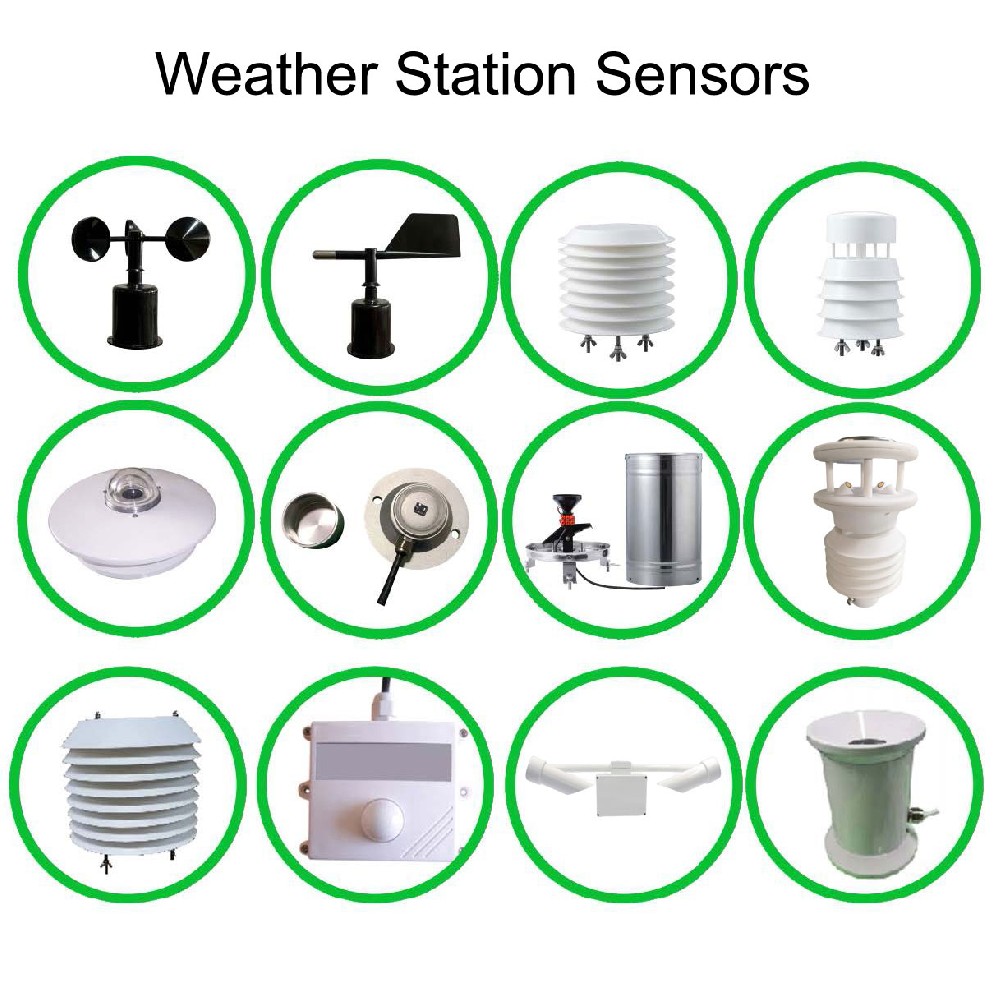
Use separate names for leaf-surface wetness, leaf-sensor temperature, air temperature and air RH. Check the decoded values against the device's output definition. A familiar percentage sign does not make a surface-wetness indicator interchangeable with atmospheric relative humidity.
When adding a device to the same RS485 bus, avoid an address collision with an existing instrument. Preserve the previous device settings and logger configuration before making the change. After connection, verify both the new leaf channels and the original weather channels; a successful new read is not enough if an old channel has disappeared.
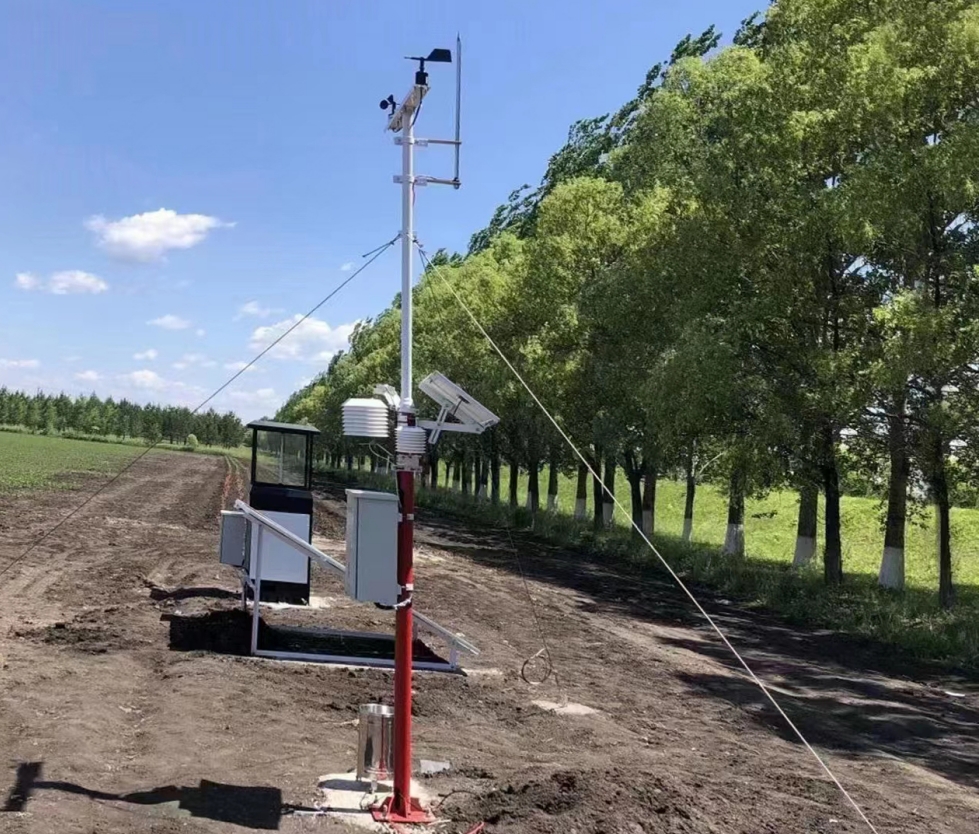
Position the leaf-shaped surface near representative foliage with an exposure appropriate to the crop and assessment method. A sensor on the station mast may experience different rain interception, shade and drying from leaves inside the canopy. Record the location and orientation rather than treating a mounting bracket as the observation definition.
Protect the cable from routine cultivation, pruning and irrigation work. Avoid placing the sensing face where a roof or support shields it from the wetting process being studied. Cleanliness also matters: deposits and spray residues can alter wetting and drying behavior without changing the sensor's electrical communication.
The logger's saving schedule is separate from how often the device can be read. The NBL-PH-1 has a configurable saving interval of 1-240 minutes. Check whether the selected record and interval preserve the wetting events the project needs; a frequently refreshed live value does not establish a detailed history.
If the project needs wetness duration, define the threshold, invalid-data handling and time calculation for the chosen method. Keep the surface readings available where required. Do not derive an exact wet period from a sparse series without acknowledging its timing limits, or fill a missing interval with an assumed dry condition.
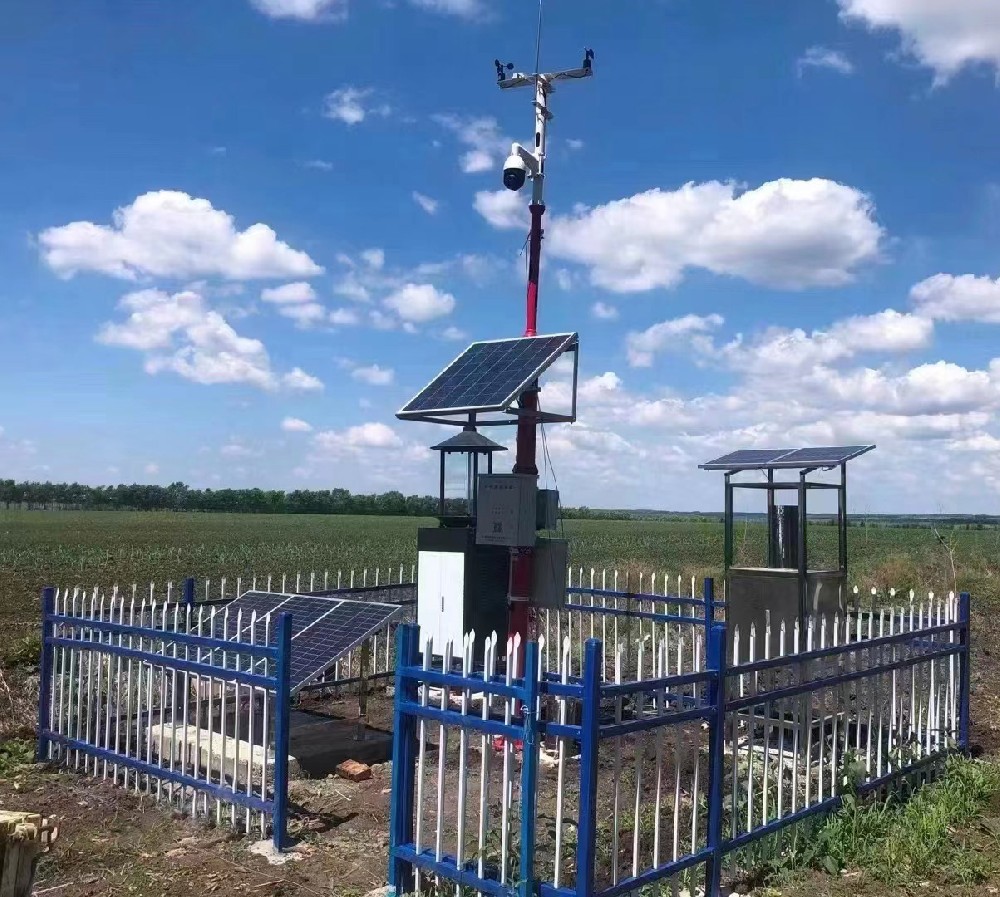
During commissioning, identify a controlled surface-response check and distinguish it from operational observations. Confirm the expected wet/dry response using an appropriate procedure, then verify the channel label, temperature channel and timestamps at the receiver. Do not use the test to imply a disease-risk threshold has been validated.
Check that existing rainfall, air and wind records retain their identities, units and recording settings. Review power and communication behavior with the extra device connected. The extension should produce an additional interpretable observation, not an unexplained change to the station's existing history.
For a NiuBoL leaf wetness upgrade inquiry, provide the current logger, sensor list, communication settings, available supply and crop-canopy location. State whether the requirement is direct surface monitoring, wetness duration or input to a specified crop model. This identifies the required hardware and any additional receiving-software work.
No. Air RH and surface wetness describe different conditions. A surface may remain wet after rain or irrigation even when an air-humidity threshold alone would not describe the wet period.
No. Check supply capacity, bus settings, address availability and logger interpretation of the new device. Verify the existing channels after adding it.
Only if that exposure represents the intended crop-surface observation. A mast location outside the canopy may have a different wetting and drying pattern from the foliage being assessed.
No. Disease assessment requires the relevant crop method or model and its inputs. Adding hardware does not establish a validated threshold or treatment decision.
Verify the surface and temperature channels, interpretation, time and placement. Confirm that the existing weather channels and required power and communication behavior remain satisfactory.
A leaf wetness upgrade is useful when it adds information the existing weather station cannot observe. Match the NBL-W-LM to the logger and supply, place its surface in a representative crop exposure, and verify the new record without altering the original weather series.
Prev:IoT Rainfall Monitoring Station Technical Analysis and Application Guide
Next:Agricultural Weather Station Platform: Display, Maps and Video
Related recommendations
Sensors & Weather Stations Catalog
 Agriculture Sensors and Weather Stations Catalog-NiuBoL.pdf
Weather Stations Catalog-NiuBoL.pdf
Agriculture Sensors Catalog-NiuBoL.pdf
Water Quality Sensor Catalog-NiuBoL.pdf
Related products
 Combined air temperature and relative humidity sensor
 TDR Soil Moisture & Temperature Sensor for irrigation| RS485 |4-20mA| NBL-S-THR
 Soil pH sensor RS485 soil Testing instrument soil ph meter for agriculture |NBL-S-PH
 Wind Speed sensor Output Modbus/RS485/Analog/0-5V/4-20mA
 Tipping bucket rain gauge for weather monitoring auto rainfall sensor RS485/Outdoor/stainless steel
 Pyranometer Solar Radiation Sensor 4-20mA/RS485


Screenshot, WhatsApp to identify the QR code
WhatsApp number:+8615367865107
(Click on WhatsApp to copy and add friends)

