

— Blogs —
—Products—
 Consumer hotline +8618073152920
WhatsApp:+8615367865107
Address:Room 102, District D, Houhu Industrial Park, Yuelu District, Changsha City, Hunan Province, China
Product knowledge
Time:2021-12-30 21:50:23 Popularity:2760
Quick answer: LoRa is a radio modulation technique used for long-range, low-data-rate communication. LoRaWAN is a network protocol and system architecture that uses LoRa radios to connect end devices through gateways to a network server and application server. A LoRa radio link is therefore not automatically a LoRaWAN network.
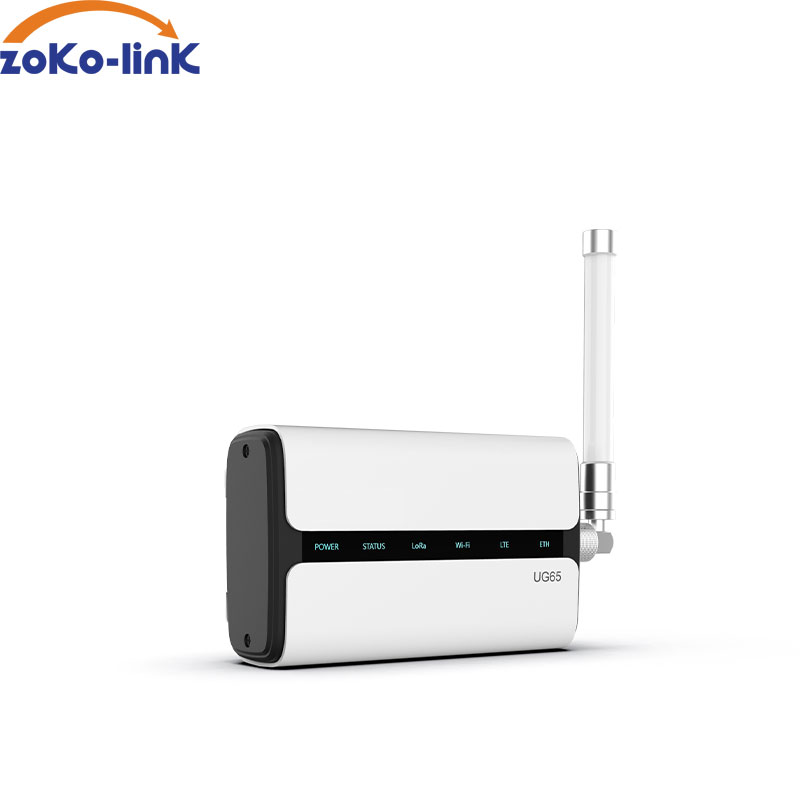
| Item | LoRa | LoRaWAN |
|---|---|---|
| Primary role | Physical-layer radio modulation | Media access, device identity, message handling and network architecture |
| Network design | Can be used in proprietary point-to-point or star links | End devices communicate through one or more gateways to network and application services |
| Interoperability | Depends on matching radio settings and the proprietary data protocol | Requires compatible regional parameters, activation, keys and LoRaWAN version support |
| Project ownership | The integrator defines addressing, retries and payload behavior | The LoRaWAN architecture defines network roles; the application still defines payload decoding and data use |
For LoRa vs LoRaWAN selection, name the required system in the specification. A radio pair for a proprietary link, a LoRaWAN end device and a network gateway are different deliverables. A supplier should identify which role each item performs and what equipment or service completes the path to the project application.
An end device sends a radio message that may be received by several gateways. A gateway forwards the packet over IP backhaul, such as Ethernet or cellular service. The network server handles network-level processing, while the application server receives the authorized application payload. The gateway is a packet forwarder; it is not the same as an RS485 Modbus master or a PLC.
If an existing sensor has RS485 output, an RS485-to-LoRaWAN node can read the sensor and encode selected values for the LoRaWAN uplink. The register map, polling interval, payload format and engineering-unit conversion must be specified. A gateway alone cannot understand an arbitrary Modbus sensor connected directly to its Ethernet port.
The LoRaWAN standards overview separates link-layer, regional and back-end specifications. For an integrator, this means radio reception, device admission and useful application data are separate acceptance checks. A message visible at a gateway is not yet proof that the customer's platform received the correct engineering value.
A sensor-side node must know what to read, when to power or poll the instrument and how to represent the result. Specify the exact Modbus RTU address, function, register format and scaling supported by the delivered firmware. Do not treat a serial connector as automatic support for every industrial sensor command.
LoRaWAN payload decoding belongs in the application arrangement. For an illustrative encoding, decimal 236 could represent 23.6 degrees C at a scale of 0.1 degrees C per count; two bytes written as 0x00EC produce that value only if the decoder uses the agreed byte order and integer representation. Another payload may use a different scale, signed format or channel identifier.
Include a way to recognise an unavailable sensor result and distinguish observation time from message arrival time. Otherwise a radio message can be received successfully while carrying a failed read or an old observation. Test decoding using known inputs at the sensor and compare the final platform value, not just the packet counter.
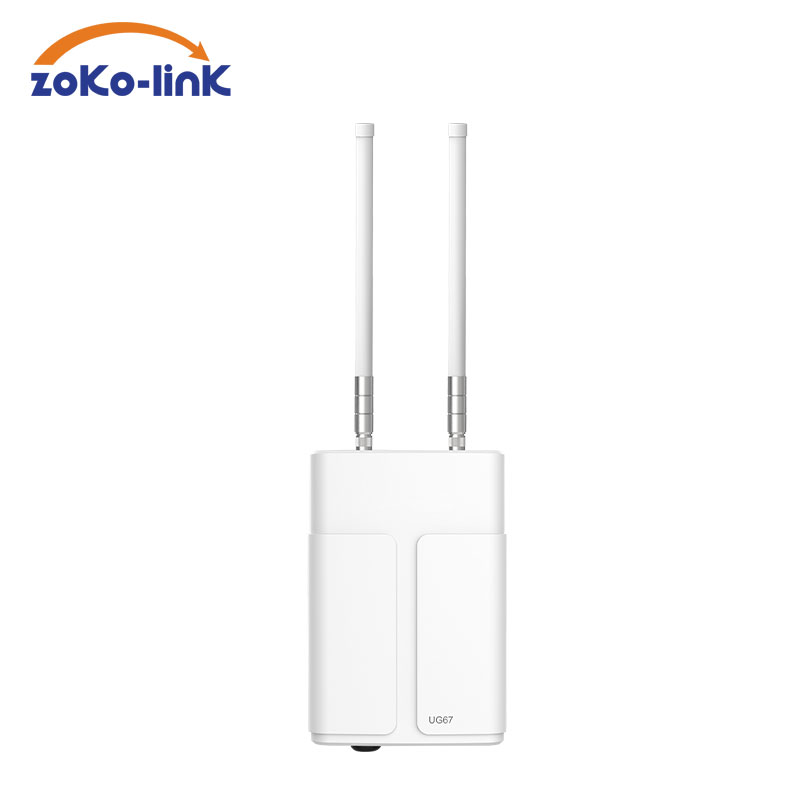
Permitted frequency bands and channel plans vary by country or region. Hardware ordered for one region may not be suitable for another. The project specification should state the installation country, frequency plan, indoor or outdoor gateway location, antenna arrangement and any local certification requirement.
Range depends on antenna height, terrain, structures, spreading factor, bandwidth, transmit power, receiver performance and interference. Higher spreading factors can improve link robustness but increase airtime and reduce network capacity. Capacity planning must consider message interval, payload size, acknowledgements and the number of devices sharing channels.
A frequency label is not the complete deployment specification. Confirm the applicable regional plan, channel configuration and hardware version with the deployment team. A regional plan document supports compatibility planning; it does not replace local radio requirements or device conformity checks. Avoid using one universal transmit-power or duty-cycle assumption for projects in different countries.
Class A devices open receive opportunities after an uplink. Class B adds scheduled receive opportunities using network timing, while Class C keeps the receiver available for much more of the time and has a different power requirement. These LoRaWAN device-class differences matter when a project expects a command at an arbitrary moment.
A sleeping measurement node should not be specified as an immediately available control endpoint. For example, a five-minute reporting interval gives 12 scheduled reports per hour, not a guaranteed five-minute alarm delivery time. Sensor acquisition, retransmission, gateway backhaul and application processing also affect when the customer sees a value.
For industrial remote monitoring, agree on data age and what the receiving application does when updates stop. If a control or safety function requires a defined local response, keep the necessary controller and protections at the process. An LPWAN delivery acknowledgement is not confirmation that a pump, valve or other actuator completed the requested physical action.
The AN-201A sensor box offered by NiuBoL is an example of a LoRaWAN acquisition node, not the network gateway. Its sensor interfaces and power arrangement need to match the connected instrument. A low radio sleep current does not establish the average consumption of a powered RS485 sensor system.
| Item | AN-201A configuration | Selection implication |
|---|---|---|
| Local interfaces | RS485, UART, SPI, I2C, GPIO and ADC options | Confirm the ordered ports and supported sensor transaction. |
| Radio | LoRaWAN; regional radio configurations | Match node and network plan for the installation country. |
| Supply | 5-24 VDC input; optional internal battery, 3.6 V / 19000 mAh | Select the supply version and assess the sensor's separate demand. |
| Device current states | Sleep at or below 6 uA; transmit at or below 125 mA; receive at or below 16 mA | These are operating-state figures, not a guaranteed system battery life. |
| Environment | -20 to +70 degrees C; 10-95% RH, non-condensing | Assess the enclosure location and the connected sensor's limits. |
| Protection and dimensions | IP65; 110 x 110 x 45 mm excluding antenna | Protect fitted cable entries and provide space for connections. |
Check the AN-201A interface and power configuration for the proposed assembly. Specify sensor warm-up, measurement duration and reporting duty when assessing battery operation. Do not divide battery capacity by radio sleep current and present the result as installed autonomy.
The project is small, both ends are controlled by one integrator, the data format can be proprietary and interoperability with a wider network is not required. The integrator must document addressing, encryption, retries and coexistence behavior.
Standardized device onboarding, multi-gateway reception, centralized network management or compatibility with an existing LoRaWAN infrastructure is required. Confirm whether the network is private, operator-managed or hosted, and define who controls device credentials and payload decoders.
Use wired RS485 or Ethernet when deterministic local communication and accessible cabling are priorities. Consider cellular service for widely separated sites where carrier coverage exists. High-throughput or continuous real-time data may require a different technology.
For gateway and converter options, review NiuBoL IoT communication devices.
Private LoRaWAN network selection includes the server arrangement, not just the gateway purchase. A project can use a locally managed server or a hosted arrangement, but it needs an identified operator for configuration, credentials and faults. Confirm access when changing service provider and whether the project can export the payload definition and device inventory.
Some gateways can host additional network-server or application functions. That does not make those functions a property of every gateway. Check the ordered hardware, software and capacity, and distinguish gateway forwarding from the optional services running on the same unit. A new enclosure or extra radio channels cannot substitute for a missing application decoder.
Test recovery in stages. Loss of a gateway's internet backhaul is different from loss of radio reception or loss of sensor power. Specify whether observations are stored anywhere, how duplicates and late records are handled, and which timestamps survive an outage. Do not assume every node or gateway has store-and-forward simply because it supports LoRaWAN.
Use a known sensor value to check the full path through node acquisition, radio reception, network processing, payload decoding and the customer's final display. Then evaluate packet delivery with representative traffic and equipment in its final position. A single successful message on a desk is not a coverage or capacity test.
For agricultural sensor telemetry, repeat the coverage assessment under the field conditions that can change the path, such as crop growth or a closed building. Record where gateway power and backhaul will come from. Include access for antenna and cable inspection rather than relying on a nominal kilometre figure as a promise for every location.
A single weather station with nearby wired sensors may be simpler to acquire through a compatible local data logger and use cellular or Ethernet for the remote link. That is an alternative architecture, not LoRaWAN supplied by the logger. Conversely, many distributed low-data-rate nodes may justify a shared radio network if coverage, operation and application responsibilities are addressed.
For an enquiry to NiuBoL, include sensor models and outputs, installation country, locations, reporting interval, power availability and the platform that must receive the values. Identify whether the request is for acquisition nodes, a gateway, a complete network service or a direct station uplink. This allows quotations to be compared by the same working path rather than by the word wireless alone.
No. The device must implement compatible LoRaWAN behaviour, use the appropriate regional plan and be provisioned for the network. A proprietary LoRa link does not become LoRaWAN merely because the radio frequency matches.
Not from its gateway role alone. A suitable acquisition node or separately supported controller must read the probe and encode its values. Verify the exact register transaction and decoder with the delivered sensor and firmware.
Check the acquisition result, payload version, channel identifier, byte order, signed representation and scale. A successful radio delivery verifies transport of bytes, not their engineering interpretation or the quality of the underlying measurement.
No. Sensor supply, warm-up and acquisition can dominate consumption. Include node transmit and receive activity, reporting policy and operating conditions. Battery capacity alone does not establish a service interval.
That depends on the device class and application schedule. Class A receive opportunities follow uplinks; other classes have different timing and power characteristics. Establish the actual timing requirement before choosing the endpoint.
Demonstrate the correct physical measurement at the final platform, representative traffic delivery and recovery from the specified outages. Check time and stale-data handling. Gateway reception alone is not complete system acceptance.
Separate sensor acquisition, radio node, gateway, power, antenna, backhaul, server operation and application integration. State who controls device credentials and ongoing service access. Otherwise two hardware totals may describe very different delivery scopes.
LoRa vs LoRaWAN is a distinction between radio technology and the network built around it. The project still needs a correctly acquired sensor value, compatible regional configuration, defined network operation and tested application decoding. Select the architecture around those tasks, and use a direct wired-sensor uplink where a separate radio network does not add useful coverage.
Related recommendations
Sensors & Weather Stations Catalog
 Agriculture Sensors and Weather Stations Catalog-NiuBoL.pdf
Weather Stations Catalog-NiuBoL.pdf
Agriculture Sensors Catalog-NiuBoL.pdf
Water Quality Sensor Catalog-NiuBoL.pdf
Related products
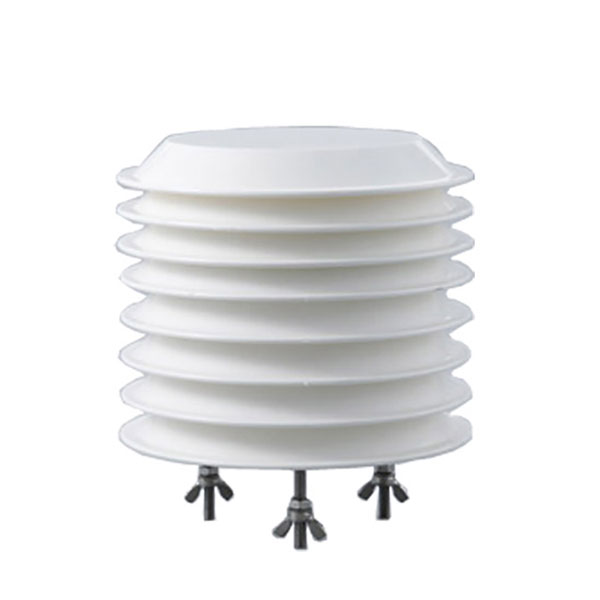 Combined air temperature and relative humidity sensor
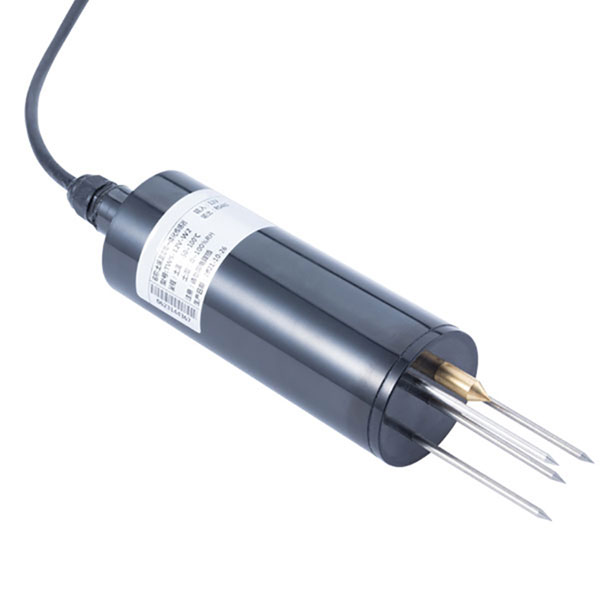 TDR Soil Moisture & Temperature Sensor for irrigation| RS485 |4-20mA| NBL-S-THR
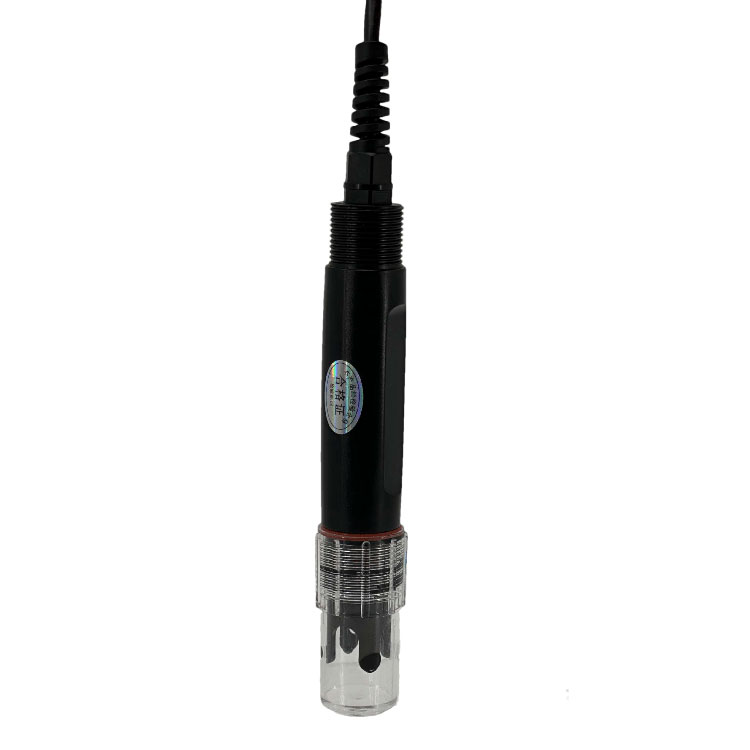 Soil pH sensor RS485 soil Testing instrument soil ph meter for agriculture |NBL-S-PH
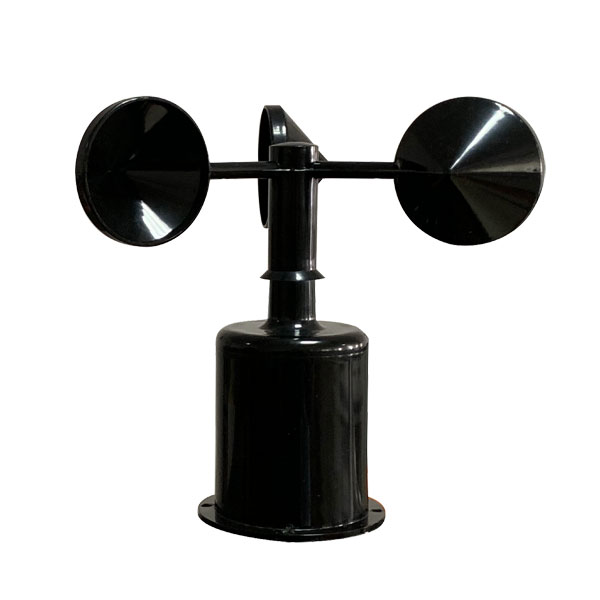 Wind Speed sensor Output Modbus/RS485/Analog/0-5V/4-20mA
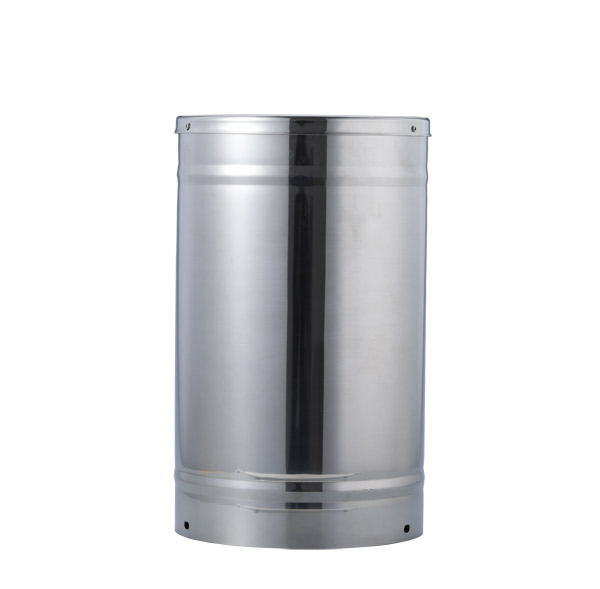 Tipping bucket rain gauge for weather monitoring auto rainfall sensor RS485/Outdoor/stainless steel
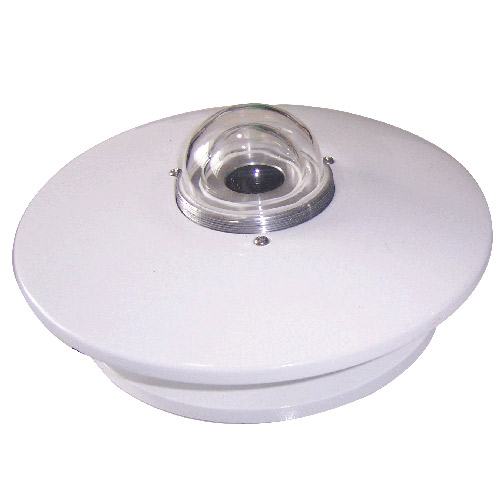 Pyranometer Solar Radiation Sensor 4-20mA/RS485


Screenshot, WhatsApp to identify the QR code
WhatsApp number:+8615367865107
(Click on WhatsApp to copy and add friends)