





— Blogs —
—Products—
 Consumer hotline +8618073152920
 WhatsApp:+8615367865107
Address:Room 102, District D, Houhu Industrial Park, Yuelu District, Changsha City, Hunan Province, China
Product knowledge
Time:2026-04-21 11:55:58 Popularity:443
In industrial wastewater treatment projects, real-time mastery of water quality changes is the core of ensuring stable process operation and discharge compliance. Many engineering companies encounter the same question during project design and implementation: Is a wastewater online monitoring instrument a single comprehensive device or a system composed of multiple specialized instruments? The answer is the latter.
A wastewater online monitoring instrument usually refers to an online monitoring system composed of multiple dedicated analyzers or sensors. Corresponding equipment is selected according to specific monitoring items (such as COD, ammonia nitrogen, total phosphorus, total nitrogen, pH, dissolved oxygen, etc.). These instruments achieve continuous or intermittent monitoring through automated sampling, analysis, and data transmission, providing reliable process data support for system integrators and project contractors.
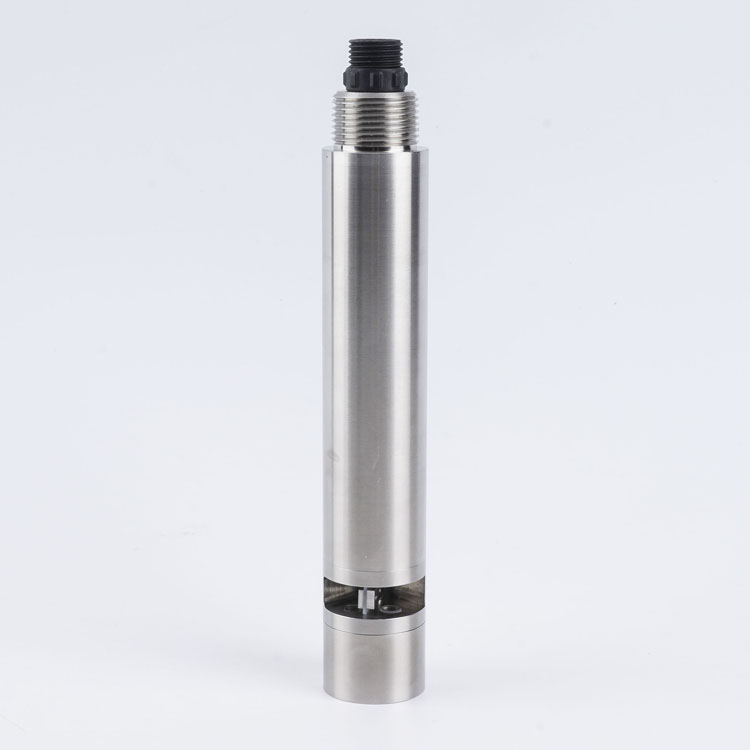
As a manufacturer in the field of industrial wastewater monitoring, NiuBoL focuses on providing modular online monitoring solutions for partners. Our products can be flexibly combined and support seamless docking with PLC, DCS, and SCADA systems, helping engineering teams achieve efficient operation and intelligent control in industrial park sewage treatment stations and key pollutant discharge enterprise projects. This article systematically introduces the composition of wastewater online monitoring instruments, measurement principles of common parameters, and technical characteristics of sensors such as COD, ammonia nitrogen, pH, and dissolved oxygen, providing reference for your project selection and integration.
A wastewater online monitoring instrument is not a single device, but a complete monitoring system composed of a water sampling unit, pretreatment unit, analysis unit, data acquisition and transmission unit, and auxiliary systems. The system is usually installed at the discharge outlet or key nodes of the treatment process and supports flow-proportional or time-proportional sampling.
According to different monitoring parameters, it can be divided into single-parameter analyzers and multi-parameter integrated systems. Single-parameter instruments are designed for specific pollutants, with high precision and targeted maintenance; multi-parameter systems achieve one-stop monitoring through modular design and are suitable for projects with limited space or high integration requirements. In engineering practice, system integrators often choose equipment that supports RS485, 4-20mA, Modbus TCP, or MQTT protocols, facilitating access to IoT platforms for remote monitoring and data upload to the cloud.
Common monitoring parameters include chemical oxygen demand (COD), ammonia nitrogen (NH3-N), total phosphorus (TP), total nitrogen (TN), pH value, dissolved oxygen (DO), etc. These parameters directly reflect organic pollution load, nutrient salt levels, and biochemical treatment efficiency, and are key control indicators for industrial wastewater classification treatment and compliant discharge.
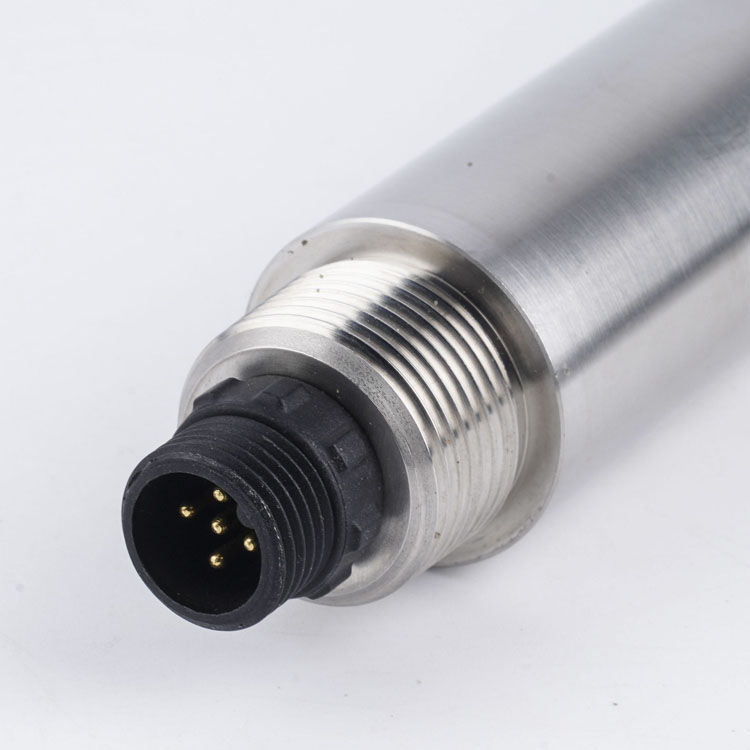
COD (Chemical Oxygen Demand) is an important parameter that comprehensively measures organic pollutants in wastewater, usually expressed in mg/L (as O₂). COD online monitoring instruments mainly adopt the potassium dichromate high-temperature digestion-colorimetric method. In this method, the water sample is mixed with potassium dichromate, concentrated sulfuric acid, and silver sulfate catalyst under high temperature and high pressure conditions. Straight-chain aliphatic compounds are fully oxidized, Cr(VI) is reduced to Cr(III), and the solution color change is proportional to the COD concentration. The COD value can be obtained by photoelectric colorimetric detection of absorbance.
Chloride ion is the main interfering factor, and the instrument usually eliminates interference by adding mercury chloride to complex chloride ions. The typical measurement cycle is 30-60 minutes, and the range can cover 0-2000 mg/L, suitable for high-organic-load wastewater scenarios such as electroplating, chemical industry, and food processing.
In engineering applications, COD data is used to evaluate changes in inlet and outlet loads of biological treatment units and guide adjustments to aeration volume and return ratio. NiuBoL's COD online analyzer supports automatic standard sample verification and comparison with actual water samples, complying with relevant operation technical specifications to ensure data validity.
Total phosphorus (TP) online equipment commonly uses the ammonium molybdate colorimetric method. Polyphosphates and other phosphorus-containing compounds in water are hydrolyzed into orthophosphate under high temperature and high pressure acidic conditions, and difficult-to-oxidize phosphorus is further converted by strong oxidants. In acidic medium, orthophosphate reacts with ammonium molybdate and antimony potassium tartrate to form phosphomolybdic heteropoly acid, which is then reduced by ascorbic acid to blue phosphomolybdic acid. The total phosphorus content is obtained by measuring absorbance. If only phosphate is measured, the oxidation step is not required.
Total nitrogen (TN) online equipment mostly adopts the alkaline potassium persulfate digestion-ultraviolet colorimetric method. Potassium persulfate decomposes under high temperature and high pressure to produce atomic oxygen, oxidizing various nitrogen-containing compounds (organic nitrogen, ammonia nitrogen, nitrate, etc.) in the water sample into nitrate. After adjusting the acidity and alkalinity of the solution, absorbance is measured in the ultraviolet region (commonly using dual wavelengths of 220nm and 275nm for correction) to calculate the total nitrogen content.
The measurement cycle of these instruments is generally 30-60 minutes, and the range covers surface water Class I to high limits of industrial discharge (TN can reach 0.2-200 mg/L). In projects, total phosphorus and total nitrogen data are important bases for controlling eutrophication risks and optimizing nitrogen and phosphorus removal processes, suitable for municipal sewage plants and industrial park comprehensive treatment projects.
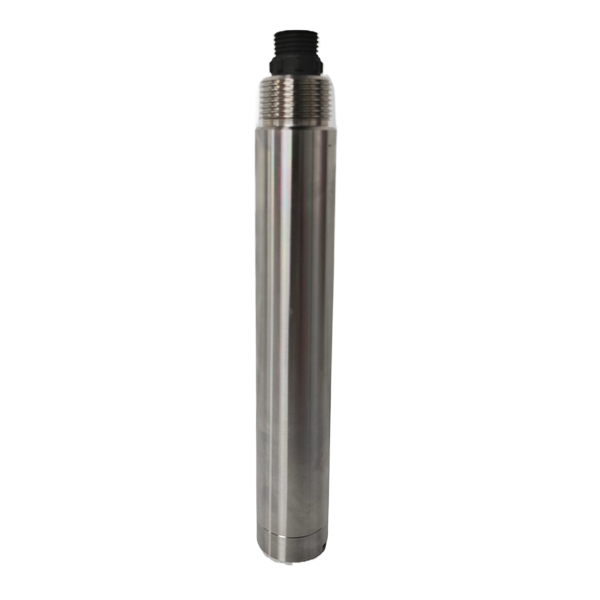
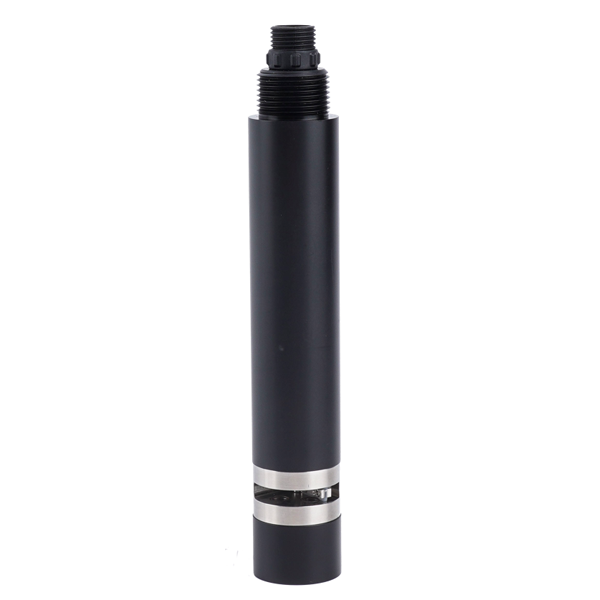
In addition to fully automatic analyzers, sensor-type online monitoring equipment is also widely used in engineering projects. These sensors have fast response and low maintenance, making them suitable for real-time process control.
Ammonia nitrogen sensor: Commonly uses ion selective electrode (ISE) method or salicylic acid spectrophotometric method. The electrode method measures potential through an ammonium ion selective membrane and calculates NH3-N concentration in combination with pH compensation; the spectrophotometric method uses the colored complex formed by ammonia and salicylic acid under alkaline conditions and measures absorbance. The sensor range is usually 0-100 mg/L, supports automatic temperature compensation, and is suitable for pretreatment monitoring of high-ammonia-nitrogen industrial wastewater.
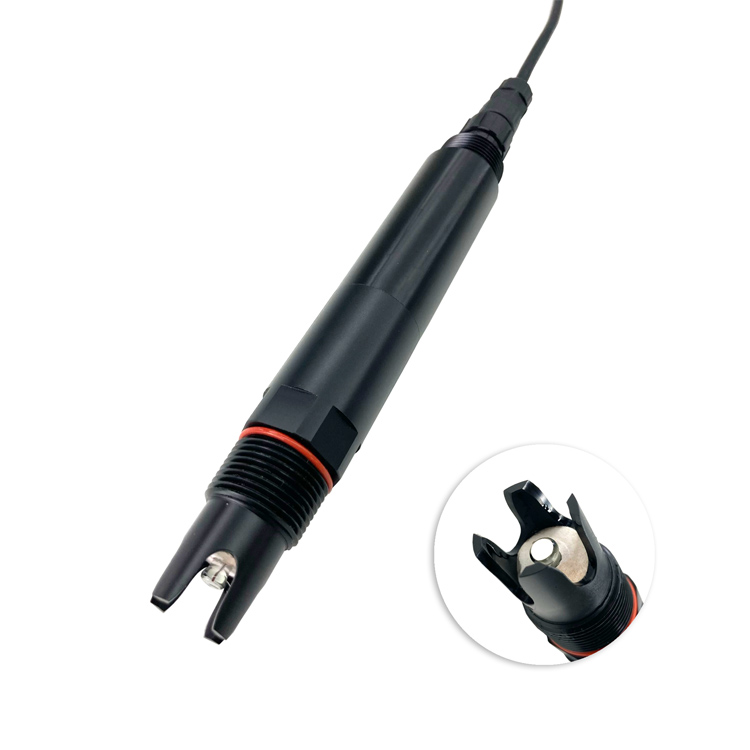
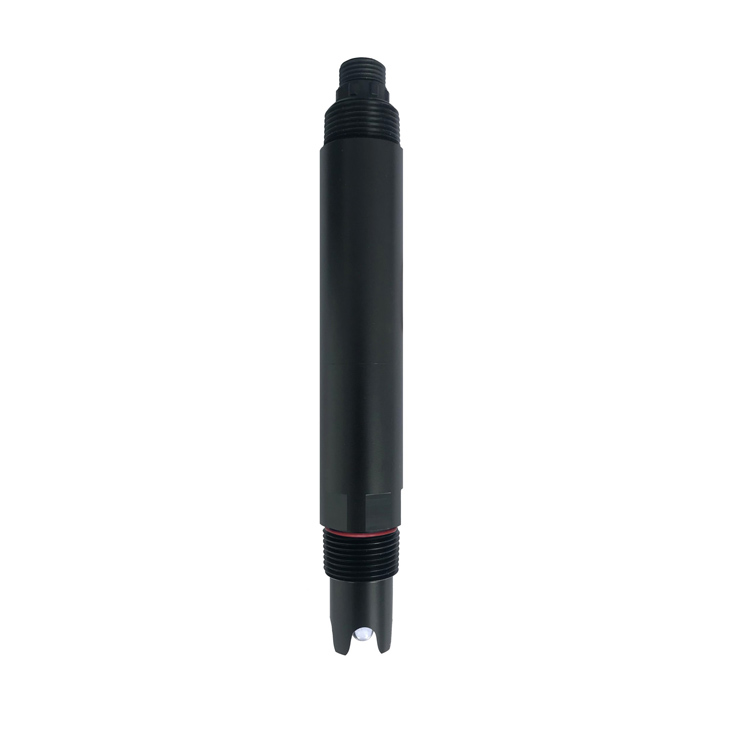
pH sensor: Based on the glass electrode method, with a measurement range of 0-14 and accuracy of ±0.1 or higher. The electrode consists of a glass sensitive membrane, reference electrode, and temperature compensation element, and can be directly immersed in the water sample. pH value affects heavy metal forms, biological activity, and chemical dosing efficiency, and is a must-measure parameter in almost all wastewater treatment projects.
Dissolved oxygen (DO) sensor: Commonly uses fluorescence method or polarographic method. The fluorescence method uses the oxygen quenching principle, with fast response and no need for frequent membrane replacement; the polarographic method generates current through cathodic reduction of oxygen. The measurement range is 0-20 mg/L, suitable for dissolved oxygen control in aeration tanks to ensure aerobic microbial activity while avoiding energy waste.
These sensors usually output 4-20mA or RS485 digital signals, facilitating system integrators to build distributed monitoring networks. NiuBoL sensor products adopt industrial-grade protection design, with long mean time between failures, suitable for long-term outdoor or station room installation.
| Parameter | Measurement Principle | Measurement Range | Communication Protocol |
|---|---|---|---|
| COD | Potassium dichromate digestion colorimetric method | 0-2000 mg/L | Modbus TCP / RS485 |
| Ammonia Nitrogen | Salicylic acid spectrophotometric method / ISE | 0-100 mg/L | 4-20mA / MQTT |
| Total Phosphorus | Ammonium molybdate colorimetric method | 0-50 mg/L | RS485 / OPC UA |
| Total Nitrogen | Alkaline potassium persulfate ultraviolet method | 0.2-200 mg/L | Modbus TCP |
| pH | Glass electrode method | 0-14 | 4-20mA / RS485 |
| Dissolved Oxygen | Fluorescence method | 0-20 mg/L | Ethernet / Profibus |
When the project is implemented, it is recommended to determine monitoring points based on wastewater classification results: inlet to assess raw water load, intermediate sections of treatment units to optimize process parameters, and outlet to verify compliance. The system needs to be equipped with automatic cleaning, calibration, and fault diagnosis functions to reduce operation and maintenance burden.
For high-concentration or complex matrix wastewater, it is recommended to add pretreatment units (such as filtration and dilution) and regularly conduct actual water sample comparison tests to verify instrument accuracy.
Q1. Is a wastewater online monitoring instrument a single instrument or a combination of multiple instruments?
It usually refers to a system composed of multiple dedicated analyzers or sensors, flexibly configured according to monitoring items, rather than a single device.
Q2. What are the main interference factors of COD online monitoring instruments?
Chloride ion is the main interference and can be eliminated by adding mercury chloride complexation; turbidity and color changes will also affect colorimetric results, requiring appropriate pretreatment.
Q3. What industrial wastewater scenarios are ammonia nitrogen sensors suitable for?
Suitable for high-ammonia-nitrogen wastewater projects such as chemical industry, aquaculture, and food processing, supporting real-time control of nitrogen removal process parameters.
Q4. What is the role of pH and dissolved oxygen sensors in wastewater treatment?
pH affects chemical reactions and microbial activity, and dissolved oxygen is directly related to aerobic treatment efficiency and energy consumption. It is a core control parameter for aeration tanks.
Q5. How does the online monitoring system integrate with SCADA or IoT platforms?
Data collection and remote control are achieved through protocols such as 4-20mA, RS485, Modbus TCP, and MQTT. NiuBoL equipment supports multiple industrial standard protocols.
Q6. What is the general measurement cycle of total phosphorus and total nitrogen online monitoring instruments?
The typical cycle is 30-60 minutes, depending on digestion time and project requirements. It can be set to continuous or timed sampling mode.
Q7. How does NiuBoL wastewater online monitoring solution help engineering projects reduce costs?
Modular design reduces on-site customization work, remote diagnosis function reduces inspection frequency, and stable performance extends maintenance cycles, achieving full lifecycle cost optimization.
The wastewater online monitoring instrument is a key technical means to achieve precise control and compliant discharge in industrial wastewater treatment engineering. By understanding its multi-instrument composition characteristics, as well as the measurement principles and sensor applications of parameters such as COD, ammonia nitrogen, total phosphorus, total nitrogen, pH, and dissolved oxygen, system integrators and project contractors can better select and integrate solutions. NiuBoL is committed to providing professional and reliable online monitoring products and technical support to help partners build efficient and intelligent industrial wastewater treatment systems.
In the project planning stage, it is recommended to conduct method verification and equipment testing in combination with on-site water sample characteristics. If you need instrument selection, scheme design, or integration consultation for specific project water quality data, please contact the NiuBoL technical team. We will provide practical solutions according to actual engineering needs.
 NBL-NHN-302 Industrial-grade Multi-parameter Online Ammonia Nitrogen Sensor.pdf
NBL-RDO-206 Online Fluorescence Dissolved Oxygen Sensor.pdf
NBL-COD-208 Online COD Water Quality Sensor.pdf
NBL-CL-206 Water Quality Sensor Online Residual Chlorine Sensor.pdf
Related recommendations
Sensors & Weather Stations Catalog
Agriculture Sensors and Weather Stations Catalog-NiuBoL.pdf
Weather Stations Catalog-NiuBoL.pdf
Agriculture Sensors Catalog-NiuBoL.pdf
Water Quality Sensor Catalog-NiuBoL.pdf
Related products
 Combined air temperature and relative humidity sensor
 Soil Moisture Temperature sensor for irrigation|NBL-S-THR
 Soil pH sensor RS485 soil Testing instrument soil ph meter for agriculture |NBL-S-PH
 Wind Speed sensor Output Modbus/RS485/Analog/0-5V/4-20mA
 Tipping bucket rain gauge for weather monitoring auto rainfall sensor RS485/Outdoor/stainless steel
 Pyranometer Solar Radiation Sensor 4-20mA/RS485

Screenshot, WhatsApp to identify the QR code
WhatsApp number:+8615367865107
(Click on WhatsApp to copy and add friends)

