





— Blogs —
—Products—
 Consumer hotline +8618073152920
 WhatsApp:+8615367865107
Address:Room 102, District D, Houhu Industrial Park, Yuelu District, Changsha City, Hunan Province, China
Product knowledge
Time:2026-04-21 12:01:10 Popularity:450
Electroplating wastewater mainly comes from processes such as plating piece cleaning, plating layer rinsing, and post-plating passivation. Its composition is complex and contains large amounts of heavy metal ions, cyanides, complexing agents, and surface active substances. Although the total amount of pollutants is greatly reduced after physicochemical treatments such as ion exchange and air flotation, the addition of chemicals changes the nature of the wastewater, resulting in frequent deviations in water quality monitoring data before and after subsequent biochemical treatment. COD values are low before treatment and high after treatment, and heavy metal concentrations sometimes increase after treatment — these have become common pain points in engineering projects.
For system integrators, IoT solution providers, project contractors, and engineering companies, accurate online monitoring data is the key to process debugging, performance assessment, and environmental acceptance. As a manufacturer of industrial wastewater monitoring equipment, NiuBoL focuses on providing high anti-interference online monitoring solutions for partners. This article systematically analyzes the typical causes of errors in electroplating wastewater monitoring and proposes targeted solutions based on engineering practice to help project teams improve monitoring accuracy and reduce operation and maintenance risks.
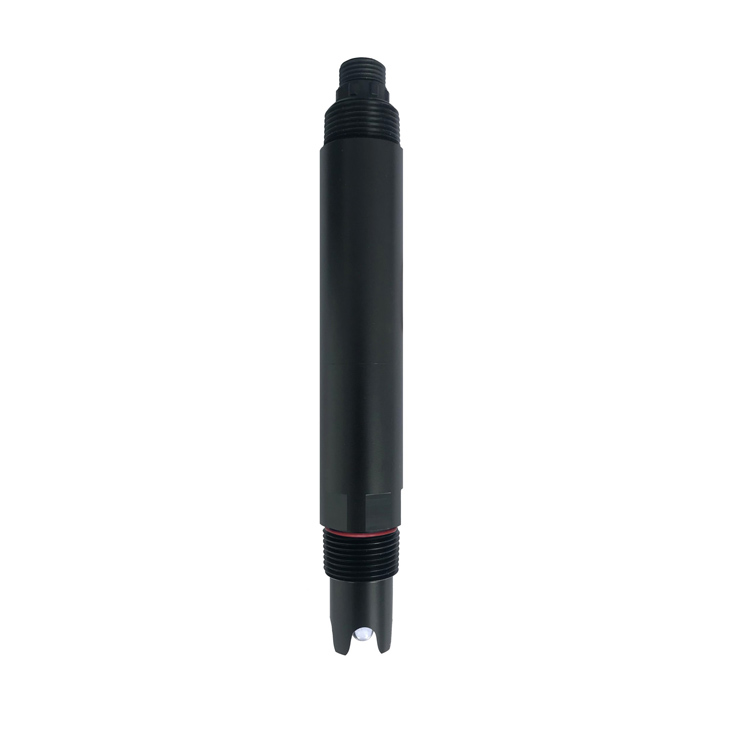
Electroplating wastewater is a typical inorganic wastewater containing heavy metals, with large pH fluctuations (often 2-11), many types of heavy metals (chromium, copper, nickel, zinc, cadmium, etc.), and often accompanied by organic complexing agents (such as EDTA and citrate). Traditional laboratory analysis has a long cycle and cannot meet continuous process control needs, while online monitoring systems must face challenges of complex matrix and many interfering factors.
Monitoring errors are mainly concentrated in two major parameters: COD and heavy metals. COD reflects organic pollution load and is the core indicator for evaluating treatment efficiency; heavy metal concentration is directly related to discharge compliance and resource recovery value. If monitoring data is distorted, it will lead to misadjustment of aeration volume, excessive chemical dosing, or unqualified acceptance, directly affecting project economic benefits.
COD monitoring of electroplating wastewater often shows “low before treatment and high after treatment” or systematically low values, mainly affected by heavy metal oxidation and chelating agent complexation.
Untreated electroplating wastewater contains a large amount of high-valence heavy metals (such as hexavalent chromium Cr(VI)). In the COD standard determination method (potassium dichromate method), concentrated sulfuric acid is added and heated for digestion. At this time, the oxidizing power of high-valence heavy metals increases, additionally oxidizing organic matter in water, causing Cr(VI) to be reduced to Cr(III), intensifying the solution color change, and ultimately making the measured COD value higher than the true value, making it impossible to accurately calculate pollutant removal rate and emission reduction.
In engineering practice, this interference is particularly obvious in the inlet section. After treatment, heavy metals are reduced or precipitated, interference weakens, and the COD value appears “reasonable”, resulting in falsely low removal efficiency. NiuBoL’s COD online analyzer has a built-in heavy metal masking pretreatment module that can add a reducing agent (such as sulfite) after sampling to convert Cr(VI) to Cr(III), significantly reducing oxidation interference and ensuring data truly reflects organic load.
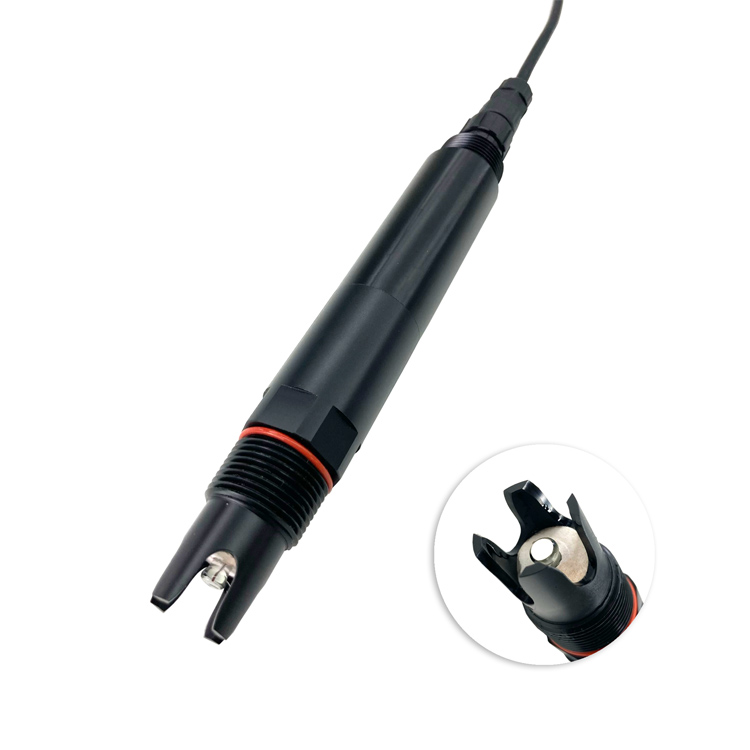
Complexing agents and reducing substances are widely present in electroplating wastewater. They form stable cyclic macromolecular chelates with heavy metals. These chelates wrap part of the organic matter, hindering the oxidation effect of potassium dichromate, resulting in systematically low COD determination values.
To address this problem, it is recommended to use special chemical complex-breaking agents (such as strong oxidizing complex breakers or acidic decomposition agents) before monitoring to open the chelate structure and release the wrapped organic matter. NiuBoL online monitoring system supports an automatic complex-breaking agent dosing module to ensure COD measurement accuracy meets HJ 828 and other specification requirements under complex matrix conditions.
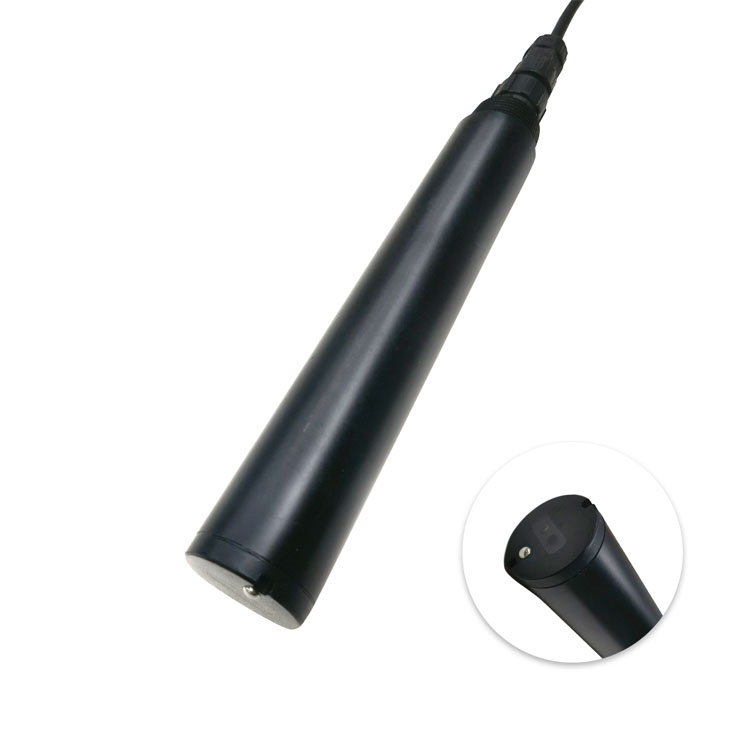
Heavy metal monitoring deviations are also common problems in electroplating wastewater projects, mainly manifested as higher concentrations after treatment than before or large data fluctuations.
Drainage volume, drainage time, and pollutant concentrations vary significantly among electroplating workshop sections (such as chromium plating lines and nickel plating lines). If wastewater from each section is simply mixed for sampling, the mixed liquid cannot represent the true discharge characteristics, especially for metals used in small quantities (such as cadmium and lead), where monitoring concentrations may show abnormal fluctuations. Sometimes the data after treatment is higher than the raw water, seriously affecting process evaluation.
After some enterprises adopt biochemical treatment units, heavy metals adsorbed in activated sludge are re-dissolved under anaerobic or pH change conditions, leading to an increase in heavy metal concentration in effluent. Heavy metals adsorbed by sludge are released during microbial metabolism or changes in oxidation-reduction potential, further amplifying monitoring errors.
In addition, improper sampling point settings, insufficient sampling frequency, and incomplete filtration in the pretreatment stage will also aggravate deviations. Engineering companies need to clarify split-flow monitoring points in the design stage and set up independent online monitoring instruments at key nodes.
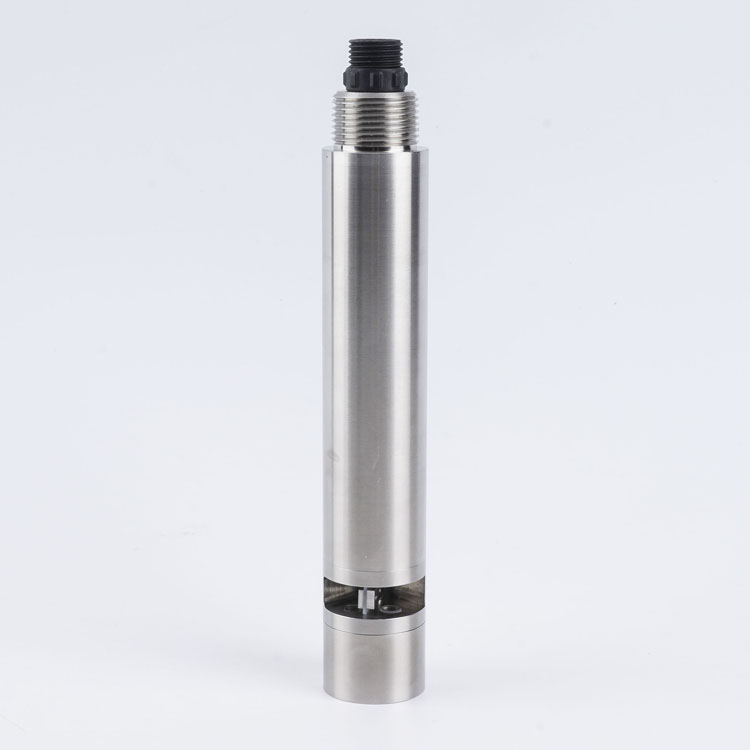
To systematically solve the above problems, the following engineering measures are recommended:
Optimize sampling strategy: Use proportional mixed sampling or segmented independent monitoring to avoid distortion of a single mixed sample. Implement separate split-flow monitoring for key sections (such as chromium-containing wastewater and cyanide-containing wastewater).
Strengthen pretreatment: Add heavy metal reduction, complex breaking decomposition, and filtration units after sampling to eliminate interference.
Replace offline analysis with online monitoring: Real-time data can reflect dynamic changes and avoid secondary pollution or property changes during laboratory sample transportation.
Data calibration and compensation: Instruments have built-in multi-parameter automatic compensation algorithms for temperature, turbidity, and chloride ions to ensure measurement accuracy under complex water quality conditions.
System integration: Connect monitoring data to SCADA or IoT platforms via Modbus TCP and MQTT protocols to achieve trend analysis, alarm linkage, and intelligent chemical dosing.
The online monitoring system developed by NiuBoL for the characteristics of electroplating wastewater adopts a modular design, can flexibly configure multi-parameter probes such as COD and pH, and supports remote calibration and fault diagnosis, helping project contractors increase monitoring data effectiveness to more than 95%.
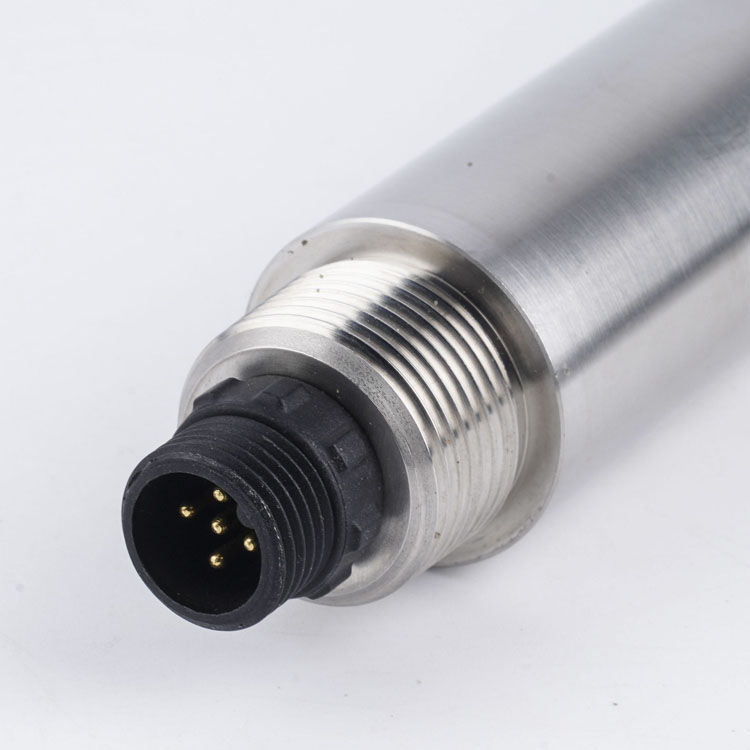
| Parameter | Measurement Principle | Measurement Range | Communication Protocol | Anti-Interference Design |
|---|---|---|---|---|
| COD | Potassium dichromate digestion colorimetric method | 0-2000 mg/L | Modbus TCP / MQTT | Heavy metal reduction + complex breaking pretreatment |
| pH | Glass electrode method | 0-14 | 4-20mA / RS485 | Automatic temperature compensation |
| Flow | Electromagnetic flowmeter | 0-5000 m³/h | Ethernet | Proportional sampling linkage |
In the project design stage, it is recommended to complete monitoring point layout in combination with the electroplating process flow chart and clearly define data validity assessment indicators in the contract. During the construction stage, focus on anti-corrosion material selection and instrument installation height to avoid condensate affecting electrodes. In the operation and maintenance stage, use the NiuBoL cloud platform to achieve predictive maintenance and conduct actual water sample comparison tests once a month to ensure long-term stable operation.
For IoT solution providers, monitoring data can be used to build AI-assisted decision models to automatically optimize dosing volume and aeration intensity, further reducing the full lifecycle cost of the project.
Q1. Why does electroplating wastewater COD monitoring often show low before treatment and high after treatment?
Mainly because high-valence heavy metals (such as Cr(VI)) in untreated wastewater additionally oxidize organic matter under acidic heating conditions, resulting in high measured values; after treatment, heavy metals are removed and interference disappears, and the value tends to be normal.
Q2. How do complexing agents affect COD monitoring results?
Complexing agents form stable chelates with heavy metals, wrapping organic matter and hindering oxidation, resulting in low COD values. Chemical complex-breaking agents must be used to decompose the chelate structure before determination.
Q3. Why does heavy metal monitoring sometimes show higher concentrations after treatment than before treatment?
Lack of representativeness in mixed sampling from various sections and re-release of heavy metals adsorbed by sludge during biochemical treatment are the main reasons.
Q4. How does the online monitoring instrument solve interference problems in electroplating wastewater?
Through built-in heavy metal reduction, complex-breaking pretreatment, and multi-parameter compensation algorithms, measurement accuracy is significantly improved, making it suitable for complex matrix environments.
Q5. What key parameters should be set for electroplating wastewater monitoring?
At least include COD, hexavalent chromium, total chromium, copper, nickel, pH, and flow. It is recommended to add cyanide or total cadmium monitoring according to the specific process.
Q6. How can project contractors reduce operation and maintenance costs for electroplating wastewater monitoring?
Select modular online monitoring equipment, combine with remote diagnosis functions to reduce on-site inspections, and achieve precise chemical dosing through data linkage to reduce overall operating costs.
Q7. Does the NiuBoL solution support integration with existing SCADA systems?
It supports multiple industrial protocols such as Modbus TCP and MQTT, enabling quick access to existing control systems.
Electroplating wastewater monitoring errors are mainly caused by heavy metal oxidation interference, chelating agent complexation effects, and insufficient sampling representativeness. Mastering these causes and adopting targeted solutions can significantly improve the reliability of monitoring data and the level of process control. NiuBoL is committed to providing professional and reliable online monitoring instruments and overall solutions for system integrators, IoT solution providers, project contractors, and engineering companies to help electroplating wastewater treatment projects achieve precise monitoring, stable operation, and compliant discharge.
If you need monitoring scheme design, technical parameter matching, or on-site debugging support for specific electroplating wastewater quality data, please contact the NiuBoL technical team. We will provide practical and implementable technical services according to actual engineering needs.
 NBL-NHN-302 Online Ammonia Nitrogen Sensor.pdf
NBL-RDO-206 Online Fluorescence Dissolved Oxygen Sensor.pdf
NBL-COD-208 Online COD Water Quality Sensor.pdf
NBL-CL-206 Water Quality Sensor Online Residual Chlorine Sensor.pdf
Related recommendations
Sensors & Weather Stations Catalog
Agriculture Sensors and Weather Stations Catalog-NiuBoL.pdf
Weather Stations Catalog-NiuBoL.pdf
Agriculture Sensors Catalog-NiuBoL.pdf
Water Quality Sensor Catalog-NiuBoL.pdf
Related products
 Combined air temperature and relative humidity sensor
 Soil Moisture Temperature sensor for irrigation|NBL-S-THR
 Soil pH sensor RS485 soil Testing instrument soil ph meter for agriculture |NBL-S-PH
 Wind Speed sensor Output Modbus/RS485/Analog/0-5V/4-20mA
 Tipping bucket rain gauge for weather monitoring auto rainfall sensor RS485/Outdoor/stainless steel
 Pyranometer Solar Radiation Sensor 4-20mA/RS485

Screenshot, WhatsApp to identify the QR code
WhatsApp number:+8615367865107
(Click on WhatsApp to copy and add friends)

