





— Blogs —
—Products—
 Consumer hotline +8618073152920
 WhatsApp:+8615367865107
Address:Room 102, District D, Houhu Industrial Park, Yuelu District, Changsha City, Hunan Province, China
Product knowledge
Time:2026-04-21 12:20:03 Popularity:397
In the context of increasing global efforts in water resource protection, groundwater online monitoring has become a core component of environmental monitoring systems. Due to the strong concealment, slow migration, and extremely difficult remediation after pollution of groundwater, building a scientific, stable, and early-warning-capable monitoring system is a technical focus for system integrators, IoT solution providers, and environmental protection engineering contractors.
As a source manufacturer of industrial-grade sensors, NiuBoL combines industry standards and engineering practice to analyze the three core countermeasures for groundwater online monitoring and their implementation paths for you.
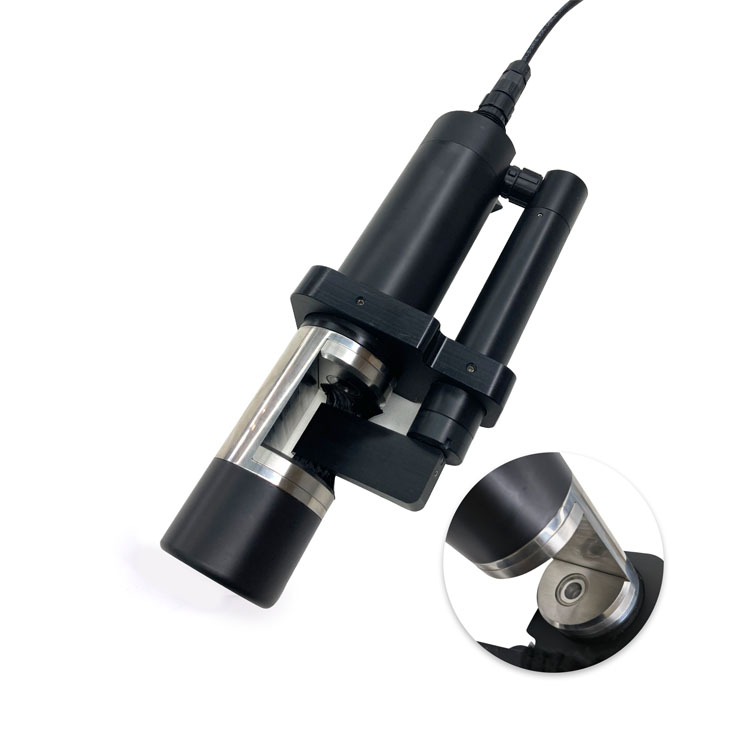
To ensure the closed-loop success of groundwater monitoring projects from planning to delivery, a systematic strategy must be established from three dimensions: funding coordination, pipe network layout, and scientific research.
Funding is the cornerstone of monitoring system construction and long-term operation and maintenance. In engineering practice, integrators need to focus on assisting owners in rationalizing funding sources:
Multi-channel investment mechanism: Actively strive for special fiscal funds, drought relief funds, water resource fees, and environmental protection special subsidies.
Rational allocation: Optimize the proportion of preliminary survey fees, equipment procurement fees, and later operation and maintenance fees to ensure the system can not only be “built” but also “run stably”.
Cost control advantage: Choosing cost-effective, long-maintenance-cycle domestic high-quality sensors such as NiuBoL can effectively reduce the full lifecycle cost of the project.
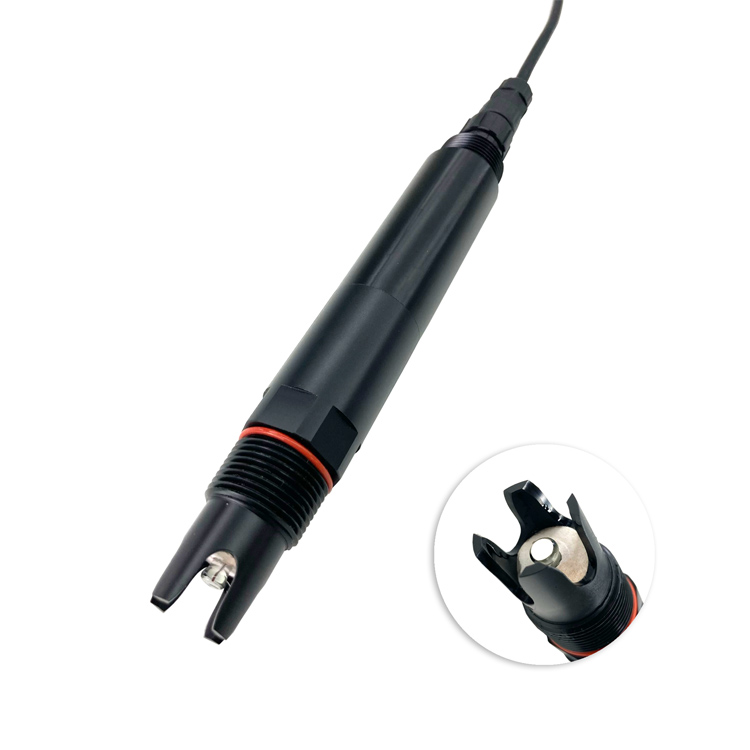
Scientific well network layout is the key to obtaining representative data.
Dynamic optimization layout: For groundwater over-exploitation areas, ecologically fragile areas, and industrial parks, it is necessary to strengthen the construction density and update frequency of the well network.
Standardized construction: The construction of monitoring wells must comply with hydrogeological regulations to ensure that sensors can accurately perceive the true physical and chemical state of the aquifer rather than being disturbed by surface runoff.
The purpose of monitoring is application. Only by solving practical problems in water resource management through data analysis is the ultimate goal of monitoring.
Classification protection area monitoring: Focus on water supply source areas, ecologically fragile areas, and areas around key pollution sources.
Characteristic pollutant factor analysis: Conduct in-depth analysis of characteristic pollutant factors (such as petroleum hydrocarbons, heavy metals, etc.) for different industrial backgrounds.
Ecological assessment integration: Combine groundwater quality monitoring with ecological environment assessment models to provide decision support for regional water governance.
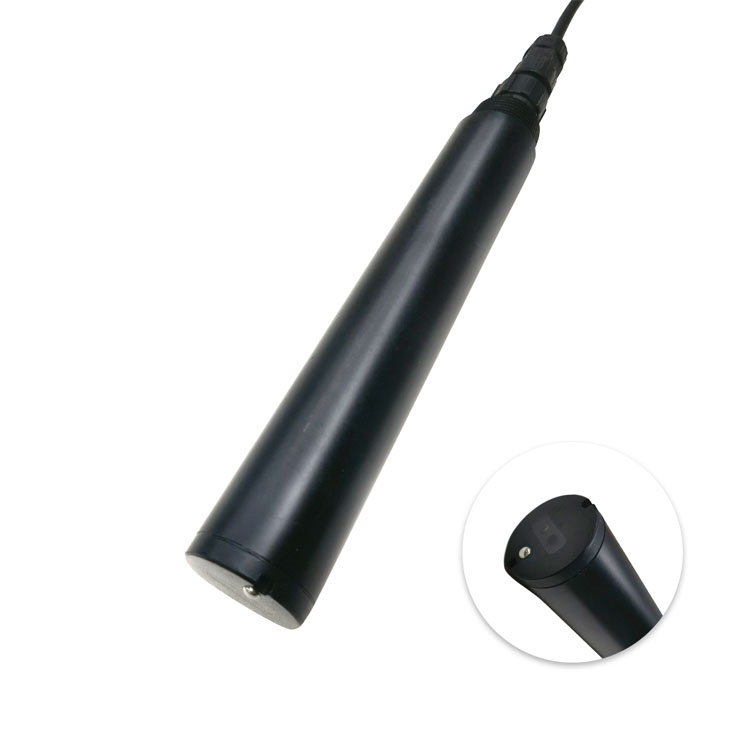
In system integration scheme design, determining sampling frequency is the core basis for configuring sensor sampling cycles and battery life. The following are industry-accepted sampling principles:
| Monitoring Well Type | Suggested Sampling Frequency | Remarks |
|---|---|---|
| Background value monitoring well | Once per year during dry season | For regionally controlled pore confined water wells |
| Pollution control monitoring well | Once per odd month | 6 times per year to ensure dynamic pollution changes are captured |
| Centralized water supply drinking water well | Once per month | Related to public health, belongs to high-frequency monitoring category |
| Low-risk monitoring well | Once per year during dry season | Wells where monitoring values have been below 1/5 of the standard for 2 consecutive years and no new pollution sources |
| Emergency accident monitoring | Increase sampling frequency at any time | For overflow, leakage and other sudden environmental incidents |
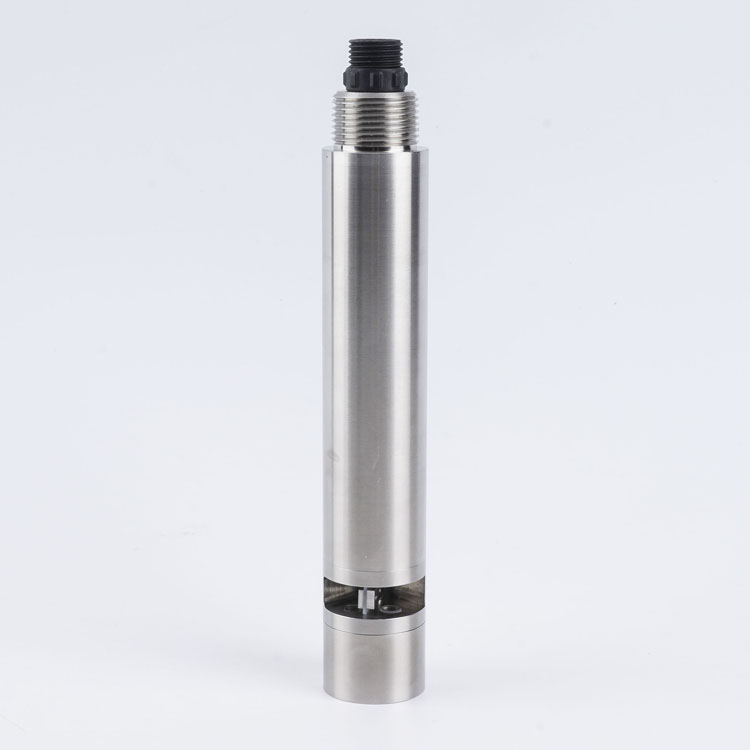
With the continuous increase in industrial wastewater volume, monitoring of plants and surrounding areas has become a mandatory requirement. When laying out points in engineering, the following logic should be followed:
1. Focus on the plant, taking into account the periphery: Monitoring points must be set near high-risk areas such as toxic raw material storage tanks, sewage storage tanks, and solid waste stacking yards.
2. Focus on the downstream, taking into account the side and upstream: Prioritize layout in the downstream area of groundwater flow direction to capture pollution plumes, while setting background control points upstream.
3. Layered monitoring principle: Focus on monitoring shallow phreatic water that is easily polluted and aquifers used as drinking water sources.
4. Characteristic factor matching: Monitoring items must include the characteristic pollutant factors of the construction project. For example, for refinery projects, the system integration must include monitoring modules for petroleum hydrocarbons, benzene, xylene, etc.
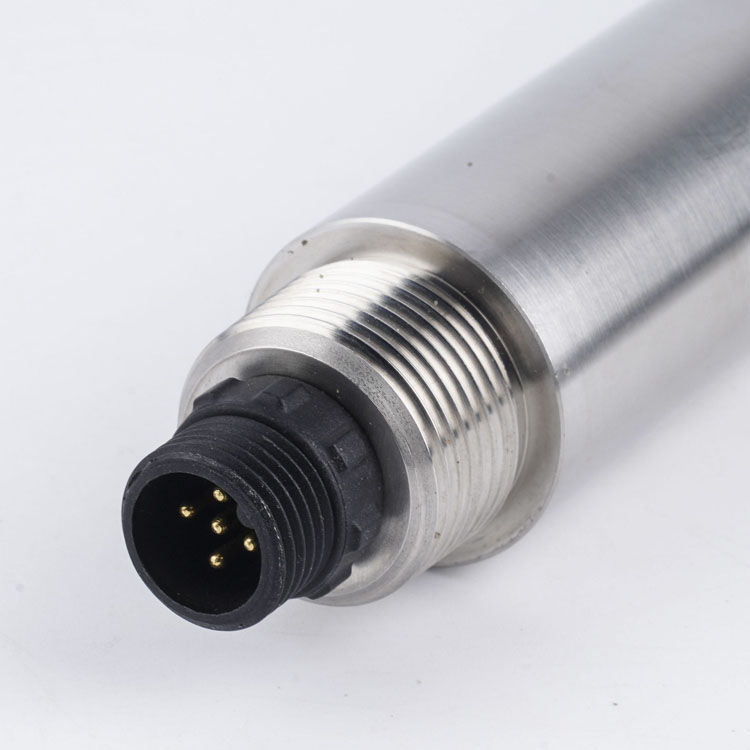
To meet the needs of system integrators for high integration and low power consumption, NiuBoL provides a full range of sensors covering physical and chemical parameters:
| Monitoring Parameter | Sensor Type | Range | Application Advantage |
|---|---|---|---|
| Water Level / Depth | Submersible pressure transmitter | 0 - 200m (optional) | High-precision diffused silicon core, compensates ambient air pressure |
| Conductivity / TDS | Industrial conductivity sensor | 0 - 20000 μS/cm | Effective indicator for monitoring mineralization and salt intrusion |
| Dissolved Oxygen (DO) | Fluorescence dissolved oxygen meter | 0 - 20 mg/L | Fluorescence method does not consume membrane, long maintenance cycle |
| Turbidity (NTU) | 90° scattered light sensor | 0 - 1000 NTU | Key for monitoring well flushing effect and sediment content |
| Ammonia Nitrogen / Fluoride Ion | Ion selective electrode (ISE) | 0.1 - 1000 mg/L | Characteristic factor monitoring for specific pollution sources |
Q1. Why is RS485 (Modbus RTU) protocol more preferred for groundwater monitoring?
RS485 has extremely strong anti-interference capability and long-distance transmission characteristics (up to 1200 meters), and the Modbus protocol is uniformly standardized, making it very convenient for integrators to connect multiple sensors to the same wireless RTU or DTU terminal.
Q2. How to balance power consumption of groundwater online monitoring systems?
Since monitoring wells are mostly distributed in the field, solar power is usually used. NiuBoL sensors support low-power standby mode. Combined with intermittent sampling strategies (such as sampling once per hour), the system can still operate stably in continuous rainy weather.
Q3. How to prevent sensors from being corroded or scaled downhole?
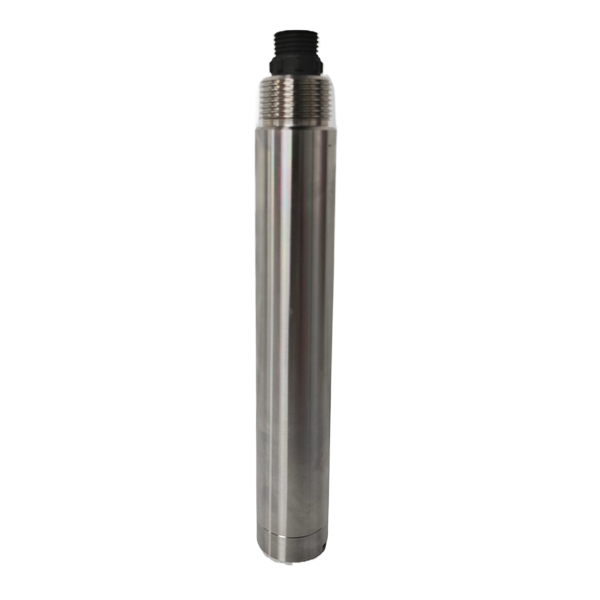
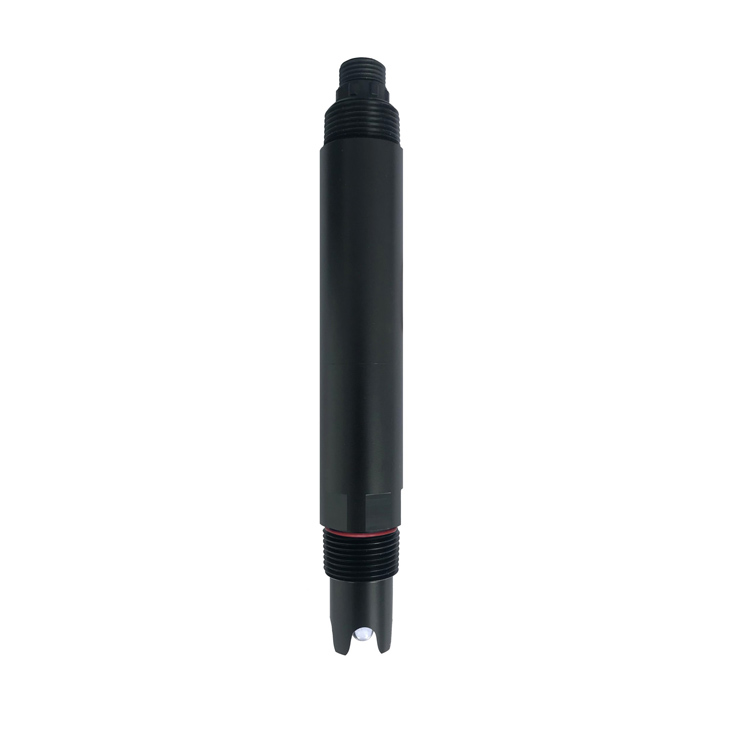
NiuBoL sensor housings use 316L stainless steel or polytetrafluoroethylene materials with excellent corrosion resistance. For scaling issues, some models can be optionally equipped with automatic cleaning brushes.
Q4. Is groundwater level monitoring affected by atmospheric pressure fluctuations?
Yes. High-precision groundwater monitoring requires the use of vented cables or air pressure compensation modules deployed at the wellhead to eliminate the impact of atmospheric pressure on liquid level calculation.
Q5. Can characteristic pollutant factors (such as benzene and toluene) be monitored online?
Yes. Currently, online early warning can be performed through UV spectroscopy or specific chemical electrodes. Although the accuracy is slightly lower than laboratory GC-MS, it has great value as an online trend warning.
Q6. What is the scientific difference between sampling in the dry season and the wet season?
In the wet season, water level is high and groundwater recharge is strong, and pollutants may be diluted; in the dry season, water level is low, pollutant concentrations are often higher and easier to enrich. Comparison between the two can analyze the migration law of pollutants.
Q7. How can system integrators ensure data security and authenticity?
It is recommended to add data encryption transmission and breakpoint resume functions in the integration scheme. NiuBoL sensors provide stable raw data output, which is convenient for logical verification on the host computer system.
Q8. Will sensor signal attenuate if the monitoring well depth exceeds 100 meters?
As long as standard shielded twisted pair is used, RS485 attenuation at 100 meters depth is negligible. The key lies in the tensile strength and waterproof sealing of the cable.
Groundwater online monitoring is a sophisticated environmental engineering project. It requires not only highly sensitive sensing hardware but also scientific monitoring countermeasures and rigorous frequency guidelines. For system integrators, a deep understanding of the three major countermeasures of “funding, layout, and scientific research”, combined with the layout characteristics of industrial plants, is necessary to design smart solutions with long-term value.
NiuBoL is committed to providing stable, precise, and easy-to-integrate sensor underlying technology for global partners, helping every groundwater monitoring project achieve a leap from “data collection” to “smart decision-making”.
 NBL-NHN-302 Online Ammonia Nitrogen Sensor.pdf
NBL-RDO-206 Online Fluorescence Dissolved Oxygen Sensor.pdf
NBL-COD-208 Online COD Water Quality Sensor.pdf
NBL-CL-206 Water Quality Sensor Online Residual Chlorine Sensor.pdf
Related recommendations
Sensors & Weather Stations Catalog
Agriculture Sensors and Weather Stations Catalog-NiuBoL.pdf
Weather Stations Catalog-NiuBoL.pdf
Agriculture Sensors Catalog-NiuBoL.pdf
Water Quality Sensor Catalog-NiuBoL.pdf
Related products
 Combined air temperature and relative humidity sensor
 Soil Moisture Temperature sensor for irrigation|NBL-S-THR
 Soil pH sensor RS485 soil Testing instrument soil ph meter for agriculture |NBL-S-PH
 Wind Speed sensor Output Modbus/RS485/Analog/0-5V/4-20mA
 Tipping bucket rain gauge for weather monitoring auto rainfall sensor RS485/Outdoor/stainless steel
 Pyranometer Solar Radiation Sensor 4-20mA/RS485

Screenshot, WhatsApp to identify the QR code
WhatsApp number:+8615367865107
(Click on WhatsApp to copy and add friends)

