





— Blogs —
—Products—
 Consumer hotline +8618073152920
 WhatsApp:+8615367865107
Address:Room 102, District D, Houhu Industrial Park, Yuelu District, Changsha City, Hunan Province, China
Product knowledge
Time:2026-04-21 12:22:27 Popularity:419
Kitchen waste wastewater is a typical high-concentration organic wastewater, and its water quality is significantly affected by garbage type, treatment scale, and seasonal changes. According to similar project water quality survey data, the influent BOD/COD ratio is usually between 0.3 and 0.6, with good biodegradability, making it suitable for biological treatment processes to remove most COD and suspended solids (SS). However, the wastewater has high oil and SS concentrations. If it enters the biochemical system directly, it is prone to load shock. Therefore, effective pretreatment is required. At the same time, due to the high COD and ammonia nitrogen concentrations, the effluent COD after conventional biological treatment often remains at 600–800 mg/L and is difficult to stabilize below 500 mg/L. Efficient nitrogen and organic matter removal processes must be selected.
For system integrators, IoT solution providers, project contractors, and engineering companies, choosing the appropriate treatment process is the key to controlling investment and ensuring stable effluent compliance. The MBR (Membrane Bioreactor) process has become one of the preferred solutions for kitchen waste wastewater treatment due to its advantages of high sludge concentration, good effluent quality, and space saving.
As a manufacturer of industrial wastewater monitoring and control equipment, NiuBoL focuses on providing online monitoring and intelligent control solutions supporting MBR systems for partners, helping engineering teams achieve stable process operation and data-driven optimization. This article systematically sorts out the key points of kitchen waste wastewater treatment process selection and focuses on the typical process with MBR as the core, providing reference for project design and implementation.
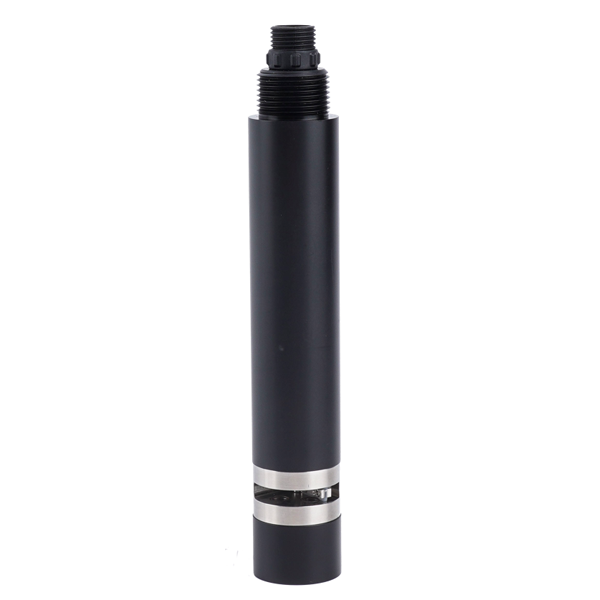
Kitchen waste wastewater mainly comes from links such as garbage collection, transportation, pretreatment, and anaerobic fermentation. It has high pollutant concentration and complex composition. Main characteristics include:
High organic load: COD often reaches thousands to tens of thousands mg/L, BOD/COD ratio 0.3–0.6, with good biodegradability, but contains more refractory organic matter.
High ammonia nitrogen content: High ammonia nitrogen concentration puts pressure on conventional activated sludge denitrification.
High oil and SS content: Grease and food residues lead to more emulsified oil and suspended solids, which easily block pipes and biological membranes.
Large water quality fluctuations: Affected by seasons and garbage sources, pH, grease, and nutrient ratios change significantly, easily causing impact on the biochemical system.
These characteristics determine that simple physical or chemical treatment is difficult to meet standards. A combined process of “pretreatment + efficient biochemical” must be adopted. The pretreatment focuses on removing oil and SS, while the biochemical section needs to strengthen nitrogen removal and refractory organic matter removal capabilities. The MBR process achieves efficient mud-water separation through membrane separation, which can maintain the sludge concentration in the biochemical reactor at 10–15 g/L, greatly reducing the volume of structures, lowering engineering investment, and at the same time the effluent SS is close to zero, making it suitable for subsequent advanced treatment or reuse.
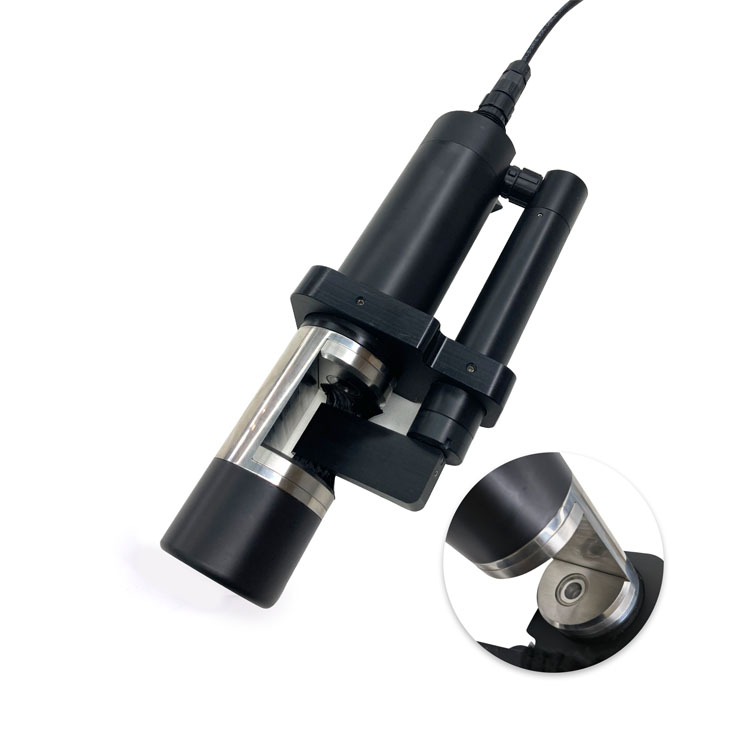
The recommended combined process flow is “cyclone oil removal + air flotation pretreatment + MBR biochemical system”, specifically as follows:
After anaerobic fermentation, the wastewater still contains a large amount of suspended solids and oil. To stabilize the influent water quality of subsequent treatment units, it first enters the comprehensive regulating tank for water quality and quantity equalization and regulation. At the same time, stirring prevents oil stratification and SS deposition. The residence time of the regulating tank is generally controlled at 8–12 hours. Liquid level control and online pH monitoring are set in the tank to ensure influent stability.
To effectively remove oil and SS, the wastewater first enters the cyclone oil remover, using centrifugal force to separate oil-water mixtures with large density differences, preliminarily removing free oil and some large-particle SS. Then it enters the air flotation tank for deep oil and SS removal.
Working principle of air flotation tank: Wastewater enters the aeration section equipped with a releaser or gas-liquid mixing pump, and micro-bubbles are fully mixed with the wastewater. Due to the vertical upward buoyancy generated by the density difference between the gas-water mixture and the liquid, micro-bubbles attach to the surface of SS and oil droplets, bringing them to the water surface to form scum. The scum is regularly scraped off by a chain-type scraper to achieve solid-liquid separation.
This pretreatment section can remove more than 80% of oil and 60%–70% of SS, greatly reducing the organic load and membrane pollution risk of the subsequent biochemical system. In engineering practice, the surface load of the air flotation tank is generally controlled at 5–8 m³/(m²·h), and the dissolved air pressure is 0.3–0.5 MPa.
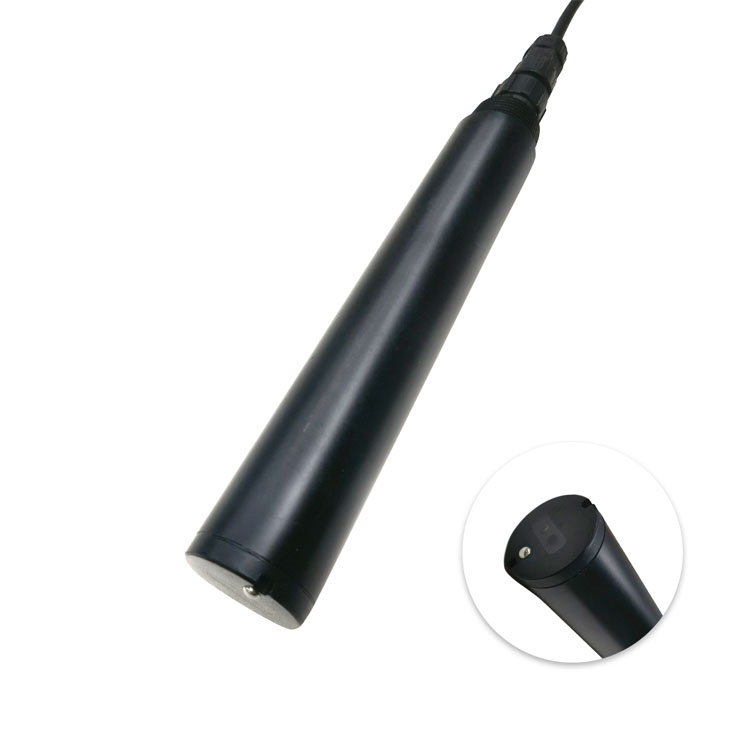
The pretreated wastewater enters the MBR biochemical reactor. The MBR system consists of a pre-denitrification tank and a nitrification tank, adopting a secondary nitrification-denitrification process.
Denitrification stage: Using the original carbon source (carbohydrates) in the wastewater, nitrate and nitrite in the reflux are reduced to nitrogen gas under anoxic conditions to achieve denitrification.
Nitrification stage: Under aerobic conditions, highly active microorganisms degrade most organic matter and oxidize ammonia nitrogen and organic nitrogen into nitrate and nitrite. The nitrification liquid is returned to the denitrification tank to complete the denitrification cycle.
To improve oxygen utilization, it is recommended to use an internal circulation jet aeration system, with oxygen utilization rate up to more than 35%. The MBR ultrafiltration part can use built-in or external membrane modules, equipped with an online cleaning system (chemical cleaning or physical backwashing) to effectively control membrane pollution.
The outstanding advantage of the MBR system is that the sludge concentration can be maintained at about 15 g/L. The dominant bacterial community formed through long-term domestication can gradually degrade refractory biodegradable organic matter. The ammonia nitrogen removal rate can reach more than 90%, and the COD removal rate is stable at 85%–95%. The effluent water quality is excellent, with SS close to 0 mg/L, making it suitable for direct discharge or further advanced treatment.
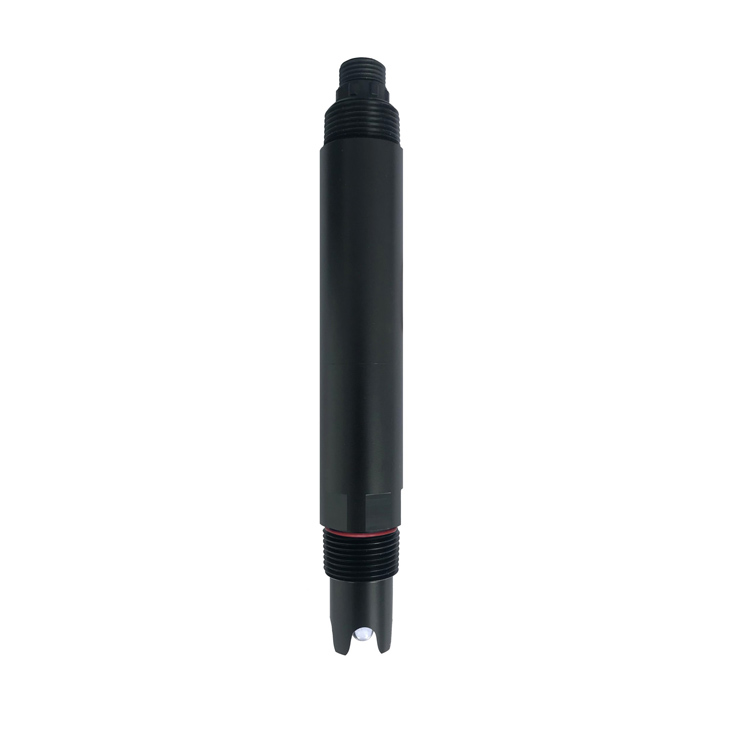
Compared with the traditional activated sludge method, the MBR process has the following significant advantages:
Small footprint: High sludge concentration greatly reduces the reactor volume, and engineering investment is relatively low.
Stable treatment effect: Membrane separation completely intercepts microorganisms and SS, with high consistency of effluent water quality and little influence by water quality fluctuations.
Low sludge yield: Long sludge age operation reduces the amount of residual sludge and lowers sludge treatment costs.
Flexible operation: It can adapt to seasonal water quality changes by adjusting return ratio, aeration volume, and membrane flux.
In actual projects, the MBR system has high cost performance, especially suitable for kitchen waste treatment centers or distributed treatment projects with limited land use. System integrators can select standardized modules according to treatment scale (daily treatment capacity ranging from 50 to 500 m³/d), facilitating rapid deployment.
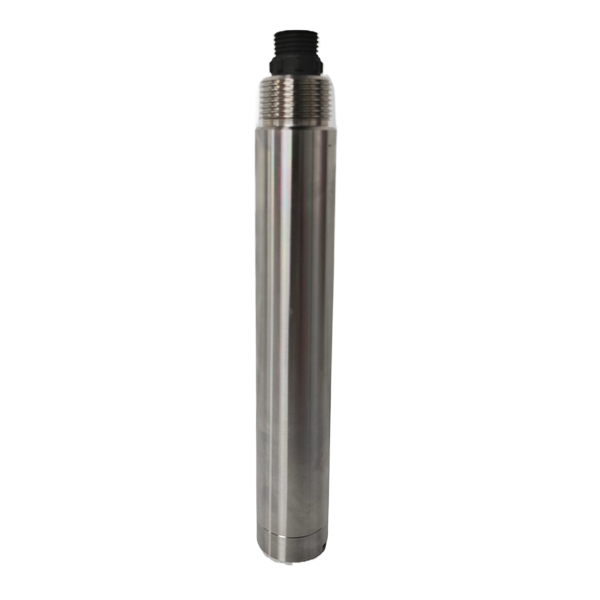
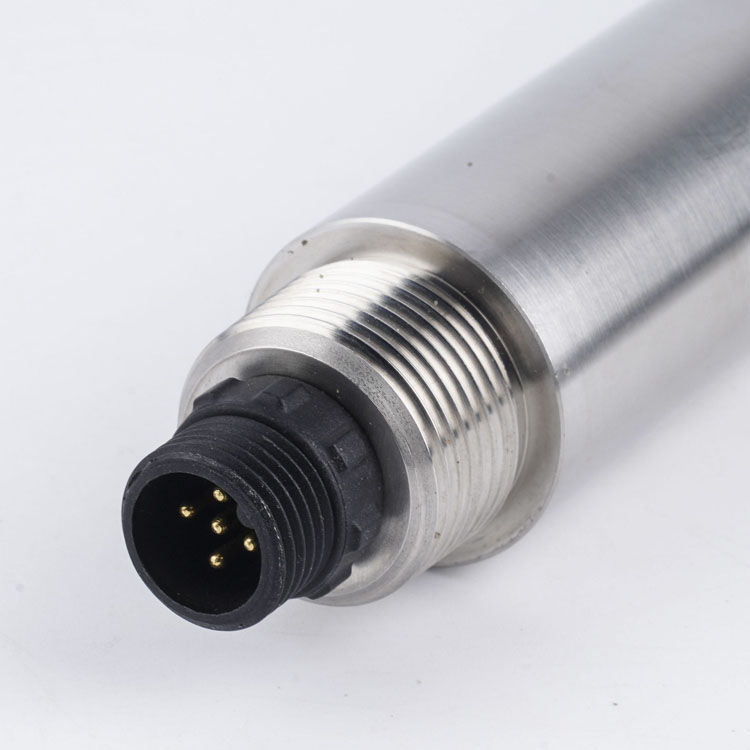
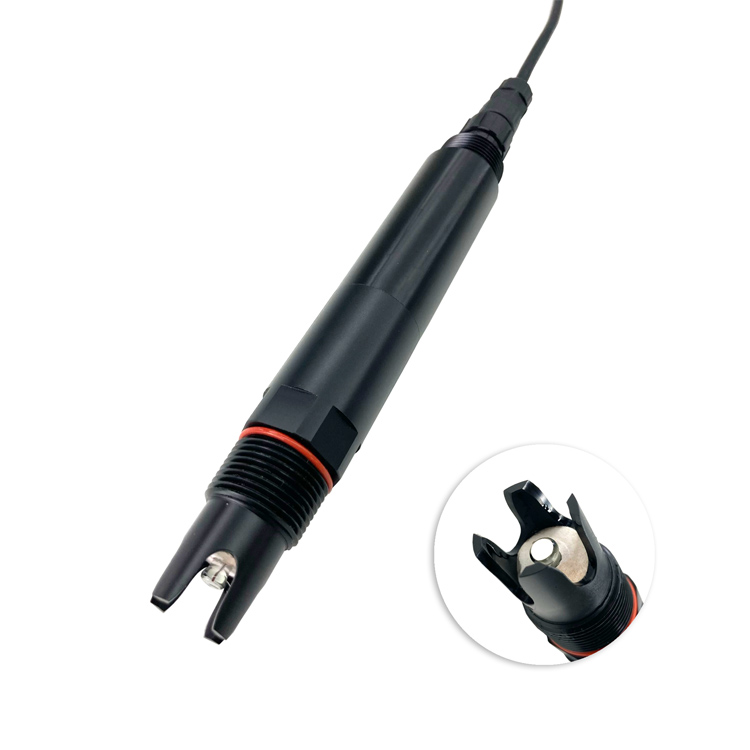
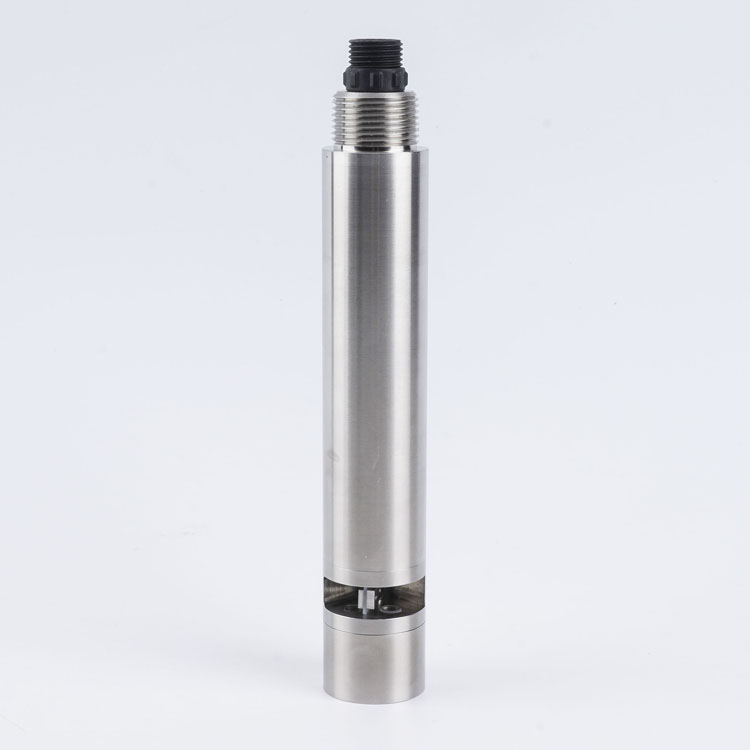
Precise online monitoring is the basis for ensuring stable operation of the MBR system. NiuBoL has developed dedicated online monitoring instruments for the high-concentration and high-oil characteristics of kitchen waste wastewater, which can monitor key parameters such as COD, ammonia nitrogen, pH, dissolved oxygen (DO), and MLSS in real time and support linkage with the MBR control system.
The following are typical technical parameters of NiuBoL MBR supporting monitoring instruments:
| Parameter | Measurement Principle | Measurement Range | Communication Protocol | Applicable Link |
|---|---|---|---|---|
| COD | Potassium dichromate digestion colorimetric method | 0-5000 mg/L (expandable) | Modbus TCP / MQTT | Inlet/outlet, regulating tank |
| Ammonia Nitrogen | Salicylic acid spectrophotometric method | 0-200 mg/L | RS485 / 4-20mA | Nitrification tank, denitrification tank |
| pH | Glass electrode method | 0-14 | 4-20mA / RS485 | Whole process |
| Dissolved Oxygen (DO) | Fluorescence method | 0-20 mg/L | OPC UA / Profibus | Nitrification tank aeration control |
| MLSS | Optical or ultrasonic method | 0-20 g/L | Ethernet | MBR reactor sludge concentration control |
| Oil | Ultraviolet fluorescence method | 0-100 mg/L | Modbus TCP | Air flotation tank inlet/outlet |
In the project design stage, it is recommended to first conduct a full water quality analysis and determine the pretreatment intensity based on the BOD/COD ratio and grease content. During construction, focus on the anti-corrosion and installation accuracy of the air flotation tank scum scraping system and MBR membrane modules. In the operation and maintenance stage, regularly monitor membrane flux and perform chemical cleaning to control the membrane fouling rate. At the same time, use the NiuBoL monitoring system to establish an early warning mechanism to deal with seasonal water quality fluctuations in advance.
For engineering companies, the MBR process combined with intelligent monitoring and control can effectively reduce manual inspection frequency and improve the overall reliability of the project.
Q1. Why is the MBR process suitable for kitchen waste wastewater?
MBR can maintain high sludge concentration (up to 15 g/L), effectively treat high-concentration organic matter and ammonia nitrogen, and ensure extremely low effluent suspended solids (SS) through membrane separation. It has a small footprint and is suitable for projects with limited land use.
Q2. What is the role of cyclone oil remover and air flotation tank in pretreatment?
The cyclone oil remover preliminarily separates free oil, and the air flotation tank further removes emulsified oil and SS through micro-bubbles, reducing the load and membrane pollution risk of the subsequent biochemical system.
Q3. How does the secondary nitrification-denitrification in the MBR system achieve efficient denitrification?
The pre-denitrification uses the raw water carbon source to reduce nitrate nitrogen to nitrogen gas, and the nitrification tank oxidizes ammonia nitrogen to nitrate and then returns it. The ammonia nitrogen removal rate can reach more than 90%.
Q4. What is the general effluent COD after kitchen waste wastewater treatment?
After adopting the MBR process, the effluent COD can be stably controlled below 500 mg/L. The specific value depends on the influent concentration and optimization of operating parameters.
Q5. Does the MBR membrane module need frequent cleaning?
After being equipped with an online cleaning system, physical backwashing combined with regular chemical cleaning can effectively control membrane pollution and extend membrane service life.
Q6. How to deal with seasonal fluctuations in kitchen waste wastewater quality?
By monitoring key parameters such as COD, ammonia nitrogen, and DO online, aeration volume, return ratio, and dosing volume can be adjusted in real time to maintain stable system operation.
Q7. How does the NiuBoL monitoring system integrate with the MBR control system?
It supports multiple protocols such as Modbus TCP and MQTT, and can seamlessly access PLC, DCS, or SCADA platforms to achieve linkage control.
Q8. What is the impact of choosing the MBR process on engineering investment and operation and maintenance costs?
Although the initial membrane investment is higher, the structure volume is reduced, sludge production is lowered, and treatment effect is stable. The overall cost performance is better than traditional processes.
The selection of kitchen waste wastewater treatment process should focus on its characteristics of high organic load, high ammonia nitrogen, and oil-containing SS. The technical route of cyclone oil removal + air flotation pretreatment combined with MBR biochemical system should be prioritized. This process has the advantages of small footprint, stable treatment effect, and high denitrification efficiency, and is suitable for kitchen waste treatment projects of various scales. NiuBoL focuses on providing professional online monitoring and intelligent control equipment to provide reliable technical support for system integrators, IoT solution providers, project contractors, and engineering companies, helping MBR systems achieve precise operation and efficient management.
If you need process scheme optimization, monitoring instrument selection, or integration technical support for specific water quality data, please contact the NiuBoL technical team. We will provide professional and practical solutions according to actual engineering needs.
 NBL-NHN-302 Online Ammonia Nitrogen Sensor.pdf
NBL-RDO-206 Online Fluorescence Dissolved Oxygen Sensor.pdf
NBL-COD-208 Online COD Water Quality Sensor.pdf
NBL-CL-206 Water Quality Sensor Online Residual Chlorine Sensor.pdf
Related recommendations
Sensors & Weather Stations Catalog
Agriculture Sensors and Weather Stations Catalog-NiuBoL.pdf
Weather Stations Catalog-NiuBoL.pdf
Agriculture Sensors Catalog-NiuBoL.pdf
Water Quality Sensor Catalog-NiuBoL.pdf
Related products
 Combined air temperature and relative humidity sensor
 Soil Moisture Temperature sensor for irrigation|NBL-S-THR
 Soil pH sensor RS485 soil Testing instrument soil ph meter for agriculture |NBL-S-PH
 Wind Speed sensor Output Modbus/RS485/Analog/0-5V/4-20mA
 Tipping bucket rain gauge for weather monitoring auto rainfall sensor RS485/Outdoor/stainless steel
 Pyranometer Solar Radiation Sensor 4-20mA/RS485

Screenshot, WhatsApp to identify the QR code
WhatsApp number:+8615367865107
(Click on WhatsApp to copy and add friends)

