





— Blogs —
—Products—
 Consumer hotline +8618073152920
 WhatsApp:+8615367865107
Address:Room 102, District D, Houhu Industrial Park, Yuelu District, Changsha City, Hunan Province, China
Product knowledge
Time:2026-01-12 09:50:31 Popularity:771
“Water is the source of life, the foundation of production, and the basis of ecology.” In modern aquaculture, water quality directly determines the quality of output and economic benefits. Traditional farming modes often rely on human experience, judging water quality through observing fish behavior or simple color tests. This approach not only has severe lag but is also difficult to cope with sudden risks brought by extreme weather.
NiuBoL is committed to improving the level of online water quality pollution monitoring in China. The integrated water environment monitoring system it has launched is like installing a "weather station" and "physical examination machine" on standby 24 hours a day for aquaculture waters. It can observe surrounding environmental changes in real time, avoiding irreversible impacts on fish caused by water quality fluctuations.
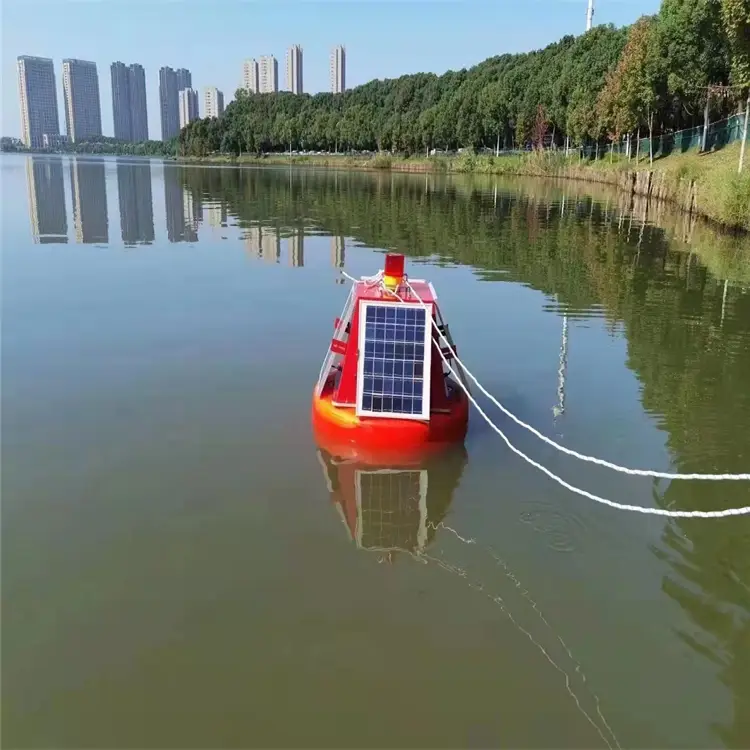
Fry are extremely sensitive to weather changes. Sharp temperature jumps, short-term heavy rainfall, or sudden air pressure drops often lead to intensified water convection, causing bottom hypoxia or ammonia nitrogen fluctuations. Fry with weaker constitutions are prone to disease or even mass mortality under such stress. By installing hydrological monitoring sensors, farmers can learn key indicators such as air pressure, rainfall, light intensity, and solar radiation in the water area, taking preventive measures such as oxygenation and temperature control in advance to protect the safety of fry.
The core of a mature monitoring system lies in the application of precision sensors and efficient data transmission. The system provided by NiuBoL covers full-scenario applications from wetland ecological monitoring to pond aquaculture water quality stations, especially demonstrating strong technical strength in in-situ real-time monitoring.
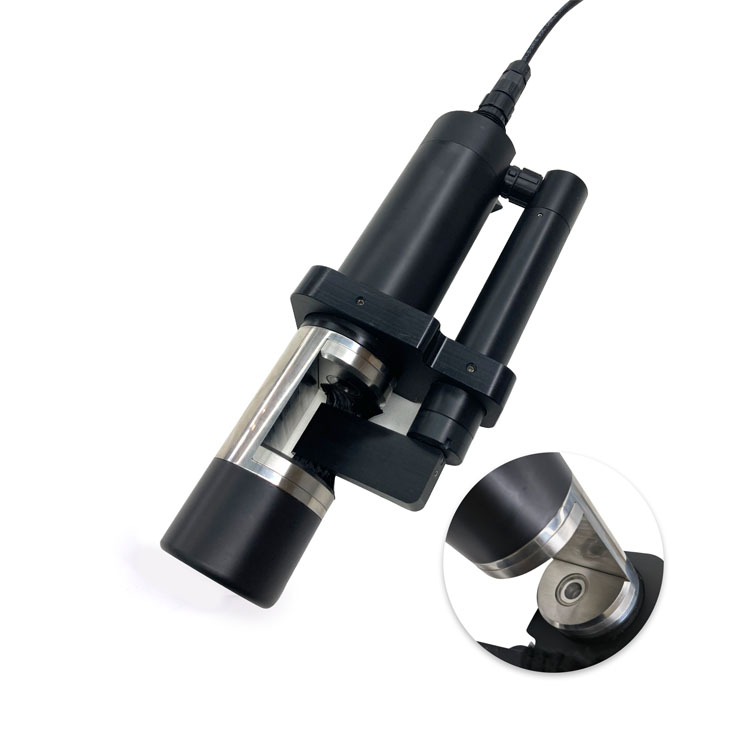
The key to the online water quality monitoring system lies in the front-end sensor design. The system mainly integrates the following five core indicators:
Dissolved Oxygen (DO): Directly related to the survival of aquatic organisms, the most variable parameter in aquaculture.
pH Value: Measures the acid-base balance of the water body; abnormal pH fluctuations indicate water quality deterioration.
Turbidity: Assesses the content of suspended matter in water, reflecting water clarity and accumulation of excreta.
Conductivity: Monitors the total amount of ions in water, an important reference for judging changes in water salinity and pollution access.
Water Temperature: A basic physical parameter that not only affects fish metabolism but also determines compensation calculations for other chemical parameters.
In terms of data transmission, NiuBoL adopts advanced IoT technology to upload collected data to the user-side cloud platform in an extremely short time via GPRS/4G/5G signals. Compared with traditional manual sampling monitoring, this not only simplifies cumbersome procedures but shortens the feedback cycle from "days" to "seconds", ensuring the effectiveness of emergency response.
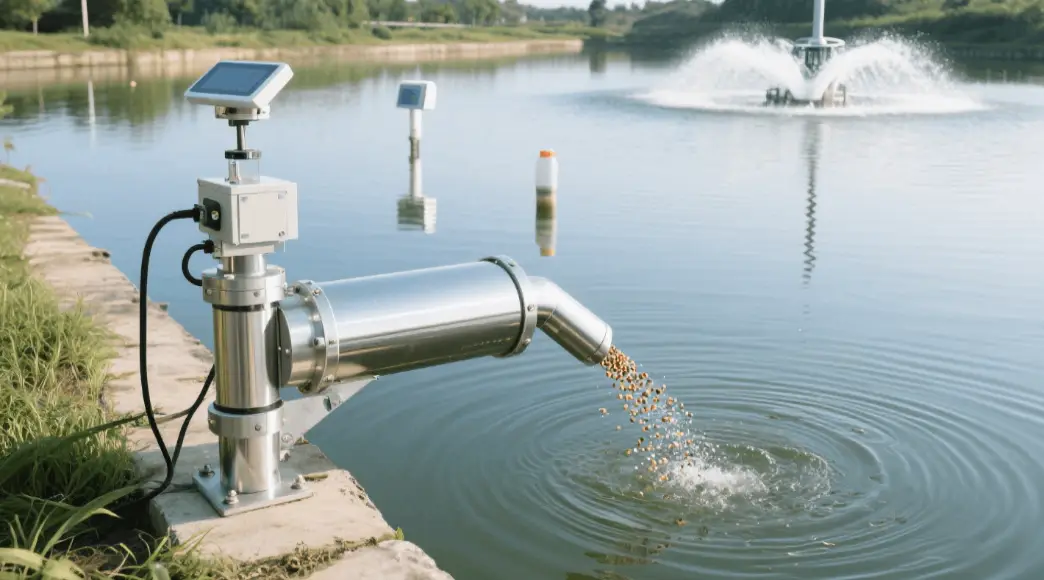
Addressing the pain points of current enterprise-customized systems—high cost, long cycle, and difficult operation and maintenance—a qualified and reliable NiuBoL online monitoring system should have the following significant features:
Real-Time Monitoring: Achieve 24-hour real-time online continuous collection, leaving no monitoring blind spots.
Digital Traceability: The system automatically saves historical data, forming long-cycle trend charts for easy review and accident analysis.
Intelligent Alarm: Supports setting exceedance limits; once parameters are abnormal, immediately pushes notifications to relevant responsible persons via mobile SMS or APP.
Scientific Analysis: Automatically generates daily, monthly, and annual statistical reports, supports comparative reference, providing data support for subsequent feeding and water treatment.
Convenient Monitoring: Managers do not need to be on-site; they can log in to the system through any platform's Web browser.
Mobile Management: Dedicated APP allows managers to grasp first-hand on-site information anytime and anywhere, expanding management radius.
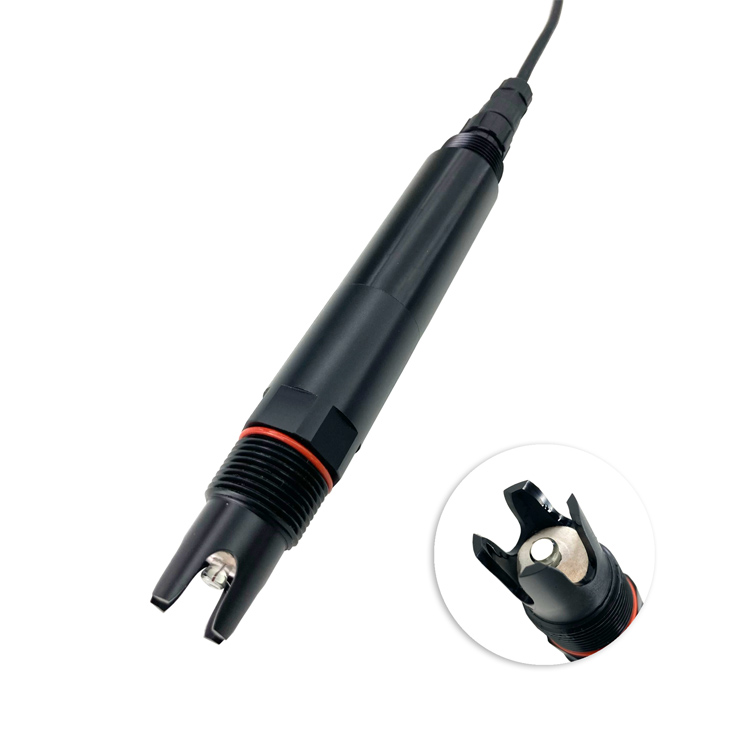
To ensure the "true, accurate, and complete" monitoring data, NiuBoL emphasizes that the initial stage after system installation must strictly follow debugging specifications.
After completing the installation and initial test of online water pollution monitoring instruments on site, long-term stable operation testing must be carried out:
Continuous Operation Requirement: Online monitoring instruments must undergo at least 72 hours of continuous operation debugging.
Zero Point and Range Calibration: During the debugging period, perform zero point calibration and range calibration checks daily.
Drift Control: If cumulative drift exceeds specified indicators, immediately compensate and adjust the instrument to ensure measurement accuracy meets industrial or environmental protection standards.
Fault Restart Principle: If discharge source failure or system hardware failure causes interruption during debugging, after returning to normal, the 72-hour continuous timing must be restarted to ensure long-term stability of the equipment.
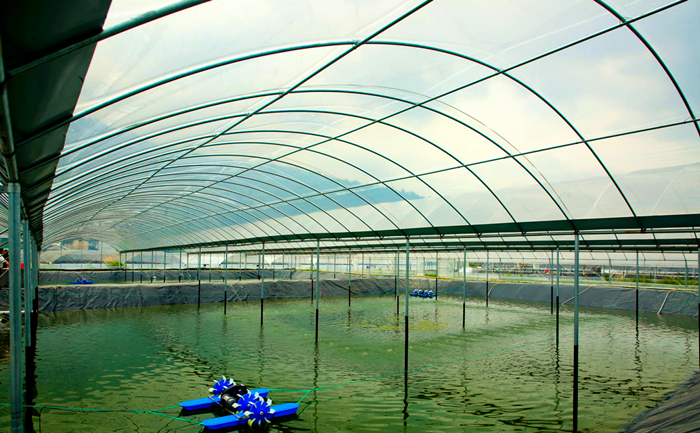
NiuBoL is committed to providing better real-time data analysis and diagnosis for environmental protection system integrators and farms. Our system has been widely applied in:
Wetland Ecological Monitoring: Focus on ammonia nitrogen (NH3-N), total phosphorus (TP), and biodiversity indicators. Monitoring stations usually adopt floating buoy deployment to reduce damage to the natural environment.
Industrial Wastewater Discharge Outlets: Focus on COD (chemical oxygen demand), flow rate, and pH value. Must strictly comply with the Ministry of Ecology and Environment's HJ 212 protocol to ensure seamless data connection to government regulatory platforms.
Drinking Water Source Protection: Emphasize turbidity, residual chlorine, and auxiliary meteorological station monitoring to prevent land-source pollution from entering water intake due to heavy rain erosion.
With continuous technological iteration, forms such as in-situ real-time water quality monitoring buoys will further enrich monitoring dimensions. Improving water source quality through digital means is not only a condition for ensuring crop maturity and excellent quality but also the cornerstone for safeguarding the healthy growth of aquatic animals.
Q1: In addition to water quality indicators, why is it necessary to monitor meteorological parameters when installing hydrological sensors?
A: Meteorological parameters (such as air pressure and light) significantly affect the dissolved oxygen capacity of water bodies. Low air pressure is often accompanied by a decrease in dissolved oxygen in water, while light intensity affects algal photosynthesis. Synchronous monitoring helps more comprehensively predict water quality change trends.
Q2: How is the power consumption of the NiuBoL system? Can it be used in field areas without power supply?
A: The system adopts low-power collector design and comes standard with a high-performance solar power generation system, enabling long-term independent operation in remote, non-mains power environments, very suitable for reservoirs, rivers, and large aquaculture bases.
Q3: If a short power outage occurs during the 72-hour debugging period, does debugging need to be restarted?
A: According to specifications, any fault causing data interruption (including system interruption caused by power outage) requires restarting the 72-hour continuous operation timing after recovery to ensure long-term stability of the equipment.
Q4: Why does the NiuBoL system emphasize "low power consumption"?
A: Aquaculture areas and wetlands are usually located in remote areas where wiring for power supply is extremely costly. We adopt efficient solar panels combined with low-power collectors, enabling the system to maintain normal operation for 7-10 days relying on internal batteries even during continuous rainy days.
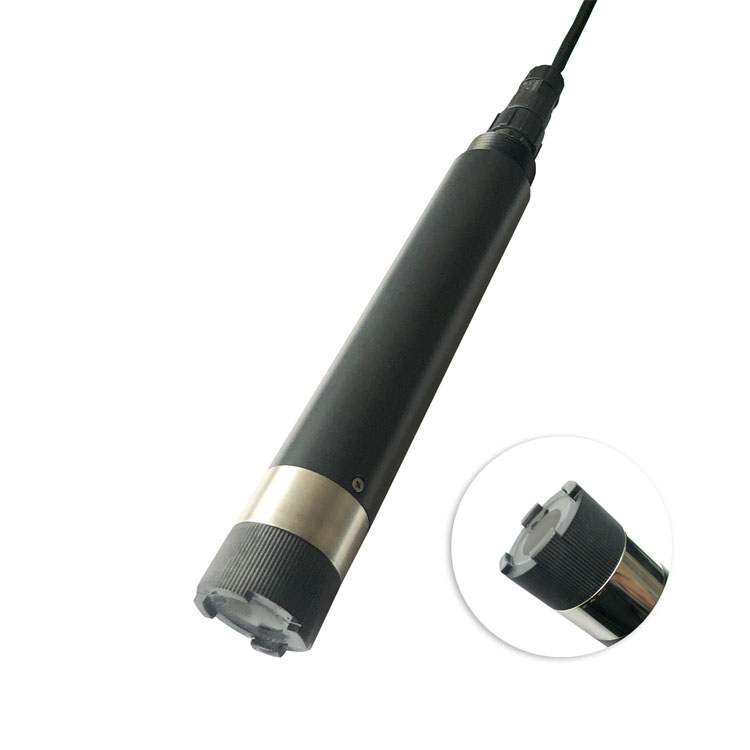
Q5: How does the water quality sensor probe prevent biological attachment in the field?
A: Advanced probes from NiuBoL can be optionally equipped with automatic cleaning brushes. For aquaculture environments prone to algae and shellfish growth, the brush regularly cleans the optical window or membrane head, ensuring the measurement optical path remains transparent, reducing manual underwater cleaning frequency from weekly to quarterly.
Q6: If there is no signal, will the data be lost?
A: No. The collector has a large-capacity storage module and supports breakpoint continuation. When the 4G/5G network recovers, the system automatically supplements and uploads data from the offline period, ensuring data continuity and integrity.
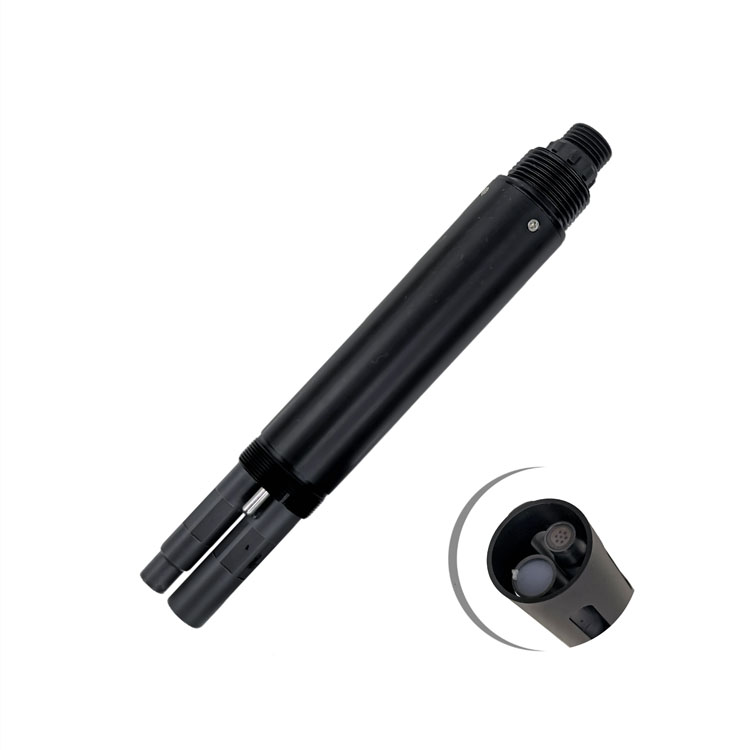
The transformation core of smart aquaculture lies in transforming the "invisible" water environment into a "visualized" data flow. The comprehensive water environment monitoring solution provided by NiuBoL not only solves the pain points of long development cycles and difficult operation and maintenance of traditional customized systems but also provides solid technical support for aquaculture and ecological protection through high-precision sensors and rigorous debugging processes.
Making good use of online monitoring instruments is equivalent to installing an "accelerator" for water ecological civilization construction and aquaculture industry upgrade.
Monitoring Parameters: Dissolved oxygen (mg/L), turbidity (NTU), pH (0-14), conductivity (μS/cm), water temperature (°C), COD, NH3-N.
Meteorological Indicators: Wind speed (m/s), wind direction (°), air pressure (hPa), rainfall (mm), solar radiation (W/㎡).
Communication Interfaces: RS-485 / RS-232.
Communication Protocol: Modbus RTU / Ministry of Ecology and Environment HJ212 protocol.
Power Supply System: 12V/24V DC, solar + battery combination.
Data Frequency: Configurable according to needs (e.g., 1 minute/time - 1 hour/time).
Do you need a customized sensor threshold alarm scheme based on specific aquaculture species (such as soft-shelled turtles, eels, or hairy crabs)? Welcome to contact us for professional system integration guidance.
Related recommendations
Sensors & Weather Stations Catalog
 Agriculture Sensors and Weather Stations Catalog-NiuBoL.pdf
Weather Stations Catalog-NiuBoL.pdf
Agriculture Sensors Catalog-NiuBoL.pdf
Water Quality Sensor Catalog-NiuBoL.pdf
Related products
 Combined air temperature and relative humidity sensor
 TDR Soil Moisture & Temperature Sensor for irrigation| RS485 |4-20mA| NBL-S-THR
 Soil pH sensor RS485 soil Testing instrument soil ph meter for agriculture |NBL-S-PH
 Wind Speed sensor Output Modbus/RS485/Analog/0-5V/4-20mA
 Tipping bucket rain gauge for weather monitoring auto rainfall sensor RS485/Outdoor/stainless steel
 Pyranometer Solar Radiation Sensor 4-20mA/RS485

Screenshot, WhatsApp to identify the QR code
WhatsApp number:+8615367865107
(Click on WhatsApp to copy and add friends)

