





— Blogs —
—Products—
 Consumer hotline +8618073152920
 WhatsApp:+8615367865107
Address:Room 102, District D, Houhu Industrial Park, Yuelu District, Changsha City, Hunan Province, China
Product knowledge
Time:2025-08-31 13:55:07 Popularity:2464
Anemometer prices vary widely because a handheld airflow meter, an industrial cup anemometer and an ultrasonic wind sensor are designed for very different applications.
A basic portable anemometer may only be used for occasional spot measurements, while an industrial wind sensor may need to operate outdoors continuously for years, support RS485 Modbus or 4–20 mA output, withstand rain and dust, and connect to a PLC, data logger or automatic weather station.
For this reason, the correct question is not only “How much does an anemometer cost?” but also “What type of anemometer does the project actually require?”
The following ranges are broad market references for understanding different product categories. They are not fixed NiuBoL quotations. Actual prices depend on specifications, quantity, output, calibration, accessories and supplier.
| Anemometer Type | Typical Market Reference | Typical Application |
|---|---|---|
| Handheld Digital | Approx. USD 20–200 | Portable inspections and spot measurements |
| Cup Anemometer | Approx. USD 30–300 | Weather stations, agriculture and outdoor monitoring |
| Hot-Wire Anemometer | Approx. USD 100–300 | HVAC, laboratories and low airflow |
| Vane Anemometer | Approx. USD 100–500 | HVAC and portable airflow testing |
| Ultrasonic Anemometer | Approx. USD 300–2,500+ | Professional weather, industrial and research monitoring |
Price ranges above are indicative only. Specialized certified, heated, high-accuracy or research-grade instruments may fall outside these ranges.
Mechanical cup sensors use rotating components and generally have a simpler structure. Ultrasonic anemometers measure wind using the transit time of ultrasonic signals and require more complex transducers and signal-processing electronics.
This is one reason ultrasonic wind sensors normally have a higher initial purchase price.
A conventional cup anemometer normally measures only wind speed. Wind direction requires a separate wind vane.
An ultrasonic sensor can measure wind speed and direction in one device, which may increase the sensor price but reduce the number of separate sensors, cables and mounting brackets required.
Sensors intended for extreme wind conditions or very low starting wind speeds may require different mechanical designs, calibration and electronics.
Higher measurement performance normally requires tighter manufacturing tolerances, better signal processing and more extensive calibration.
However, paying for a higher specification only makes sense if the installation location and project requirements can actually benefit from it.
| Output | Typical Use |
|---|---|
| Pulse | Weather stations and pulse counters |
| 0–5 V / 0–10 V | Analog controllers and acquisition systems |
| 4–20 mA | Industrial PLC and long-distance analog transmission |
| RS485 Modbus | PLC, RTU, data logger and IoT systems |
Long-term outdoor wind sensors may require UV-resistant housing, waterproof connectors, corrosion-resistant materials and protection against dust, rain and temperature extremes.
Marine, desert, high-altitude and freezing environments may require additional protection or specialized models.
Some ultrasonic wind sensors can be supplied with optional heating for cold-weather applications. Heating increases both product cost and power consumption, so it should only be selected where icing or freezing conditions justify it.
Engineering plastics, aluminum, stainless steel and specialized corrosion-resistant materials have different costs and service characteristics.
Projects requiring traceable calibration, special test reports or industry-specific certification may have additional cost compared with general industrial monitoring.
Project quantity can significantly affect unit price. A quotation for one sample should not automatically be used as the expected unit price for 100 or 500 sensors.
| Comparison | Cup Anemometer | Ultrasonic Anemometer |
|---|---|---|
| Initial Cost | Usually lower | Usually higher |
| Moving Parts | Yes | No conventional rotating parts |
| Wind Speed | Yes | Yes |
| Wind Direction | Requires separate vane | Usually integrated |
| Mechanical Maintenance | Bearings and cups need inspection | Lower mechanical maintenance |
| Best For | Cost-effective conventional monitoring | Compact and professional automatic monitoring |
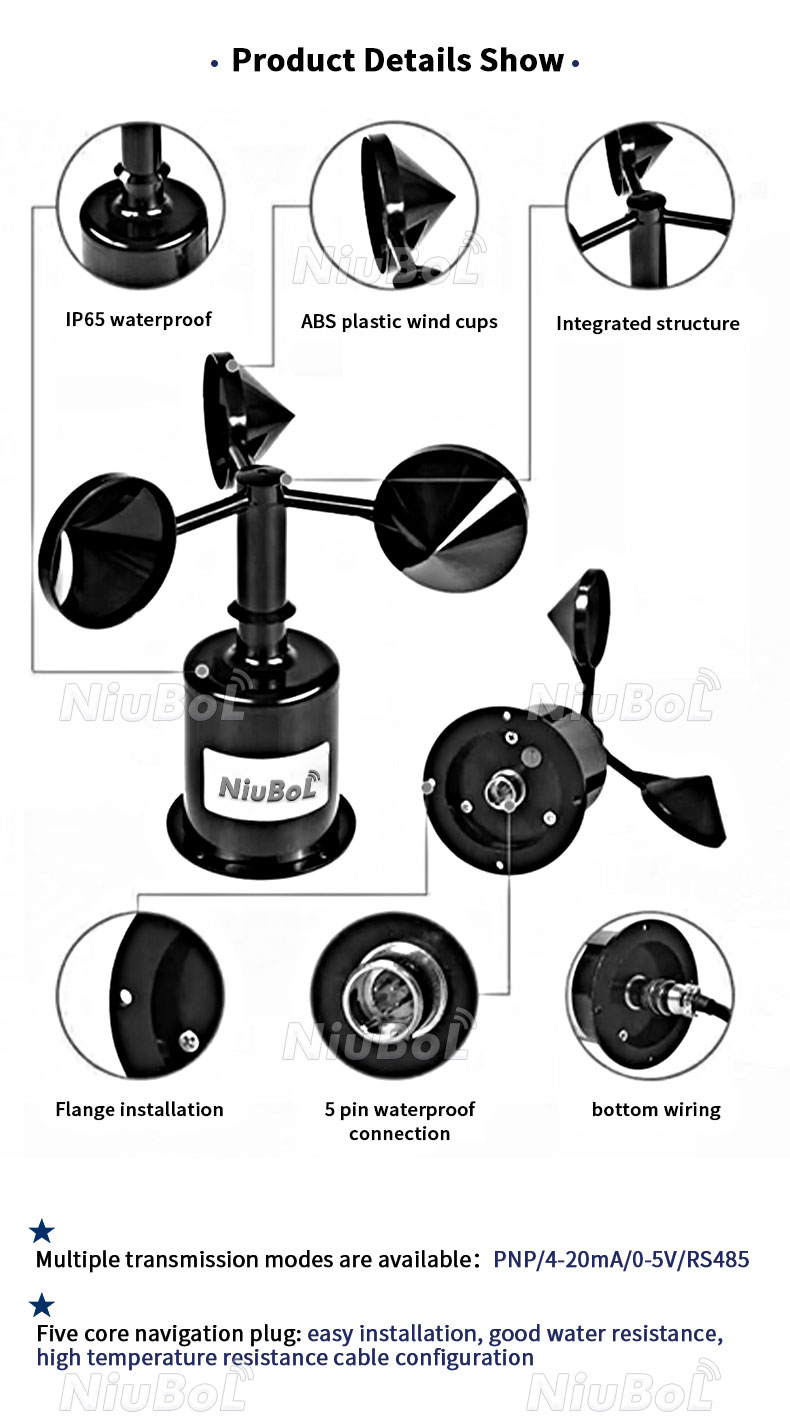
For conventional weather stations, agriculture and general outdoor monitoring, the NiuBoL NBL-W-SS provides a cost-effective industrial wind-speed measurement option.
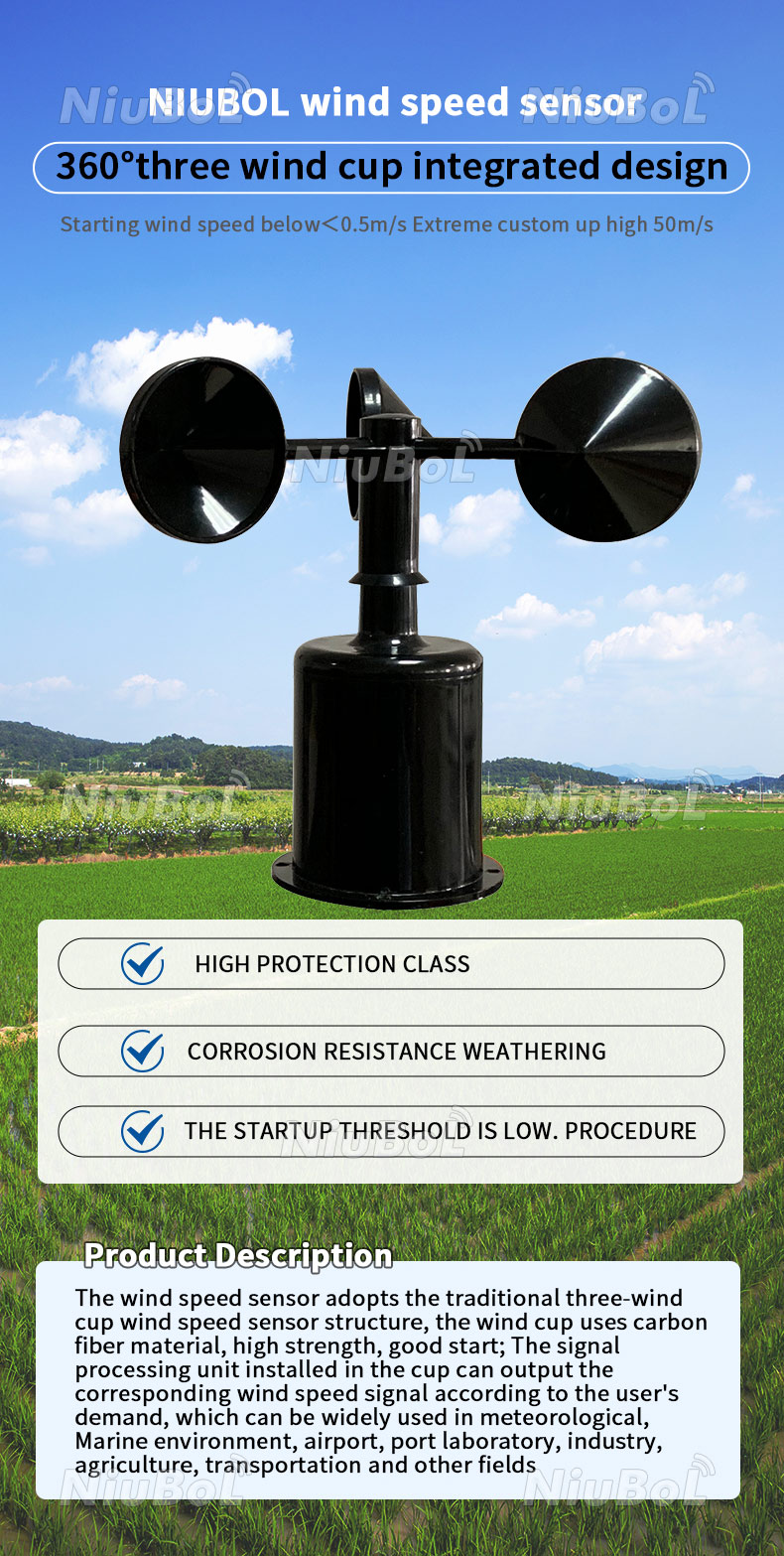
NBL-W-SS Cup Anemometer / Wind Speed Sensor
Suitable for automatic weather stations, agriculture and environmental monitoring. Output options include RS485 Modbus, 4–20 mA, voltage and pulse depending on configuration.
View NBL-W-SS Wind Speed Sensor →
For projects requiring wind speed and wind direction in one compact device, the NBL-W-21GUWS uses ultrasonic transit-time measurement and contains no conventional rotating cups or wind vane.
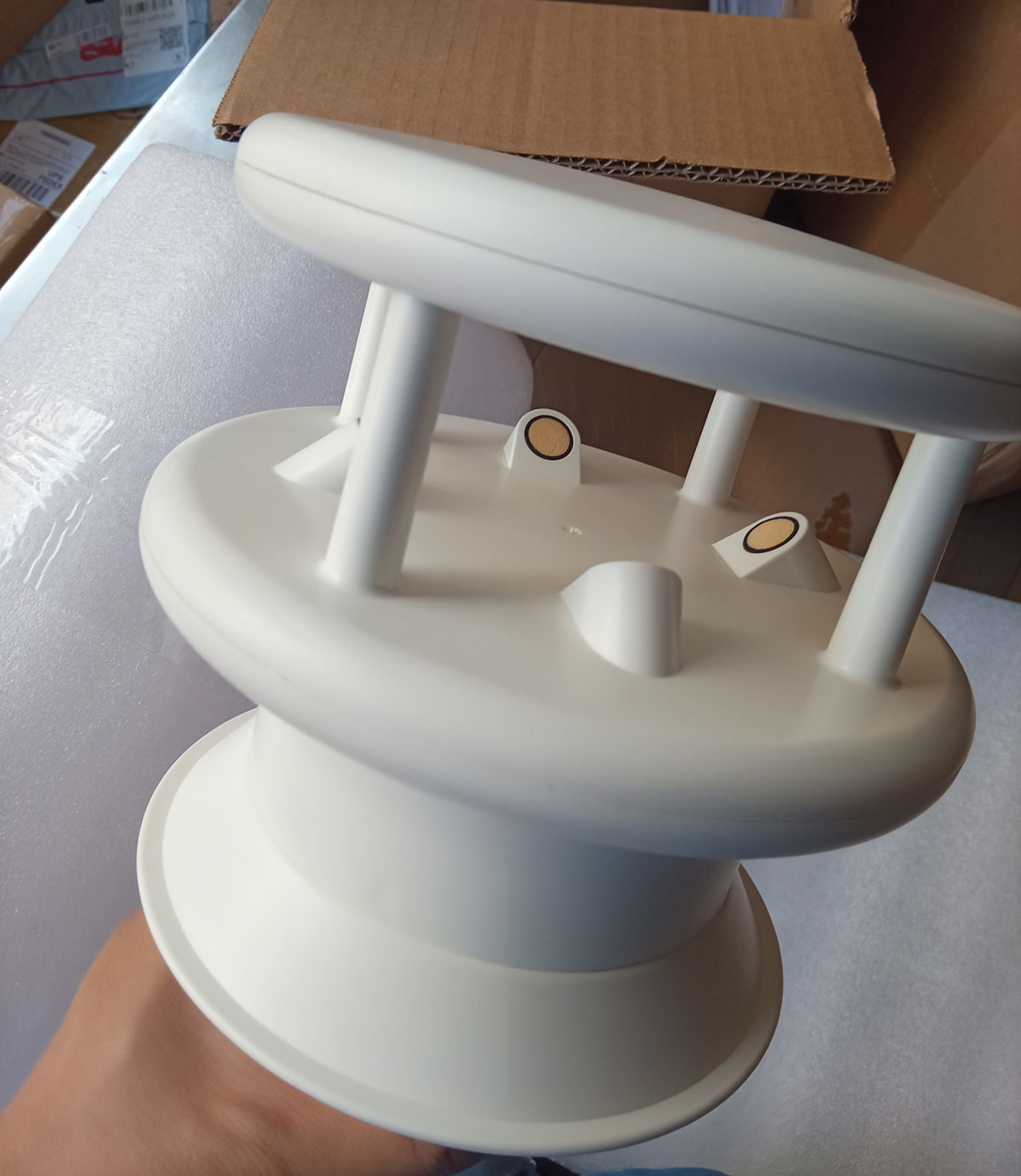
NBL-W-21GUWS Ultrasonic Wind Speed & Direction Sensor
Wind speed: 0–60 m/s; wind direction: 0–359°. RS485 Modbus output, 12–24 V DC power and optional heating are available for professional weather and environmental monitoring.
View NBL-W-21GUWS Ultrasonic Anemometer →
The lowest purchase price does not always produce the lowest total project cost.
A cup anemometer may have a lower initial cost, but the system may also require a separate wind-direction sensor and additional mounting hardware.
An ultrasonic sensor has a higher initial cost but combines speed and direction measurement and eliminates conventional rotating bearings and cups.
The better choice depends on expected service life, maintenance access, required parameters, accuracy, climate and project budget.
For B2B projects, the anemometer is often only one part of the total monitoring system.
| Item | When Required | Cost Impact |
|---|---|---|
| Wind Sensor | Always | Base sensor cost |
| Wind Direction Sensor | If using separate cup sensor | Additional sensor |
| Data Logger | Automatic data collection | Medium |
| 4G / Ethernet Gateway | Remote monitoring | Medium |
| Solar Panel + Battery | Sites without mains power | Medium to High |
| Pole / Mounting Bracket | Outdoor fixed installation | Depends on structure |
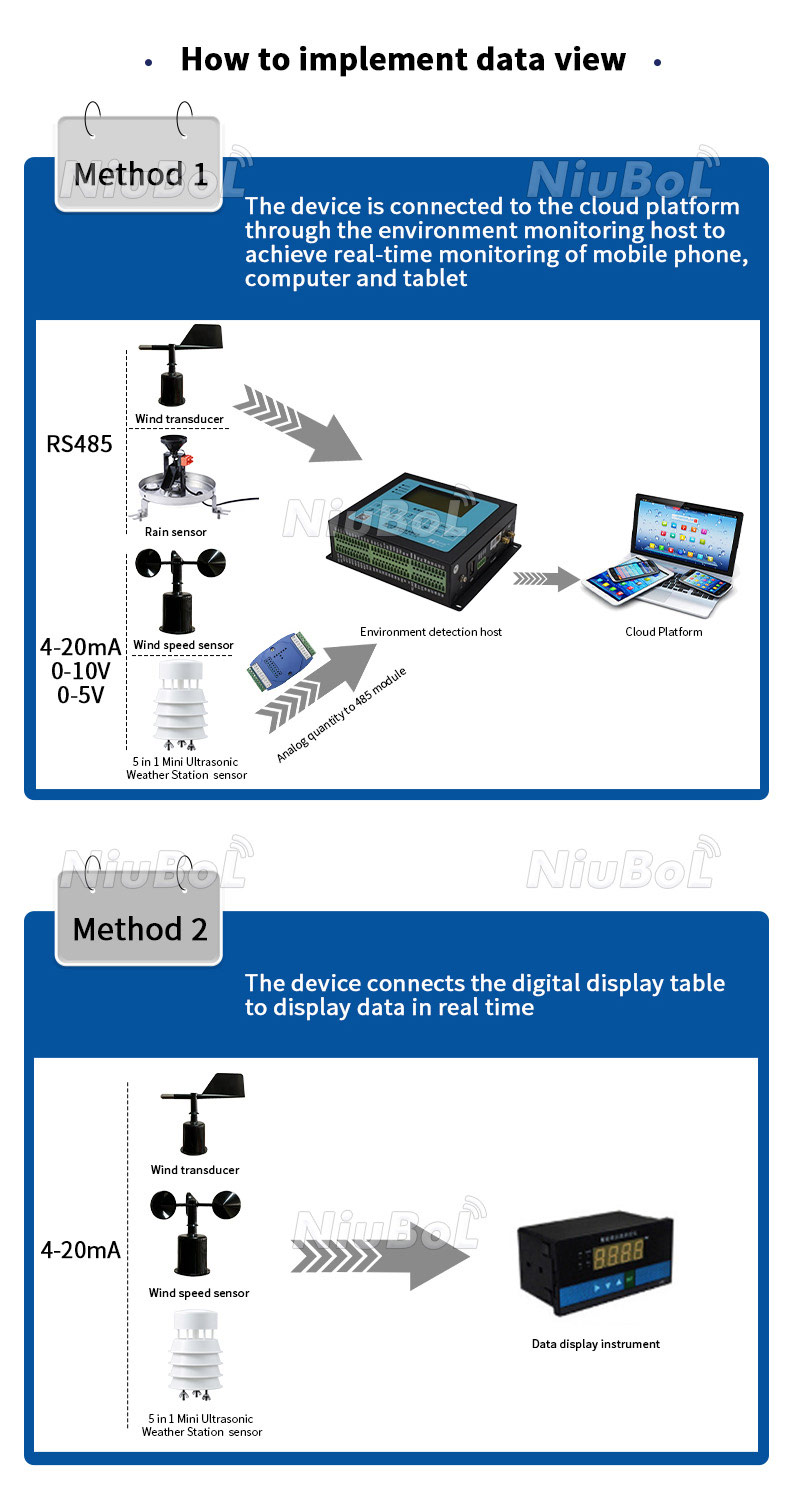
Yes. Different signal-conditioning and communication circuits are required for different output types.
For new IoT and PLC projects, RS485 Modbus is often convenient because several sensors can share one communication bus. For existing industrial control systems, 4–20 mA may be easier to integrate. Pulse output is common in simpler weather-station systems.
To receive a useful quotation instead of a generic price, provide:
Required quantity
Wind speed only or wind speed + direction
Expected wind-speed range
Required accuracy
RS485, 4–20 mA, voltage or pulse output
Power supply
Cable length
Operating temperature
Marine, desert, freezing or other special environment
Whether heating is required
Whether a data logger is required
Whether 4G, Ethernet or LoRaWAN is required
Whether a solar power system is required
Destination country
Before comparing prices, first confirm the measurement purpose.
Do not use an outdoor cup anemometer for HVAC duct airflow testing.
Do not assume a cup anemometer also measures wind direction.
Do not select a sensor only because it has the lowest purchase price.
Do not ignore starting wind speed when low-wind measurement is important.
Do not ignore environmental protection for long-term outdoor installation.
Do not choose an output that is incompatible with the PLC or data logger.
Do not assume every ultrasonic sensor has the same accuracy or heating capability.
A1. Prices vary from low-cost handheld instruments to professional ultrasonic wind sensors costing hundreds or thousands of dollars. The correct price depends on technology, accuracy, outputs, environmental protection and application.
A2. Ultrasonic sensors use multiple transducers and digital signal processing to calculate wind speed and direction without conventional mechanical rotating parts. This increases electronic and manufacturing complexity.
A3. Usually yes in terms of initial purchase price. However, a complete cup-based system may also require a separate wind-direction sensor, so total system cost should be compared.
A4. RS485 versions include digital communication electronics and Modbus support, so they may cost more than simple pulse or voltage versions. They can also simplify multi-sensor PLC and IoT integration.
A5. Yes. Additional cable increases material cost, and long cable runs may require attention to voltage drop, shielding and RS485 communication quality.
A6. Handheld instruments are suitable for occasional spot measurements. Fixed industrial sensors are more appropriate for continuous automatic monitoring.
A7. No. Price also reflects materials, communication interfaces, environmental protection, heating, certification and application grade. Compare actual specifications rather than price alone.
A8. Yes. Industrial wind sensors with RS485 Modbus, 4–20 mA or compatible voltage outputs can connect to PLCs and data loggers.
A9. Yes. An RS485 wind sensor can connect to a 4G or Ethernet gateway, which can transmit data through MQTT, HTTP or TCP depending on the system configuration.
A10. Provide the required sensor type, quantity, measurement range, output, cable length and destination country. For complete systems, also specify the data logger, communication, solar power and mounting requirements.
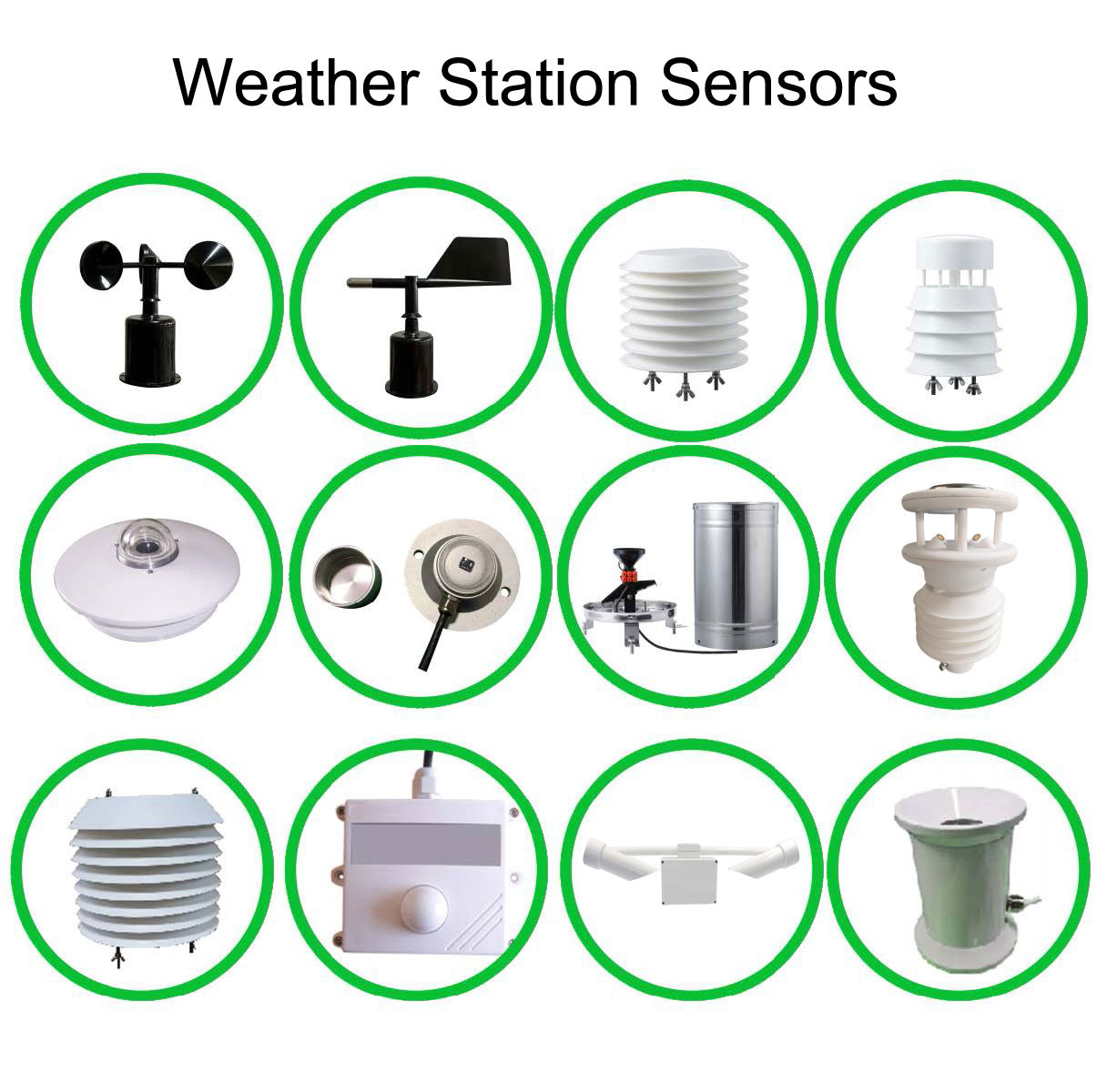
1. NBL-W-21GUWS Ultrasonic Wind Speed and Direction Sensor
 NBL-W-21GUWS-Ultrasonic-Wind-speed-and-direction-Sensor.pdf
2. NBL-W-SS Cup Wind Speed Sensor
NBL-W-SS-Wind-Speed-Sensors-Instruction-Manual.pdf
3. NBL-W-SDS Integrated Wind Speed and Direction Sensor
NBL-W-SDS-Integrated-Wind-Speed-and-Direction-Sensor-Manual.pdf
4. NBL-W-DS Wind Direction Sensor
NBL-W-DS-wind-direction-sensor-Manual.pdf
5. NBL-W-21MUWS Ultrasonic Wind Speed and Direction Sensor
NBL-W-21MUWS-Ultrasonic-wind-speed-and-direction-sensor-instruction-manual.pdf
NiuBoL provides cup anemometers, wind direction sensors, integrated mechanical wind sensors and ultrasonic wind sensors for meteorology, agriculture, environmental monitoring, ports, industrial projects and automatic weather stations.
For an accurate quotation, provide the required quantity, wind-speed range, whether wind direction is required, output signal, cable length, installation environment and destination country.
Prev:How to Buy Weather Stations for Agricultural Projects: A Complete Buyer’s Guide
Next:Automatic Weather Station (AWS): Cost, Features, and Supplier Comparison
Related recommendations
Sensors & Weather Stations Catalog
 Agriculture Sensors and Weather Stations Catalog-NiuBoL.pdf
Weather Stations Catalog-NiuBoL.pdf
Agriculture Sensors Catalog-NiuBoL.pdf
Water Quality Sensor Catalog-NiuBoL.pdf
Related products
 Combined air temperature and relative humidity sensor
 TDR Soil Moisture & Temperature Sensor for irrigation| RS485 |4-20mA| NBL-S-THR
 Soil pH sensor RS485 soil Testing instrument soil ph meter for agriculture |NBL-S-PH
 Wind Speed sensor Output Modbus/RS485/Analog/0-5V/4-20mA
 Tipping bucket rain gauge for weather monitoring auto rainfall sensor RS485/Outdoor/stainless steel
 Pyranometer Solar Radiation Sensor 4-20mA/RS485

Screenshot, WhatsApp to identify the QR code
WhatsApp number:+8615367865107
(Click on WhatsApp to copy and add friends)

