





— Blogs —
—Products—
 Consumer hotline +8618073152920
 WhatsApp:+8615367865107
Address:Room 102, District D, Houhu Industrial Park, Yuelu District, Changsha City, Hunan Province, China
Product knowledge
Time:2026-09-08 10:00:00 Popularity:196
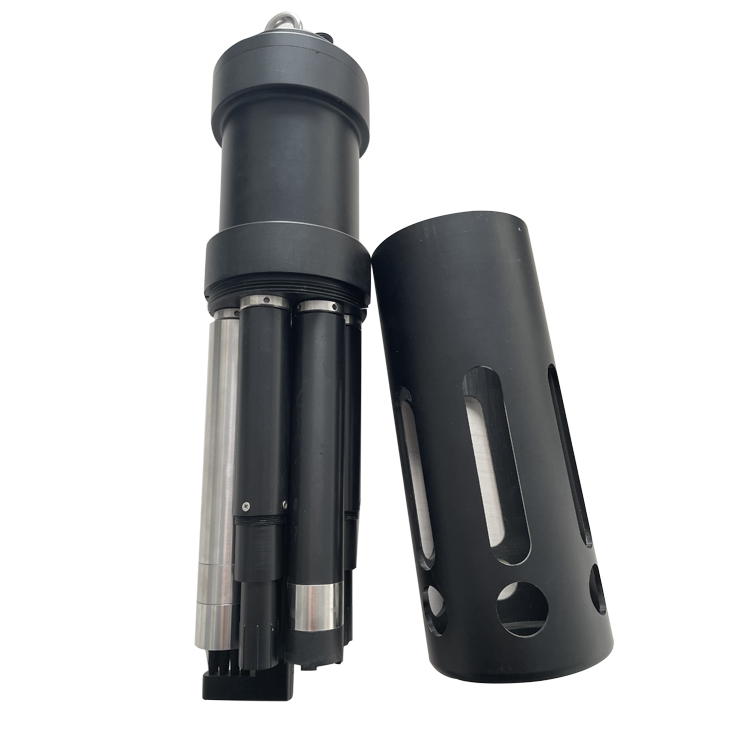
Mooring design, sensor depth, solar exposure, collision risk and retrieval method should be resolved before parameter selection is frozen.
| Decision field | Engineering requirement | Evidence for acceptance |
|---|---|---|
| Measurement purpose | State what action buoy water quality monitoring station should support | Approved monitoring objective |
| Location for buoy water quality monitoring station | Coordinates, depth or height, orientation and exposure | Drawing and installation photos |
| Data path — focus: buoy water quality monitoring station | Sensor to logger, controller, gateway and platform | Live measurement with correct unit and timestamp |
| Maintenance for buoy water quality monitoring station | Safe access and responsible person | Inspection and service record |
In the system, the probe is the field measurement layer; a controller, RTU, data logger or gateway handles display, alarms, storage and platform transmission. The controls integrator needs to draw this path before the order is placed: measurement point, cable, surge protection or junction, logger channel, communication network, database field and alarm destination. For buoy water quality monitoring station, a live number on a display is merely the first check. The value must carry the correct unit, timestamp, Modbus address and status through the entire data path.
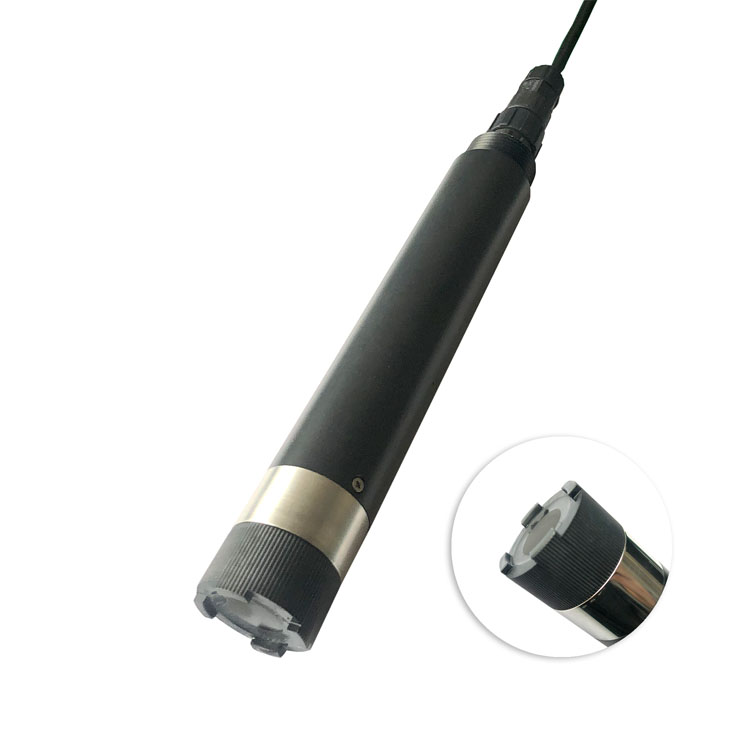
A key limitation is that defensible online data requires a representative sample, stable immersion or flow, cleaning access, calibration records and review of water-matrix effects. If the measured value later changes, those handover files let the owner distinguish a real field event from installation movement, fouling, configuration changes or communication loss.
For distributor and contractor quotations, describe buoy water quality monitoring station as a measuring point with an operating purpose. NiuBoL can check the product-side interface and documentation after the buyer provides the site, expected range, cable distance and data destination.
| RFQ item | Information to provide | Cost or risk controlled |
|---|---|---|
| Application | Purpose and site for buoy water quality monitoring station | Prevents wrong product family |
| Measurement for buoy water quality monitoring station | Normal, alarm and peak range; required interval | Avoids under-range or needless overspecification |
| Integration for buoy water quality monitoring station | PLC/RTU/logger model, signal and protocol | Reduces panel rework |
| Mechanical for buoy water quality monitoring station | Mounting, depth or height, cable route and material exposure | Defines accessories and serviceability |
| Supply scope for buoy water quality monitoring station | Sensor only or complete station; documents and spares | Makes prices comparable |
| Commercial for buoy water quality monitoring station | Quantity, destination, delivery target and packing | Supports a realistic quotation |
| Project role | Decision owned by that role | Deliverable before handover |
|---|---|---|
| Owner or project engineer | Define why buoy water quality monitoring station is measured and the action threshold | Approved monitoring and acceptance plan |
| Distributor for buoy water quality monitoring station | Convert the inquiry into a model, accessory and documentation scope | Traceable quotation and current datasheet |
| System integrator for buoy water quality monitoring station | Confirm power, signal, addresses, scaling and platform tags | Wiring, register mapping and live data test |
| Engineering contractor for buoy water quality monitoring station | Provide mounting, cable protection, grounding and safe access | As-built drawing and installation photos |
| Operator for buoy water quality monitoring station | Carry out inspection, cleaning, checks and incident records | Maintenance log and abnormal-data response |
This division matters for buoy water quality monitoring station because measurement faults often sit between contracts.
Before shipment, bench-test the selected buoy water quality monitoring station with the intended power supply and host interface where practical.
For buoy water quality monitoring station, do not close acceptance with a screenshot alone. Handover records for water-quality monitoring system should identify the serial number, installed position, cable and terminal, communication settings, initial comparison, platform tag and routine-inspection owner; include firmware or configuration references where available. Capturing this evidence while commissioning water-quality monitoring system is far easier than reconstructing it during a fault investigation.
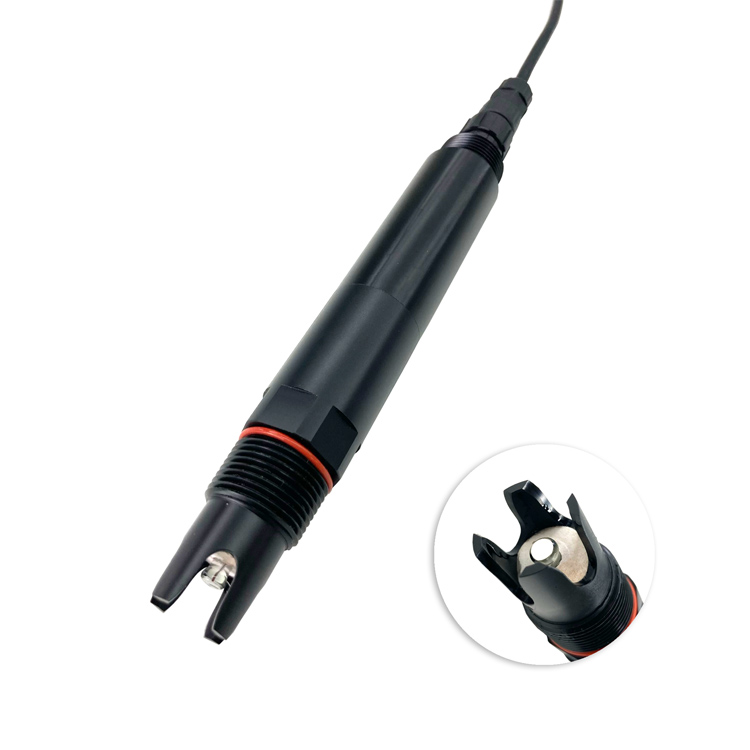
Referenced NiuBoL online water quality probes use RS485 Modbus RTU, while selected model families may provide an analog output for an existing PLC. Confirm any required 4-20 mA scaling, register map, bus address and engineering units before launch.
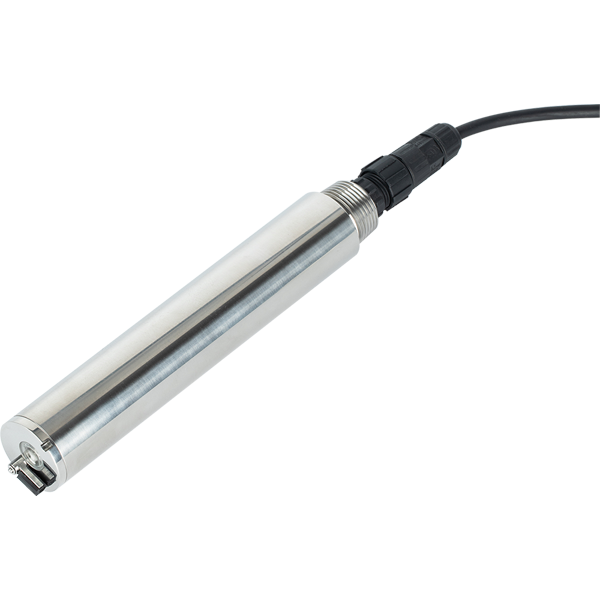
A1: The system includes the buoy body, mooring, sensor frame, water-quality probes, logger, solar and battery system, communication module and protective hardware.
A2: Use guards that allow representative flow while reducing impact and entanglement. The structure must also allow technicians to remove probes for cleaning and calibration.
A3: Choose it from depth range, current, waves, wind, bed condition, debris and vessel traffic. A site-specific mooring assessment is necessary.
A4: Yes, when the logger supports their electrical interfaces, protocols, addresses and power demand. Polling and warm-up requirements must be configured by model.
A5: The logger should retain records locally and transmit them after the link returns. Verify storage duration and duplicate handling.
A6: Calculate total daily energy from probes, antifouling devices, modem, logger and navigation light, then add the required low-sun reserve.
A7: Confirm mooring, probe depth, stabilization, reference checks, upload, alarm behavior, battery charging and safe retrieval procedures.
A8: Base them on fouling rate, sediment, water temperature and data importance. Early inspections help establish a realistic cleaning cycle.

A buoy monitoring station combines the floating structure, mooring, probes, logger, power and telemetry into one field system. Each component must support safe retrieval and routine cleaning.
Prev:Buoy Water Quality Monitoring System: What It Should Deliver
Next:Tube Soil Moisture Monitor Installation: Borehole and Profile Checks
Related recommendations
Sensors & Weather Stations Catalog
 Agriculture Sensors and Weather Stations Catalog-NiuBoL.pdf
Weather Stations Catalog-NiuBoL.pdf
Agriculture Sensors Catalog-NiuBoL.pdf
Water Quality Sensor Catalog-NiuBoL.pdf
Related products
 Combined air temperature and relative humidity sensor
 TDR Soil Moisture & Temperature Sensor for irrigation| RS485 |4-20mA| NBL-S-THR
 Soil pH sensor RS485 soil Testing instrument soil ph meter for agriculture |NBL-S-PH
 Wind Speed sensor Output Modbus/RS485/Analog/0-5V/4-20mA
 Tipping bucket rain gauge for weather monitoring auto rainfall sensor RS485/Outdoor/stainless steel
 Pyranometer Solar Radiation Sensor 4-20mA/RS485

Screenshot, WhatsApp to identify the QR code
WhatsApp number:+8615367865107
(Click on WhatsApp to copy and add friends)

