





— Blogs —
—Products—
 Consumer hotline +8618073152920
WhatsApp:+8615367865107
Address:Room 102, District D, Houhu Industrial Park, Yuelu District, Changsha City, Hunan Province, China
Product knowledge
Time:2026-09-08 09:00:00 Popularity:207
A buoy is a complete measuring point with probes, power, telemetry, mooring and maintenance access; buying only a probe cannot create a buoy station.
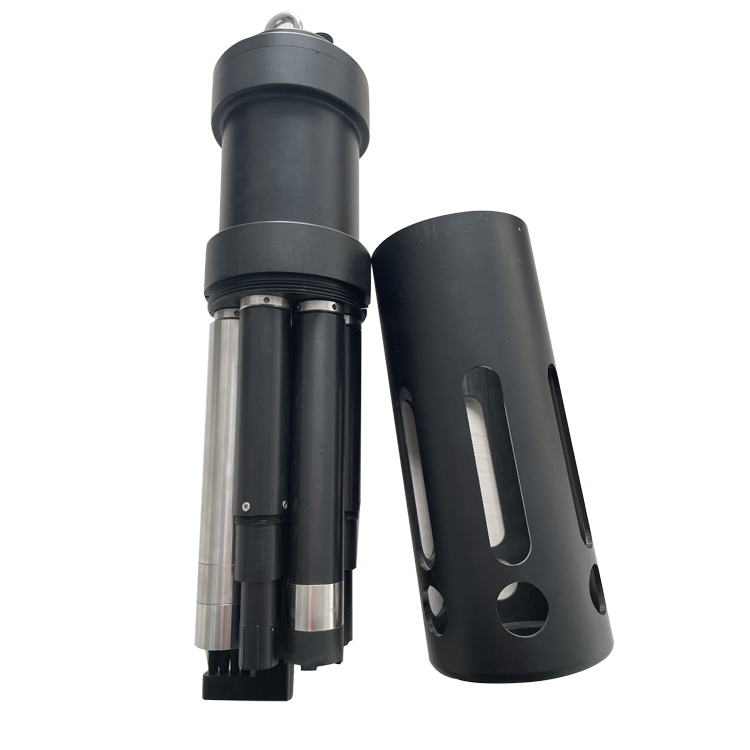
| Decision field | Engineering requirement | Evidence for acceptance |
|---|---|---|
| Measurement purpose | State what action buoy water quality monitoring system should support | Approved monitoring objective |
| Location for buoy water quality monitoring system | Coordinates, depth or height, orientation and exposure | Drawing and installation photos |
| Data path — focus: Buoy Water Quality Monitoring System What It Should Deliver | Sensor to logger, controller, gateway and platform | Live measurement with correct unit and timestamp |
| Maintenance for buoy water quality monitoring system | Safe access and responsible person | Inspection and service record |
A key limitation is that defensible online data requires a representative sample, stable immersion or flow, cleaning access, calibration records and review of water-matrix effects. Acceptance check for water-quality monitoring system: A defensible acceptance plan therefore separates instrument verification from site representativeness. If the buoy water quality monitoring system value changes later, retained records should distinguish a real event from movement, fouling, configuration change or communication loss.
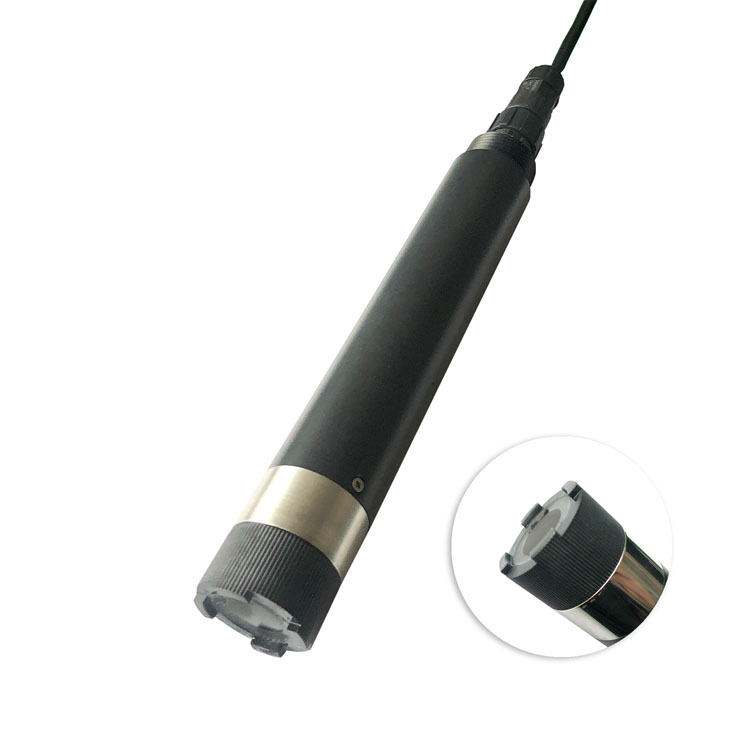
In the system, the probe is the field measurement layer; a controller, RTU, data logger or gateway handles display, alarms, storage and platform transmission. The panel engineer needs to draw this path before the order is placed: measurement point, cable, surge protection or junction, logger channel, communication network, database field and alarm destination. For buoy water quality monitoring system, a live number on a display remains only the first check. Across the Buoy Water Quality Monitoring System measurement chain, preserve engineering units, timestamps, Modbus addresses and device status.
A practical project requirement, describe buoy water quality monitoring system as a measuring point with an operating purpose.
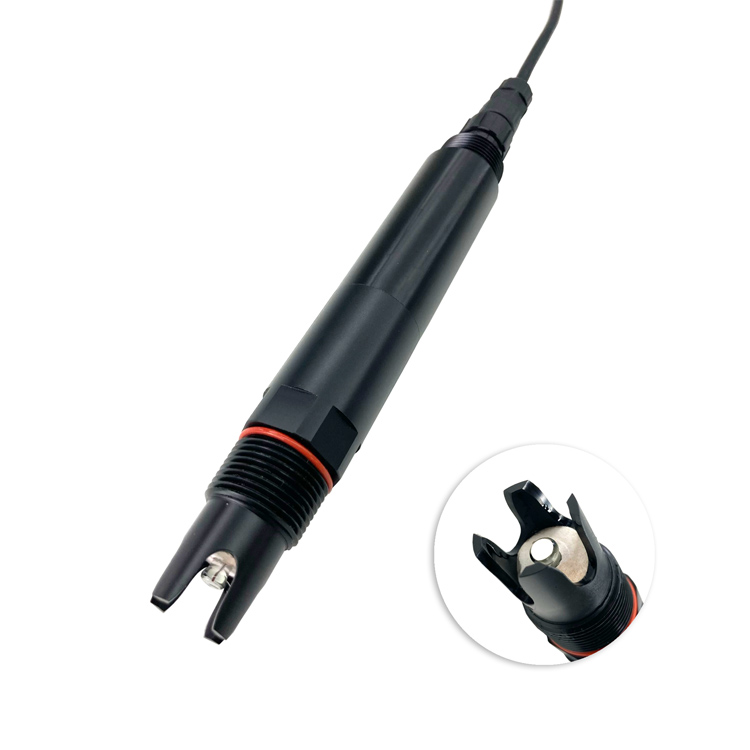
For buoy water quality monitoring system, communication compatibility must be checked at model level. Referenced NiuBoL buoy water quality monitoring system probes use RS485 Modbus RTU, while selected families may provide analog output for an existing PLC. RS485 remains only the physical layer; the technical submittal also needs to state Modbus RTU address, baud rate, parity, stop bits, function code, register address, data type, scaling and engineering unit. On a shared bus serving Buoy Water Quality Monitoring System, allocate a unique address to every instrument, use a planned trunk, terminate only at the required ends and separate signal wiring from high-current switching conductors.
| RFQ item | Information to provide | Cost or risk controlled |
|---|---|---|
| Application | Purpose and site for buoy water quality monitoring system | Prevents wrong product family |
| Measurement for buoy water quality monitoring system | Normal, alarm and peak range; required interval | Avoids under-range or needless overspecification |
| Integration for buoy water quality monitoring system | PLC/RTU/logger model, signal and protocol | Reduces panel rework |
| Mechanical for buoy water quality monitoring system | Mounting, depth or height, cable route and material exposure | Defines accessories and serviceability |
| Supply scope for buoy water quality monitoring system | Sensor only or complete station; documents and spares | Makes prices comparable |
| Commercial for buoy water quality monitoring system | Quantity, destination, delivery target and packing | Supports a realistic quotation |
| Project role | Decision owned by that role | Deliverable before handover |
|---|---|---|
| Owner or project engineer | Define why buoy water quality monitoring system is measured and the action threshold | Approved monitoring and acceptance plan |
| Distributor for buoy water quality monitoring system | Convert the inquiry into a model, accessory and documentation scope | Traceable quotation and current datasheet |
| System integrator for buoy water quality monitoring system | Confirm power, signal, addresses, scaling and platform tags | Wiring, register mapping and live data test |
| Engineering contractor for buoy water quality monitoring system | Provide mounting, cable protection, grounding and safe access | As-built drawing and installation photos |
| Operator for buoy water quality monitoring system | Carry out inspection, cleaning, checks and incident records | Maintenance log and abnormal-data response |
This division matters for buoy water quality monitoring system because measurement faults often sit between contracts.
A buoy monitoring system can combine RS485 Modbus RTU probes with a compatible analog input where the selected model and logger support it. Document any required 4-20 mA scaling and verify the complete signal path during shore commissioning.
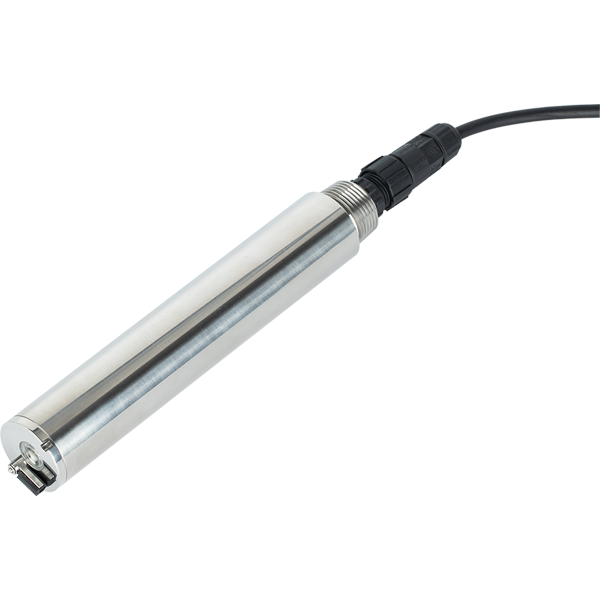
A1: It should provide timestamps, station identity, units, quality or status flags, battery condition, communication status, alarms and historical export.
A2: Start with the water-management question and expected range. Add parameters only when they support an action, report or research objective.
A3: Cellular or radio links can fail. Local storage protects the measurement record and enables store-and-forward after communication recovers.
A4: Use parameter thresholds together with duration, sensor status and communication rules. A single unstable sample should not automatically trigger the same response as a sustained event.
A5: Biofouling, depleted batteries, damaged moorings, water ingress and communication outages are common causes. Status monitoring helps identify them quickly.
A6: ssign responsibility for buoy inspection, probe cleaning, calibration, battery checks, mooring service and platform review before deployment.
A7: Demonstrate stable readings, local storage, remote upload, alarm delivery, restart recovery and a safe maintenance procedure, then archive the configuration.
A8: Review trends together with cleaning and calibration records. This helps distinguish real water changes from drift, fouling or maintenance effects.

A buoy water-quality system should deliver traceable data, reliable status information and a maintainable field arrangement, not only live readings. Local storage and service records are essential for unattended deployment.
Prev:Wind Speed Sensor Principles: Cup, Propeller and Ultrasonic Options
Next:Buoy Water Quality Monitoring Station Components and Installation
Related recommendations
Sensors & Weather Stations Catalog
 Agriculture Sensors and Weather Stations Catalog-NiuBoL.pdf
Weather Stations Catalog-NiuBoL.pdf
Agriculture Sensors Catalog-NiuBoL.pdf
Water Quality Sensor Catalog-NiuBoL.pdf
Related products
 Combined air temperature and relative humidity sensor
 TDR Soil Moisture & Temperature Sensor for irrigation| RS485 |4-20mA| NBL-S-THR
 Soil pH sensor RS485 soil Testing instrument soil ph meter for agriculture |NBL-S-PH
 Wind Speed sensor Output Modbus/RS485/Analog/0-5V/4-20mA
 Tipping bucket rain gauge for weather monitoring auto rainfall sensor RS485/Outdoor/stainless steel
 Pyranometer Solar Radiation Sensor 4-20mA/RS485


Screenshot, WhatsApp to identify the QR code
WhatsApp number:+8615367865107
(Click on WhatsApp to copy and add friends)

