





— Blogs —
—Products—
 Consumer hotline +8618073152920
 WhatsApp:+8615367865107
Address:Room 102, District D, Houhu Industrial Park, Yuelu District, Changsha City, Hunan Province, China
Product knowledge
Time:2026-07-30 13:48:25 Popularity:107
A combination pH electrode is usually selected when a buyer wants one compact probe body for measurement and reference, but the purchase decision still depends on water chemistry, mounting space, storage practice and maintenance discipline. For pH control points in tanks, dosing skids and water treatment cabinets, the useful question is not only whether the probe can measure pH. The useful question is whether the probe can keep a defensible reading after installation, cleaning, calibration and handover.
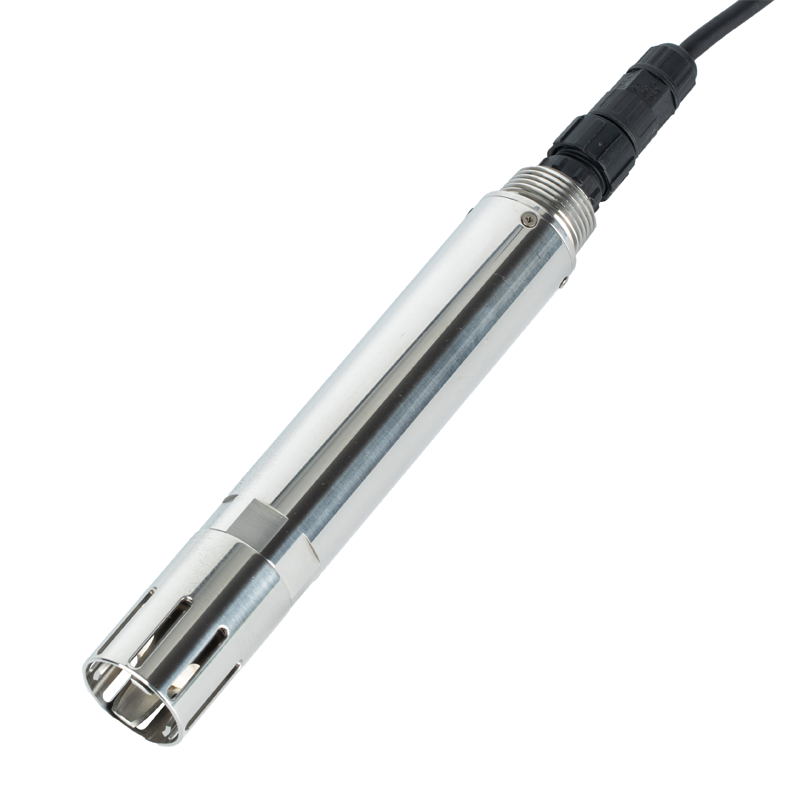
The project background is simple: buyers need one compact electrode body but still need stable reference behavior and field service access. In water treatment, aquaculture, process water and neutralization tanks, a wrong sensor choice usually shows up later as unstable data, extra site visits or a quotation dispute, not as an obvious error on the first day.
NiuBoL positions combination ph electrode as part of an industrial water quality measurement chain. The pH electrode is the wet-end chemistry reference; the controller or gateway only turns that signal into alarms, records and dosing decisions.
The practical system position of combination ph electrode is the field measuring point. Typical mounting is in a tank, pipe holder or flow cell where the glass bulb stays wet and technicians can remove the probe without damaging the cable.
The measurement approach for this topic: it integrates measuring glass and reference electrode in one probe body. The combined electrode design is useful only when reference condition, storage and calibration practice are controlled at the site.
| combination ph electrode decision | Engineering effect | Buyer action |
|---|---|---|
| Measurement purpose | Defines whether combination ph electrode is used for display, alarm, control or acceptance | Write the operating decision into the RFQ |
| Installation point | Changes holder, cable, sample flow and cleaning access | Send a drawing or site photo |
| Output and protocol | Affects PLC, RTU, gateway and dashboard work | Confirm RS485 Modbus RTU or analog scope |
| Maintenance route | Controls drift, downtime and after-sales cost | Assign cleaning, calibration and spare-part owner |
For digital projects, combination ph electrode should be specified with RS485 Modbus RTU details before the cabinet is built. For digital pH points, request RS485 address, baud rate, register map, temperature unit and scaling before cabinet wiring begins.
A 4-20 mA transmitter remains practical when an old panel has no Modbus port and the project only needs one scaled pH value. Match the interface to the installed PLC or dosing controller; changing the panel later costs more than choosing the right output now.
Data handling also needs a rule. If the combination ph electrode value triggers an alarm, the project should define delay time, responsible user, data storage, and what action follows a warning.
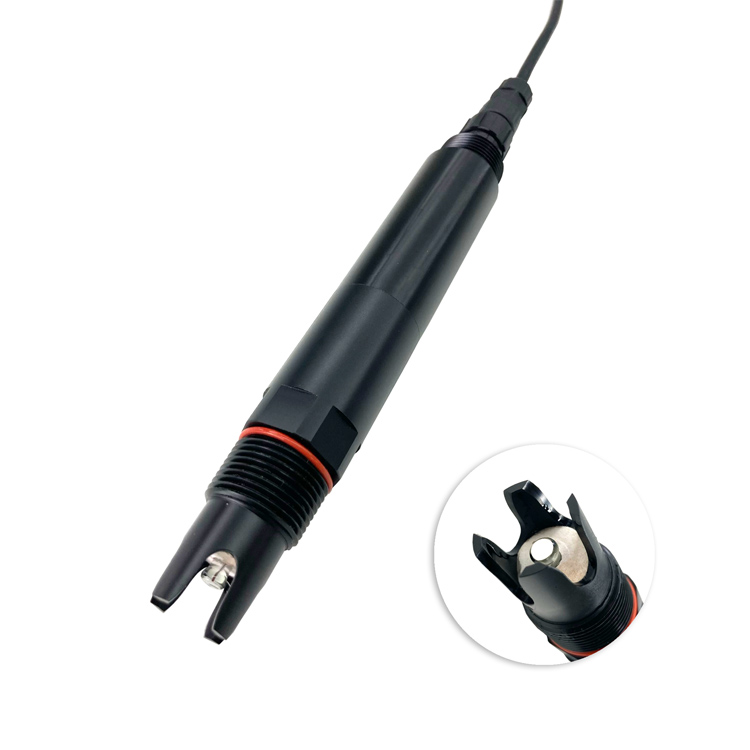
combination ph electrode fits projects where the measurement changes an operating decision. The electrode supports neutralization, dosing checks, discharge review and maintenance records where pH is the actual operating decision.
It is less suitable when very high temperature, strong coating, heavy poisoning chemistry or unknown solvent exposure may require project review rather than a standard combined glass pH electrode. This limitation should be written into the purchase file because a standard pH probe should not be expected to solve poisoning, coating or dry-storage problems.
| Application | Field challenge | Suggested approach | User value |
|---|---|---|---|
| water treatment | Changing water condition and service access | Use combination ph electrode with a defined installation and maintenance route | More stable trend data |
| Equipment or skid builder | Repeatable assembly across units | Standardize cable, output, labels and documents | Lower commissioning time |
| Remote monitoring | Power, cable, communication and fouling | Combine sensors with gateway and spare planning | Fewer blind spots between visits |
| Distributor stock | Unknown customer water condition | Separate standard stock from project-specific models | Lower wrong-model risk |
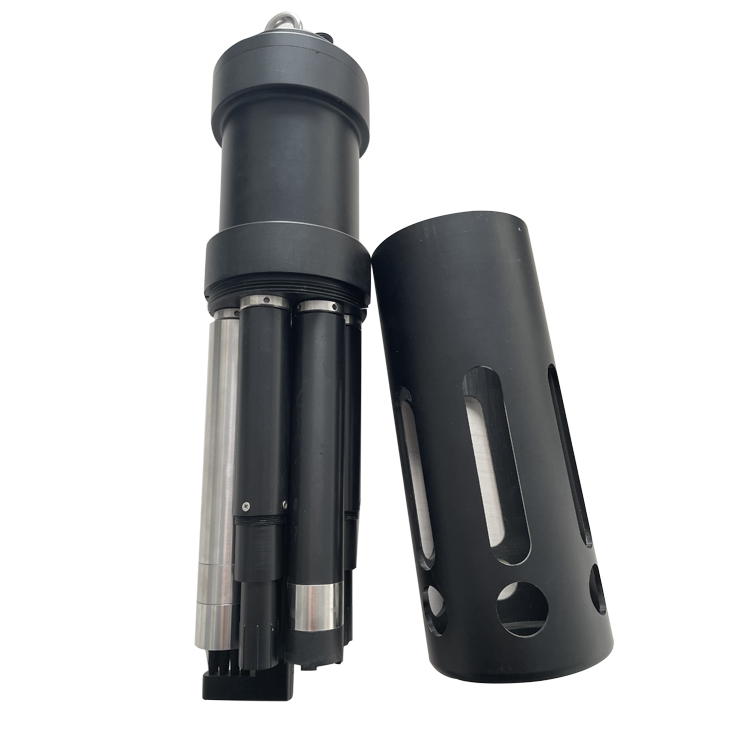
A useful RFQ for combination ph electrode should include water type, pH range, temperature, installation method, cable length, output signal, holder and storage requirement. Add water type, pH band, temperature, holder, cable, output, buffer and storage solution to the RFQ so the quote covers a complete pH point.
Price comparison must use the same boundary. Do not compare a bare electrode with a package that includes transmitter, holder, buffer, storage cap, cable and startup documents.
| combination pH electrode RFQ field | Why it changes the quote | Common omission |
|---|---|---|
| Water and range | Controls model, materials and calibration method | Only sending the parameter name |
| Mounting and cable | Controls holder, connector, protection and labor | No drawing or cable length |
| Output and platform | Controls transmitter, Modbus map or analog scaling | No PLC or gateway details |
| Delivery and support | Controls packaging, spare parts and service terms | No batch schedule |
Acceptance should not be a quick visual check. For combination ph electrode, the project should verify buffer response, slope record, stable process-water reading, cable sealing and storage condition after delivery. This evidence gives the buyer a defensible handover record.
A pH maintenance record should include buffer value, slope, cleaning method, storage condition, operator and next replacement action. If pH data drifts later, the record helps distinguish probe aging from dosing change, fouling or wrong storage.
For distributor orders, request manuals, labels, buffer options and spare probe codes with the first shipment. Field teams should not have to guess which cable, solution or replacement part matches the supplied combination ph electrode.
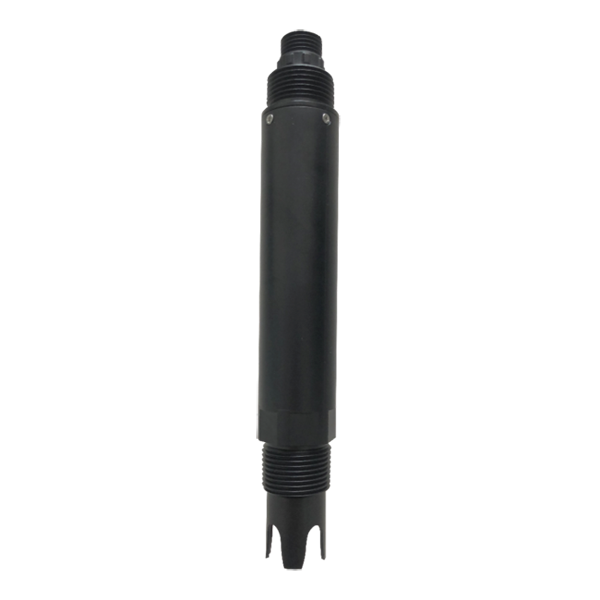
A combined glass pH electrode reduces installation space because the measuring and reference elements are packaged together. That does not remove the need to check reference junction behavior, storage solution, temperature compensation and sample contact. In neutralization tanks or process water lines, a small change in reference stability can look like a dosing problem. Buyers should ask whether the quoted package includes only the electrode, or also a transmitter, mounting holder, calibration buffer and spare storage cap.
For distributors, the stocking decision is different from a single project order. Standard water treatment and aquaculture customers may accept a general pH probe electrode, but high coating, chemical dosing, high temperature or slurry contact should be treated as project-specific. Keeping every model in stock is usually unnecessary; keeping the correct question list is more valuable.
| Buying check | Why it matters | Decision rule |
|---|---|---|
| Glass membrane and range | Controls response speed and field stability | Match water chemistry before selecting stock |
| Reference liquid and junction | Affects drift in dirty or low-conductivity water | Ask for maintenance and storage instructions |
| Temperature condition | Changes reading compensation and lifetime | Confirm process temperature, not only ambient temperature |
| Installation hardware | Prevents cable strain and dry exposure | Quote holder and cable as part of the measuring point |
Before approving a combination ph electrode order, check the medium description, normal pH band, expected upset condition, temperature, pressure if mounted in a pipe, cable route and cleaning access. If the site stores probes dry or exposes the glass membrane during shutdown, lifetime and startup stability will suffer. A small note in the purchase file can prevent later disagreement: state whether calibration buffer, storage solution, holder and transmitter are included.
For NiuBoL project support, send the planned installation point and the control objective. A dosing control point, a display-only point and a remote alarm point may use the same measurement principle, but the recommended package and documents can be different.
A: For combination pH electrode, decide whether the project needs one measuring point, a controller package or a complete monitoring scope. For water treatment, aquaculture, process water and neutralization tanks, this decision changes cable, holder, output, gateway and service scope.
A: combination ph electrode is suitable when the reading supports a defined operation such as alarm review, dosing control, aeration adjustment, discharge investigation, maintenance planning or batch acceptance.
A: combination pH electrode is less suitable when the site lacks stable installation, cleaning access, comparison method or a user assigned to act on abnormal data. Fix those project conditions before ordering hardware.
A: The quotation should separate sensor body, cable, holder, controller, gateway, calibration accessories, spare parts, documentation, packaging and delivery schedule for the combination ph electrode project.
A: Acceptance should include buffer response, slope record, stable process-water reading, cable sealing and storage condition after delivery. Store the combination pH electrode acceptance record with the project file so later service issues can be diagnosed with evidence.
A: Typical combination pH electrode data problems come from wrong measuring point, fouling, bubbles, poor grounding, damaged cable, wrong range, missing compensation and no maintenance record. The likely cause depends on combination ph electrode and site water.
A: Choose one sensor when combination ph electrode answers the decision alone. Choose a package when combination pH electrode must be interpreted with pH, DO, EC, turbidity, ammonia, chlorine, COD, TSS or ORP from the same water event.
A: Yes, combination pH electrode can use RS485 Modbus RTU when the selected NiuBoL model or controller supports the protocol. For combination pH electrode, ask for the register map, address setting, baud rate, wiring diagram and scaling rule before cabinet work.
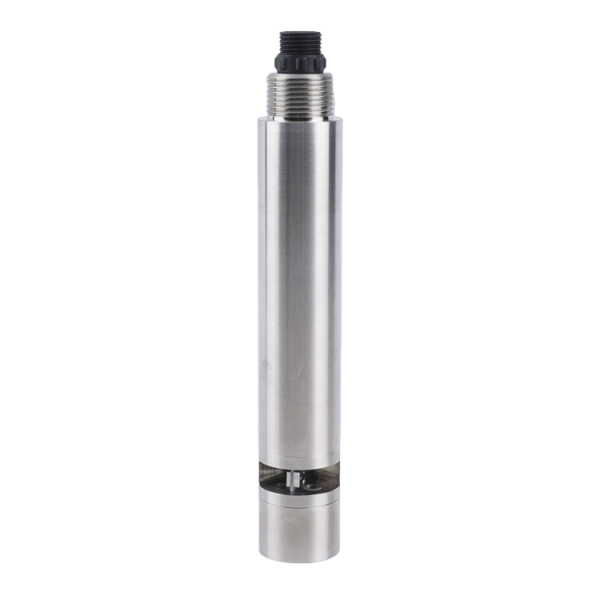
Combination pH Electrode Explained: Structure, Uses and Selection Limits is useful when it helps the buyer define scope, not when it only repeats parameters. The value of combination ph electrode depends on measurement purpose, installation, protocol, maintenance and acceptance evidence.
For a practical NiuBoL quotation, send water type, pH range, temperature, installation method, cable length, output signal, holder and storage requirement, plus quantity and delivery target. The NiuBoL response can separate the combination pH electrode sensor, controller, gateway, accessories and spare parts so the buyer can compare the project correctly.
Prev:Full Spectrum Water Quality Sensor for COD, TOC and Turbidity Monitoring
Next:Dissolved Oxygen Meter for Ponds: Sensor Count and Placement Guide
Related recommendations
Sensors & Weather Stations Catalog
 Agriculture Sensors and Weather Stations Catalog-NiuBoL.pdf
Weather Stations Catalog-NiuBoL.pdf
Agriculture Sensors Catalog-NiuBoL.pdf
Water Quality Sensor Catalog-NiuBoL.pdf
Related products
 Combined air temperature and relative humidity sensor
 Soil Moisture Temperature sensor for irrigation|NBL-S-THR
 Soil pH sensor RS485 soil Testing instrument soil ph meter for agriculture |NBL-S-PH
 Wind Speed sensor Output Modbus/RS485/Analog/0-5V/4-20mA
 Tipping bucket rain gauge for weather monitoring auto rainfall sensor RS485/Outdoor/stainless steel
 Pyranometer Solar Radiation Sensor 4-20mA/RS485

Screenshot, WhatsApp to identify the QR code
WhatsApp number:+8615367865107
(Click on WhatsApp to copy and add friends)

