





— Blogs —
—Products—
 Consumer hotline +8618073152920
 WhatsApp:+8615367865107
Address:Room 102, District D, Houhu Industrial Park, Yuelu District, Changsha City, Hunan Province, China
Product knowledge
Time:2026-07-29 10:00:55 Popularity:271
Aquaculture DO monitoring is a loss-prevention system, not a decorative dashboard. Low dissolved oxygen often develops at night, after feeding, during hot weather or when aeration is uneven. A dissolved oxygen meter for aquaculture only has value when readings trigger a real action.
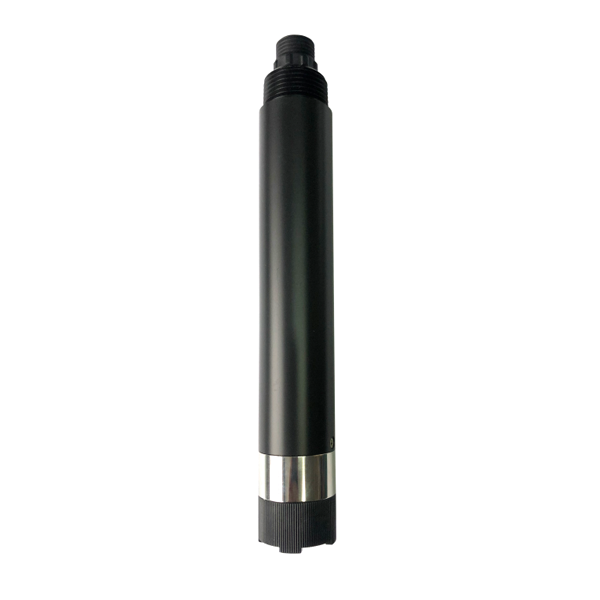
For procurement teams and integrators, dissolved oxygen meter for aquaculture selection should connect measurement purpose, installation, signal output, maintenance responsibility and acceptance evidence. If those items are missing, the dissolved oxygen meter for aquaculture quotation for the farm oxygen alarm may look comparable on paper while the actual supply scope is different.
| dissolved oxygen meter for aquaculture project question | dissolved oxygen meter for aquaculture engineering decision | farm oxygen alarm buyer evidence |
|---|---|---|
| What must this dissolved oxygen meter for aquaculture point measure? | Confirm whether dissolved oxygen meter for aquaculture is the right parameter or only one part of a package | Parameter list and operating goal |
| Where is the point? | Define the actual farm oxygen alarm installation form before selecting accessories | Site photo, drawing, water depth or process sketch for the farm oxygen alarm |
| How will the dissolved oxygen meter for aquaculture data be used? | Select display, RS485 Modbus RTU, 4-20 mA, alarm or upload based on the farm oxygen alarm | Controller, gateway or platform requirement for this dissolved oxygen meter for aquaculture point |
| Who maintains the farm oxygen alarm after handover? | Assign cleaning, calibration and spare-part responsibility | Maintenance schedule and handover record |
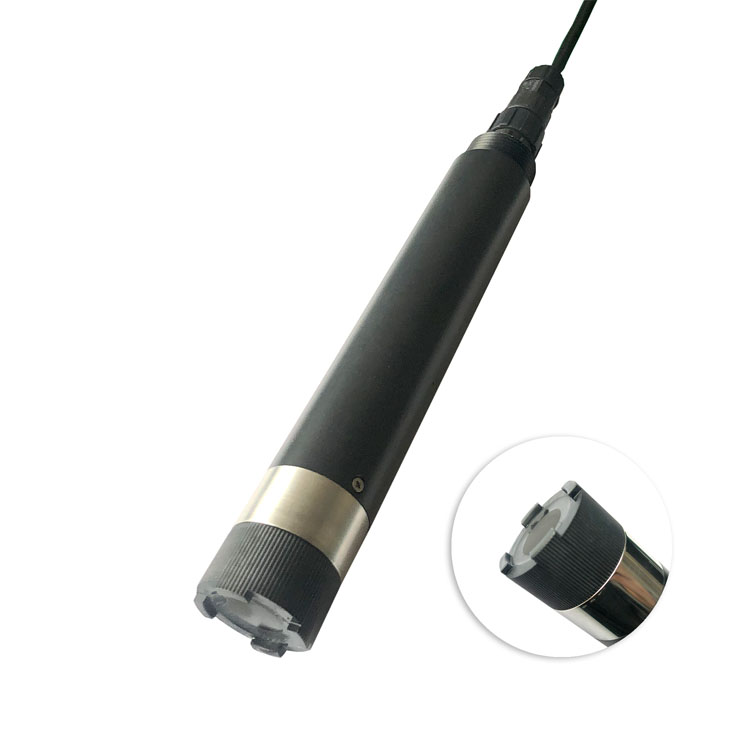
| Scenario | Field challenge | System approach | User value |
|---|---|---|---|
| Aquaculture or surface water | Outdoor fouling, cable exposure and changing water layers | Use protected probes, planned depth and alarm thresholds | Earlier response to abnormal water conditions |
| Water treatment or disinfection | Sample flow, dosing effects and control output | Use stable installation, controller output and verification records | More defensible process control |
| Wastewater or discharge | Solids, color, bubbles and fouling | Plan cleaning, range and laboratory comparison | Better trend visibility and fewer blind spots |
| OEM or contractor package | Repeatable installation across many units | Standardize cable, output, labels and documents | Lower commissioning time |

A dissolved oxygen meter for aquaculture should be placed where the farm risk exists, not only where installation is convenient. A large pond may need more than one point because DO can differ near aerators, feed zones, drainage corners and deeper water layers.
For fish ponds, the probe depth should reflect the water layer used by the stock. For shrimp ponds, bottom condition and organic load can affect oxygen demand. The buyer should describe pond area, depth, aerator layout and species before asking for sensor quantity.
| Farm condition | DO monitoring decision | Buyer value |
|---|---|---|
| Small uniform pond | One fixed online point plus manual verification | Controls cost while keeping alarm visibility |
| Large or irregular pond | Multiple DO points or mobile checking plus fixed alarms | Reduces blind spots |
| High-density culture | Online DO with stronger alarm and aerator response | Earlier intervention before loss |
| Remote farm | DO sensor with gateway and backup power planning | Less dependence on night patrols |
A DO alarm should not be a generic number copied from another farm. Species, temperature, stocking density and local practice affect the threshold. A useful system lets the farm set warning and emergency levels, then record whether aerators started and whether DO recovered.
If aerator control is required, define the control boundary. Some projects only send an alarm to a phone; others switch relays or send a command through a controller. The electrical design and safety rules are different.
Portable meters still have a place. They are useful for spot checking, calibration comparison and checking ponds without fixed sensors. Online DO is stronger for night-time trends, remote alarms and repeated records.
A family pond, a commercial pond group and an intensive recirculating system do not need the same dissolved oxygen meter configuration. A small pond may start with one fixed online point and a portable meter. A larger farm may need several online DO points, gateway alarms and a plan for aerator response.
The buyer should also decide whether NiuBoL is quoting only the dissolved oxygen sensor, or the sensor plus controller, gateway, cabinet, solar power and installation accessories. Without this boundary, the lowest quote may exclude the parts needed for a working alarm system.
Spare planning matters during hot seasons. Keep at least the critical cable, mounting accessory or replacement probe plan ready before the high-risk period. Waiting until DO readings fail during a heat wave is poor project control.
Q1: What should be confirmed before ordering a dissolved oxygen meter for aquaculture?
A: Confirm pond area, depth, species, stocking density, aerator layout, alarm level and gateway need. For a farm, these details decide whether the dissolved oxygen meter for aquaculture quotation is a sensor-only price or a complete measuring point.
Q2: When does a dissolved oxygen meter for aquaculture create real project value?
A: A dissolved oxygen meter for aquaculture creates value when the reading is tied to low-DO alarm and aerator response. If the site team does not act on dissolved oxygen meter for aquaculture data, the farm oxygen alarm may collect numbers without reducing project risk.
Q3: When is a dissolved oxygen meter for aquaculture less suitable?
A: A dissolved oxygen meter for aquaculture is less suitable when the installation point is unstable, maintenance access is poor, verification is not planned, or the buyer cannot define what action follows an alarm.
Q4: Can the dissolved oxygen meter for aquaculture connect to PLC, RTU or a cloud dashboard?
A: Yes, if the selected NiuBoL dissolved oxygen meter for aquaculture hardware, controller or gateway supports the required interface for the farm oxygen alarm. Ask for dissolved oxygen meter for aquaculture RS485 settings, analog scaling or platform data rules before panel work starts.
Q5: What documents should be requested for dissolved oxygen meter for aquaculture integration?
A: Request the dissolved oxygen meter for aquaculture datasheet, wiring diagram, register map when used, installation note, calibration method, cleaning instruction, spare-part list and warranty boundary.
Q6: How should dissolved oxygen meter for aquaculture site acceptance be checked?
A: Check dissolved oxygen meter for aquaculture stability at the installed point, unit scaling, controller communication, alarm response and the reference method suitable for the farm oxygen alarm.
Q7: What causes unreliable dissolved oxygen meter for aquaculture data in the field?
A: Typical dissolved oxygen meter for aquaculture data problems include wrong point selection, fouling, bubbles, cable damage, poor grounding, wrong range and missing maintenance records.
Q8: Should the buyer choose a single dissolved oxygen meter for aquaculture or a wider sensor package?
A: Choose a single dissolved oxygen meter for aquaculture when one value answers the project question. Choose a package when values related to dissolved oxygen meter for aquaculture explain the farm oxygen alarm decision better than one reading alone.
Q9: What affects dissolved oxygen meter for aquaculture price besides the probe?
A: dissolved oxygen meter for aquaculture price changes with cable length, holder, controller, output module, gateway, cleaning parts, calibration accessories, spare probes, documentation and delivery schedule.
Q10: What should be sent to NiuBoL for a dissolved oxygen meter for aquaculture quotation?
A: Send pond area, depth, species, stocking density, aerator layout, alarm level and gateway need, plus quantity, delivery target and whether NiuBoL should quote only the sensor or a complete monitoring package for the farm.
Dissolved Oxygen Meter for Aquaculture: How to Prevent Low-DO Losses should be treated as a buying and integration decision. The right dissolved oxygen meter for aquaculture choice depends on application, installation, communication, maintenance and acceptance records.
For a NiuBoL quotation, send pond depth, species, aerator layout, stocking density, cable length and alarm threshold, plus quantity and delivery target. The NiuBoL reply can separate dissolved oxygen meter for aquaculture sensor supply, accessories, controller, gateway and spare parts for the farm oxygen alarm.
Related recommendations
Sensors & Weather Stations Catalog
 Agriculture Sensors and Weather Stations Catalog-NiuBoL.pdf
Weather Stations Catalog-NiuBoL.pdf
Agriculture Sensors Catalog-NiuBoL.pdf
Water Quality Sensor Catalog-NiuBoL.pdf
Related products
 Combined air temperature and relative humidity sensor
 TDR Soil Moisture & Temperature Sensor for irrigation| RS485 |4-20mA| NBL-S-THR
 Soil pH sensor RS485 soil Testing instrument soil ph meter for agriculture |NBL-S-PH
 Wind Speed sensor Output Modbus/RS485/Analog/0-5V/4-20mA
 Tipping bucket rain gauge for weather monitoring auto rainfall sensor RS485/Outdoor/stainless steel
 Pyranometer Solar Radiation Sensor 4-20mA/RS485

Screenshot, WhatsApp to identify the QR code
WhatsApp number:+8615367865107
(Click on WhatsApp to copy and add friends)

