Call Phone +8618073152920 Hotline: +8618073152920
Call Phone +8618073152920
English

CONTACT US/ CONTACT US
Consumer hotline +8618073152920
Changsha Zoko Link Technology Co., Ltd.

Email:Arvin@niubol.com

WhatsApp:+8615367865107

Address:Room 102, District D, Houhu Industrial Park, Yuelu District, Changsha City, Hunan Province, China

Position:Home >> Blogs >> Product knowledge

Product knowledge

Online Chlorophyll Sensor Buying Guide for Lakes, Rivers and Aquaculture

Time:2026-08-01 10:17:14 Popularity:8

A chlorophyll reading is most useful when the project needs a continuous biological trend, not only a laboratory sample. The procurement decision should define whether the reading supports algae growth assessment, intake protection, aquaculture operation or research-grade trend comparison. A practical NiuBoL quotation for online chlorophyll sensor should show how the probe sits in the monitoring system, how the data is transmitted, and what the site team must maintain after commissioning.
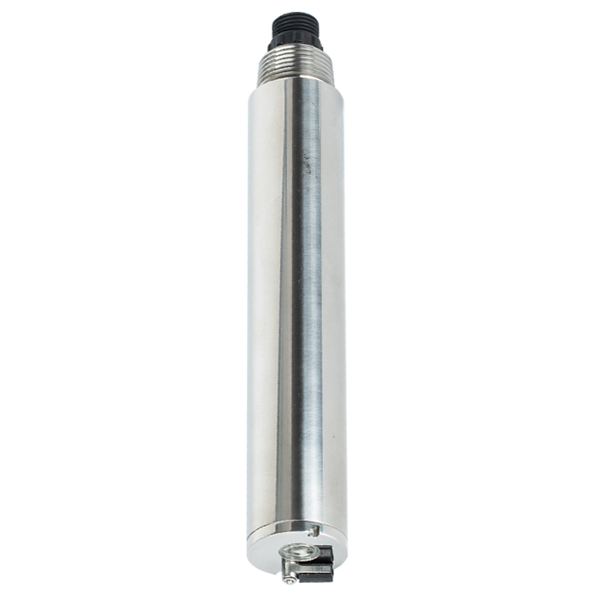
Online chlorophyll sensor for algae and phytoplankton monitoring

For procurement teams, the value of online chlorophyll sensor is not the product name. The buying value is measured by how clearly chlorophyll trend monitoring supports phytoplankton growth decisions at lakes, rivers and ponds. For that reason, the RFQ should include water condition, installation photos and the acceptance method before NiuBoL prepares the chlorophyll trend monitoring quotation.
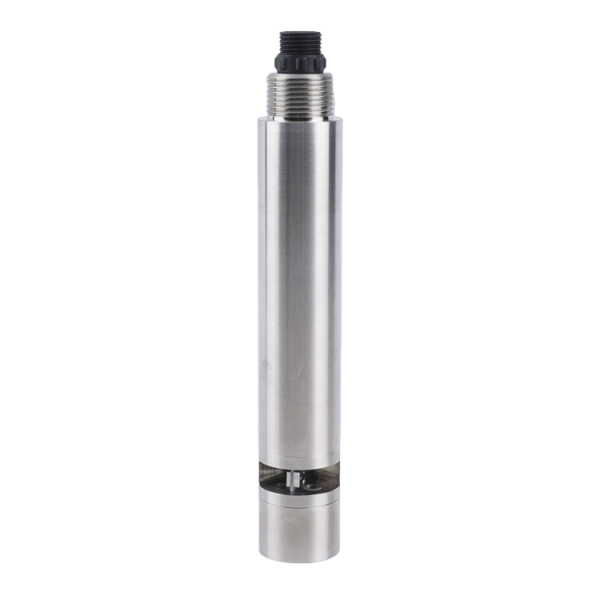
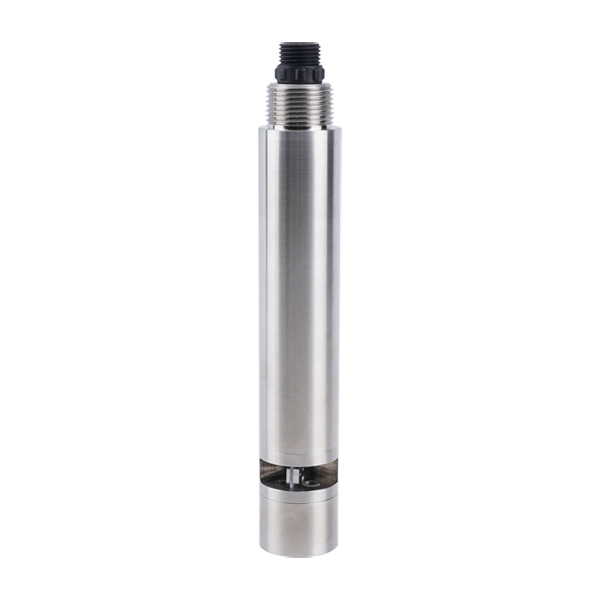
Where online chlorophyll sensor sits in the monitoring system

The online chlorophyll sensor is the wet-end measuring point. In lakes, rivers and ponds, it may report through a controller, PLC, RTU, data logger, IoT gateway or SCADA screen depending on the cabinet design. A reliable chlorophyll trend monitoring station also needs stable power, protected cable routing, correct register scaling, realistic alarms and a service path for the probe.

It is suitable for long-term algae and phytoplankton trend monitoring in lakes, rivers, reservoirs and aquaculture systems. It is less suitable when the water contains strong non-target fluorescent substances and no field comparison method is available. Writing the chlorophyll trend monitoring boundary into the project file makes later disputes easier to judge when water, installation or maintenance changes at lakes, rivers and ponds.

online chlorophyll sensor decisionEngineering effectBuyer action
Measurement purposeDefines whether the value is used for display, alarm, control, reporting or investigationState the operating decision in the RFQ
Mounting locationControls representativeness, cleaning access and cable routeSend a site drawing or photo
Output and protocolAffects PLC, RTU, gateway and dashboard workConfirm RS485 Modbus RTU, register map and address plan
Service methodControls drift, downtime and ownership costDefine cleaning, calibration and spare parts before purchase

Communication and protocol compatibility

For industrial projects, online chlorophyll sensor should be specified with communication details before panel production. For chlorophyll trend monitoring, confirm the selected NiuBoL model's RS485 Modbus RTU support and whether the project needs any optional 4-20 mA channel. For online chlorophyll sensor, ask for baud rate, address setting, register list, unit scaling, shield termination and grounding notes before panel drawings are released.

Analog output remains useful on retrofit panels when the owner has spare input channels and wants a simple one-loop signal for chlorophyll trend monitoring. For new lakes, rivers and ponds stations with several probes, RS485 Modbus RTU reduces cable runs and leaves room for related parameters.

Optical fluorescence chlorophyll sensor for lakes and aquaculture

Technical parameters to confirm before ordering

ParameterReferenced value or procurement check
Measurement methodOptical fluorescence chlorophyll measurement
Measurement range0-400 ug/L
OutputRS485 Modbus RTU; optional 4-20 mA on relevant model
Power supply12-24 V DC
Power consumption0.2 W at 12 V
CalibrationTwo-point calibration, zero point plus slope
ProtectionIP68, suitable for submersible use
CableStandard 5 m cable, customizable
IntegrationPLC, RTU, DCS, SCADA or IoT gateway through documented registers

The table above uses values published on NiuBoL product pages or product manuals where available. If lakes, rivers and ponds falls outside the stated limits, ask NiuBoL to verify model, wetted material, mounting and service interval before purchase approval.

Application scenarios and engineering value

ApplicationField challengeSystem integration approachUser value
Drinking water source reservoirsAlgae trend can change intake risk before taste, odor or turbidity issues become visible.Install online chlorophyll sensors at intake-relevant depths and route data to SCADA or cloud dashboards.Water utilities can prioritize sampling and operational response.
River ecological monitoringFlow changes, sunlight and suspended solids can shift readings.Use fixed brackets, regular cleaning and trend comparison with turbidity and temperature.More stable ecological trend records across seasons.
Aquaculture and racewaysPhytoplankton can support or damage production depending on density and oxygen dynamics.Pair chlorophyll with DO, pH and temperature at mixed-water points.Farm managers can catch risk patterns instead of relying on visual inspection.
Research or contractor projectsThe client may need repeatable documentation across many sites.Specify calibration procedure, cable length and Modbus mapping in the submittal.Easier acceptance and later maintenance handover.
NiuBoL blue-green algae sensor for bloom warning stations

Selection guide for buyers and integrators

Selecting online chlorophyll sensor starts with the water decision, not the catalog. If phytoplankton growth only needs occasional confirmation, portable testing or laboratory sampling may be the more economical route. If online chlorophyll sensor data drives alarms, treatment changes, equipment protection or records, specify documented communication and maintenance ownership.

Buyers should compare suppliers by complete scope. Compare the online chlorophyll sensor probe price with the complete package price because controller, holder, cable, gateway, standards, spares, manuals, packing and freight change the real budget. Distributors should separate repeat stock from engineered orders, while contractors should submit wiring, bracket and acceptance notes with the chlorophyll trend monitoring proposal.

Chlorophyll trend monitoring selection issueProject effectRFQ detail to provide
What water condition affects chlorophyll trend monitoring?Changes range, materials, fouling risk and mountingDescribe lakes, rivers and ponds and normal operating condition
What response follows a phytoplankton growth alarm?Determines threshold, delay, contacts and platform designDefine the owner and response time for chlorophyll trend monitoring
How will the chlorophyll trend monitoring probe be serviced?Affects lifetime and data credibilityList cleaning method, calibration tools and spare parts
Who will integrate chlorophyll trend monitoring data?Prevents Modbus and scaling disputes during commissioningProvide PLC, RTU, gateway or SCADA requirements

Installation and acceptance notes

Do not install online chlorophyll sensor at the easiest physical location if that point does not represent the water decision. Avoid locations where stagnant water, bubbles, deposits, direct chemical dosing or exposed cable routes can distort the chlorophyll trend monitoring record. For immersion mounting at lakes, rivers and ponds, confirm depth, bracket strength and whether technicians can remove or clean the probe safely. For online chlorophyll sensor flow cells or bypass loops, review pressure, flow stability, sample representativeness and maintenance isolation.

Acceptance for chlorophyll trend monitoring should include a wet test, stable trend review, communication screenshot, alarm demonstration, comparison or calibration record, site photos and spare-part check. Store this record with the project file. When data later changes unexpectedly, the handover record helps separate real phytoplankton growth from fouling, wiring fault, range mismatch or missed maintenance.

Online turbidity sensor for water quality monitoring

How buyers should interpret chlorophyll data

An online chlorophyll sensor gives a continuous biological trend, but the buyer should define how that trend will be used. In reservoir protection, the value may trigger sampling or intake review. In aquaculture, the same value may support feeding, aeration and water-exchange decisions. In ecological projects, the main value may be seasonal comparison rather than immediate control. These three uses require different alarm settings and reporting formats.

Chlorophyll fluorescence can be affected by suspended solids, sunlight, water color and biological composition. A practical specification therefore includes not only the measuring range, but also installation depth, cleaning interval, comparison method and whether the sensor is paired with turbidity, temperature and blue-green algae data. A quotation that ignores these conditions may look cheaper but leaves the integrator with more field risk.

For project handover, request the Modbus register table, calibration procedure, maintenance schedule and installation photos. If the end user later asks why a chlorophyll trend changed, these records help separate a real phytoplankton change from fouling, shading, cable issues or a shifted mounting position.

RFQ checklist and purchase boundary

A useful RFQ for online chlorophyll sensor should include application goal, chlorophyll range, water depth, turbidity, sunlight exposure, bracket style, cable length, RS485 settings and maintenance interval. Include quantity, destination, documents, target delivery date, packing requirement and whether the quote should cover only the probe or the full chlorophyll trend monitoring monitoring point.

The chlorophyll trend monitoring budget changes with range, output, wetted material, cable, cleaning design, controller, gateway, enclosure, certificates, spares and shipping schedule. For supplier comparison on online chlorophyll sensor, request itemized pricing so missing accessories or service assumptions are visible.

Project Decision FAQ

Q1: What should be decided first when buying a online chlorophyll sensor?
A: Decide the project decision behind the measurement. For chlorophyll monitoring, the sensor should support a defined action such as alarm review, process adjustment, maintenance scheduling, sampling priority or project acceptance.

Q2: Can online chlorophyll sensor connect to RS485 Modbus RTU systems?
A: Yes, the project can use RS485 Modbus RTU when the selected NiuBoL chlorophyll trend monitoring model provides that output. Before commissioning online chlorophyll sensor, check the register map, baud rate, address, wiring diagram and displayed unit on the PLC, RTU or gateway.

Q3: When is online chlorophyll sensor less suitable?
A: It is less suitable where lakes, rivers and ponds has no representative mounting point, no cleaning access, no comparison method or no operator responsible for abnormal readings. Fix those project conditions before buying hardware.

Q4: Should buyers choose only online chlorophyll sensor or a wider monitoring package?
A: Choose a single sensor when chlorophyll trend monitoring alone answers the operation or reporting question. Choose a package when related readings are needed to explain the same chlorophyll trend monitoring event instead of displaying isolated numbers.

Q5: What information shortens the quotation cycle?
A: Send the water type, expected range, lakes, rivers and ponds location, cable length, output protocol, controller or gateway model, service access, quantity and destination. Photos and drawings reduce back-and-forth questions.

Q6: How should site acceptance be checked?
A: Acceptance for online chlorophyll sensor should cover wet testing, logged stability, communication polling, alarm behavior, calibration or comparison evidence, installation photos and spare parts prepared for the first service period.

Q7: What causes poor field data from online chlorophyll sensor?
A: Typical chlorophyll trend monitoring data problems include poor sampling location, fouling, bubbles, range mismatch, cable damage, grounding noise, compensation errors, Modbus scaling mistakes and missing service records.

Q8: How does NiuBoL support system integrators?
A: NiuBoL can support chlorophyll trend monitoring selection with product links, output confirmation, wiring notes, Modbus details, cable and mounting discussion, and a quotation boundary for submittals.

Q9: What should distributors confirm before stocking online chlorophyll sensor?
A: Distributors should keep repeat replacement demand separate from engineered chlorophyll trend monitoring projects. Stock planning for online chlorophyll sensor should confirm common range, output, cable length, manuals, spares and the local industries most likely to purchase.

Q10: What after-sales records should be kept?
A: Keep online chlorophyll sensor installation photos, calibration records, cleaning dates, polling screenshots, alarm settings, spare replacements and comparison results for warranty and troubleshooting. These records protect both buyer and supplier.

Multi-parameter self-cleaning water quality sensor

Summary

Online Chlorophyll Sensor Buying Guide for Lakes, Rivers and Aquaculture should help buyers compare project scope, not only sensor names. The practical value of online chlorophyll sensor depends on water conditions, installation, communication compatibility, maintenance planning and acceptance evidence.

For a NiuBoL quotation, send the chlorophyll trend monitoring goal, water body, expected range, installation method, output, cable length, power, quantity and delivery target. NiuBoL can then separate probe, controller, gateway, mounting accessories and spares so the buyer compares a realistic chlorophyll trend monitoring package.

Related recommendations

Sensors & Weather Stations Catalog

Agriculture Sensors and Weather Stations Catalog-NiuBoL.pdf

Weather Stations Catalog-NiuBoL.pdf

Agriculture Sensors Catalog-NiuBoL.pdf

Water Quality Sensor Catalog-NiuBoL.pdf

Related products

Tell us your requirements, Let's discuss more about your project.we can do more.

Name*

Tel*

Email*

Company*

Country*

Message


online
Contacts
Email
Top
XOnline Chlorophyll Sensor Buying Guide for Lakes, Rivers and Aquaculture-Product knowledge-Automatic Weather Stations_Industrial, Agricultural, Water & Environmental IoT Monitoring Solutions—NiuBoL

Screenshot, WhatsApp to identify the QR code

WhatsApp number:+8615367865107

(Click on WhatsApp to copy and add friends)

Open WhatsApp

The WhatsApp ID has been copied, please open WhatsApp to add consultation details!
WhatsApp