





— Blogs —
—Products—
 Consumer hotline +8618073152920
 WhatsApp:+8615367865107
Address:Room 102, District D, Houhu Industrial Park, Yuelu District, Changsha City, Hunan Province, China
Product knowledge
Time:2026-07-21 13:45:06 Popularity:232
A residual chlorine meter can mean a portable testing device, a digital chlorine meter, or an online residual chlorine sensor connected to a plant control system. The correct choice depends on why the chlorine value is needed. A spot test checks a sample. Online monitoring supports alarms, process adjustment and continuous disinfection records.
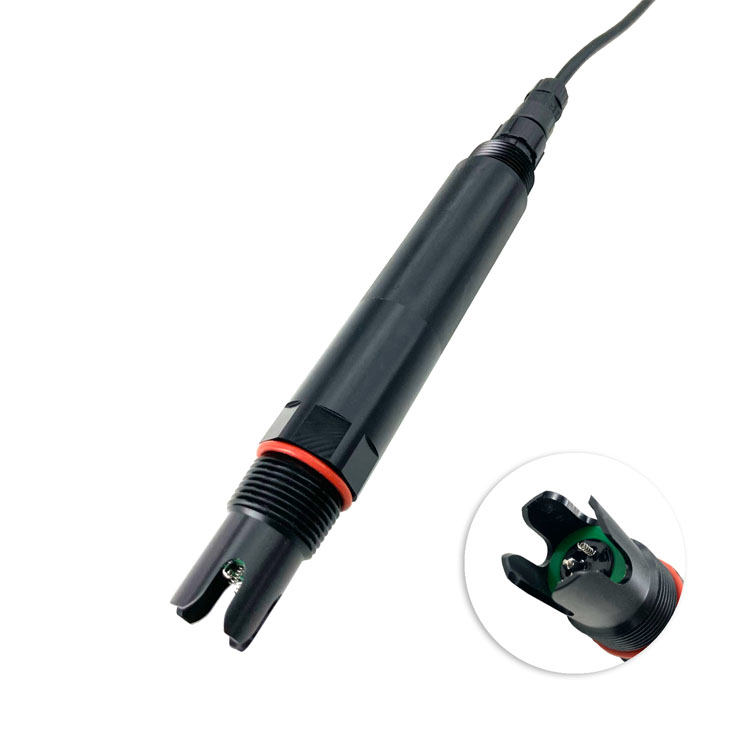
If an operator only needs to confirm chlorine once per shift, portable testing may be enough. If the site needs to prove continuous residual at a pipeline, tank outlet, drinking water point or disinfection outlet, online monitoring is more appropriate. Many treatment plants use both: online monitoring for trend and portable testing for verification.
| Parameter | Verified value or procurement note |
|---|---|
| Model | NBL-WQ-CL / NBL-WQ-CL-4A / NBL-WQ-CL-4S |
| Method | Constant voltage method for HClO |
| Range options | 0 to 2.000 mg/L or 0 to 20.00 mg/L |
| Resolution | 0.001 mg/L or 0.01 mg/L by range |
| Accuracy | ±5% or ±0.05 mg/L; temperature ±0.3°C to ±0.5°C by model |
| Medium and flow | pH 4 to 9; 30 to 60 L/h documented for NBL-WQ-CL circulation pool |
| Output | RS485 Modbus RTU; optional 4-20 mA on 4-series models |
| Protection | IP68; flow tank or circulation pool installation |
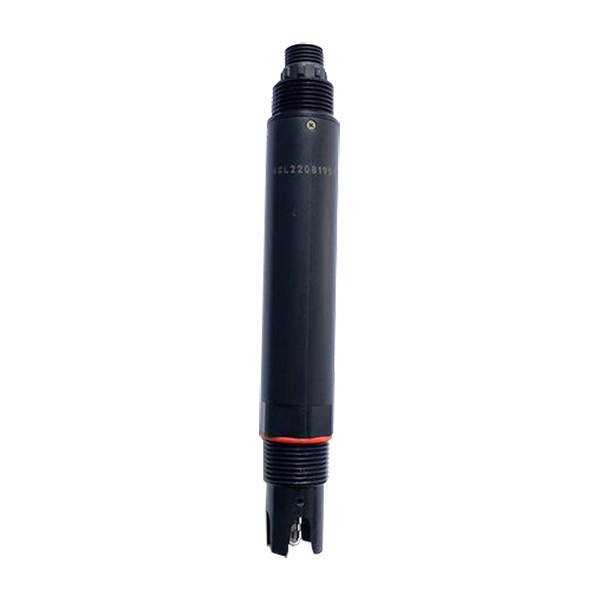
The verified NiuBoL residual chlorine sensor uses the constant voltage method for HClO. The 0 to 2.000 mg/L range suits many drinking water and low residual applications, while the 0 to 20.00 mg/L range is used where higher disinfectant concentration may occur. Medium pH should be checked because the verified condition is pH 4 to 9.
| Option | Where it fits | Limitation |
|---|---|---|
| Portable residual chlorine meter | Manual verification, commissioning and cross-checking | No continuous alarm or trend record. |
| Digital chlorine meter | Routine field checks with simple data needs | Depends on operator schedule and method consistency. |
| Online residual chlorine sensor | Disinfection control, alarms and remote records | Needs flow, pH, calibration and maintenance planning. |
| Online plus portable | Plants that need both evidence and verification | Higher initial scope but better data confidence. |
Online chlorine measurement is sensitive to sample flow and representativeness. For NBL-WQ-CL, the manual documents 30 to 60 L/h in the circulation pool. If the sampling line is too long, blocked, aerated or stagnant, the reading may not match the real process. The RFQ should include the sampling point and available drain or return route.
RS485 Modbus RTU is useful when residual chlorine data must enter SCADA, PLC or an IoT dashboard. Optional 4-20 mA on selected 4-series models is useful when a plant panel expects analog input. In either case, the chlorine range and scaling must be written into the commissioning record.
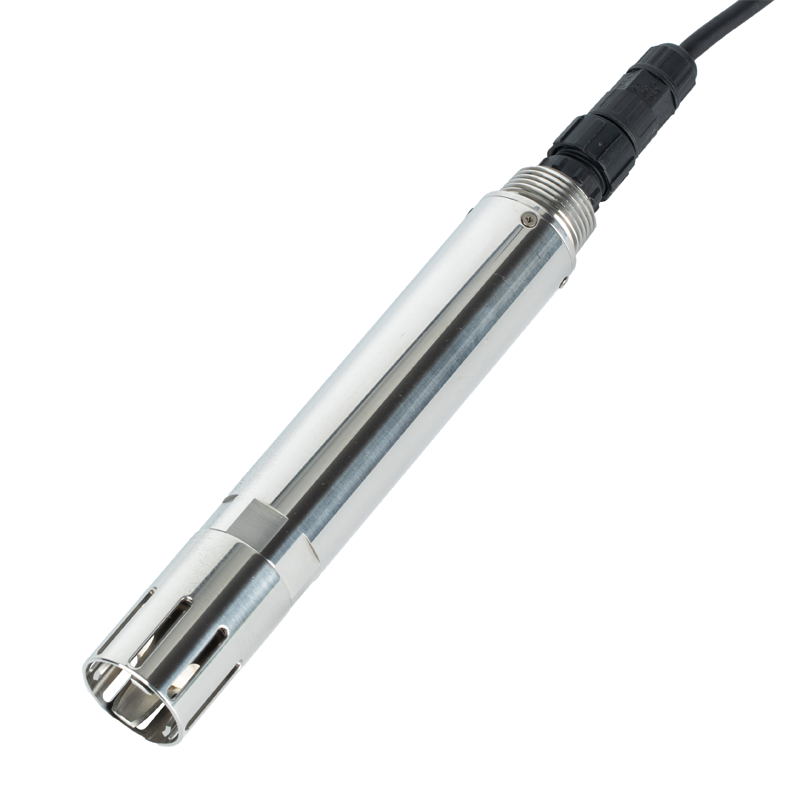
For a residual chlorine meter or online chlorine sensor, send the water type, expected range, temperature, pressure, installation photos, cable length, output requirement, controller or gateway model, quantity and destination country. State disinfectant type, expected residual range, pH, sampling flow condition and whether portable verification is required.
For contractors, also state who supplies the cabinet, bracket, sampling line, power supply, surge protection, SIM card or platform account. Missing scope items usually appear during commissioning, when they are more expensive to solve.
Online data should still be checked against a reference method during commissioning and maintenance. A portable chloroscope or digital chlorine meter helps confirm whether a strange online value is real process change, sensor fouling, pH effect, low flow or sampling line trouble.
The first specification should name the measurement point: plant outlet, pipe network, storage tank, pool loop, disinfection outlet or industrial process line. Each point has different flow, pressure, pH and residual range. A residual chlorine meter selected for one point may not be suitable for another.
Online residual chlorine measurement is especially sensitive to the sampling assembly. The supplier and contractor should agree on sample line length, flow tank, drain, bypass valve, filter if used and cleaning access. These items should appear in the quotation instead of being left to site improvisation.
| Use case | Recommended combination | Reason |
|---|---|---|
| Small manual operation | Portable meter only | Operator inspection is enough. |
| Treatment plant outlet | Online sensor plus portable verification | Continuous record and cross-check are both useful. |
| Remote disinfection point | Online sensor with alarm | Manual inspection may miss events. |
| Commissioning period | Online sensor plus frequent portable checks | Build confidence in flow and calibration. |
A low chlorine reading may be caused by actual disinfectant loss, but it may also come from a stagnant sampling line, low flow, wrong pH condition, dirty electrode or air in the flow cell. A high reading may follow dosing spikes or scaling error. Operators should verify flow and sample condition before assuming the sensor failed.
The handover file should include range, output type, sample flow requirement, pH condition, wiring, register map, calibration record, alarm values and maintenance routine. This is particularly important when the system is handed from contractor to plant operator. Without it, the operator may not know whether an alarm means process risk or maintenance requirement.
For NiuBoL residual chlorine sensors, the verified RS485 Modbus RTU and optional 4-20 mA choices should be matched to the host panel before ordering.
A useful scope states whether the measurement is for drinking water residual, pool circulation, wastewater disinfection, industrial process control or verification after dosing. It should also state expected concentration, pH, temperature, sample flow, whether a flow cell is needed and whether the operator will keep a portable meter for comparison.
This scope is more valuable than asking for a residual chlorine meter price. The price depends on whether the buyer needs a handheld checker, an online sensor, a controller, a flow tank, a cabinet, RS485 integration or a complete station.
Operators should know how to check sample flow, clean the measurement area, compare with a portable method and recognize pH-related changes. They should also know that low flow or stagnant sample can look like sensor drift. Training does not need to be long, but it must be specific to the installed point.
For NiuBoL projects, the handover record should include range, output, calibration status, flow condition and alarm values so future service does not start from zero.
A drinking water outlet that needs continuous residual records should use online monitoring, but the plant should keep a portable verification method. The online sensor provides trend, alarm and remote data; the portable meter helps verify abnormal values and satisfy field checks where required.
The project should define normal residual range, sample flow, pH, alarm values and who responds after an alarm. Without an operator response rule, the online residual chlorine meter becomes a record device only and may not reduce disinfection risk.
Before releasing the purchase order, the buyer should confirm five items in writing: measured parameter, expected range, installation point, output signal and maintenance owner. These five items prevent most misunderstandings between purchasing, engineering, site operators and the supplier. If any item is unknown, the RFQ should say so clearly instead of hiding the uncertainty.
The quotation should also separate sensor body, cable, controller or data logger, mounting accessory, calibration or verification materials, communication gateway, packing and documents. This makes it possible to compare suppliers by actual scope. A lower price is not useful if the buyer later discovers that the controller, flow cell, bracket or register map was not included.
Keep the user manual, wiring definition, Modbus register map, calibration record, installation photos, alarm settings, packing list and spare-part suggestion in one folder. For distributors and contractors, this file is also after-sales protection. When the end user asks for help months later, the service team can see what was supplied, how it was installed and what assumptions were used during commissioning.
If the buyer needs both portable and online measurement, the quotation should explain their different roles. The portable meter is a verification tool; the online sensor is the process record and alarm point. Treating one as a replacement for the other often creates weak troubleshooting procedures.
For residual chlorine projects, the final purchase check should confirm the measurement point and sample flow arrangement. The same sensor can behave differently at a plant outlet, storage tank, pool loop or disinfection bypass, so the flow cell or circulation pool should not be treated as an afterthought.
A: Choose portable testing for manual verification and online monitoring for continuous alarms, trend records or disinfection control.
A: Verified range options include 0 to 2.000 mg/L and 0 to 20.00 mg/L, with resolution depending on range.
A: Yes. NiuBoL chlorine sensor conditions specify pH 4 to 9, and pH affects chlorine species in water.
A: Poor flow can create delayed, unstable or non-representative readings. NBL-WQ-CL documents 30 to 60 L/h in the circulation pool.
A: Yes. NiuBoL residual chlorine sensors support RS485 Modbus RTU, and selected 4-series models can provide 4-20 mA output.
A: Yes. Portable testing is useful for verification, troubleshooting and compliance checks where required.
A: Wrong flow, pH change, dirty electrodes, bubbles, calibration error and sampling point problems are common causes.
A: Disinfectant type, expected range, pH, temperature, flow cell or circulation pool, output signal, cable length and controller requirement.
A: Use the higher range when process concentration may exceed low residual levels, such as certain disinfection or industrial treatment points.
A residual chlorine meter should be chosen by data purpose. Portable meters support verification, while online sensors support alarms, records and control. NiuBoL residual chlorine sensors provide verified range options, RS485 Modbus RTU, optional 4-20 mA on selected models and flow-based installation options for water disinfection monitoring.
Prev:Online TDS Meter for RO and Water Treatment Systems: Selection Guide
Next:River Water Pollution Monitoring: Parameter Package and Station Layout
Related recommendations
Sensors & Weather Stations Catalog
 Agriculture Sensors and Weather Stations Catalog-NiuBoL.pdf
Weather Stations Catalog-NiuBoL.pdf
Agriculture Sensors Catalog-NiuBoL.pdf
Water Quality Sensor Catalog-NiuBoL.pdf
Related products
 Combined air temperature and relative humidity sensor
 TDR Soil Moisture & Temperature Sensor for irrigation| RS485 |4-20mA| NBL-S-THR
 Soil pH sensor RS485 soil Testing instrument soil ph meter for agriculture |NBL-S-PH
 Wind Speed sensor Output Modbus/RS485/Analog/0-5V/4-20mA
 Tipping bucket rain gauge for weather monitoring auto rainfall sensor RS485/Outdoor/stainless steel
 Pyranometer Solar Radiation Sensor 4-20mA/RS485

Screenshot, WhatsApp to identify the QR code
WhatsApp number:+8615367865107
(Click on WhatsApp to copy and add friends)

