





— Blogs —
—Products—
 Consumer hotline +8618073152920
 WhatsApp:+8615367865107
Address:Room 102, District D, Houhu Industrial Park, Yuelu District, Changsha City, Hunan Province, China
Product knowledge
Time:2026-09-01 13:00:00 Popularity:179
An RFQ for residual chlorine monitoring can look complete and still fail on site. The underlying problem is that a chlorine value is useful only when the disinfectant form, sampling point and control purpose are known.
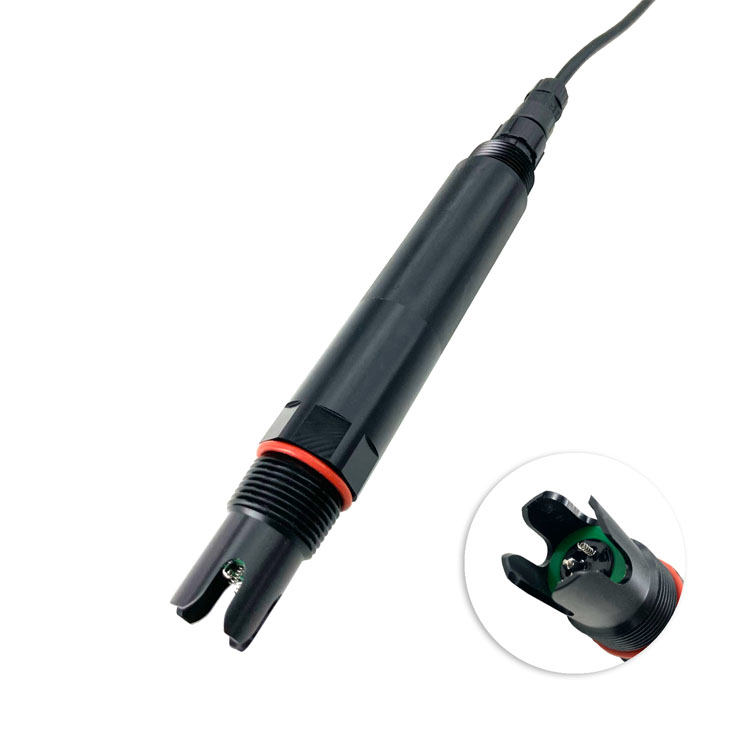
Procurement should enable the team to specify free residual chlorine, expected range, pH, flow cell and response requirement before requesting price. That requires a clear measuring point, integration boundary and acceptance method, while recognizing that the NBL-WQ-CL reference specification measures HClO and should not be ordered as a total-chlorine analyzer.
Residual disinfectant decays as it reacts with microorganisms, organics, pipe surfaces and reducing substances.
Plant outlet, tank outlet and network-end measurements answer different operational questions.
The sample line and circulation flow are part of the measuring point, not optional plumbing details.
Together, these conditions define the engineering question for water disinfection: whether the proposed measurement and system scope can specify free residual chlorine, expected range, pH, flow cell and response requirement before requesting price.
For residual chlorine monitoring, the table uses the current NBL-WQ-CL residual chlorine sensor manual as a verified reference. It defines a realistic engineering option for water disinfection; it does not remove the project constraint described above. Within the Residual Chlorine Monitoring in Water Treatment supply scope, model approval, range and accessories should be confirmed against the quotation and project water data.
| Parameter | Verified reference |
|---|---|
| Reference model | NBL-WQ-CL |
| Principle | Constant-voltage method for HClO |
| Range / resolution | 0-2.000 mg/L / 0.001 mg/L |
| Accuracy | +/-5% or +/-0.05 mg/L; temperature +/-0.5 deg C |
| Medium pH | pH 4-9 |
| Output | RS485, Modbus RTU |
| Power | 12-24 VDC; 0.2 W at 12 V |
| Working condition | 5-50 deg C; below 0.1 MPa |
| Protection / material | IP68; POM and PTFE wetted materials |
| Installation | Circulation pool; documented flow 30-60 L/h |
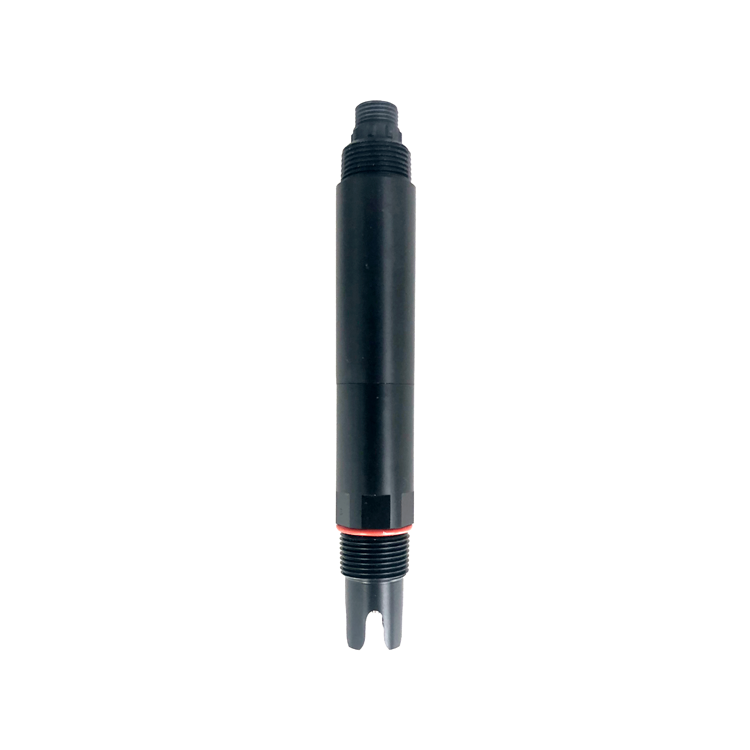
For work in water disinfection, nominal accuracy is only one part of suitability.
| Project item | What the specification should state |
|---|---|
| Operating problem | A chlorine value is useful only when the disinfectant form, sampling point and control purpose are known. |
| Required decision | Specify free residual chlorine, expected range, pH, flow cell and response requirement before requesting price. |
| Method boundary | The NBL-WQ-CL reference specification measures HClO and should not be ordered as a total-chlorine analyzer. |
| Minimum evidence for residual chlorine monitoring | Matched readings, installation record, units, timestamps and a documented acceptance method for the selected measuring point. |
A catalogue range is not a duty specification. For water disinfection, document the matrix, representative point, normal and peak values, and what the operator will do when the result changes.
Do not approve the proposed scope until the team addresses this constraint: the NBL-WQ-CL reference specification measures HClO and should not be ordered as a total-chlorine analyzer. For Residual Chlorine Monitoring in Water Treatment, the project requires the missing evidence may require laboratory work, a second parameter, a different location or a clearer response procedure.
Compare offers for the chlorine measuring loop at the an equivalent scope of supply. In the Residual Chlorine Monitoring in Water Treatment acceptance plan, separate the probe from holder, flow cell, controller, gateway, cabinet, calibration items, commissioning and spares so a lower figure is not simply a smaller scope. For context, Plant outlet, tank outlet and network-end measurements answer different operational questions.
For water disinfection, separate field measurement from data handling. The chlorine measuring loop measures the water, the controller formats the result, and the upper system stores alarms and trends. The interface boundaries belong in the scope schedule.
RS485 Modbus RTU can place the selected measuring point on a shared digital bus. For the Residual Chlorine Monitoring in Water Treatment measuring point, commission unique addresses, baud rate, parity, register map and decimal scaling, then document shield grounding, surge protection and every waterproof joint. The acceptance record must also state this project constraint: the NBL-WQ-CL reference specification measures HClO and should not be ordered as a total-chlorine analyzer.
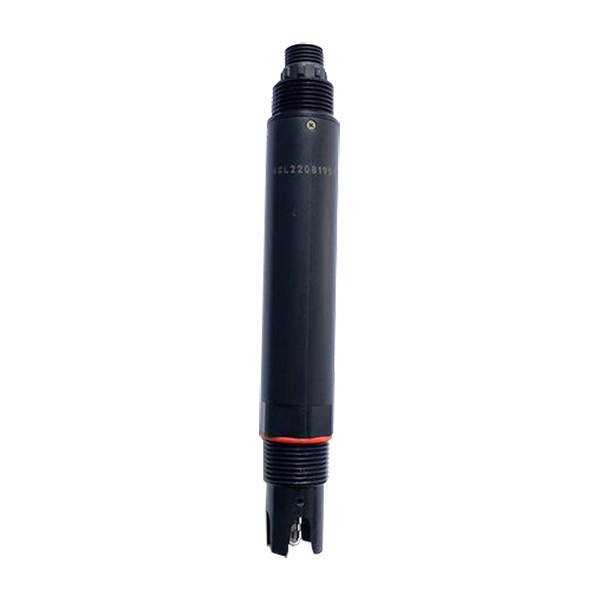
A data platform should not smooth away a rapid change from the chlorine measuring loop until the team has decided whether it is noise, fouling or a real process upset. For context, The sample line and circulation flow are part of the measuring point, not optional plumbing details.
Field challenge: Residual disinfectant decays as it reacts with microorganisms, organics, pipe surfaces and reducing substances. At this stage, the engineering risk is that a chlorine value is useful only when the disinfectant form, sampling point and control purpose are known.
System integration: The integrator and owner need to use historical site data to set routine range, resolution and normal alarm behavior.
When integrating Residual Chlorine Monitoring in Water Treatment, user value: The owner receives enough resolution without routine over-range. This creates a documented basis for the decision to specify free residual chlorine, expected range, pH, flow cell and response requirement before requesting price.
Field challenge: Plant outlet, tank outlet and network-end measurements answer different operational questions. At this stage, the engineering risk is that site conditions can alter the selected measuring point before the operator sees it.
System integration: The integrator and owner need to test the proposed principle against temperature, solids, salinity, color, reagents and the highest credible concentration.
Within the Residual Chlorine Monitoring in Water Treatment supply scope, user value: The owner receives a method that survives the real matrix. This reduces exposure to the stated problem: a chlorine value is useful only when the disinfectant form, sampling point and control purpose are known.
Field challenge: The sample line and circulation flow are part of the measuring point, not optional plumbing details. At this stage, the engineering risk is that the NBL-WQ-CL reference specification measures HClO and should not be ordered as a total-chlorine analyzer.
System integration: The integrator and owner need to freeze the holder or flow cell, cable, power, output, controller and service access before commercial comparison.
User value: The owner receives commercial offers based on the same complete measuring point. The conclusion remains subject to this stated constraint: the NBL-WQ-CL reference specification measures HClO and should not be ordered as a total-chlorine analyzer.
A project inquiry that suppliers can evaluate includes the water disinfection matrix, expected range, process connection, hydraulic condition, cable route, available power, control interface and the action supported by the result. Attach a drawing where possible.
In the Residual Chlorine Monitoring in Water Treatment acceptance plan, price cannot be evaluated until the offer identifies included accessories, documentation and support. Require separate lines for field hardware, panel interface, calibration items, spares and commissioning for the water disinfection project.
The main commercial risk is not simply an inaccurate reading. If a chlorine value is useful only when the disinfectant form, sampling point and control purpose are known, the owner may approve a design or operating response that cannot specify free residual chlorine, expected range, pH, flow cell and response requirement before requesting price.
For residual chlorine monitoring, a repeat order is reliable only when range, material, output, cable and accessories match the original duty.
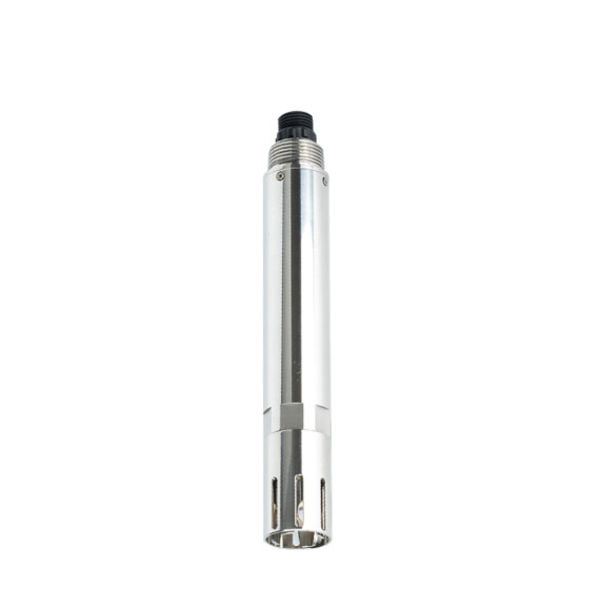
A1: Choose the configuration that supports this project decision: specify free residual chlorine, expected range, pH, flow cell and response requirement before requesting price. For the Residual Chlorine Monitoring in Water Treatment measuring point, base the range and accessories on measured site data, not only a catalogue application name or the regulatory limit.
For residual chlorine monitoring, a2: Use normal, seasonal and credible upset data. When integrating Residual Chlorine Monitoring in Water Treatment, leave enough headroom to avoid clipping, but do not choose such a wide range that routine changes lose useful resolution.
A2: For Residual Chlorine Monitoring in Water Treatment, dd or change the method if the project reaches this constraint: the NBL-WQ-CL reference specification measures HClO and should not be ordered as a total-chlorine analyzer. Also reconsider the point when no representative location, cleaning access or valid acceptance reference is available.
A4: Verify the residual chlorine monitoring interface end to end: wiring, device address, baud rate, parity, register address, data type, scaling and engineering unit. During residual chlorine monitoring acceptance, compare the local value with the PLC, RTU or logger value and retain the tested register map.
A5: For Residual Chlorine Monitoring in Water Treatment, use the same location and time after stabilization. Record sample handling, temperature, units, method and uncertainty; one unmatched grab sample is not enough to approve or reject an online point. The acceptance record must also state this project constraint: the NBL-WQ-CL reference specification measures HClO and should not be ordered as a total-chlorine analyzer.
A6: The cited product family includes 0-2.000 mg/L / 0.001 mg/L. In the Residual Chlorine Monitoring in Water Treatment acceptance plan, this is a manual-based reference, not automatic model approval; routine values, credible peaks and the water matrix still control final selection. For context, Plant outlet, tank outlet and network-end measurements answer different operational questions.
A7: For the Residual Chlorine Monitoring in Water Treatment measuring point, separate the sensor, holder or flow cell, cable options, controller, gateway, cabinet, calibration items, consumables, spares, documentation, commissioning and freight. When integrating Residual Chlorine Monitoring in Water Treatment, this prevents a smaller supply scope from appearing cheaper than a complete point. This requirement helps the team specify free residual chlorine, expected range, pH, flow cell and response requirement before requesting price.
A8: Send water data, photographs or drawings, required output, cable distance, quantity, destination and schedule. Include the current problem: a chlorine value is useful only when the disinfectant form, sampling point and control purpose are known. Within the Residual Chlorine Monitoring in Water Treatment supply scope, that detail lets engineering review suitability before price is issued.
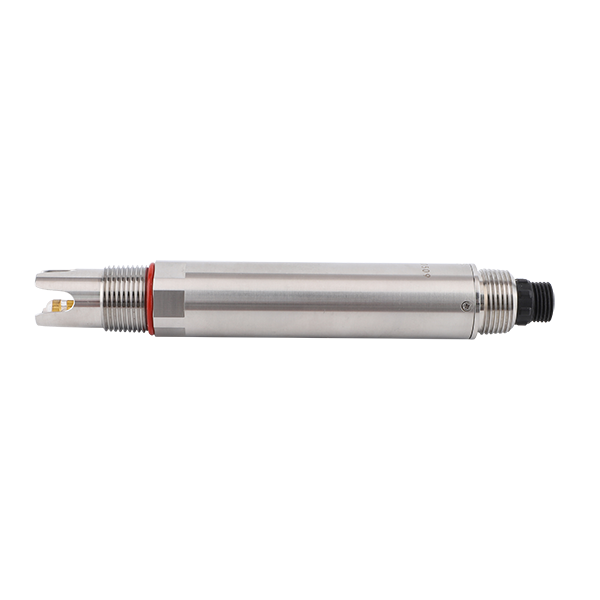
A purchase decision for residual chlorine monitoring is defensible when range, location, method and handover evidence all support one action: specify free residual chlorine, expected range, pH, flow cell and response requirement before requesting price. The stated limit remains that the NBL-WQ-CL reference specification measures HClO and should not be ordered as a total-chlorine analyzer.
A project-specific inquiry includes the process condition, expected values, installation, communications, accessories, quantity and schedule. Ask NiuBoL to identify assumptions and price each part of the complete measuring point. This requirement helps the team specify free residual chlorine, expected range, pH, flow cell and response requirement before requesting price.
Prev:Water Conductivity Sensor Range and Cell Selection Guide
Next:Free Chlorine Control in Drinking Water: Balancing Disinfection and Overdosing Risk
Related recommendations
Sensors & Weather Stations Catalog
 Agriculture Sensors and Weather Stations Catalog-NiuBoL.pdf
Weather Stations Catalog-NiuBoL.pdf
Agriculture Sensors Catalog-NiuBoL.pdf
Water Quality Sensor Catalog-NiuBoL.pdf
Related products
 Combined air temperature and relative humidity sensor
 TDR Soil Moisture & Temperature Sensor for irrigation| RS485 |4-20mA| NBL-S-THR
 Soil pH sensor RS485 soil Testing instrument soil ph meter for agriculture |NBL-S-PH
 Wind Speed sensor Output Modbus/RS485/Analog/0-5V/4-20mA
 Tipping bucket rain gauge for weather monitoring auto rainfall sensor RS485/Outdoor/stainless steel
 Pyranometer Solar Radiation Sensor 4-20mA/RS485

Screenshot, WhatsApp to identify the QR code
WhatsApp number:+8615367865107
(Click on WhatsApp to copy and add friends)

