





— Blogs —
—Products—
 Consumer hotline +8618073152920
 WhatsApp:+8615367865107
Address:Room 102, District D, Houhu Industrial Park, Yuelu District, Changsha City, Hunan Province, China
Product knowledge
Time:2026-06-29 11:33:44 Popularity:218
A smart greenhouse solution should be written as a control system, not as a shopping list of sensors. The project must explain which variables are monitored, where the data is collected, how alarms are generated, which equipment can be controlled, and how operators review historical records. For greenhouse owners, the goal is stable crop production. For integrators, the goal is a system that can be wired, commissioned, expanded, and maintained without unclear boundaries.
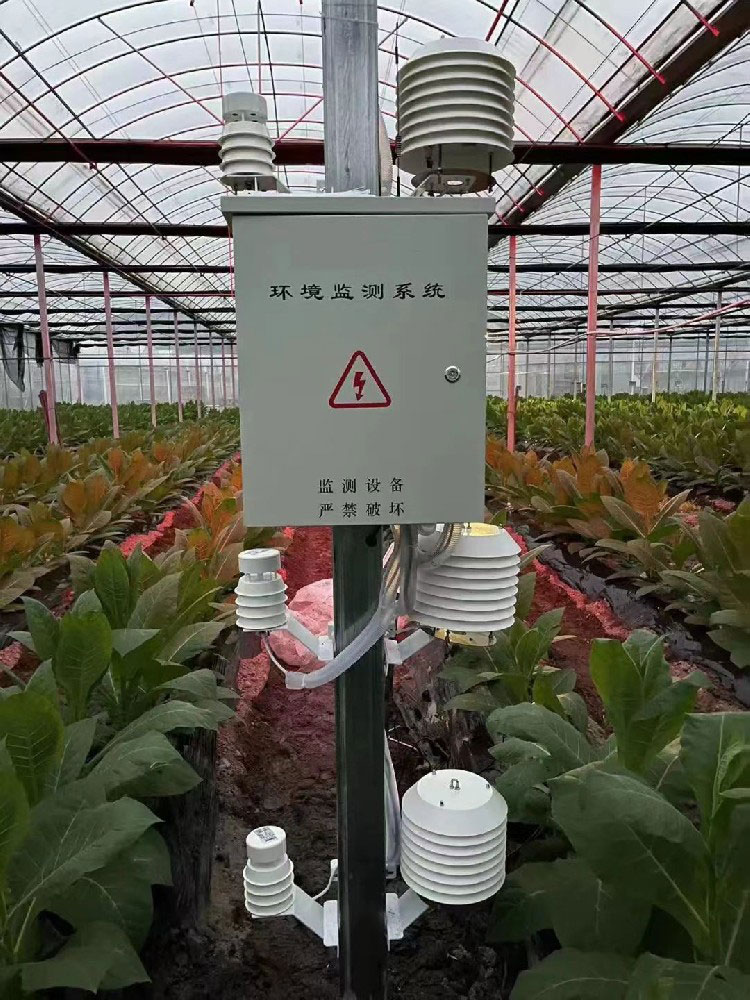
NiuBoL greenhouse solutions combine field sensors, an LED observation or monitoring host, RS485 devices, optional relay outputs, and a cloud platform. Typical variables include air temperature, relative humidity, CO2, illuminance, soil moisture, soil temperature, soil EC, soil pH, and optional NPK or other environmental parameters. The system can be used in vegetable greenhouses, flower nurseries, seedling bases, research facilities, and modern agricultural parks.
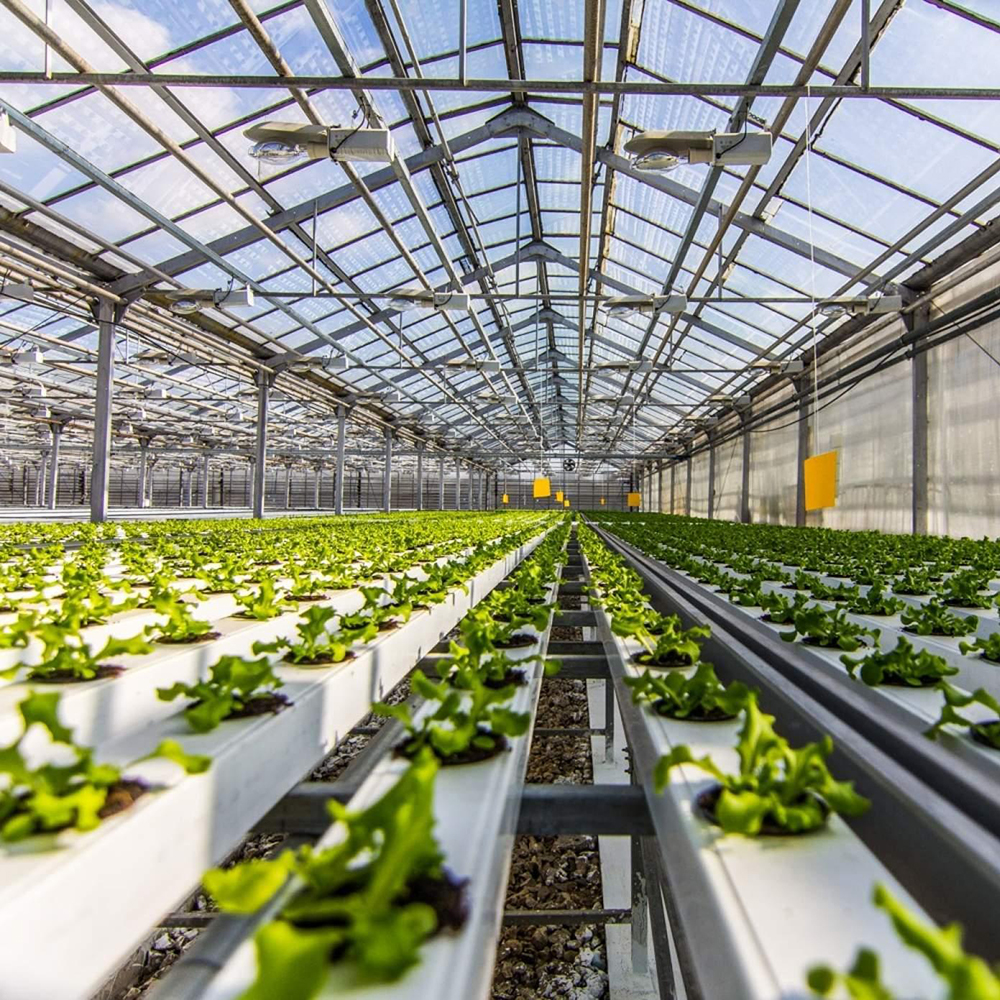
Greenhouse crop performance is affected by multiple variables at the same time. High humidity may increase disease risk. Low CO2 can limit photosynthesis. Excessive EC can stress roots. Low light changes growth rate. Soil moisture affects water uptake and fertigation efficiency. A single sensor cannot explain the operating state of the greenhouse, and manual inspection cannot capture night events or short abnormal periods.
A system integrator therefore needs to design a greenhouse data structure: house number, zone name, sensor location, parameter unit, upload interval, alarm threshold, and control object. Without this structure, the platform may collect data but fail to support daily decisions.
The greenhouse host or LED observation screen is the center of the field system. It collects RS485 sensor data, displays local values, uploads to the cloud, and can provide relay outputs for selected control tasks. The host configuration supports GPRS/4G/5G upload, one Modbus RTU slave interface for uploading to monitoring software or PLC/HMI, and one Modbus RTU master interface for connecting RS485 transmitters such as soil temperature and moisture, soil EC, pH, light, CO2, and NPK sensors.
Optional relay outputs can support remote manual control, but control design must be treated carefully. Fans, wet curtains, pumps, curtains, supplemental lighting, and valves have different electrical loads and safety requirements. In many projects, the NiuBoL device provides data and relay signals, while a power cabinet or PLC handles larger actuator circuits.
| Component | Typical Specification or Function | Engineering Role |
|---|---|---|
| LED observation / monitoring host | Outdoor LED display 96 x 48 optional; local display and monitoring host functions | Field data center and local information display |
| Upload communication | GPRS, 4G, or 5G by configuration | Sends records to cloud platform for remote access |
| Modbus slave interface | One Modbus RTU slave interface | Allows upload to monitoring software, PLC, or HMI |
| Modbus master interface | One Modbus RTU master interface | Connects RS485 transmitters inside the greenhouse |
| Relay output | Optional two relay outputs | Supports selected remote manual control signals |
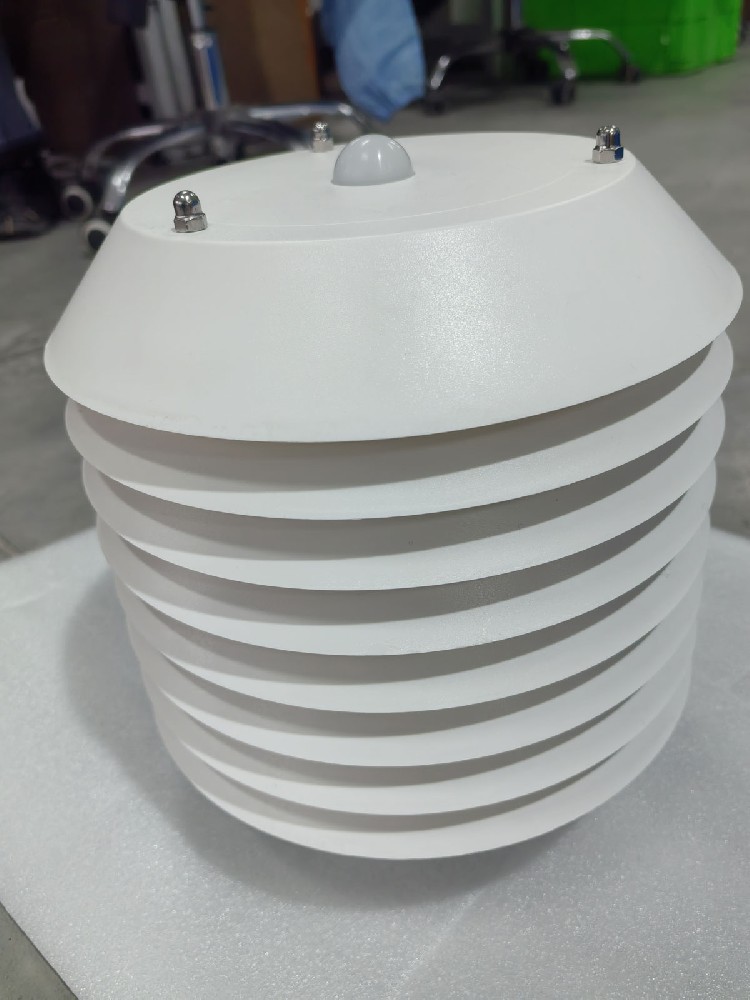
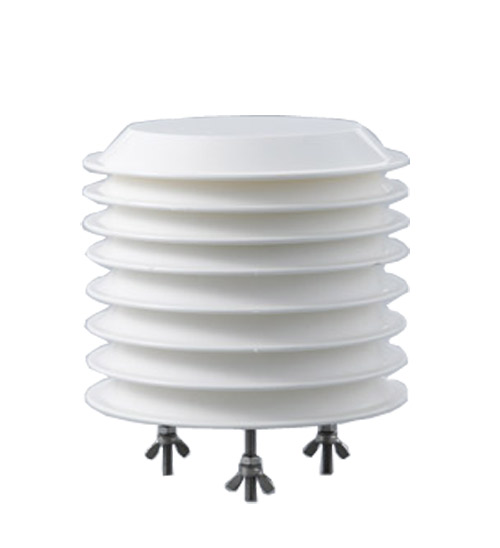
| Multi-element sensor | Air temperature, humidity, CO2, illuminance | Monitors greenhouse climate and photosynthesis conditions |
| CO2 range | 0 to 5000 ppm, 1 ppm resolution | Supports ventilation and CO2 enrichment review |
| Temperature / humidity range | -40 to 120 C by sensor configuration | Covers greenhouse environmental monitoring |
| Illuminance range | 0 to 200,000 Lux | Supports light management and shading decisions |
| Supply voltage | 10 to 30 V wide-voltage design for common transmitters | Improves field power compatibility |
| Cloud platform | Device status, records query, download, print, SMS/email alarms, sub-accounts | Supports operation, reporting, and multi-user management |
RS485 and Modbus RTU are practical for greenhouse projects because sensors can be distributed across zones while using a known industrial communication method. The integrator should create an address table before wiring. Each sensor requires a unique address, a consistent baud rate, and documented register mapping. Cable routing should avoid high-power motor lines and should use suitable shielding and grounding practices.
The system can also interface with PLC or HMI systems through a Modbus RTU slave interface. This matters when a greenhouse already has a control cabinet and the buyer wants NiuBoL sensors or monitoring host data to be read by a third-party automation system.
Greenhouse automation should not be configured only around fixed thresholds. A practical control design considers crop stage, day/night period, season, and equipment limitations. For example, high humidity at night may require ventilation, but ventilation may reduce temperature. CO2 enrichment may be useful only when light is sufficient. Irrigation may depend on soil moisture, EC trend, and crop water demand.
Because of these interactions, many buyers start with monitoring, alarms, and manual remote control before enabling automatic control. This staged approach reduces project risk and gives operators time to understand the data.
Field environment challenge: Cucumber, tomato, and leafy vegetable greenhouses may face high humidity, low winter temperature, and uneven irrigation.
System integration scheme: Install air temperature/humidity, CO2, illuminance, and soil sensors; upload data through the host and create threshold alarms for humidity, CO2, and root-zone conditions.
User value: Managers can review day/night curves, reduce blind adjustment, and support crop-stage management.
Field environment challenge: Seedlings are sensitive to root-zone moisture, light, and temperature fluctuations.
System integration scheme: Use multi-parameter greenhouse sensors with cloud records and local LED display for operators.
User value: The nursery gains consistent monitoring records and can respond quickly to abnormal conditions.
Field environment challenge: Research and demonstration projects need exportable data, clear device IDs, and repeatable records.
System integration scheme: Use RS485 sensors grouped by zone, cloud records, and downloadable historical data for reports.
User value: The project supports teaching, research comparison, and visitor demonstration with real data.
Field environment challenge: Fertigation projects need to understand moisture and EC together, because water and nutrient concentration affect roots at the same time.
System integration scheme: Add soil moisture, temperature, and EC sensors; connect data to the host and platform with zone naming.
User value: Operators can adjust irrigation and fertilizer plans based on root-zone response instead of only tank settings.
Confirm greenhouse size, number of zones, crop type, and required parameters.
Define whether the project needs monitoring only, alarm, remote manual control, or automatic control.
Prepare RS485 address list, cable route, power source, and cabinet location.
Confirm platform requirements: sub-accounts, data export, alarm method, and device grouping.
Check whether existing fans, wet curtains, curtains, pumps, valves, or lights require PLC or power cabinet integration.
During acceptance, test each sensor value, alarm rule, relay signal, cloud upload, and data export.
A: A practical solution includes sensors, data host or collector, RS485 wiring, power supply, communication module, cloud platform, alarm rules, and optional control outputs connected through a safe electrical design.
A: Common sensors include air temperature, relative humidity, CO2, illuminance, soil moisture, soil temperature, soil EC, soil pH, and optional NPK or other crop-related sensors.
A: Modbus RTU allows multiple RS485 transmitters to connect to a host, PLC, HMI, or gateway. It gives integrators a documented method for addressing, polling, and mapping sensor values.
A: Some configurations provide relay outputs for selected control signals, but larger equipment such as fans, pumps, curtains, and wet pads usually require a power cabinet, contactors, PLC, or safety interlock design.
A: Thresholds should be based on crop type, growth stage, day/night period, season, and historical data. Generic thresholds may not match the actual greenhouse operation.
A: Test sensor readings, Modbus addresses, cloud upload, historical curves, alarm delivery, relay output, user permissions, and data export. Each greenhouse zone should have a clear name.
A: Cloud access is useful when managers need remote viewing, multi-site comparison, alarm messages, and downloadable records. Local-only systems may be enough for small sites but provide less project traceability.
A: Expansion is easier when RS485 address planning, spare power capacity, gateway capacity, and platform device grouping are considered at the first stage.
A: Provide greenhouse dimensions, crop type, number of zones, required sensors, existing equipment, power condition, communication condition, control requirements, and platform access requirements.
A: NiuBoL can provide sensors, monitoring host, cloud platform support, wiring guidance, Modbus information, and configuration options for greenhouse monitoring and control projects.
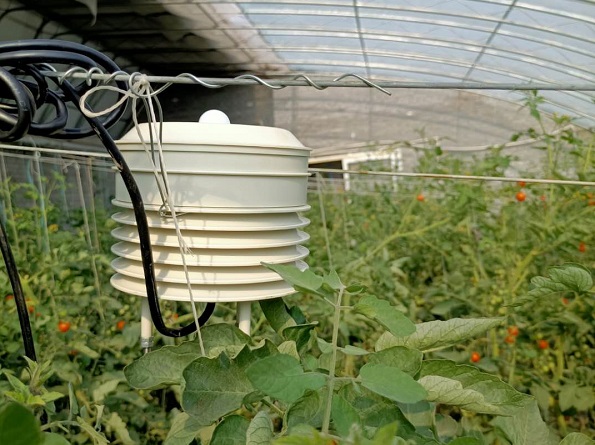
A greenhouse project can be divided into three levels. Level one is monitoring and record keeping: sensors collect data and the platform stores curves. Level two adds alarms and remote inspection: the system sends abnormal warnings and helps managers respond faster. Level three adds control outputs: selected equipment can be operated manually or automatically according to rules. Defining the level prevents the quotation from mixing simple monitoring with full automation.
For many farms, level one and level two already provide strong value because they reveal night humidity, irrigation response, CO2 deficiency, and light variation. Level three should be added only after equipment interfaces, safety logic, and operator responsibility are clear.
The platform should be arranged around greenhouse work, not around sensor names only. A useful dashboard groups data by greenhouse number and zone, shows abnormal values first, and keeps historical curves easy to export. If the operator must search through many unnamed sensors, the system will be used less often. Naming rules are therefore a real engineering requirement.
Two greenhouse quotations may look similar while covering different engineering scopes. Buyers should check whether the quotation includes sensor brackets, cable length, cabinet terminals, SIM card or network configuration, platform account setup, alarm testing, and operator training. These items affect commissioning time and long-term usability, so they should be visible in the project document instead of treated as assumptions.
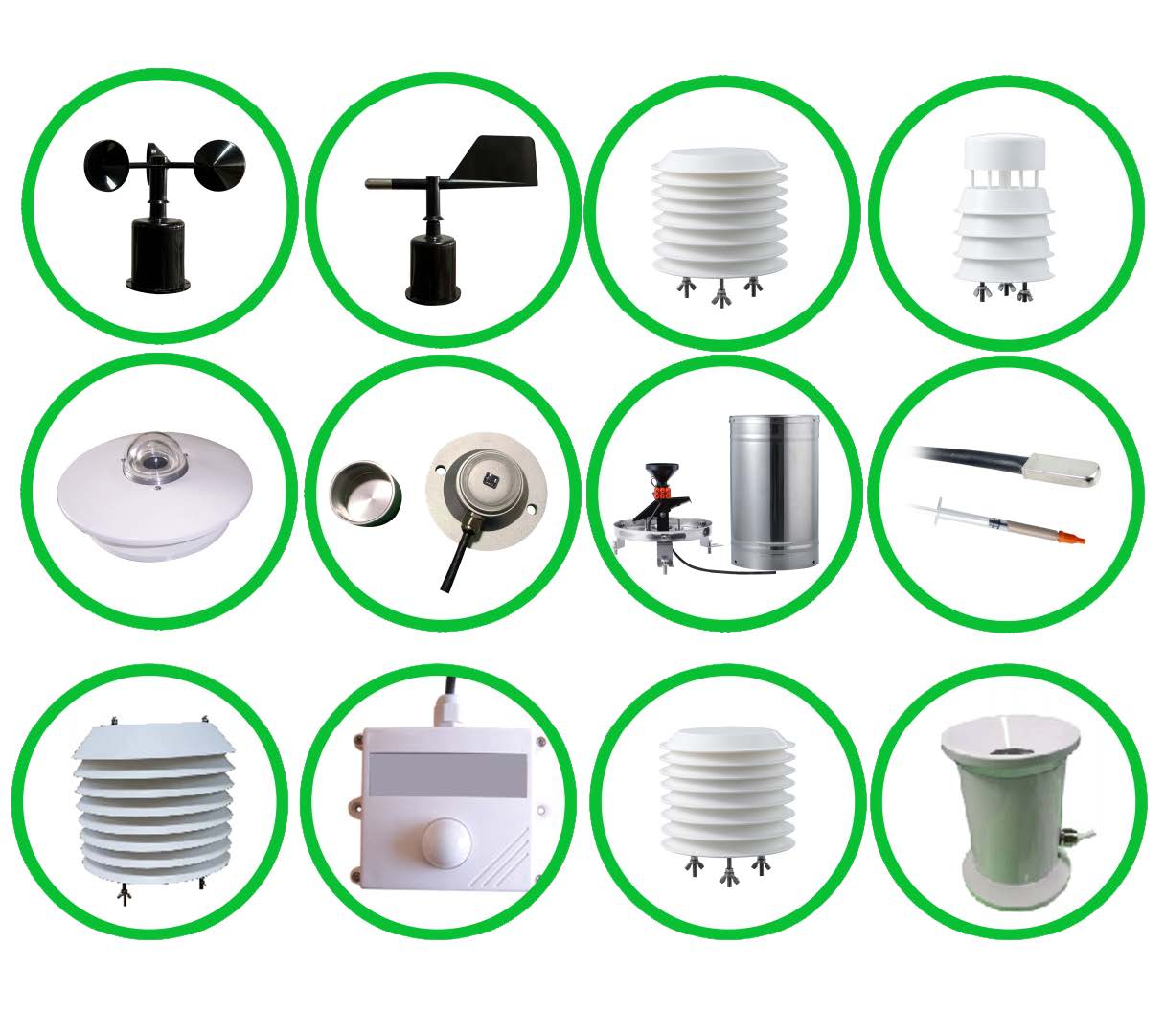
A smart greenhouse solution should connect crop decisions with measurable data and clear control boundaries. The NiuBoL configuration described here supports greenhouse sensors, RS485 Modbus communication, local display, cloud upload, alarm records, and optional relay output. For procurement teams, the strongest project plan defines zones, parameters, protocol mapping, platform functions, control scope, and acceptance tests before installation begins.
Prev:Smart Pole Weather Sensor Applications in Smart City Environmental Monitoring
Next:Greenhouse Automatic Control System Configuration Guide for Monitoring and Actuator Integration
Related recommendations
Sensors & Weather Stations Catalog
 Agriculture Sensors and Weather Stations Catalog-NiuBoL.pdf
Weather Stations Catalog-NiuBoL.pdf
Agriculture Sensors Catalog-NiuBoL.pdf
Water Quality Sensor Catalog-NiuBoL.pdf
Related products
 Combined air temperature and relative humidity sensor
 TDR Soil Moisture & Temperature Sensor for irrigation| RS485 |4-20mA| NBL-S-THR
 Soil pH sensor RS485 soil Testing instrument soil ph meter for agriculture |NBL-S-PH
 Wind Speed sensor Output Modbus/RS485/Analog/0-5V/4-20mA
 Tipping bucket rain gauge for weather monitoring auto rainfall sensor RS485/Outdoor/stainless steel
 Pyranometer Solar Radiation Sensor 4-20mA/RS485

Screenshot, WhatsApp to identify the QR code
WhatsApp number:+8615367865107
(Click on WhatsApp to copy and add friends)

