





— Blogs —
—Products—
 Consumer hotline +8618073152920
 WhatsApp:+8615367865107
Address:Room 102, District D, Houhu Industrial Park, Yuelu District, Changsha City, Hunan Province, China
Product knowledge
Time:2026-06-23 11:26:27 Popularity:218
Weather station equipment varies by application. A general automatic weather station, an airport visibility station, a road weather station, a rainfall station, an agricultural weather station and a cold-region precipitation station may use different instruments. Buyers should therefore define monitoring purpose before comparing equipment lists.
A practical weather station normally includes sensors, data acquisition unit, communication module, power system, mounting structure, protective enclosure, software platform and installation accessories. The sensor list may include air temperature, humidity, wind speed, wind direction, rainfall, atmospheric pressure, ground temperature, solar radiation, visibility, evaporation, soil moisture, soil temperature and other parameters.
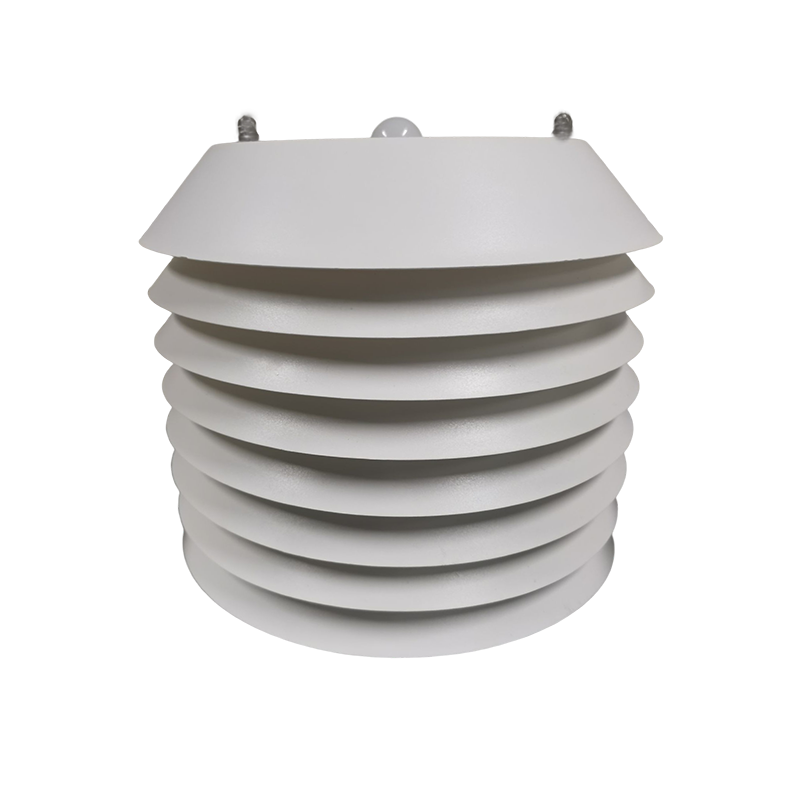
Common weather stations measure air temperature, humidity, wind direction, wind speed, precipitation, atmospheric pressure, ground temperature, solar radiation and sometimes visibility, cloud height, weather phenomena, lightning, atmospheric electric field, negative oxygen ions, evaporation and frozen soil. The final equipment list depends on the application and required data quality.
| Parameter | Reference Value | Procurement Note |
|---|---|---|
| Air temperature humidity sensor | Measures ambient air condition | Basic parameter for most stations |
| Wind speed and wind direction sensor | Measures wind field | Important for weather, road, aviation, fire and environmental projects |
| Rain gauge | Tipping bucket, optical, piezoelectric or other rainfall device | Select according to rainfall intensity, snow need and maintenance condition |
| Atmospheric pressure sensor | Measures barometric pressure | Useful for weather trend and meteorological analysis |
| Solar radiation or sunshine sensor | Measures radiation or light | Used in agriculture, PV, climate and research projects |
| Visibility sensor | Measures atmospheric visibility | Important for airports, highways and traffic safety |
| Soil moisture and temperature sensor | Measures root-zone or ground condition | Used in agricultural weather monitoring |
| Evaporation or weighing precipitation equipment | Supports hydrology and cold-region precipitation projects | Useful where snow or mixed precipitation matters |
| Data collector | Collects and stores sensor signals | Confirm channels, protocol and storage |
| Communication and power | 4G, Ethernet, RS485, solar or mains | Match site conditions and maintenance capacity |
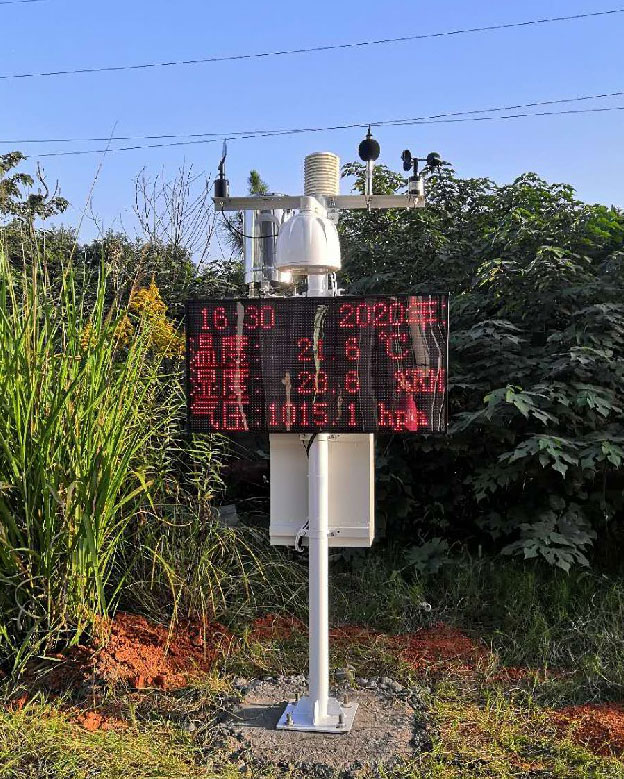
Airport and road weather projects often emphasize visibility, wind, rainfall and road-safety parameters. Rainfall monitoring projects may use tipping bucket, weighing precipitation or optical precipitation equipment. Agricultural projects may add soil moisture, soil temperature, light and crop-related sensors. Cold-region or snow observation projects may require equipment that can monitor solid, liquid and mixed precipitation more reliably.
The procurement checklist should include not only sensors but also pole, foundation, cabinet, cable, grounding, lightning protection, solar panel, battery, communication card, platform access, installation support and maintenance documents. Many project delays occur because accessories were not included in the initial quotation.
Site challenge: Projects need standard local weather data for agriculture, research or public service.
System integration scheme: Configure core weather sensors with collector, platform and power system.
User value: Users gain continuous local weather records and historical charts.
Site challenge: Visibility, wind and precipitation affect safety decisions.
System integration scheme: Add visibility sensor, wind sensors, rainfall and communication to traffic platforms.
User value: Operators gain better site-specific weather evidence.
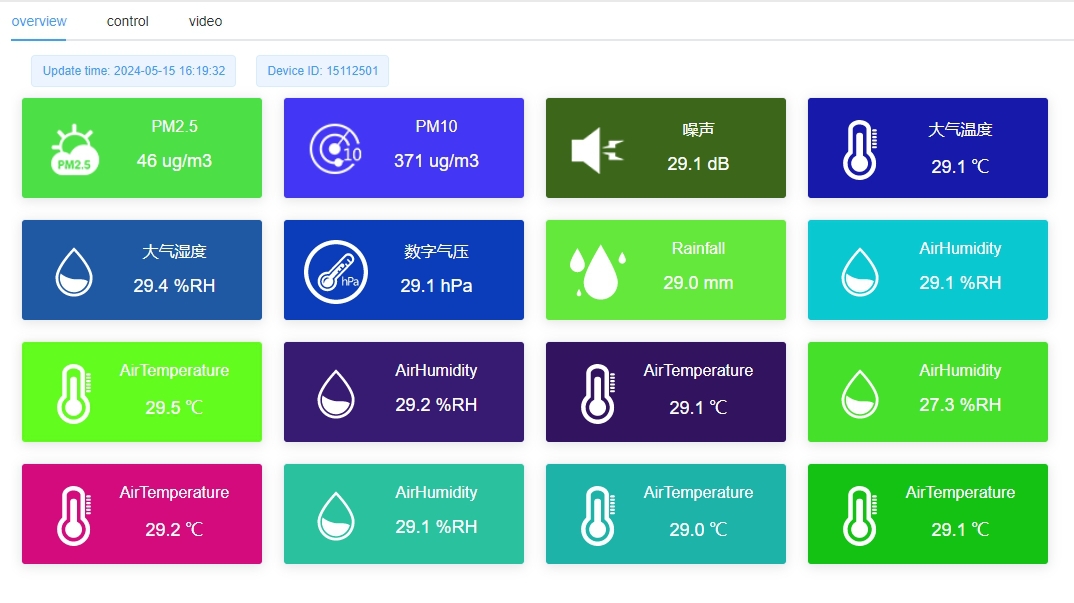
Site challenge: Rainfall intensity and precipitation type affect drainage and flood response.
System integration scheme: Use tipping bucket, piezoelectric, optical or weighing precipitation equipment according to requirement.
User value: Project teams can review rainfall events and improve warning records.
Site challenge: Crop production needs weather and soil data together.
System integration scheme: Add soil moisture, soil temperature, light and rainfall sensors to a farm station.
User value: Growers can support irrigation, disease prevention and crop management.
Site challenge: Snow and mixed precipitation are difficult for simple rain gauges.
System integration scheme: Select equipment suitable for solid and mixed precipitation and winter operation.
User value: Users improve winter storm and snow-event monitoring quality.
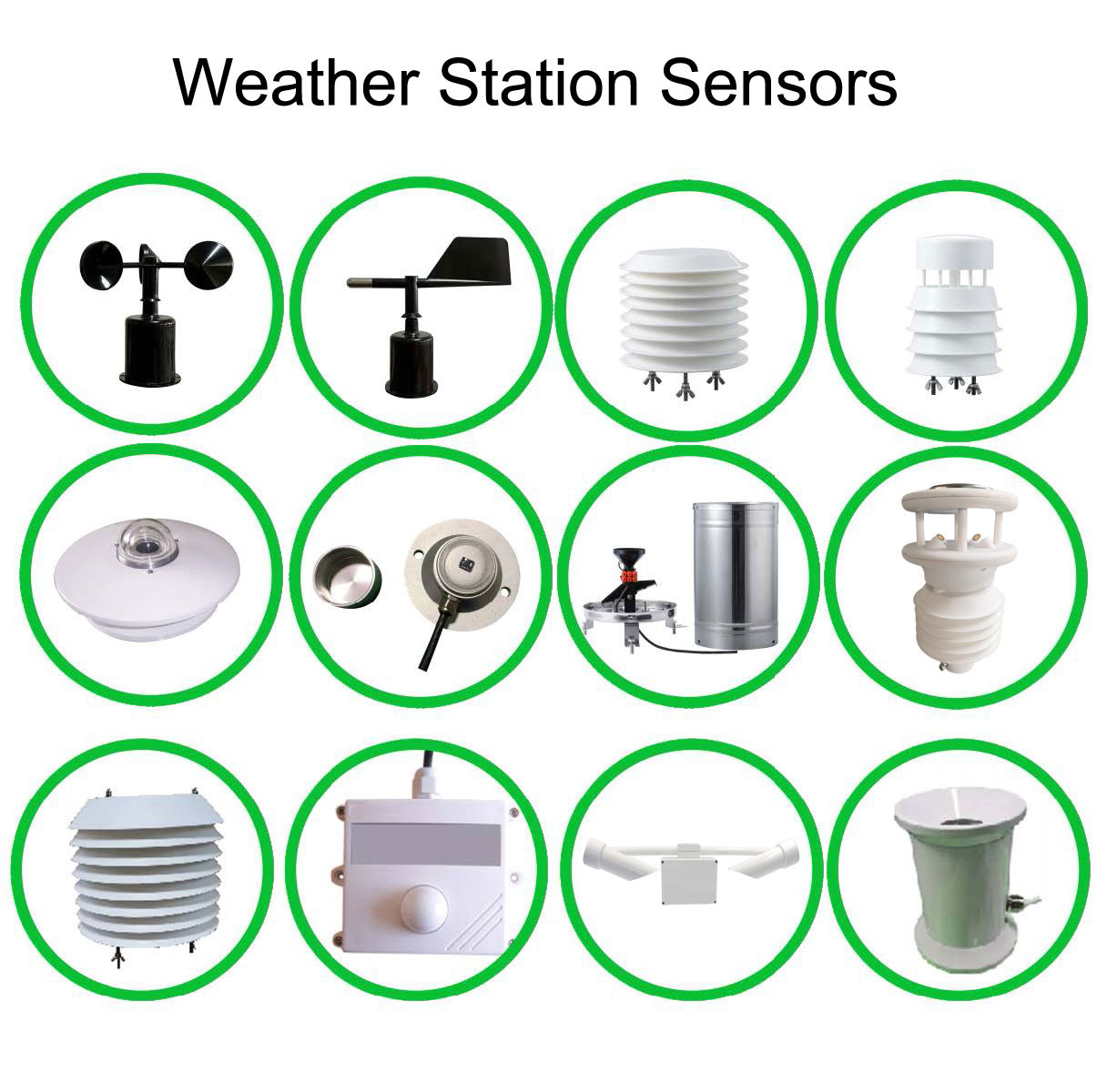
A weather station equipment list should be written from the monitoring task backward. If the project is for agriculture, soil and light sensors may be essential. If it is for road safety, visibility, rainfall and wind may matter more. If it is for hydrology, rainfall accuracy and event records become the core. This is why a useful quotation should show system architecture, not only sensor names.
The equipment scope should separate measurement devices, data acquisition, communication, power supply, mounting structure and software. When these parts are mixed together in a short quotation, buyers may miss cabinets, cables, grounding, solar panels, batteries or platform access. Missing accessories are a common cause of delayed commissioning.
General weather stations usually need temperature, humidity, wind, rainfall and pressure. Agricultural stations may add soil moisture, soil temperature, radiation and CO2. Road and airport projects may need visibility and precipitation type. Cold-region stations may require equipment suitable for snow or mixed precipitation. Each application should have its own equipment checklist.
A fair comparison should check whether each supplier includes the same delivered scope. Buyers should request a bill of materials, sensor ranges, output signals, power design, software functions, installation accessories and maintenance documents. Acceptance should verify not only that the station powers on, but that every measured parameter is displayed, stored and exportable.
For general observation, the core equipment is usually temperature, humidity, pressure, wind speed, wind direction and rainfall. The station should provide stable historical records, local or cloud display and exportable data. The buyer should define whether the station is for internal reference or public reporting.
For agriculture, the station should add soil moisture, soil temperature, radiation, light or crop-related sensors when these values affect irrigation, disease risk or growth review. A generic weather station without soil data may not answer the farm's main management questions.
For traffic or aviation-related projects, visibility, wind, rainfall and sometimes road-surface or precipitation-type data become more important. The system should emphasize reliability, alarms and maintenance access because the data may support safety decisions.
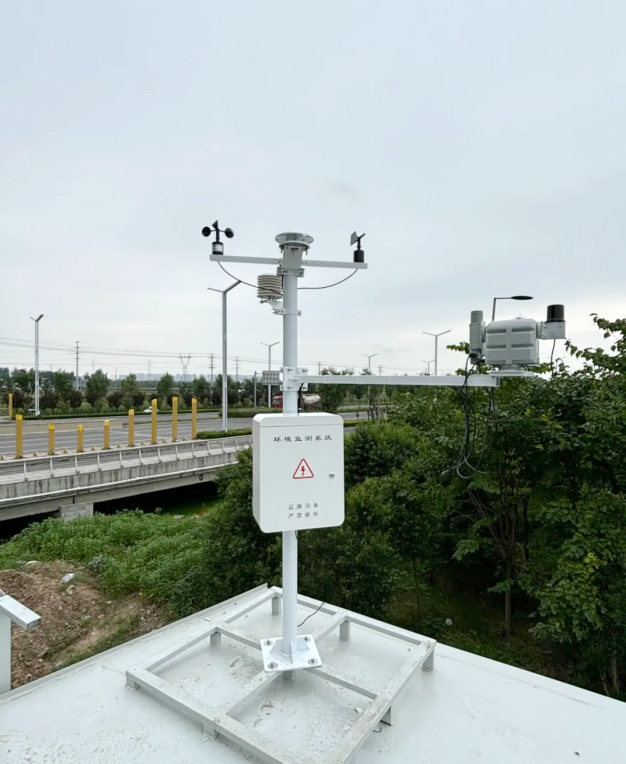
Many weather station quotations look complete but omit engineering accessories. Buyers should check whether the price includes pole, foundation accessories, cabinet, waterproof connectors, grounding, lightning protection, solar panel, battery, SIM card or communication fee, platform access and installation service.
If the station is remote, spare fuses, cable glands, sensor arms, replacement rain gauge parts and battery replacement planning may be valuable. These items are small compared with the station cost, but they can determine whether the station can be repaired quickly after a field problem.
A sensor is necessary when its data supports a decision, report, warning or research target. It may be unnecessary when the buyer cannot define who will use the value or how it changes an action. This decision rule keeps the equipment list focused and helps avoid buying a large station that is difficult to maintain.
A station can have a complete sensor list and still fail as a project if the installation structure is weak or the data path is unclear. Buyers should ask how each sensor connects to the collector, how the collector uploads data, how power is supplied and how users will retrieve historical records.
For remote weather stations, power design is often underestimated. Solar panel size, battery capacity, reporting interval and communication method are linked. A short reporting interval may require more power and create more data traffic. The supplier should explain these tradeoffs before shipment.
Maintenance access should also influence equipment selection. A high pole, complex rain gauge or remote mountain site may require special tools or a service plan. Equipment that looks simple in a catalog may become difficult to maintain if the site is not considered.
A useful acceptance form should list every sensor and every support component. For each sensor, record the displayed value, unit, installation height, cable route and platform field name. For the support system, record power source, battery status, communication method, cabinet condition and grounding point.
The buyer should also request a first-day data screenshot and one exported data file. These two records prove that the station is not only installed but also storing retrievable data. This is important for projects where the station will later support reports, warnings or research analysis.
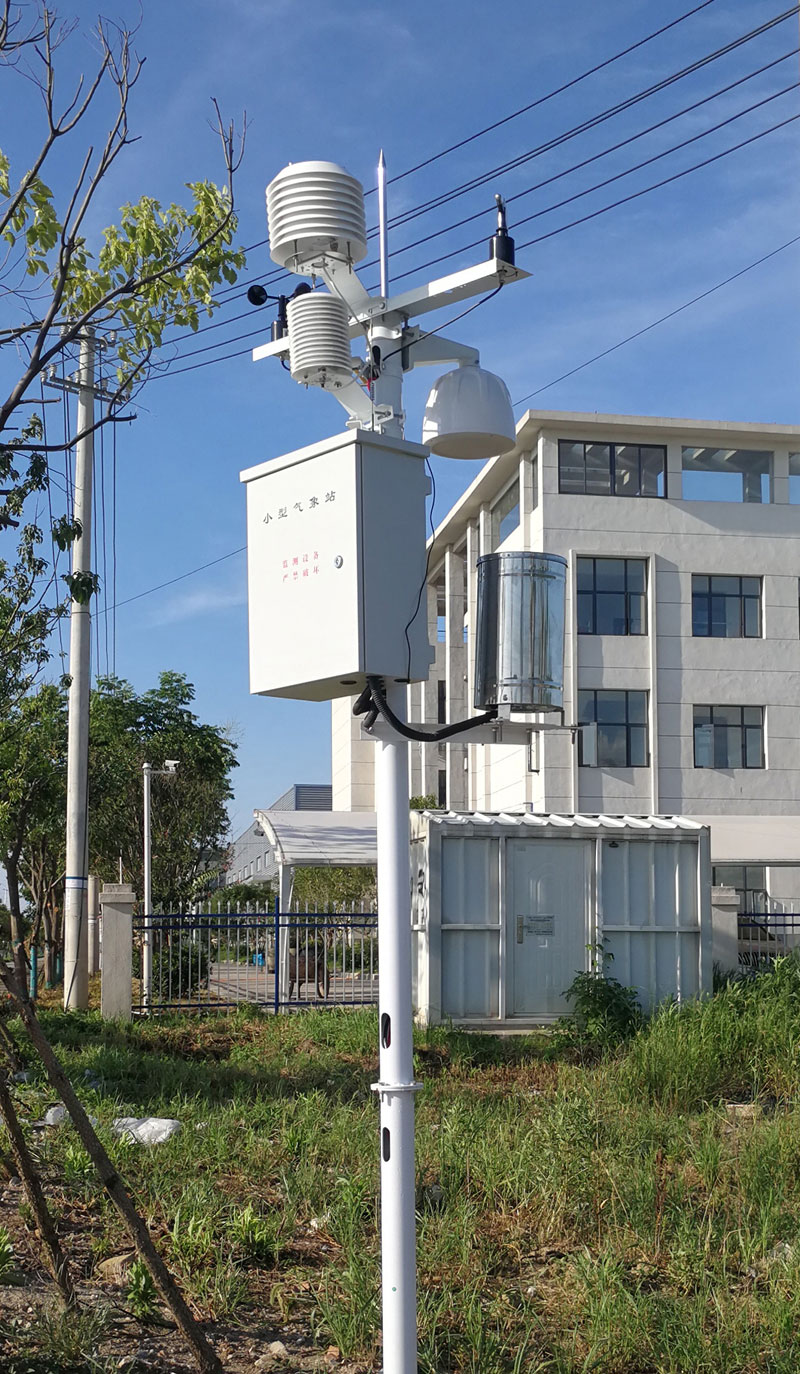
A: A complete station normally includes sensors, data collector, communication module, power supply, pole or bracket, protective box, cables, grounding accessories, platform or software and installation documents.
A: Common sensors include air temperature, relative humidity, wind speed, wind direction, rainfall and atmospheric pressure. Light, solar radiation, soil moisture, soil temperature, visibility and evaporation can be added according to the project.
A: Weather monitoring is application-driven. Agriculture, road safety, airport operation, hydrology, forestry and research projects need different parameters, different installation structures and different data functions.
A: Compare the complete system scope: sensor model, range, accuracy, output, cable length, collector channels, power design, mounting hardware, software access, data export and maintenance support.
A: Common missing items include pole foundation, lightning protection, cable accessories, solar panel, battery, enclosure, software account, data export function, installation service and clear protocol documents.
A: RS485 / Modbus is important when multiple sensors need to connect to a collector, PLC, RTU or gateway. Buyers should confirm register maps, baud rate, sensor address and wiring rules before installation.
A: The project may use a tipping bucket rain gauge, piezoelectric rain gauge, optical rainfall sensor or weighing precipitation gauge. The choice depends on rainfall intensity, snow requirement, accuracy need and maintenance capacity.
A: Agricultural projects should connect weather parameters with crop decisions. Soil moisture, soil temperature, light or radiation, rainfall and air temperature humidity are often more useful than a generic sensor package.
A: Verify each sensor reading, platform display, data storage, export file, upload interval, power status, pole stability, grounding, cable protection and installation photos.
A: Start with the management decision the data must support. If a parameter does not affect irrigation, warning, safety, research or reporting, it may not need to be included in the first phase.
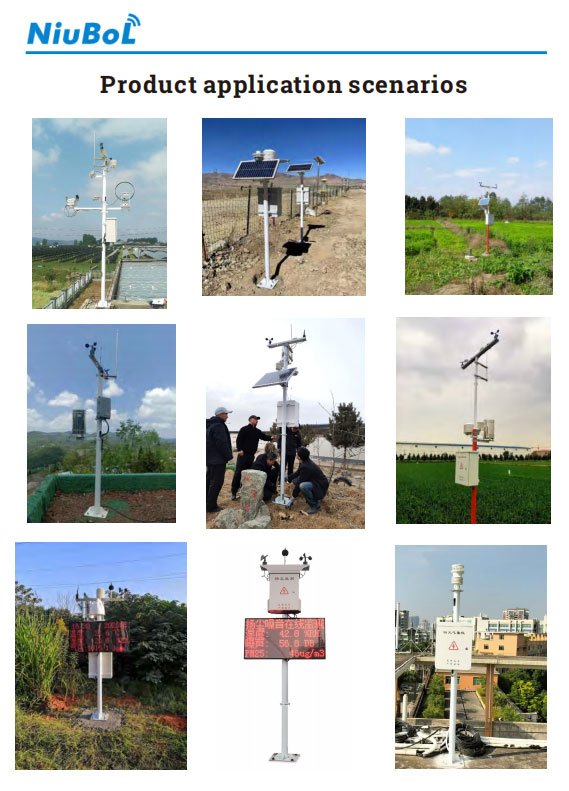
A weather station is a system, not only a group of sensors. Buyers should define the application first, then select sensor types, collector capacity, communication method, power supply, installation structure and platform functions. A complete procurement checklist makes quotations easier to compare and helps ensure that the delivered equipment can operate reliably after installation.
Related recommendations
Sensors & Weather Stations Catalog
 Agriculture Sensors and Weather Stations Catalog-NiuBoL.pdf
Weather Stations Catalog-NiuBoL.pdf
Agriculture Sensors Catalog-NiuBoL.pdf
Water Quality Sensor Catalog-NiuBoL.pdf
Related products
 Combined air temperature and relative humidity sensor
 TDR Soil Moisture & Temperature Sensor for irrigation| RS485 |4-20mA| NBL-S-THR
 Soil pH sensor RS485 soil Testing instrument soil ph meter for agriculture |NBL-S-PH
 Wind Speed sensor Output Modbus/RS485/Analog/0-5V/4-20mA
 Tipping bucket rain gauge for weather monitoring auto rainfall sensor RS485/Outdoor/stainless steel
 Pyranometer Solar Radiation Sensor 4-20mA/RS485

Screenshot, WhatsApp to identify the QR code
WhatsApp number:+8615367865107
(Click on WhatsApp to copy and add friends)

