





— Blogs —
—Products—
 Consumer hotline +8618073152920
 WhatsApp:+8615367865107
Address:Room 102, District D, Houhu Industrial Park, Yuelu District, Changsha City, Hunan Province, China
Product knowledge
Time:2026-09-05 12:00:00 Popularity:205
What is turbidity? Turbidity describes an optical property of water: material in the sample scatters and absorbs light, reducing clarity. A turbidimeter measures a defined optical response and reports a calibrated value. It does not directly weigh suspended solids or identify a contaminant. For water-treatment and environmental monitoring, that distinction explains both the usefulness of a continuous turbidity trend and the limits of the conclusions drawn from it.
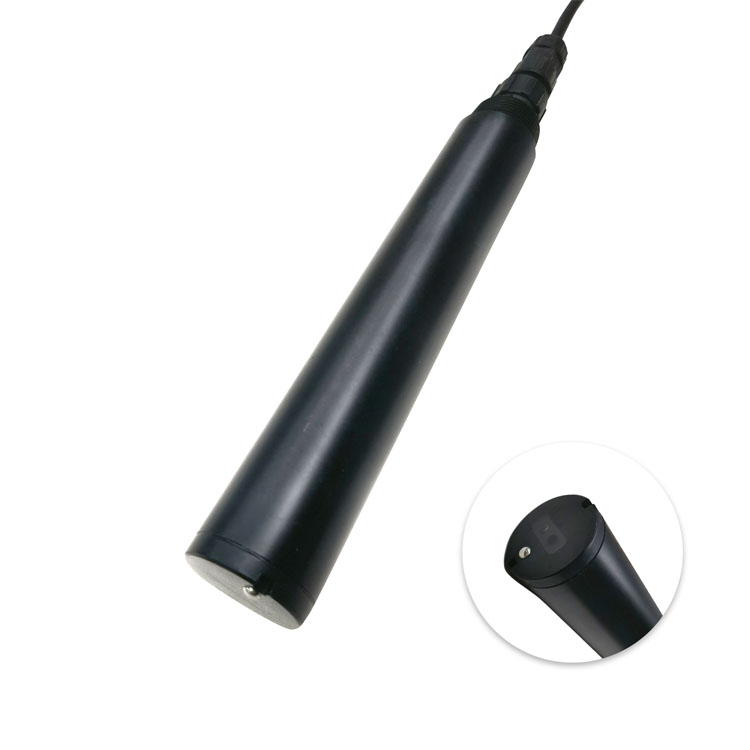
Clay, silt, organic particles, algae and other material can alter the light passing through a sample. The instrument's response depends on particle size, shape, concentration and optical properties as well as the light source and detector arrangement. Two waters with equal suspended-solids mass can produce different turbidity readings. A change in particle composition can also change the reading without the same proportional change in solids mass.
Colour and turbidity should be distinguished. Dissolved coloured substances can absorb light and affect some measurement methods, while particles scatter it. A dark sample is not automatically a high-TSS sample. Similarly, visually clear water is not proof that dissolved chemicals or microorganisms are absent. Use turbidity to answer an optical monitoring question, with other analyses selected for the contaminants of concern.
| Reported quantity | Meaning | Comparison limit |
|---|---|---|
| NTU | Nephelometric turbidity unit, associated with a defined scattered-light method and calibration. | Record the method and instrument rather than assuming all NTU instruments respond identically. |
| FNU | Formazin nephelometric unit, used for specified optical configurations. | Do not relabel an NTU record as FNU without establishing the measurement method. |
| TSS, mg/L | Mass concentration of total suspended solids determined by the specified analytical procedure. | No universal multiplier converts turbidity into TSS. |
| Optical clarity observed by eye | A qualitative observation influenced by lighting and viewing conditions. | Useful context, but not a calibrated low-turbidity measurement. |
The USGS turbidity reporting guidance distinguishes reporting units by instrument design because methods can respond differently to the same sample. Store the method and unit with a long-term record. Changing an instrument can create a step in the trend even when the water has not changed, so compare old and new methods before joining their records.
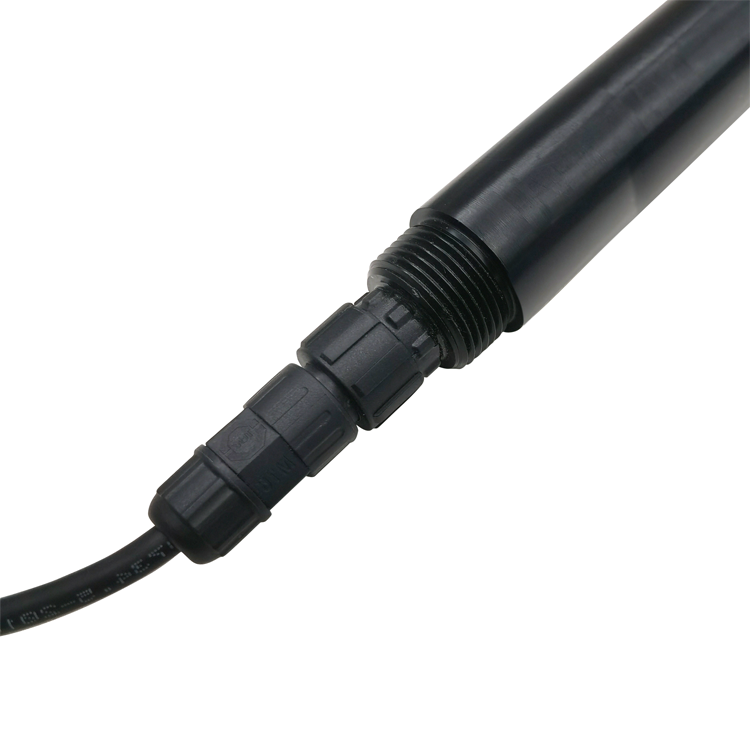
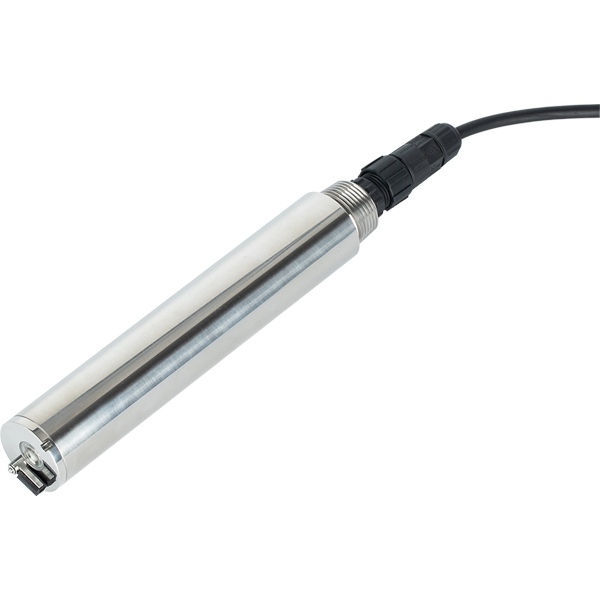
A nephelometric instrument directs light into the water and observes scattered light at a specified geometry. Its calibration relates that response to standards. The NiuBoL NBL-WQ-TS online turbidity sensor uses scattered-light measurement. The sensing surface must remain exposed to representative water; bubbles, a coating or contact with a nearby surface can produce a result that does not describe the intended sample.
An immersion probe measures at its installed point. A flow-through instrument measures the sample delivered to its cell. Both can be useful, but the bypass tube adds delay and can change the sample through settling, air entry or deposits. A fine filter installed to protect the cell also removes particles, changing the property being measured. Decide whether the task concerns raw process water or a deliberately filtered sample before designing that circuit.
At a filter outlet, an unexpected increase can prompt checks of filtration and a matched sample. The chosen range and uncertainty must resolve the site's relevant low-level change. A high-range probe with several display decimals is not automatically suitable for that duty.
In a river, a rapid rise after rain can mark runoff or sediment transport. Record flow or level and collect appropriate samples when the cause matters. The optical trend alone cannot identify whether the particles came from construction, bank erosion or another source. A stable installation and timestamps make the event easier to investigate.
In wastewater or industrial reuse, turbidity can reveal a change in clarification or carryover. It is not automatically a regulatory TSS result. If the project needs a TSS estimate, develop a site-specific relationship using paired samples spanning the intended conditions, validate it independently and revisit it when the particle mix changes. Preserve the measured turbidity separately from the calculated estimate.
| NBL-WQ-TS item | Model options or limits | Meaning for selection |
|---|---|---|
| Ranges | 0-20.00, 0-100.0 or 0-1000.0 NTU | Specify the ordered range; avoid clipping expected events. |
| Resolution | 0.01 NTU on the 20 NTU range; 0.1 NTU on the 100 and 1000 NTU ranges | Displayed increment does not establish measurement accuracy. |
| Digital integration | RS485 Modbus RTU; 12-24 VDC | Match the PLC, RTU or logger to the actual register map and supply. |
| Installation | Immersion or 3/4 NPT mounting; 5 m standard cable; IP68 sensor body | Design the holder, field joint and retrieval access separately. |
| Water conditions | 0-50 °C; below 0.2 MPa | Include upset temperature, pressure and cleaning conditions. |
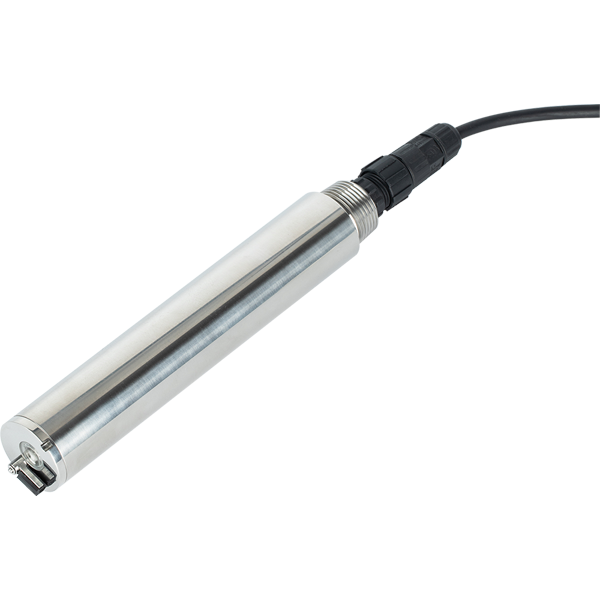
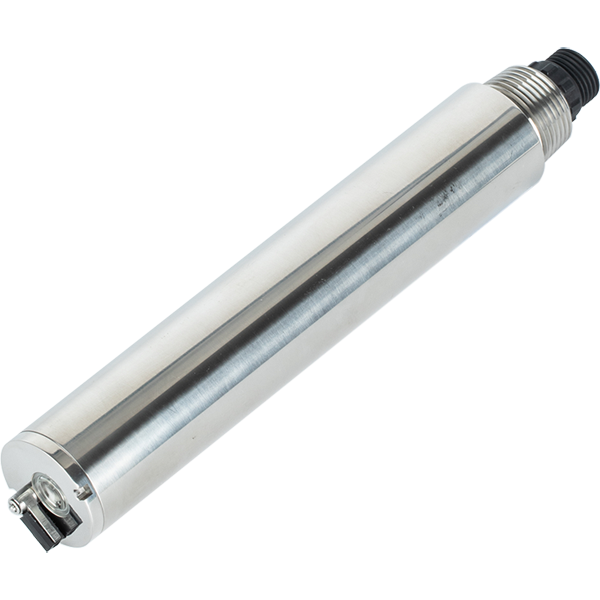
These figures belong to NBL-WQ-TS. The stainless-steel probe variants also illustrated have their own ranges and interface specifications; a similar appearance does not make the table applicable to every model. Ask for accuracy over the selected range and the required calibration standards, especially when a small change near the normal operating value drives an alarm.
Inspect the shape and timing of the event. A spike coinciding with a pump start may be entrained air or genuinely disturbed solids. A gradual bias may follow coating of the optical face. A flat reading through a known process change may indicate stagnant sample water or stale data. Compare the local reading, sample conditions and logger timestamp before deciding which explanation fits.
Save the as-found value, then clean using materials compatible with the optical surface. Recheck in stable water or an appropriate standard. Changing calibration over a dirty window can hide a maintenance problem. For laboratory comparison, sample near the probe at the same time, identify the laboratory method and minimize delays that allow particles to settle. A sample from another depth or after long storage is a weak acceptance reference.
For an RS485 Modbus RTU probe, verify the device address, register, scaling and unit at the receiving PLC or data logger. Compare the raw value with the final displayed value. A correct checksum does not detect an incorrect NTU scale or a channel assigned to the wrong location.
Store acquisition time and validity alongside turbidity. Mark cleaning, calibration, no-flow and communications faults. A missing measurement replaced by zero looks like exceptionally clear water; an old held value can hide an event. When requesting a NiuBoL configuration, provide the water matrix, normal and peak turbidity, required change to resolve, installation arrangement and maintenance access. These details establish whether a probe, flow cell or another method is suitable.
Q1. What is turbidity measuring in water?
A1. It measures a calibrated optical response associated with scattering and absorption. The result describes clarity under the instrument's method, not the identity or mass of every material in the sample.
Q2. Can NTU be converted directly into TSS?
A2. Not with a universal factor. A site-specific estimate requires paired turbidity and laboratory TSS data, independent validation and checks when particle composition or process conditions change.
Q3. Why do two turbidity meters disagree?
A3. Compare optical method, standards, range, sample timing and handling. Different particle responses, bubbles or settling can cause disagreement even when both instruments communicate normally.
Q4. Is clear-looking water necessarily safe?
A4. Clarity alone cannot establish that. Turbidity does not identify all dissolved substances or microorganisms; use the tests required for the intended water use.
Q5. Should a high reading trigger immediate recalibration?
A5. First investigate the process, bubbles, optical condition and sample flow. Clean and verify before adjusting calibration so a real event or a coated surface is not hidden.
Q6. Which range should be requested?
A6. State normal values, the change that matters and credible peaks. Then compare range-specific accuracy and clipping risk rather than selecting the largest range or finest display step.
Turbidity is a useful optical indicator when its method, sampling point and unit remain clear. It can reveal changes in filtration, runoff or process water, while TSS, contaminant identity and water suitability require their own evidence. Select and maintain the NiuBoL measurement point around that defined use.
Prev:Swimming Pool Water Quality Parameters: Sensors and Independent Tests
Next:Water Disinfection Monitoring Parameters: Residual, Contact and Control
Related recommendations
Sensors & Weather Stations Catalog
 Agriculture Sensors and Weather Stations Catalog-NiuBoL.pdf
Weather Stations Catalog-NiuBoL.pdf
Agriculture Sensors Catalog-NiuBoL.pdf
Water Quality Sensor Catalog-NiuBoL.pdf
Related products
 Combined air temperature and relative humidity sensor
 TDR Soil Moisture & Temperature Sensor for irrigation| RS485 |4-20mA| NBL-S-THR
 Soil pH sensor RS485 soil Testing instrument soil ph meter for agriculture |NBL-S-PH
 Wind Speed sensor Output Modbus/RS485/Analog/0-5V/4-20mA
 Tipping bucket rain gauge for weather monitoring auto rainfall sensor RS485/Outdoor/stainless steel
 Pyranometer Solar Radiation Sensor 4-20mA/RS485

Screenshot, WhatsApp to identify the QR code
WhatsApp number:+8615367865107
(Click on WhatsApp to copy and add friends)

