





— Blogs —
—Products—
 Consumer hotline +8618073152920
 WhatsApp:+8615367865107
Address:Room 102, District D, Houhu Industrial Park, Yuelu District, Changsha City, Hunan Province, China
Product knowledge
Time:2026-08-25 09:07:00 Popularity:215
A wireless dissolved-oxygen point should be designed from the radio path and power budget as well as the water condition. Confirm immersion geometry, fouling risk, local buffering, transmission interval, network-loss behavior and the service route before selecting the probe and wireless node.
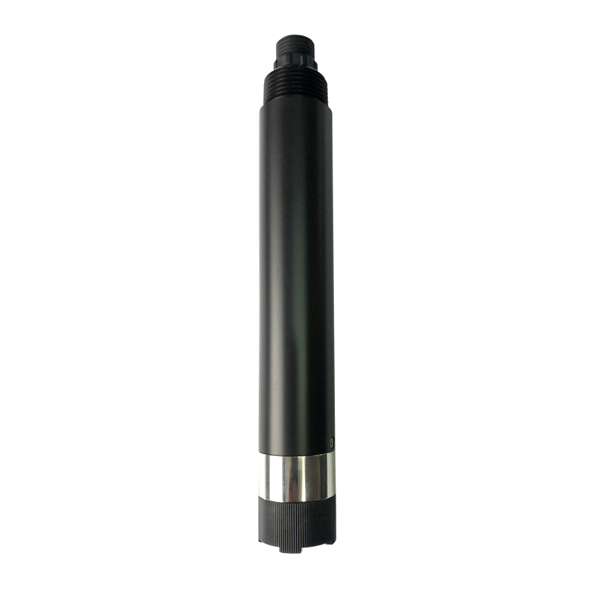
For NiuBoL buyers and system integrators, the practical question is whether wireless dissolved oxygen sensor can be specified, installed, connected and accepted without creating hidden work after delivery.
The engineering review considers wireless dissolved oxygen sensor as a project component, so the decision includes measurement purpose, site condition, installation, data interface, acceptance and later service.
The required class of Wireless Dissolved Oxygen Sensor depends on whether the project needs continuous data, remote alarms or documented handover records. Inline DO needs flow without persistent bubbles. A bypass line should include isolation valves so the sensor can be serviced without supperping the whole process.
Installation quality is part of measurement quality for Wireless Dissolved Oxygen Sensor, so exposure and service access must be checked together. Check pressure rating, pipe material and cleaning chemical exposure before deciding whether immersion or inline mounting is more practical.
For wireless dissolved oxygen sensor, optical DO may reduce service work, while membrane DO may still fit budget or laboratory routines. The inline flow requirement should decide the method.
For wireless dissolved oxygen sensor, interpret DO with temperature and operation notes because inline flow can change readings quickly. Time stamps matter during review.
For NiuBoL matching of wireless dissolved oxygen sensor, provide water depth, installation method, cable length, controller type, alarm rule and cleaning access for the inline flow use case.
| Item | Project Specification | Why It Matters |
|---|---|---|
| Measurement item for wireless dissolved oxygen sensor | Dissolved oxygen with temperature compensation | Prevents wrong oxygen interpretation when water temperature changes. |
| Method options for wireless dissolved oxygen sensor | Optical DO or membrane DO according to maintenance plan | Balances cost, accuracy and service workload. |
| Communication for wireless dissolved oxygen sensor | RS485 / Modbus RTU or controller output | Lets the DO value enter PLC, RTU, gateway or data logger. |
| Installation for wireless dissolved oxygen sensor | Immersion holder, floating support, flow cell or portable probe | Must match tank, pond, pipe or laboratory use. |
| Power supply for wireless dissolved oxygen sensor | 12-24 V DC for online packages | Fits cabinet and field power design. |
| Maintenance item for wireless dissolved oxygen sensor | Calibration check, cleaning and cap or membrane inspection | Keeps alarm data credible. |
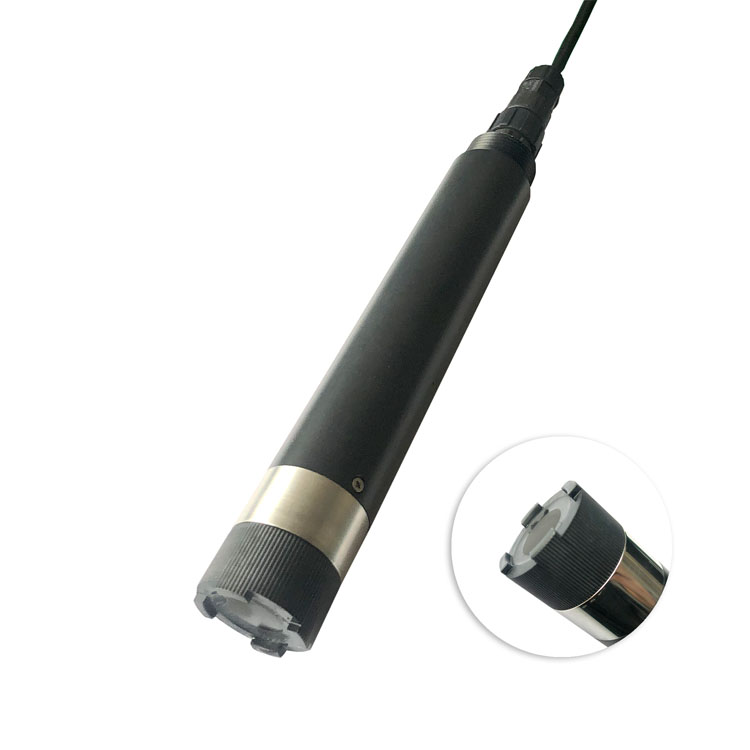
For wireless dissolved oxygen sensor, the RFQ should be written around the project result rather than a short product name. Include these points so suppliers quote the same scope:
Wireless dissolved oxygen sensor sits between the field condition and the control or reporting platform. Depending on the selected Wireless Dissolved Oxygen Sensor package, document the exact signal path to the controller, PLC, RTU, logger, gateway or platform rather than assuming every destination is included. The Wireless Dissolved Oxygen Sensor quotation should distinguish supplied equipment and documentation from cabling, mounting, panel work and commissioning assigned to the installer.
For wireless dissolved oxygen sensor, the project boundary should be written as a scope list: measuring hardware, cable, mounting parts, power supply, enclosure, controller or gateway, data destination and service responsibility. The flow cell layout angle decides which of those items must be included in the first quotation.
Where the DO probe connects to a wireless logger through RS485 Modbus RTU, document the local address and register map separately from the radio protocol. Acceptance should prove timestamp recovery and buffered-data upload after a controlled communications interruption.
If wireless dissolved oxygen sensor is supplied as a station rather than a single device, confirm whether 4G, WiFi, LoRa, Ethernet, local display or cloud upload is included. For wireless dissolved oxygen sensor, the project document should identify communication charges, verified coverage, data retention and the party responsible for platform access.
| Item | Project Specification | Why It Matters |
|---|---|---|
| Portable DO meter for wireless dissolved oxygen sensor | Manual measurement by operator | Good for inspection and verification |
| Online DO sensor for wireless dissolved oxygen sensor | Continuous signal with controller connection | Needed for alarms and automation |
| Wireless DO station for wireless dissolved oxygen sensor | Remote pond or tank monitoring | Useful when cabling is difficult |
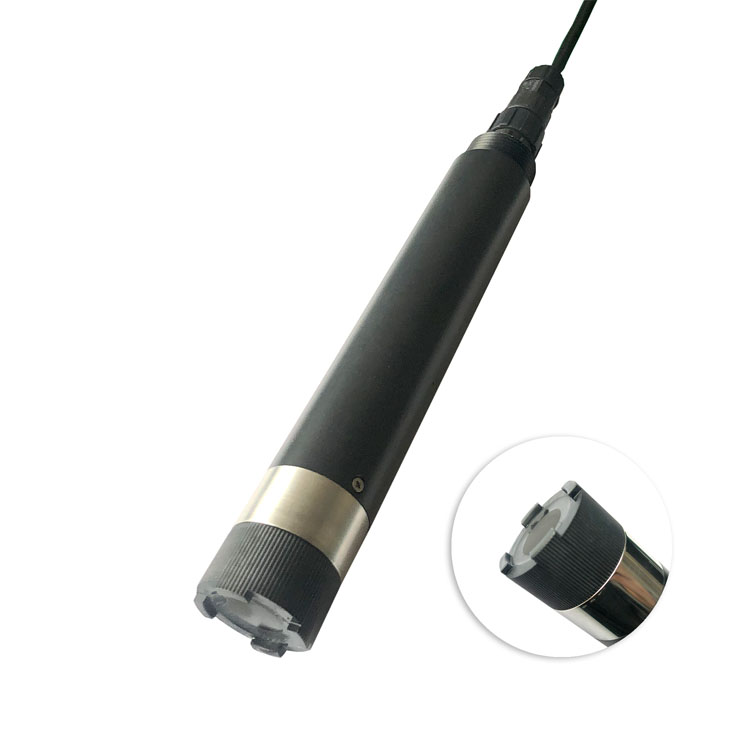
Field challenge: wireless dissolved oxygen sensor must produce usable evidence under the inline flow condition, where access, timing, fouling, exposure or reporting duty can change the result.
Integration plan: For wireless dissolved oxygen sensor, choose mounting, power, communication and service access around the inline flow objective, then record those choices for quotation and handover.
User value: For wireless dissolved oxygen sensor, stable records help the site compare normal operation with abnormal events and support later quotation or maintenance review.
User value: For wireless dissolved oxygen sensor, the buyer receives earlier evidence for field action instead of waiting for scattered manual notes.
User value: For wireless dissolved oxygen sensor, acceptance becomes easier because installation, data and service conditions are recorded before handover.
User value: For wireless dissolved oxygen sensor, operators can compare locations, time periods and service actions with less argument about where the data came from.
The main risk for wireless dissolved oxygen sensor projects is buying a device without defining the field condition. Before production or shipment of Wireless Dissolved Oxygen Sensor, confirm range, cable route, mounting arrangement, cleaning access, power and the receiving data interface.
For wireless dissolved oxygen sensor, quality should be judged against a written baseline for inline flow. The Wireless Dissolved Oxygen Sensor handover file should record installation conditions and the first operating result so later troubleshooting begins from a verified baseline.
Wireless dissolved oxygen sensor fits projects where inline flow changes a field decision, a maintenance visit or a handover record. The practical purpose of Wireless Dissolved Oxygen Sensor is to produce repeatable field evidence for selection, operation and acceptance, not merely to match a device name.
Wireless dissolved oxygen sensor is not suitable when the site has no service access, no power plan, no data user or only occasional manual checking. Where continuous Wireless Dissolved Oxygen Sensor monitoring is not yet justified, a defined survey or pilot package can establish the site range and workflow before permanent deployment.
For wireless dissolved oxygen sensor, dissolved oxygen should be measured where the inline flow decision is made. When integrating Wireless Dissolved Oxygen Sensor, depth, flow, aeration and time of day can change the value more than buyers expect.
For wireless dissolved oxygen sensor, this point should be written into the quotation or acceptance sheet because it affects installation labor, data trust and later troubleshooting. Before Wireless Dissolved Oxygen Sensor ships, assign responsibility for installation, configuration, data access and routine service among the contractor, distributor and site operator.
For wireless dissolved oxygen sensor, quote spare caps, membranes, electrolyte, holders or calibration accessories together with the sensor when inline flow requires routine service.
For wireless dissolved oxygen sensor, alarm settings should include threshold, delay, reset rule and responsible person. This is critical when inline flow must trigger action quickly.
For wireless dissolved oxygen sensor, the field record should include device address, cable route, power source, mounting position, first stable reading and the person responsible for routine checking. This record makes later service faster because the engineer does not need to rediscover the installation condition.
For wireless dissolved oxygen sensor, save communication settings with the project file: address, baud rate, register list, wiring color and alarm rule. Within the Wireless Dissolved Oxygen Sensor supply scope, this lets another engineer maintain the station without rebuilding the interface from zero.
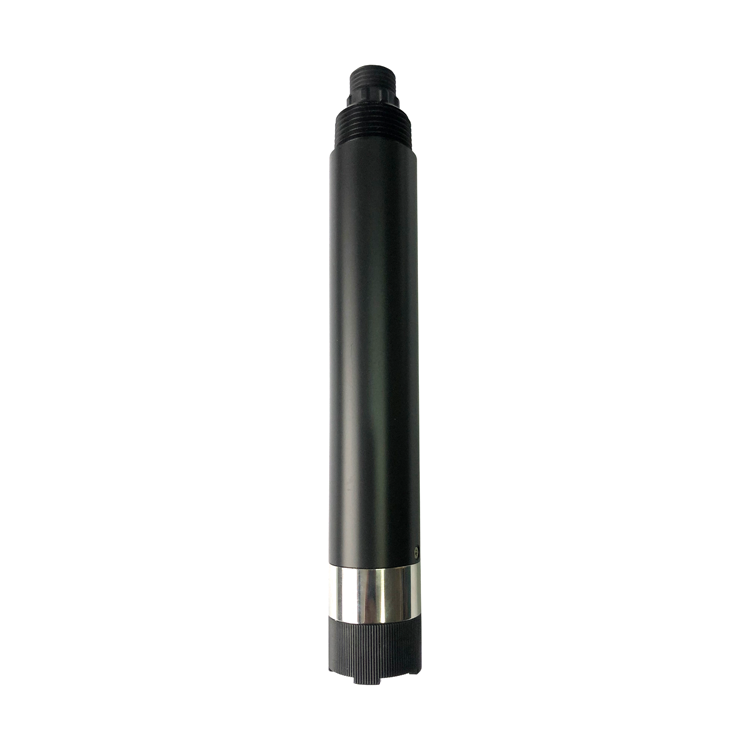
A1: Place the wireless dissolved oxygen sensor probe where the reading represents the process decision, not where installation is merely convenient. For wireless dissolved oxygen sensor, confirm immersion depth, flow, aeration influence, bubble risk, fouling and safe retrieval, then record the final position in the commissioning file.
A2: Continuous wireless dissolved oxygen sensor measurement is justified when low-oxygen events can develop between inspection rounds or when alarms, aeration control and trend records depend on timely data. Portable wireless dissolved oxygen sensor checks remain useful for verification, but they do not provide the same event history.
A3: Compare the proposed wireless dissolved oxygen sensor methods against the actual water matrix, flow conditions, cleaning access, response requirement, consumables and planned service interval. The wireless dissolved oxygen sensor quotation should identify the selected principle and its maintenance items so lifecycle scope can be compared on the same basis.
A4: Set the wireless dissolved oxygen sensor alarm from the process objective, normal operating trend and required response rather than copying a generic threshold. Document the wireless dissolved oxygen sensor threshold, delay, reset rule, alarm recipient and action, then verify that chain during commissioning.
A5: Quote the wireless dissolved oxygen sensor probe together with the required cable, mounting or flow-cell hardware, controller or gateway, power supply, enclosure and planned service parts. Separating optional wireless dissolved oxygen sensor items from the base scope makes supplier offers directly comparable.
A6: Verify the wireless dissolved oxygen sensor interface end to end: wiring, device address, baud rate, parity, register address, data type, scaling and engineering unit. During wireless dissolved oxygen sensor acceptance, compare the local value with the PLC, RTU or logger value and retain the tested register map.
A7: The wireless dissolved oxygen sensor maintenance record should include date, as-found condition, cleaning or service performed, reference method, before-and-after readings, configuration changes and the responsible technician. This wireless dissolved oxygen sensor evidence helps separate sensor drift from fouling, process change or communication faults.
A8: Accept the wireless dissolved oxygen sensor point only after checking installation, stable local readings, host-system scaling, timestamps, alarms and restart behavior. Store the wireless dissolved oxygen sensor as-built wiring, register map, initial comparison results and photographs with the handover record.
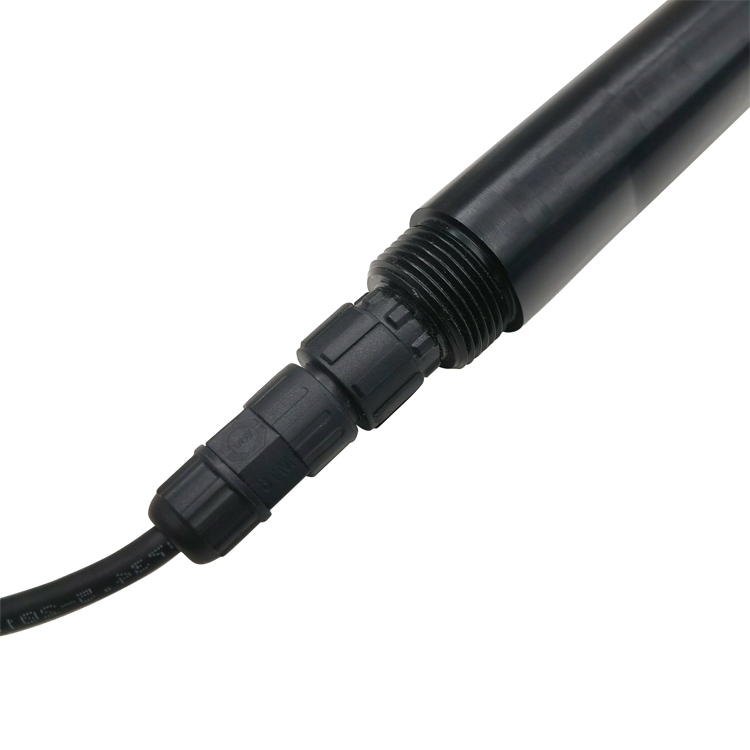
Wireless dissolved oxygen sensor should be treated as a specification and project risk question, not a simple product label. A workable Wireless Dissolved Oxygen Sensor purchase specification connects the site problem with the required range, installation, interface, maintenance owner and acceptance evidence.
The quotation for Wireless Dissolved Oxygen Sensor should distinguish the field device, accessories, controller interface and site-service scope. For model matching, send NiuBoL the inline flow objective, site medium, mounting condition, output requirement, cable length, quantity and schedule. With those Wireless Dissolved Oxygen Sensor inputs, the supplier can itemize the field device, accessories, communication components and service responsibilities on a comparable basis.
Related recommendations
Sensors & Weather Stations Catalog
 Agriculture Sensors and Weather Stations Catalog-NiuBoL.pdf
Weather Stations Catalog-NiuBoL.pdf
Agriculture Sensors Catalog-NiuBoL.pdf
Water Quality Sensor Catalog-NiuBoL.pdf
Related products
 Combined air temperature and relative humidity sensor
 TDR Soil Moisture & Temperature Sensor for irrigation| RS485 |4-20mA| NBL-S-THR
 Soil pH sensor RS485 soil Testing instrument soil ph meter for agriculture |NBL-S-PH
 Wind Speed sensor Output Modbus/RS485/Analog/0-5V/4-20mA
 Tipping bucket rain gauge for weather monitoring auto rainfall sensor RS485/Outdoor/stainless steel
 Pyranometer Solar Radiation Sensor 4-20mA/RS485

Screenshot, WhatsApp to identify the QR code
WhatsApp number:+8615367865107
(Click on WhatsApp to copy and add friends)

