





— Products —
 Consumer hotline +8618073152920
WhatsApp:+8615367865107
Address:Room 102, District D, Houhu Industrial Park, Yuelu District, Changsha City, Hunan Province, China
Water Quality Sensors
NiuBoL provides online water quality sensors for continuous monitoring of pH, ORP, dissolved oxygen (DO), electrical conductivity (EC), turbidity, salinity, residual chlorine, ammonia nitrogen and other water parameters used in environmental, aquaculture, wastewater, irrigation and industrial applications.
The range includes single-parameter probes and multi-parameter water quality monitoring solutions. Depending on the selected model, outputs can include RS485 Modbus, 4–20mA or other interfaces for connection to PLCs, RTUs, data loggers and IoT gateways.
Sensor selection should be based on the parameter to be measured, water type, expected range, installation method, maintenance requirements, output interface and the monitoring system that will receive the data.
 NBL-WQ-DO-4S Online Fluorescence Dissolved Oxygen Sensor: For Wastewater Treatment and Aquaculture O···
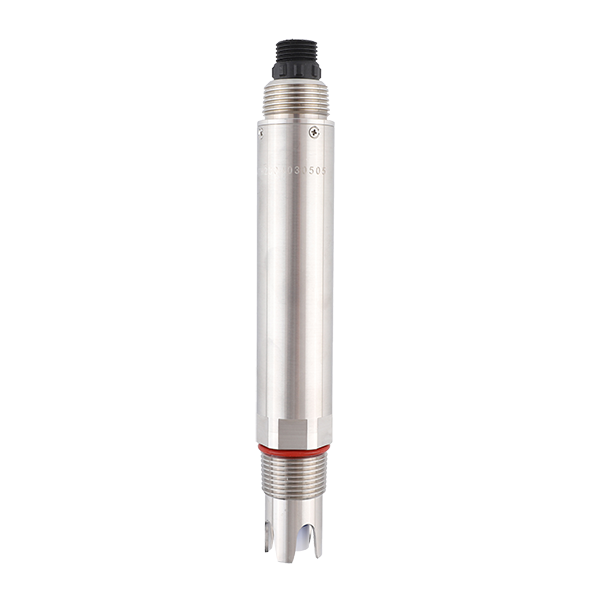 NBL-WQ-TH-4S Total Hardness Sensor RS485 | NiuBoL
 NBL-WQ-TS-4A Online Turbidity Sensor RS485 | NiuBoL
 NBL-WQ-TS-4S Online Turbidity Sensor RS485 | NiuBoL
 NBL-WQ-TSS-408S Suspended Solids Sensor by Scattered Light Method: For Wastewater Treatment, Water B···
 NBL-WQ-OIL-408-S Oil-in-Water Sensor: Industrial-grade Oil Pollution Online Monitoring, Seawater Cor···
 NBL-WQ-OIL-4S Oil-in-Water Sensor RS485 | NiuBoL
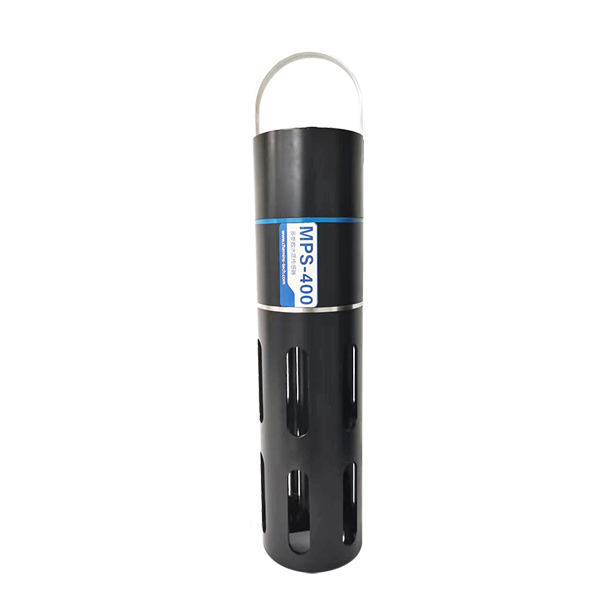 NBL-WQ-MPS-5B Multi-Parameter Self-Cleaning Digital Water Quality Sensor: for Wastewater Treatment, ···
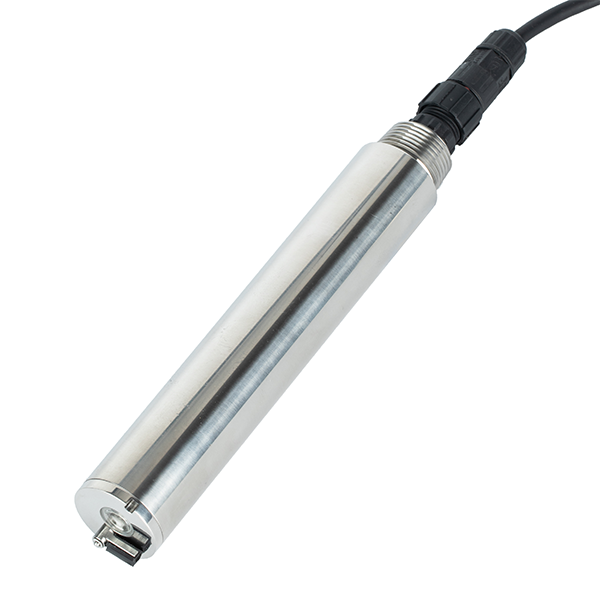 NBL-WQ-MLSS-408-S Self-Cleaning Online Sludge Concentration Sensor: Online Suspended Solids Analyzer
 NBL-WQ-CL-4S Industrial Residual Chlorine Sensor: For Drinking Water, Swimming Pool Water Quality M···
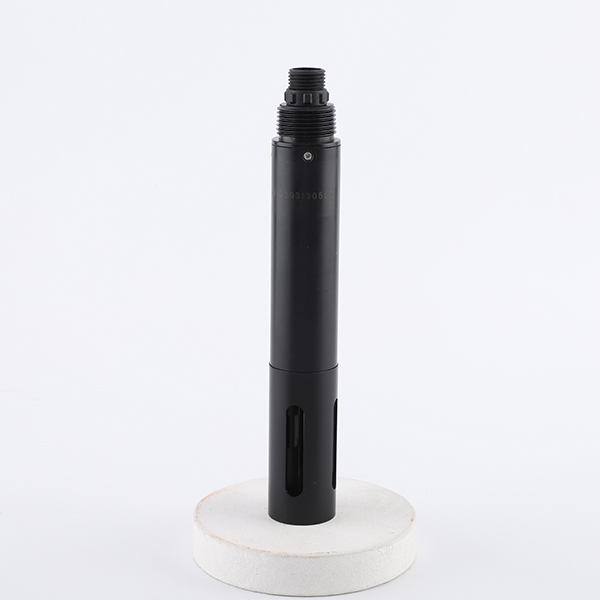 NBL-WQ-NHN-4A Online Ammonium Nitrogen Sensor: For Wastewater Treatment, River and Lake Monitoring, ···
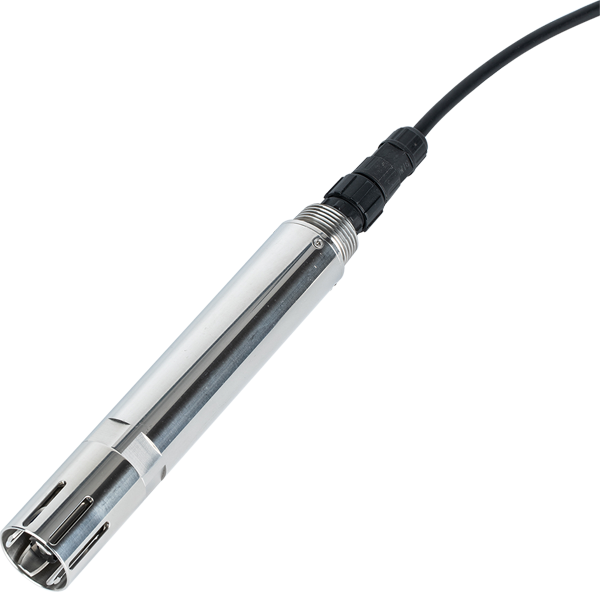 NBL-WQ-NHN-4S Online Ammonia Nitrogen Sensor: For Wastewater Treatment, River Monitoring and Industr···
Choose the sensor according to the water-quality parameter that needs to be monitored. Different parameters use different sensing principles and require different calibration and maintenance procedures.
| Parameter | Typical Sensor | Typical Use |
| pH | Online pH Sensor | Acidity / alkalinity monitoring in water, wastewater, aquaculture and process systems |
| ORP | ORP Sensor | Oxidation-reduction condition monitoring and treatment-process control |
| Dissolved Oxygen | DO Sensor | Aquaculture, aeration, wastewater and surface-water monitoring |
| Electrical Conductivity | EC Sensor | Dissolved-ion and conductivity monitoring |
| Turbidity | Turbidity Sensor | Suspended-particle and water-clarity monitoring |
| Salinity | Salinity / EC Sensor | Brackish water, aquaculture and salinity monitoring |
| Residual Chlorine | Residual Chlorine Sensor | Disinfection-process and treated-water monitoring |
| Ammonia Nitrogen | Ammonia Sensor | Wastewater, aquaculture and environmental monitoring |
| Multiple Parameters | Multi-Parameter Probe | Integrated monitoring when several parameters are required at one site |
Single-parameter sensors are useful when only one variable is required or when parameters need different installation or maintenance conditions. Multi-parameter systems reduce the number of separate probes and can simplify station wiring when several measurements are required at the same location.
| Selection Item | Single-Parameter Sensor | Multi-Parameter System |
| Measurement | One dedicated parameter | Several water-quality parameters |
| Installation | Flexible independent placement | Convenient for one monitoring point |
| Maintenance | Service only the required probe | Several probes may share one system |
| Typical Use | Dedicated process or parameter monitoring | Water stations, aquaculture, rivers and integrated projects |
Electrical conductivity (EC) measures how readily water conducts electrical current and is related to dissolved ionic content. TDS is commonly estimated from conductivity using a conversion factor rather than measured as a separate chemical analysis. Salinity describes dissolved salt concentration and may also be derived from conductivity depending on the instrument and application.
When comparing readings, confirm the unit, temperature-compensation method and conversion coefficient used by the selected instrument.
Water quality probes can be installed by direct immersion, in a compatible flow cell or in a pipeline arrangement depending on the sensor design. The sensing surface should remain in representative water and should not be blocked by sediment, bubbles or heavy fouling.
Calibration and cleaning intervals depend on the parameter, water conditions and required data quality. pH, ORP, DO, EC and turbidity sensors should be inspected and calibrated according to the product instructions rather than using one universal maintenance interval.
Many NiuBoL online water quality sensors support RS485 Modbus for integration with PLCs, RTUs, data loggers and monitoring gateways. Other signal types may be available depending on the model.
Water Quality Sensor → RS485 / 4–20mA → Data Logger / RTU / PLC → 4G / Ethernet → SCADA / Cloud Platform / Private Server
The sensor provides the measurement signal. Cellular, Ethernet, MQTT, HTTP or cloud communication normally requires a compatible logger or gateway rather than being built into every probe.
Surface Water • Aquaculture • Wastewater Treatment • Industrial Water
Irrigation Water • Reservoirs • Environmental Monitoring • Smart Water Systems
| Selection Item | Information to Provide |
| Required Parameters | pH, ORP, DO, EC, turbidity, salinity, chlorine, ammonia or other parameters |
| Water Type | Fresh water, wastewater, aquaculture, industrial water, seawater or process water |
| Expected Range | Minimum and maximum expected value for each parameter |
| Installation | Immersion, flow cell, pipeline, tank, river or open-water installation |
| Output | RS485 Modbus, 4–20mA or other required interface |
| Cable Length | Distance from sensor to logger, junction box or control cabinet |
| Data System | PLC, RTU, data logger, IoT gateway, SCADA, cloud or private server |
| Quantity | Sample, pilot station or project quantity |
A1. Common sensors include pH, ORP, dissolved oxygen, EC, turbidity, salinity, residual chlorine and ammonia sensors. The required combination depends on the application.
A2. Yes, compatible RS485 Modbus devices can share a properly designed bus when each sensor has a unique address and the wiring, power supply and polling settings are suitable.
A3. No. EC is a conductivity measurement. TDS and salinity may be calculated or estimated from conductivity using defined coefficients or algorithms, so the conversion method should be confirmed.
A4. Many water-quality parameters require periodic calibration or verification. The procedure and interval depend on the sensor type, water conditions and measurement requirements.
A5. Selected probes are designed for continuous immersion, but installation depth, housing rating, cable sealing and maintenance requirements must be checked for the specific model.
A6. Yes. Connect the sensor to a compatible 4G data logger, RTU or IoT gateway. The basic probe itself should not automatically be assumed to contain cellular communication.
A7. Yes, when a compatible logger or gateway supports the required protocol and server interface.
A8. Provide the required parameters, water type, expected ranges, installation method, output interface, cable length, quantity and receiving data system.
For model selection and quotation, provide the required parameters, water type, measurement range, installation method, output signal, cable length, quantity and receiving PLC / RTU / data logger / gateway.


Screenshot, WhatsApp to identify the QR code
WhatsApp number:+8615367865107
(Click on WhatsApp to copy and add friends)

