





— Blogs —
—Products—
 Consumer hotline +8618073152920
 WhatsApp:+8615367865107
Address:Room 102, District D, Houhu Industrial Park, Yuelu District, Changsha City, Hunan Province, China
Product knowledge
Time:2025-12-08 21:57:10 Popularity:1050
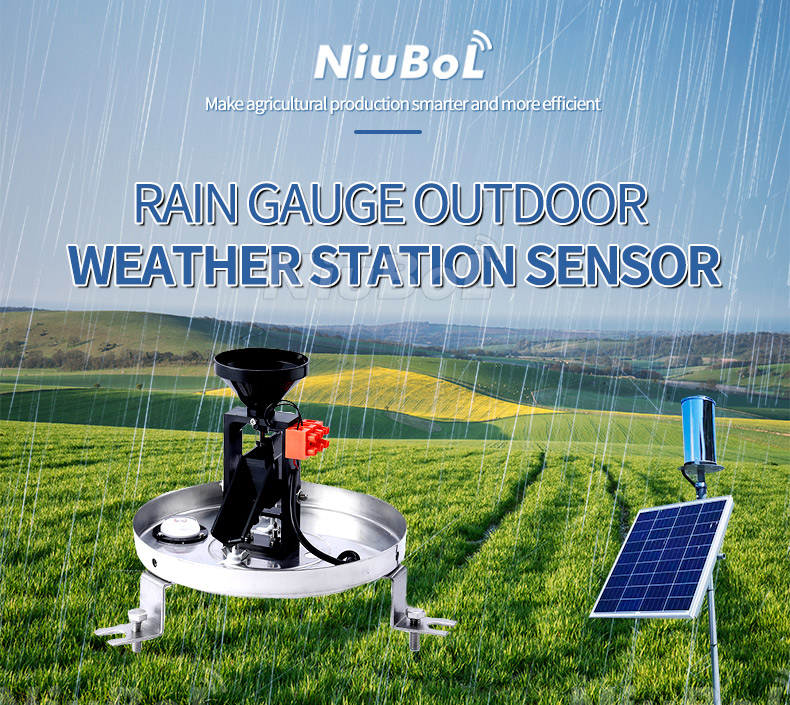
A rain gauge is a specialized meteorological and hydrological instrument used to measure the amount of liquid precipitation at a specific location and time. It converts natural rainfall into measurable physical signals (such as switch signals, current, voltage, or digital signals) for remote transmission, recording, and analysis.
The NiuBoL rain gauge (NBL-W-DRS model) is manufactured in strict accordance with national/industry standards such as SL61-2003 and GB11831-89, featuring high precision and high reliability.
Rain gauges are key equipment for constructing automatic hydrological reporting systems and field stations. Their data is widely used in:
Flood Control & Water Resource Management: Provides core rainfall amount and intensity data for flood control, water supply scheduling, and reservoir management.
Meteorological Observation: Remotely measures precipitation intensity and start/end times, providing basic data for weather forecasting and climate research.
Agriculture, Forestry & Ecology: Monitors regional precipitation to guide crop irrigation and ecological assessment.
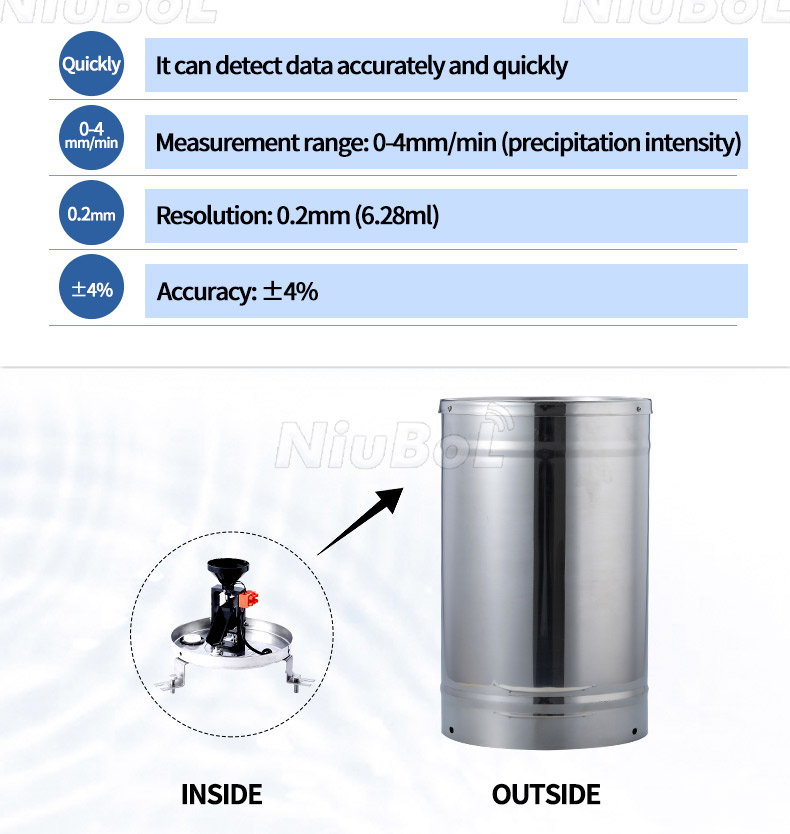
The NiuBoL rain gauge primarily uses the tipping bucket principle — a reliable mechanical structure that converts rainfall into pulse signals. The entire process involves four key stages:
Collection & Convergence: Rainwater is collected through the water collection port (diameter ⌀200 ± 0.6 mm) and flows into the convergence funnel.
Flow Regulation (Buffering): The throttle tube below the funnel regulates natural rainfall of varying intensity into a relatively uniform flow. Some models include an upper tipping bucket as a buffer to reduce measurement errors caused by different rainfall intensities.
Metering & Tipping (Core): Regulated water enters the measuring tipping bucket — a mechanical bistable structure. When the stored water reaches the preset value (e.g., 0.1 mm rainfall, equivalent to 3.14 ml), the bucket instantly tips under its own weight, emptying the water into the drainage system.
Signal Output: Each tip causes the attached magnet to pass over the reed switch (dry reed tube). The magnetic field causes the reed switch to close momentarily, generating one pulse signal.
Thus, each pulse represents 0.1 mm of rainfall. Total rainfall is calculated by counting pulses; rainfall intensity (0–4 mm/min) is calculated from pulse frequency per unit time.
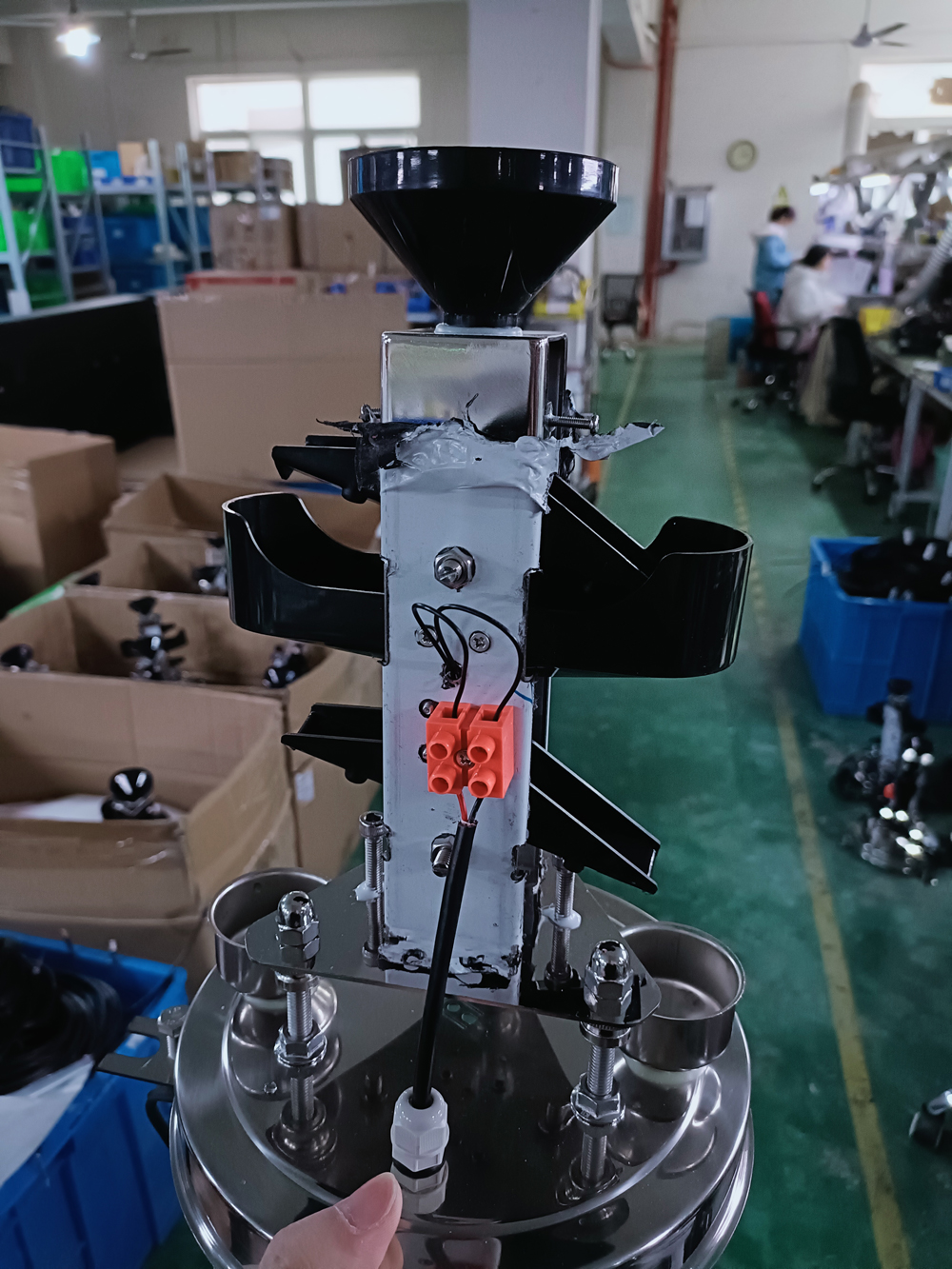
Water collection port: Receives rainfall
Reservoir / convergence funnel: Collects and directs water
Throttle tube: Regulates flow and reduces error
Measuring tipping bucket (core): Performs quantitative metering and tipping
Magnet & reed switch: Converts mechanical motion to electrical signal
Housing & base: Provides protection and mounting support
| Parameter | Specification | Key Significance |
|---|---|---|
| Collection Port Diameter | ⌀200 ± 0.6 mm | Complies with national standards, ensuring representative rainfall collection |
| Resolution | 0.1 mm (3.14 ml) | Measures the instrument’s ability to detect tiny rainfall amounts |
| Accuracy | ±4% (static test, 2 mm/min) | Core accuracy indicator reflecting data reliability |
| Rainfall Intensity Range | 0–4 mm/min | Covers moderate to heavy rainfall measurement needs |
| Operating Temperature | 0–60°C | Suitable for most non-extreme cold environments |
Switch Signal (Pulse): Raw output, most direct, easy to count
Voltage Output (0–2.5V / 0–5V): Analog signal, usually converted by data logger
Current Output (4–20 mA): Industrial standard, strong anti-interference, suitable for long-distance transmission
Digital Output (RS485): Ideal for digital/network monitoring systems, can transmit multiple parameters simultaneously
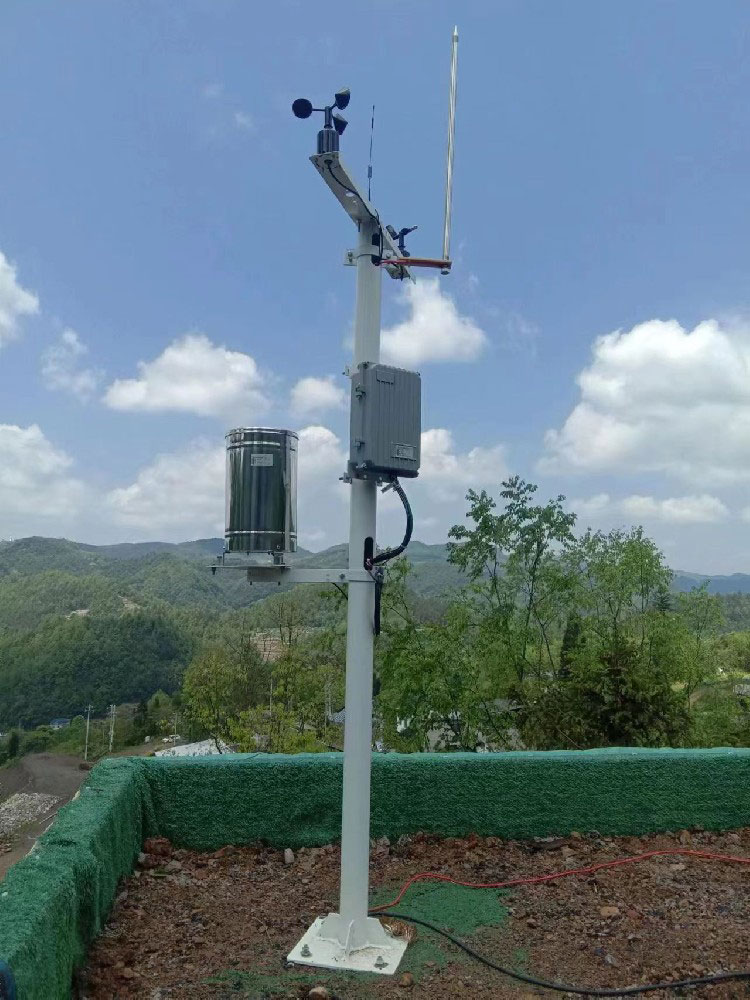
Proper operation and maintenance are the foundation for long-term stable operation and measurement accuracy.
Collection Port Cleaning: Ensure no dust, leaves, or debris block the port and funnel, affecting collection efficiency.
Drainage & Plug Management: Before shutdown or after indoor testing, drain water completely and immediately reinsert the plug to prevent loss and ensure outdoor waterproofing.
Power Management (for battery models): Ensure sufficient battery during field testing. When not in use for long periods, unplug the adapter adapter adapter if battery is full to avoid overcharging.
Tipping Bucket & Inner Cavity Cleaning: After indoor calibration/testing, clean and dry the gauge. Water droplets or dirt on the bucket walls affect weight balance and reduce accuracy.
Water Quality Requirements: Use clean water for static testing. In areas with poor tap water quality, use purified water to prevent impurities from contaminating the cavity and affecting lifespan and accuracy.
Regular Calibration: Although strictly verified at factory, annual static and dynamic calibration is recommended to maintain ±4% accuracy.
Q1: What does 0.1 mm resolution mean?
A: It means every 0.1 mm of rainfall (equivalent to 3.14 ml of water) generates one pulse signal — the standard high-precision resolution in hydrology and meteorology.
Q2: Can a tipping bucket rain gauge measure snowfall?
A: The standard NBL-W-DRS (0–60°C) can only measure liquid precipitation. To measure snowfall, a heated version is required to melt snow into water first.
Q3: What is the difference between RS485 and pulse output?
A: Pulse is a raw switch signal requiring external counting and timestamping. RS485 is digital — the gauge internally calculates rainfall amount/intensity and transmits via digital messages.
Q4: What happens if rainfall intensity exceeds 4 mm/min?
A: When exceeding the upper limit, the bucket may not drain fast enough, causing overflow or delayed tipping, resulting in under-reading.
Q5: Where should the rain gauge be installed?
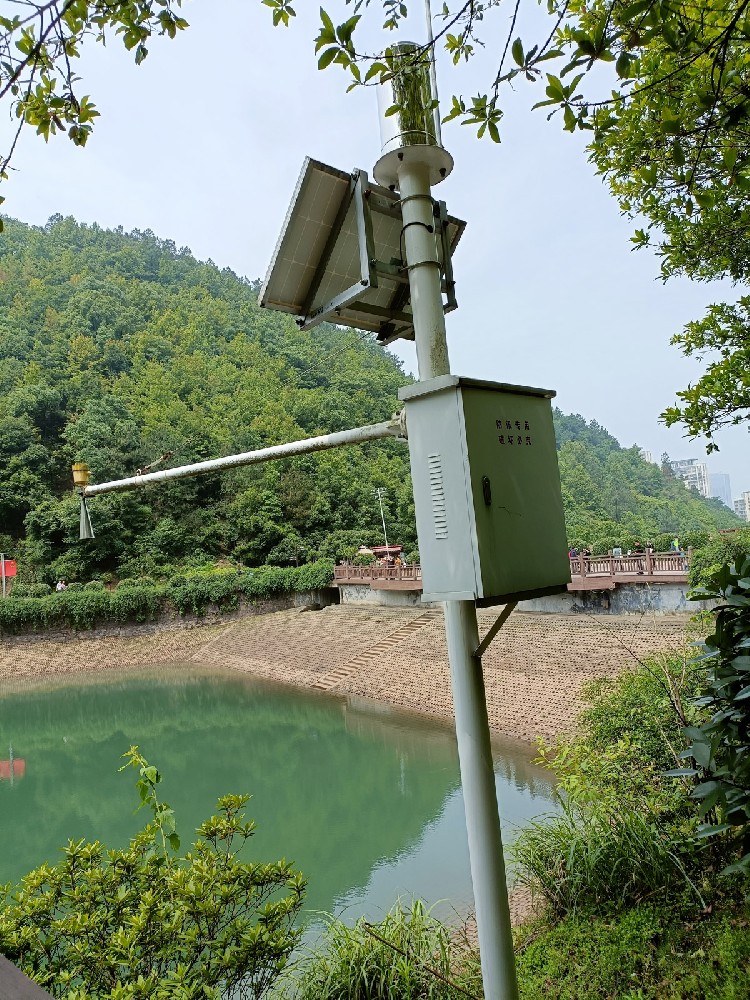
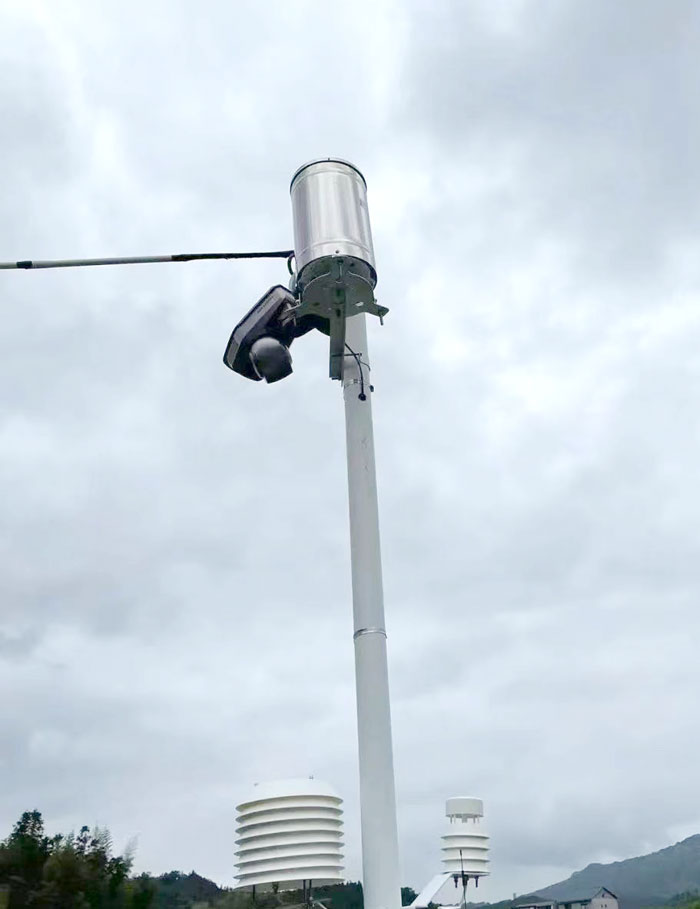
A: In an open, flat area with the collection port above ground level. Ensure no tall obstacles (trees, buildings) within a 45° cone around the port to avoid shielding or airflow interference.
Q6: What does ±4% accuracy mean?
A: It refers to the maximum allowable error (±4%) compared to standard value during static lab testing at 2 mm/min intensity. Outdoor dynamic accuracy is also affected by wind, temperature, etc.
Q7: How to troubleshoot tipping bucket jamming?
A: Power off and check for dirt, crystals, or foreign objects in the cavity and shaft. Test with a small amount of purified water to verify smooth, balanced tipping.
Q8: For long cable runs, which output should I choose?
A: For hundreds of meters, choose 4–20 mA current or RS485 digital output — both offer superior anti-interference and transmission distance over pulse/voltage.
Q9: Why is a throttle tube placed under the funnel?
A: It stabilizes high-intensity rainfall flow. Excessive natural flow impact can affect tipping accuracy; the throttle tube maintains a flow rate optimal for the bucket.
Q10: What certifications does NiuBoL have?
A10: CE, ISO9001, RoHS, and nationally recognized meteorological calibration certificates.
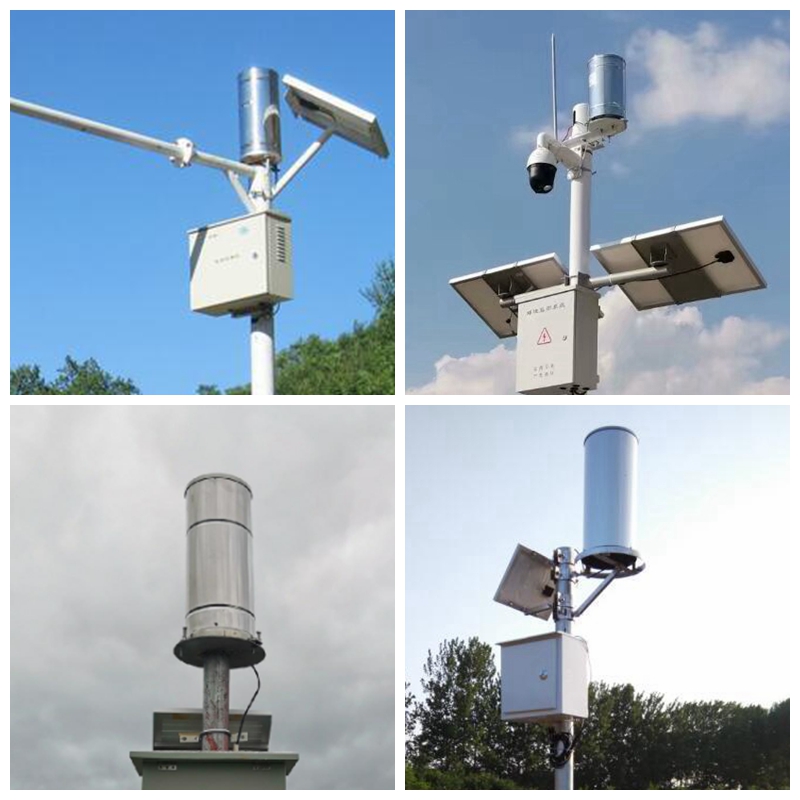
With its mature and reliable tipping bucket metering principle and flexible data output formats, the NiuBoL NBL-W-DRS rain gauge has become standard equipment in hydrological and meteorological monitoring. Whether using pulse counting for raw data or RS485 for digital integration, it delivers high-precision 0.1 mm resolution rainfall data.
Mastering correct usage and maintenance practices — especially keeping it clean and level — is key to long-term, stable, and accurate operation. With years of industry experience, NiuBoL is committed to providing you with the most professional and reliable rainfall telemetry solutions.
If you have hydrological or meteorological monitoring needs, feel free to contact us directly — we will provide detailed NBL-W-DRS technical support and selection advice.
 NBL-W-ARS-Tipping-bucket-rain-gauge-instruction-manual.pdf
NBL-W-RS-Rain-sensors-instruction-manual-V4.0.pdf
NBL-W-DRS-Double-Tipping-Bucket-Rain-Sensor-Instruction-Manual.pdf
Prev:Maintenance and Calibration Guide for Tipping Bucket Rain Gauges
Next:NiuBoL Fully Automatic Rain & Snow Monitoring System and Its Core Sensors
Related recommendations
Sensors & Weather Stations Catalog
Agriculture Sensors and Weather Stations Catalog-NiuBoL.pdf
Weather Stations Catalog-NiuBoL.pdf
Agriculture Sensors Catalog-NiuBoL.pdf
Water Quality Sensor Catalog-NiuBoL.pdf
Related products
 Combined air temperature and relative humidity sensor
 TDR Soil Moisture & Temperature Sensor for irrigation| RS485 |4-20mA| NBL-S-THR
 Soil pH sensor RS485 soil Testing instrument soil ph meter for agriculture |NBL-S-PH
 Wind Speed sensor Output Modbus/RS485/Analog/0-5V/4-20mA
 Tipping bucket rain gauge for weather monitoring auto rainfall sensor RS485/Outdoor/stainless steel
 Pyranometer Solar Radiation Sensor 4-20mA/RS485

Screenshot, WhatsApp to identify the QR code
WhatsApp number:+8615367865107
(Click on WhatsApp to copy and add friends)

