





— Blogs —
—Products—
 Consumer hotline +8618073152920
 WhatsApp:+8615367865107
Address:Room 102, District D, Houhu Industrial Park, Yuelu District, Changsha City, Hunan Province, China
Product knowledge
Time:2025-12-08 22:03:03 Popularity:890
A fully automatic rain & snow monitoring system is an intelligent monitoring network integrating multiple meteorological and hydrological sensors. Its core mission is to continuously and automatically measure rainfall amount, presence of snowfall, and snow depth in real time.
Given the complexity of climate characteristics and high incidence of natural disasters — especially the enormous losses caused by flash floods and debris flows — establishing a fully automatic rain & snow monitoring system has become a critical measure for disaster prevention and timely rescue operations.
NiuBoL’s professional rain & snow monitoring solutions, through high-precision sensors combined with data loggers, can monitor key parameters such as precipitation amount, intensity, timing, snow presence, and snow depth, powerfully ensuring orderly disaster prevention work and minimizing personnel and property losses.
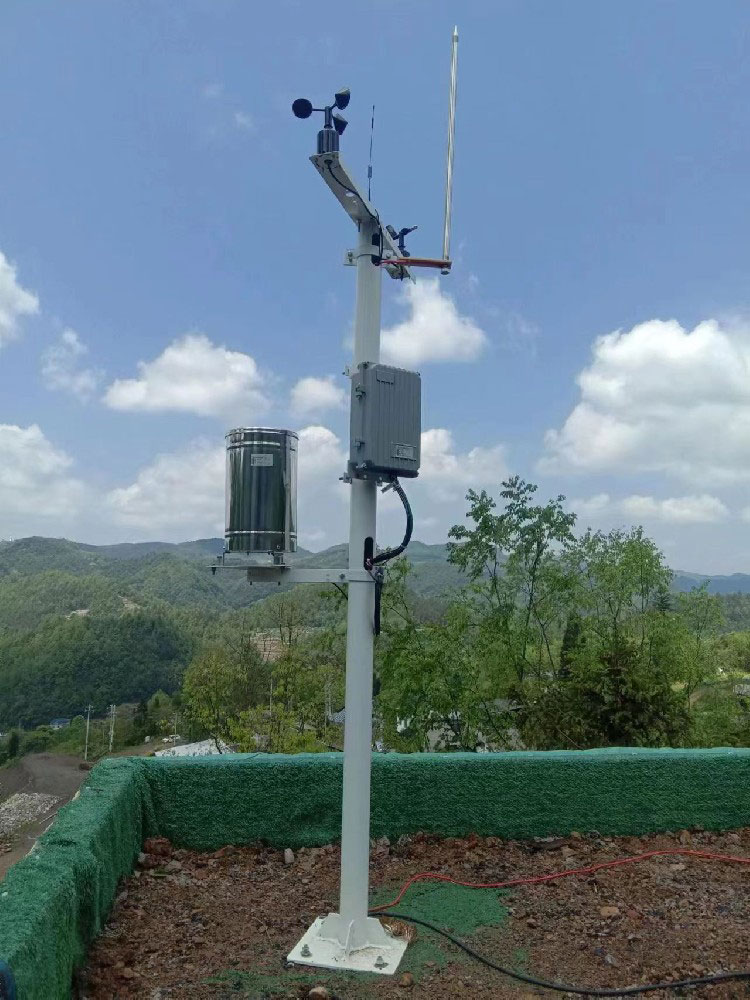
The NiuBoL rain & snow monitoring series mainly consists of three core sensors for comprehensive perception of the hydrological and meteorological environment:
Rain Gauge Sensor: Measures cumulative rainfall and intensity
Rain/Snow Sensor: Qualitatively determines whether rain or snow is currently falling
Ultrasonic Snow Depth Sensor: Remotely measures snow depth
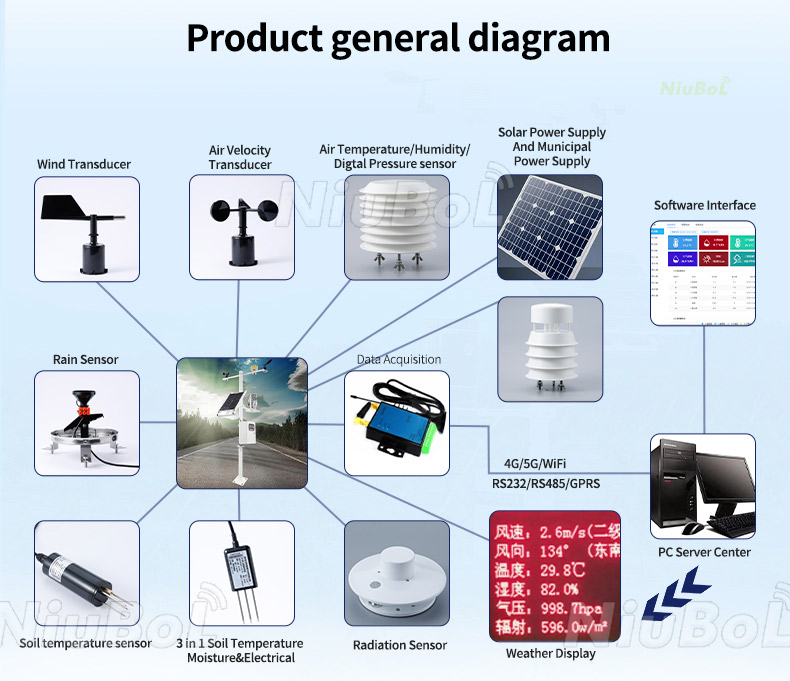
Data Logger: Handles data processing, storage, display, and remote transmission
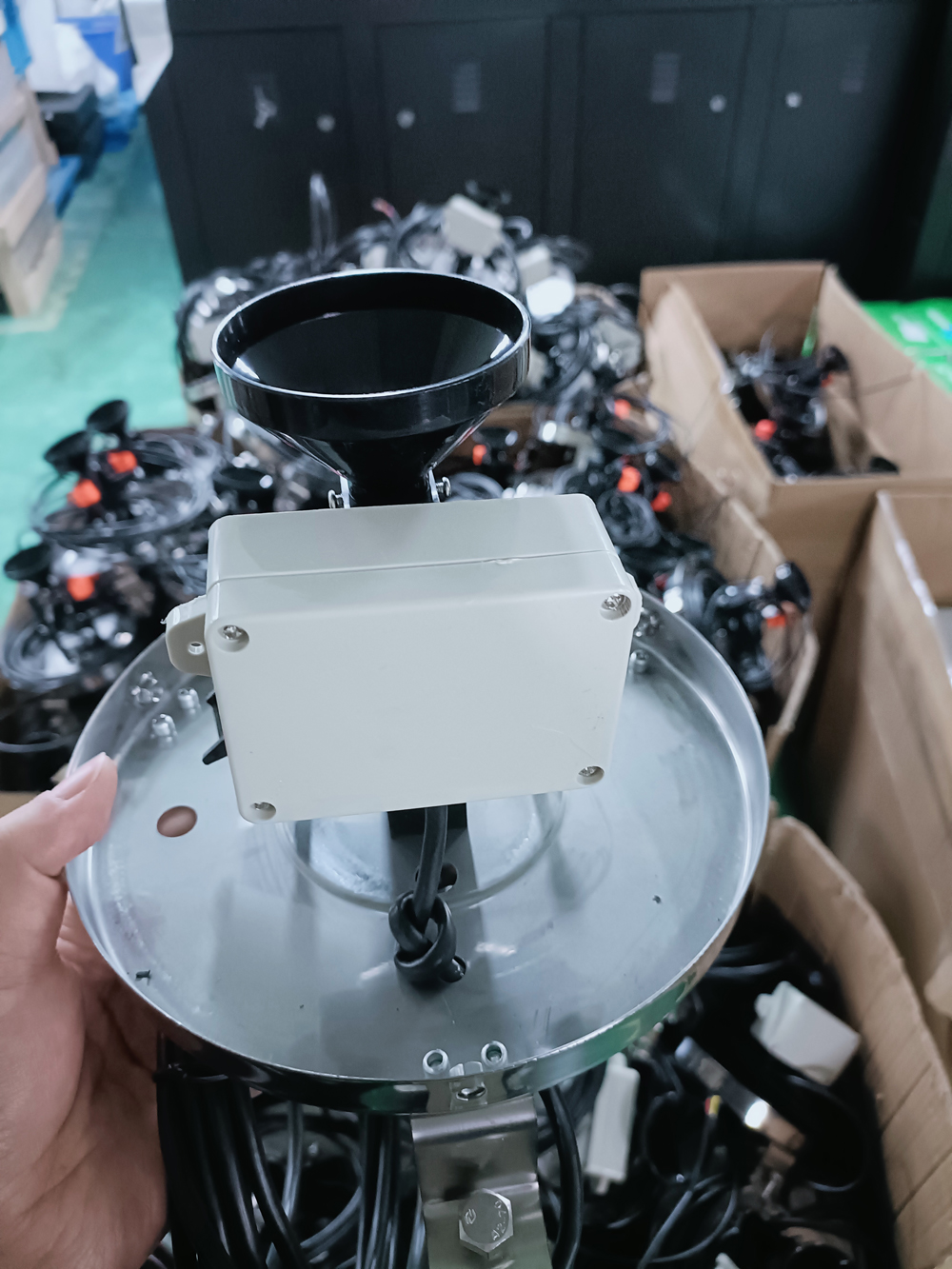
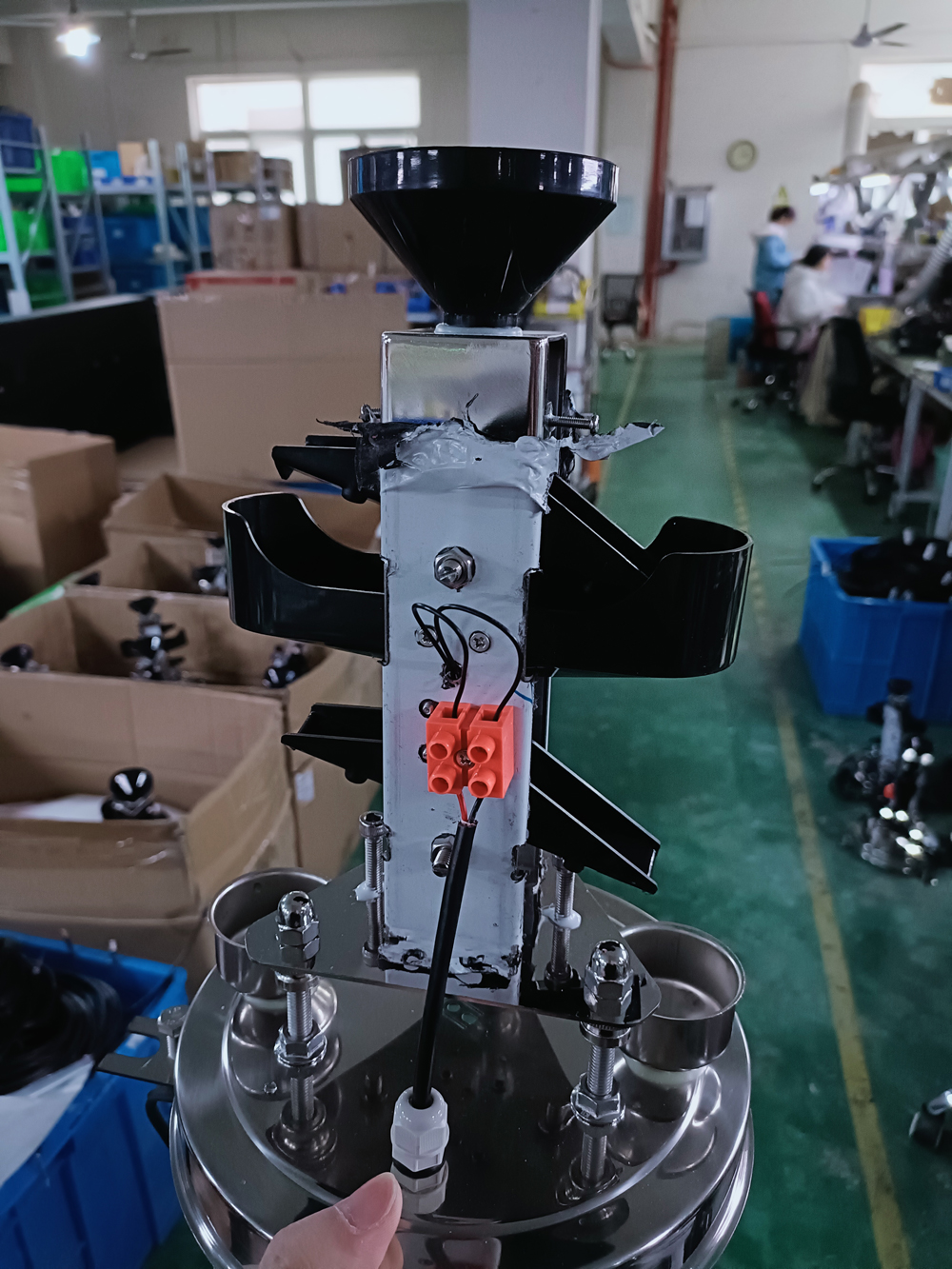
Principle: Mechanical bistable structure
Rainwater enters the measuring tipping bucket via the collection port and funnel. The bucket is divided into two equal-volume triangular chambers by a central partition, forming a mechanical bistable structure.
When one chamber accumulates the preset amount (e.g., 0.2 mm or 0.5 mm), gravity causes the bucket to tip instantly.
At the moment of tipping, the magnet on the bucket wall passes over the dry reed switch, closing it once and generating a pulse signal.
Total rainfall is obtained by counting pulses; rainfall intensity is derived from pulse frequency per unit time.
Features: Switch/pulse output, high stability, provides raw data for flood control and reservoir management.
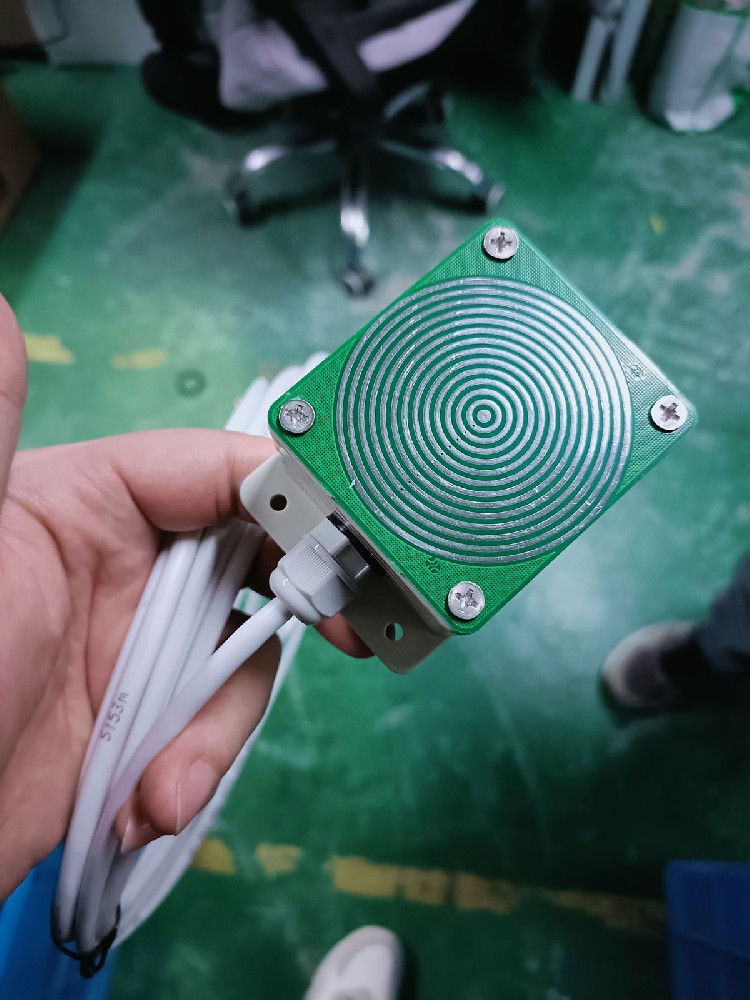
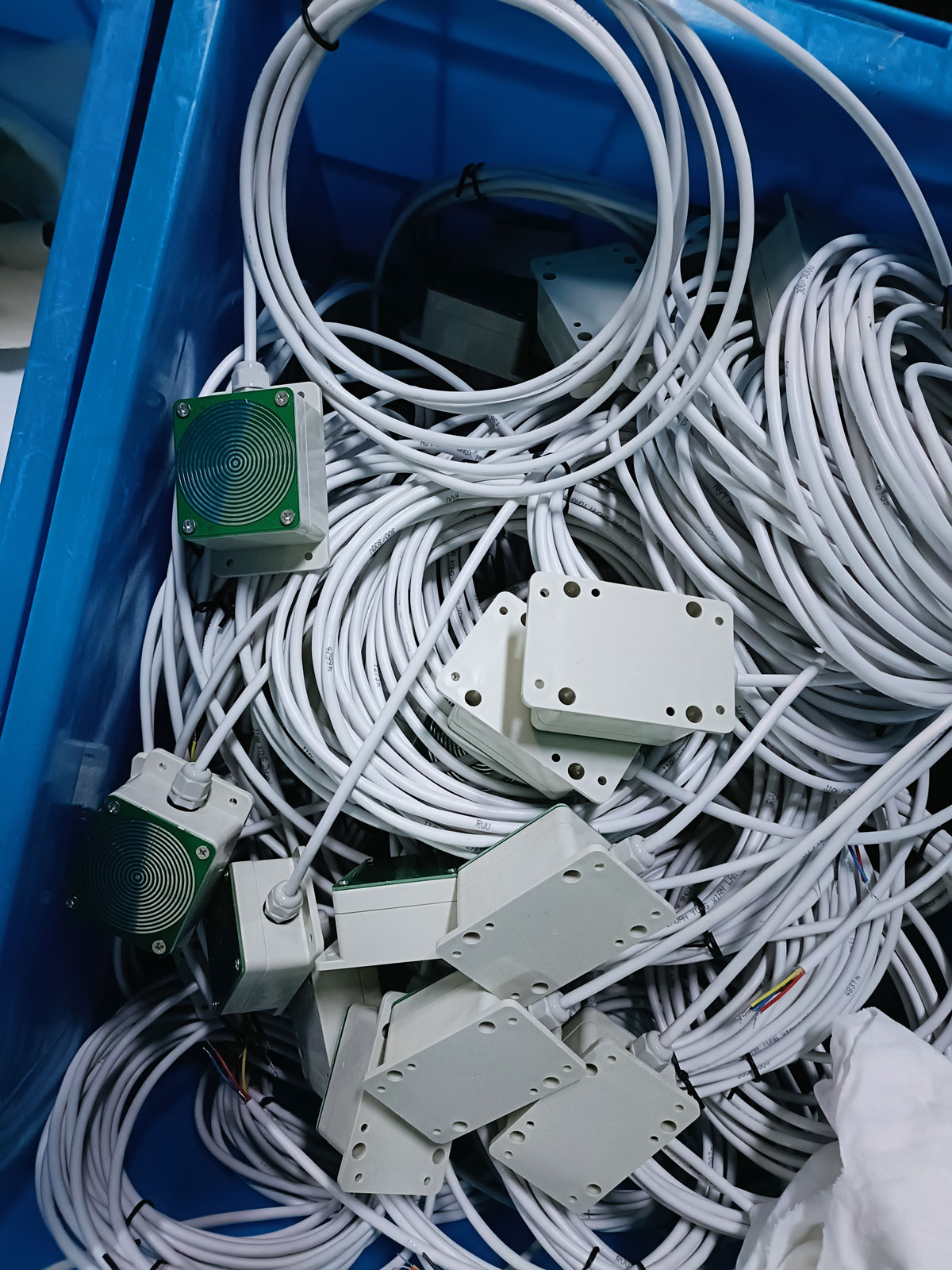
Primarily used to qualitatively detect whether rain or snow is currently falling outdoors.
Rain Detection: Grid electrodes are placed on top. When rainwater (or melted snow) falls on the sensing area, it significantly reduces insulation resistance between electrodes. The device detects this resistance drop and determines “rain present.”
Snow Detection & Anti-Condensation: Equipped with automatic heating. In snowfall, prolonged sub-zero temperatures, or high humidity, heating activates to melt snow or prevent icing/condensation, ensuring conductivity changes are caused only by precipitation.
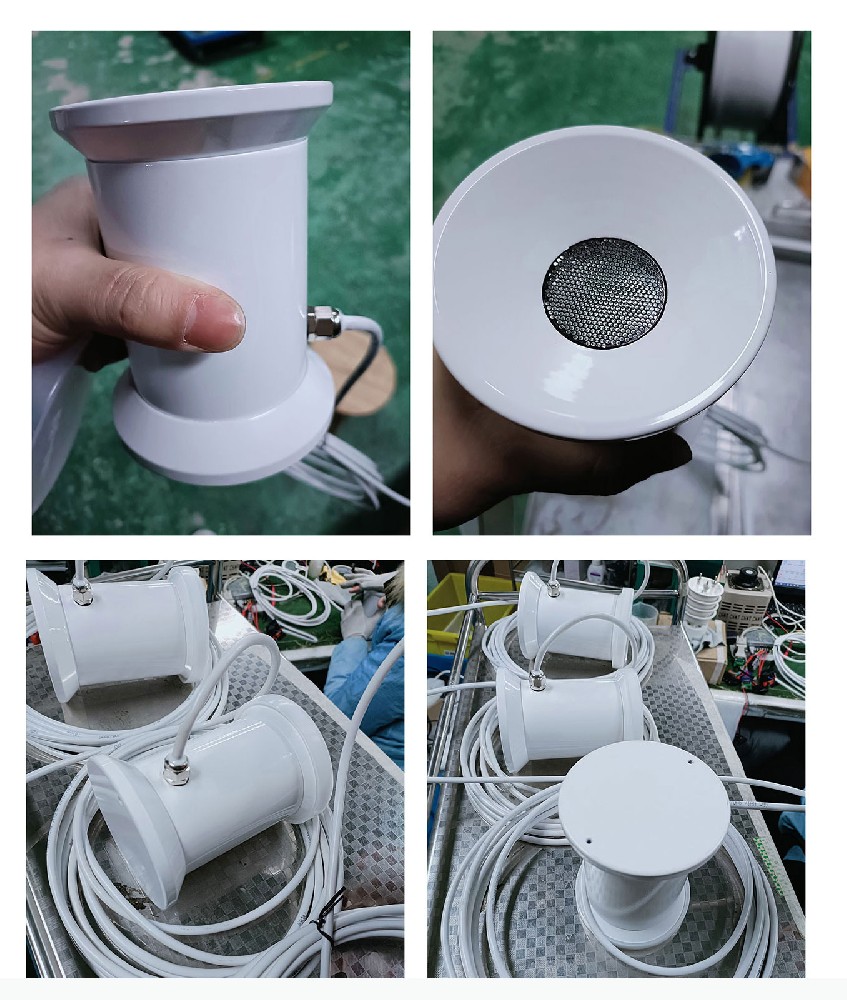
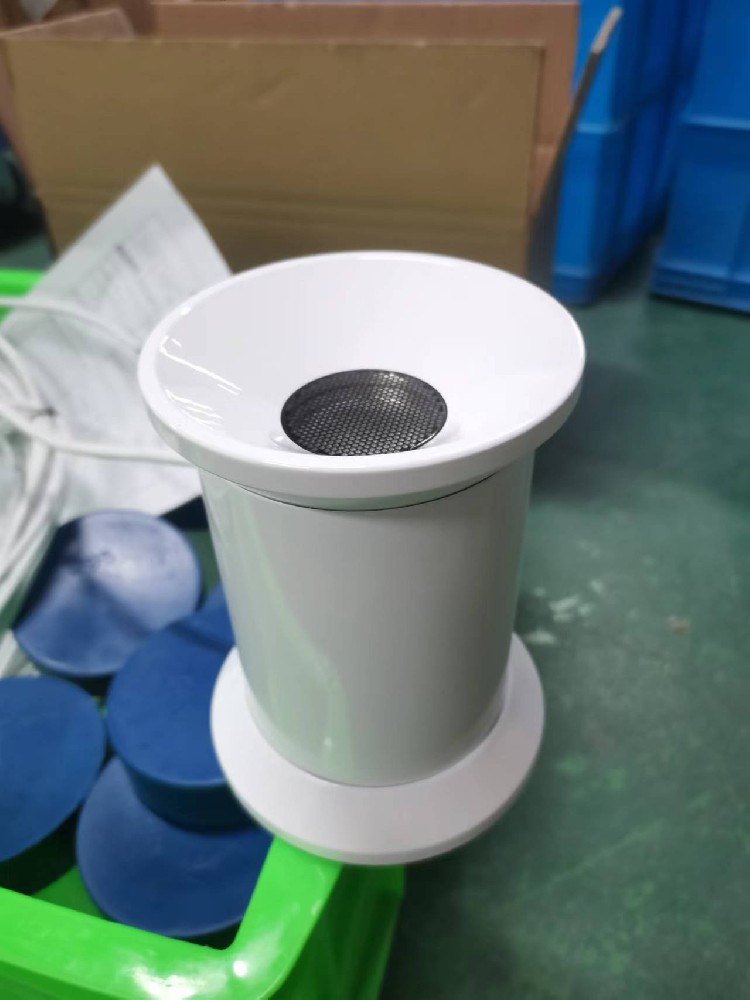
Principle: Ultrasonic time-of-flight (TOF)
A non-contact measurement device. The sensor emits 50 kHz ultrasonic pulses and measures the time (t) from transmission to reflection off the snow surface.
Snow depth D = C × t / 2 (C = speed of sound). Subtracting the sensor’s installation height from this distance gives actual snow depth.
Features: Automatic, continuous, non-contact measurement; easy installation and maintenance; wide range (0–1000 mm); high accuracy (±0.1% FS).
Rain Gauge: Must be perfectly level (use built-in bubble level). Install in open area with no obstacles within 45° cone above the port. Keep away from strong vibration sources.
Ultrasonic Snow Depth Sensor: Install above maximum expected snow depth, pointing straight down. Ensure no vegetation, snowdrifts, or structures within the acoustic beam (especially 0.5–1 m below probe). Probe face must be strictly horizontal.
Rain/Snow Sensor: Grid electrode fully exposed to precipitation, slightly tilted for rapid water runoff.
| Fault Symptom | Common Causes | Quick Troubleshooting |
|---|---|---|
| No pulse from rain gauge |
1. Blocked port 2. Tipping bucket jammed 3. Reed switch or wiring fault |
1. Clean port & funnel 2. Check bucket movement 3. Manually tip and test pulse |
| Inaccurate/fluctuating snow depth |
1. Strong wind 2. Icing on probe 3. Obstacles below |
1. Check mounting stability 2. Clean probe 3. Suppress false echoes |
| Rain/snow sensor constantly shows precipitation |
1. Dirt on electrodes 2. Heating failure |
1. Thoroughly clean electrodes 2. Verify heating activates in cold |
| Data transmission interrupted | Power failure or RS485 line break | Check 12V supply, A/B line connections, baud rate (9600 bps) |
Hydrology & Water Conservancy: Precise precipitation data for flood control, reservoir management, and flash flood warning
Transportation: Real-time snow presence and depth for highway/airport snow removal and traffic safety
Agriculture, Forestry & Geological Survey: Soil moisture and geological risk assessment
Meteorological Stations & Scientific Research: High-precision precipitation data
| Monitoring Objective | Core Configuration | Key Technical Considerations |
|---|---|---|
| Flash flood & reservoir warning | Rain gauge (0.2 mm high resolution) | Pulse anti-interference, real-time reliable transmission |
| Road traffic safety | Rain/snow + ultrasonic snow depth sensor | Accurate precipitation detection, wind-resistant snow depth |
| Professional meteorological station | Rain gauge + ultrasonic snow depth + evaporation (optional) | ±0.1% FS accuracy, long-term stability |
| High-altitude cold regions | Heated rain gauge + auto-heating rain/snow sensor | -40~50°C operation, low power consumption |
Q1: What is the measurement accuracy of the NBL-W-SNOW ultrasonic snow depth sensor?
A: Accuracy reaches ±0.1% FS, providing highly precise snow depth data within a 1000 mm range.
Q2: Can the rain gauge pulse signal be directly connected to PLC or SCADA?
A: Yes. The pulse signal can be directly connected to systems with pulse counting capability.
Q3: How does the rain/snow sensor distinguish between rain and snow?
A: It only qualitatively detects precipitation presence. It cannot distinguish rain from snow directly but melts snow via heating to trigger detection. Temperature sensors are typically used for differentiation.
Q4: Is the ultrasonic snow depth sensor affected by strong wind?
A: Yes. Wind affects sound speed. NBL-W-SNOW includes temperature compensation, but avoid strong wind locations.
Q5: Power consumption when heating is activated?
A: Approximately 3 W when heating (<5°C); normal mode ~180 mW.
Q6: How to ensure tipping bucket works in cold regions?
A: Use heated versions to prevent icing on funnel or bucket.
Q7: Power supply options?
A: Mains or solar panel + battery for remote areas.
Q8: How does the rain/snow sensor communicate?
A: Standard RS485 with Modbus protocol.
Q9: Does snow softness/hardness affect ultrasonic measurement?
A: It measures surface distance; density theoretically does not affect TOF, but very loose snow may scatter sound waves.
Q10: Why -40°C operating range?
A: Ensures reliability in extreme cold regions of Northeast China, Northwest, and high-altitude areas.
Q11: What certifications does NiuBoL have?
A11: CE, ISO9001, RoHS, and nationally recognized meteorological calibration certificates.
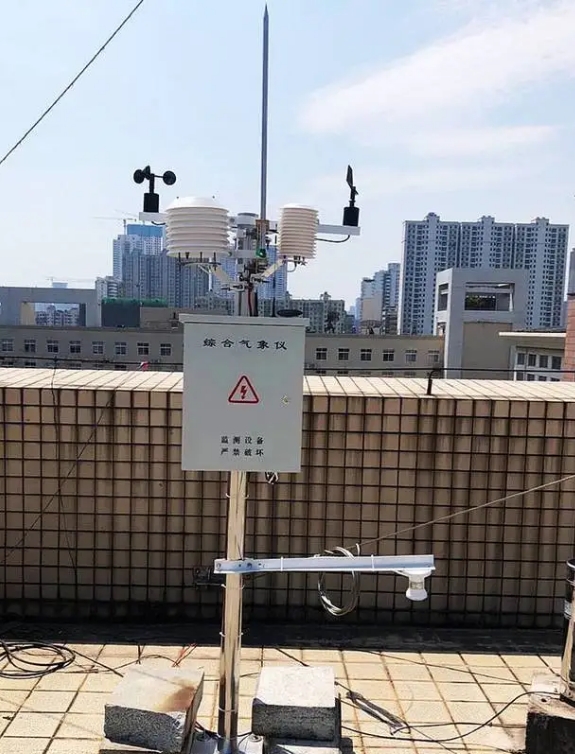
With its precise tipping bucket rainfall technology, reliable grid-electrode rain/snow detection, and advanced ultrasonic snow depth telemetry, the NiuBoL fully automatic rain & snow monitoring system forms a critical perception layer in natural disaster prevention and water resource management systems. It enables real-time, high-precision, unattended monitoring of precipitation and snow cover, providing strong data support for rapid flash flood warning, proactive traffic safety measures, and scientific water facility scheduling.
Choosing NiuBoL means choosing a highly reliable, high-precision professional meteorological and hydrological monitoring solution — helping you achieve fast, orderly disaster prevention even under severe natural conditions.
 NBL-W-RSS-Rain-Snow-Sensor-instruction-manual.pdf
NBL-W-RS-Rain-sensors-instruction-manual-V4.0.pdf
NBL-W-DRS-Double-Tipping-Bucket-Rain-Sensor-Instruction-Manual.pdf
Prev:How Does a Rain Gauge Work? Usage & Precautions | NiuBoL NBL-W-DRS
Next:NiuBoL Water Quality Analyzer – The Cutting-Edge Choice for Smart Water Monitoring
Related recommendations
Sensors & Weather Stations Catalog
Agriculture Sensors and Weather Stations Catalog-NiuBoL.pdf
Weather Stations Catalog-NiuBoL.pdf
Agriculture Sensors Catalog-NiuBoL.pdf
Water Quality Sensor Catalog-NiuBoL.pdf
Related products
 Combined air temperature and relative humidity sensor
 TDR Soil Moisture & Temperature Sensor for irrigation| RS485 |4-20mA| NBL-S-THR
 Soil pH sensor RS485 soil Testing instrument soil ph meter for agriculture |NBL-S-PH
 Wind Speed sensor Output Modbus/RS485/Analog/0-5V/4-20mA
 Tipping bucket rain gauge for weather monitoring auto rainfall sensor RS485/Outdoor/stainless steel
 Pyranometer Solar Radiation Sensor 4-20mA/RS485

Screenshot, WhatsApp to identify the QR code
WhatsApp number:+8615367865107
(Click on WhatsApp to copy and add friends)

