





— Blogs —
—Products—
 Consumer hotline +8618073152920
 WhatsApp:+8615367865107
Address:Room 102, District D, Houhu Industrial Park, Yuelu District, Changsha City, Hunan Province, China
Product knowledge
Time:2025-12-09 14:28:41 Popularity:788
Water is the source of life, and the health of water environments directly affects human survival quality and sustainable development. Whether it is strict regulation of sewage discharge or the assurance of drinking water safety, an efficient and accurate monitoring system is indispensable. The water quality analyzer is precisely the core instrument in this system.
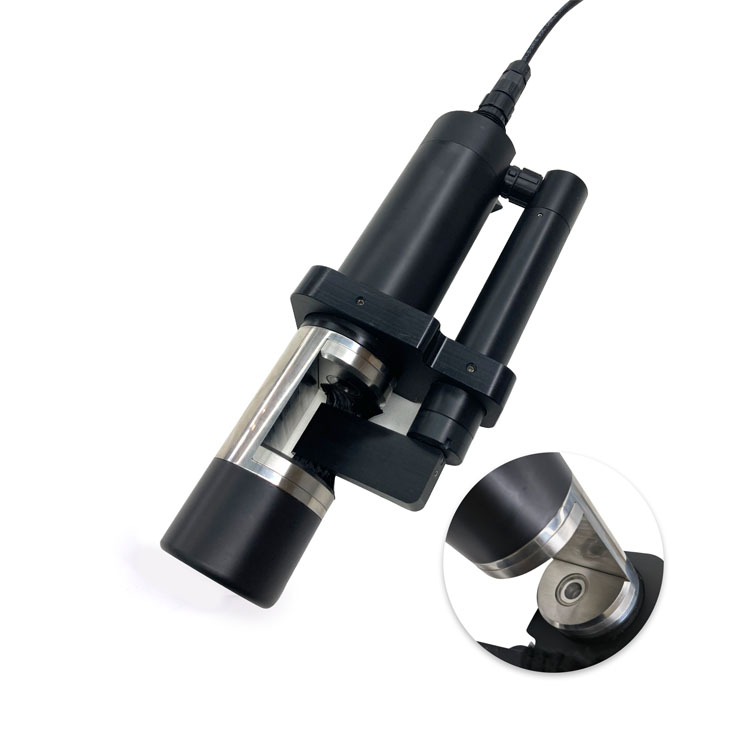
A Water Quality Analyzer/Monitor is a professional instrument specifically used for real-time or periodic analysis of water composition and content. It measures, records, and transmits key physical, chemical, and biological indicators in water through various equipped sensors.
Water quality analyzers can measure numerous parameters. The core indicators include:
Conventional indicators: pH value, conductivity/salinity/TDS, dissolved oxygen (DO), turbidity, temperature.
Pollution indicators: chemical oxygen demand (COD), biochemical oxygen demand (BOD), ammonia nitrogen, total phosphorus, total nitrogen, etc.
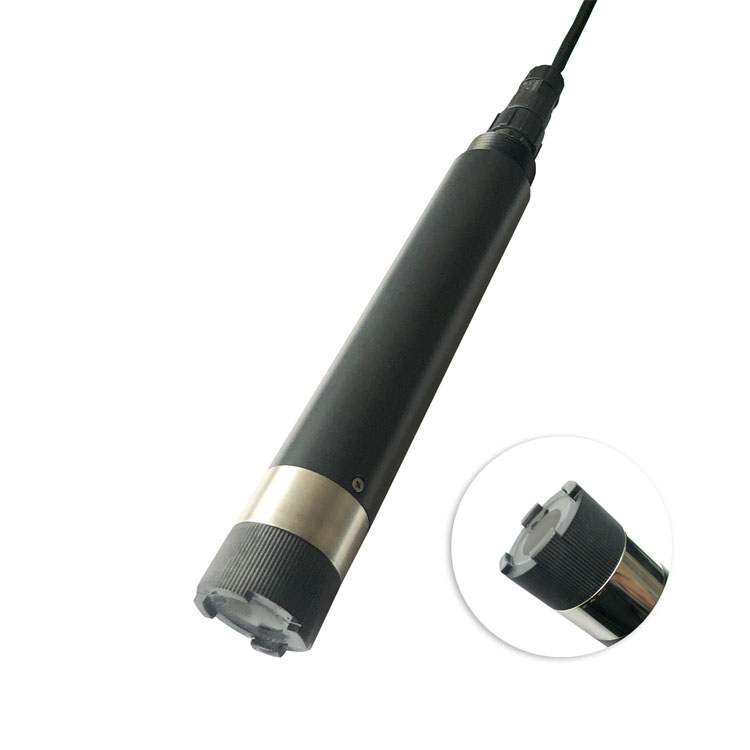
Water quality analyzers play a far-reaching role in modern water environment monitoring. They are not only technical tools but also important strategic supports for safeguarding social stability and public health.
Elevating regulatory precision and efficiency: Achieving high-precision, continuous, real-time online monitoring of water quality, greatly enhancing the response speed and decision-making capability of regulatory authorities in managing river basins and water source areas.
Building water quality early warning systems: Using real-time data, water quality monitoring and early warning systems can be established, which have significant practical importance for urban water supply safety and the prevention and response to sudden pollution incidents.
Serving production and daily life:
In agricultural production, ensuring the safety of agricultural water use and optimizing aquaculture water quality significantly improve the quality of agricultural products and aquatic products.
In the field of environmental protection, they are the technical guarantee for implementing the pollutant discharge permit system and achieving total pollutant control.
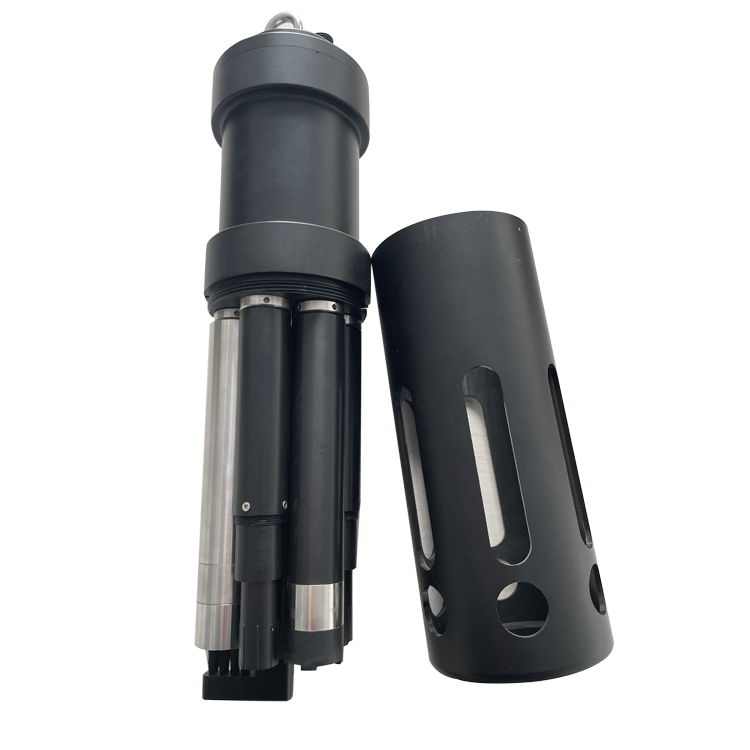
NiuBoL water quality analyzers occupy a place in the field of smart environmental monitoring with their integrated, multi-parameter, high-precision, high-reliability, and low-maintenance characteristics. Their outstanding performance comes from a series of advanced sensor technologies and sophisticated system integration design.
NiuBoL products focus on integration and ease of integration, with the following main features:
Integrated design: Sensors, signal acquisition, and processing modules are highly integrated, simplifying on-site installation and wiring.
Multi-parameter: Multiple sensors can be configured according to needs, enabling one device to monitor multiple core indicators simultaneously.
High reliability and self-protection: Strong environmental adaptability and self-protection functions ensure long-term stable operation in complex water environments (such as sewage or field surface water).
Communication standard: Adopts mainstream RS-485 (Modbus/RTU) signal output mode, easily integrated into various industrial control systems and cloud platforms.
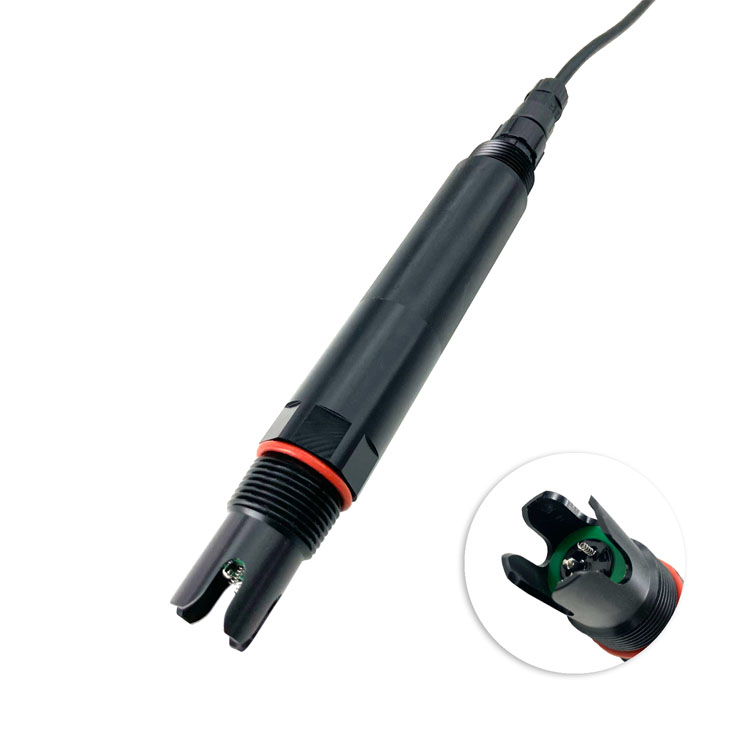
1. NBL-PHG-106 Water Quality pH Sensor
Measurement principle: Electrochemical method. The pH value of the solution is indirectly obtained by measuring the potential difference between a glass electrode and a reference electrode.
Technical advantages: Features automatic temperature compensation (Pt1000) to ensure measurement accuracy at different water temperatures. Uses high-quality materials and design, suitable for various industrial wastewater scenarios.
2. NBL-DDM-106 Water Quality Conductivity/Salinity Sensor
Measurement principle: Electrode method (anti-polarization technology). Based on the conductive properties of the solution, measures current/voltage changes between electrodes to calculate conductivity, salinity, or TDS (total dissolved solids).
Technical advantages: Adopts anti-polarization technology and internal signal isolation to ensure stability and accuracy in harsh environments.
3. NBL-NHN-106 Water Quality Ammonia Nitrogen Sensor
Measurement principle: Ammonium ion-selective electrode method (ISE). A specific ion carrier on a PVC membrane selectively responds to ammonium ions in water, measuring potential changes to calculate ammonia nitrogen content.
Technical advantages: Long-life design (slow leakage of reference solution), significantly longer lifespan than traditional electrodes; fast, simple, accurate measurement with automatic temperature compensation.
4. NBL-RDO-206 Dissolved Oxygen (DO) Sensor
Measurement principle: Fluorescence quenching method. Based on the characteristic that fluorescent substances emit red light when excited by blue light, dissolved oxygen in water “quenches” (reduces) the red light. Dissolved oxygen concentration is calculated by measuring the decay time or intensity of the red light.
Technical advantages: Compared with traditional polarographic DO electrodes, the fluorescence method requires no electrolyte replacement, has short response time, no warm-up required, and is maintenance-free (or low-maintenance)—the current mainstream advanced technology for DO monitoring.
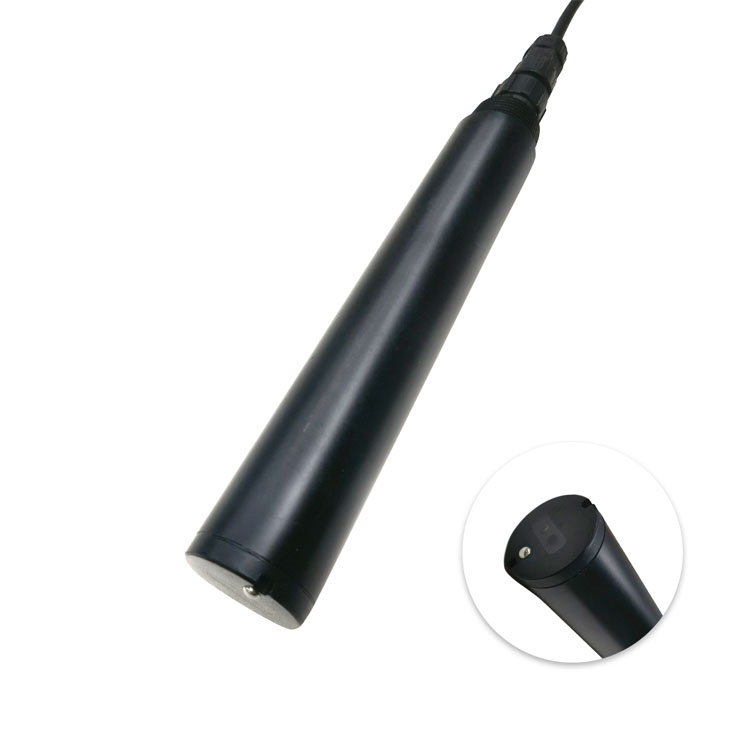
With their multi-parameter and high-reliability characteristics, NiuBoL water quality analyzers have been widely applied in many key industries and fields.
1. Smart Water Affairs and Drinking Water Safety
Waterworks and pipe networks: Online water quality monitoring at key nodes such as urban or rural water plants, water transmission pipelines, and secondary water supply pumping stations to ensure compliance of treated water and pipe network water.
User endpoints and direct drinking water: Monitoring water quality at user taps, large water purification equipment, and direct drinking water systems to ensure drinking safety for end users.
2. Environmental Protection and Pollution Source Monitoring
Surface water in rivers and lakes: Real-time monitoring of pollution indicators such as COD, BOD, ammonia nitrogen, total phosphorus, and dissolved oxygen in rivers, lakes, reservoirs, etc., providing data support for environmental governance.
Sewage treatment: Applied to inlet and outlet water quality monitoring in sewage treatment plants to optimize treatment processes and ensure compliant discharge.
Industrial wastewater discharge: Monitoring discharge outlets in industries such as chemical, printing and dyeing, papermaking, pharmaceutical, etc., to implement total pollutant control.
3. Smart Agriculture and Aquaculture
Aquaculture: Real-time monitoring of dissolved oxygen, pH, ammonia nitrogen, salinity/conductivity in breeding water—these are key factors affecting aquatic product health and quality. Data alerts guide timely oxygenation and water changes, significantly improving breeding efficiency.
Agricultural irrigation: Monitoring irrigation water source quality to ensure agricultural water safety.

The following are answers to common questions about water quality analyzers and NiuBoL products to help users better understand and use them.
| Q:Common Questions | A:NiuBoL Answers and Recommendations |
|---|---|
| 1.Why do water quality analyzers need multi-parameter integration? | Multi-parameter integration allows multiple data points to be obtained at one installation point, saving space, installation, and maintenance costs, and facilitating correlation analysis between data. NiuBoL products support multi-sensor integration, achieving one-stop monitoring (e.g., pH, DO, NH4-N, conductivity). |
| 2.How to understand the “RS-485 (Modbus/RTU)” output mode? | This is a commonly used industrial communication standard. It means the analyzer can be easily and stably connected to PLCs, data collectors, or host systems—the foundation for smart IoT implementation. All NiuBoL sensors adopt this standard output and are easily integrated into existing smart water platforms. |
| 3.What principles do ammonia nitrogen (NH4-N) and dissolved oxygen (DO) sensors use? | Ammonia nitrogen sensor adopts ion-selective electrode method (ISE); dissolved oxygen sensor adopts fluorescence quenching method. Fluorescence DO is maintenance-free, fast-response, and more stable than traditional electrochemical methods. ISE ammonia nitrogen sensor has a long lifespan advantage. |
| 4.What does the sensor protection rating IP68 mean? | IP68 is one of the highest protection ratings. It means the device can be submerged in water for long periods and is completely dust-proof, ensuring reliable long-term operation underwater. NiuBoL sensors (e.g., NBL-PHG-106) all reach IP68 rating, suitable for submersible installation. |
| 5.How often do sensors need maintenance and calibration? | Maintenance and calibration cycles depend on water quality conditions. General recommendation: clean electrodes monthly and calibrate quarterly. NiuBoL recommends: ammonia nitrogen and pH sensors be calibrated every three months. Cleaning frequency can be adjusted based on site water quality. |
| 6.Why do dissolved oxygen sensors need temperature compensation? | The solubility of dissolved oxygen in water varies with temperature and salinity. Temperature compensation (Pt1000) automatically corrects the measured value to ensure accurate DO readings at different water temperatures. NiuBoL DO, pH, and conductivity sensors all have built-in automatic temperature compensation for improved accuracy. |
| 7.In which industries can water quality analyzers be used? | Widely used in environmental protection (sewage, surface water), municipal (tap water), industrial (printing/dyeing, chemical), agriculture (aquaculture), and any field requiring continuous water quality monitoring. NiuBoL products have served photovoltaic power, smart agriculture, sewage treatment, and many other industries. |
| 8.Can COD and BOD be directly measured with these online sensors? | Current integrated submersible sensors typically measure pH, DO, NH4-N, turbidity, etc. Online COD and BOD measurement usually requires dedicated analyzers (e.g., digestion-colorimetric method) or indirect assessment via multi-parameter correlation. NiuBoL provides complete solutions and can integrate high-precision online COD/BOD analyzers to meet comprehensive monitoring needs. |
| 9.What is two-point calibration (Two-point Calibration)? | Two-point calibration is a commonly used calibration method that measures two known standard solutions (e.g., pH 4.00 and pH 6.86 or 7.00 buffer solutions) to determine the slope and zero point within the sensor’s measurement range, thereby improving accuracy across the entire range. NiuBoL pH, conductivity, and ammonia nitrogen sensors all support convenient two-point calibration. |
| 10.How does the NiuBoL water quality analyzer achieve low power consumption? | Through optimized electronic design and efficient sensor technology—for example, the NBL-DDM-106 conductivity sensor consumes only 0.2 W @ 12V, achieving low power consumption suitable for field solar-powered applications. NiuBoL is committed to low-power design to enhance environmental adaptability and endurance. |
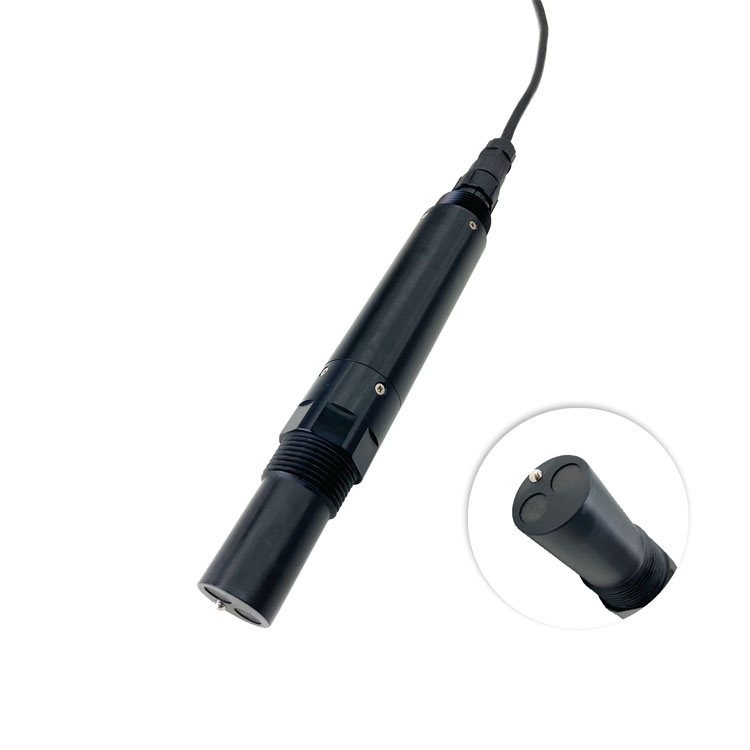
Water quality analyzers are indispensable key equipment in modern water environment monitoring. As a technology enterprise focused on smart environmental monitoring, NiuBoL, with its multi-parameter, high-precision, highly reliable, and easy-to-integrate water quality analyzers and core sensors (such as fluorescence DO, electrode-based ammonia nitrogen, etc.), provides cutting-edge technical support for urban water supply safety, environmental protection, sewage treatment, and smart agriculture.
With the rapid development of smart cities and the environmental Internet of Things, NiuBoL will continue to provide highly customized, environmentally resilient overall solutions, helping industries improve water quality management capabilities and jointly protect our precious water resources. Choosing NiuBoL means choosing a stable, efficient, and intelligent future for water quality monitoring.
Prev:NiuBoL Fully Automatic Rain & Snow Monitoring System and Its Core Sensors
Next:Core of Water Quality Monitoring: How to Choose the Most Suitable Sensors?
Related recommendations
Sensors & Weather Stations Catalog
 Agriculture Sensors and Weather Stations Catalog-NiuBoL.pdf
Weather Stations Catalog-NiuBoL.pdf
Agriculture Sensors Catalog-NiuBoL.pdf
Water Quality Sensor Catalog-NiuBoL.pdf
Related products
 Combined air temperature and relative humidity sensor
 TDR Soil Moisture & Temperature Sensor for irrigation| RS485 |4-20mA| NBL-S-THR
 Soil pH sensor RS485 soil Testing instrument soil ph meter for agriculture |NBL-S-PH
 Wind Speed sensor Output Modbus/RS485/Analog/0-5V/4-20mA
 Tipping bucket rain gauge for weather monitoring auto rainfall sensor RS485/Outdoor/stainless steel
 Pyranometer Solar Radiation Sensor 4-20mA/RS485

Screenshot, WhatsApp to identify the QR code
WhatsApp number:+8615367865107
(Click on WhatsApp to copy and add friends)

