





— Blogs —
—Products—
 Consumer hotline +8618073152920
 WhatsApp:+8615367865107
Address:Room 102, District D, Houhu Industrial Park, Yuelu District, Changsha City, Hunan Province, China
Product knowledge
Time:2026-02-07 14:56:33 Popularity:649
PV soiling sensor maintenance should keep the optical measurement representative without erasing the history that makes it useful. Cleaning a sensing surface, establishing a clean baseline and investigating a faulty channel are different actions. For a NiuBoL NBL-W-PSS installation, record which action was performed and compare both cleanliness channels before deciding whether a change reflects the array, the instrument or a maintenance intervention.
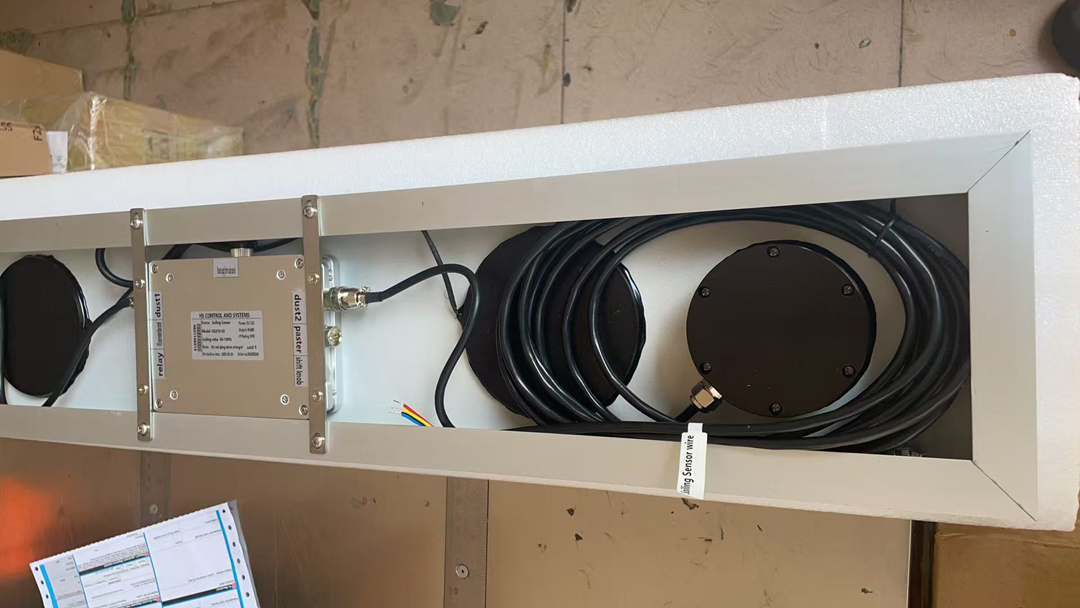
PSS uses an optical blue-light method and reports two cleanliness values. These are observations of its own sensing surfaces, not measurements of electrical output from two full-size PV modules. The direction matters: a lower cleanliness value represents more attenuation relative to the clean condition. Do not rename the same number pollution percentage without defining the conversion.
A gradual decline during exposure may be a useful contamination trend. A step change after cleaning is a maintenance event. A step after pressing the calibration button may instead establish a different reference. If these are stored as indistinguishable readings, an O&M team can mistake a reset for successful module cleaning or interpret a discontinuity as accelerated dust deposition.
| Action | What changes | Record to retain |
|---|---|---|
| Clean sensing surfaces | Deposits on the optical surfaces | Time, method and both channels before/after |
| Establish clean baseline | Instrument reference under the prescribed conditions | Reason, surface condition, weather and calibration action |
| Move or replace instrument | Exposure or instrument identity | New position, identity and start of a new comparison period |
| Repair acquisition | Scaling, communication or channel interpretation | Raw data check and effective configuration time |
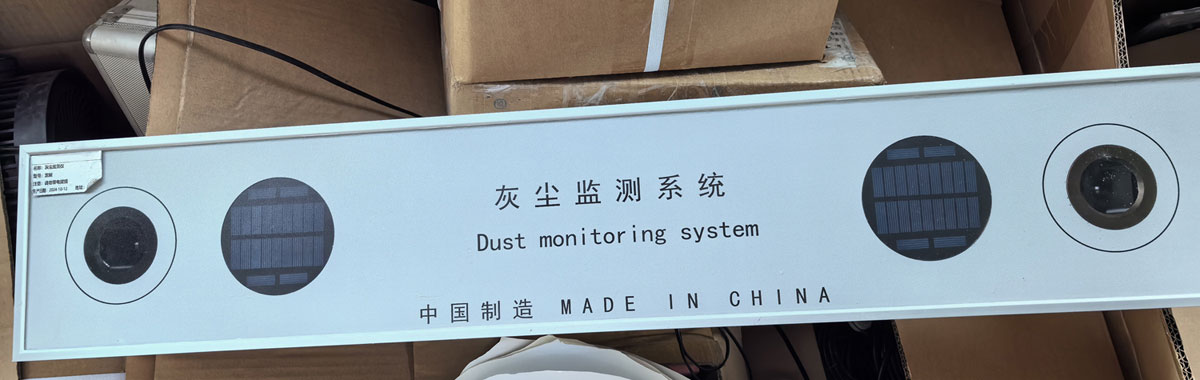
Review recent values, the last valid timestamp and maintenance records first. Determine whether the change occurred on one channel or both, and whether it coincided with rain, cleaning, a restart or a gateway configuration change. This can narrow the investigation without an unnecessary roof visit or baseline adjustment.
For example, a sudden change on only one channel warrants an inspection for localized contamination or obstruction. It does not automatically identify the material or prove a damaged optical component. A simultaneous change on both channels also needs context: a cleaning event and a changed software scale can both alter displayed values, but require very different responses.
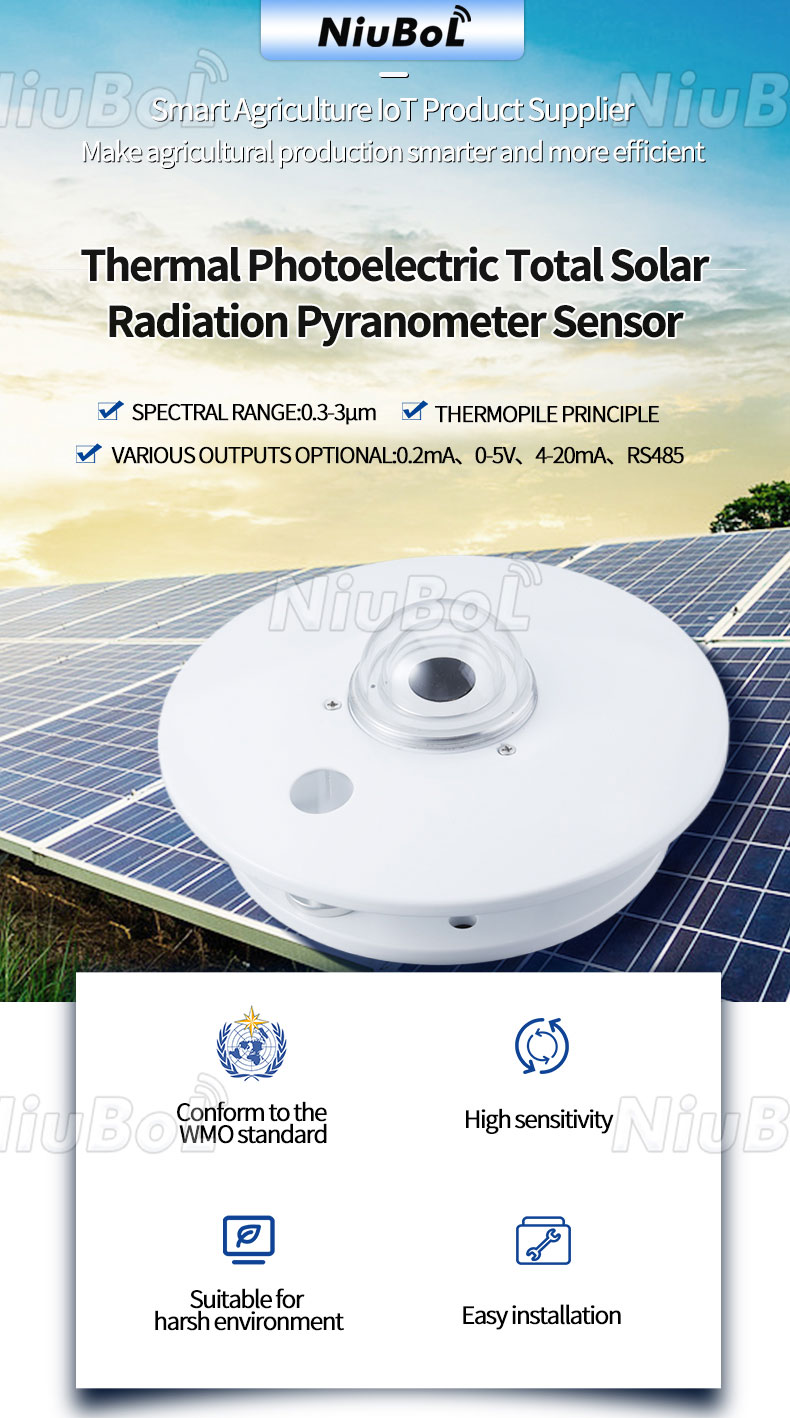
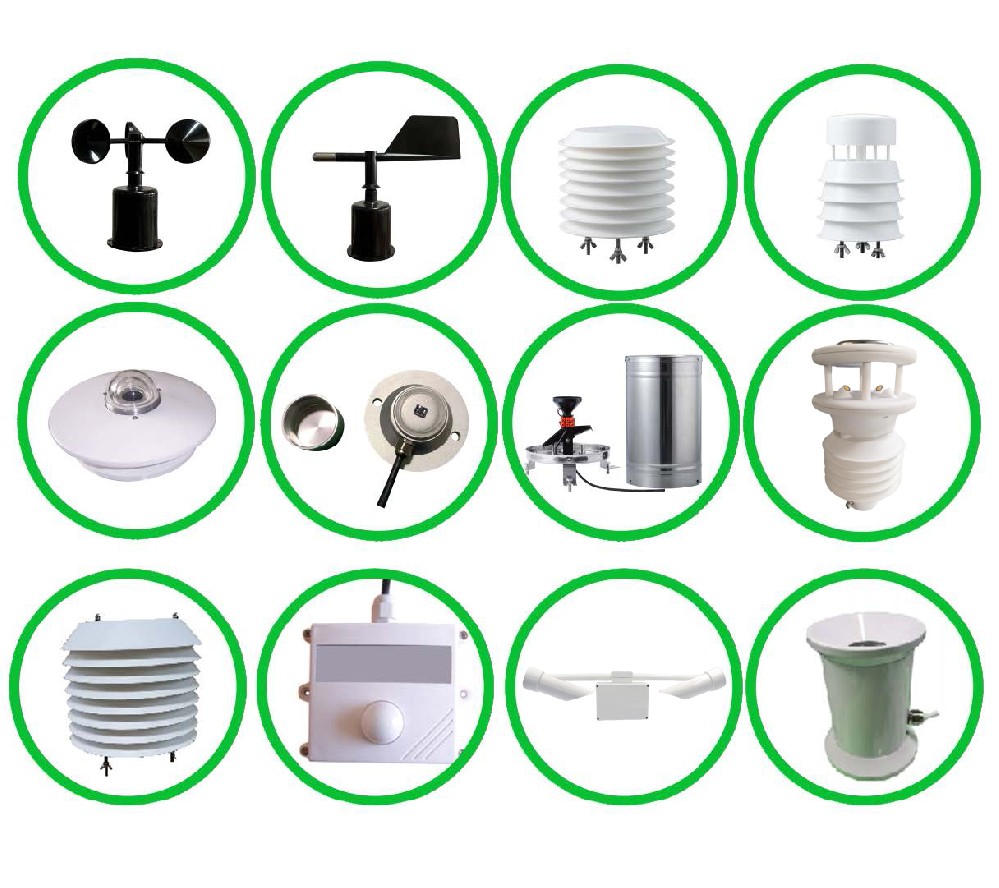
The pyranometer illustrated below is separate radiation equipment. Its irradiance record can provide weather context, but it cannot certify that a PSS baseline is correct. Keep pyranometer cleaning and PSS cleaning as distinct events, even if technicians service both during the same visit.
The PSS cleaning procedure calls for both sensor probes to be cleaned when the surrounding modules are cleaned. Arrange access so that neither surface is missed. Follow the approved cleaning method for the optical surfaces; avoid unapproved abrasive materials, residues or pressure that could alter the surface. Confirm any cleaning agent with the supplier rather than borrowing a method intended for another instrument.
Before cleaning, note deposits, nearby runoff, local shade and anything affecting the instrument differently from the array. A sensor beneath an unusual drip path may recover after cleaning while adjacent modules behave differently. That is an exposure issue, not evidence that the plant's entire soiling loss has been removed.
After cleaning, inspect both surfaces and collect a stable record under suitable conditions. Do not press the calibration button merely to make the display read 100%. If the clean readings are unexpected, first check residue, shading, mounting and data interpretation. Do not introduce deliberate dirt or scratch a surface to produce a test point.
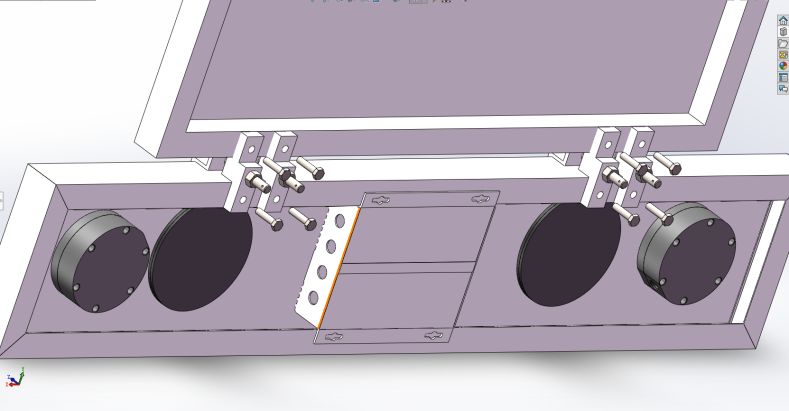
For the PSS procedure described here, initial calibration is performed in sunny weather between 12:00 and 14:00, after cleaning the sensing surfaces. Hold the calibration button for ten seconds and release it. Confirm that this procedure applies to the supplied version and document the action; it is not an automatic instruction to recalibrate after every ordinary cleaning visit.
Choose a time when the technician can inspect the installation and obtain interpretable readings. If suitable conditions are unavailable, investigate and plan the work rather than creating a new reference under an obstruction or on a dirty surface. A convenient reset can conceal the cause of an unexpected reading.
| PSS characteristic | Maintenance implication |
|---|---|
| Two optical cleanliness channels | Inspect, retain and compare them separately |
| 12 V DC; average 1 W | Check supply under load; 1 W is not the complete station load |
| RS485 Modbus RTU; 9600 bps | Confirm acquisition settings after controller work |
| More than 1,000 ms between communications | A faster gateway does not justify faster polling |
| One-decimal cleanliness scaling | Integer 965 represents 96.5%, not 965% |
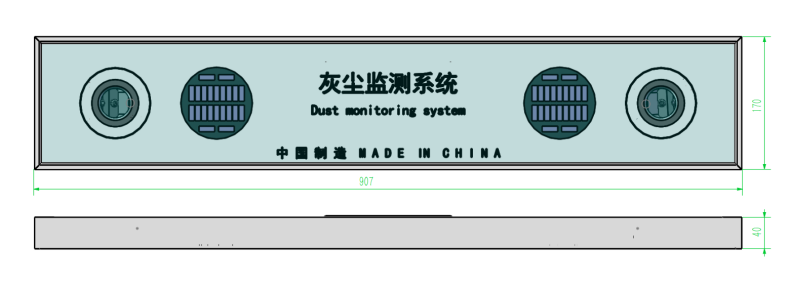
| 907 x 170 x 40 mm instrument dimensions | Allow space for access, cleaning and removal |
Ask for the applicable ambient limits, protection rating and cable specification for the offered assembly. Do not substitute a temperature-channel measuring range for the operating limits of the instrument. The presence of a panel-shaped fixture also does not establish a particular glass coating, module technology or electrical reference method.
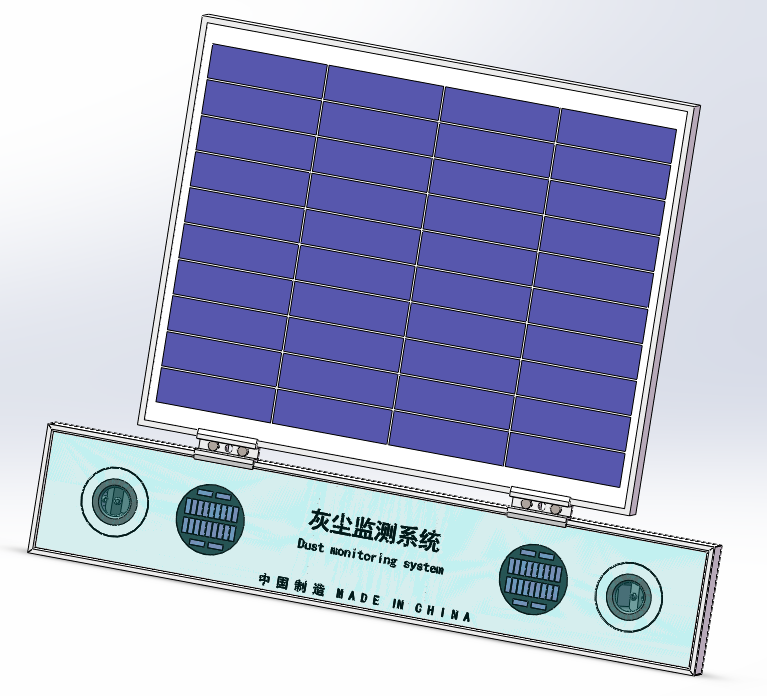
Store the original observations and an event marker for each cleaning, calibration, move or replacement. A before/after comparison should use the same channel identity, position and data scale. If a baseline is changed, mark the boundary; do not silently splice the new series into an old trend and calculate a deposition rate across the reset.
An illustrative recovery from 94% to 99% cleanliness is an increase of five percentage points. It is not proof of a 5% increase in plant generation. Electrical output also depends on irradiance, temperature, availability and the condition of the modules themselves. Establish any relationship between the optical result and electrical losses separately for the application.
Do not recalculate old records merely to make them agree with a newly established baseline unless an approved correction method exists. Preserve the original series and identify corrected data separately. This matters when one team maintains the instrument and another analyzes monthly plant performance.
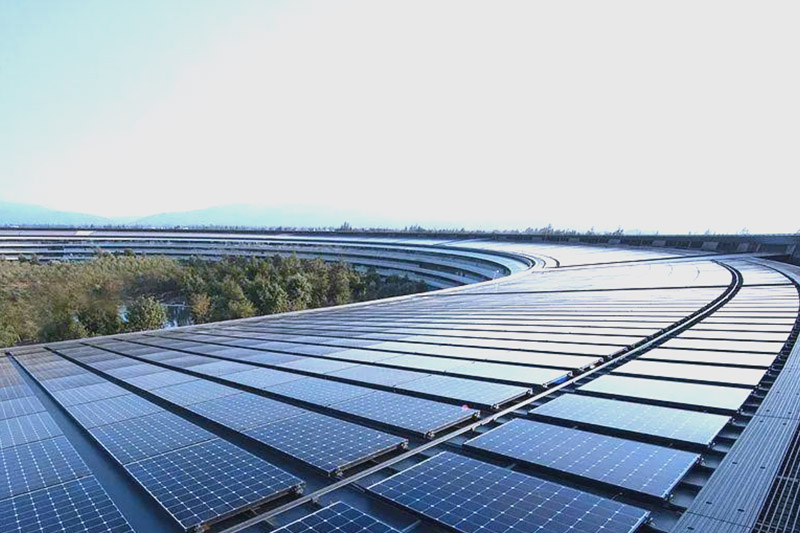
If there is no new record, check supply, device address, serial settings and connection status before cleaning. If values are implausibly scaled, compare a raw response with the engineering conversion. If only one surface shows deposits, clean and inspect both while recording the observed difference. If the mount has moved, reassess exposure before resuming the previous comparison.
If both clean channels remain inconsistent with their previous behavior, preserve the observations and contact NiuBoL with the instrument identity, raw frames, supply reading and installation photographs. Do not open a sealed unit or change undocumented settings to force agreement. A component fault, optical damage and an unsuitable baseline need different remedies.
Inspect after events likely to change the installation, such as nearby construction, a bracket impact or a change to array cleaning practices. Set routine inspection frequency from the site's deposition and access conditions rather than promising a universal annual interval. An inaccessible sensing point can cost more to maintain than the instrument price suggests.
For PV soiling sensor maintenance, useful procurement details include accessible mounting, safe removal, cable routing and a clear ownership split between the instrument and gateway. State who can authorize calibration, who cleans both surfaces and who checks the recovered records. These responsibilities reduce the chance that a software technician and field technician each make an independent undocumented adjustment.
Ask a quotation to separate the NBL-W-PSS instrument from brackets, power, acquisition equipment and site service. Confirm the availability and procedure for replacement parts where required. Avoid fixed lifetime, maintenance-cost or energy-recovery assumptions unless the contract and operating conditions support them.
Retain a short service record that includes date, both channel values, intervention and any changed condition. The record should let the next technician distinguish ordinary cleaning from re-establishing the reference. It is more useful than a single checkbox stating that the sensor was serviced.
Ordinary cleaning and baseline calibration are separate actions. Clean both sensing surfaces with the surrounding modules and inspect the recovered readings. Recalibrate only through the applicable procedure for a justified reason, with the event recorded.
The separate values can reveal localized exposure or obstruction that an average hides. Inspect their behavior before deciding on aggregation, and record which channels were valid during any reported comparison.
No. It describes an optical-channel change. Plant energy recovery requires an appropriate electrical comparison with weather and availability accounted for. Do not use the optical difference as an automatic payment or generation result.
Not by itself. Inspect contamination, shading, acquisition scaling and recent interventions first. Resetting a dirty or obstructed instrument can replace a useful warning with a misleading reference.
Instrument identity, both recent channel histories, raw communication examples, power reading, installation photographs and a dated record of cleaning or calibration. This helps distinguish an instrument issue from a gateway or exposure problem.
PV soiling sensor maintenance should preserve both the optical surfaces and the meaning of the data. Clean both PSS probes, investigate unexpected readings before adjusting the baseline, and mark every reference change. A serviceable mount and a traceable maintenance record help the plant team distinguish contamination trends from interventions without assuming an unmeasured energy gain.
 NBL-W-SRS-Solar-radiation-sensor-instruction-manual-V4.0.pdf
NBL-W-HPRS-Solar-Radiation-Sensor-Instruction-Manual-V3.0.pdf
NBL-W-PSS Soiling Sensor Photovoltaic Dust Monitoring Instrument Data Sheet.pdf
Prev:PV Weather Station Sensor Schedule: Channels and Signal Versions
Next:Tower Crane Dust Monitor: Placement, Sampling and Safe Access
Related recommendations
Sensors & Weather Stations Catalog
Agriculture Sensors and Weather Stations Catalog-NiuBoL.pdf
Weather Stations Catalog-NiuBoL.pdf
Agriculture Sensors Catalog-NiuBoL.pdf
Water Quality Sensor Catalog-NiuBoL.pdf
Related products
 Combined air temperature and relative humidity sensor
 TDR Soil Moisture & Temperature Sensor for irrigation| RS485 |4-20mA| NBL-S-THR
 Soil pH sensor RS485 soil Testing instrument soil ph meter for agriculture |NBL-S-PH
 Wind Speed sensor Output Modbus/RS485/Analog/0-5V/4-20mA
 Tipping bucket rain gauge for weather monitoring auto rainfall sensor RS485/Outdoor/stainless steel
 Pyranometer Solar Radiation Sensor 4-20mA/RS485

Screenshot, WhatsApp to identify the QR code
WhatsApp number:+8615367865107
(Click on WhatsApp to copy and add friends)

