





— Blogs —
—Products—
 Consumer hotline +8618073152920
 WhatsApp:+8615367865107
Address:Room 102, District D, Houhu Industrial Park, Yuelu District, Changsha City, Hunan Province, China
Product knowledge
Time:2026-02-07 14:50:56 Popularity:637
A PV weather station sensor schedule identifies each measured quantity, its physical location and the electrical input needed to acquire it. It prevents a common purchasing error: ordering a station by its advertised number of parameters while leaving irradiance planes, module-temperature points and output versions undefined. For an integrator, the schedule is the link between the monitoring requirement, instrument order and SCADA tag list.
An integrated temperature, humidity and pressure sensor is one instrument with three measured quantities. Two temperature probes attached to different modules are two instruments even if they share the same model number. An instrument count therefore cannot be used directly as an input-channel count, a serial-address count or a list of accepted SCADA tags.
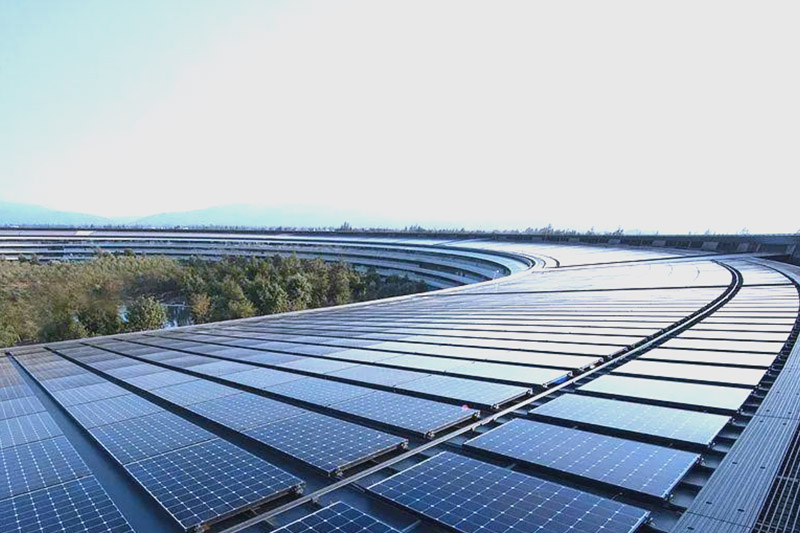
Start with locations. For a hypothetical fixed-array plant with east- and west-facing groups, the design might call for one horizontal radiation reference, one POA radiation point for each orientation, two module-temperature points, one combined ambient sensor, separate wind speed and direction sensors and one rain gauge. That is nine instruments and eleven measured values in this example, not an eleven-port specification.
| Measurement group | Instruments | Values |
|---|---|---|
| GHI plus two POA planes | 3 | 3 |
| Two module temperatures | 2 | 2 |
| Combined air temperature, RH and pressure | 1 | 3 |
| Separate wind speed and direction | 2 | 2 |
| Rainfall | 1 | 1 |
| Example total | 9 | 11 |
The example is a way to check scope, not a required configuration for every plant. Additional orientations, trackers, terrain or contract requirements may change it. Conversely, an application limited to basic weather awareness may not need every listed measurement.
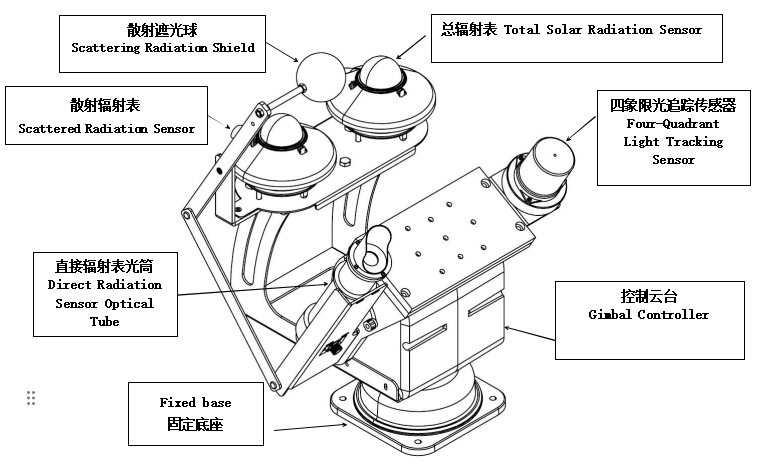
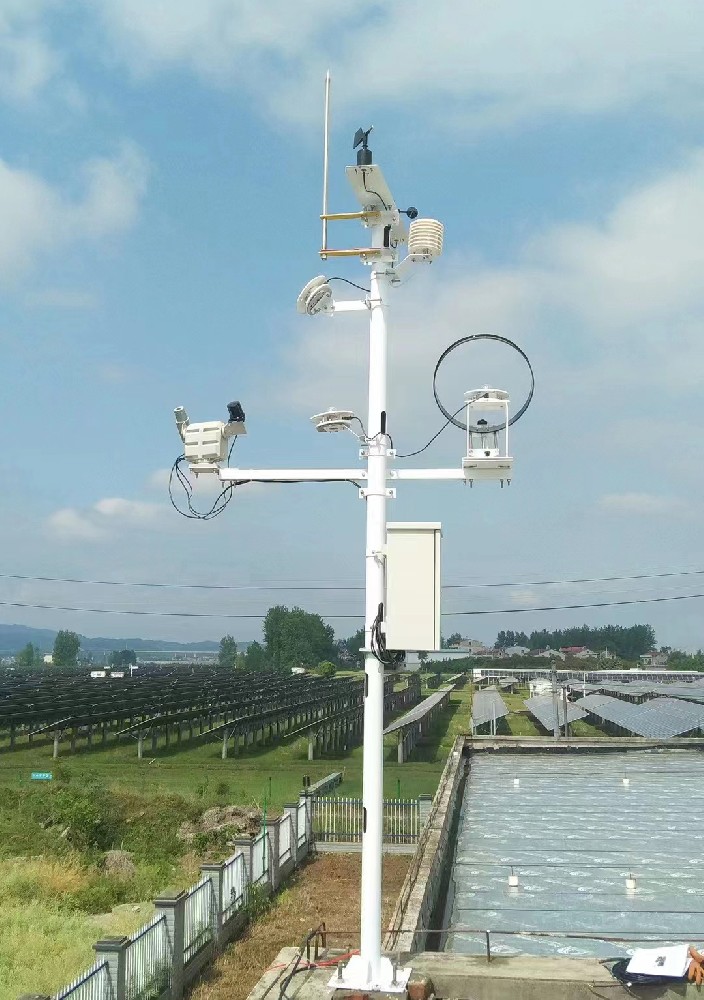
GHI is measured on a horizontal plane; POA irradiance is measured in the selected array plane. Direct normal and diffuse radiation are different quantities again. The illustrated tracking radiation arrangement measures a broader component set than a single fixed pyranometer and should be ordered only when that component measurement is part of the project.
Write the plane, tilt, azimuth and intended array group in the schedule. Avoid a single ambiguous tag such as Solar_Radiation when several orientations exist. If a value is derived by a model rather than measured by its own instrument, label it as derived and identify the underlying inputs. That prevents a modeled east-plane value from being accepted as a separately measured channel.
Choose the radiation instrument using its spectral response, response time and required measurement documentation, not just the 0-2,000 W/m2 range. Do not assign an ISO classification to a model from its annual-stability figure. Where a contract requires a particular classification or traceability arrangement, obtain documentation for the exact offered instrument and calibration scope.
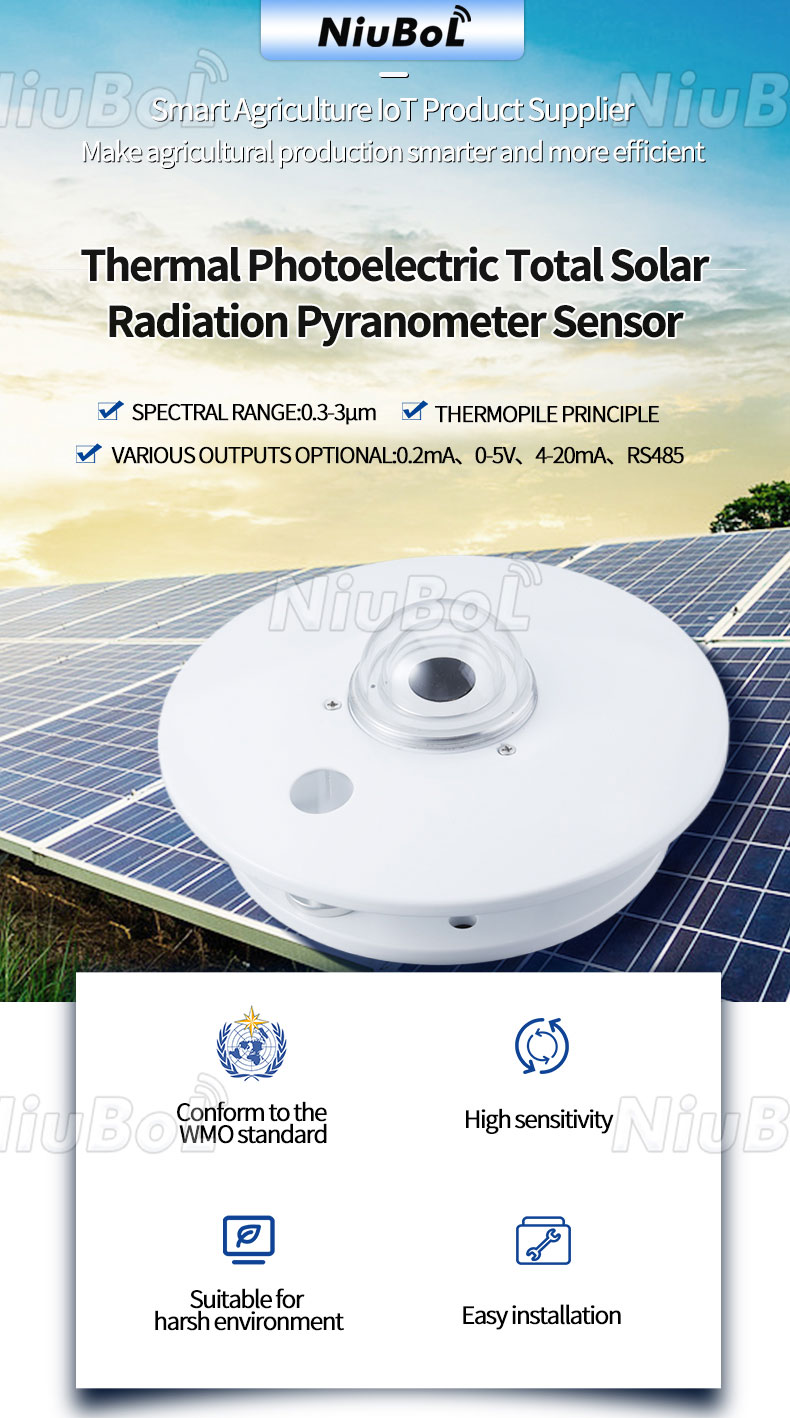
The NiuBoL NBL-W-HPRS thermopile sensor is one radiation option for a defined monitoring plane. Check each instrument separately: its range and operating limits do not establish the accuracy or environmental limits of the temperature, wind and rainfall channels.
| Instrument | Relevant parameters | Order detail |
|---|---|---|
| NBL-W-HPRS | 0-2,000 W/m2; 0.3-3 micrometre spectral range; response up to 35 s at 99%; ambient -40 to +50 C | Select output version, supply and mounting plane |
| NBL-W-PPT | Selected -50 to +100 C or -20 to +50 C range; +/-0.5 C; standard 5 m cable | Surface contact location, range and transmitter output |
| NBL-W-LBTH | Temperature +/-0.5 C; RH +/-5% RH; pressure +/-1.5 hPa | Confirm all required quantities and acquisition mapping |
| NBL-W-SS / NBL-W-DS | Separate speed/direction devices; IP65 | Wind range, signal version and orientation reference |
| NBL-W-RS | 0.2 mm per tip; selected pulse or powered-output configuration | Counter or transmitter interface and rainfall accumulation handling |
NBL-W-PPT is a surface-temperature transmitter using a thermistor sensing element; do not infer a bare PT100 input from the product name or a model suffix. Its current, voltage and serial options require different acquisition settings. Likewise, a combined LBTH instrument does not make an illumination or rainfall channel available unless the relevant additional sensor is supplied.
For every row, specify whether the signal is RS485 Modbus RTU, 4-20 mA, a voltage range or a pulse. Then state the engineering scale. A controller with only analog inputs cannot read a serial transmitter directly, and a serial port cannot count a passive rain-gauge contact without appropriate hardware.
For illustration, an HPRS current transmitter scaled 4-20 mA to 0-2,000 W/m2 reports 1,000 W/m2 at 12 mA. A PPT transmitter scaled 4-20 mA to -50 to +100 C reports 25 C at the same 12 mA. The identical electrical value has a different physical meaning. If the PPT range is instead -20 to +50 C, 12 mA represents 15 C.
Record the configured range rather than relying on a generic analog conversion formula in the PLC library. Digital channels also require units, scale factors and data types. The fact that two instruments both use Modbus does not mean their wind, temperature or radiation registers occupy the same offsets.
Assign addresses after the actual serial devices are known, and configure new devices individually where duplicate default addresses could cause a conflict. Count the required serial segments and analog inputs from the chosen signal versions. Add isolation, termination and surge measures through the network and site electrical design rather than assuming every device contains a complete protection system.
A module-temperature channel needs a named array group and contact location. A probe on the frame is not automatically representative of backsheet temperature, while a poorly attached backsheet probe may follow air temperature. Specify the compatible attachment method and strain relief so that later maintenance does not change the measurement without a record.
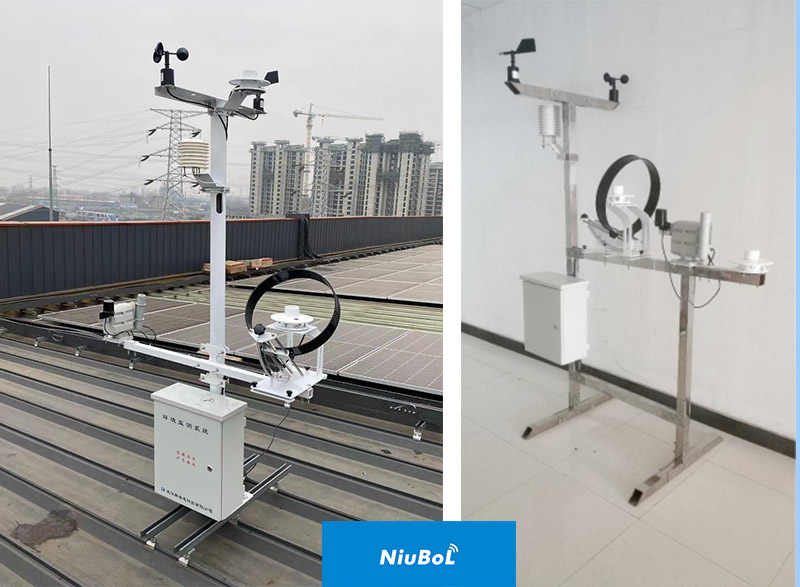
Radiation sensors need a clear view appropriate to their measurement plane. Review shadows from the weather mast, nearby instruments and roof structures over the relevant solar path. Ambient temperature needs suitable radiation shielding and separation from hot enclosure surfaces. Each of these exposure requirements can conflict with simply putting every device on the shortest available pole.
Wind mounting should answer the project's weather or operating question. A generic instruction to place every anemometer above 10 m is not a substitute for checking the site, structural permissions and the measurement purpose. Define the installed height and reference direction in the sensor schedule, and distinguish local operating wind from an assessment requiring another exposure.
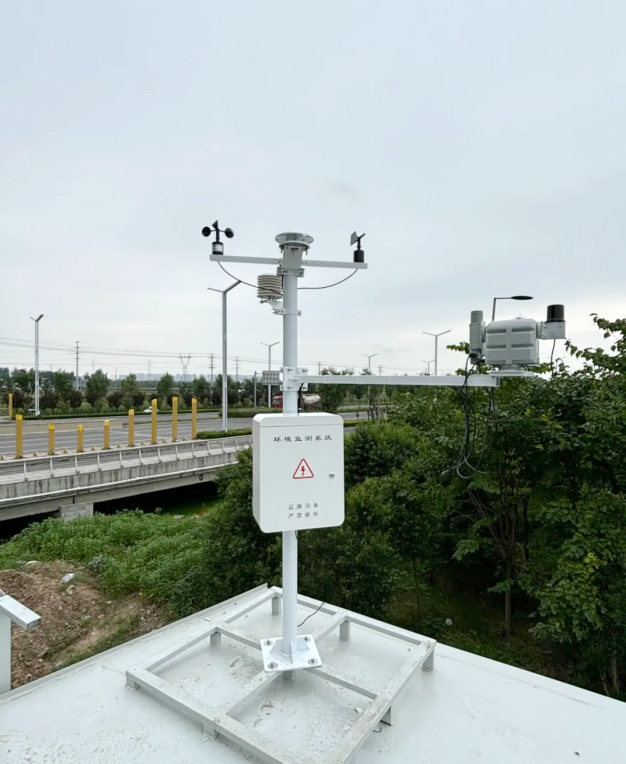
Only after the instrument rows are settled should the integrator finalize logger inputs, gateway functions and power. An Ethernet or mobile-data connection belongs to the acquisition package, not automatically to each sensor. If SCADA requires Modbus TCP, a particular message format or secure remote access, name that interface and verify the offered gateway supports it.
Do not give the complete station the widest temperature range found among its components. For example, the HPRS operating ambient limit of +50 C is lower than the +80 C value associated with some other weather devices. Enclosure heating, direct solar exposure, battery limits and connector conditions also need their own assessment. Component IP ratings do not certify an assembled installation with open cable entries.
Request a power schedule that separates continuously powered instruments, the logger and the communication equipment. Include optional heaters and transmission duty where relevant. A promise of less than 5 W for an unspecified station can conceal omitted equipment; a stated load for each purchased component is more useful for supply design.
For each tag, verify the installed model, location, signal, units, range and timestamp. Compare one raw acquisition value with the engineering conversion in SCADA. Inspect the effect of disconnecting that channel: it should not silently become zero radiation, no rainfall or a plausible module temperature.
Check reporting intervals against instrument behavior. Polling HPRS every second does not remove its specified radiation response time. If the project asks for interval averages, identify which equipment calculates them and how missing samples are treated. Keep a raw or diagnostic record during commissioning so that a tag-map error can be distinguished from an actual sensor fault.
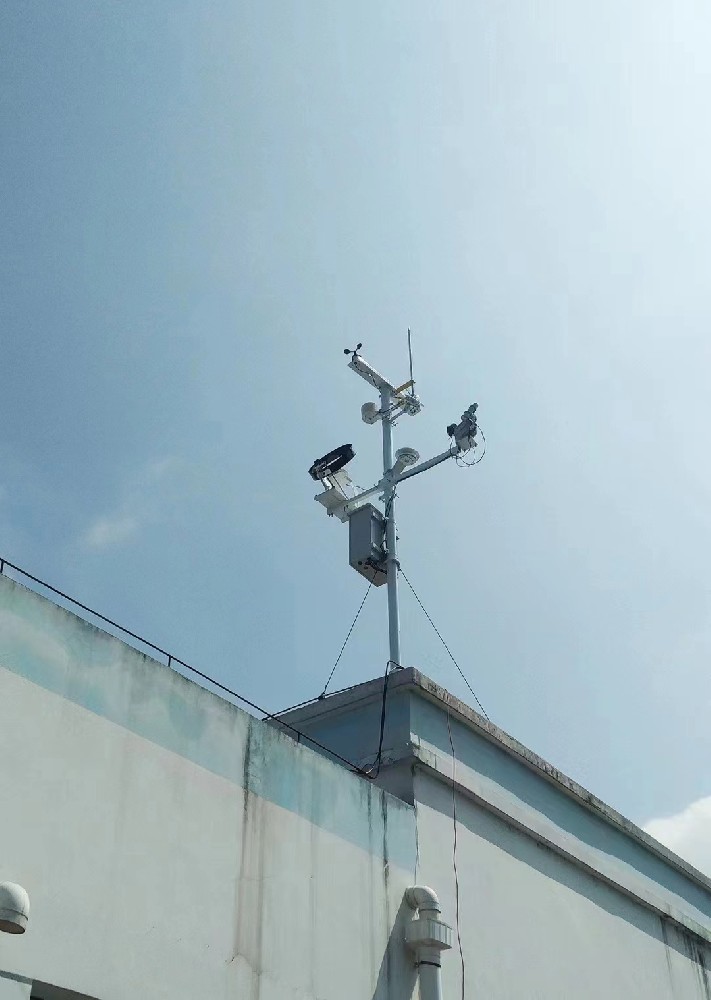
Use the completed PV weather station sensor schedule as the quotation attachment. Ask suppliers to identify any substituted model, changed signal range or excluded mounting item row by row. Price the logger, gateway, enclosure, power and required measurement documentation separately from the sensors where those items are not included.
Optional soiling, snow or lightning-related measurements should have their own purpose and hardware definition. Adding a dashboard field does not create a physical observation, and ordinary weather measurements should not be used to claim automatic lightning protection or guaranteed performance improvement. Limit the order to functions the project can specify and accept.
Not necessarily. An integrated serial instrument can provide several values through one device connection, while separate analog transmitters require separate suitable inputs. Count from the actual hardware and output versions, not the number of dashboard values.
A fixed pyranometer measures irradiance in its own plane. Separate simultaneous planes require suitable separate observations or a clearly identified modeling method. Do not label one fixed measurement as two independent measured channels.
No. PPT uses a thermistor sensing element with a selected transmitter output. Confirm the actual probe and electrical interface; a logger's resistance input is not interchangeable with a 4-20 mA or serial channel.
Only those assigned to the supplied equipment. Sensor Modbus RTU and gateway network protocols are separate functions. Require the quotation to identify the device implementing each interface and its configuration scope.
The same measurement locations, quantities, models or agreed alternatives, signal versions, documentation and installation scope. A shared label such as seven-parameter station is insufficient when one quotation excludes a required plane or temperature point.
A PV weather station sensor schedule should explain what is measured, where, and through which electrical interface. Use actual NiuBoL model parameters, keep instrument counts separate from values and inputs, and turn the completed rows into commissioning checks. That gives procurement and integration teams a common basis for comparing configurations without assuming unpriced hardware or software functions.
 NBL-W-SRS-Solar-radiation-sensor-instruction-manual-V4.0.pdf
NBL-W-HPRS-Solar-Radiation-Sensor-Instruction-Manual-V3.0.pdf
NBL-W-PSS Soiling Sensor Photovoltaic Dust Monitoring Instrument Data Sheet.pdf
Prev:Ultrasonic Wind Sensor Data: Decode and Average NBL-W-21GUWS
Next:PV Soiling Sensor Maintenance: Cleaning and Baseline Changes
Related recommendations
Sensors & Weather Stations Catalog
Agriculture Sensors and Weather Stations Catalog-NiuBoL.pdf
Weather Stations Catalog-NiuBoL.pdf
Agriculture Sensors Catalog-NiuBoL.pdf
Water Quality Sensor Catalog-NiuBoL.pdf
Related products
 Combined air temperature and relative humidity sensor
 TDR Soil Moisture & Temperature Sensor for irrigation| RS485 |4-20mA| NBL-S-THR
 Soil pH sensor RS485 soil Testing instrument soil ph meter for agriculture |NBL-S-PH
 Wind Speed sensor Output Modbus/RS485/Analog/0-5V/4-20mA
 Tipping bucket rain gauge for weather monitoring auto rainfall sensor RS485/Outdoor/stainless steel
 Pyranometer Solar Radiation Sensor 4-20mA/RS485

Screenshot, WhatsApp to identify the QR code
WhatsApp number:+8615367865107
(Click on WhatsApp to copy and add friends)

