





— Blogs —
—Products—
 Consumer hotline +8618073152920
 WhatsApp:+8615367865107
Address:Room 102, District D, Houhu Industrial Park, Yuelu District, Changsha City, Hunan Province, China
Product knowledge
Time:2023-12-21 15:34:14 Popularity:6788
Greenhouse sensors continuously monitor environmental and root-zone conditions that directly affect crop growth. A typical greenhouse monitoring system may measure air temperature, relative humidity, CO2 concentration, photosynthetically active radiation (PAR), soil or substrate moisture, electrical conductivity (EC), pH, and leaf wetness.
Instead of relying only on manual observation, growers can use sensor data to understand changes inside the greenhouse and support decisions related to irrigation, fertigation, ventilation, shading, heating, cooling and supplemental lighting.
For commercial greenhouse projects, sensors can also be connected to PLCs, data loggers or IoT gateways through RS485 Modbus, LoRaWAN and other communication methods. Data can then be transmitted through 4G, Ethernet or Wi-Fi to a cloud platform or the user's own server for remote monitoring and data analysis.
A greenhouse creates a more controllable growing environment than an open field, but environmental conditions can still change quickly. Temperature may rise rapidly during sunny periods, humidity can increase after irrigation, CO2 concentration can vary with ventilation, and moisture or EC in the root zone can change during fertigation.
Greenhouse sensors provide continuous measurements that help operators understand these changes. When integrated with controllers and actuators, sensor data can also be used as an input for automated irrigation, ventilation, shading and other greenhouse control systems.
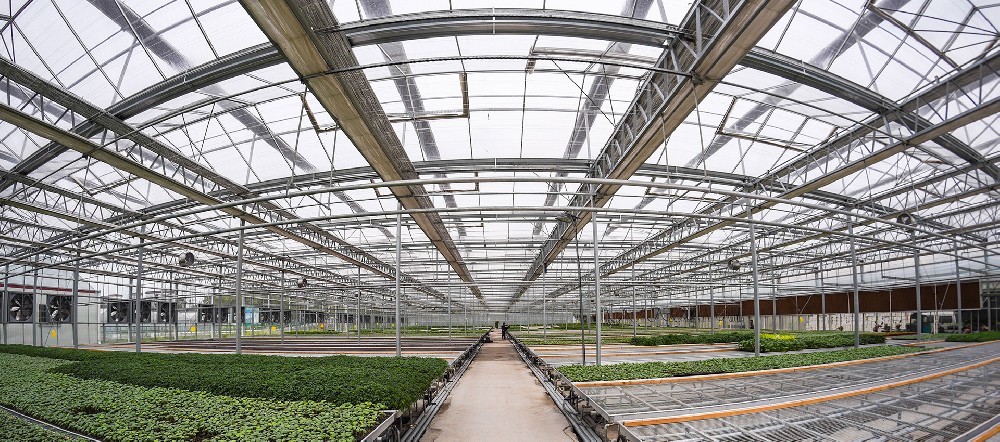
Continuous monitoring of the crop growing environment
Improved irrigation and fertigation management
Monitoring temperature, humidity, CO2 and light conditions
Monitoring soil or substrate moisture, EC and pH
Supporting greenhouse automation and remote monitoring
Recording historical data for crop management and research
Providing data for alarms and abnormal-condition detection
Air temperature and relative humidity are two of the most fundamental greenhouse parameters. Temperature affects plant growth, transpiration and development, while relative humidity influences water loss, condensation and the greenhouse microclimate.
A combined air temperature and humidity sensor can continuously monitor both parameters and provide data to a greenhouse controller, PLC or data logger.
Carbon dioxide is an important input for plant photosynthesis. In enclosed or semi-enclosed greenhouses, CO2 concentration can change depending on plant activity, ventilation and whether CO2 enrichment is used.
A CO2 sensor provides continuous concentration data that can be used to evaluate greenhouse ventilation and CO2 supplementation strategies.
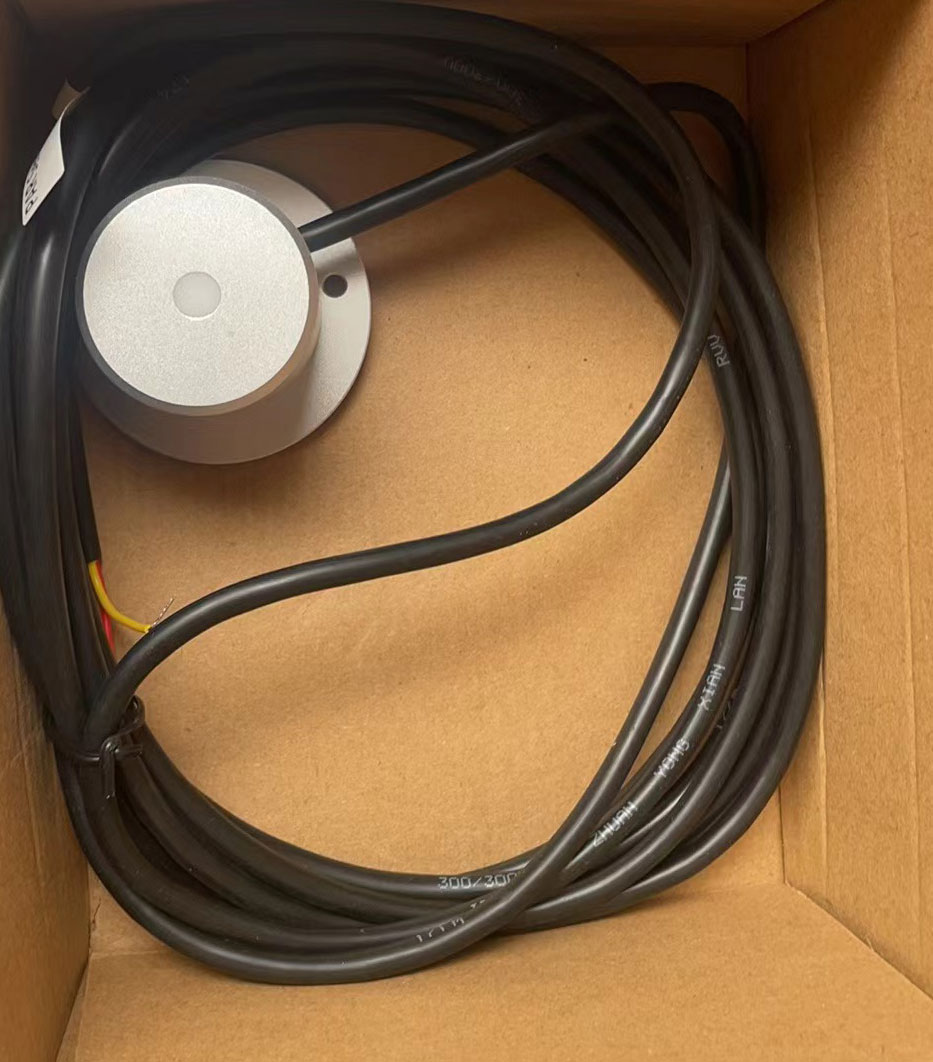
A PAR sensor measures photosynthetically active radiation in the approximately 400–700 nm wavelength range and is commonly used in greenhouse cultivation and plant-growth research.
Root-zone moisture is one of the most important parameters for irrigation management. Excessive irrigation can reduce root-zone aeration, while insufficient irrigation may cause crop water stress.
A soil moisture and temperature sensor can continuously monitor root-zone conditions and provide data for irrigation management.
Electrical conductivity (EC) is commonly used as an indicator of dissolved salts in soil, substrate or nutrient solutions. In greenhouse fertigation systems, EC monitoring can help operators observe changes in nutrient and salt conditions.
A soil EC sensor can be integrated with an RS485 Modbus monitoring system for continuous measurement.
pH influences nutrient availability and root-zone conditions. A soil pH sensor can provide field measurements and can be integrated into monitoring systems through RS485 or other available outputs.
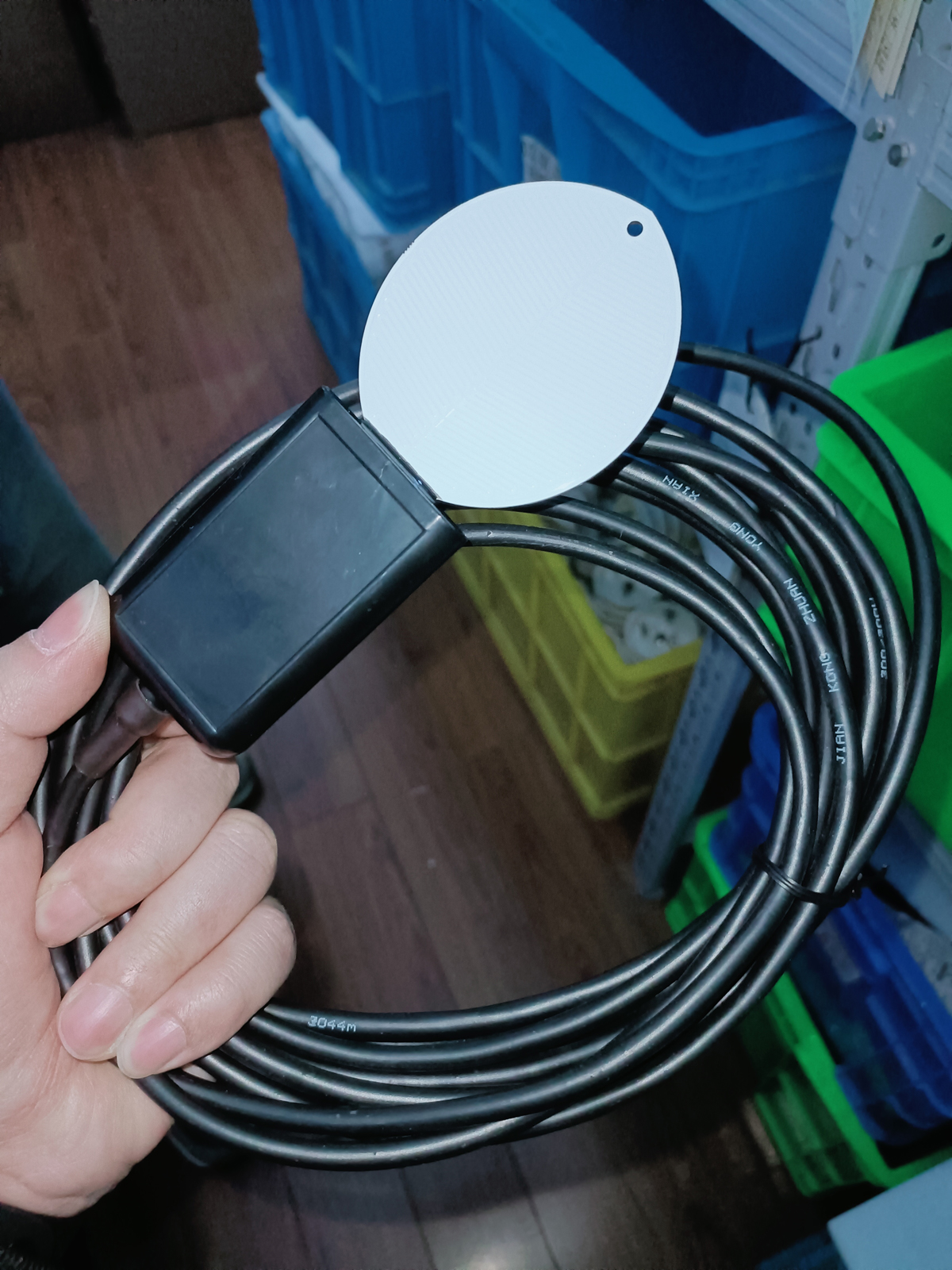
A leaf wetness sensor simulates leaf-surface conditions and can monitor changes caused by condensation, fog or irrigation. Leaf wetness data is often combined with temperature and humidity information for crop research and disease-risk assessment.
For commercial greenhouse projects, indoor sensor measurements can be combined with an outdoor automatic weather station.
An outdoor weather station can monitor air temperature, humidity, wind speed, wind direction, rainfall, atmospheric pressure and solar radiation to provide additional information for ventilation, shading, irrigation and environmental management.
A complete greenhouse monitoring system normally combines several sensors rather than relying on a single device.
Greenhouse Sensors → RS485 Modbus / LoRaWAN → Data Logger or IoT Gateway → 4G / Ethernet / Wi-Fi → MQTT / HTTP → Cloud Platform or Customer Server
RS485 Modbus is suitable for reliable wired integration with PLCs and data loggers, while LoRaWAN can be considered when sensors are distributed over larger greenhouse areas or where long signal cables are inconvenient.
| Application | Recommended Sensors |
|---|---|
| Basic Greenhouse Monitoring | Air temperature, humidity, soil/substrate moisture |
| Commercial Greenhouse | Temperature, humidity, CO2, PAR, moisture and EC |
| Greenhouse Fertigation | Moisture, EC, pH, flow and pressure |
| Research Greenhouse | Temperature, humidity, CO2, PAR, soil sensors, leaf wetness and weather station |
Before selecting sensors, confirm the parameters to be monitored, the growing medium, communication method, number of monitoring points, power supply and whether the system needs local control or remote cloud monitoring.
Which parameters need to be monitored?
Is the crop grown in soil or a soilless substrate?
Should the sensors use RS485 or LoRaWAN?
Is local PLC control required?
Should data be uploaded to a cloud platform or private server?
Is mains power available, or is solar/battery power required?
Sensor installation location has a direct influence on measurement quality. Sensors should be installed in representative areas and should avoid unnecessary interference from direct sunlight, heaters, fans, irrigation nozzles or abnormal airflow unless those locations are specifically being monitored.
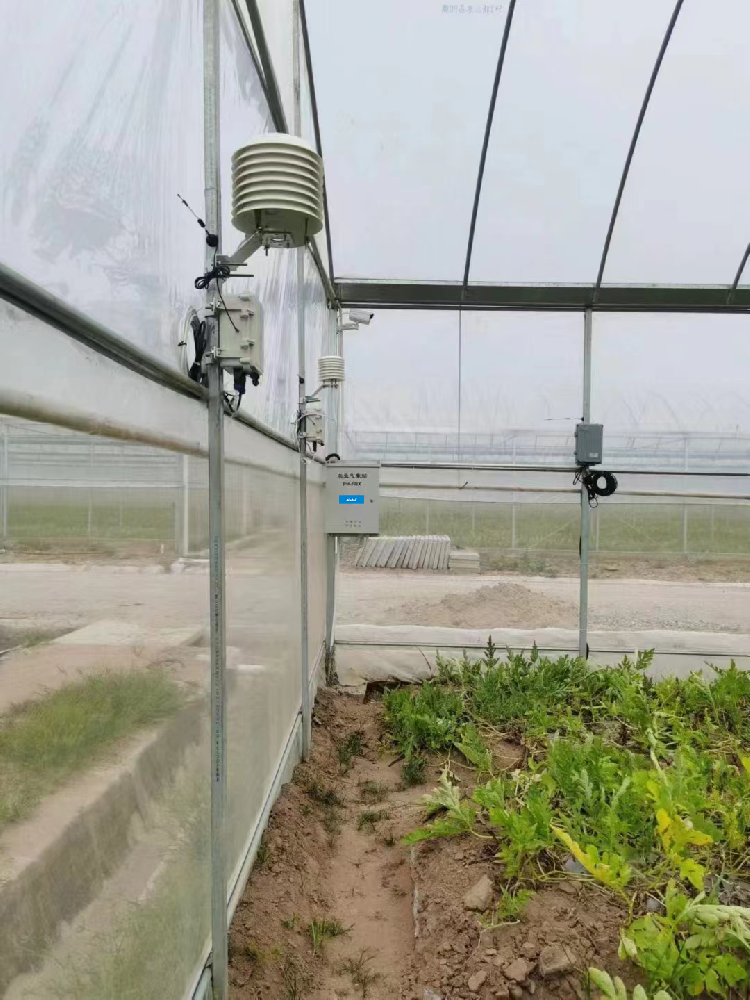
Large greenhouses may require several monitoring points because temperature, humidity, light and root-zone conditions can vary between different zones.
Cables, connectors, probes and mounting hardware should be inspected periodically. Soil and water-contact probes may require cleaning depending on deposits and operating conditions.
Sensor readings should always be interpreted according to crop type, growth stage, substrate, irrigation strategy and greenhouse design. One fixed threshold should not automatically be applied to every greenhouse project.
Common greenhouse sensors include temperature and humidity sensors, CO2 sensors, PAR sensors, soil or substrate moisture sensors, EC sensors, pH sensors and leaf wetness sensors. Outdoor weather stations may also be added when external weather conditions need to be monitored.
Yes. Sensors with RS485 Modbus RTU or analog outputs such as 4–20 mA can be integrated with compatible PLCs, data loggers and industrial controllers.
Yes. RS485 sensors can be connected to compatible LoRaWAN data-acquisition nodes, or sensors with integrated LoRaWAN communication can be used.
Typical fertigation monitoring may include root-zone moisture, EC and pH, as well as irrigation-water flow and pressure. The final configuration depends on the cultivation and irrigation system.
NiuBoL provides environmental and agricultural sensors for greenhouse monitoring, including temperature and humidity, CO2, PAR, soil moisture, EC, pH, leaf wetness, weather stations and data-acquisition equipment.
For project selection, provide the greenhouse size, crop type, growing medium, required parameters, number of monitoring zones, communication method and whether local or remote monitoring is required.
Related recommendations
Sensors & Weather Stations Catalog
 Agriculture Sensors and Weather Stations Catalog-NiuBoL.pdf
Weather Stations Catalog-NiuBoL.pdf
Agriculture Sensors Catalog-NiuBoL.pdf
Water Quality Sensor Catalog-NiuBoL.pdf
Related products
 Combined air temperature and relative humidity sensor
 TDR Soil Moisture & Temperature Sensor for irrigation| RS485 |4-20mA| NBL-S-THR
 Soil pH sensor RS485 soil Testing instrument soil ph meter for agriculture |NBL-S-PH
 Wind Speed sensor Output Modbus/RS485/Analog/0-5V/4-20mA
 Tipping bucket rain gauge for weather monitoring auto rainfall sensor RS485/Outdoor/stainless steel
 Pyranometer Solar Radiation Sensor 4-20mA/RS485

Screenshot, WhatsApp to identify the QR code
WhatsApp number:+8615367865107
(Click on WhatsApp to copy and add friends)

