





— Blogs —
—Products—
 Consumer hotline +8618073152920
 WhatsApp:+8615367865107
Address:Room 102, District D, Houhu Industrial Park, Yuelu District, Changsha City, Hunan Province, China
Product knowledge
Time:2025-12-13 12:01:36 Popularity:821
Agricultural development has always been highly dependent on weather conditions. In China’s critical transition period from traditional to modern agriculture, reducing the impact of natural disasters, improving resource utilization efficiency, and building high-standard green farmland have become top priorities. The agricultural weather station is the key technology to solve this challenge.
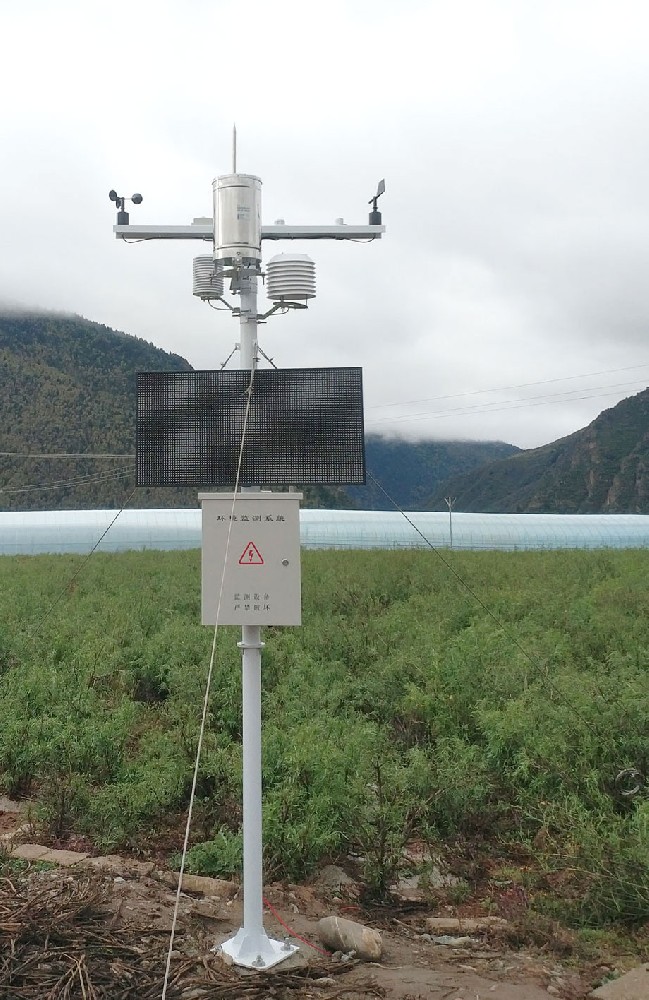
An agricultural weather station is a device that can automatically and in real time observe, store, and transmit agriculture-related meteorological data. It is a modern instrument for achieving meteorological information forecasting and warning, guiding agricultural production. Its core lies in breaking the traditional “relying on the weather” mode, providing growers with reliable, quantifiable, and predictable environmental data support.
Guiding Production & Achieving Precision Management:
By real-time monitoring of parameters required for crop growth environment (such as temperature, humidity, illuminance, soil moisture), growers can timely grasp information and take scientific management measures, such as:
• When to irrigate? Based on soil moisture data.
• When to fertilize? Based on illuminance intensity and crop growth stage.
• When to ventilate? Based on greenhouse internal temperature/humidity and wind speed data.
Warning & Forecasting to Reduce Disaster Losses:
The weather station can real-time monitor sudden meteorological elements (e.g., sudden wind speed increase, abnormal rainfall, low-temperature frost). When adverse weather threatening crops is detected, the system can issue timely warnings, giving farmers sufficient time to take measures such as anti-freeze, anti-flood, and anti-wind, significantly improving agricultural production capacity and risk resistance.
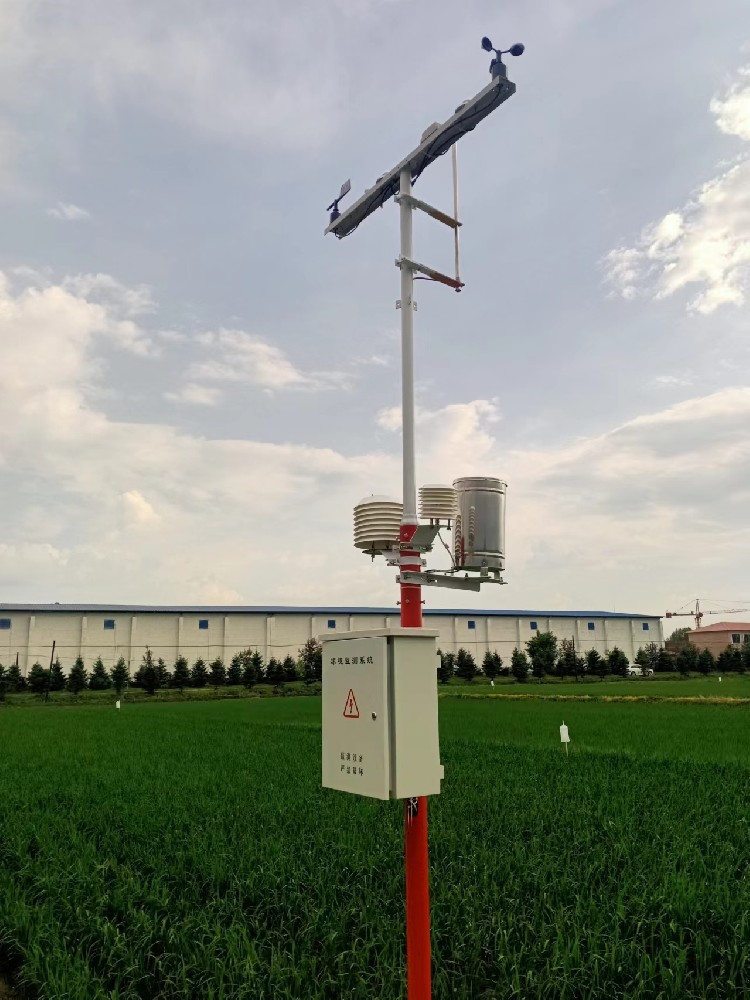
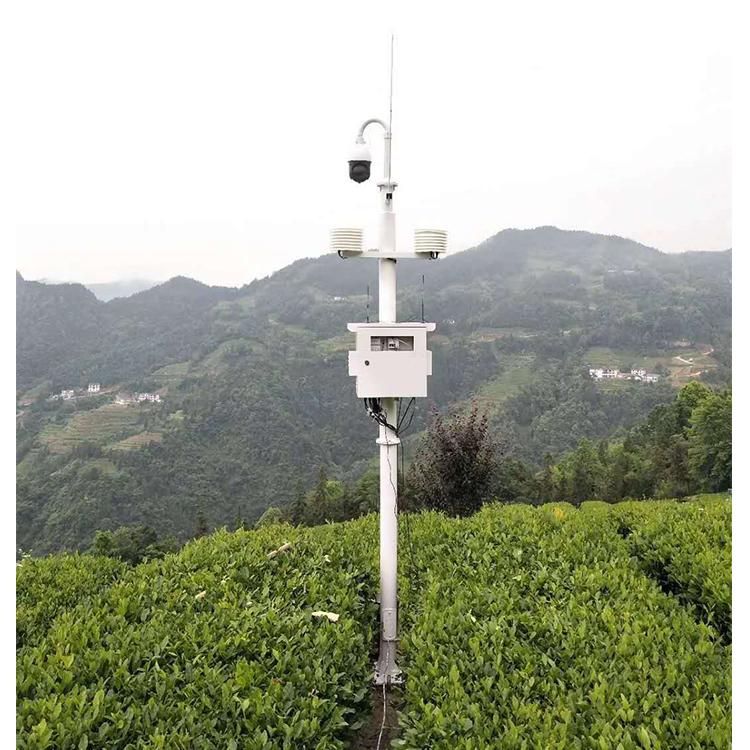
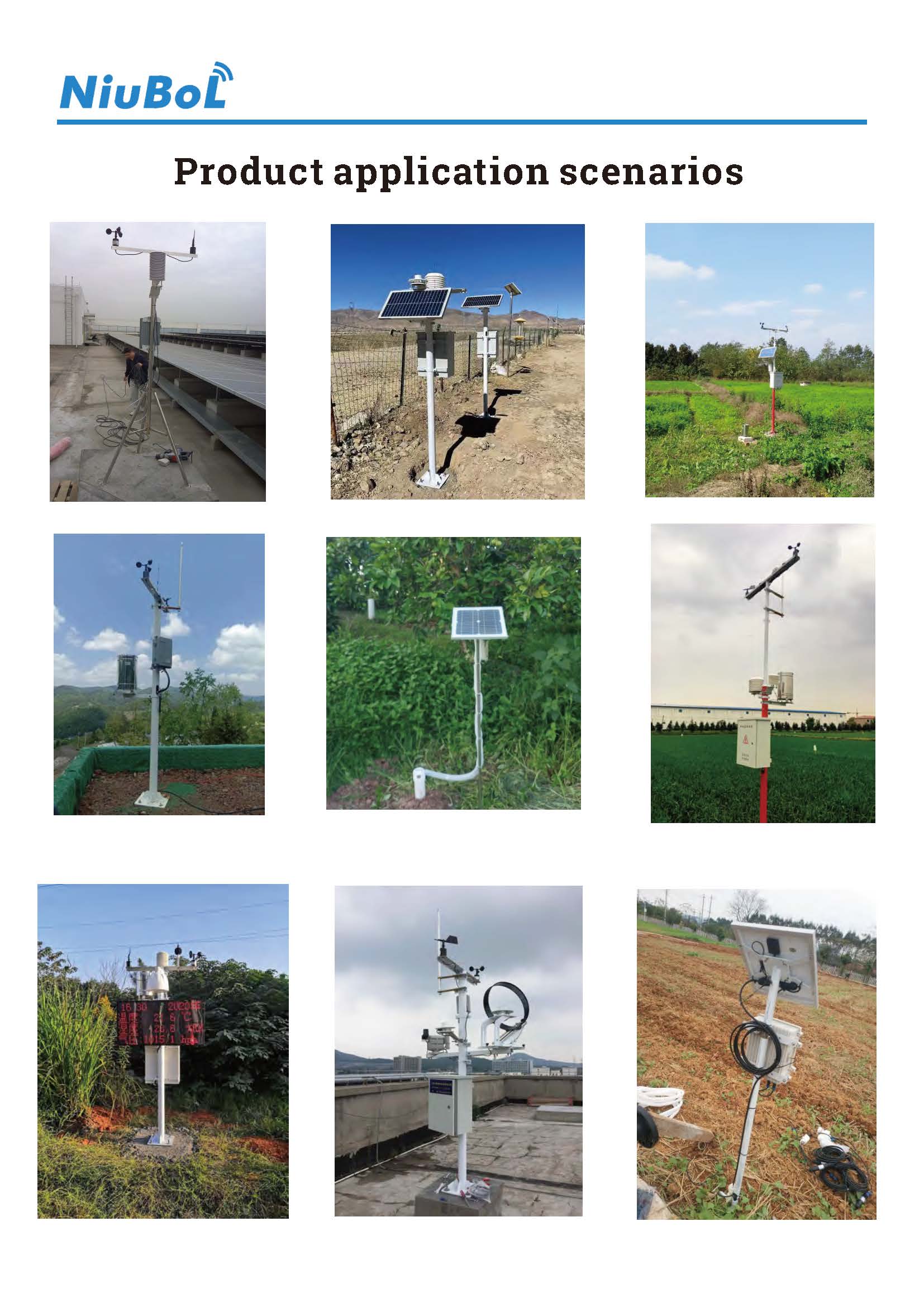
Modern agricultural weather stations are exquisitely designed and stable in performance, capable of long-term unattended operation in various harsh outdoor environments. Taking NiuBoL automatic weather station as an example, its structure is basically the same:
Meteorological Sensors: The “eyes” of the weather station, responsible for measuring various meteorological environmental parameters.
Data Logger (Collector): The “brain” of the weather station, responsible for receiving, processing, and storing raw data from sensors.
Transmission Module: The “mouth” of the weather station, responsible for sending data to the backend center via wireless network (e.g., 4G/5G/WiFi).
Louver Box/Protective Box: Provides standard measurement environment and protection for temperature/humidity, pressure, and other sensors.
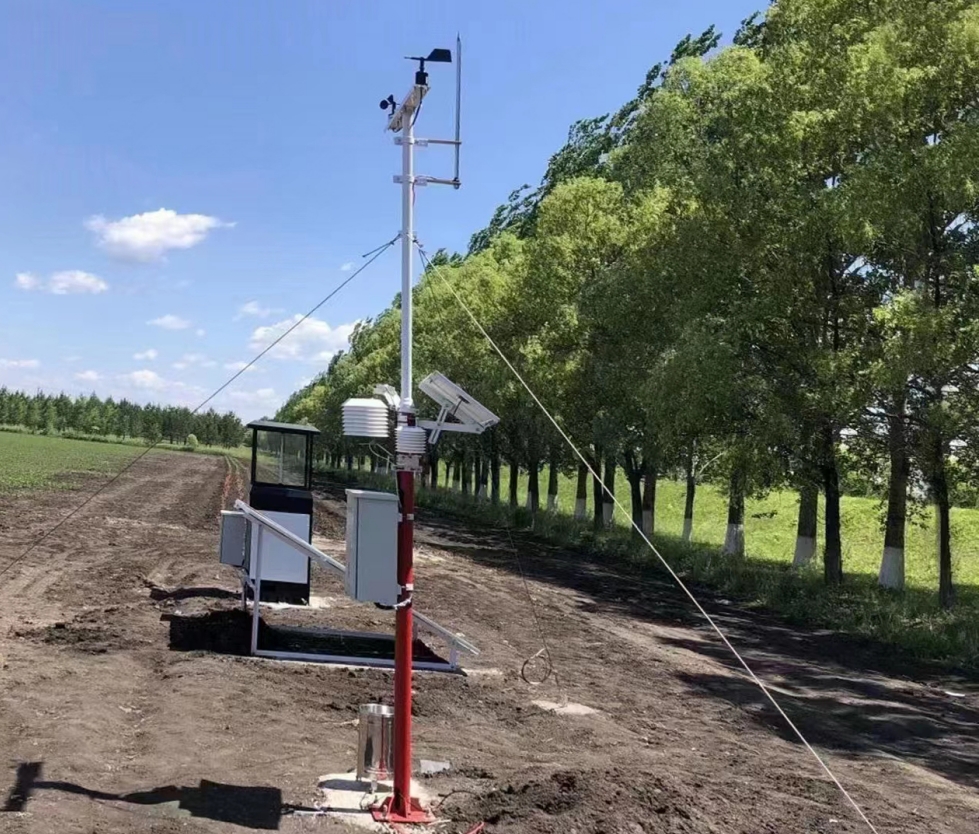
Bracket & Power Supply System: Supports the entire equipment, usually equipped with solar power system to ensure long-term stable operation.
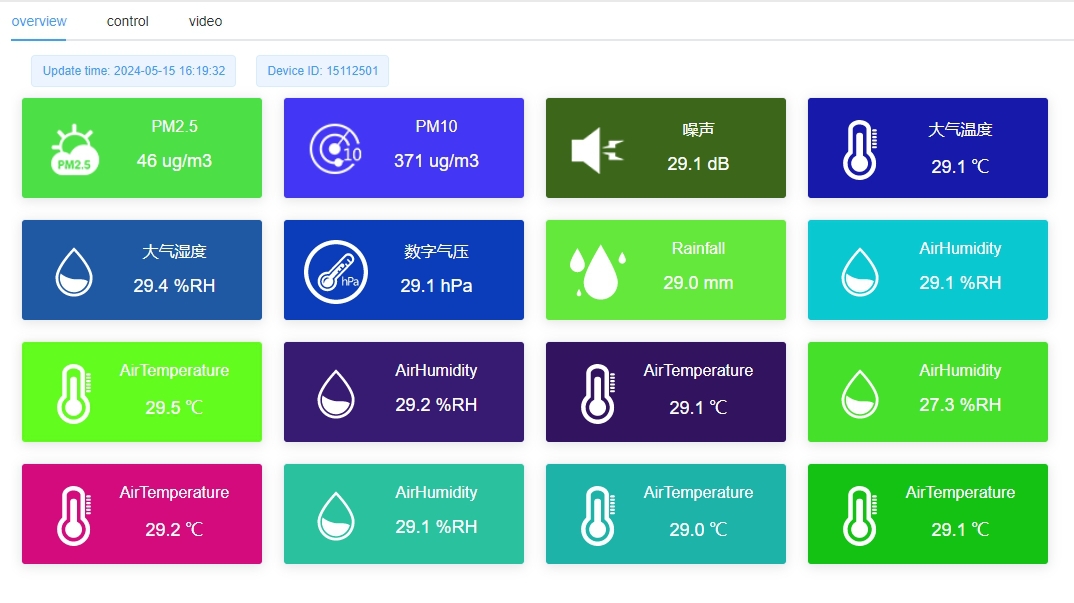
Meteorological Center Software/Platform: The “backend” of the weather station, where users intuitively observe data, perform meteorological prediction and evaluation through the platform.
Sensors monitor environmental data → Data logger collects, processes, and stores data → Collector sends data to remote backend via wireless transmission module → Users view, analyze, and receive warnings in real time through backend software or mobile APP.
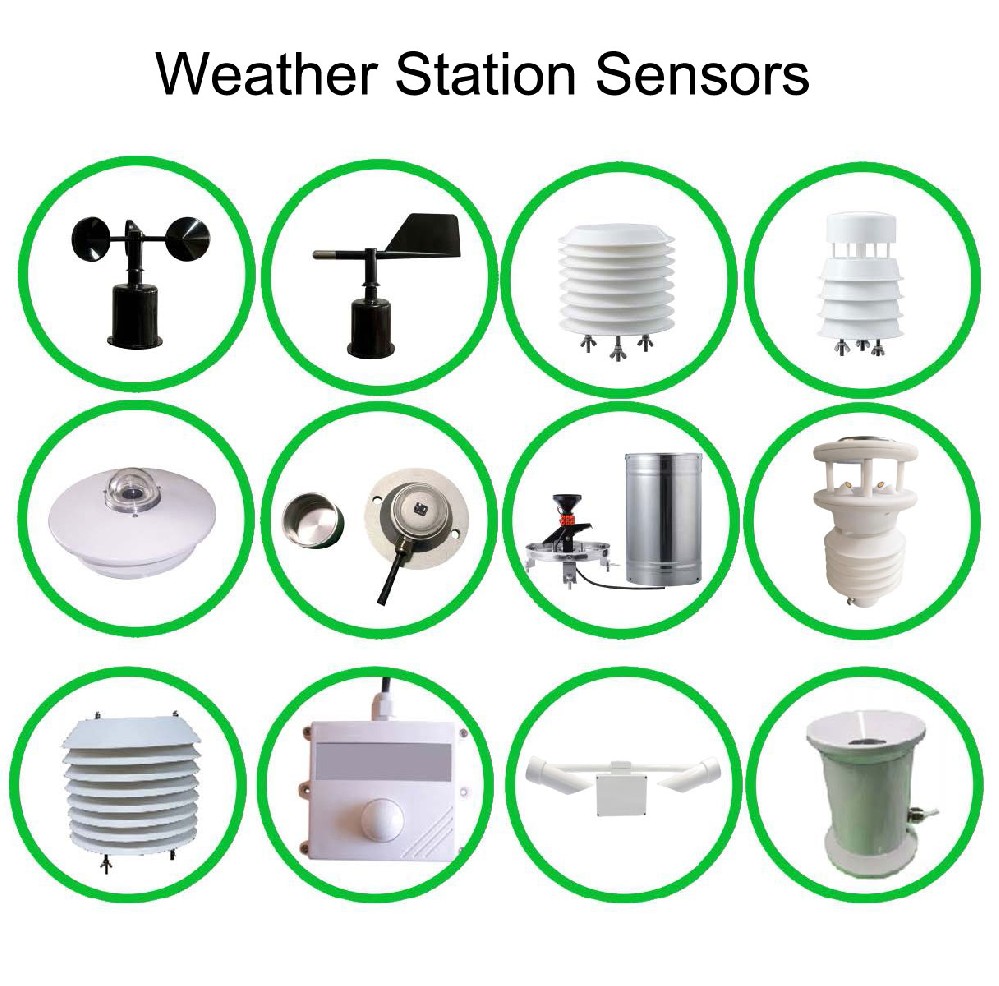
NiuBoL automatic weather station covers measurement of up to a dozen meteorological and soil parameters. Acquisition of these data is the foundation for achieving precision agriculture.
| Monitoring Parameter | Sensor Name | Main Role & Function |
| Atmospheric Temperature | Temperature Sensor | Monitors air temperature, key factor affecting crop growth, pest occurrence, and plant transpiration rate |
| Relative Humidity | Humidity Sensor | Monitors air relative humidity, affecting crop transpiration, irrigation needs, and pathogen breeding |
| Atmospheric Pressure | Pressure Sensor | Monitors pressure changes, important basis for weather forecasting, especially in high-altitude agriculture |
| Wind Speed/Wind Direction | Wind Speed/Wind Direction Sensor | Wind speed: Affects moisture evaporation, plant lodging risk, pesticide spraying effect. Wind direction: Determines pollutant diffusion and airflow movement direction |
| Solar Radiation | Solar Radiation Sensor | Measures total solar energy, affecting surface temperature and crop growth/development |
| Illuminance | Illuminance Sensor | Measures visible light intensity (Lux), guides greenhouse crop supplemental lighting strategy, evaluates light resources |
| Rainfall | Rainfall Sensor | Accurately measures rainfall, guides water resource management, flood prevention, and irrigation planning |
| Soil Temperature | Soil Temperature Sensor | Affects seed germination, root growth, soil microbial activity, and nutrient conversion rate |
| Soil Moisture | Soil Moisture Sensor | Monitors soil water content (soil moisture condition), direct basis for precision irrigation, avoiding drought or waterlogging |
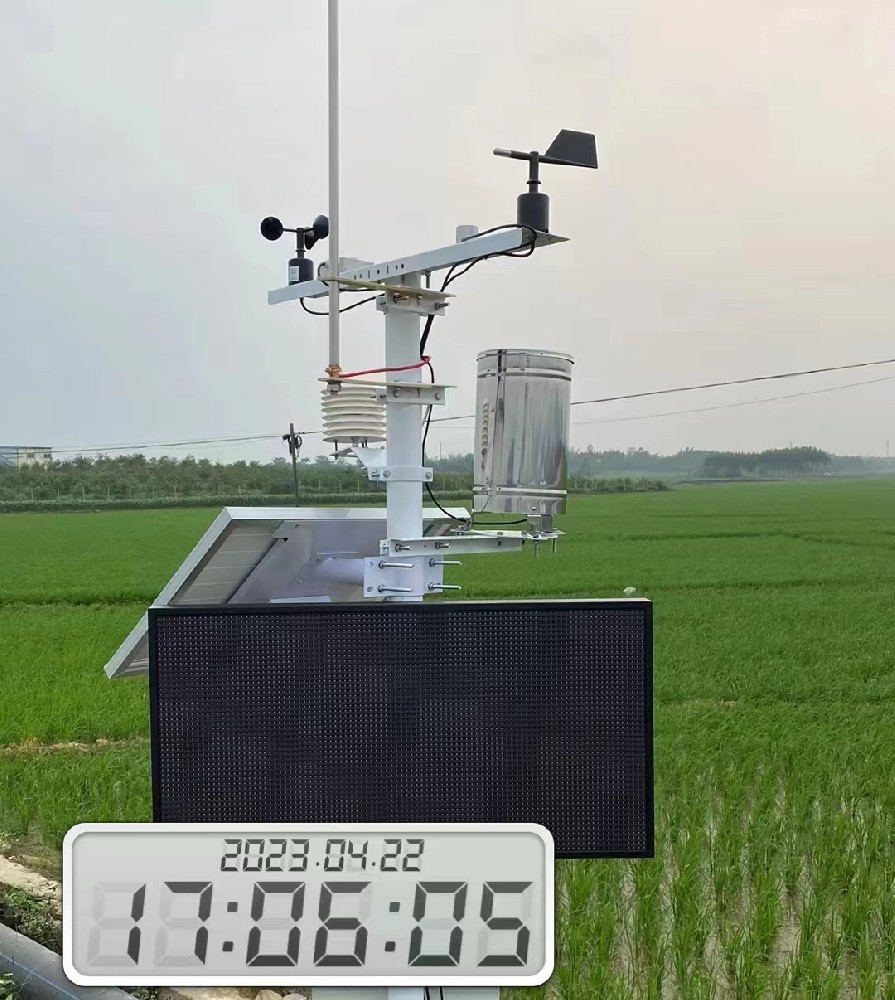
Site Selection Principle: Choose representative farmland areas, avoid near buildings, tall trees, or obstacles to prevent distortion of wind speed, illuminance, etc.
Sensor Height: Temperature/humidity sensors usually installed in standard louver box about 1.5 m above ground. Wind speed/direction sensor height should comply with meteorological observation standards for data accuracy.
Foundation & Bracket: Bracket must be sturdy and reliable, able to resist local wind loads. Full metal structure bracket (e.g., NiuBoL) enhances resistance to harsh environments.
Power Supply System: Ensure solar panel installation angle receives sufficient sunlight, away from shading.
Grounding & Lightning Protection: Must set reliable lightning protection and grounding system to ensure equipment and personnel safety.
Monitoring Parameters: Choose models including corresponding sensors based on your agricultural needs (e.g., aquaculture emphasizes wind speed/direction, greenhouse planting emphasizes illuminance, CO₂). NiuBoL provides multi-parameter integrated sensors for easy integration.
Accuracy & Stability: Choose products with high accuracy, low drift, and long-term stable operation in harsh environments.
Data Transmission & Platform: Ensure support for remote wireless transmission (4G/5G/WIFI) and equipped with powerful, user-friendly IoT data display, storage, and analysis platform.
Protection & Material: Consider equipment protection level and corrosion resistance (e.g., NiuBoL uses metal protective box and stainless steel bracket) to ensure long-term outdoor operation lifespan.
After-Sales Service & Software: Examine whether the manufacturer provides free host computer software, timely technical support, and maintenance services.
Q: What is the difference between an agricultural weather station and an ordinary weather station?
A: Agricultural weather stations focus more on micro-meteorological elements closely related to crop growth, usually adding monitoring of soil temperature/humidity, photosynthetically active radiation, CO₂ concentration, etc.
Q: What are the data transmission methods for weather stations?
A: Common methods include GPRS/4G/5G wireless transmission (via IoT SIM card), suitable for remote, large-area monitoring; also short-distance LoRa or WiFi transmission, suitable for local area networks or greenhouses.
Q: How does the weather station solve power supply issues?
A: Modern automatic weather stations usually use solar power systems (solar panels + batteries) to achieve long-term unattended operation without mains power restriction.
Q: How are collected data displayed in the backend?
A: Data is intuitively displayed through IoT platform in charts, curves, lists, etc. Users can view real-time values, historical trends, generate reports, and set warning thresholds.
Q: Which is better, integrated sensor or split sensor?
A: Integrated sensors (e.g., six-element integrated) are compact, easy to install/maintain, low power consumption, but single sensor failure may require overall replacement. Split sensors have strong expandability and flexible maintenance, but installation wiring is complex.
Q: How to judge the accuracy of wind speed and direction data?
A: First ensure installation location is unobstructed. Second, choose high-precision ultrasonic wind speed/direction sensors (no mechanical wear) which are more stable than traditional mechanical types.
Q: How is the weather station's resistance to harsh environments?
A: High-quality weather stations (e.g., NiuBoL) have high protection levels (usually IP65 or above), using corrosion-resistant materials (e.g., metal protective box, stainless steel bracket) to resist strong wind, heavy rain, high temperature, severe cold, etc.
Q: Can agricultural weather stations monitor pests and diseases?
A: The weather station itself does not directly monitor pests and diseases, but the temperature/humidity, rainfall, and other data it monitors are key indicators for predicting pest and disease occurrence and prevalence. Combined with professional pest models, early warnings can be issued.
Q: How often does the weather station need maintenance?
A: Depends on the environment. Generally recommended monthly or quarterly routine inspection, cleaning dust, bird droppings, or leaves on sensor surfaces, ensuring ventilation holes are clear.
Q: How is NiuBoL weather station expandability?
A: NiuBoL automatic weather station supports multi-channel sensor expansion, flexibly accessing customized sensors such as leaf humidity, CO₂ concentration, ultraviolet, etc., according to customer needs.
Q: What certifications does NiuBoL have?
A: CE, ISO9001, RoHS, and nationally recognized meteorological calibration certificates.
The agricultural weather station is the cornerstone of modern agricultural technologization. It transforms uncontrollable weather factors into quantifiable and predictable data resources. Through high-performance monitoring equipment like NiuBoL automatic weather station, farmers can change from “relying on the weather” to “knowing the weather and acting accordingly”, timely taking scientific field management measures, not only improving crop yield and quality but also significantly enhancing agricultural economic benefits and sustainable development level.
Next Step: Do you need me to customize a core parameter monitoring solution based on NiuBoL weather station for your specific planting crops (e.g., greenhouse vegetables, orchards, or field crops)?
Prev:Ultrasonic Anemometer: Principle, Application & High-Precision Selection Guide
Next:Dissolved Oxygen Sensor (DO): Principle, Faults & NiuBoL Fluorescence Method Application Guide
Related recommendations
Sensors & Weather Stations Catalog
 Agriculture Sensors and Weather Stations Catalog-NiuBoL.pdf
Weather Stations Catalog-NiuBoL.pdf
Agriculture Sensors Catalog-NiuBoL.pdf
Water Quality Sensor Catalog-NiuBoL.pdf
Related products
 Combined air temperature and relative humidity sensor
 TDR Soil Moisture & Temperature Sensor for irrigation| RS485 |4-20mA| NBL-S-THR
 Soil pH sensor RS485 soil Testing instrument soil ph meter for agriculture |NBL-S-PH
 Wind Speed sensor Output Modbus/RS485/Analog/0-5V/4-20mA
 Tipping bucket rain gauge for weather monitoring auto rainfall sensor RS485/Outdoor/stainless steel
 Pyranometer Solar Radiation Sensor 4-20mA/RS485

Screenshot, WhatsApp to identify the QR code
WhatsApp number:+8615367865107
(Click on WhatsApp to copy and add friends)

