





— Blogs —
—Products—
 Consumer hotline +8618073152920
 WhatsApp:+8615367865107
Address:Room 102, District D, Houhu Industrial Park, Yuelu District, Changsha City, Hunan Province, China
Product knowledge
Time:2025-12-13 13:37:26 Popularity:878
We often say “water is the source of life,” and dissolved oxygen (Dissolved Oxygen, abbreviated as DO) is undoubtedly the key “lifeline” maintaining healthy operation of aquatic ecosystems.
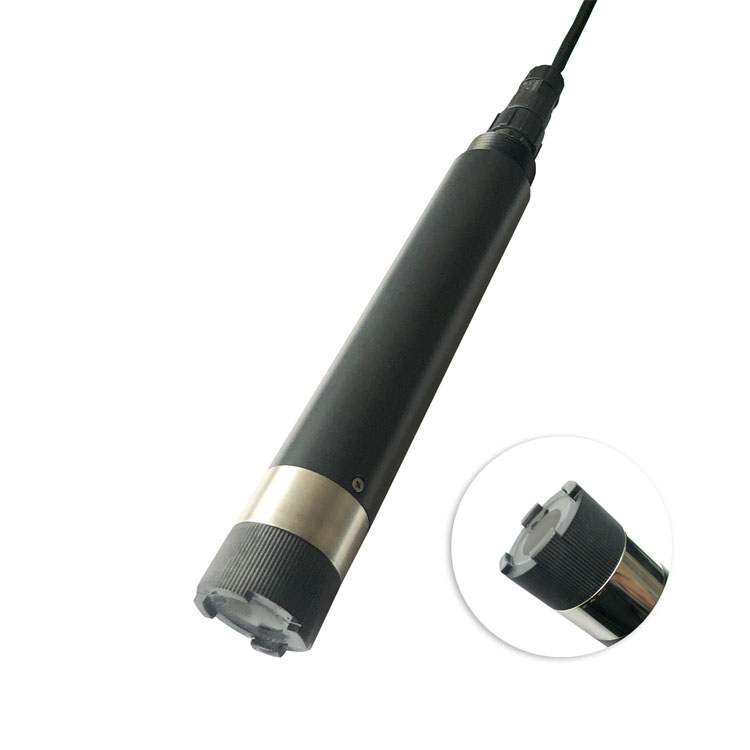
Dissolved oxygen refers to molecular oxygen (O₂) dissolved in water. It mainly comes from two pathways:
Atmospheric dissolution: Oxygen in air continuously dissolves into water through water surface contact with atmosphere.
Aquatic plant photosynthesis: Algae and aquatic plants in water release oxygen through photosynthesis under light.
Dissolved oxygen content is usually expressed in milligrams of oxygen per liter of water (mg/L).
Dissolved oxygen content in water is not constant and is closely related to the following factors:
Water temperature: Negatively correlated with dissolved oxygen. Lower temperature means higher oxygen solubility; higher temperature means lower solubility — the main influencing factor.
Atmospheric pressure/altitude: Higher pressure means greater oxygen partial pressure and higher solubility.
Salinity: Higher salinity means lower dissolved oxygen saturation.
Water disturbance/reoxygenation capacity: Water flow speed, waterfalls, aeration, etc., accelerate oxygen entry from air into water.
Dissolved oxygen is a core indicator measuring water self-purification capacity.
Water self-purification refers to the process where water body, after receiving certain pollutants, gradually restores water quality to pre-pollution level through physical (dilution, sedimentation), chemical (oxidation, reduction), and microbial (decomposition) actions.
Organic pollutants in water require aerobic microorganisms for decomposition, consuming large amounts of dissolved oxygen.
Sufficient DO: High dissolved oxygen content means high efficiency of aerobic microorganisms decomposing pollutants, strong water self-purification capacity.
Insufficient DO (even anaerobic): Excessive pollutants cause sharp DO drop, water enters anaerobic state, decomposition slows, producing harmful gases like hydrogen sulfide (H₂S) and methane (CH₄), worsening water quality.
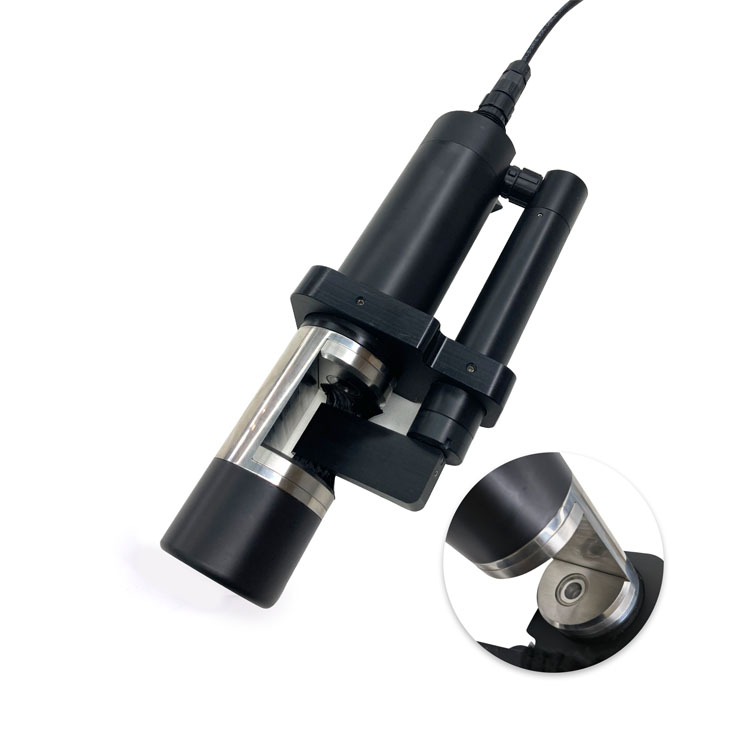
Traditional dissolved oxygen measurement is represented by iodometric method (e.g., azide modification method, Winkler method).
Principle: Add chemical reagents to fix dissolved oxygen in water, then determine oxygen content via titration.
Limitations: Complex steps, time-consuming, requires precise operation and professional reagents, cannot achieve continuous online real-time monitoring.
Principle: Oxygen permeates membrane and undergoes electrochemical reaction at electrode, generating current proportional to dissolved oxygen concentration.
Limitations: Requires electrolyte, prone to polarization, needs regular maintenance (replace electrolyte and membrane), measurement requires water flow over membrane (oxygen consumption), easily interfered by sulfides and other chemicals.
Fluorescence method adopted by NiuBoL and other enterprises is a major innovation in dissolved oxygen measurement.
Principle: Based on fluorescence quenching principle in physics.
Excitation light shines on fluorescent substance on fluorescent membrane cap surface.
Fluorescent substance is excited and emits fluorescence.
Oxygen molecules in water contact fluorescent substance, “quenching” or shortening fluorescence extinction time (phase difference).
Detect phase difference between excitation light and fluorescence to calculate oxygen molecule concentration.
NBL-RDO-206 Dissolved Oxygen Sensor Technical Advantages:
No oxygen consumption: No electrolyte needed, does not consume oxygen, unaffected by water flow speed.
Low maintenance: No regular electrolyte replacement, simple maintenance, long fluorescent membrane cap lifespan (approximately 1 year under normal use).
Strong anti-interference: Unaffected by sulfides and other chemicals, low drift, more accurate measurement.
Integrated: Online real-time monitoring, built-in temperature compensation and salinity compensation.
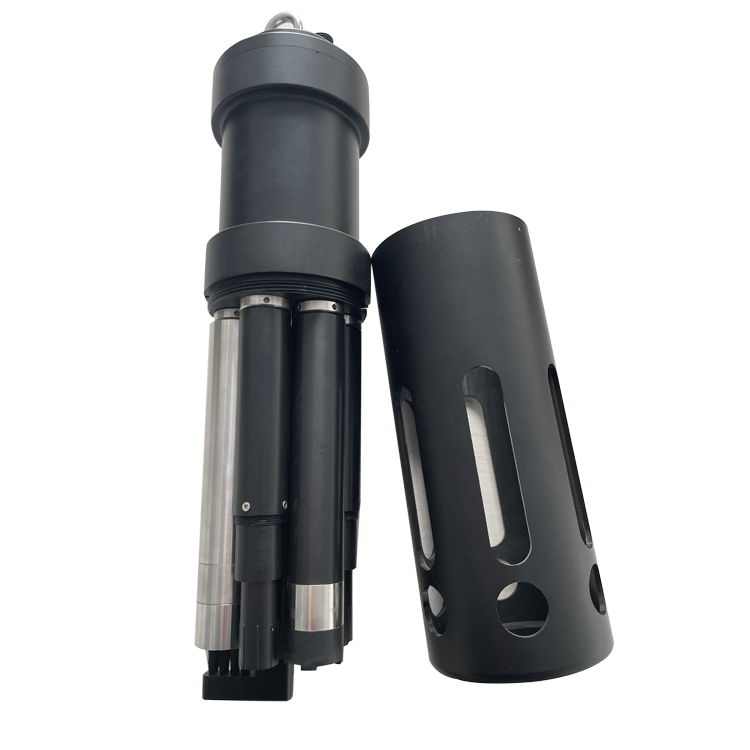
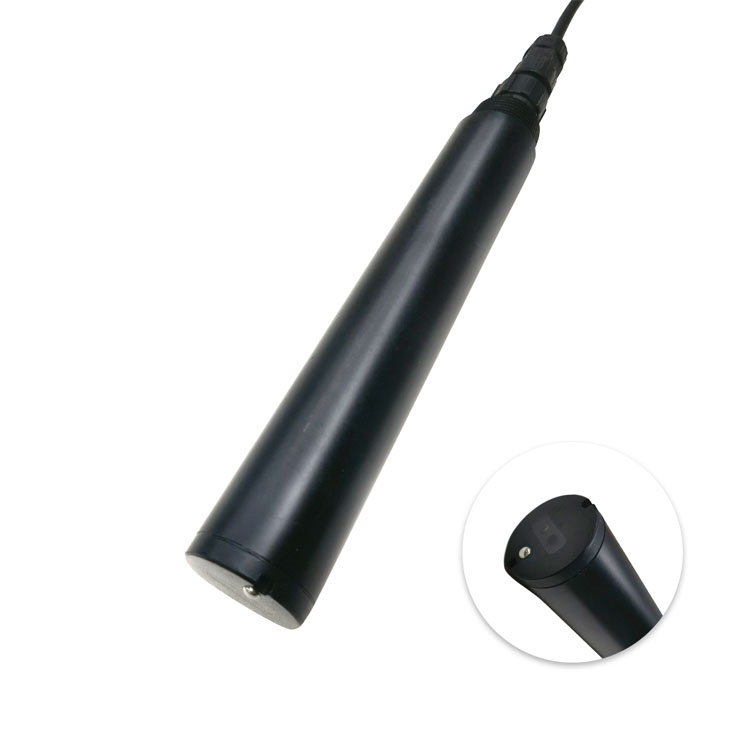
NBL-RDO-206 is an integrated online fluorescence method dissolved oxygen sensor designed for continuous monitoring.
| Structural Component | Material/Function | Feature Description |
| Housing | POM/316L stainless steel | Rugged and corrosion-resistant, IP68 high protection level, suitable for harsh water environments |
| Fluorescent Membrane Cap | Special fluorescent substance thin film | Core sensing component, senses oxygen concentration through fluorescence quenching effect. Easy to replace |
| Built-in Temperature Sensor | Pt1000 | Real-time water temperature measurement, automatic temperature compensation for DO readings, ensuring data accuracy |
| Circuit & Transmitter | Internal integrated | High-reliability design, no external transmitter, integrated design, RS-485 signal output |
| Parameter | Specification | Remarks |
| Measurement Principle | Fluorescence method | Physical measurement, no consumption |
| Range | 0~20.00 mg/L | Covers common monitoring needs |
| Accuracy | ±2% | High-precision measurement |
| Response Time (T90) | < 30 s | Fast response, suitable for real-time monitoring |
| Output Method | RS-485 (Modbus RTU) | Industrial standard protocol, easy integration |
| Protection Level | IP68 | Long-term submersion in water |
| Power Supply | 12~24 V DC | Wide voltage design, low power consumption |
| Common Fault Phenomenon | Possible Cause | Troubleshooting & Solution Recommendations |
| Reading drift or large fluctuation | 1. Fluorescent membrane cap surface contaminated (oil, algae) 2. Membrane cap lifespan expired | 1. Clean membrane cap with clean water or manufacturer-recommended cleaner 2. Replace with new fluorescent membrane cap |
| Low reading or zero | 1. Probe not in contact with water (or water extremely anoxic) 2. Membrane cap damaged or poor contact | 1. Ensure probe properly submerged in water 2. Check and tighten membrane cap; replace if damaged |
| Communication error (RS485) | 1. Wiring error (A/B reversed, power cable issue) 2. Protocol parameter mismatch (baud rate, address) | 1. Check wiring correctness, rule out cable aging 2. Check if communication device and sensor protocol settings match |
| Temperature compensation invalid | Built-in temperature sensor fault | Contact manufacturer for repair or replacement |
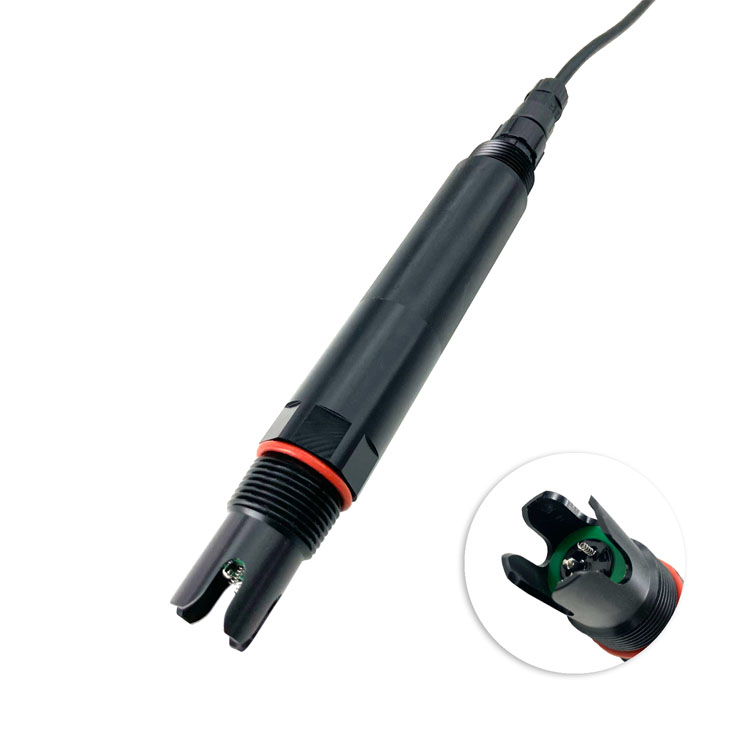
Measurement Principle: Prioritize fluorescence method (e.g., NiuBoL NBL-RDO-206) for low maintenance cost, strong anti-interference, no flow speed requirement, more suitable for long-term online monitoring.
Accuracy & Range: Choose appropriate accuracy level based on application (e.g., high-precision aquaculture, general sewage treatment).
Protection Level: Long-term outdoor or underwater use must choose IP68 high protection products.
Output & Integration: Ensure output signal (e.g., RS-485 Modbus/RTU) compatible with your monitoring system.
After-Sales & Maintenance Cost: Consider replacement cycle and cost of consumables like membrane caps.
Installation Location: Avoid dead water zones or bubble concentration areas, ensure probe fully contacts representative water body.
Calibration: Fluorescence method sensors generally use two-point calibration (zero oxygen calibration and saturated oxygen calibration). Saturated calibration usually performed in air or saturated water sample, simple operation.
Maintenance: Regularly check fluorescent membrane cap for dirt attachment, clean when necessary.
Dissolved oxygen sensors have become indispensable tools in environmental monitoring and process control.
Environmental/Water Quality Monitoring: Real-time monitoring of DO content in rivers, lakes, groundwater, surface water to judge water pollution degree and self-purification capacity — key indicator for water environment quality evaluation.
Aquaculture: DO is primary factor affecting fish/shrimp growth and survival. Precise monitoring and control (e.g., automatic aeration) can significantly improve breeding efficiency and reduce mortality.
Sewage Treatment:
Biochemical treatment stage: DO control in aeration tank is crucial. Too low affects aerobic microbial activity; too high wastes energy. Sensor used for precise aeration control.
Industrial Wastewater Treatment & Process Control: Used to monitor oxygen content in industrial circulating water, cooling water, pharmaceutical, biochemical, etc., processes.
Q: Does fluorescence method dissolved oxygen sensor require electrolyte replacement?
A: No. Fluorescence method is based on physical principle, no electrochemical reaction involved, no electrolyte needed, greatly reducing maintenance.
Q: Is NBL-RDO-206 affected by water flow speed?
A: No. Since it does not consume oxygen, no requirement for water body flow speed, can accurately measure static or low-flow water DO.
Q: How to calibrate fluorescence method dissolved oxygen sensor?
A: Mainly two-point calibration. Usually includes zero oxygen calibration (using zero oxygen water or solution) and saturated oxygen calibration (in humid air or saturated water).
Q: Why does sensor reading suddenly drop?
A: Possibly real DO drop in water body, e.g., nighttime aquatic plants not photosynthesizing; or sensor membrane cap surface severely contaminated, preventing oxygen effective contact with sensing layer.
Q: How often does dissolved oxygen sensor need cleaning?
A: Depends on water quality. In clean water may be several months once; in sewage or eutrophic water may need weekly or monthly cleaning to remove biofilm or dirt.
Q: How does temperature affect DO measurement? How does sensor handle it?
A: Water temperature significantly affects oxygen solubility. NBL-RDO-206 built-in Pt1000 temperature sensor automatically compensates temperature for DO readings, outputting corrected accurate DO values.
Q: Does salinity affect DO measurement?
A: Yes, higher salinity means lower DO solubility. NBL-RDO-206 supports built-in salinity compensation; users can set salinity parameter for accurate readings in seawater or high-salinity water.
Q: How to read RS-485 Modbus/RTU output data?
A: Need Modbus protocol-supported collector, PLC, or industrial computer to query sensor register addresses for dissolved oxygen and temperature values.
Q: How long can fluorescent membrane cap be used? How to judge replacement needed?
A: NiuBoL membrane cap lifespan approximately 1 year under normal use. When cleaning and recalibration still result in unstable or inaccurate readings, usually need replacement.
Q: Besides dissolved oxygen sensor, what other water quality monitoring products does NiuBoL have?
A: NiuBoL committed to smart environmental monitoring, product line covers wind, solar radiation & illuminance, atmospheric environment & gas, rain/snow/hail, soil moisture & soil quality, water quality (pH, turbidity, conductivity, etc.) sensors and overall solutions.
Q11: What certifications does NiuBoL have?
A11: CE, ISO9001, RoHS, and nationally recognized meteorological calibration certificates.

Dissolved oxygen, as core indicator of water self-purification capacity and water environment health, its monitoring precision and stability are crucial. Traditional chemical method is cumbersome, electrochemical method maintenance complex. Fluorescence method dissolved oxygen sensor represented by NiuBoL NBL-RDO-206, with advantages of no oxygen consumption, maintenance-free, strong anti-interference, high precision, and integrated design, has become the preferred tool for modern water quality online monitoring.
Whether in environmental monitoring, smart aquaculture, or fine sewage aeration control, choosing NiuBoL professional sensing technology enables more efficient and precise mastery of water quality dynamics, providing reliable data support for building healthy water ecological environment.
Prev:Agricultural Weather Station: Definition & Core Role
Next:Radar Water Level Gauge: Non-Contact Essential Tool for Water Conservancy Monitoring & Flood Warning
Related recommendations
Sensors & Weather Stations Catalog
 Agriculture Sensors and Weather Stations Catalog-NiuBoL.pdf
Weather Stations Catalog-NiuBoL.pdf
Agriculture Sensors Catalog-NiuBoL.pdf
Water Quality Sensor Catalog-NiuBoL.pdf
Related products
 Combined air temperature and relative humidity sensor
 TDR Soil Moisture & Temperature Sensor for irrigation| RS485 |4-20mA| NBL-S-THR
 Soil pH sensor RS485 soil Testing instrument soil ph meter for agriculture |NBL-S-PH
 Wind Speed sensor Output Modbus/RS485/Analog/0-5V/4-20mA
 Tipping bucket rain gauge for weather monitoring auto rainfall sensor RS485/Outdoor/stainless steel
 Pyranometer Solar Radiation Sensor 4-20mA/RS485

Screenshot, WhatsApp to identify the QR code
WhatsApp number:+8615367865107
(Click on WhatsApp to copy and add friends)

