





— Blogs —
—Products—
 Consumer hotline +8618073152920
 WhatsApp:+8615367865107
Address:Room 102, District D, Houhu Industrial Park, Yuelu District, Changsha City, Hunan Province, China
Product knowledge
Time:2025-12-13 11:54:26 Popularity:1541
An ultrasonic anemometer is a modern instrument that uses ultrasonic technology to measure wind speed and direction. It completely revolutionizes traditional mechanical wind cup and vane methods, achieving fully digital, high-precision, non-mechanical-wear measurement.
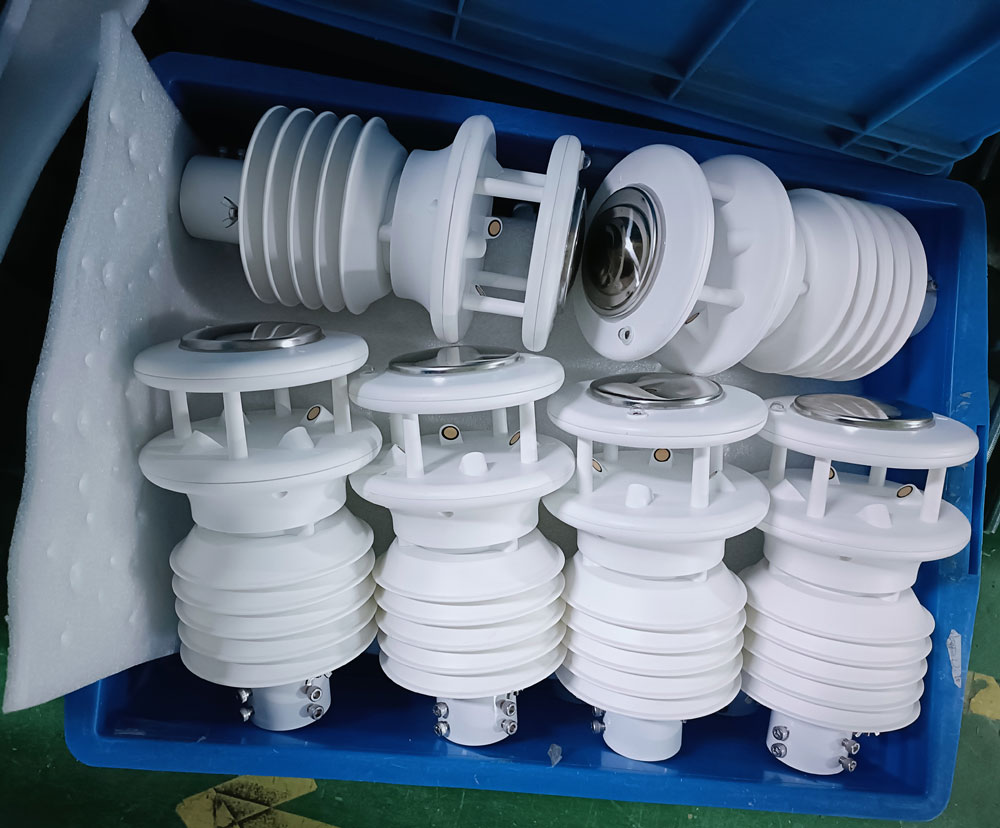
The ultrasonic anemometer utilizes the characteristic that the propagation speed of ultrasonic waves in air is affected by wind speed, calculating wind speed by precisely measuring the difference in ultrasonic wave propagation time.
| Advantage Feature | Description | Comparison with Traditional Mechanical Wind Measurement (Wind Cup/Vane) |
| Non-contact measurement | No mechanical moving parts, no need to contact the measured object | Friction and wear exist, high maintenance costs |
| High accuracy / fast response | Ultrasonic propagation time change is extremely sensitive, providing high-precision wind speed and direction data with fast response | Response speed limited by inertia, especially poor accuracy at low wind speeds |
| High reliability / harsh environment resistance | No worry about freezing, salt fog, or sand/dust wear on mechanical parts, reliable in harsh environments | Easily jammed by freezing or sand/dust, requires frequent maintenance |
| Real-time data processing | Achieves real-time data acquisition and processing with fast processing speed | Data processing speed relatively slow |
The core principle of ultrasonic anemometer is using the acoustic wave propagation time difference method to calculate wind speed and direction, cleverly eliminating the influence of temperature and other environmental factors.
The sensor emits ultrasonic pulses along an axis (e.g., north to south, N-S) and measures the transmission time difference of ultrasonic waves with and against the wind (). By calculating T, the wind speed component along that axis can be precisely calculated, as the time difference is proportional to wind speed.
This time-difference-based calculation method is not directly related to the speed of sound in air (affected by temperature and humidity), effectively eliminating environmental factor interference in measurement.
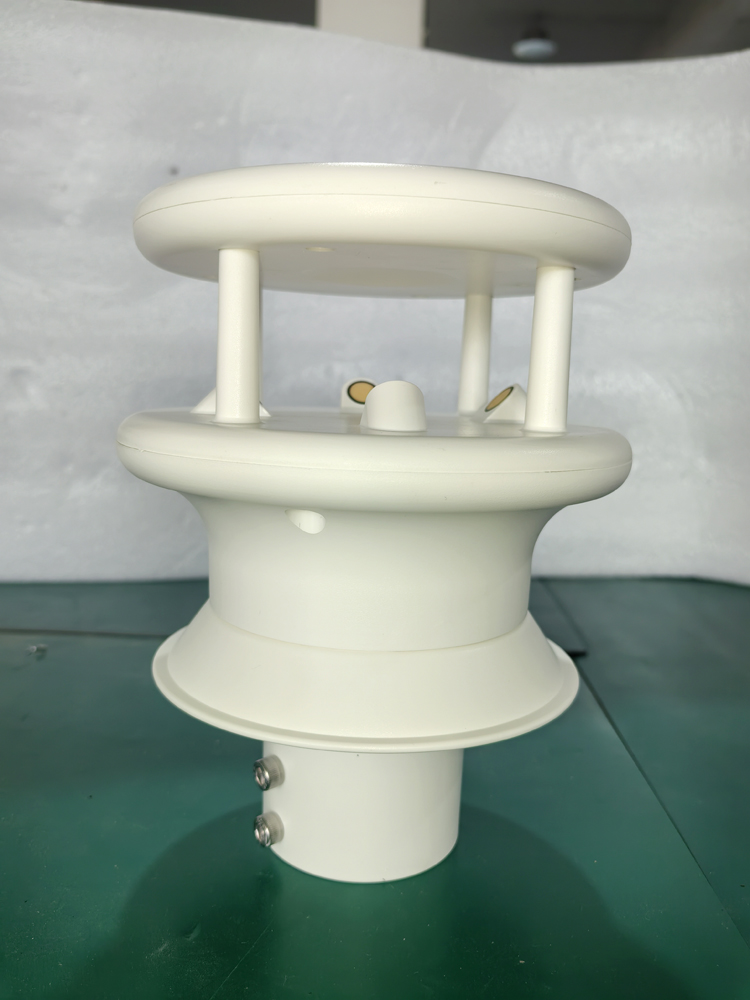
| Type | Measurement Dimension | Monitoring Parameters | Core Applications |
| Two-Dimensional (2D) | Horizontal (U, V) | Horizontal wind speed, wind direction | Standard meteorological monitoring, environmental monitoring, agriculture, traffic warning |
| Three-Dimensional (3D) | Horizontal and vertical (U, V, W) | Horizontal wind speed, wind direction, vertical wind speed, turbulence intensity, sonic temperature | Meteorological research, wind tunnel experiments, bridge/high-rise building wind vibration, complex wind field analysis |
Advantages of 3D Wind Measurement: Measures vertical wind speed component (W), used to calculate turbulence intensity and vertical airflow, providing complete wind vector information for aerodynamics and structural safety analysis.
With high precision and reliability, ultrasonic anemometers are widely used in professional fields requiring high wind speed and direction data.
Meteorology & Environmental Monitoring: Provides high-precision wind speed and direction data for weather forecasting, atmospheric environmental change analysis, and air pollution diffusion research.
Energy Industry (Wind Energy): Used for wind energy assessment, wind farm site selection, and optimizing wind turbine operating efficiency.
Aviation & Ports:
Aviation: Airport runway wind speed monitoring, wind tunnel tests, ensuring takeoff/landing safety
Ports/Docks: Provides precise wind speed and direction data for super-large ship berthing and loading/unloading operations
Building Safety & Bridge Monitoring: Measures wind load and vibration on buildings or tall structures (e.g., skyscrapers, suspension bridges), providing important data for architectural design and structural safety assessment — particularly favoring 3D anemometers.
Industrial & Agricultural Production: Applied in agricultural weather stations, greenhouse control, industrial exhaust monitoring, traffic safety (e.g., highway crosswind warning), etc.
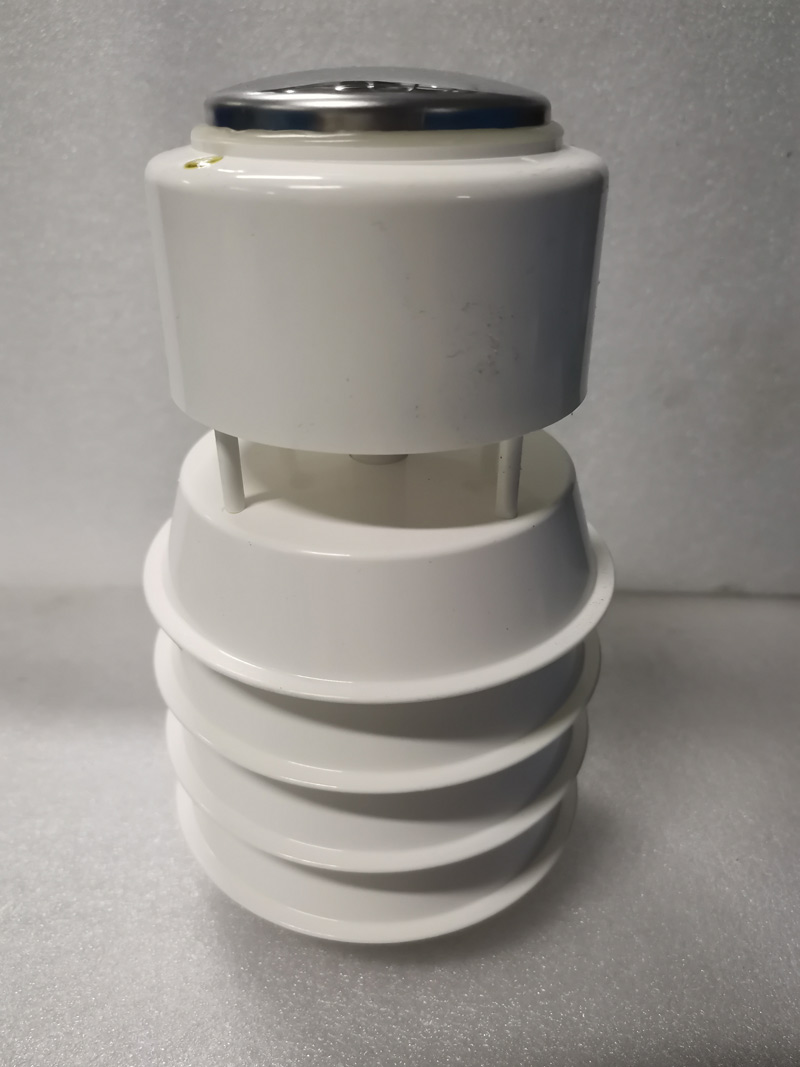
NiuBoL offers a series of ultrasonic anemometers to meet different professional needs.
A fully digital, high-precision two-dimensional ultrasonic wind speed and direction sensor suitable for most standard meteorological and environmental monitoring scenarios.
Core Features: High integration, rugged and durable, optional heating, no mechanical wear.
| Parameter Category | Parameter Item | NBL-W-21GUWS Specifications |
| Wind Speed Measurement | Range | 0–60 m/s |
| Accuracy | ±0.5 + 3% FS | |
| Resolution | 0.01 m/s | |
| Wind Direction Measurement | Range | 0–359° |
| Accuracy | ±3° | |
| Resolution | 1° | |
| Electrical & Environmental | Power Supply Voltage | DC 12–24 V |
| Signal Output | RS485 (standard MODBUS protocol) | |
| Operating Temperature | -20 to +80°C | |
| Protection Level | IP65 |
If your project involves aerodynamics, turbulence research, or complex wind field analysis requiring precise vertical wind speed measurement, choose the three-dimensional model.
Core Features: Three-axis component measurement (U, V, W), calculates turbulence intensity, provides complete wind vector information.
| Advantages | Limitations |
| High reliability: Stable performance in harsh environments (high temperature, high pressure, freezing) Non-contact: No contact with measured object, no wear, low maintenance High precision / high response: Captures rapid wind speed changes and low wind speeds | Relatively higher cost: Initial purchase cost higher than traditional mechanical type Sensitivity: Although unaffected by temperature changes, extreme weather (extreme surface contamination) still requires cleaning maintenance Environmental interference: Strict WMO standard installation required to avoid turbulence from buildings and other sources |
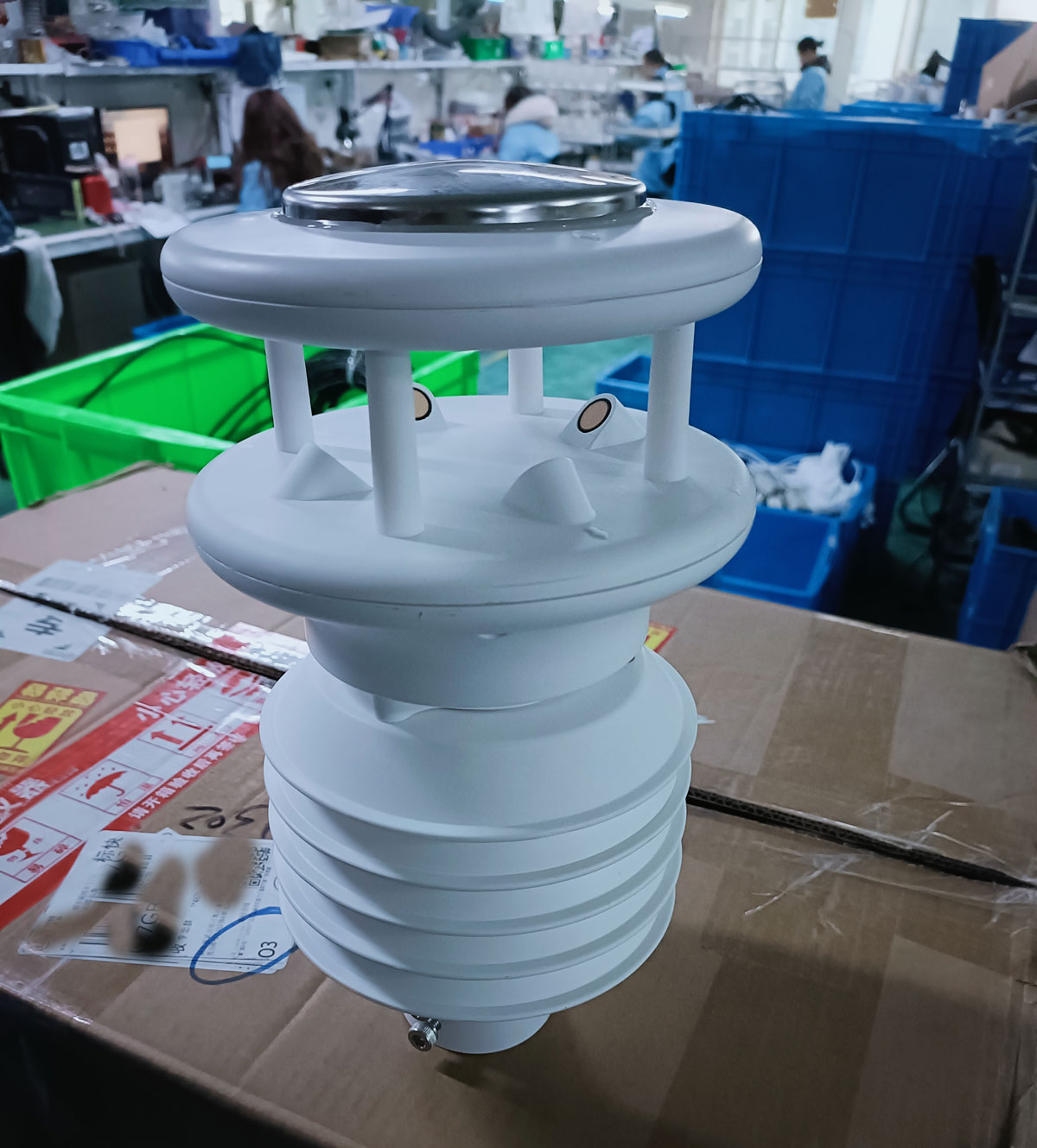
Determine measurement needs: 2D horizontal wind speed or 3D vertical wind speed and turbulence intensity? This is the core factor determining cost and model.
Match range: Ensure selected model range (e.g., 0–60 m/s) covers local maximum wind speed extremes.
Consider environmental factors: For cold regions, must select models with heating function (heating power 3 W) to prevent rain/snow freezing affecting measurement.
Data integration: Confirm sensor output method (RS485/MODBUS) is fully compatible with your data acquisition system.
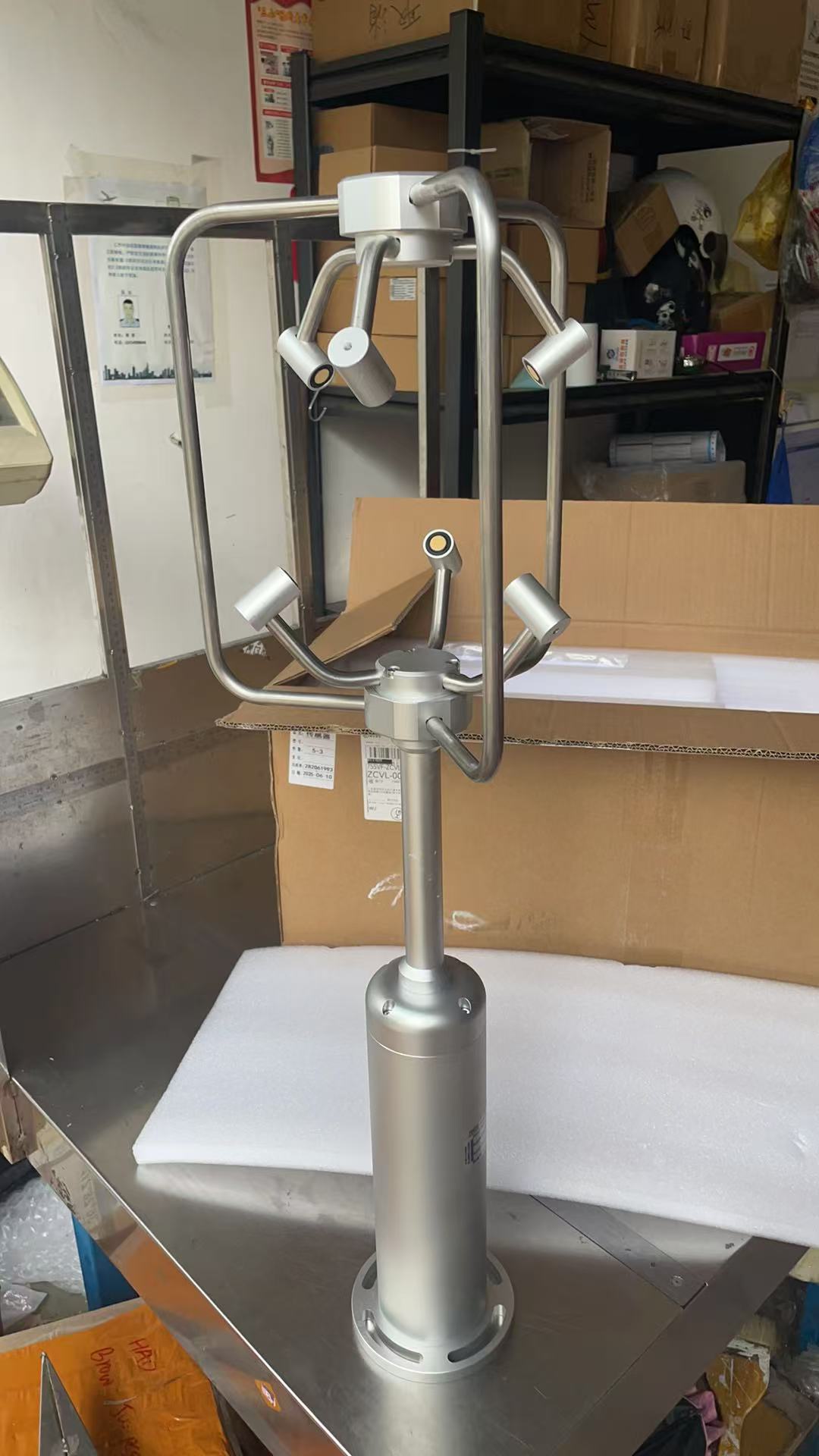
Correct installation location and method are prerequisites for ensuring ultrasonic anemometer accuracy.
Open Area Principle (WMO):
• Meteorological instrument installation standard: More than 10 meters above ground in open areas.
• Open area definition: Meteorological instrument at least 10 times the height of any obstacle distance away (avoid turbulence from buildings, trees).
Avoid Interference Sources:
• Electromagnetic interference: Do not install on the same plane as any radar scanning device or radio transmitter; recommend at least 2 meters distance.
• Mechanical interference: If installed on a boom on a mast, boom length must be twice the tower's minimum diameter, and boom installed on prevailing wind side.
Alignment & Fixing:
• Vertical positioning: Device installed on a vertical mounting pipe, ensuring measurement surfaces on the same horizontal plane.
• North alignment: During installation, use a standard compass to determine geographic north and align the instrument’s north marker accordingly.
• Fixing: Securely fasten the device to the mounting pipe with screws and perform appropriate strain relief on cables.
Regular inspection: Check sensor surface to ensure transducers are not covered by dust, bird droppings, or ice/snow.
Cleaning: Clean gently to avoid damaging transducer surfaces.
Power assurance: Ensure continuous power supply during operation, regularly check power lines and battery status.

Q: Why can ultrasonic anemometers eliminate temperature influence on measurement?
A: It calculates wind speed components by measuring ultrasonic transmission time difference. The time difference between with-wind and against-wind propagation is independent of sound speed itself, thus canceling temperature effects on sound speed.
Q: Is NiuBoL’s IP65 protection level sufficient for outdoor applications?
A: IP65 means dustproof (level 6) and low-pressure water jet proof (level 5), sufficient for most outdoor rain and sand environments. High-strength structural design also ensures long-term reliability.
Q: How accurate is the ultrasonic anemometer in low wind speed environments?
A: Ultrasonic sensors have no mechanical inertia and extremely low starting wind speed, so accuracy and sensitivity in low wind speeds (below 0.5 m/s) are far superior to traditional mechanical wind cups.
Q: What is the application value of the vertical wind speed W component in 3D ultrasonic anemometers?
A: The W component is key for calculating airflow turbulence intensity (random wind pulsation and instability). It is crucial in studying atmospheric boundary layer, bridge wind vibration safety, and gust risk assessment in wind power generation.
Q: How to prevent sensor freezing in cold regions?
A: Recommend selecting ultrasonic anemometers with heating function. Some NiuBoL models can be configured with 3 W heating module to prevent rain/snow freezing on sensor surface.
Q: How to ensure correct geographic north alignment during installation?
A: Must use a standard compass for calibration. The instrument has a clear “north” marker that needs to be aligned with geographic north during installation.
Q: What is the maintenance cycle for ultrasonic anemometers?
A: Due to no mechanical wear, maintenance workload is minimal. Generally recommended to check and clean sensor surface quarterly or monthly (depending on pollution level) to prevent dirt affecting ultrasonic transmission.
Q: What are the advantages of RS485/MODBUS protocol?
A: RS485 supports long-distance transmission (up to thousands of meters); MODBUS is an open and universal industrial protocol, facilitating rapid integration of sensor data into various data acquisition systems (e.g., PLC, RTU).
Q: What is the starting wind speed of ultrasonic anemometers?
A: Theoretically, the starting wind speed of ultrasonic anemometers approaches 0 m/s; it can measure very weak airflow.
Q: Why does WMO recommend installing meteorological instruments above 10 meters in open areas?
A: To ensure measurements are unaffected by ground friction layer and obstacle-induced turbulence, obtaining representative and comparable meteorological data.
Q11: What certifications does NiuBoL have?
A11: CE, ISO9001, RoHS, and nationally recognized meteorological calibration certificates.
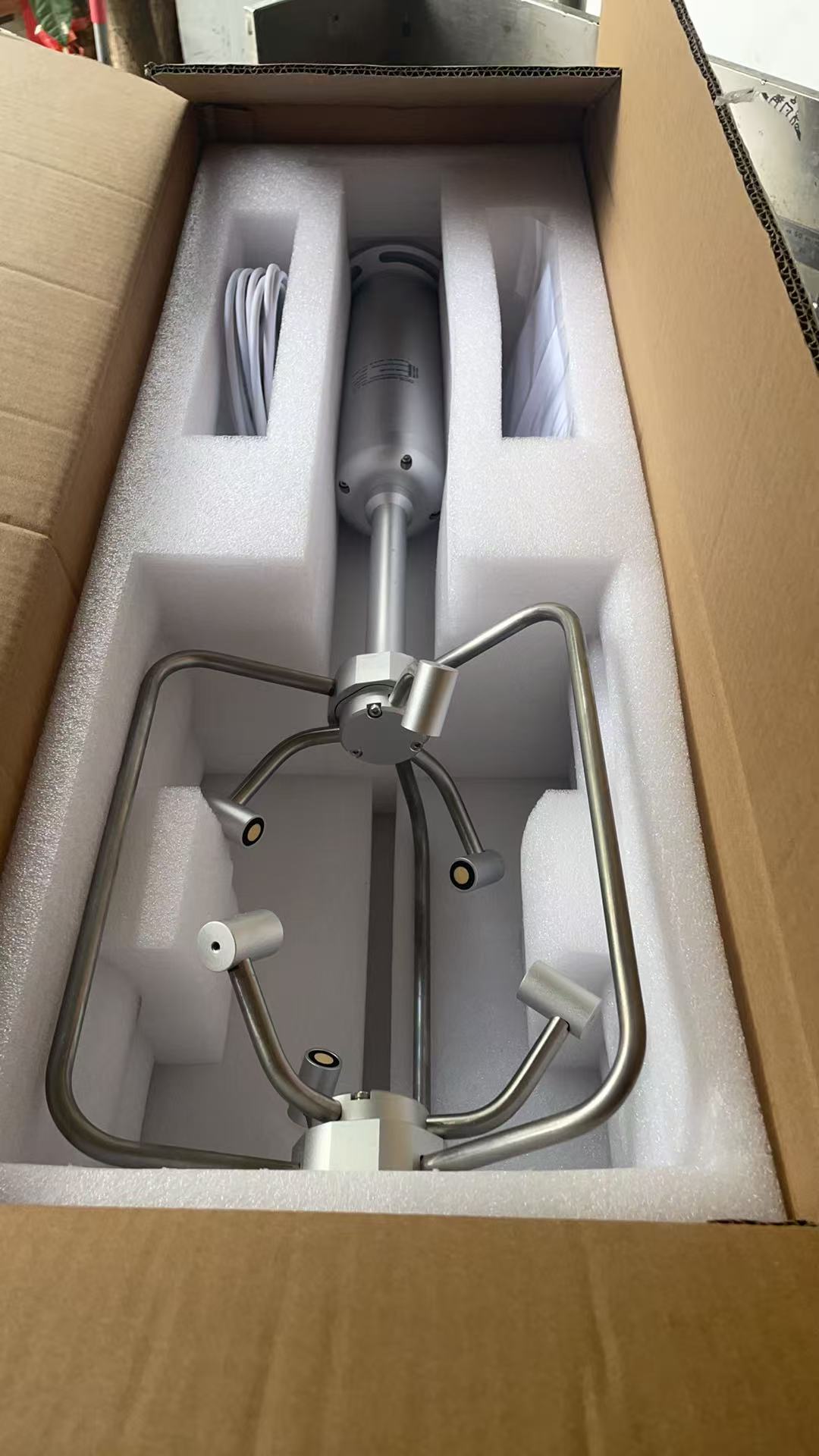
As a high-precision, high-reliability wind measurement tool, the ultrasonic anemometer has become indispensable in modern meteorology, environmental, and engineering safety monitoring fields. NiuBoL not only provides the two-dimensional standard model NBL-W-21GUWS for conventional monitoring but also launches the three-dimensional research model NBL-W-3D-UWDS for complex wind field analysis, meeting multi-dimensional needs from basic meteorology to cutting-edge research. Correct model selection and strict adherence to WMO installation standards will ensure stable, accurate wind speed data, providing reliable scientific basis for your project decisions.
Do you need a detailed technical manual for NiuBoL ultrasonic anemometers (2D or 3D) for project selection and integration?
 All-in-One-Ultrasonic-Weather-Sensor-Instruction-Manual.pdf
NBL-W-61MUWS-Ultrasonic-Weather-Station-Instruction-Manual.pdf
Related recommendations
Sensors & Weather Stations Catalog
Agriculture Sensors and Weather Stations Catalog-NiuBoL.pdf
Weather Stations Catalog-NiuBoL.pdf
Agriculture Sensors Catalog-NiuBoL.pdf
Water Quality Sensor Catalog-NiuBoL.pdf
Related products
 Combined air temperature and relative humidity sensor
 TDR Soil Moisture & Temperature Sensor for irrigation| RS485 |4-20mA| NBL-S-THR
 Soil pH sensor RS485 soil Testing instrument soil ph meter for agriculture |NBL-S-PH
 Wind Speed sensor Output Modbus/RS485/Analog/0-5V/4-20mA
 Tipping bucket rain gauge for weather monitoring auto rainfall sensor RS485/Outdoor/stainless steel
 Pyranometer Solar Radiation Sensor 4-20mA/RS485

Screenshot, WhatsApp to identify the QR code
WhatsApp number:+8615367865107
(Click on WhatsApp to copy and add friends)

